
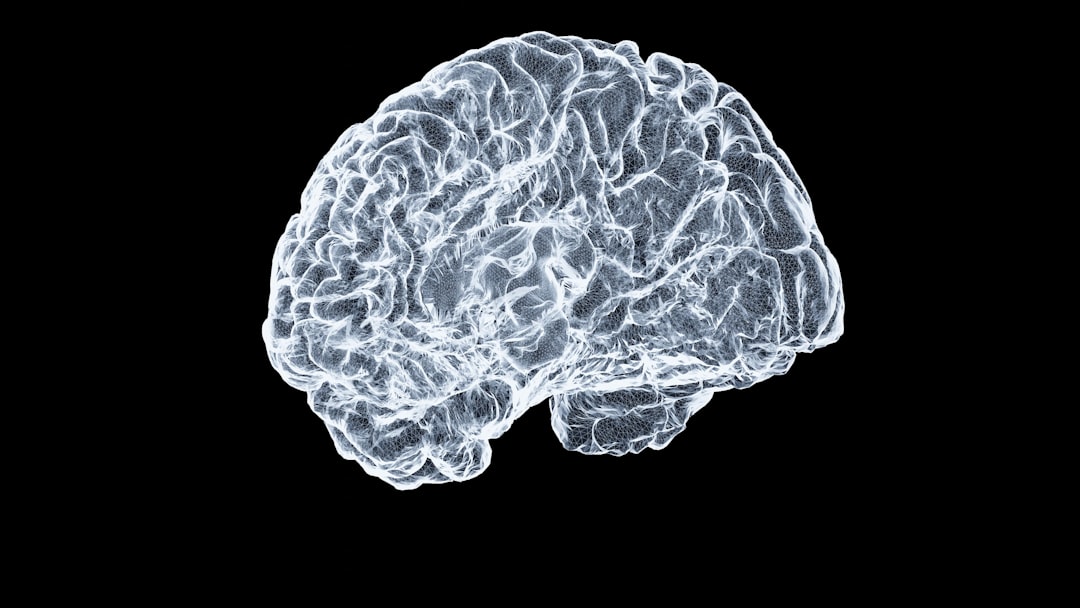
There’s something quietly astonishing about what the human brain does in its final moments. Not silence. Not darkness. Something almost the opposite. For decades, people who survived cardiac arrest, drowning, or other brushes with death returned with eerily similar stories: a profound sense of peace, a feeling of leaving the body, a brilliant light ahead. Scientists long dismissed these accounts as the fuzzy byproducts of a dying mind. That dismissal is becoming much harder to sustain.
What researchers are now uncovering goes deeper than hallucination. The brain, it appears, doesn’t simply shut down when death approaches. In some cases, it activates. It organizes. It may even, in a strange and not fully understood way, recognize what’s coming. The science is still early, still contested, and in places genuinely puzzling. But the questions being asked right now are among the most profound in all of neuroscience.
#1: The Brain’s Electrical Storm at the Moment of Death
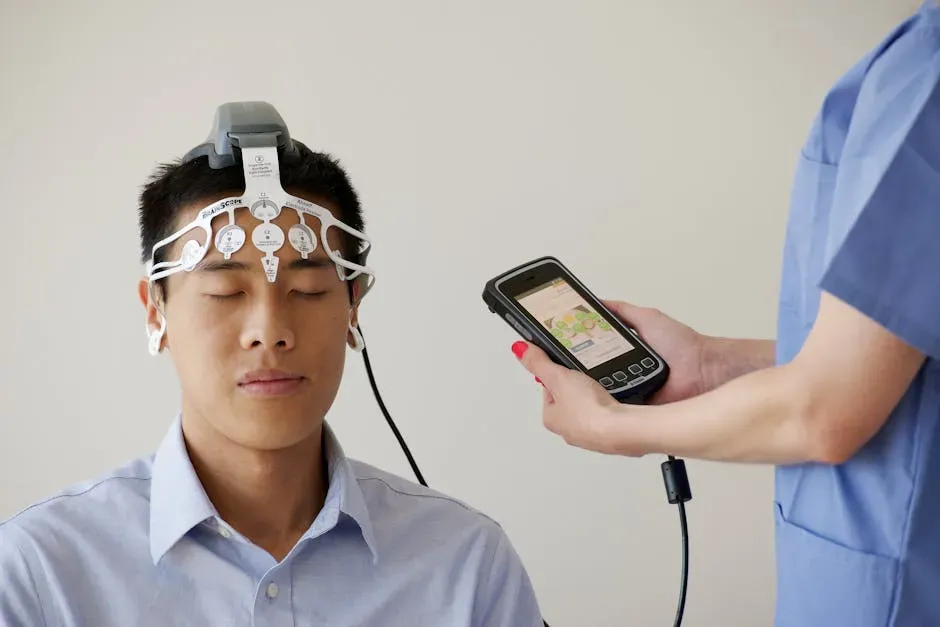
Using electroencephalogram recordings, researchers are able to watch how patterns of brain activity change in the moments leading up to death, and the results show distinctive bursts of coordinated neural activity, indicating that something significant is happening as our brains intuit that death may be near. This wasn’t what anyone expected to find.
Researchers at the University of Michigan published groundbreaking findings from their analysis of brain recordings from four dying patients. The patients were on life support and their brain activity was recorded by EEG, which tracks electrical activity via electrodes placed on the scalp. Led by Dr. Jimo Borjigin, the team made the remarkable observation that two of the patients exhibited a surge of brain activity shortly after life support was removed. Previously, this kind of end-of-life surge had only been witnessed in rat studies, but here was the first evidence it might occur in humans too.
Electrical signatures of consciousness at near-death actually exceeded levels found in the waking state, suggesting that the brain is capable of well-organized electrical activity during the early stage of clinical death. That’s not a system failing quietly. That’s a system doing something with intention, or at least with remarkable biological purpose.
The activity was detected in the so-called hot zone of neural correlates of consciousness, at the junction between the temporal, parietal and occipital lobes in the back of the brain. This area has been correlated with dreaming, visual hallucinations in epilepsy, and altered states of consciousness in other brain studies. It’s a region long associated with how we construct a sense of self in the world, which makes its role here all the more striking.
#2: The Consistency of Near-Death Experiences Across Cultures and Cases

There are hundreds of case reports of near-death experiences in the scientific literature and most report a surprisingly similar set of experiences. NDE survivors often recount sensations of peace and unity, accompanied by a sense of floating, and visions of bright lights ahead. Descriptions of out-of-body experiences are also common, and some patients say they perceived events happening around them while unconscious, though those claims have yet to be validated.
Researchers were able to show very clearly that the recorded experience of death, including a sense of separation, a review of one’s life, going to a place that feels like home, and then a recognition that one needs to come back, were very consistent across people from all over the world. The cross-cultural consistency is one of the details that keeps serious researchers coming back to this subject.
Those single-sense hallucinations do not align with the robust and often life-changing encounters near-death experiencers report having. Experiencers can often recall what they saw, heard, smelled, and touched while in this state, and the encounters are often burned into their brains for decades, unlike hallucinations, which are quickly forgotten. If these were random neurological glitches, the argument goes, they wouldn’t keep telling the same story.
Near-death experiences are recalled with unusual intensity and lucidity over decades. A 2017 study by two researchers at the University of Virginia raised the question of whether the paradox of enhanced cognition occurring alongside compromised brain function during an NDE could be written off as a flight of imagination. So far, nobody has convincingly answered that question.
#3: The Evolutionary Argument – A Built-In Survival Response
Moving beyond the hallucination versus afterlife debate, neuroscientist Charlotte Martial argues that near-death experiences may actually be natural, adaptive mental states – a sophisticated survival mechanism the brain uses to cope when it perceives its own imminent collapse. That framing shifts the conversation entirely.
As to why the brain responds to a life-threatening situation with a rush of feel-good chemicals, Martial suspects it may be an evolution of thanatosis, the “playing dead” threat response seen in animals such as possums and rabbits. A near-death experience could be a kind of defense mechanism to face a painful, stressful, or life-threatening situation. Researcher Zemmar agrees, highlighting that similar neurobiological mechanisms exist in both rats and humans as an indication that this response has proven useful throughout evolution.
Hallucinations are often chaotic, while near-death experiences are famously orderly and follow a logical progression. This suggests a specific, hard-wired program in the human brain that only runs in extreme conditions. The fact that it’s structured, not random, is what makes this theory compelling.
Near-death experiences challenge the traditional medical view that a brain with minimal blood flow or electrical activity should simply be “off.” Instead, patients report heightened consciousness, complex imagery, and deep emotional clarity. Martial’s research suggests these experiences aren’t just glitches – they may serve an evolutionary purpose, helping the brain process a lethal threat or manage the psychological trauma of dying.
#4: The Brain’s Protective Shield Against Its Own Mortality

The human brain is wired to prevent us from thinking about our own mortality, research has found. Researchers at Bar-Ilan University determined that the mind shields humans from the existential thought by viewing death as an end result that only befalls other people, and not ourselves. This protective mechanism runs surprisingly deep.
This brain mechanism kicks in at a young age when children begin comprehending that all people die. At this point, their minds begin to avoid thoughts on the subject in order to allow them to live more positive lives free of morbid thoughts. There’s something almost elegant about this. The same organ that eventually senses death approaching spends most of a lifetime quietly deflecting the very idea of it.
When death-related words appeared next to the participants’ own faces during experiments, the brains’ prediction systems shut down and were unable to properly correlate themselves to the notion of death. That’s a measurable, observable event. The brain isn’t being philosophical about its own end. It’s actively resisting the association.
Any close brush with death reminds us of the precariousness and fragility of life and can strip away the layers of psychological suppression that shield us from uncomfortable thoughts of existential oblivion. For most, these events fade in intensity with time, and normality eventually reasserts itself, though they may leave post-traumatic stress disorder in their wake. The brain, in other words, fights hard to keep the idea of personal death at arm’s length, until it simply can’t anymore.
#5: What the Science Still Can’t Explain

Neurophysiology still can’t explain near-death experiences, and a lack of empirical data and other flaws in proposed models raise concerns that temper confidence in any comprehensive explanation. That’s an honest admission from researchers who have studied this area carefully, and it deserves to sit at the center of the conversation.
Dr. Sam Parnia, an NYU Langone Health intensive care physician who has researched the phenomena for decades, designed a study to uncover what he calls the “hidden consciousness” of death by measuring electrical activity in the brain when the heart stops and breathing ceases. Even with that kind of careful, dedicated work, the picture remains genuinely incomplete.
Findings are already challenging long-held beliefs about the dying brain, including that consciousness ceases almost immediately after the heart stops beating. That alone represents a significant shift in scientific consensus. The conversation is no longer about whether something is happening, but what exactly that something is.
Increased openness about near-death experiences will assist the work of neuroscientists as they continue to uncover more details of what’s happening in the brain during these transformative moments. As they do so, the debate over whether there can ever be a purely biological explanation is likely to rumble on. But what’s indisputable is the emotional power of these experiences for those who live through them. Science can measure the gamma waves. It cannot yet fully account for why a person, revived after cardiac arrest, returns describing the most meaningful experience of their life.
Conclusion: A Question That Defines Us
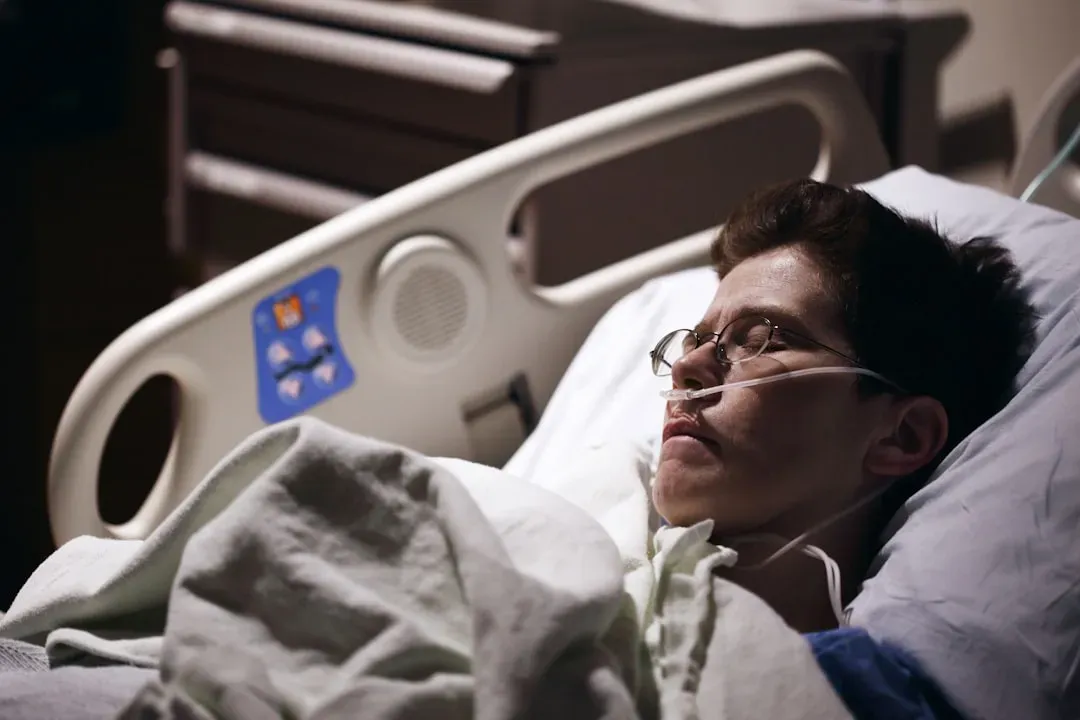
It’s difficult to look at all of this evidence without landing somewhere on the question of what it means. The brain surges with activity as it approaches its end. It resists the very concept of personal death throughout a lifetime. It produces structured, consistent, cross-cultural experiences under conditions where it should, by any conventional model, be silent. That’s not noise. That’s a pattern.
This field is still young, the sample sizes are small, and the honest scientists working in it are among the first to acknowledge how much remains unknown. The NEPTUNE model was attempted and found insufficient. Brain recordings show surges but can’t tell us what, if anything, was felt. Survivors’ reports are vivid and consistent but can’t be fully verified. The evidence is real, the gaps are equally real.
What’s worth sitting with, though, is this: the brain appears to have a built-in relationship with death, one that operates far beneath the level of conscious thought. Whether that relationship represents evolution’s mercy, a biological defense mechanism, or something that science doesn’t yet have the vocabulary to describe, it suggests that dying is not simply the brain going dark. It may be, in some deeply wired way, something the brain has always been quietly preparing for. That idea doesn’t require a belief in the supernatural to feel significant. It requires only a willingness to keep asking the question.

- 8 Flowers Hummingbirds Never Ignore - July 26, 2026
- 8 Animals That Are Smarter Than Most People Think - July 26, 2026
- Neuroscience Says When You Lock Eyes With Your Dog Both Brains Release Oxytocin Simultaneously – and the Cross-Species Biochemical Loop Between You Is the Only One of Its Kind That Science Has Documented - July 26, 2026