
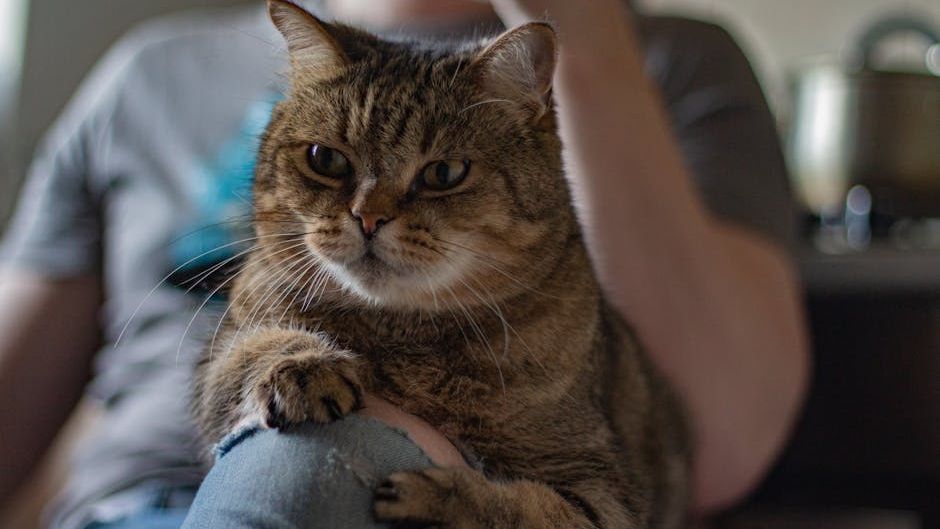
Cats are notoriously good at hiding how they feel. It’s partly instinct: a wild animal that shows weakness invites trouble, so masking discomfort is baked deep into feline biology. The trouble is that this survival trait makes it genuinely hard for even devoted cat owners to recognize when something is emotionally wrong.
Felines are subtle in their behavior, and signs of distress can easily be mistaken for regular feline quirks. That’s the part nobody tells you when you first bring a cat home. What looks like aloofness or mischief may actually be a cry for help. Cats are considered both predator and prey animals, which makes them especially prone to stress and anxiety because they must remain constantly vigilant.
If your cat has been acting strangely and you can’t quite put your finger on why, the answer might be simpler, and more concerning, than you think.
#1: Hiding More Than Usual
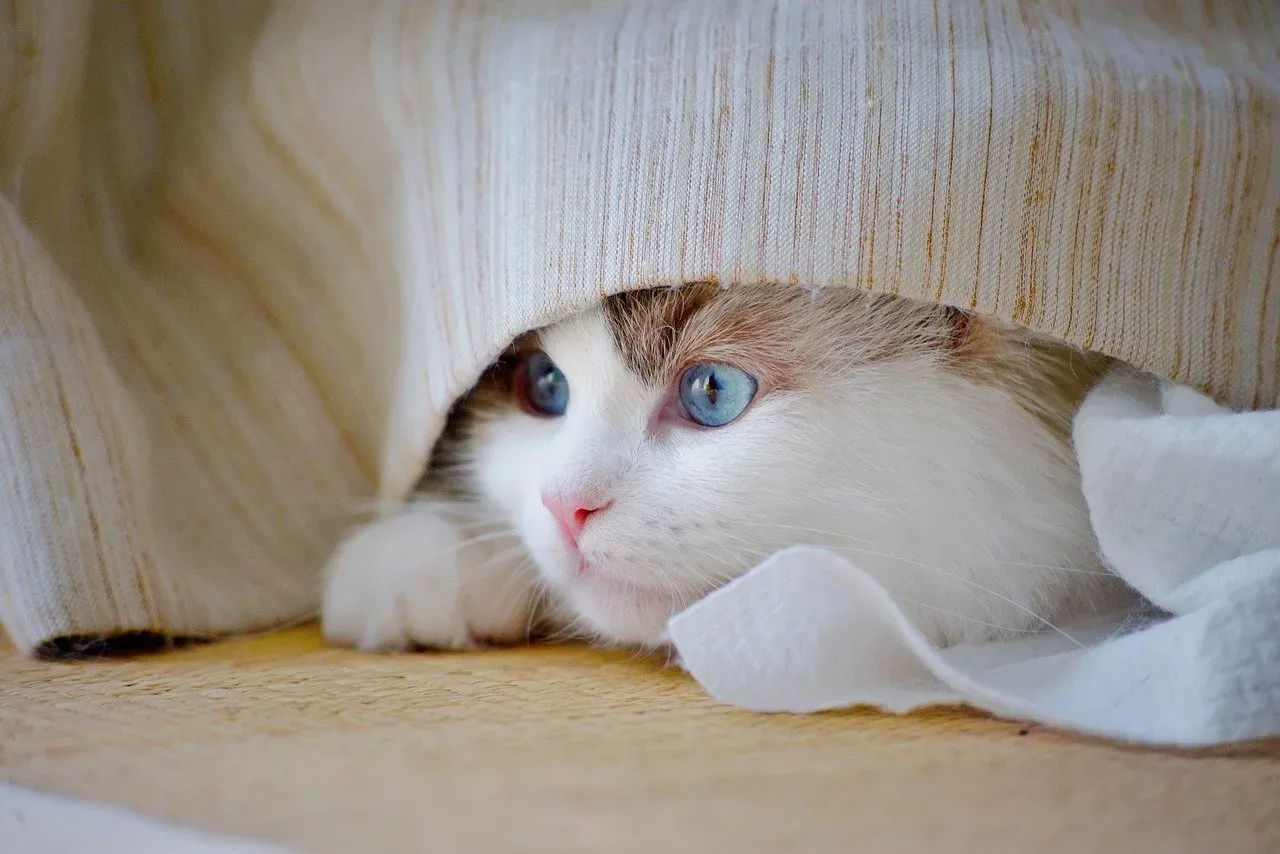
Anxious cats often seek out dark, secluded spots to hide, such as under beds or deep in closets, far more frequently than usual, using hiding as a coping mechanism to escape overwhelming environments. Every cat takes the occasional solo retreat, so a little hiding is perfectly normal. The difference lies in frequency and duration.
Fear might be evidenced as avoidance, withdrawal and hiding, a low or crouched body posture, lowered ears, vocalization, and possibly spraying. When a cat that once greeted you at the door is now spending hours tucked behind the washing machine, that shift in pattern is worth paying attention to. It’s not stubbornness. It’s fear looking for a place to breathe.
#2: Excessive Grooming and Bald Patches
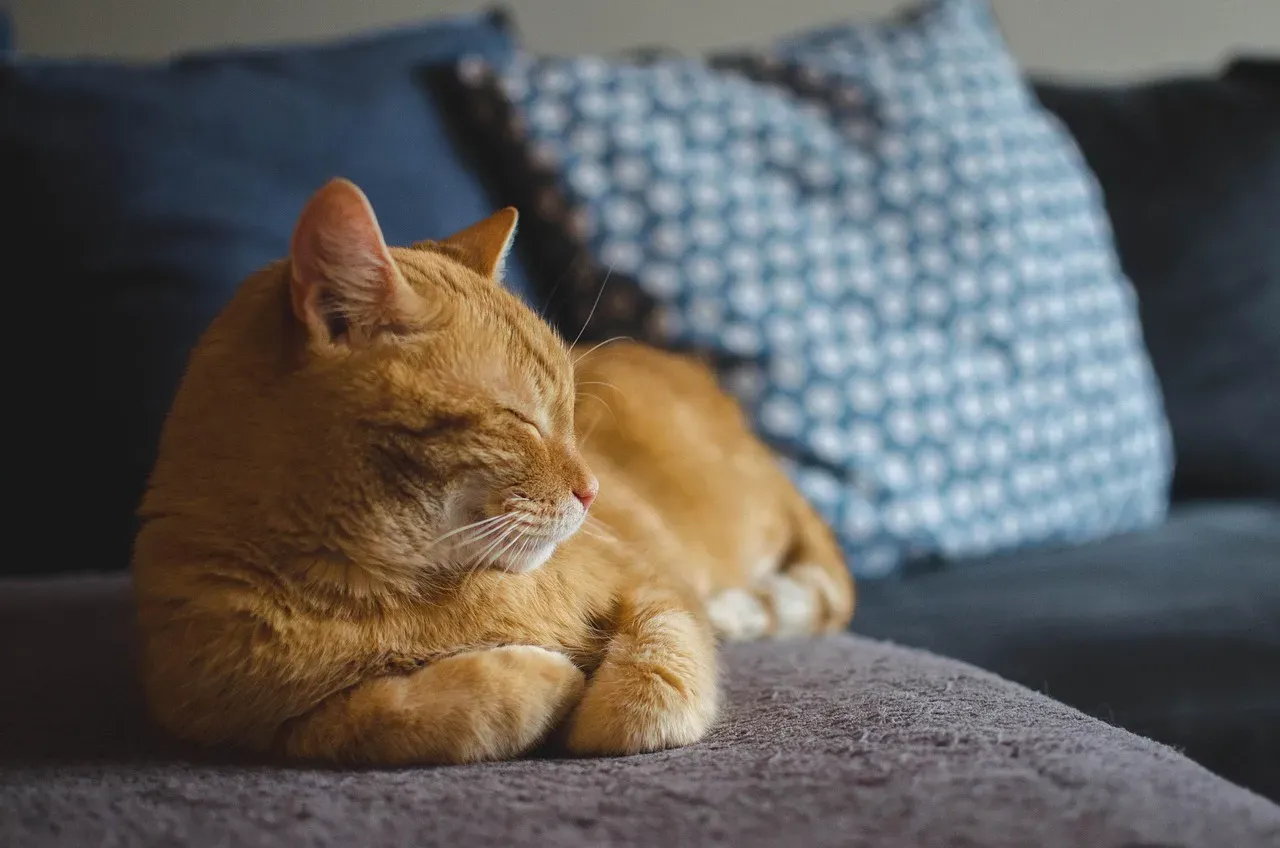
Excessive grooming or licking can lead to bald spots or skin irritation, and this is often a self-soothing behavior in anxious cats. Grooming feels calming, and an anxious cat will reach for that comfort over and over again. It’s similar to how humans bite their nails or fidget when nervous.
Excessive self-licking is a very common self-calming mechanism, and this repetitive behavior often leads to bald patches, skin lesions, and painful infections on their belly or legs. The progression can be surprisingly fast. What starts as slightly more grooming than usual can escalate into open sores if the underlying anxiety isn’t addressed. Self-mutilation, excessive grooming, and self-directed aggression can be due to any condition that might cause neuropathic pain or pruritus, so medical causes must also be excluded.
#3: Sudden or Unexplained Aggression
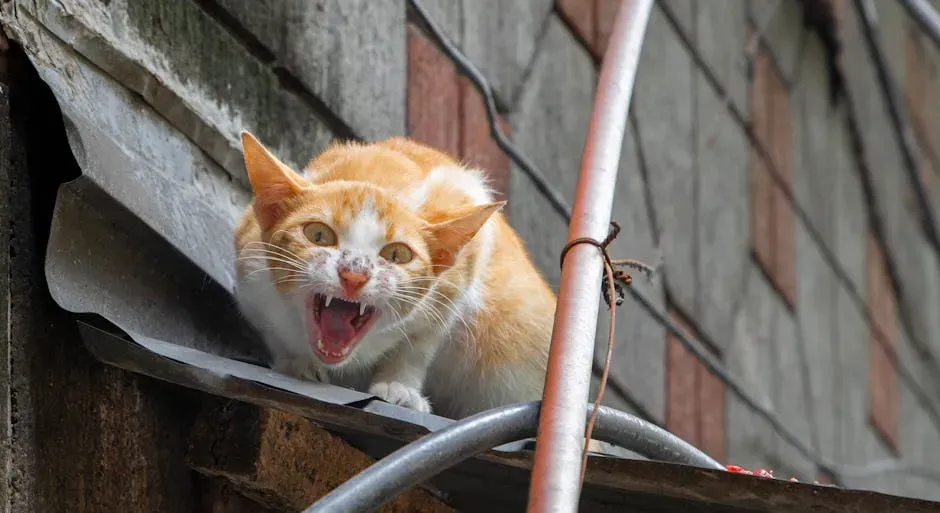
Anxiety can present as aggression or impatience, making your cat lash out through hissing, biting, or scratching more than usual, and this includes redirected aggression where your cat might start fighting with other pets in the house. This one catches people off guard more than almost anything else. The cat that was fine yesterday is suddenly swatting at hands and hissing at shadows.
Fear-related aggression causes some cats to display aggression to increase distance from people, and any unpleasant response related to people, such as approach, handling, or punishment, has a learned fear component that can escalate with repeated exposure. In other words, responding to fear-driven aggression with punishment only deepens the anxiety that caused it. Anxiety frequently manifests as fear-induced aggression towards people or other pets, which can include hissing, swatting, biting, or spitting when they feel cornered and cannot escape a perceived threat.
#4: Litter Box Avoidance
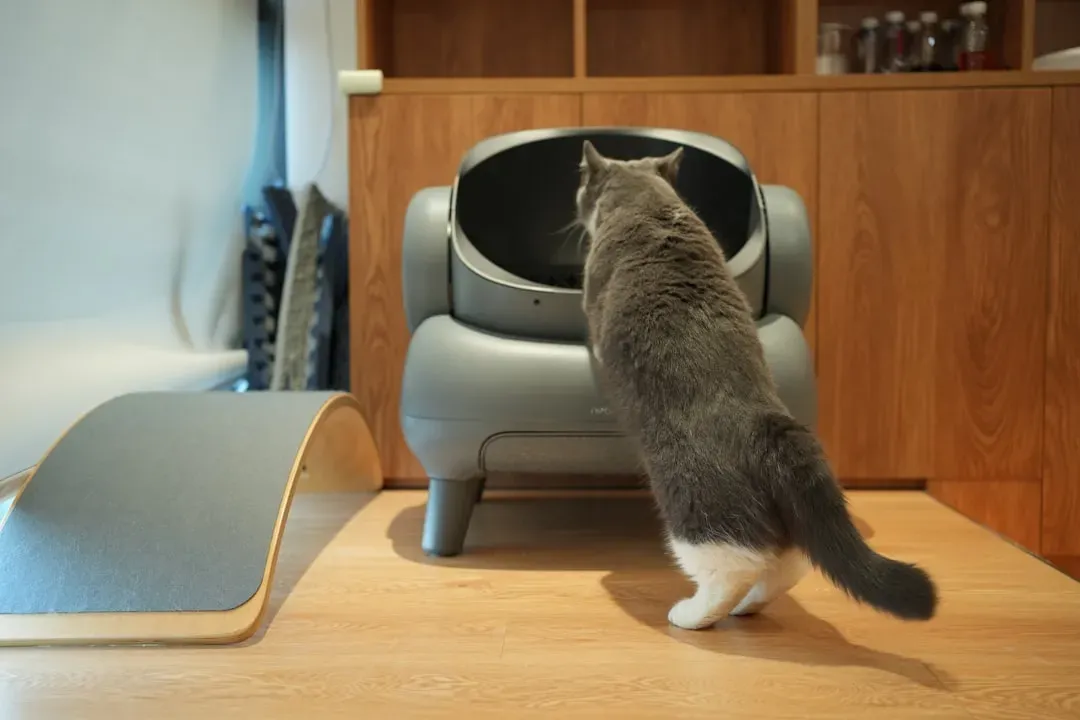
Urinating or defecating outside the litter box is a distressing sign of anxiety, as stress severely impacts a cat’s bladder health and can make them associate the litter box with discomfort. Few behaviors frustrate owners more, and it’s one of the most commonly misread signals in domestic cats. The reaction is often to discipline the cat, which, unfortunately, makes things considerably worse.
Litter box issues correlate positively with fearfulness, and they can be triggered by anxiety, which may be more common in fearful individuals. Before assuming the cause is behavioral, a vet visit is essential. Bladder or gastrointestinal diseases may lead to abnormal litter box habits, and these medical causes need to be ruled out first. Once physical illness is eliminated, anxiety becomes the primary suspect, and it deserves to be treated as such.
#5: Excessive Vocalization
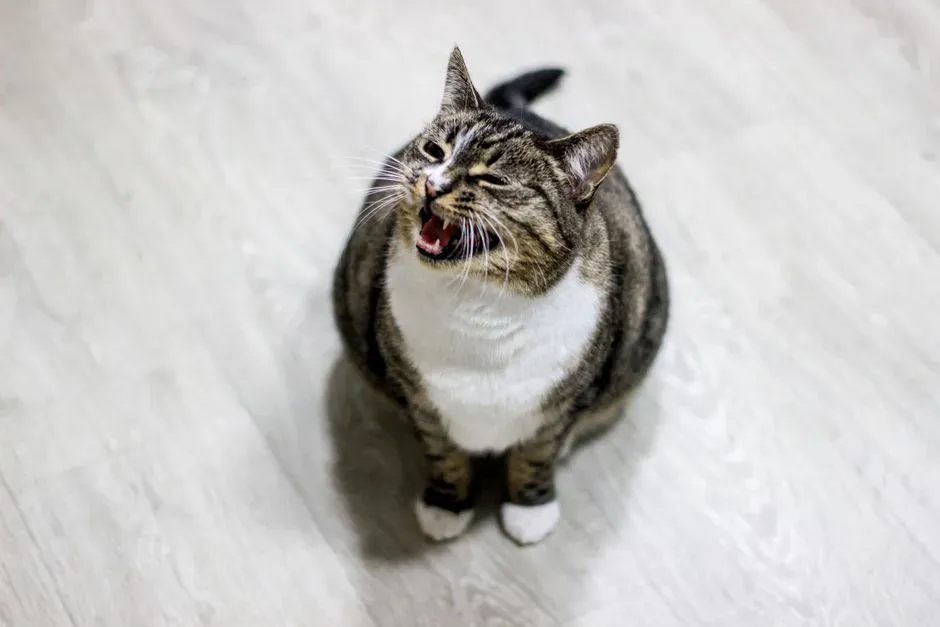
If your cat is suddenly meowing constantly, howling in the middle of the night, or using a distressed tone, they are likely trying to communicate their anxiety. Cats are not naturally chatty with one another. Most of that meowing is reserved specifically for humans, which makes persistent or distressed vocalization a meaningful signal rather than background noise.
Separation anxiety can manifest as excessive vocalization including crying, howling, moaning, and meowing. This is especially true when the vocalizing clusters around specific triggers, like you picking up your keys or putting on your coat. Research has found that fearful animals had significantly longer periods of inactivity, while non-fearful and mildly fearful cats vocalized more frequently, suggesting vocalization patterns shift meaningfully with anxiety levels.
#6: Clinginess and Velcro Behavior
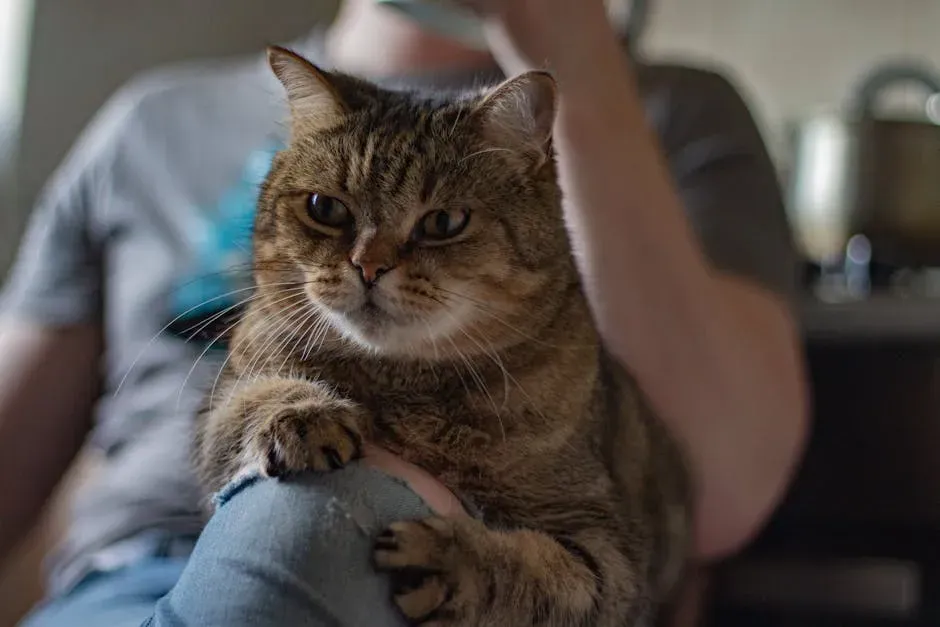
Cats who have separation anxiety may be extremely clingy and become agitated when they anticipate their favorite pet parent’s imminent departure. There’s a popular misconception that a cat following you everywhere is simply being affectionate. Sometimes it is. Other times it’s a sign of something more troubled underneath.
Cats with separation anxiety become overly attached to their owners and trail after them from room to room, and pre-departure anxiety can look like hiding, sulking as you prepare to leave, or even attempts to block your way. The distinction between a loving cat and an anxious one often comes down to context. Cats do bond with their humans, and the secure attachments they form help them feel safe, but for some cats, the absence of that person causes real distress and anxiety.
#7: Changes in Appetite
Sudden weight loss or gain, or a refusal to eat, can signal emotional distress. Appetite changes are one of those anxiety signals that tend to get attributed to “pickiness” rather than emotional state. A cat that suddenly stops eating or starts inhaling food at an alarming rate deserves a closer look.
Whether it’s overeating or undereating, both changes in appetite indicate that your cat is trying to cope with stress. The urgency matters here. A cat that stops eating for more than 24 to 48 hours is at severe risk of developing hepatic lipidosis, a form of fatty liver disease that can be fatal. Anxiety-linked appetite changes can spiral quickly into medical emergencies, which is why they should never be written off as a phase.
#8: Destructive Scratching and Pacing
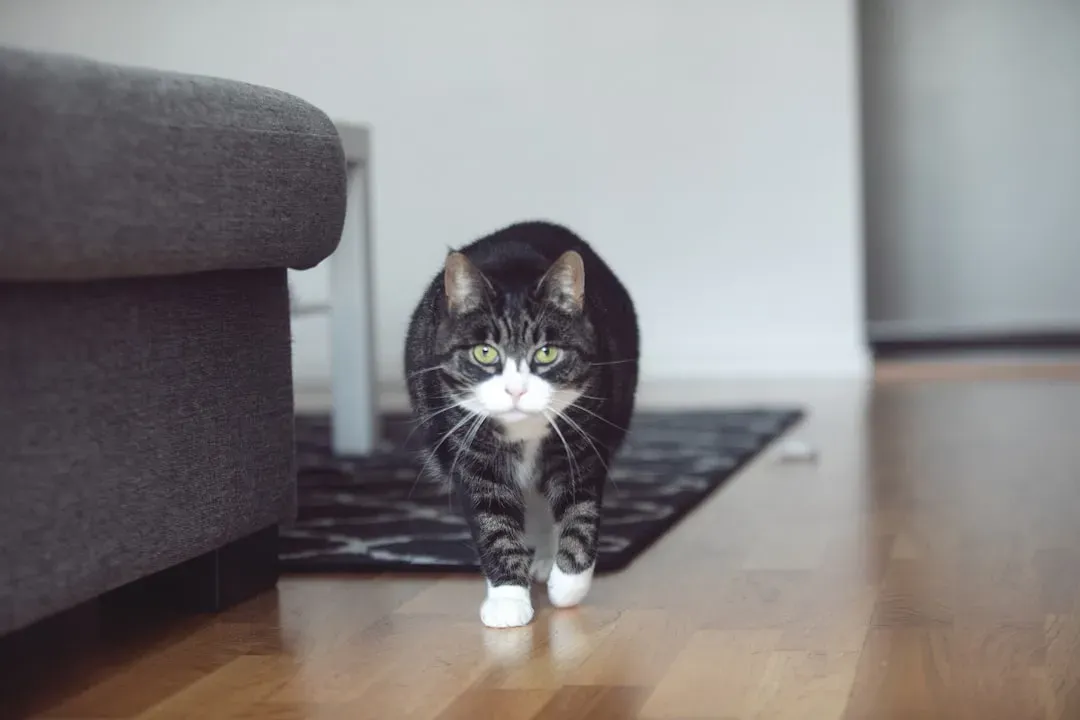
Anxious cats may violently scratch furniture, doors, or window frames, especially if they are trying to escape the house or mark their territory with the scent glands in their paws. Scratching is a natural behavior, but the type and intensity can tell you a great deal about a cat’s internal state. Targeted, frantic scratching at exit points is a very different thing from casual claw maintenance on a scratching post.
Symptoms of maladaptive anxiety include inappropriate hiding or running away, soiling in the house, overgrooming or self-mutilation, and compulsive pacing. Pacing, in particular, often goes unnoticed because it can look like a cat simply exploring the house. Abnormal repetitive behaviors might be exacerbated by stress or anxiety, such as alterations in relationships with people or other cats, or they might be inadvertently aggravated by an owner reinforcing or punishing the behavior, which increases conflict and anxiety.
#9: Subtle Body Language Changes
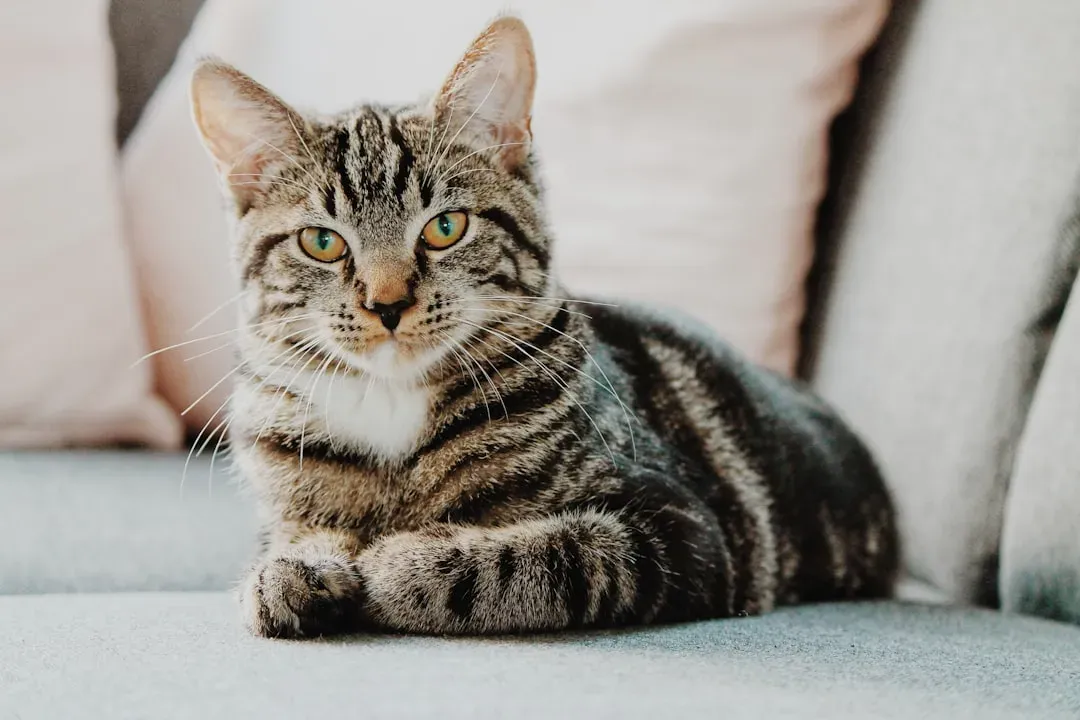
Your cat can’t speak, but they can tell you how they are feeling through their body language, and signs that indicate your cat is anxious include keeping their tail close to their body, avoiding eye contact, having dilated pupils, flicking their tail, staring, or holding their ears back. These signals are easy to overlook, especially if you’ve come to accept them as personality quirks over time.
Other signs include flattened ears, dilated pupils, a lowered tail, or tense body posture. Learning to read feline body language is genuinely one of the most useful things a cat owner can do. Both desensitization and counterconditioning techniques require specific timing and the ability to read your cat’s body language to notice the earliest signs of fear and stress. Catch the body language early, before the behavior escalates, and you give yourself a real window to help.
What Every Cat Owner Should Do Next
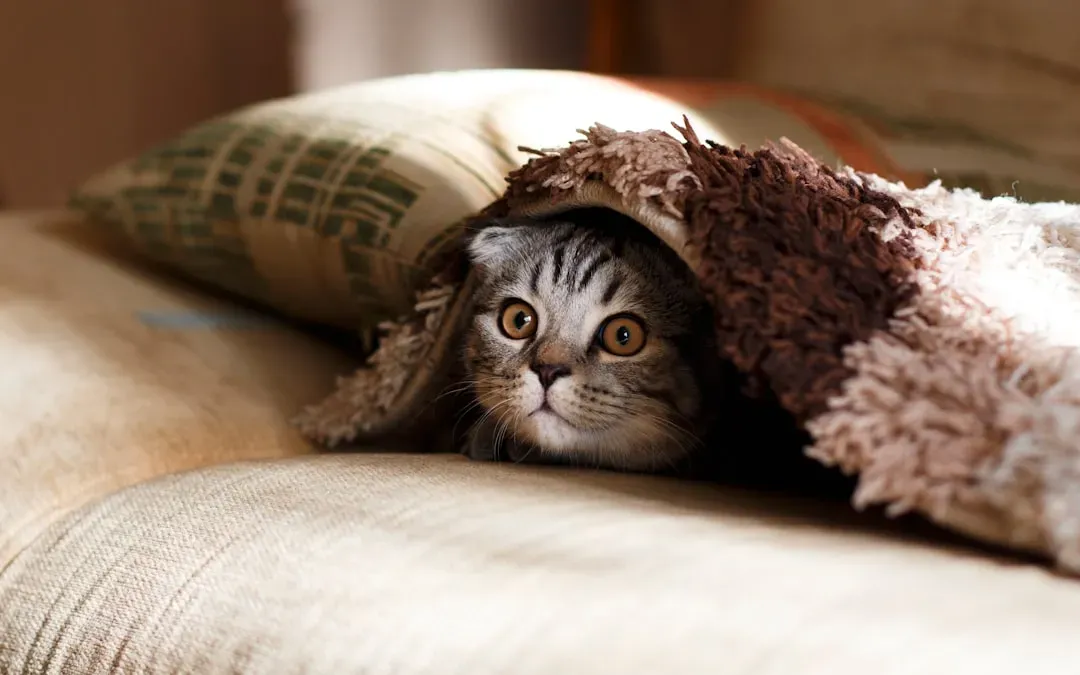
Fear, anxiety, and stress are among the most prevalent behavioral problems in cats, yet they remain chronically underdiagnosed because so many of the signs are subtle or get dismissed as personality. While an anxiety disorder is not a medical emergency for cats, prolonged stress can lead to serious health consequences, such as feline idiopathic cystitis or dermatologic issues.
Behavior modification can help manage cat anxiety, but it takes time, consistency, and early intervention for the best results, with the goal being to teach your cat coping skills and change how they respond to triggers rather than simply avoiding them. Early action genuinely matters. By addressing anxiety early, you can prevent more serious behavioral and health issues down the road.
The honest truth is that anxious cats rarely “grow out of it” without support. We owe it to these animals to look past the surface behavior and ask what’s actually driving it. A cat curled up under the bed isn’t being difficult. More often than not, they’re quietly asking for help. The least we can do is learn to listen.

- These Endangered Species Are Making Remarkable Comebacks Thanks to Dedicated Efforts - July 17, 2026
- 10 Fascinating Facts About the Badlands: America’s Ancient Fossil Kingdom - July 17, 2026
- 10 Fascinating Facts About Monument Valley: The Ancient Landscape That Shaped the American West - July 17, 2026