
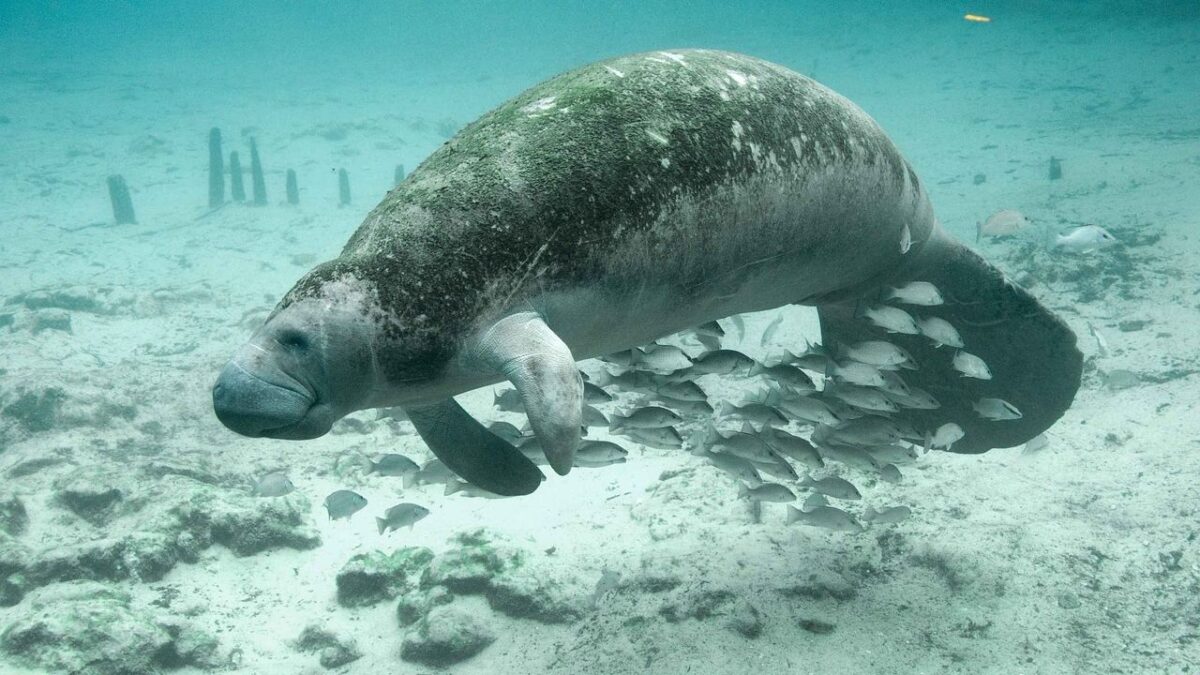
Picture a thousand-pound animal gliding silently through shallow, sunlit water, trailing barnacles and a faint trail of bubbles, entirely unbothered by the boats overhead. Florida’s manatees have always existed on that quiet edge between resilience and fragility. They’ve outlasted ice ages, survived centuries of hunting, and clawed back from the brink of extinction. Yet right now, in 2026, their story is neither a triumph nor a tragedy. It’s something more complicated, and more human, than either of those.
The numbers tell part of the story. Estimates place the current population of Florida manatees between 8,000 and 12,000 individuals, a remarkable contrast to the fewer than 1,000 thought to be living in the wild in the mid-1960s. That’s a genuine conservation success. Still, the road here has been deeply uneven, marked by catastrophic die-offs, political debate, and a race to restore the habitats these animals depend on. To understand where manatees stand today, you have to understand what nearly broke them.
#1: From the Brink of Extinction to a Population Milestone
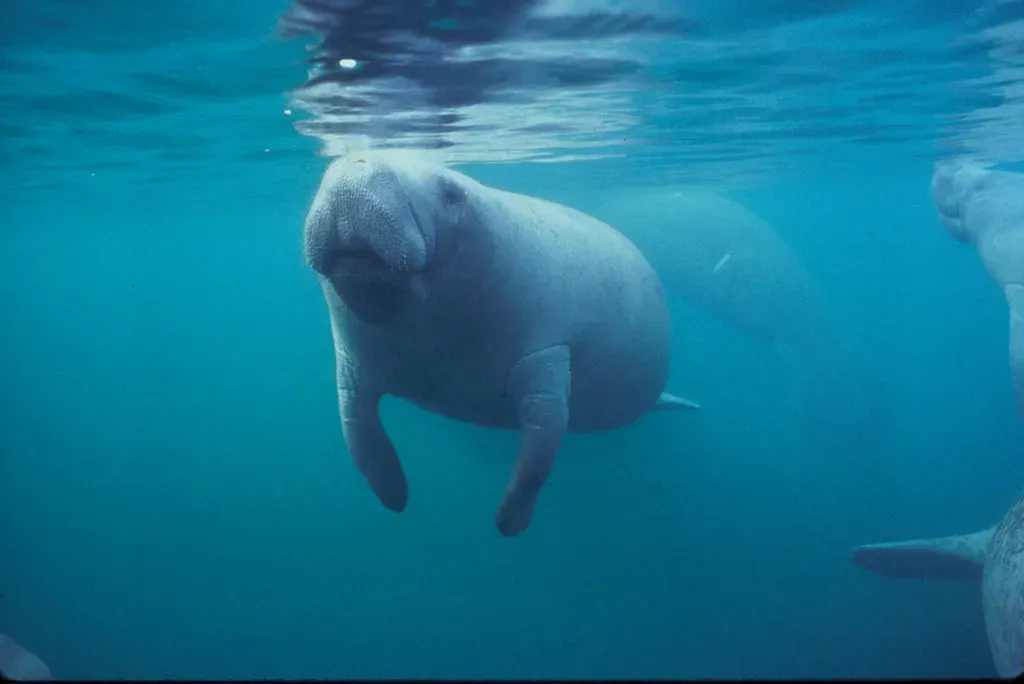
Florida manatees have one of the more striking comeback stories in American conservation history. Manatees were first protected through Florida state law as far back as 1893 and were then federally protected as an endangered species starting in 1973. Today they are protected under a combination of the Florida Manatee Sanctuary Act, the Marine Mammal Protection Act, and the Endangered Species Act. That layered legal framework took decades to build, and it made a real difference.
The estimated population of 6,620 Florida manatees counted at the time of their 2017 downlisting was described as a dramatic turnaround from the 1970s, when just a few hundred individuals remained. Since then, numbers have continued to grow, though not without setbacks. While current manatee populations are still threatened, records show that populations grew and began expanding across the Florida Peninsula during the same documented periods of human population increases, anthropogenic landscape changes, and social and policy changes.
Contributing to the population boom were education programs and boating speed limits that reduced collisions, rescue and rehabilitation programs, and improving access for manatees to natural springs and sanctuaries where they could avoid winter cold. These weren’t small policy tweaks. They were coordinated, multi-agency efforts that genuinely moved the needle for a species on the edge.
#2: The Unusual Mortality Event That Shocked Florida
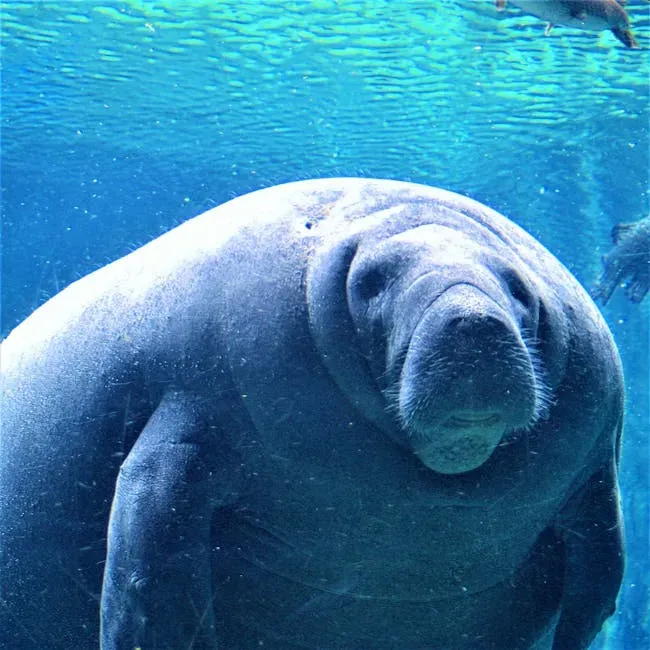
Just as manatee numbers were climbing, one of the worst disasters in the species’ recorded history unfolded along Florida’s Atlantic coast. Between December 1, 2020 and April 30, 2022, the unprecedented number of 1,255 manatee carcasses was documented along the Atlantic coast, and 137 rescues were conducted during the same period. Wildlife managers called it an Unusual Mortality Event, or UME, and it shook the conservation community to its core.
The high mortality was caused by starvation due to a lack of forage in the Indian River Lagoon, where for over a decade, phytoplankton blooms fueled by excess nutrient loading had led to extensive seagrass losses. When the seagrass disappeared, manatees had nothing to eat. In the peak year of 2021 alone, over 1,100 manatee deaths were reported in Florida, compared to 637 in 2020 and 800 in 2022.
In response, the U.S. Fish and Wildlife Service implemented a pilot supplemental feeding program in the winter of 2021-2022 in the Indian River Lagoon, and the trial continued through the winter of 2022-2023, with over 399,000 pounds of romaine lettuce fed to manatees at a single site. It was an extraordinary emergency measure, feeding wild animals by hand to keep them alive until nature could recover enough to feed them itself.
#3: Signs of Recovery and the Closing of the UME
By early 2025, there was cautious cause for optimism. The Unusual Mortality Event from starvation was administratively closed on March 14, 2025, with the elevated mortality numbers having decreased three years earlier and researchers not having documented a manatee death from starvation linked to lack of forage for two years. That closure marked a significant milestone, though most scientists were quick to note it didn’t mean the crisis was fully over.
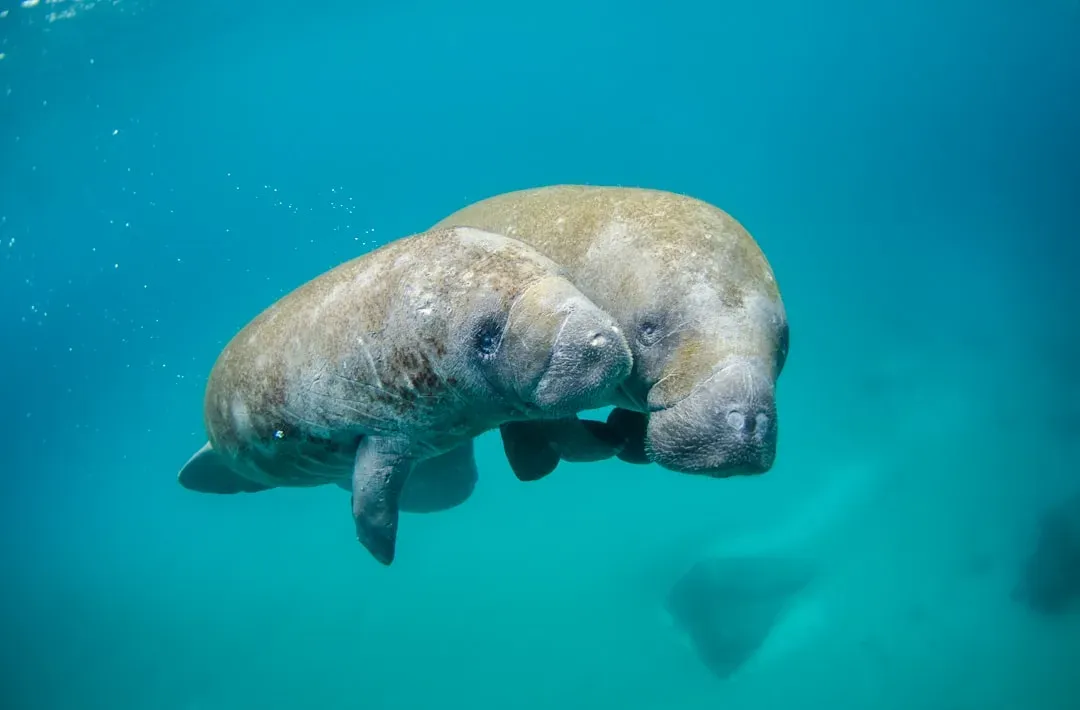
Florida manatees appear to be bouncing back from the record die-off that lasted from 2020 to 2022, but experts still have concerns about the future of the threatened animal species. One encouraging sign stands out in particular. Conservation scientists noted that manatees are reproducing again. There weren’t many live manatee births during the UME, largely due to a lack of available seagrass forage for female manatees. Calves are coming back. That matters enormously for a species that reproduces slowly.
The agency said the Florida population has stabilized at between 8,350 and 11,730 animals, with the decision based on the best available science. Stabilization isn’t the same as full recovery, but for a population that was watching its members starve by the hundreds just a few years ago, it represents genuine progress worth acknowledging.
#4: The Threats That Haven’t Gone Away
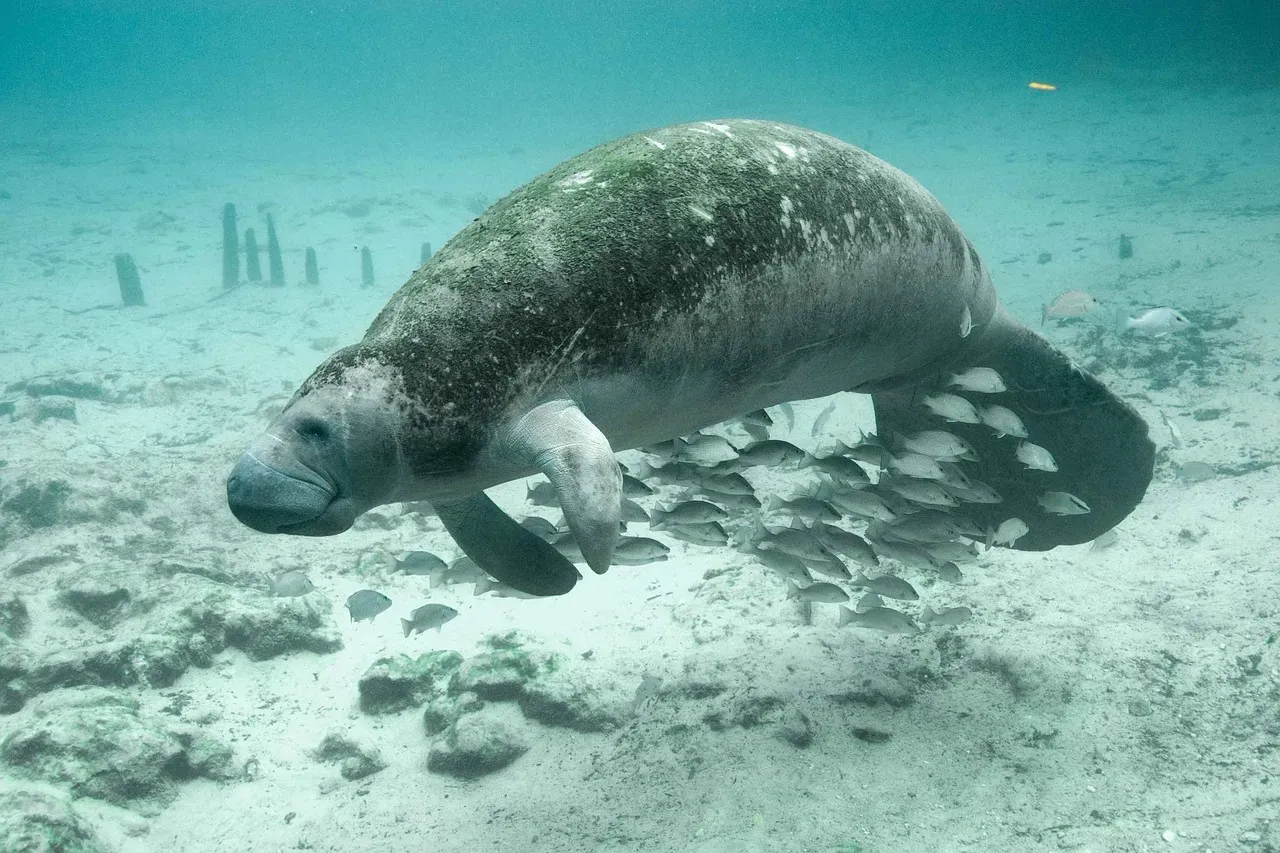
Recovery, such as it is, rests on shaky ground. Among the biggest ongoing threats are pollution, collisions with boats, and loss of habitat. About 730 manatees die each year in Florida, based on data collected since 2020 from the state Fish and Wildlife Conservation Commission. That’s a significant and sobering number for a species still classified as threatened.
Stormwater runoff, septic tank leaks, and warming waters due to climate change fuel more pollution and algal blooms, and boat strikes remain a leading cause of death. Manatees move slowly and tend to surface in shallow water, which puts them directly in the path of recreational boat traffic. Because manatees are generally slow-moving animals, they are unable to move out of the way of rapidly approaching boats, possibly in part because they cannot hear the low-frequency engine pitch.
Then there’s the warming water problem, which is paradoxically both a help and a hazard. The Florida Fish and Wildlife Conservation Commission estimates that more than half of the state’s manatee population depends on power plants for survival during winter, including the Cape Canaveral Power Plant on the Indian River Lagoon and Tampa Electric’s Big Bend Power Station on Tampa Bay. As those plants are retired over the coming decades, there is growing concern about the loss of warm-water habitat that could threaten the future manatee population in Florida and reverse past recovery progress.
#5: Conservation Efforts Charting the Path Forward
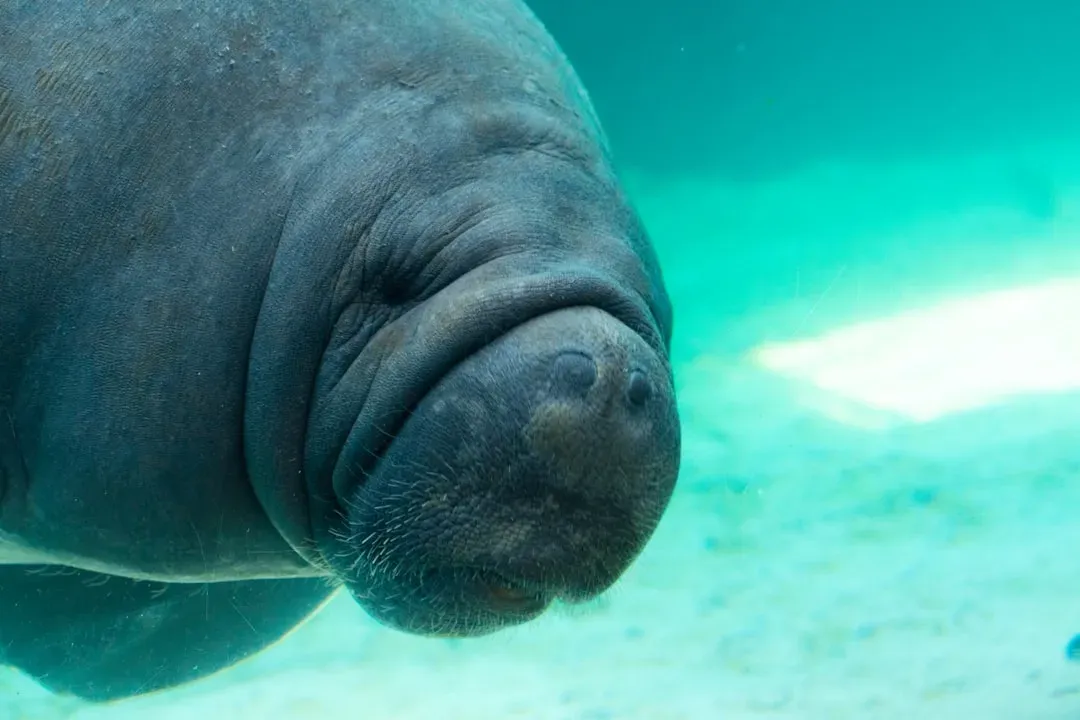
Despite the challenges, the response from scientists, nonprofits, and government agencies has been remarkably coordinated. In total, the manatee rescue, rehabilitation, supplemental feeding trial, and other response efforts for just the Atlantic Coast UME involved over 700 people from more than 50 organizations. That kind of collaborative scale is rare in wildlife conservation, and it made a measurable difference.
Mote Marine Laboratory now serves as a secondary care holding facility, providing rehabilitative care for non-critical manatee patients to improve capacity at Florida’s primary critical care centers. This expansion of care capacity is vital, as Florida manatees continue to face threats from habitat loss, boat strikes, red tide, cold stress, and entanglement or ingestion of marine debris. Facilities like these represent the kind of infrastructure that keeps individual animals alive long enough to return to the wild.
A recent update from NOAA Fisheries credited a $9.4 million restoration effort started in 2023 for helping seagrass reappear in some parts of the Indian River Lagoon. Progress is slow, but it’s real. To help manatees survive for future generations, it’s essential that their freshwater and marine habitats be reconnected and remain connected. In partnership with the state, manatee access to warm-water habitat is being improved, with work underway to remove excessive sediment, restore natural creek depths and improve banks to reduce erosion and sedimentation in Warm Mineral Springs and Salt Creek for more than 100 Florida manatees that find refuge there during cold spells.
On-the-ground conservation efforts coordinated jointly by the U.S. Fish and Wildlife Service and the Florida Fish and Wildlife Conservation Commission include tracking manatee movements through photo-identification and satellite-linked radio telemetry, developing a Warm-Water Habitat Action Plan, rescuing and rehabilitating distressed manatees, and enforcing site-specific boat speed zones. These aren’t abstract policy goals. They’re daily operational realities for hundreds of people working to keep these animals alive.
A Recovery Worth Fighting For, But Not Yet Secured
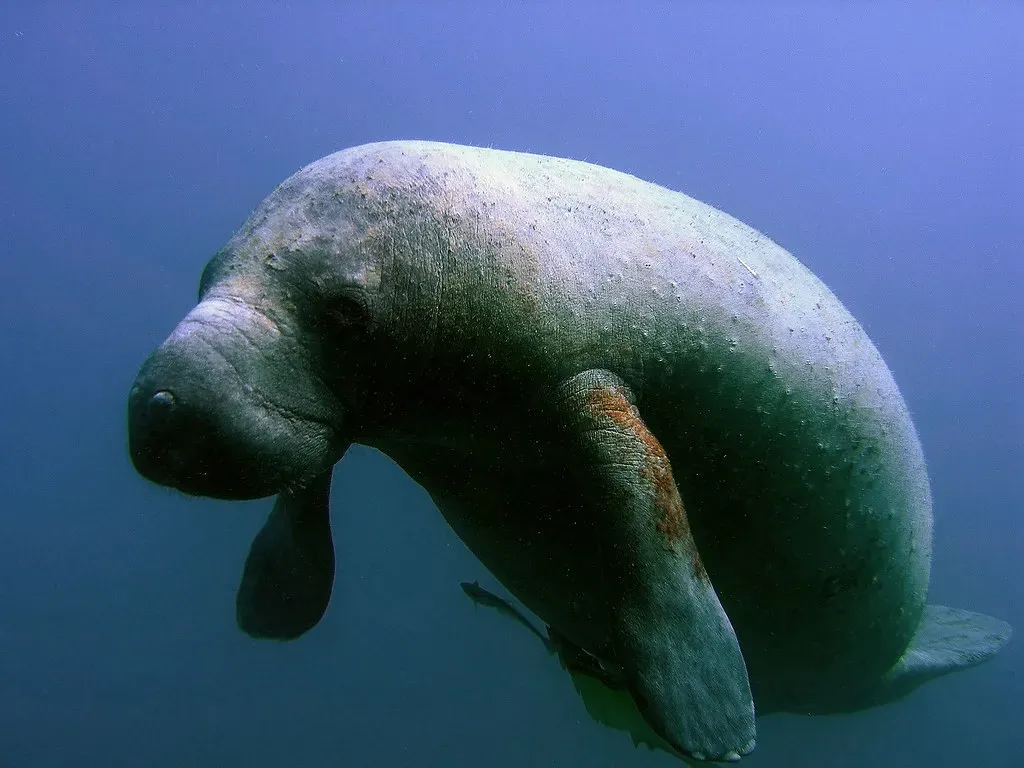
Here’s what’s genuinely encouraging: Florida’s manatees are more numerous today than they were fifty years ago, and they’ve survived a mortality crisis that could have been far worse without the intervention of a vast network of dedicated people. The Florida Fish and Wildlife Conservation Commission reports it has now been two years since researchers documented the last manatee death directly linked to starvation. That was in March 2023. That’s not a small thing.
What’s concerning, though, is equally clear. The threats to these animals aren’t diminishing with time. They’re evolving. Pollution, boat traffic, the loss of warm-water refuges, and the slow-burning crisis of seagrass decline are all structural problems rooted in how Florida has grown and developed over decades. Improving water quality requires a multipronged approach including decreasing runoff, improving wastewater treatment, reducing the use of septic tanks, enhancing stormwater management, and preventing the overharvesting of beneficial shellfish species that act as natural filters. None of that is simple or fast.
The manatee’s story is, in many ways, a mirror held up to how humans manage the wild places they share with other species. When protections were put in place and enforced, manatee populations grew. When habitats degraded through neglect and pollution, they paid for it with their lives. In 2026, Florida still has a chance to get this right. The manatees are doing their part, reproducing, recovering, and returning to their lagoons. The harder question is whether people will hold up their end of the bargain long enough to matter.
