
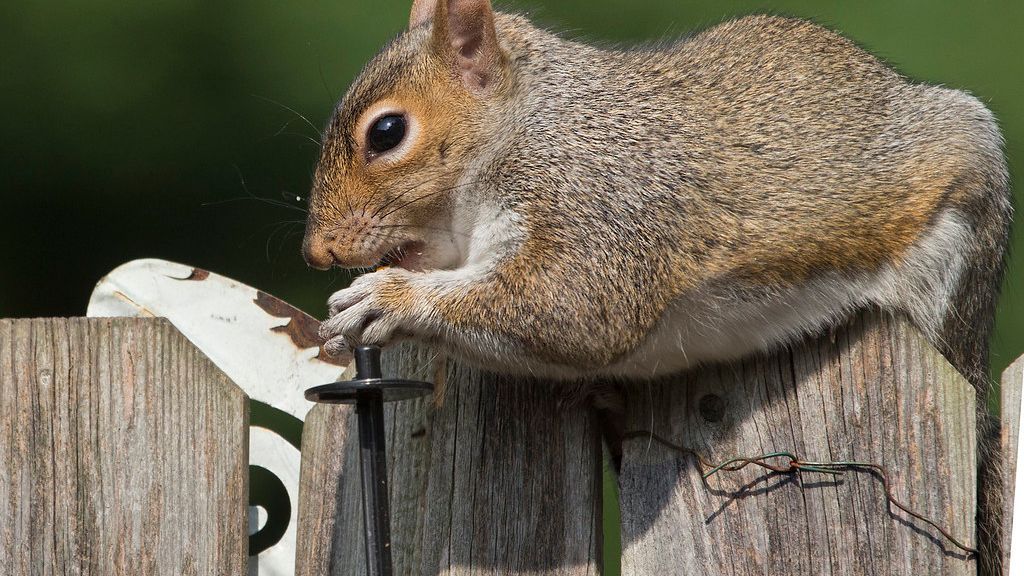
Most of us share our neighborhoods with squirrels without giving them much thought. They dart across roads, raid bird feeders, and vanish up trees before we can get a proper look. Easy to dismiss. Hard to understand. But spend a little time with the science behind these animals, and it becomes genuinely difficult to look at them the same way again.
Squirrels are not just bushy-tailed background noise. They are problem-solvers, ecosystem engineers, skilled communicators, and in some cases, accomplished deceivers. The gap between how we think of them and what they actually are turns out to be surprisingly wide.
#1. There Are Far More Species Than You Think
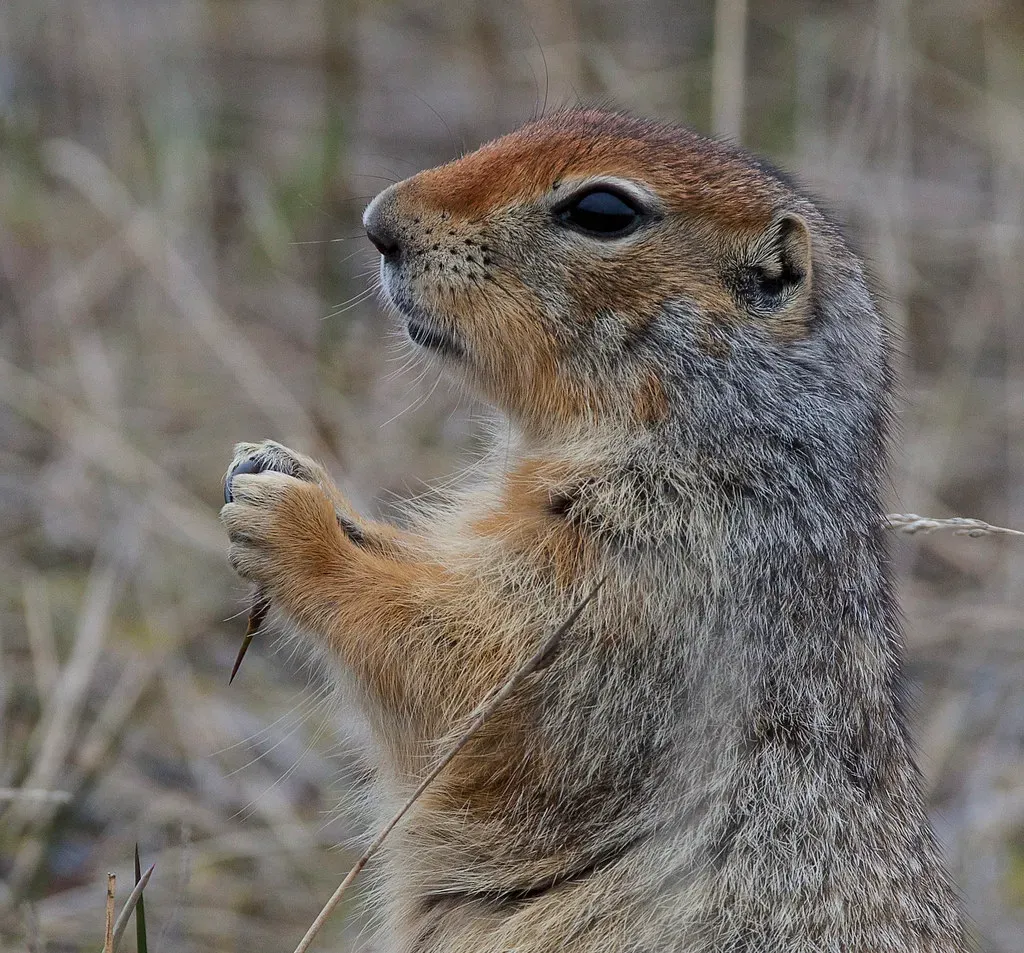
When most people picture a squirrel, they see the common grey or red variety. The reality is far more diverse. The squirrel family Sciuridae is a diverse family of rodents consisting of nearly 300 species found on all continents except Antarctica, occurring in terrestrial habitats throughout the world, including forests, grasslands, and deserts in both lowland and mountainous environments. Squirrels can generally be divided into three groups: ground squirrels, tree squirrels, and flying squirrels.
Squirrels are quite adaptive, living anywhere they can make a home, from tundra to tropical rainforest terrains. These mammals are found on every continent of the world, living almost anywhere there is vegetation. That kind of global spread is not something most small mammals can claim. It speaks to a genuinely exceptional ability to thrive across radically different conditions, which should, on its own, earn a little more respect from us.
#2. Their Memory Is Genuinely Extraordinary
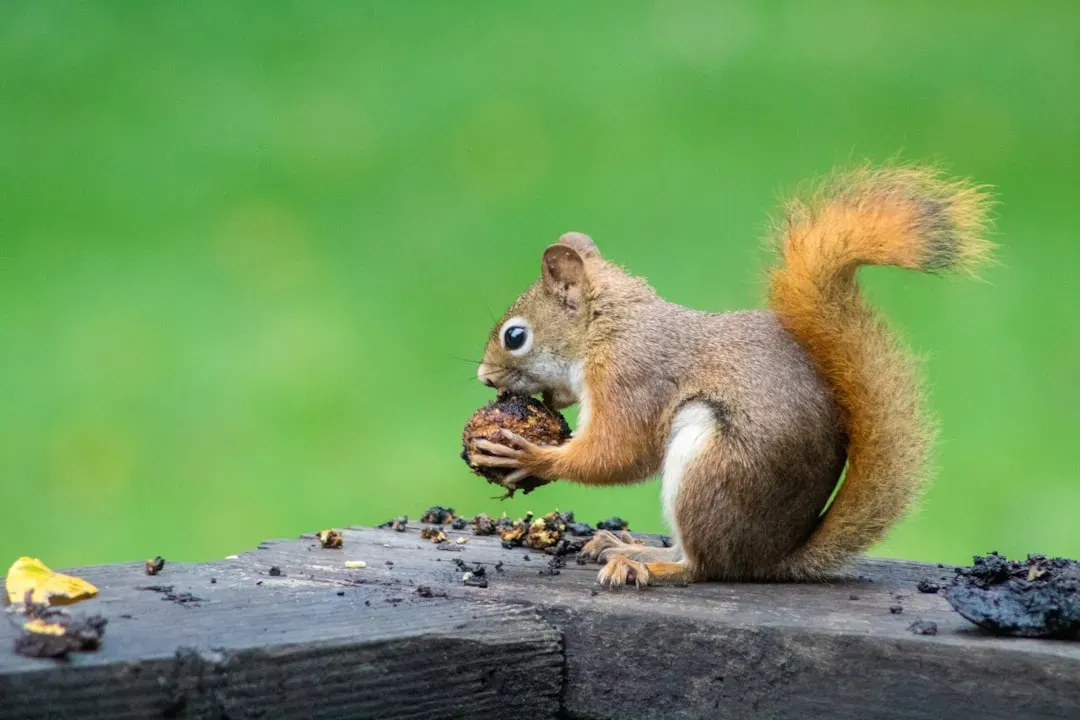
Squirrels bury about 10,000 nuts per year, making many different caches, and may not uncover them for months. They may dig up a cache and bury it somewhere else, and do that up to five times. Managing that kind of logistical operation without a notebook, a phone, or any kind of external reminder is remarkable. It requires a form of mental mapping that researchers are still working to fully understand.
Research has shown that squirrels create a cognitive mental map to remember where their nut stashes are, and this research is helping us learn more about the human brain and spatial memory. The hippocampus of squirrels is larger than that of similar species that don’t hide their food, and scientists suggest this may be due to neuroplasticity, or the brain’s ability to adapt and change over an organism’s lifetime in response to environmental changes. In other words, their brain physically grows to meet the demands of their lifestyle. That is not instinct. That is adaptation in real time.
#3. They Use a Human-Like Memory System Called “Chunking”
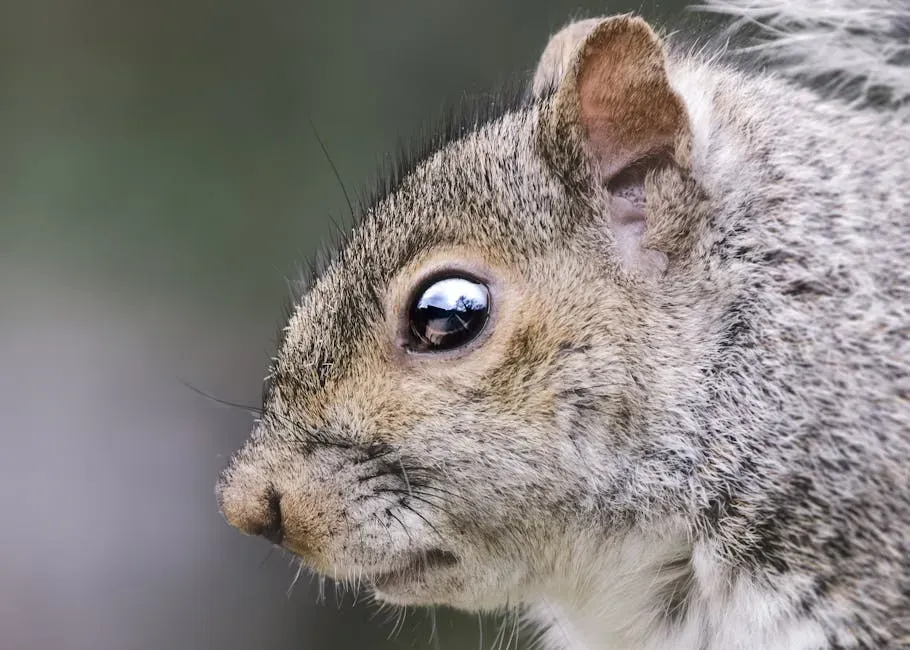
Researchers found that squirrels use a method called “chunking” to remember where each type of nut was stored. Humans use chunking when we remember telephone numbers in sections: first, the three-digit area code, followed by three more digits, then four digits. Squirrels utilized a similar approach to bury different types of nuts together. The researchers determined that the squirrels were able to evaluate nuts for size and weight and return to various hiding spots to place the same type of nuts together.
This is not a minor observation. Chunking is a cognitive strategy long considered a hallmark of higher-order thinking in humans. Chunking is one way we increase our memory capacity, and squirrels use spatial chunking. In one study, squirrels were given four different types of nuts and statistically they would segregate the nuts by type. The parallels to human cognition here are striking enough that scientists are now using squirrel research to explore questions about memory in people.
#4. They Are Expert Deceivers
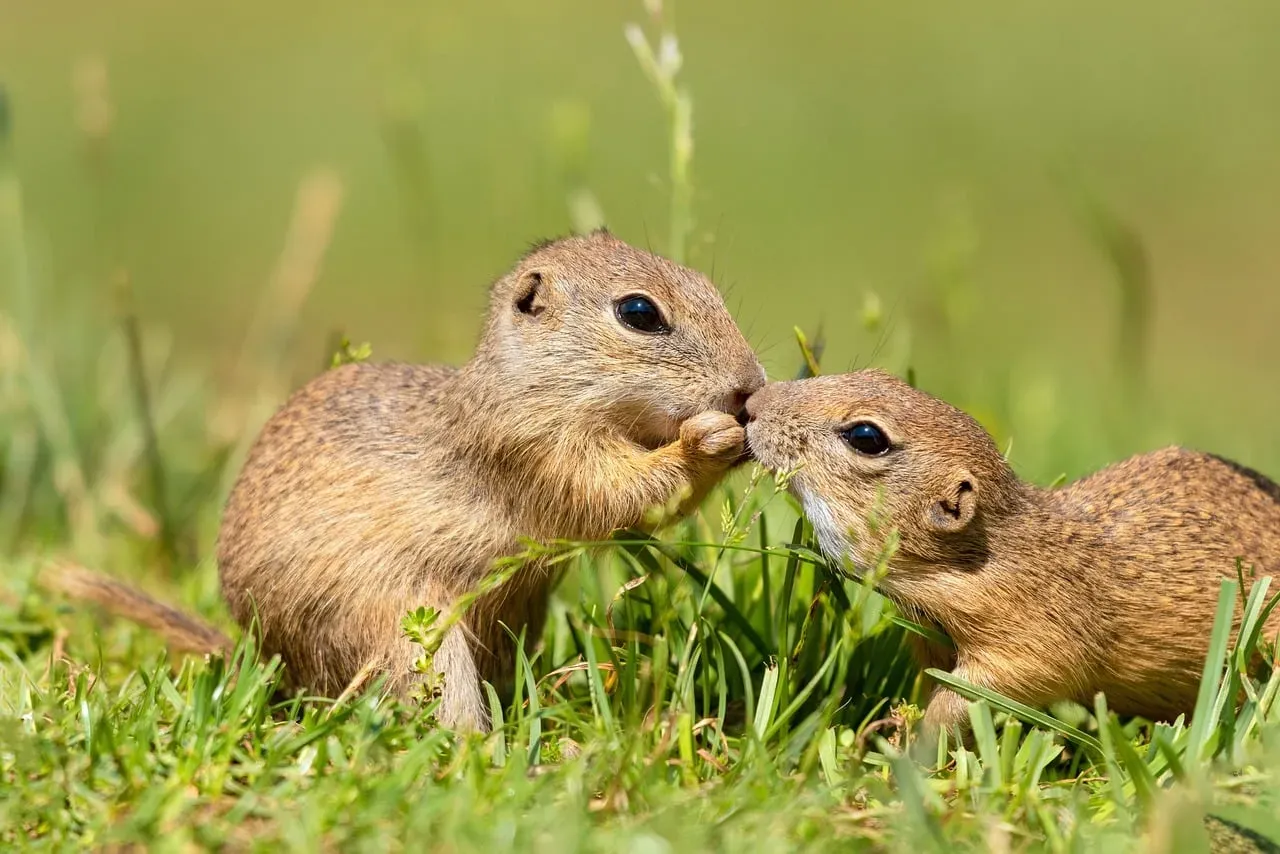
Here is where things get genuinely surprising. A 2010 study found that squirrels actually engage in deceptive behavior. When squirrels are being watched, they’ll construct fake caches, pretending to bury a nut by digging a hole, patting it down with their front teeth, and scraping dirt or grass over the top of it while concealing the nut in a pocket near their armpit. They then bury the real nut somewhere else when no one is looking.
Even when you’re watching for it, it can be hard to tell when a squirrel is making a fake or a real cache. Think about what that requires: awareness that they are being observed, a decision to act deceptively, and the physical control to carry out a convincing performance. Some squirrels will pretend to bury food if they sense another squirrel is watching, effectively using deception to guard their supply. These behaviors show that their intelligence isn’t just about remembering locations, but also about anticipating threats and adapting to competition.
#5. They Can Recall Solutions to Problems Almost Two Years Later
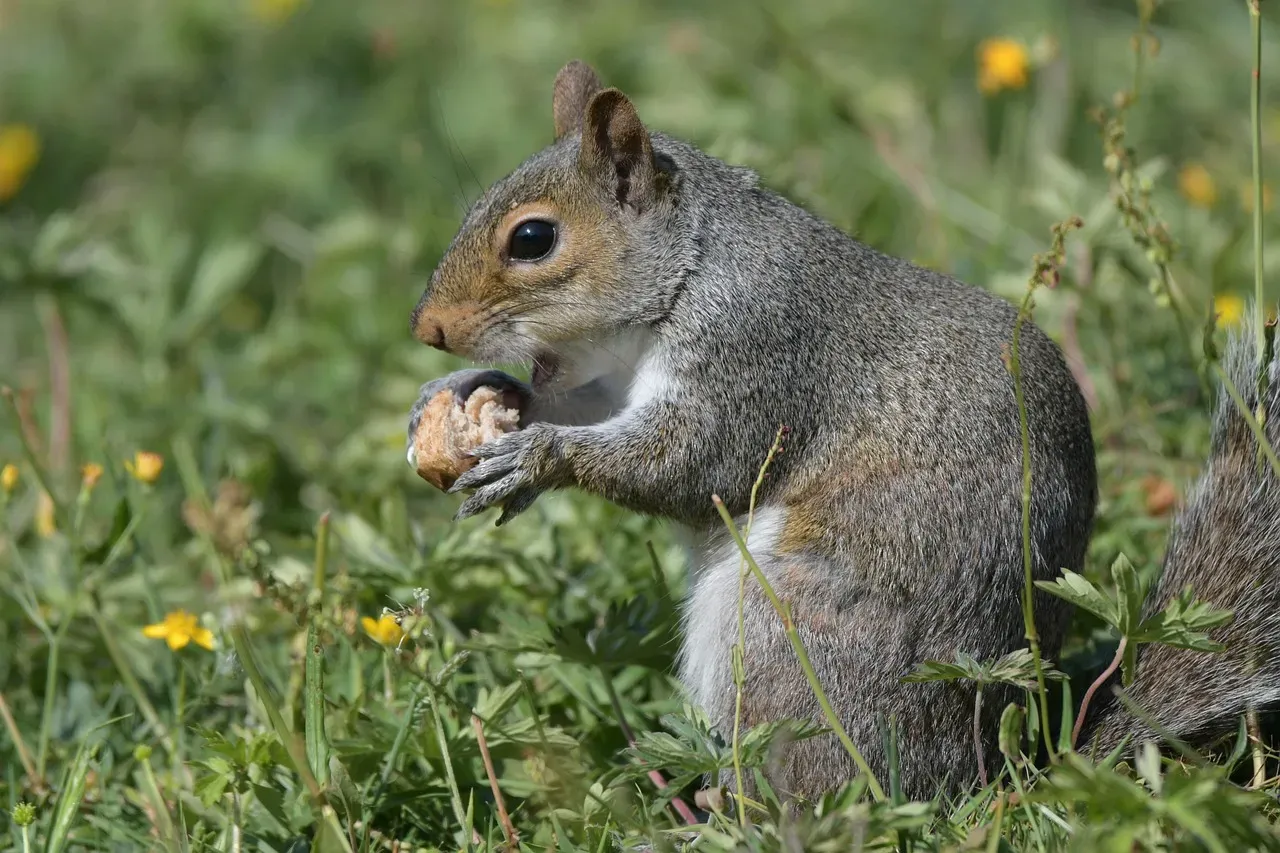
In 2017, a study published in Animal Cognition highlighted how squirrels possess exceptional memory retention capabilities. Led by scientists at the University of Exeter, the study observed how these animals could recall problem-solving techniques nearly two years after their initial exposure. In the experiment, subjects were tasked with pressing levers to access hazelnuts, a task they had performed 22 months prior. Remarkably, they quickly remembered how to solve the problem, taking only a few seconds to succeed.
Two years. For an animal with a wild lifespan of roughly five to ten years, that represents a significant stretch of time. Gray squirrels have great memories because they stash nuts all across their territory and have to recall where to retrieve them in order to survive. They show signs of learning when completing simple brain teasers and can even remember how to solve them months later. The practical stakes behind this memory are about survival, not performance. That distinction matters.
#6. They Learn by Watching Others
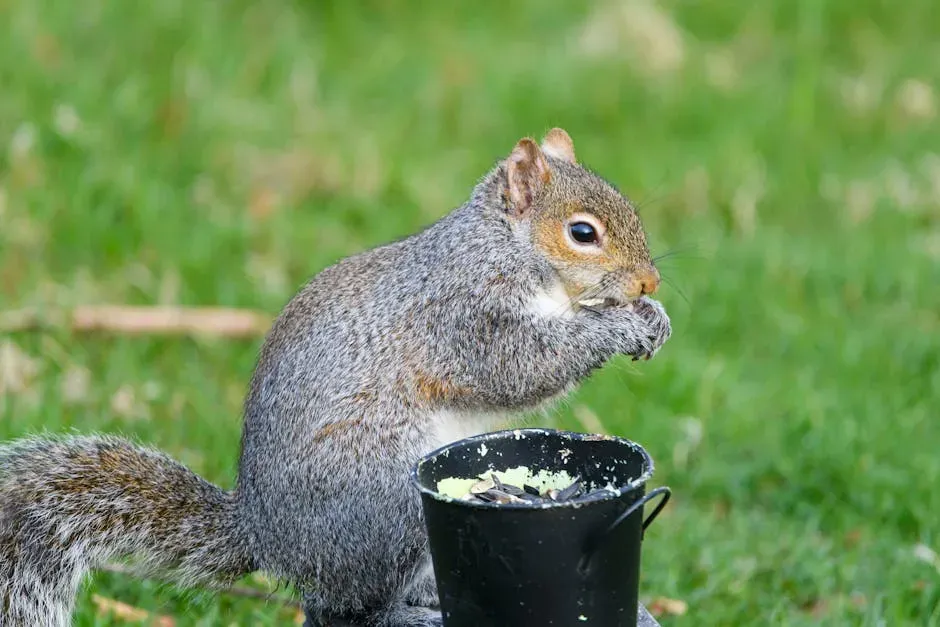
In 2009, researchers at the University of Exeter devised a test to determine if grey squirrels have the ability to learn from observing other grey squirrels. The findings pointed toward something important: squirrels are not simply running on fixed behavioral programs. They observe, they process, and they adapt. Another study found that squirrels are able to quickly learn from their peers.
Squirrels are quick learners, capable of learning by watching. Squirrels would see another squirrel remove a nut from one of two pots. The squirrels learned quickly that if the squirrel they watched took the nut, the pot would be empty and that going for the opposite pot was the better bet. That is social inference. Watching someone else’s outcome and adjusting your own behavior accordingly is a cognitive skill with real depth behind it.
#7. Their Intelligence Is Innate, Not Just Learned
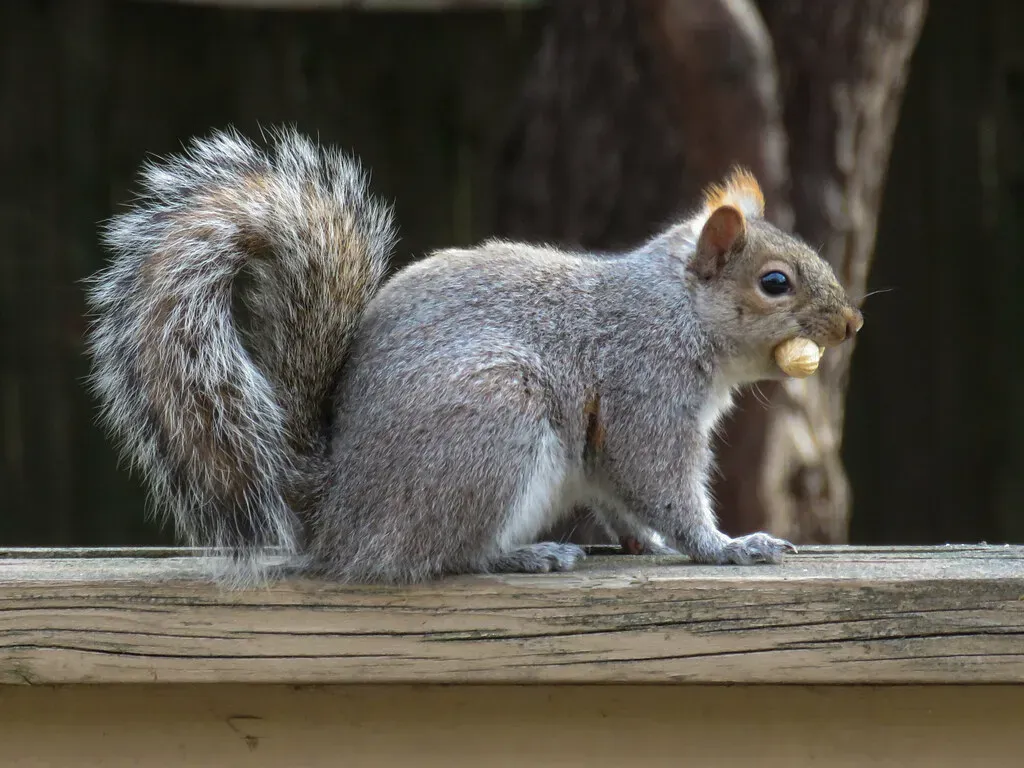
A natural question is whether squirrels are clever simply because they have had to adapt to challenging environments like cities. Researchers decided to find out. A study published in Frontiers in Ecology and Evolution documents how researchers from Germany, the United Kingdom, and the United States used historical and genetic records to hunt down founding gray squirrel populations in Cambridge and Cambridgeshire, and also looked at New Jersey and Pennsylvania squirrels to represent a native population. These two non-native and native populations were further subdivided into urban and rural groups, yielding four total groups for the study.
All four groups of squirrels had similar results, leading researchers to the conclusion that squirrels have a level of innate intelligence, regardless of their environment. The cleverness is baked in. It does not depend on being raised near a university campus or a busy city park. The researchers concluded that enhanced cognition is a built-in characteristic in gray squirrels, one that predates exposure to any particular setting. That changes the story considerably.
#8. They Have a Rich and Purposeful Communication System
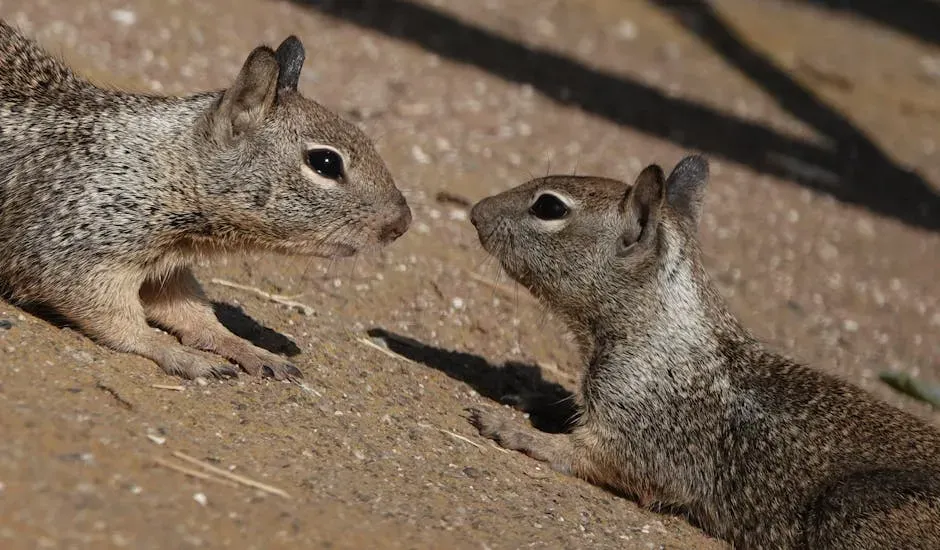
Squirrels are not quiet animals, though much of what they say goes over our heads. These animals use a variety of complex signals to communicate with each other, including visual cues, scent and complex vocalizations. Vocal signals are a major component of squirrel communication, falling into four main categories: nesting, mating, aggressive, and warning calls. Each call type serves a distinct social function.
Perhaps most fascinating is the specificity of their alarm system. Squirrels will often use specific alarm calls to warn the group of dangers. The sound that signals an aerial predator is distinct from the one that warns of a terrestrial predator. Tail position, body posture, and foot stomping are also means of communication for squirrels. Distinguishing between a hawk overhead and a fox on the ground, then broadcasting the right signal to nearby squirrels, is not a simple feat. It points to a level of environmental awareness that goes well beyond basic survival reflex.
#9. Flying Squirrels Are More Astonishing Than Their Name Suggests

Most people have never seen a flying squirrel in person, partly because they are nocturnal and genuinely secretive. The name flying squirrel refers to over 50 species of squirrels capable of gliding flight. Unlike birds or bats, flying squirrels do not actually fly but glide using a membrane called a patagium, which stretches between their front and hind legs. These enchanting mammals have fascinated people for centuries with their nocturnal antics and incredible aerial abilities.
Glides can cover distances of over 150 feet, allowing them to escape predators, find food, and move efficiently through their complex forest homes. Even more remarkable, their ultrasonic vocalizations are above the hearing range of owls, which means they can warn other nearby squirrels of an owl’s presence without the owl having any idea its cover has been blown. A secretive, gliding mammal that communicates in frequencies its chief predator cannot detect. That deserves a moment of genuine admiration.
#10. They Are Accidental Architects of Entire Forests
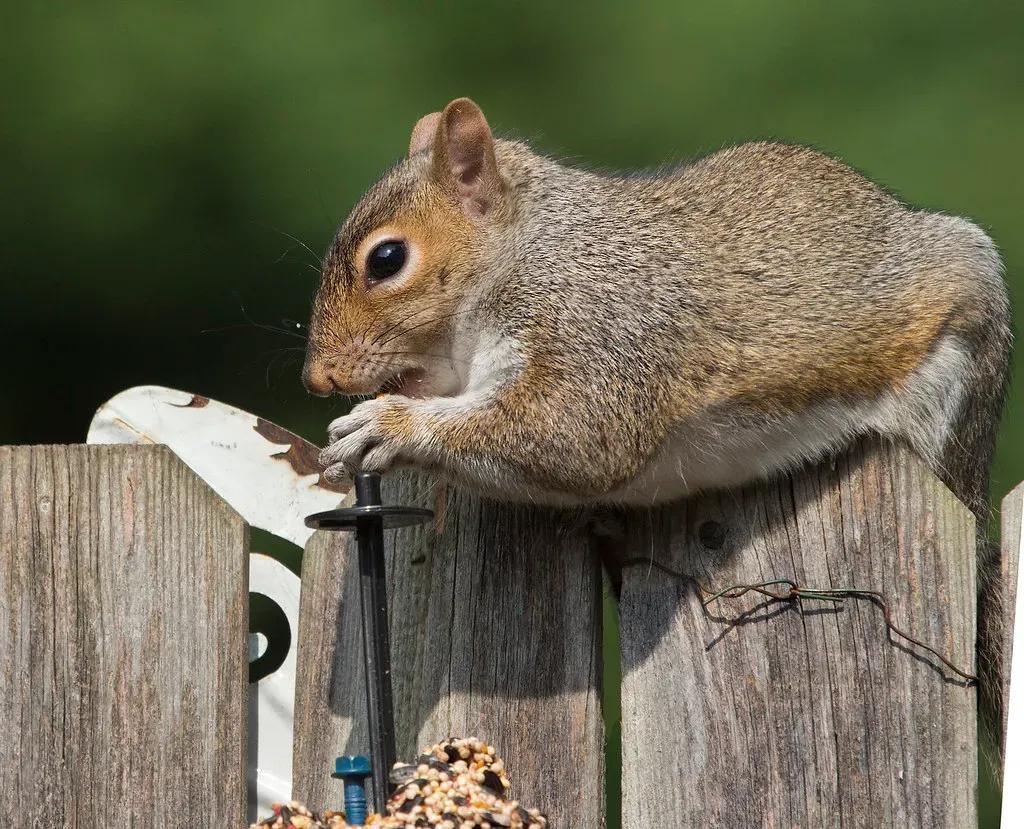
Estimates indicate that squirrels may be responsible for planting anywhere from ten to twenty percent of certain tree species in their habitats. This natural mechanism highlights their ecological importance, often overshadowed by human conservation efforts. The mechanism is almost poetically simple: a nut gets buried, a squirrel forgets about it, and a tree grows.
A key factor in the grey squirrel’s success in forest regeneration is the huge amount of tree seeds they bury. Research has shown that grey squirrels store the vast majority of seeds this way, and scientists have established that about thirty percent of the buried seeds will never be recovered by grey squirrels. These buried and unrecovered seeds are the basis for future forest regeneration. There is also a subtler quality control element at work: studies show that grey squirrels eat first the seeds which are damaged and bury the healthy seeds, helping forest regeneration to even greater extent than previously thought. They are, without meaning to be, remarkably good foresters.
#11. Studying Them Is Helping Scientists Understand the Human Brain
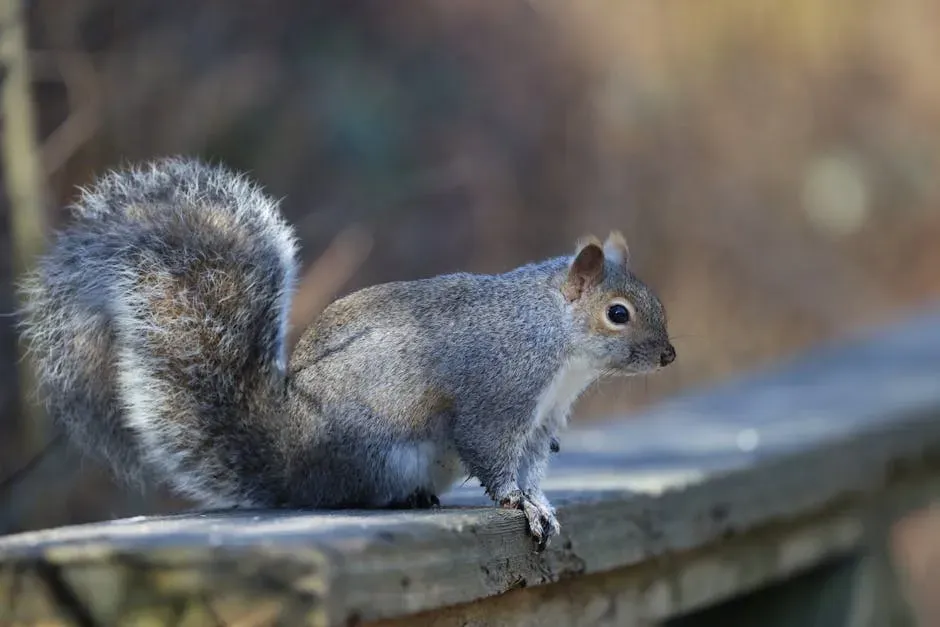
Perhaps the most quietly significant fact of all is what squirrel research is teaching us about ourselves. Research has shown that squirrels create a cognitive mental map to remember where their nut stashes are, and this research is helping us learn more about the human brain and spatial memory. The hippocampus, memory consolidation, and spatial cognition are all areas where squirrel behavior has opened new avenues of inquiry.
Scientists have suggested there may be simple ways that squirrels are organizing their lives that help them remember, which could potentially be translated to help a person with Alzheimer’s. That is not a trivial connection. A small, bushy-tailed creature running through a park may hold clues to one of the most devastating conditions facing aging populations worldwide. It is a reminder that the natural world rarely gives up its most important secrets to those who are not paying close attention.
Final Thoughts
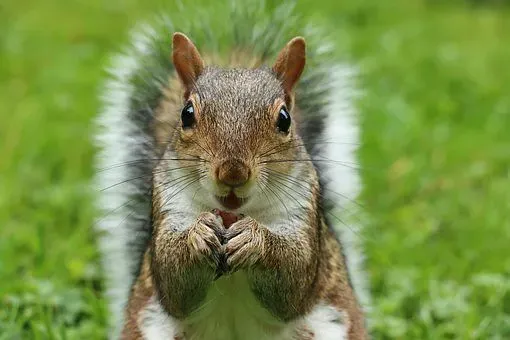
Squirrels occupy a peculiar place in our collective consciousness. Too common to seem interesting, too small to seem important. This article should have made that framing harder to hold onto. These are animals with spatial intelligence, long-term memory, social communication systems, a talent for deception, and an outsized role in keeping forests alive. They are, by any honest measure, genuinely remarkable.
The irony is that their ordinariness is actually the point. Squirrels are everywhere precisely because they are so well-suited to the world, not despite it. We tend to reserve admiration for the rare and remote, the snow leopard or the whale. Maybe what squirrels quietly demand of us is something more difficult: paying real attention to what is right in front of us.

- These Endangered Species Are Making Remarkable Comebacks Thanks to Dedicated Efforts - July 17, 2026
- 10 Fascinating Facts About the Badlands: America’s Ancient Fossil Kingdom - July 17, 2026
- 10 Fascinating Facts About Monument Valley: The Ancient Landscape That Shaped the American West - July 17, 2026