
Most dog owners genuinely love their pets. They buy the good food, schedule the vet visits, and feel guilty leaving for work in the morning. So it might come as a surprise that some of the most damaging things done to dogs happen with the best of intentions, or no harmful intention at all.
Dogs feel deeply. They have emotions and understand emotions. Recent scientific studies have shown that dogs experience love like humans and can read human emotions based on facial expressions. They have the capacity to love, feel, become depressed, and get excited. That emotional depth is exactly why certain actions, even careless ones, can cut far deeper than most owners realize. The ten things listed here aren’t edge cases. They’re patterns that show up in millions of households every single day.
#1: Never Hit or Physically Punish Your Dog
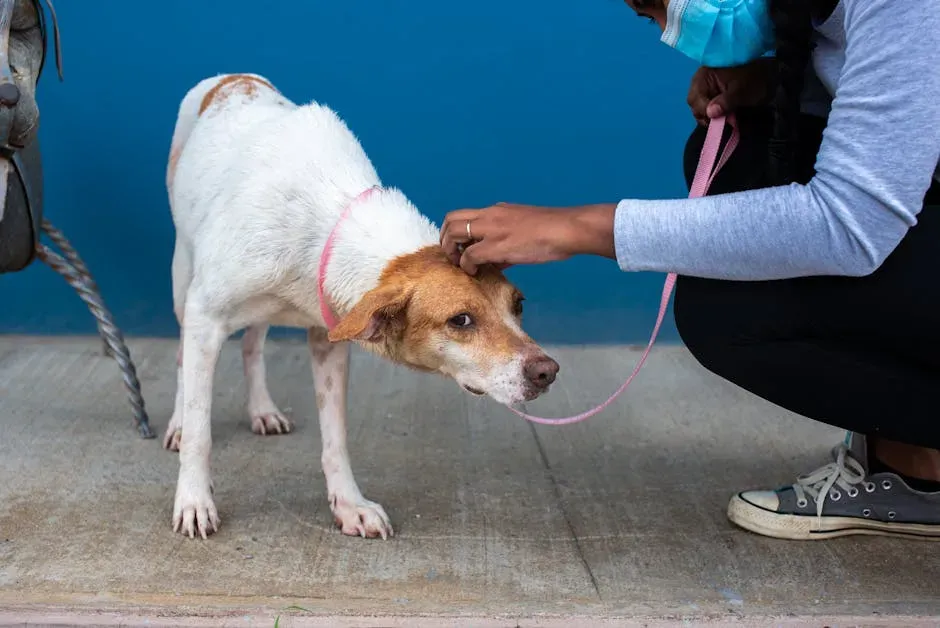
This one seems obvious, yet physical punishment remains one of the most persistent and destructive habits in dog ownership. Hitting or physically abusing your dog can cause fear and aggression, and this can lead to long-term behavior problems such as biting and other forms of aggression. The dog doesn’t learn what you want it to learn. It learns to be afraid of you.
Dogs who are physically abused may develop trust issues with their owners, which can make it difficult to train them and form a strong bond. Beyond the emotional toll, dogs who are physically abused may suffer from psychological trauma, which can lead to long-term anxiety, depression, and other mental health problems. The relationship you’re trying to build gets dismantled, blow by blow.
#2: Never Leave Your Dog Alone in a Car
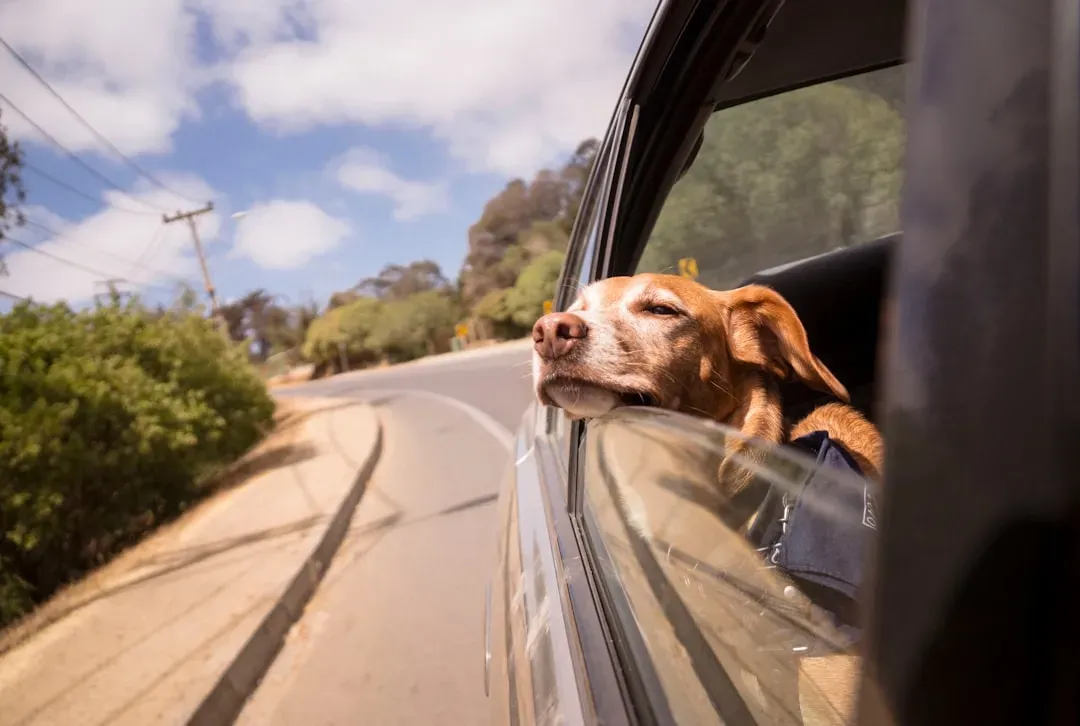
Even on mild days, the temperature inside a parked car can rise rapidly, leading to heatstroke or even death. Additionally, unattended dogs are targets for theft. Most people understand the danger on a scorching summer afternoon, but the risk is far more consistent than seasonal.
Temperature inside a car rises much quicker than it does outside, and even just a few minutes can be fatal on a sunny day. Regardless of whether your car is parked in the shade or the windows are down, dogs can still quickly become dehydrated, develop heatstroke, or even die. There’s no errand worth that risk. Simply, don’t do it.
#3: Never Overfeed or Ignore Your Dog’s Weight

One of the most common health problems among dogs today is obesity. It causes many other health problems, from heart disease to joint pain, and these can be expensive for you and cause your dog to suffer. The tragedy here is that it happens almost invisibly, a little extra here, a few treats there, until the dog is carrying weight that strains every joint and organ.
Obesity in dogs is an extremely dangerous condition and it can lead to all sorts of health problems, from heart problems and high blood pressure to osteoarthritis, liver problems, and a higher risk of developing tumors. Every dog is different, and as dogs get older their appetite and need for food decreases. Depending on their size, dogs need a specific number of calories every day to keep them healthy and well-nourished. Ask your vet, get a number, and stick to it.
#4: Never Skip Dental Care
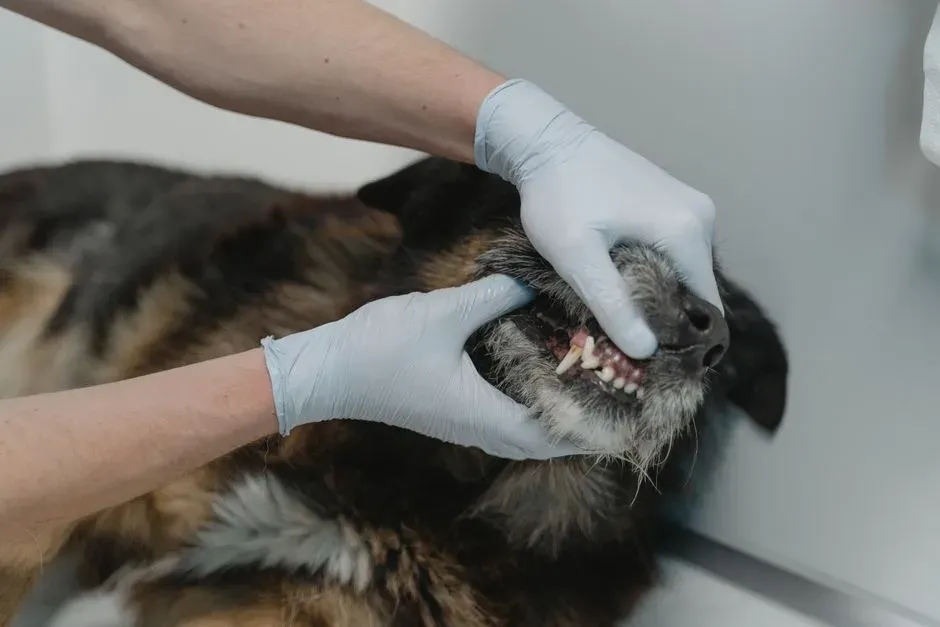
Dental disease is prevalent among dogs, leading to pain and systemic health issues. Regular brushing with canine-specific toothpaste and annual veterinary dental check-ups are essential for maintaining oral health. Most owners overlook this completely, treating it as optional, but tooth and gum disease in dogs is genuinely painful and often goes undetected until it’s advanced.
Never use human toothpaste on a dog. They can’t spit, and there are ingredients in many human toothpastes that can make a dog sick. Dental procedures are among the most common reasons for dogs to visit the vet. Not only do cleanings and extractions cost a great deal of money, but they’re also traumatic for your pet, and like any surgery, they present an element of risk. Prevention is genuinely the kinder path.
#5: Never Use the Crate as Punishment
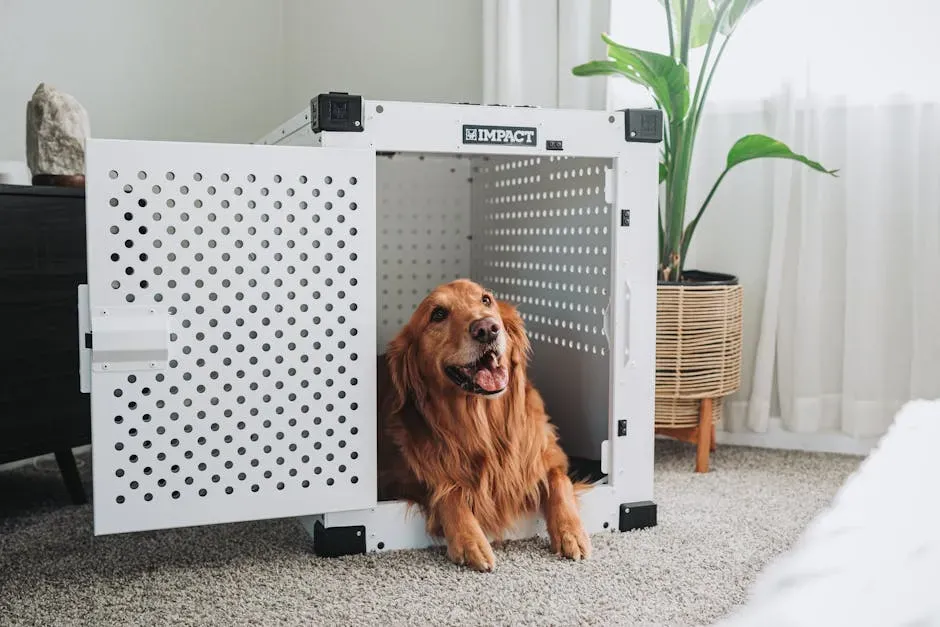
Crates, used well, are genuinely helpful tools. They give dogs a quiet, safe retreat. Crates should be a safe haven for your dog, not a place of punishment. The moment a crate becomes associated with something negative, it stops functioning as a refuge and starts functioning as a source of dread.
You should not simply stuff your dog in a crate any time you don’t want to deal with them. Sequestering them in a crate denies them any opportunity to learn or put their training to good use. For example, if you crate your dog every time someone comes over or when someone rings the doorbell, they will never have the chance to learn how to behave in these situations. The more a dog lies in a crate, the less training and opportunity for growth they are getting. It is much better to set expectations and work on proper behavior with the dog outside of the crate than crating them every time you don’t want to deal with them.
#6: Never Chain or Permanently Tether Your Dog Outside
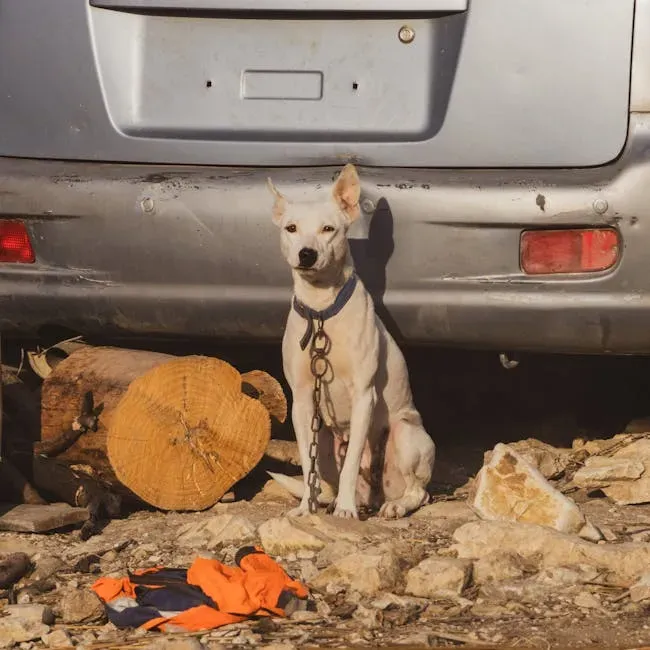
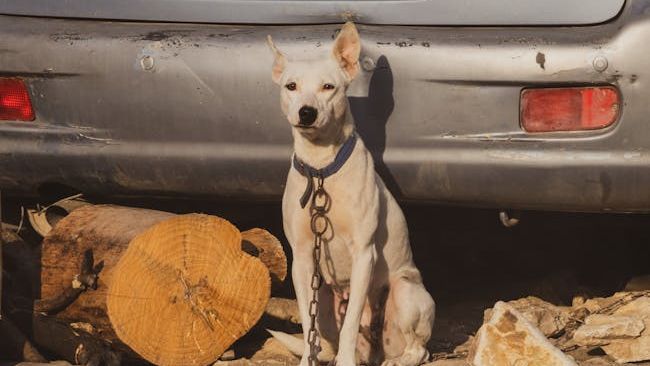
A yard is not freedom. A chain is definitely not freedom. You should never tether or chain your dog because it can lead to injury and cause anxiety. Chained dogs will often pull on their tethers, causing damage to the neck and throat areas. Tethered collars can rub and cause sores or hair loss on the neck.
Beyond the physical risks, there’s a deeper harm at work. Dogs need human interaction and stimulation, to be part of a family, and a measure of freedom. Being left out on a chain while the rest of your family is together indoors is simply cruel. Dogs can become tangled and injure their legs, and it has been reported that some tethered dogs have panicked, gotten tangled, and broken their legs. It is not a containment solution. It’s a welfare problem.
#7: Never Neglect Socialization
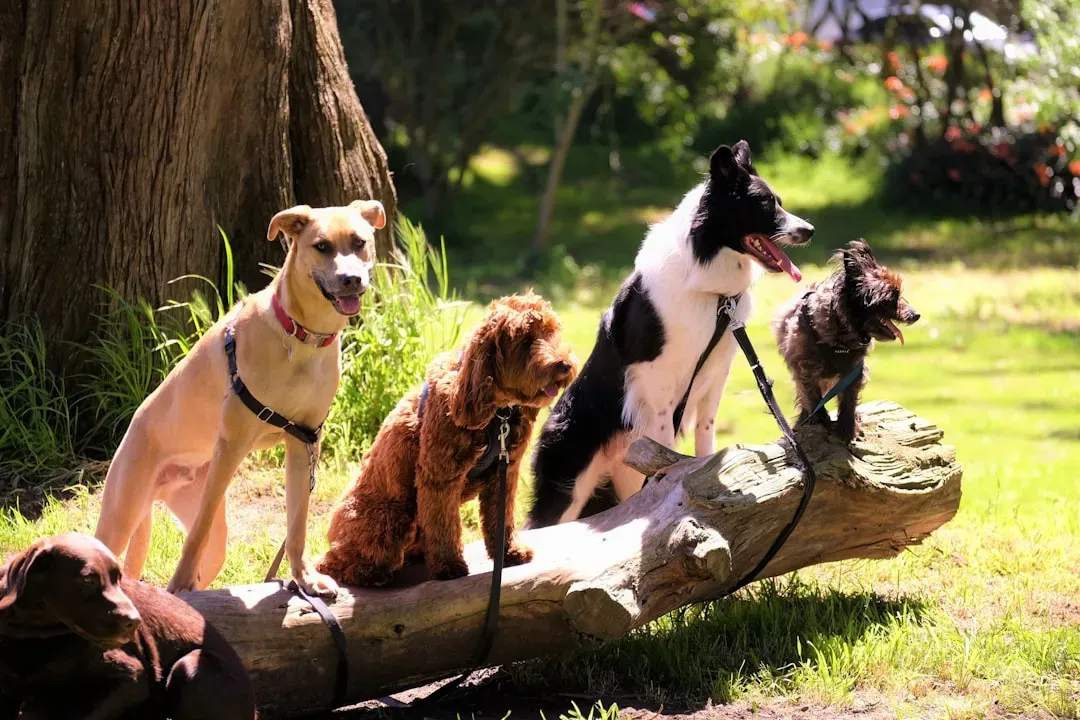
Neglecting socialization is one of the most common mistakes dog owners make that results in a frightened dog. Frightened dogs are unpredictable dogs, and that can be dangerous for their owners, guests, and other animals in the home. Socialization isn’t a luxury for puppies with enthusiastic owners. It’s a developmental necessity.
Proper socialization is about exposure to a variety of environments, sounds, surfaces, people, and controlled interactions, not letting every dog run up and say hello. Over-socialization in chaotic settings can actually create reactivity or insecurities later. Quality over quantity makes the difference. Measured, positive exposure during the early months shapes who your dog becomes for the rest of its life.
#8: Never Ignore Changes in Your Dog’s Behavior or Health
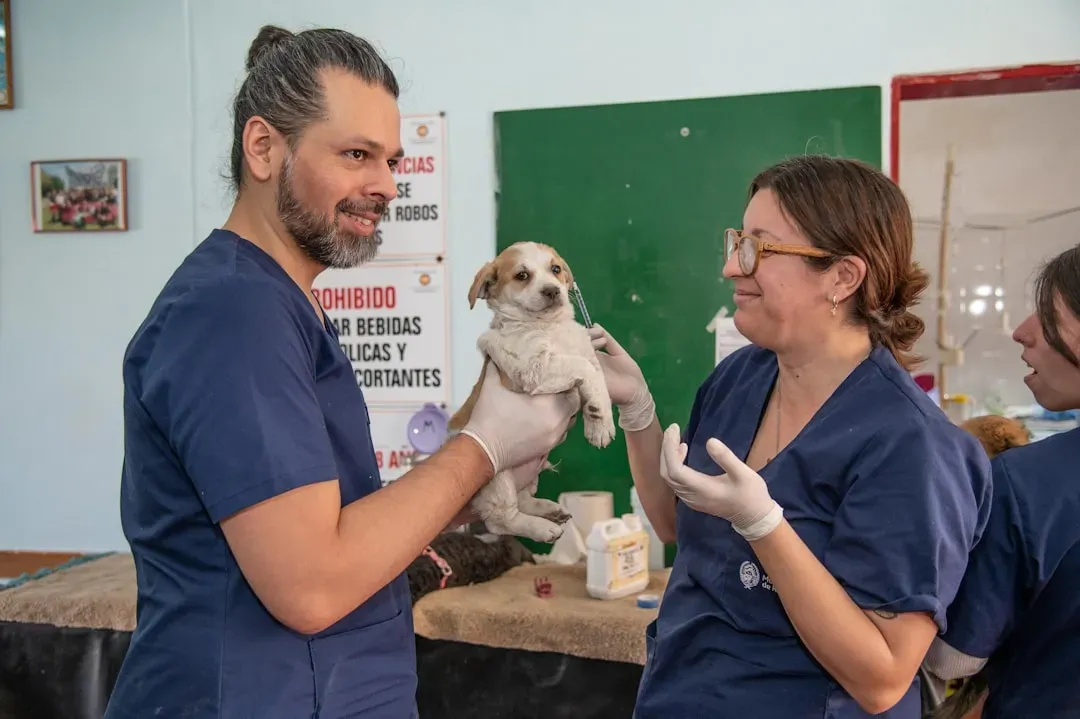
Dogs are remarkably good at masking pain and illness. It’s instinct. Don’t ignore little changes in your dog’s behavior. Because dogs are good at hiding their illness just by the nature of survival, you really have to watch out for signs of problems. Common ones include vomiting, diarrhea, a lack of playing or eating, a change in drinking or urinating frequency, and general lethargy.
Regular veterinary check-ups are vital for early detection of health issues. Don’t wait for visible symptoms; routine exams can catch problems before they become serious. When your vet knows what to expect from your dog under normal circumstances, they’ll be able to detect more easily when something’s not right. Regular visits can also help your vet track changes over time. By observing your dog’s mobility, heart rate, weight, and behavior, your vet can investigate fluctuations and intervene to keep your dog healthy.
#9: Never Leave Your Dog Isolated for Excessive Periods

Leaving your dog alone for long periods of time can have negative effects on their physical and emotional well-being. Dogs are social animals and can become anxious when left alone for long periods of time. This can lead to destructive behavior such as chewing and digging, as well as excessive barking and howling. The dog isn’t misbehaving out of spite. It’s struggling.
Some people leave their dogs alone for ten, eleven, and twelve hours at a time, and that is not good for your dog. Never leave your dog alone or unsupervised for long periods of time. Ideally, you have someone who can let your dogs out and check on them during the middle of the day to ensure that they are doing okay. A dog is a social commitment, not just a home fixture, and its emotional needs don’t pause while you’re out.
#10: Never Yell at or Berate Your Dog
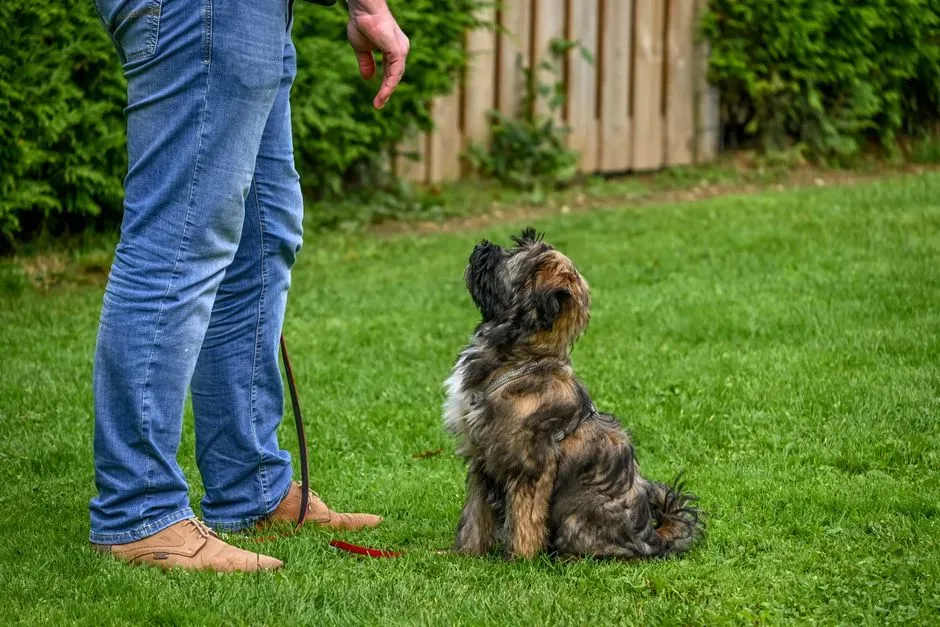
Raising your voice feels like communication. To your dog, it’s largely noise, and sometimes alarming noise at that. Research suggests that yelling causes dogs long-term psychological stress and harm, and that reward-based training is always superior and ultimately better for your dog’s happiness. Dogs read human messages through body language and tone of voice. If you’re constantly shouting at them, they may misinterpret this as you joining in. If you simply ignore or speak to them in a calm yet firm voice, they should eventually stop.
These techniques expose your dog to negative emotions such as fear and stress. A dog that is afraid, scared, and does not trust its owner will have enormous difficulties in concentrating and learning. Not only this, but it could also force your dog to be defensive and react by attacking, specifically when it feels threatened. Hitting or yelling at your dog can damage your bond and lead to fear-based behaviors. Positive reinforcement training methods are more effective and foster trust between you and your pet.
What It All Comes Down To
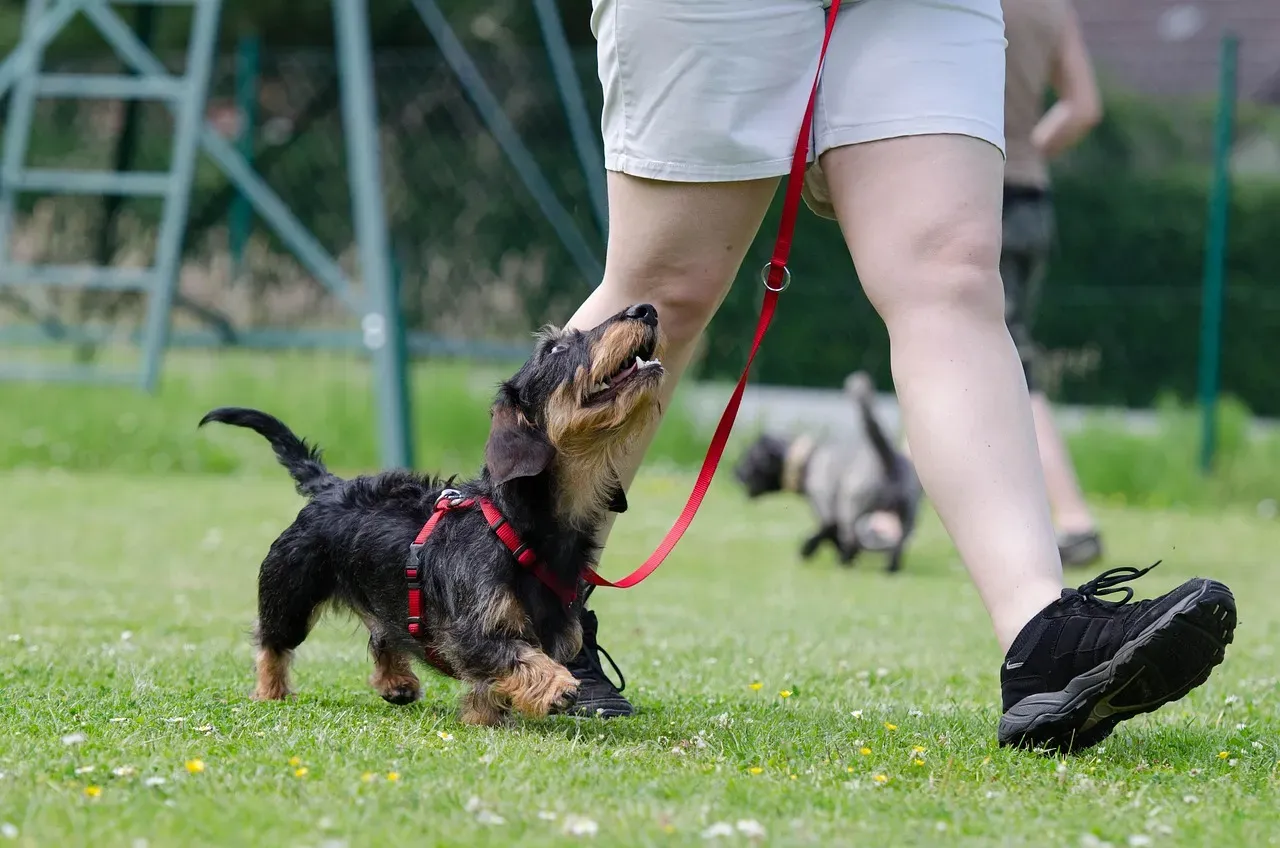
Most of the mistakes on this list don’t come from cruelty. They come from common dog training mistakes that are often well-intentioned but based on outdated or misleading information. Sometimes people are careless or negligent, but most often they just don’t know any better. That matters, because it means the damage is largely preventable.
Like us, dogs require certain basic freedoms and rights in order to enjoy a healthy, dignified, and happy life. The five freedoms of animal welfare function as the pillars on which you can build a positive relationship with your dog, based on trust and mutual affection. When those freedoms are honored, what you get in return is extraordinary.
Dogs offer something rare: unconditional loyalty without condition, agenda, or resentment. The least we can do is meet that with a little more knowledge, a little more patience, and a firm commitment to doing better when we know better. That’s not a high bar. For a dog, it’s everything.
