
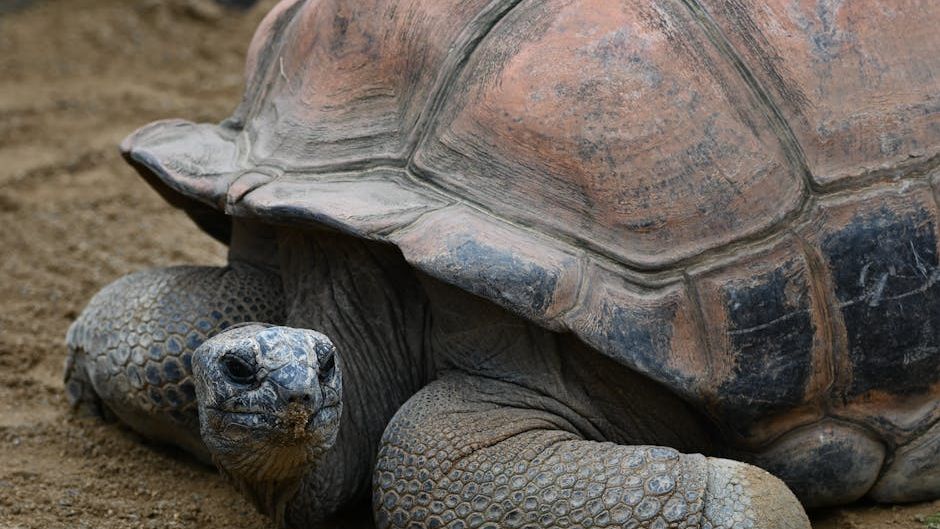
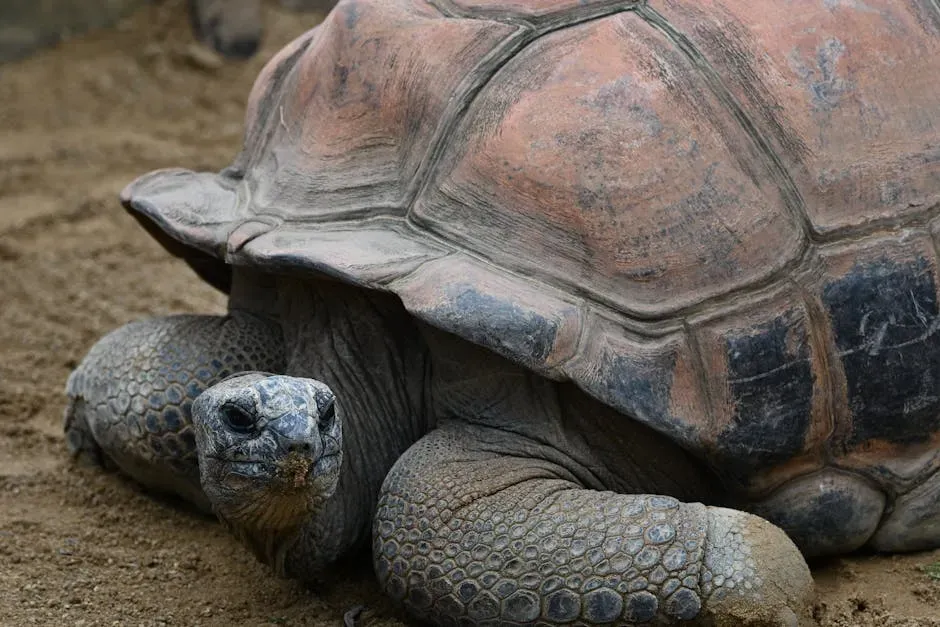
A tortoise named Jonathan currently resides on the remote island of Saint Helena in the South Atlantic Ocean. He is a 190-year-old Seychelles giant tortoise, recognized as the oldest living land animal on Earth. He has outlived dozens of human generations, survived two world wars, and shows no urgency about any of it. That kind of longevity feels almost fictional, yet the natural world is full of creatures that quietly shatter human assumptions about time and aging. Some don’t just outlive us. They live in ways that make our concept of a long life look brief by comparison.
The science of why this happens is genuinely fascinating, and researchers are only beginning to piece together the full picture. Animal lifespan variation is governed by complex biological mechanisms that scientists are still working to fully understand, with factors like telomere length, DNA repair efficiency, and metabolic rate all playing crucial roles in determining how long an organism can survive. The answers involve genetics, environment, body chemistry, and evolutionary strategy all at once.
#1: The Role of Slow Metabolism in Extreme Longevity
One of the clearest patterns in animal longevity is the relationship between metabolic pace and lifespan. The “rate of living” theory suggests that animals with faster metabolisms generally live shorter lives, as their cells accumulate damage more quickly. Think of it less like a timer and more like wear on an engine: the harder it runs, the sooner parts begin to fail.
Traditional ideas suggested that living fast leads to dying young, and broad comparisons across species support this trend, with larger animals with lower mass-specific metabolic rates often living longer. The Greenland shark is perhaps the most striking example of this principle in action. Living in the frigid depths of the Arctic and North Atlantic, this slow-moving predator can live for over 400 years, with its secret lying in a combination of factors: a cold, stable environment, extremely slow metabolism, and a low rate of predation.
The cold environment slows its metabolic processes to a crawl, reducing cellular damage and the accumulation of errors over time. The Galapagos giant tortoise follows a similar logic on land. Scientists credit a slow metabolism and a heart that beats at less than half the speed of that of humans for the tortoise’s remarkable longevity. Slowing down, it turns out, is one of nature’s most effective survival strategies.
#2: Genetic Superpowers That Resist Aging and Cancer
Some animals don’t just live slowly – they carry genetic tools that actively fight the damage aging inflicts on cells. DNA mutations are thought to play a role in determining lifespans, with longer-lived species tending to evolve better DNA-repair systems to help ward off cancer. This is not a minor advantage; cancer and cellular breakdown are among the leading reasons most animals decline with age.
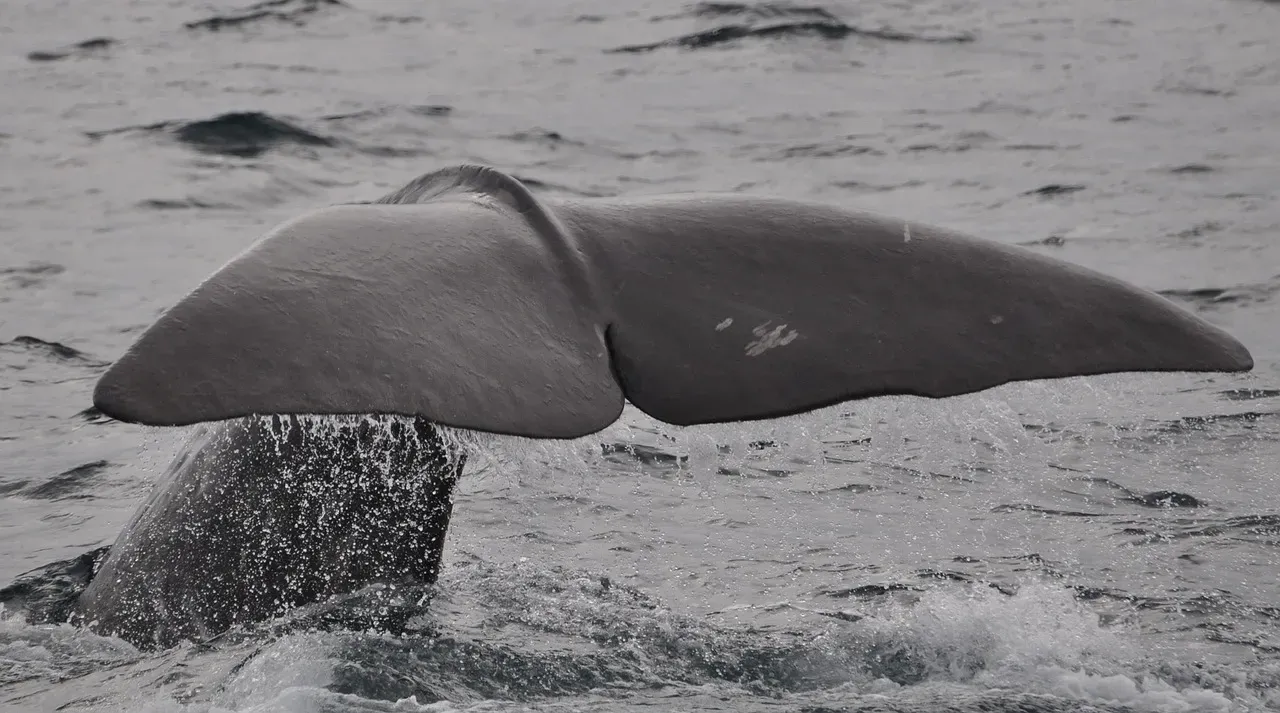
Researchers sequenced the genome of a bowhead whale in 2015 and identified genes related to DNA repair, cancer, and aging that could be responsible for the animal’s long life. Bowhead whales are remarkable on several fronts. Scientists have found that these whales have a genetic mutation that protects them from cancer, and it is suspected that this may help them live so long. Their genetic toolkit essentially includes a built-in defense against the cellular chaos that cuts most lifespans short.
An analysis of bowhead whales has pinpointed the gene duplication of a gene called CDKN2C as a strategy that allows the body to halt cell division and prevent programmed cell death. Meanwhile, research into naked mole rats has shown that the naked mole rat, the longest-lived rodent with a maximum lifespan of 32 years, possesses a mechanism of longevity and cancer resistance mediated by high molecular weight hyaluronan. Each discovery nudges science a little closer to understanding what the body needs to stay functional for a very long time.
#3: The Protective Power of Shells, Size, and Avoiding Predators
Evolution is essentially a long negotiation between survival pressure and biological investment. Animals facing high predation tend to evolve faster maturation and shorter lives, while those with few natural threats can afford slower development and longer lifespans. When the threat of being eaten is removed from the equation, the body can redirect its energy toward maintenance and repair instead of rapid reproduction.
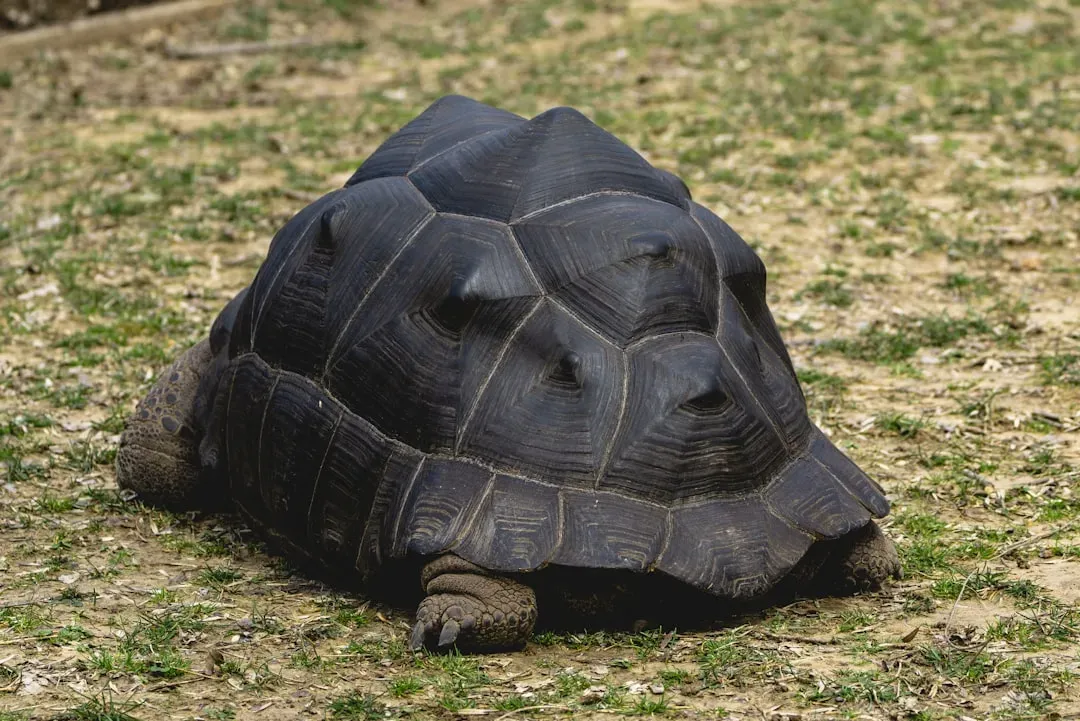
Tortoises illustrate this beautifully. Their protective shells reduce the risk of predation, allowing evolution to favor delayed reproduction and strong long-term maintenance rather than rapid growth and early breeding, a combination that likely promotes better DNA repair and resilience to stress over time. The shell is not just armor. It is, in a deeper sense, a longevity device.
Large size can reduce the risk of predation and buffer animals against short-term environmental stress, allowing natural selection to favor slower growth, later reproduction, and longer life. This helps explain why ocean giants like bowhead whales live for centuries while smaller, more vulnerable animals rarely survive a decade. Animals that have developed strategies to avoid danger tend to live longer, and other strategies beyond size include social organisation or protection by poison or armour. Nature has designed several different routes to the same destination.
#4: Negligible Senescence and the Animals That Barely Age at All
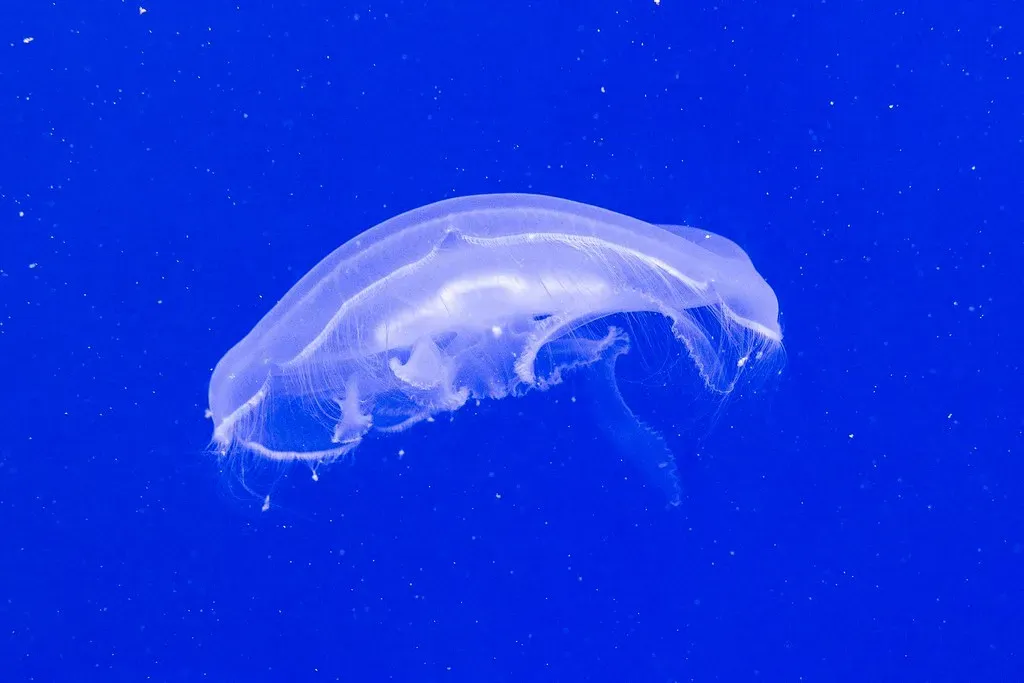
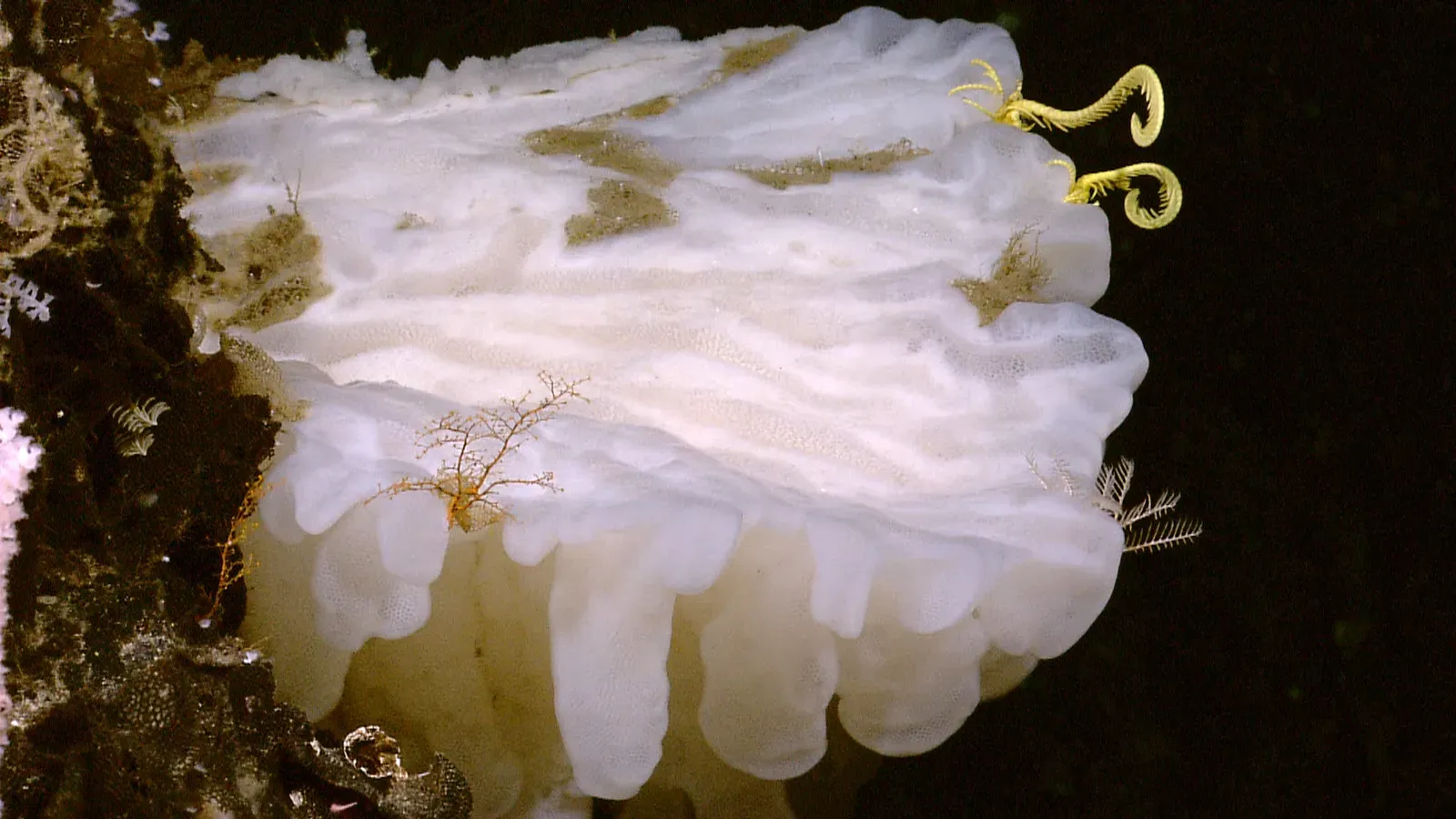
Most living things follow a familiar arc: they grow, mature, age, and decline. Some animals, however, have found a way to largely sidestep that final chapter. Scientists call this “negligible senescence,” a state in which the biological signs of aging remain nearly absent even as years accumulate. Some animals use mechanisms that allow their cells to remain functional for longer periods without aging, such as the clam or the glass sponge, while others rely on their ability to regenerate their cells at will, such as the small jellyfish or the freshwater hydra, to avoid dying.
The freshwater hydra is one of the most astonishing cases in biology. The freshwater hydra, a tiny tentacled creature related to jellyfish, exhibits negligible senescence and may be biologically immortal, with its cells continuously dividing and renewing without loss of function, supported by a large number of stem cells that maintain tissue integrity indefinitely. That is not a metaphor. The organism quite literally doesn’t appear to wear out in any measurable way.
Among animals linked to negligible senescence, the immortal jellyfish is especially striking. When stressed or injured, this tiny jellyfish can transform from its adult medusa form back into a juvenile polyp, and instead of dying, its cells reorganize and the organism effectively resets its biological age. For scientists studying human aging, these creatures are not curiosities. They are roadmaps. Various species of sea urchins, including the red urchin, are known to live years or longer without any biological signs of aging, and scientists believe the key may be the urchins’ ability to regenerate their tissues.
#5: What Long-Lived Animals Reveal About the Future of Human Health
The reason scientists study creatures like the Greenland shark or the ocean quahog clam isn’t simply curiosity. The natural diversity of lifespan can be exploited to understand the mechanisms of longevity and develop anti-aging interventions, with the goal being to identify mechanisms that allow exceptionally long-lived animals to live long and healthy lives and then use those mechanisms to benefit human health. In other words, the tortoise may hold clues that the pharmaceutical lab cannot yet replicate.
Studies of telomeres, metabolism, diet, and gene regulation point to ways health and lifespan can improve, and by comparing short-lived species such as mice with long-lived ones such as parrots, bats, elephants, and tortoises, scientists identify biological pathways that protect against decline. The gap between a mouse and a bowhead whale in terms of lifespan is enormous, and understanding what separates them biologically could reshape medicine. Caloric restriction, a reduction in food intake without malnutrition, has been shown to extend lifespan in many species, from yeast to primates, suggesting that lower metabolic stress may slow aging, possibly by activating repair pathways and shifting the body’s priorities from growth to maintenance.
Scientists’ goal is not only to explain why animals age at different speeds, but also to learn lessons that may apply to humans, with the aim being to think about health, disease prevention, and how to extend the years of life spent in good physical and mental condition. The ceiling isn’t immortality, and researchers are careful to say so. The aim is not immortality, but more years spent healthy, active, and independent. That is perhaps the most honest and useful takeaway from all these centuries-old creatures swimming, crawling, and drifting through time.
What Nature’s Oldest Creatures Are Really Teaching Us
In the natural world, some animals boast incredibly long lifespans that defy the usual expectations of life’s fleeting nature, and while human beings often regard years as the pinnacle of longevity, several animal species routinely surpass this milestone, living for centuries and, in certain cases, even reflecting myths of immortality. The more science digs into why this happens, the more it becomes clear that extreme longevity isn’t one single trick. It’s a convergence of slow metabolism, genetic resilience, physical protection, stable environment, and sometimes an ability to regenerate that borders on the surreal.
One of the reasons it’s so hard to make sense of aging is that scientists still don’t know what happens inside an animal’s body to make it age, at a mechanistic, molecular, or genetic level, and why it happens. The honest answer is that nature is still revealing its secrets one species at a time. The world’s longest-living animals remind us just how diverse and resilient life can be, and from the hydra that can potentially live forever to the glass sponges that are living fossils of the deep ocean, these creatures challenge our understanding of aging and longevity.
Perhaps the most grounding thought is this: a 400-year-old shark in the Arctic darkness and a 190-year-old tortoise on a remote island aren’t defying nature. They’re expressing it, in a form we’re only beginning to read.
