
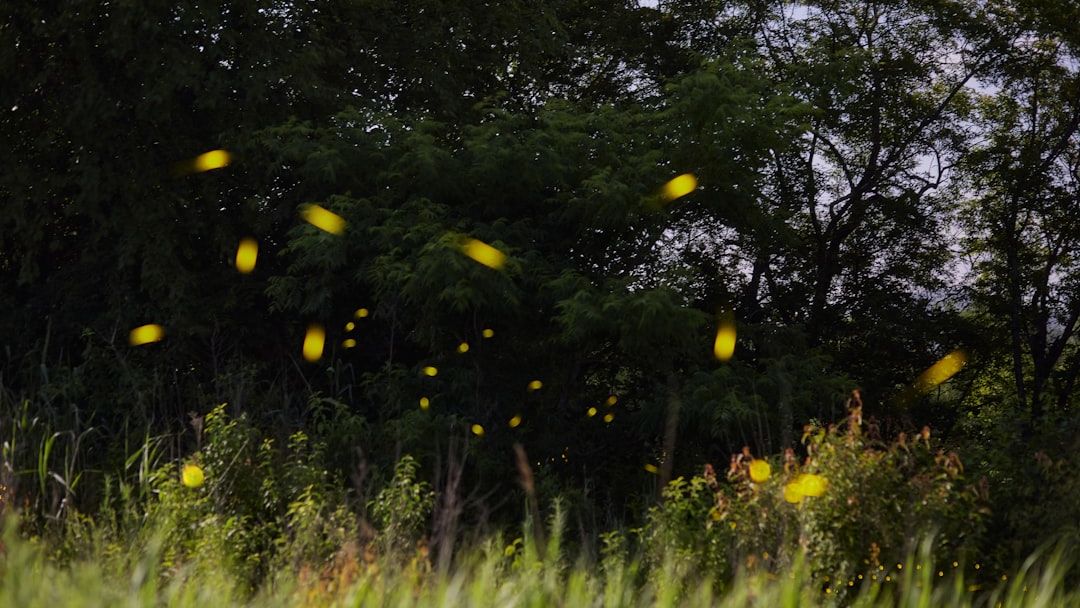
There’s a particular moment in early summer, just after dusk, when the tree line darkens and the first small light blinks on low over the grass. Then another. Then dozens. For most people, that first firefly of the season feels less like a bug sighting and more like a small event worth stopping for.
Fireflies have earned their place in summer evenings not just through their glow, but through the remarkable biology, ancient history, and surprising science behind every flash. What seems effortless and decorative turns out to be one of nature’s most intricate performances. Here’s what’s actually happening out there in the dark.
#1: Fireflies Are Not Flies at All – They’re Beetles
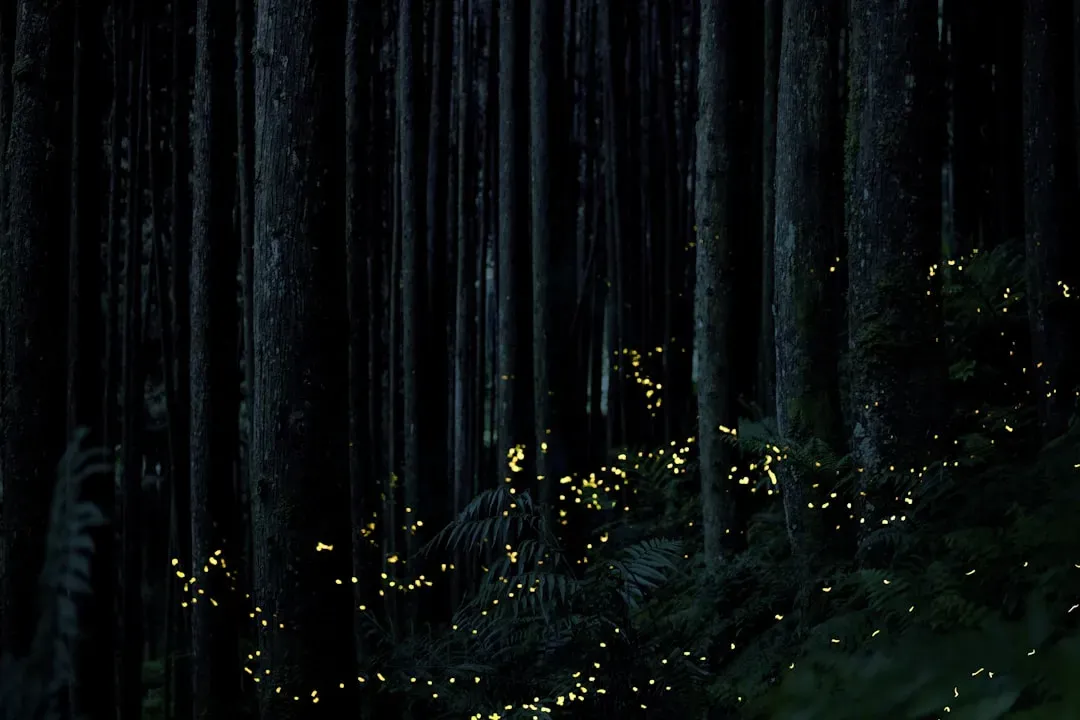
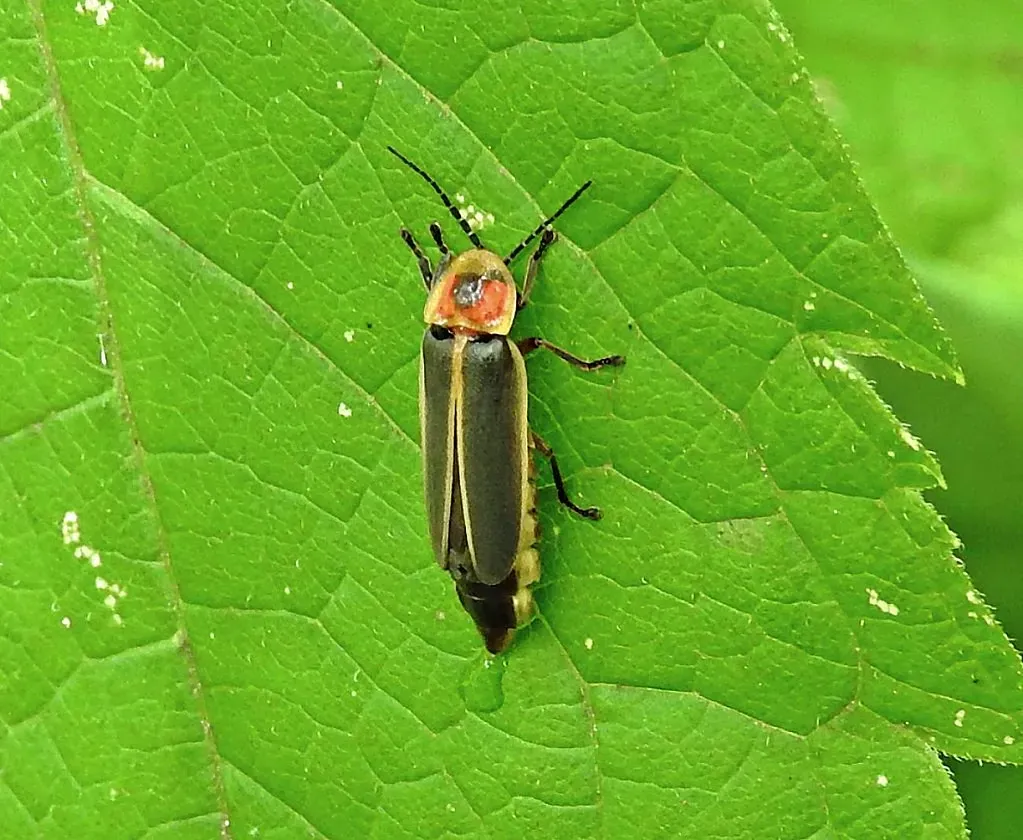
Fireflies, alternatively known as lightning bugs in much of the United States, are neither flies nor true bugs. They’re soft-winged beetles, related to click beetles and others. The name has stuck for centuries, but entomologists tend to call them lightning beetles, which is far more accurate.
These glowing beetles belong to the family Lampyridae and play a crucial role in the ecosystem. The family Lampyridae is composed of around 2,200 recognized species across the world. That’s a staggering level of diversity hiding in what most of us simply call “fireflies.”
#2: Their Light Is a Chemical Miracle – Cold, Nearly Perfect, and Unique
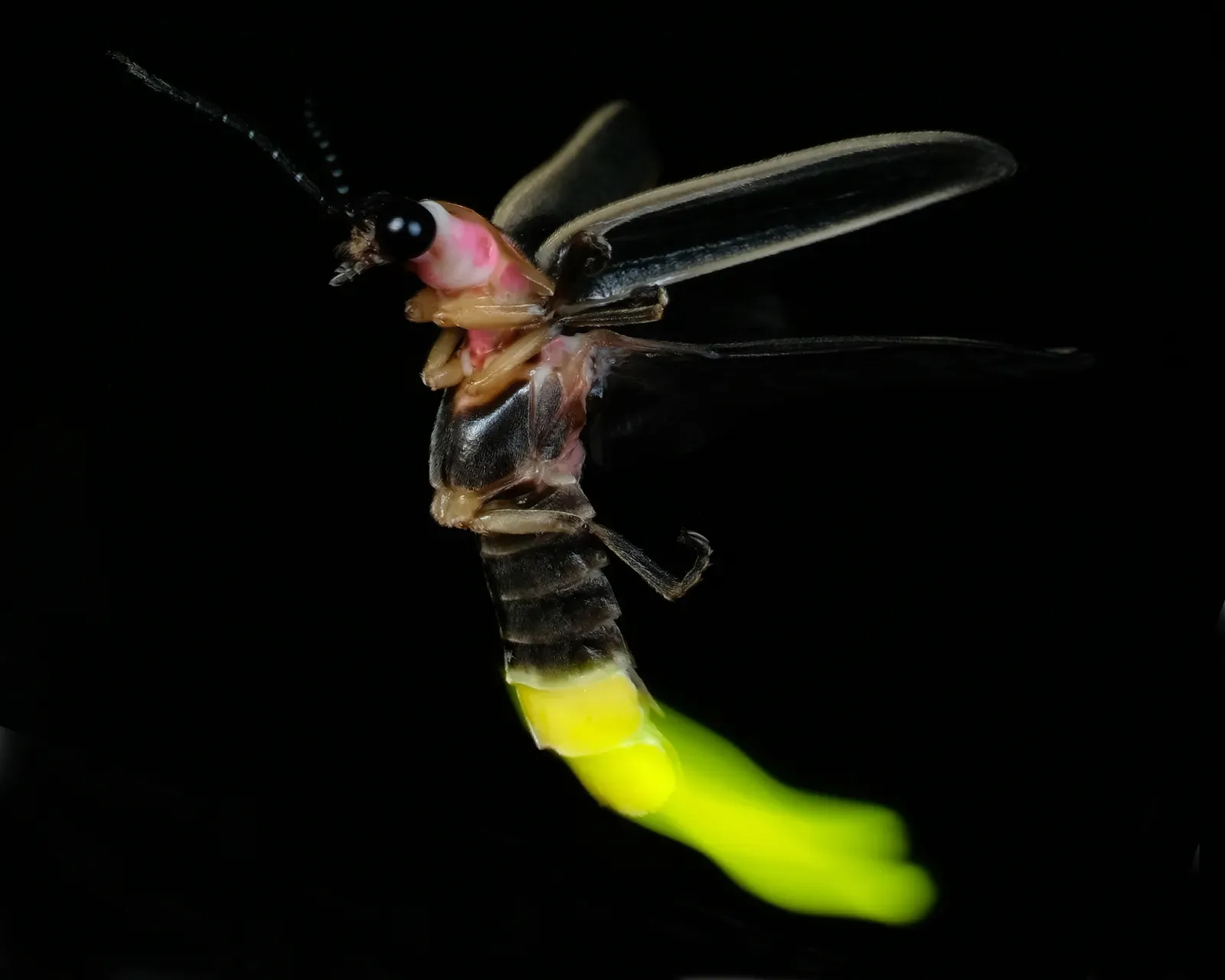
The main components involved in bioluminescence are luciferin, a light-producing substance, and luciferase, an enzyme that triggers the light-emitting reaction. When luciferin and luciferase interact in the presence of oxygen, ATP, and magnesium ions, they produce light. The elegance of this reaction is hard to overstate.
Bioluminescence in fireflies is nearly 100 percent efficient, meaning little energy is wasted to produce their light. By contrast, an incandescent light bulb is only 10 percent efficient – 90 percent of the energy is lost as heat. Unlike a light bulb, which produces a lot of heat in addition to light, a firefly’s light is “cold light” without a lot of energy being lost as heat. This is necessary because if a firefly’s light-producing organ got as hot as a light bulb, the firefly would not survive the experience.
#3: Each Flash Is a Coded Message – Species Speak in Light
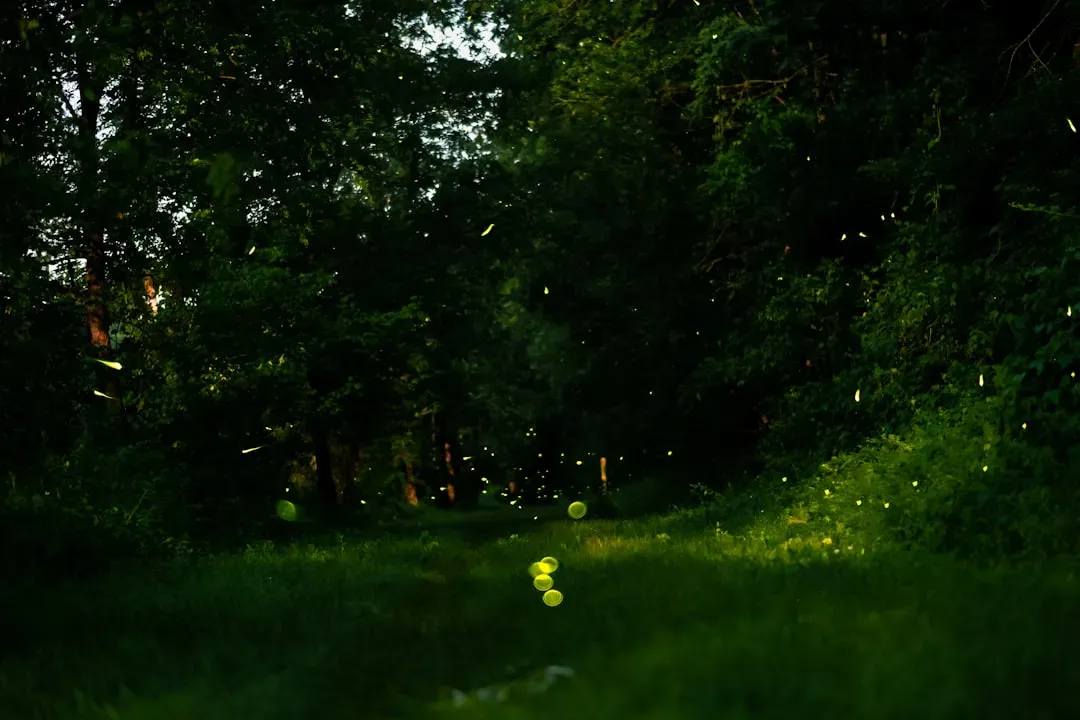
Fireflies use their bioluminescence primarily for communication, especially during mating season. Each firefly species has a unique pattern and rhythm to their flashes, which helps males and females of the same species identify each other. Think of it as a species-specific Morse code, played out against the summer dark.
Males typically fly around and flash their lights in specific patterns, while females respond with their own distinctive flashes from the ground or vegetation. Firefly flashing also depends on temperature, with faster flash rates and more activity occurring on warmer nights. Both the time of year and time of night that a species is active are helpful clues for identification.
#4: Some Fireflies Are Deadly Mimics – A Flash Can Be a Trap
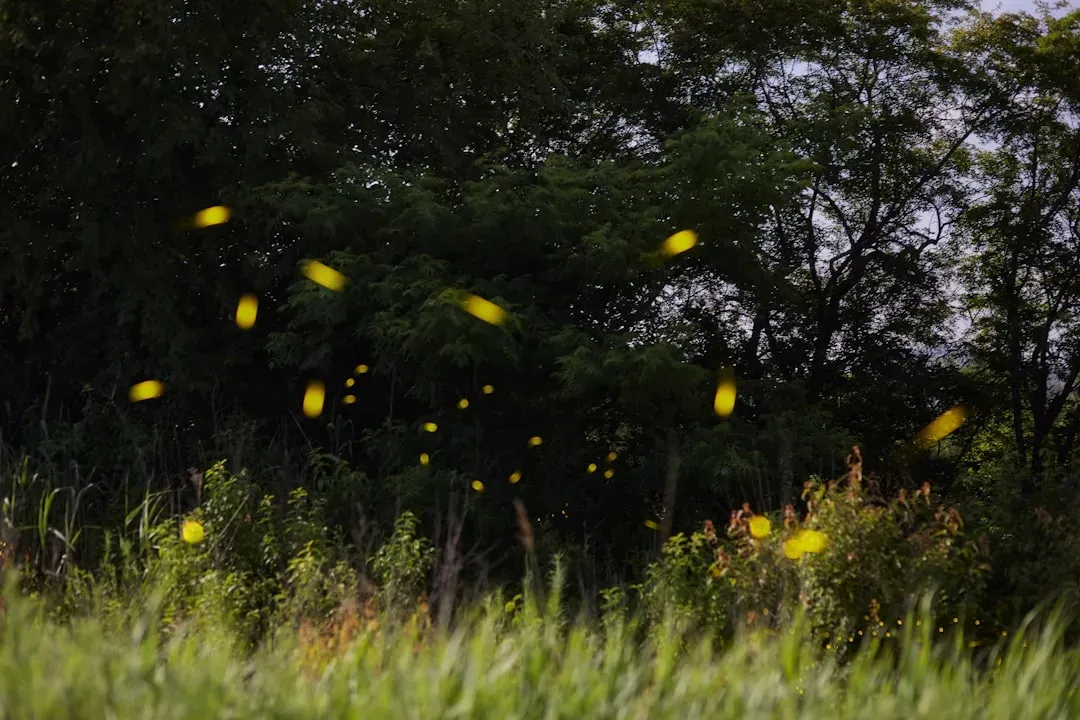
Some species can mimic the flash patterns of others to lure unsuspecting fireflies, often of a different species, as a predatory tactic. This deceptive behavior highlights the complex and sometimes perilous world of firefly communication. The dark side of a summer lightshow, it turns out, is genuinely dark.
Female Photuris fireflies mimic the flashes of Photinus females, only to eat any males of the rival species that come to mate with them. Once she’s devoured her hapless suitor, the Photuris female transfers the prey’s lucibufagin into her bloodstream, stealing the toxin for herself. This predatory borrowing of chemical defenses is one of the more startling behaviors in the insect world.
#5: Not Every Firefly Glows – Some Species Skip the Light Entirely
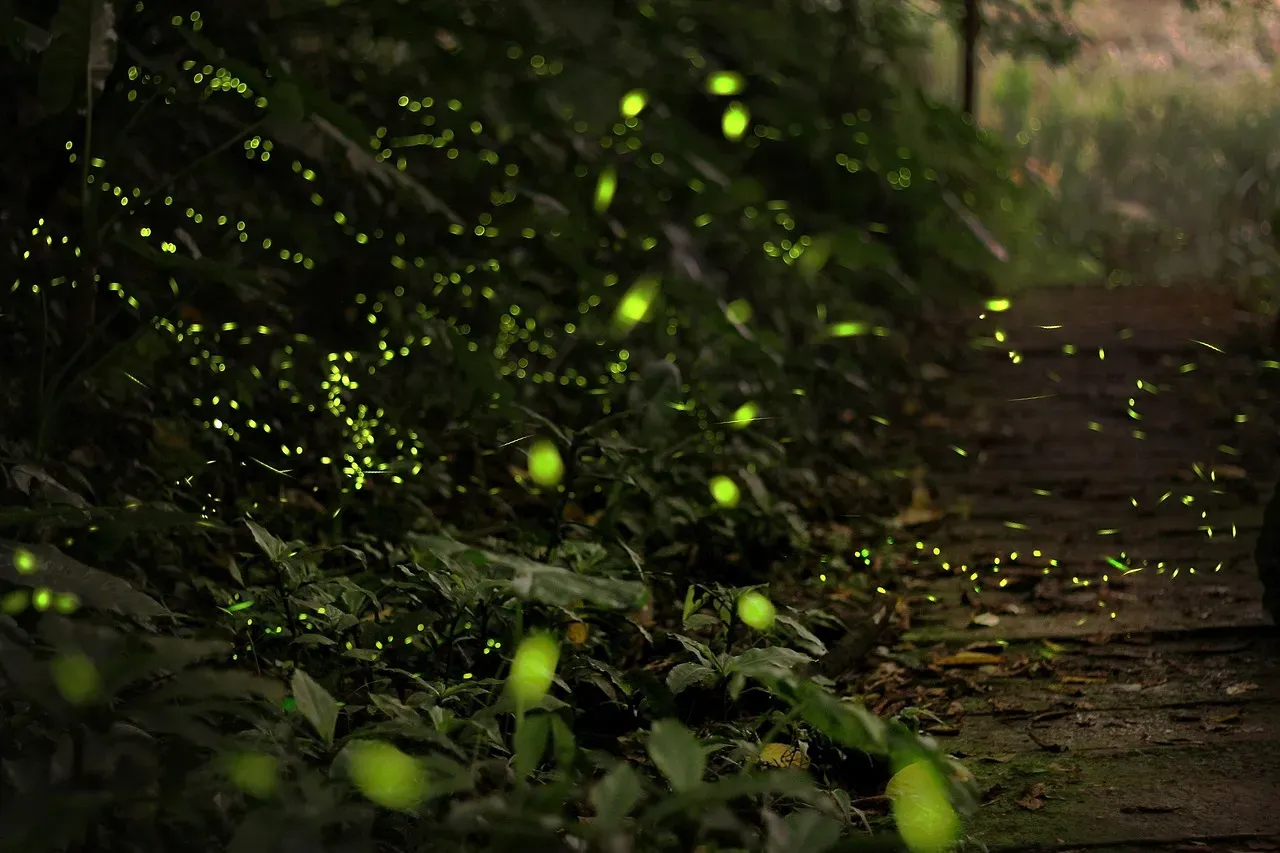
Many fireflies do not produce light. Usually these species are diurnal, or day-flying, such as those in the genus Ellychnia. Their existence quietly upends the assumption that a firefly without a glow is somehow incomplete or broken.
Non-bioluminescent fireflies use pheromones to signal mates. Some basal groups lack bioluminescence and use chemical signaling instead. Each summer, fireflies famously take to the evening skies in an otherworldly display of bioluminescence, emanating electric shades of green, yellow, orange, and even blue. More than 2,000 firefly species are known to science, each with its own unique pattern of light flashes and differently shaped light organs. The range of color alone is something most people never realize exists.
#6: Their Glow Begins Before They’re Adults – Even Larvae Light Up
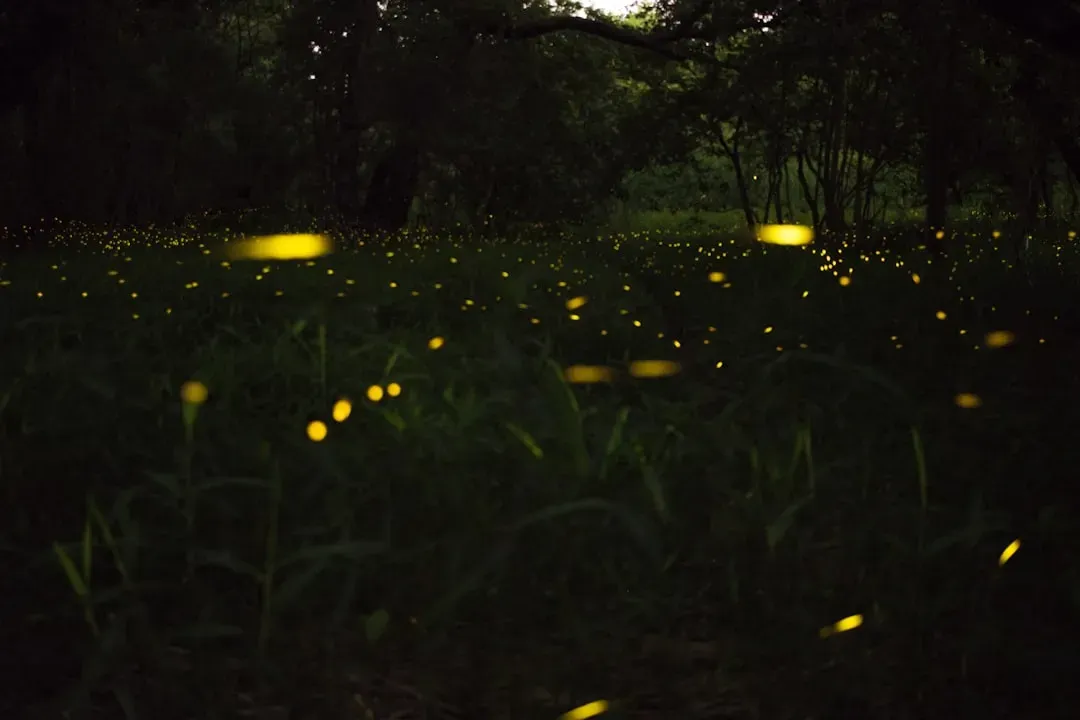
All fireflies glow as larvae, where bioluminescence is an aposematic warning signal to predators. Long before the familiar adult flash, the glow serves a completely different purpose: survival. It’s a warning, not a signal for love.
Firefly larvae are predatory and consume snails, slugs, and other small insects, using their bioluminescence to lure and capture prey. Fireflies typically live for about two months as adults, but their entire life cycle, including the egg, larva, and pupa stages, can last up to one year. The brief, luminous adult display that we treasure is genuinely the very last chapter of a long, largely hidden life.
#7: The Synchronous Firefly Show Is One of Nature’s Greatest Spectacles
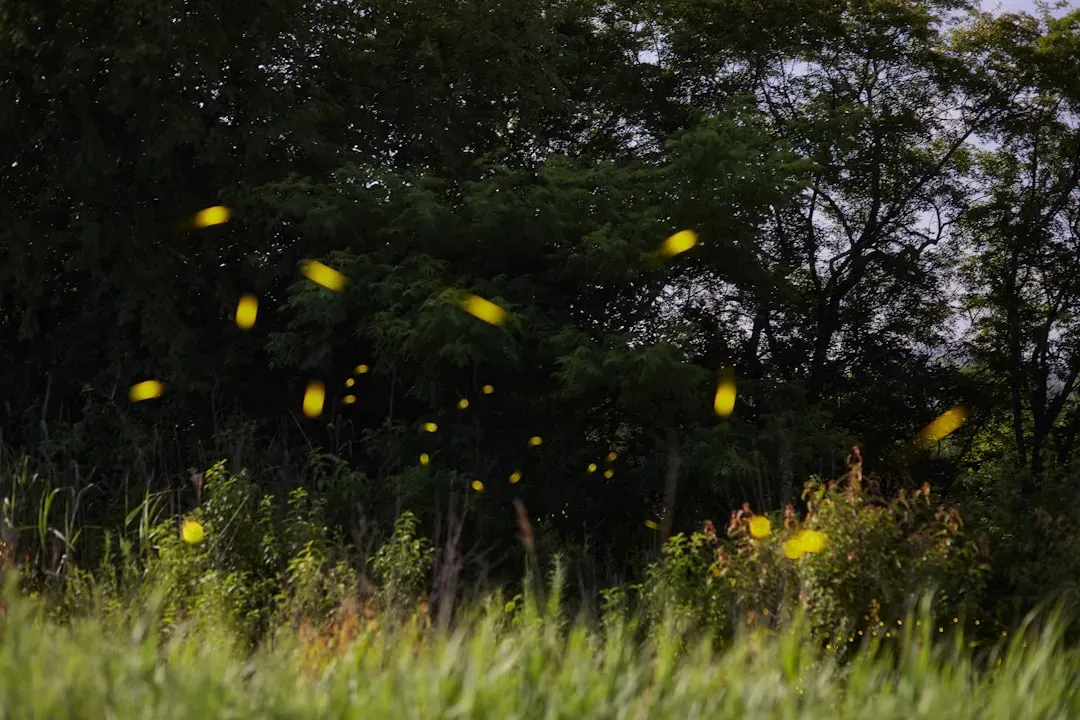
The males of the synchronous firefly Photinus carolinus have taken communication to a new level by flashing in unison. For hours, entire valleys full of this species flash on and off simultaneously, prompting people to drive long distances to witness this phenomenon. Witnessing it in person, by most accounts, is quietly overwhelming.
Every year, usually for 10 to 14 days in late May or early June, is the season for viewing the Great Smoky Mountain synchronous fireflies. The exact timing of the light show varies year to year depending on temperature and soil moisture. Every year, 20,000 families apply for fewer than 1,000 parking passes to this unique event at Great Smoky Mountains National Park. The demand speaks for itself.
#8: Firefly Chemistry Is Saving Human Lives in Medical Research
One of the enzymes involved in these reactions, luciferase, is actually used in medical research to detect blood clots, tag tuberculosis virus cells, and aid in the monitoring of diseases such as cancer and diabetes. The leap from a summer meadow to a hospital laboratory is not as far as it sounds.
NASA used luciferase as one method to find signs of life in soils from other planets and asteroids. A more recent find involves cancer imaging – the successful gene expression that shows luciferase in cancer cells allows for more accurate imaging of the growing and spread of the cancer cells. It’s a remarkable stretch of scientific utility from a creature most of us associate with childhood wonder.
#9: Fireflies Are Under Real Threat – and Light Pollution Is a Major Culprit
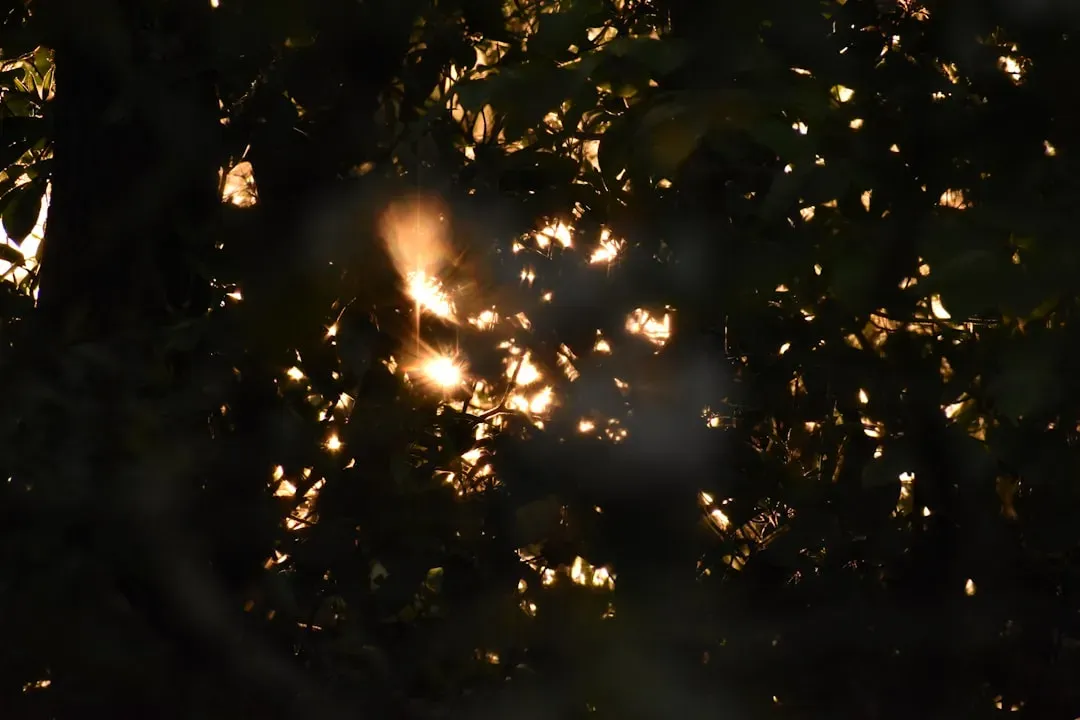
The major threats that can lead to population declines and extinctions include loss and degradation of the habitats necessary to sustain their entire life cycle, artificial light that disrupts courtship communication, overuse of broad-spectrum insecticides for pest and mosquito control, overtourism, and drought and sea level rise caused by climate change. The list is long and the overlap with human activity is hard to ignore.
Artificial lighting causes light pollution that disrupts firefly feeding and mating habits. Bright lights confuse fireflies, causing them to lose track of time and their position, as well as making it harder to spot the opposite sex. To date, IUCN Red List assessments have been completed for 150 firefly taxa, about 20% of which face heightened extinction risks. The situation is serious enough that conservation groups now work specifically on their behalf.
#10: Fireflies Carry Deep Cultural Meaning Across the World
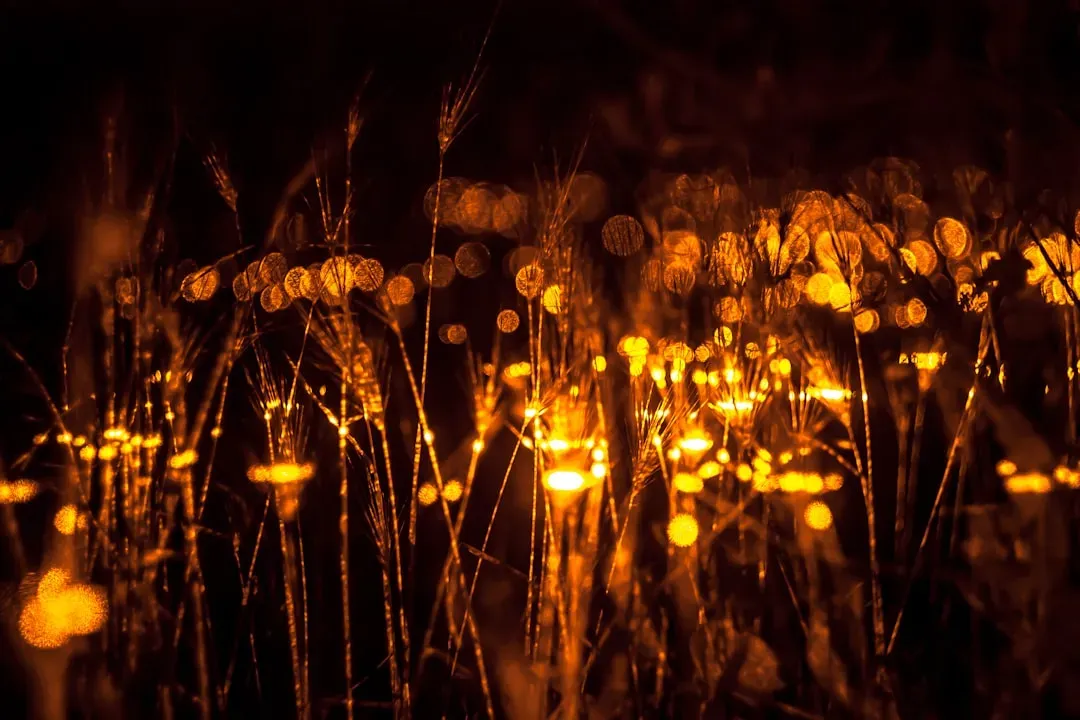
In Japanese culture, fireflies, or hotaru, hold a deeply poetic and symbolic significance. Japanese fireflies are treasured as symbols of fleeting beauty and transient moments, often evoking the bittersweet nature of summer love and unspoken feelings. Beyond their gentle glow, fireflies are also imbued with spiritual meaning, believed to be the spirits of the departed, especially those who perished in war.
The cultural significance of fireflies extends across civilizations, from Japanese poetry, which symbolizes the souls of the departed, to Native American folklore, which represents stars that have fallen to Earth. In parts of Southeast Asia, firefly congregations along riverbanks have become ecotourism attractions. Places like Kampung Kuantan in Malaysia host thousands of visitors annually, drawn to the synchronized light displays of Pteroptyx fireflies. Few insects have managed to become so embedded in the emotional life of so many different cultures, on so many different continents.
Why Fireflies Still Matter
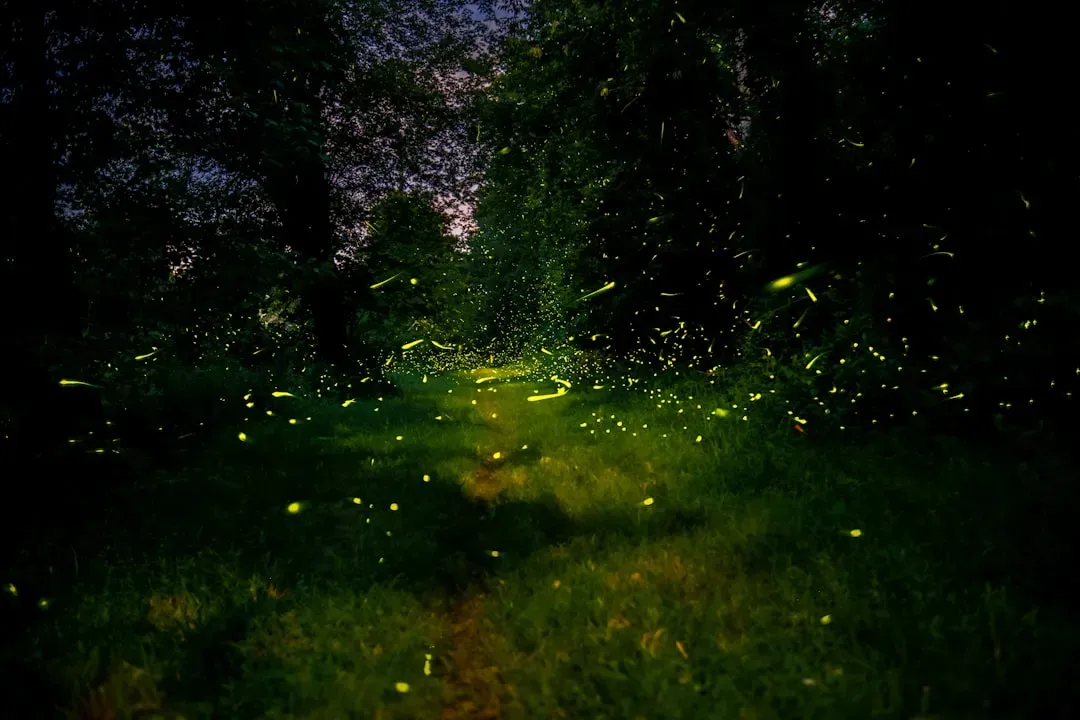
More than just summertime icons, fireflies play critical ecological roles and hold deep cultural meaning around the world. Their sensitivity to environmental change makes them powerful indicators of ecosystem health – and of human impact. In that sense, a firefly is not just a beautiful thing to watch. It’s a measure of the health of the place where it lives.
Citizen science projects like Firefly Watch engage thousands of volunteers to track firefly populations, creating crucial data maps. Turning off outdoor lights during summer evenings when fireflies are active, switching to red bulbs that don’t interfere with their signals, leaving some wild areas in your yard with leaf litter and tall grass where larvae can develop, and avoiding pesticides especially during May through August are all practical ways to help.
The next time a firefly blinks on just past dusk, it’s worth pausing for a moment. That small light has been perfected over 100 million years, carries a coded message, powers medical research, and means something different to people on nearly every continent. Not bad for a beetle.

- 7 Signs Your Dog Thinks You're Family - July 21, 2026
- 10 Fascinating Facts About the Gila Monster – America’s Only Venomous Lizard - July 21, 2026
- 10 Fascinating Facts About Birds of Prey You Never Knew Existed - July 21, 2026