
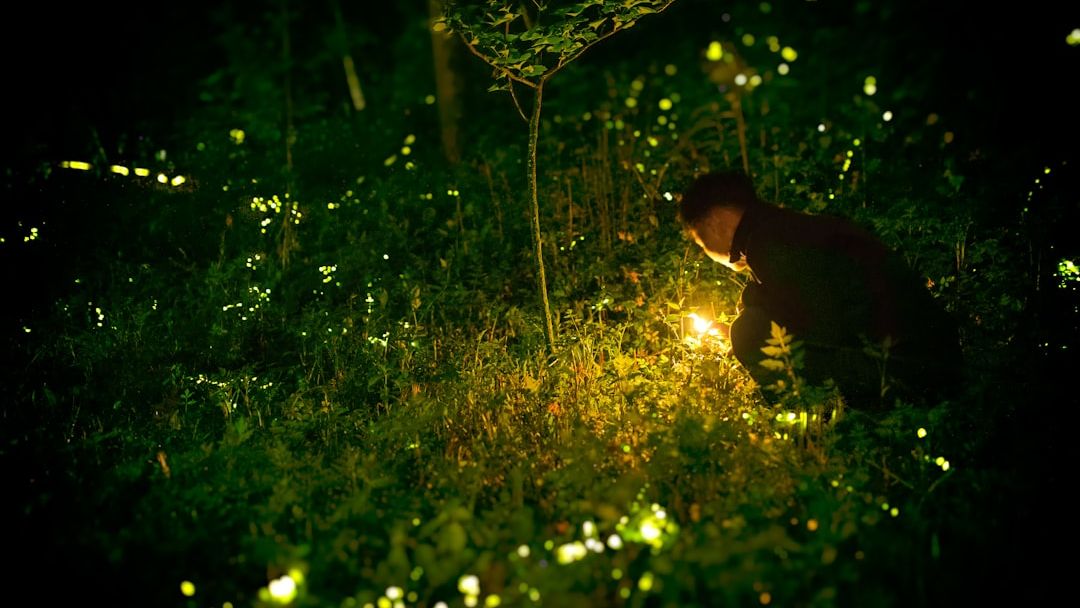
There’s something about that first firefly of summer. One tiny pulse of light in the darkening yard, then another, then dozens, until the whole field is blinking like a slow constellation dropped to earth. Most people see it and feel something – a kind of quiet wonder that’s hard to name. What’s remarkable is that the science behind fireflies is just as extraordinary as the experience of watching them.
These creatures carry secrets in their biology that researchers are still working to fully understand, from chemical reactions that could one day inform cancer research to flash patterns as complex and deliberate as Morse code. The deeper you look at fireflies, the stranger and more fascinating they become.
#1: They’re Not Flies at All – They’re Beetles
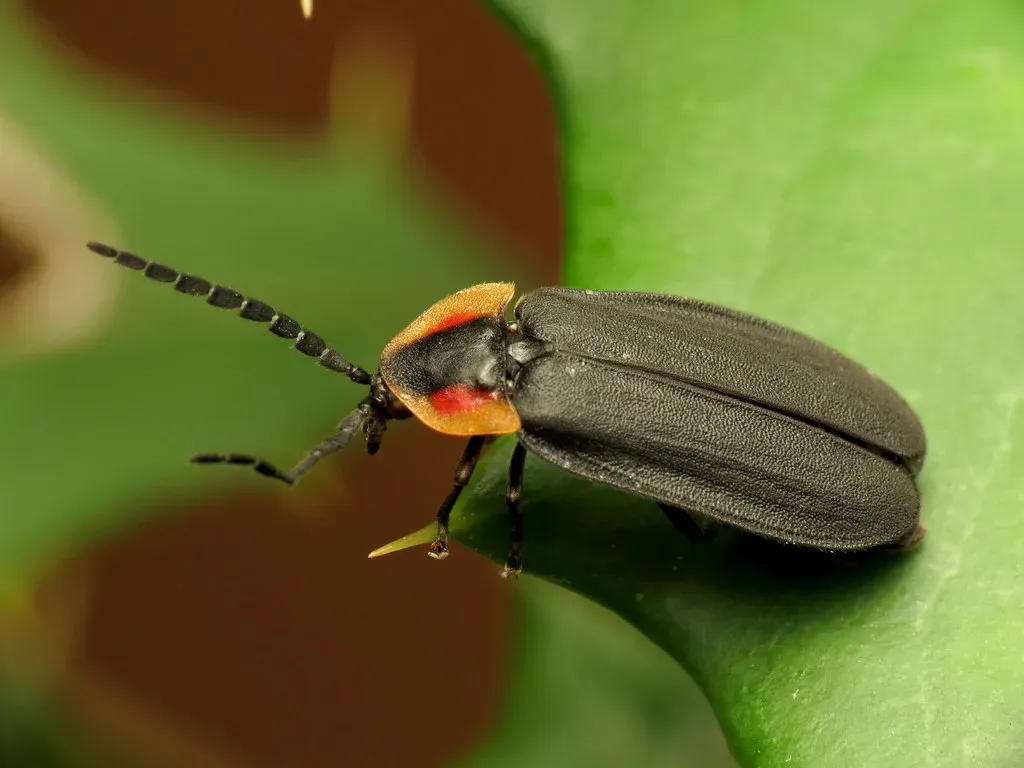
The name is a small deception. Fireflies, alternatively known as lightning bugs in much of the United States, are neither flies nor bugs – they’re soft-winged beetles, related to click beetles and others. That distinction matters more than it might seem. Being beetles places them in one of the most species-rich orders of insects on the planet.
Known by many different names, including lightning bugs and candle flies, fireflies belong to the family Lampyridae, which includes more than 2,200 distinct species worldwide. The sheer variety within that single family is staggering, and scientists continue to identify new species regularly. Calling them flies does a quiet disservice to just how remarkable their true biological identity turns out to be.
#2: Their Light Is a Nearly Perfect Chemical Reaction
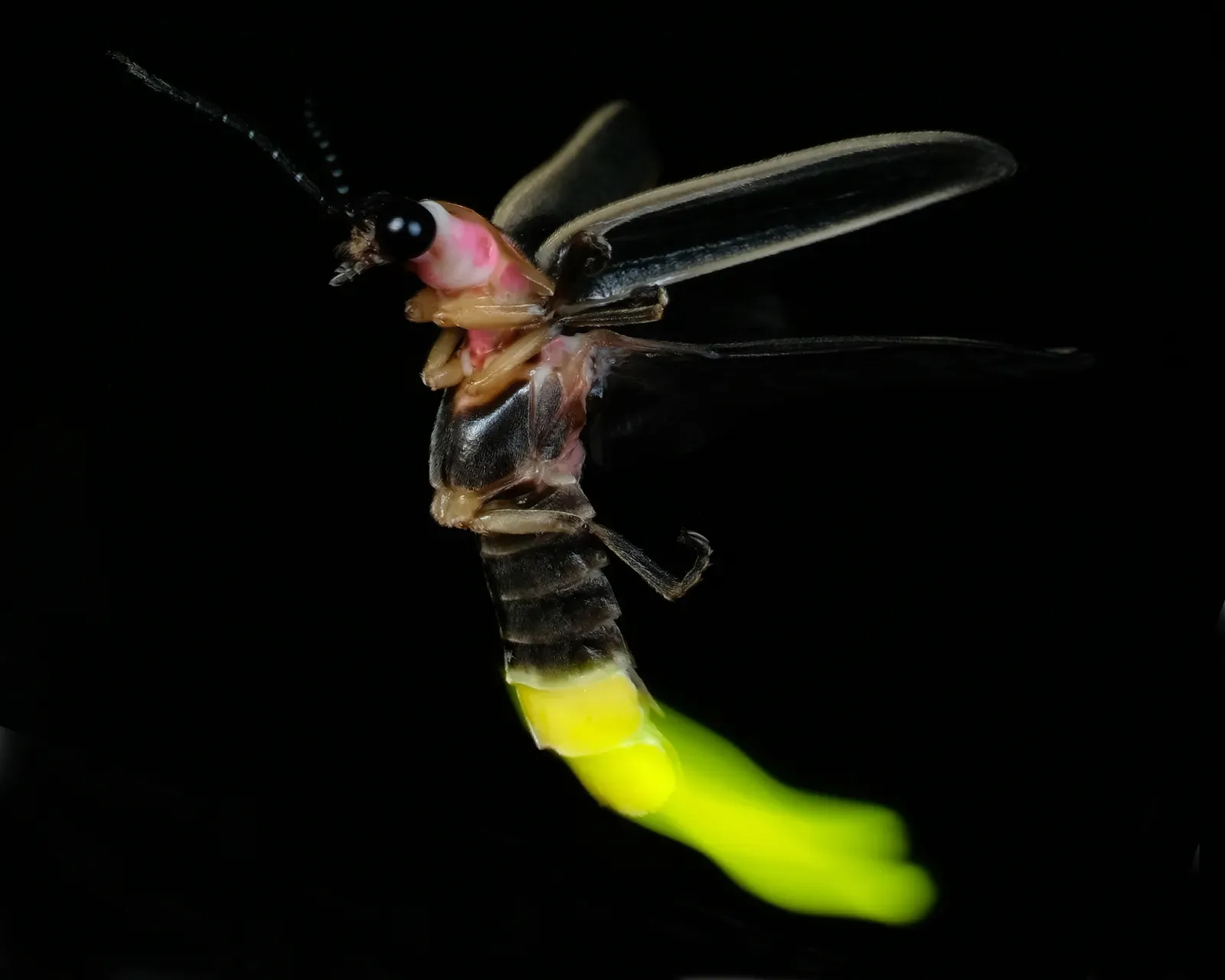
The main components involved in bioluminescence are luciferin, a light-producing substance, and luciferase, an enzyme that triggers the light-emitting reaction. When luciferin and luciferase interact in the presence of oxygen, ATP, and magnesium ions, they produce light. Unlike most light sources, the light produced by fireflies is nearly 100% efficient, meaning it generates almost no heat.
To put that efficiency into perspective, an incandescent light bulb is only ten percent efficient, with ninety percent of its energy lost as heat. The heat produced by a candle is eighty thousand times greater than the amount of heat given off by a firefly’s light of the same brightness. Engineers have spent decades trying to replicate this kind of efficiency in artificial lighting. Nature figured it out a hundred million years ago.
#3: The Glow Starts Long Before Adulthood
Glowing starts early for fireflies. Pupae and even eggs are able to make light, possibly as a signal to predators that they won’t make good eating, as some of them are poisonous due to chemicals called lucibufagins. That the glow begins this early in the life cycle tells us it was never just about romance – protection came first.
All fireflies glow as larvae, where bioluminescence is an aposematic warning signal to predators. When fireflies finish metamorphosing and reach adulthood, they make new light organs. The light still comes from inside special cells found in light organs on some fireflies’ undersides, and these cells are packed with luciferin and luciferase, as well as an unusually high number of mitochondria. These tiny organelles pump out the ATP fireflies need to get the chemical reaction going.
#4: Their Flash Patterns Are a Species-Specific Language
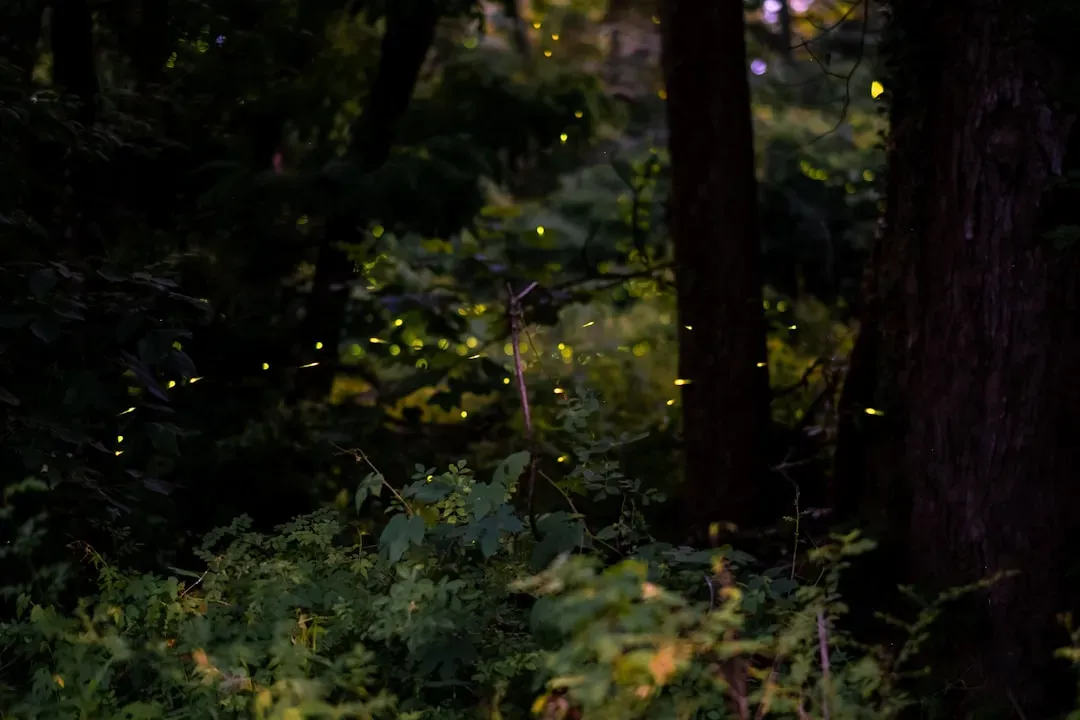
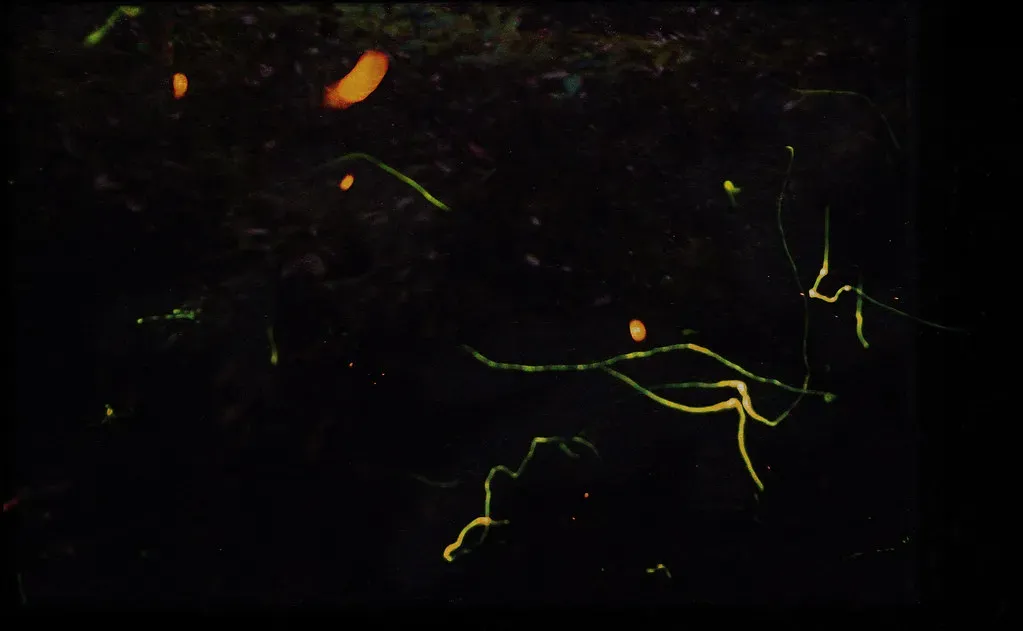
Firefly flash patterns are part of their mating display. Each species has a characteristic pattern that helps male and female individuals recognize and find each other. Think of it as a living semaphore system, where the duration, rhythm, and color of each pulse carry precise meaning. Getting the signal wrong can have serious consequences.
During mating season, male fireflies advertise themselves to stationary females on the ground by flashing their species-specific patterns to be identified as potential mates. Flash production is a voluntary action, resulting from the well-timed release of the neurotransmitter octopamine triggering the luciferin-luciferase chemical reaction in the insect’s lantern. The fact that a firefly consciously controls its own light through a neurotransmitter signal is one of those biological details that quietly stops you in your tracks.
#5: Some Species Flash in Perfect Synchrony
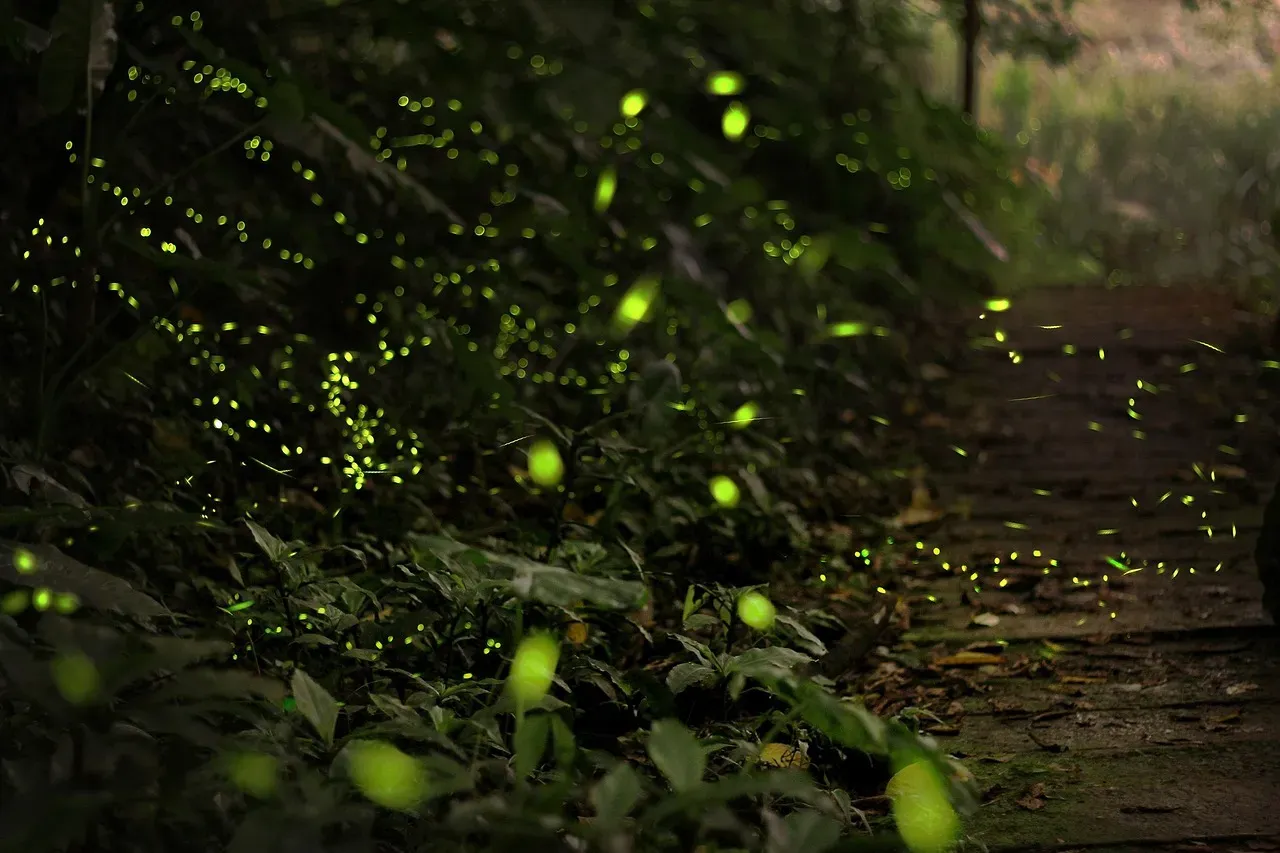
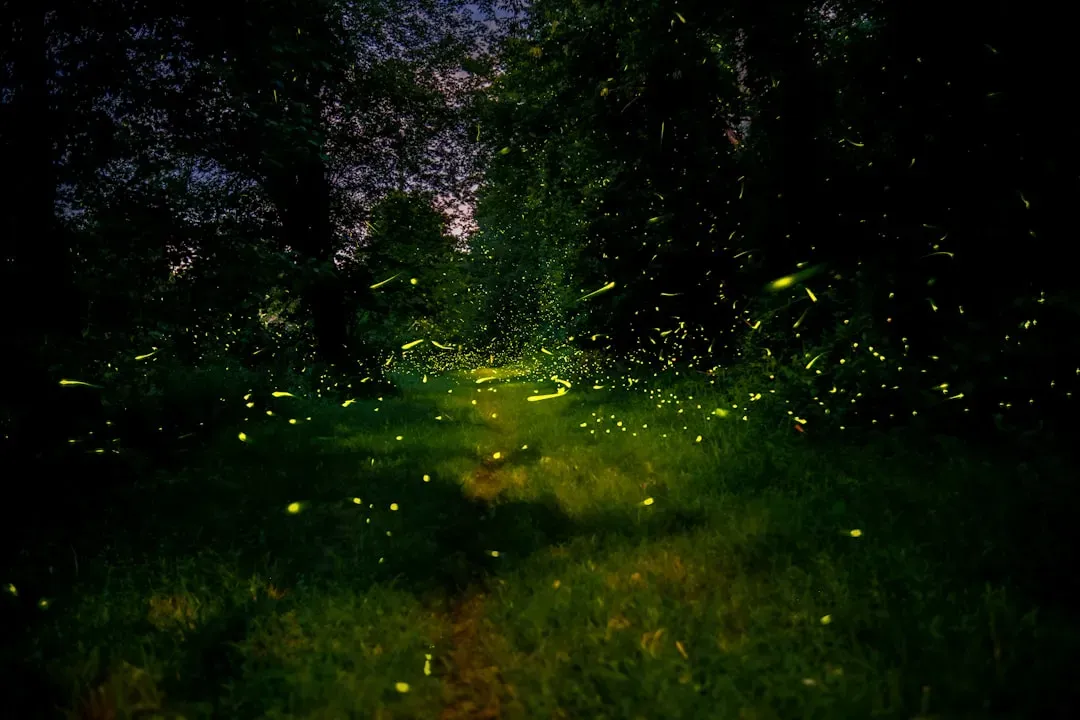
Synchronous fireflies are found only in pockets of the Appalachian Mountains, typically in forested areas around 2,000 feet in elevation. They’re also the only firefly species in the United States known to synchronize their flashes, though others can be found in Southeast Asia. Watching it in person is genuinely disorienting – an entire hillside of forest pulsing in unison like a single breathing organism.
Scientists studying the synchronous firefly have determined that the males flash in unison as a way for the female to be certain she is responding to one of her kind. There are other firefly species flashing at night, and some of them are predatory, so she must be able to recognize males of her species. The flash pattern of Photinus carolinus is a series of five to eight flashes, followed by a pause of about eight seconds, then the pattern repeats. Initially the flashing appears random, but the period of darkness is synchronized. As more males join in, the flashing begins to synchronize and entire sections of the forest pulsate with light.
#6: Most of Their Lives Are Spent Underground in Darkness
What most visitors to firefly light shows don’t realize is that they’re witnessing the brief finale of a long lifecycle. Fireflies spend most of their lives, often one to two years, as larvae in the leaves of the forest floor. When they emerge as adults, they may only have three to four weeks to mate. The dazzling summer display is, in a very real sense, a final act.
Most of the life cycle is spent in the larval stage, lasting one to two years, where they feed on snails, worms, and smaller insects in the leaf litter on the forest floor. Once they mature into the adult form, they only live for about three to four weeks and many do not feed. Those brief adult weeks are spent entirely on one purpose: finding a mate before time runs out. It’s a kind of urgency that makes their light feel even more poignant.
#7: Some Fireflies Are Deadly Mimics
Lucibufagins are so useful that some rival species that can’t produce them aren’t above a little murder. Female Photuris fireflies mimic the flashes of Photinus females, only to eat any males of the rival species that come to mate with them. It’s a level of biological cunning that’s easy to overlook when you’re watching lights blink softly in a summer field.
Once she’s devoured her hapless suitor, the Photuris female transfers the prey’s lucibufagin into her bloodstream, stealing the toxin for herself. One group of fireflies uses their glowing abdomens to hunt. Females of the genus Photuris engage in aggressive mimicry by imitating the flashing patterns of other species’ females to lure and eat the males who seek mates. Nature, it turns out, invented the honey trap long before humans did.
#8: Not All Fireflies Actually Glow
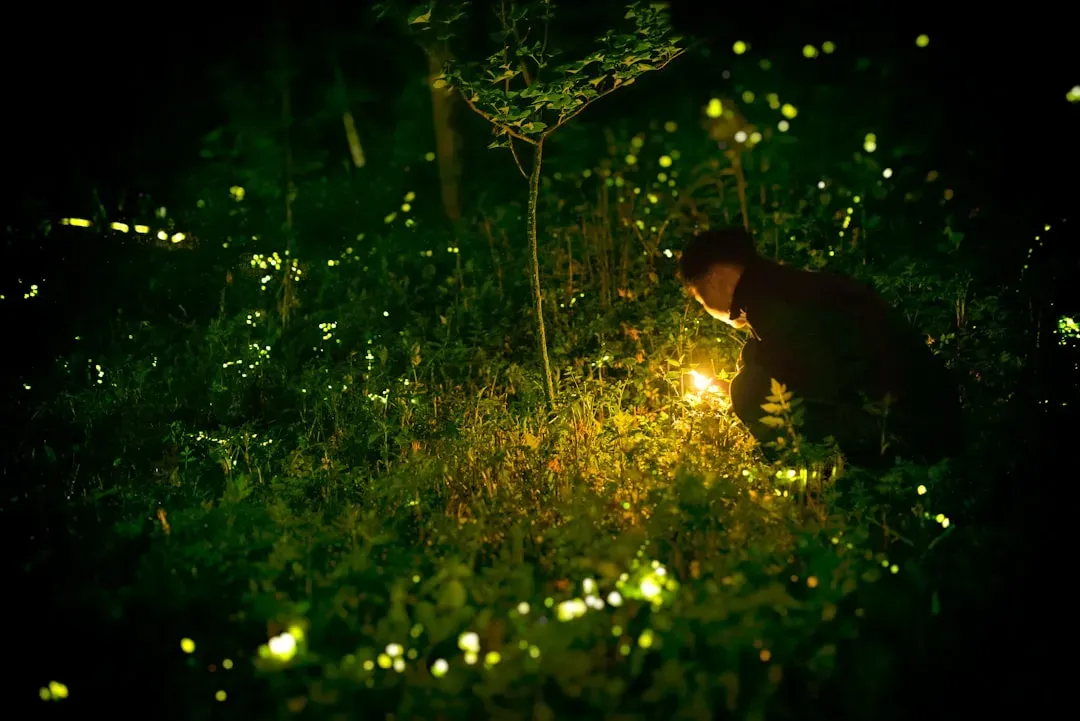
Many fireflies do not produce light at all. Usually these species are diurnal, or day-flying, such as those in the genus Ellychnia. A few diurnal fireflies that inhabit primarily shadowy places, such as beneath tall plants or trees, are luminescent. The assumption that all fireflies flash is one of those widespread misconceptions that holds up surprisingly well until you start looking at the actual science.
Non-bioluminescent fireflies use pheromones to signal mates. Some basal groups lack bioluminescence entirely and use chemical signaling instead. This suggests that the glow we associate so strongly with fireflies is actually an evolutionary adaptation that came later, layered on top of older chemical communication strategies that some species still rely on today. The light show, brilliant as it is, isn’t the whole story.
#9: Their Bioluminescence Has Ancient Roots
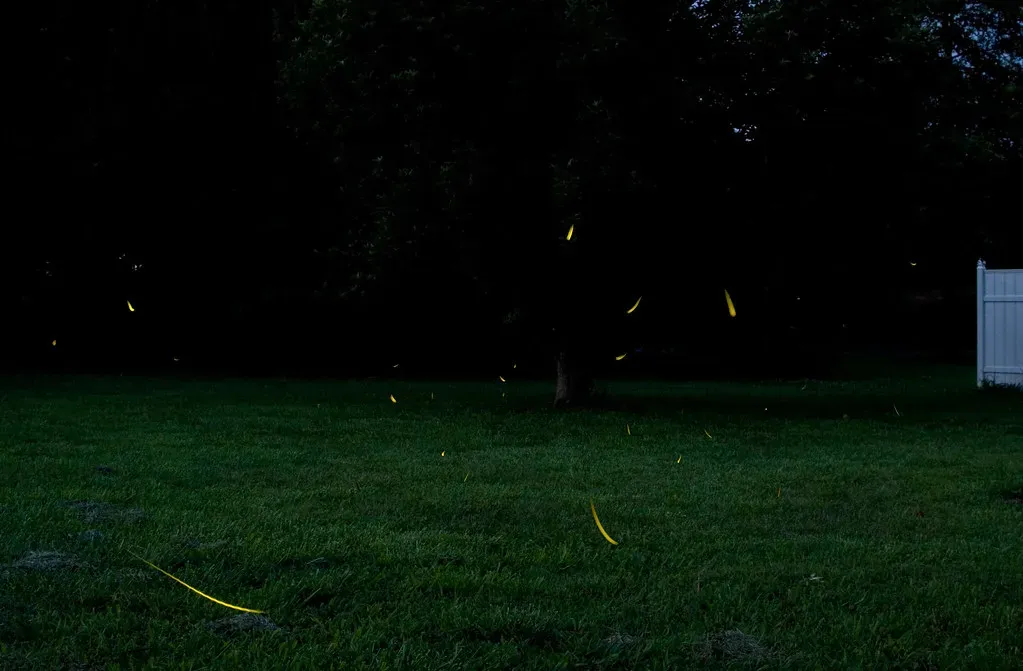
All known firefly species are bioluminescent in the larvae, with a common ancestor arising approximately 100 million years ago. That means fireflies were blinking in Cretaceous forests while dinosaurs still roamed. Fossil records of fireflies are limited, but a single adult male firefly mined from Burmese amber dating about 100 million years old exhibited an obvious photophore structure on the abdominal segment. This strongly suggested that the ancestral firefly of the Cretaceous period was already bioluminescent and used the light emission for some purpose.
It is proposed that firefly bioluminescence originated as an aposematic warning display toward predators and later acquired a role in sexual communication for many firefly species. The evolutionary journey from “stay away from me” to “come find me” is one of nature’s more elegant pivots. What began as armor became attraction, repurposed over millions of years into one of the most beautiful courtship displays in the animal kingdom.
#10: Their Chemistry Has Transformed Modern Medicine
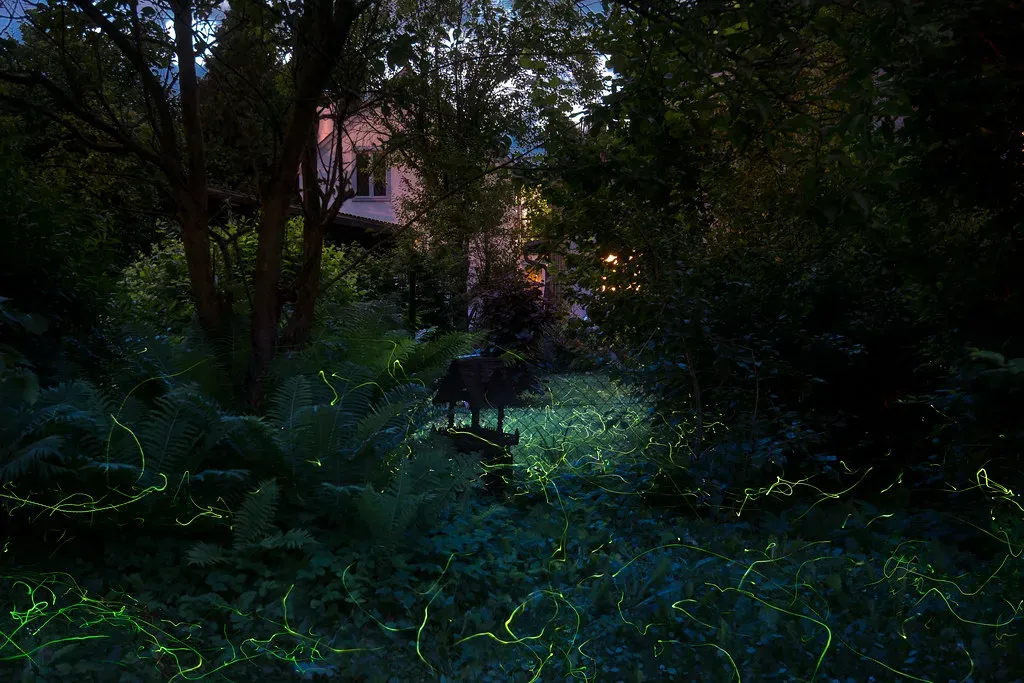
Fireflies produce cold light by oxidizing luciferin with the enzyme luciferase, which is useful in food-safety trials and biomedical research. Luciferase and luciferin are used for food safety testing and biomedical research, and are in high demand in the biochemical industry. The tiny insect blinking in your garden has been quietly contributing to human health science for decades.
Experiments aimed at finding drugs to kill cancer cells make use of luciferin, one of the molecules responsible for the glow of a firefly. Firefly luciferase is the most important and studied bioluminescence system, and due to its very interesting characteristics, the system has gained numerous biomedical, pharmaceutical, and bioanalytical applications. The firefly’s glow, born as a predator warning in prehistoric forests, now helps scientists track living cells and test the safety of the food on your dinner table.
#11: Light Pollution Is Silencing Their Conversations
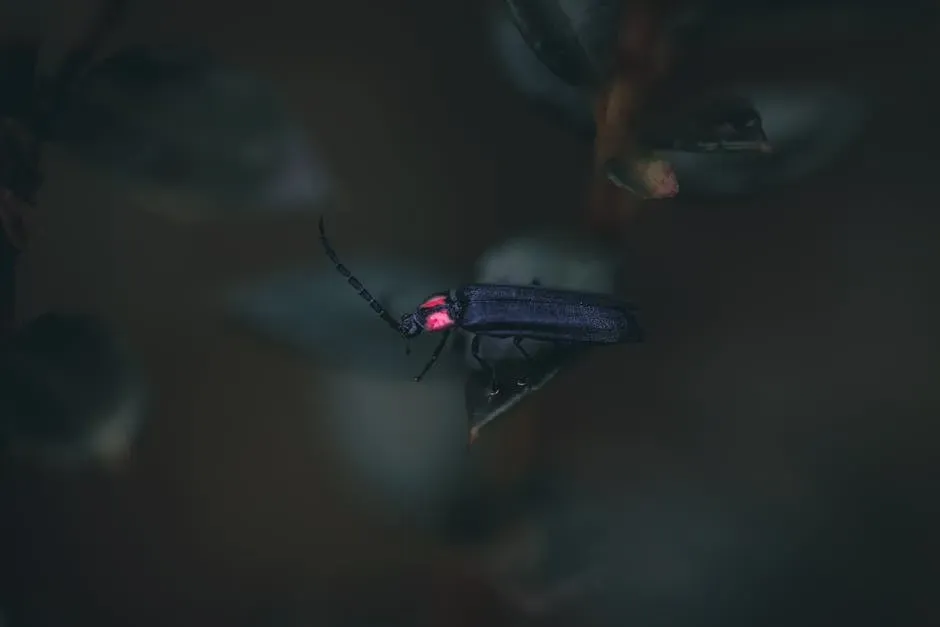
Firefly populations are declining globally due to factors such as habitat destruction, pesticide use, and light pollution. Light pollution can disrupt the mating signals of fireflies, leading to decreased reproduction rates. When background glow from towns and cities drowns out the subtle flickers fireflies use to find each other, the whole system breaks down. No signal, no mate, no next generation.
The major threats that can lead to population declines and extinctions include loss and degradation of the habitats necessary to sustain their entire life cycle, artificial light that disrupts courtship communication, overuse of broad-spectrum insecticides for pest and mosquito control, overtourism, and drought and sea level rise caused by climate change. While assessments represent under seven percent of global firefly species, about twenty percent of those assessed to date face heightened extinction risks. The summer night staple many people grew up with is, for some species, becoming genuinely rare.
#12: Their Diversity Is Greatest in the Tropics
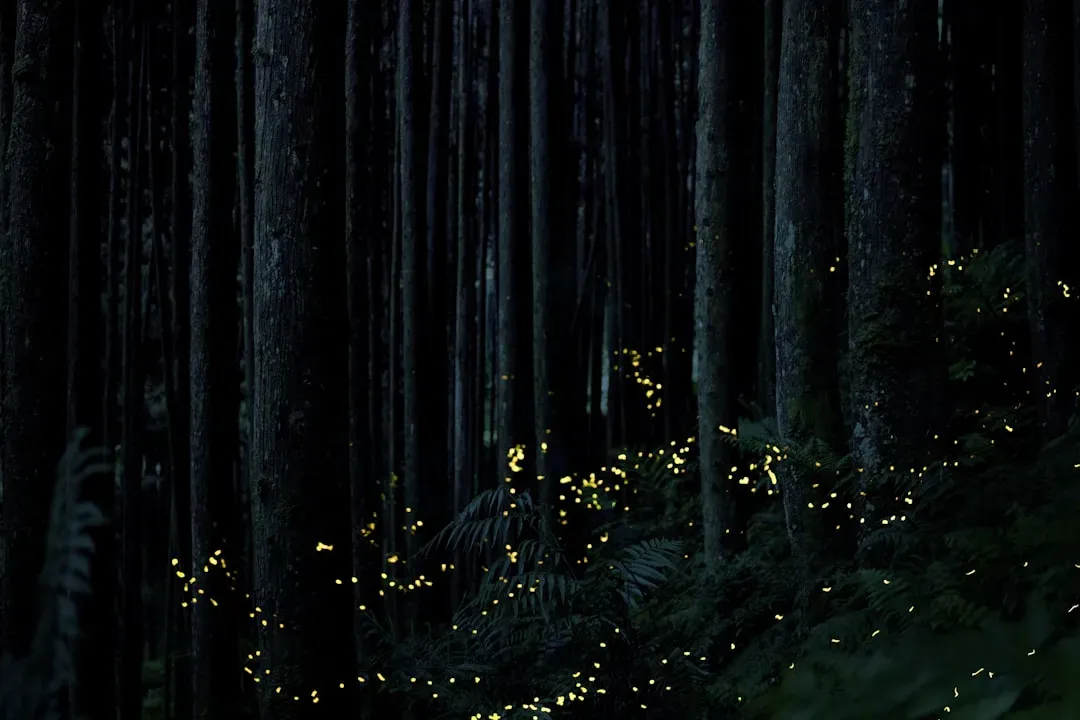
There are many species of fireflies throughout the world, and the most diversity in species is found in tropical Asia as well as Central and South America. Asia has a rich diversity of firefly species spread across various climatic zones, from temperate regions in Japan to tropical habitats in Southeast Asia. Particularly notable are the remarkable congregations seen in places like Kampung Kuantan in Malaysia, where thousands of fireflies illuminate mangrove trees along riverbanks at night.
The United States hosts about 170 species sprinkled unevenly across the country. Eastern regions, particularly the mid-Atlantic and southeastern states, have the greatest firefly diversity. The beetles also occur west of the Rocky Mountains, although diversity is lower and populations more widely scattered. In Asia, cultural significance often accompanies these bioluminescent insects; they are symbols of love or good fortune in several traditions while also being recognized for their ecological roles. Across cultures and continents, humans keep finding new reasons to pay attention to these small, glowing beetles – and it’s hard to argue that the attention isn’t warranted.
A Small Light Worth Protecting
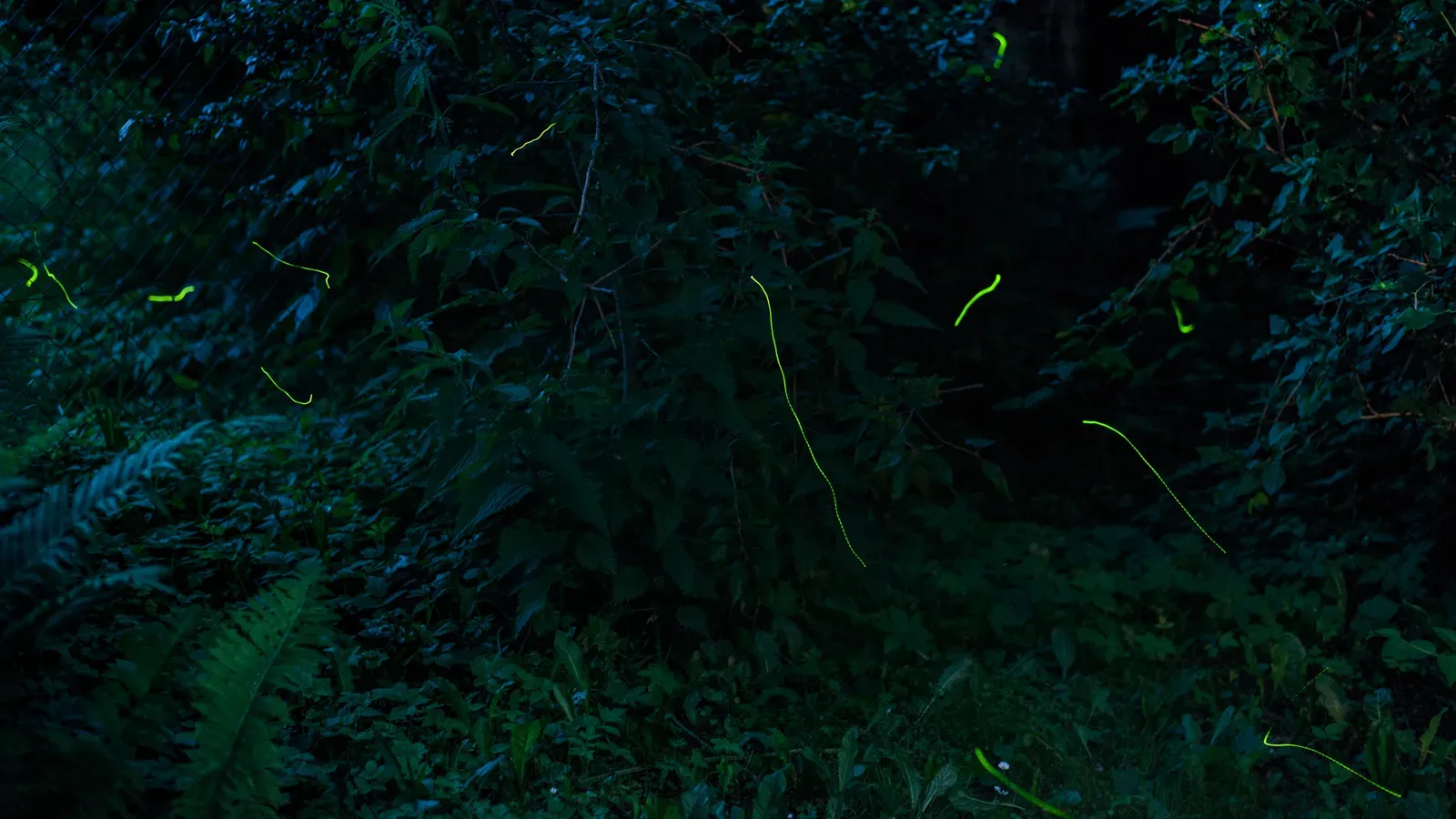
Fireflies occupy a peculiar space in how we think about nature. They’re small enough to cup in a child’s hand, brief enough to miss if you’re not paying attention, and extraordinary enough to anchor a memory for a lifetime. The science behind them only deepens that feeling – a hundred million years of evolution, cancer research, chemical mimicry, and synchronous displays, all packed into an insect you can watch from your porch.
Conservation efforts are essential to protect these luminous insects and their habitats. Simple actions like reducing artificial lighting, preserving wetlands, and avoiding pesticide use can make a big difference. Turning off a porch light or letting a patch of lawn grow longer costs almost nothing. For fireflies, it could mean everything.
The next time you see one blink in the dusk, it’s worth pausing for a moment. What looks like magic is actually chemistry, evolution, and communication happening in real time – and that, somehow, makes it feel even more magical than before.
