
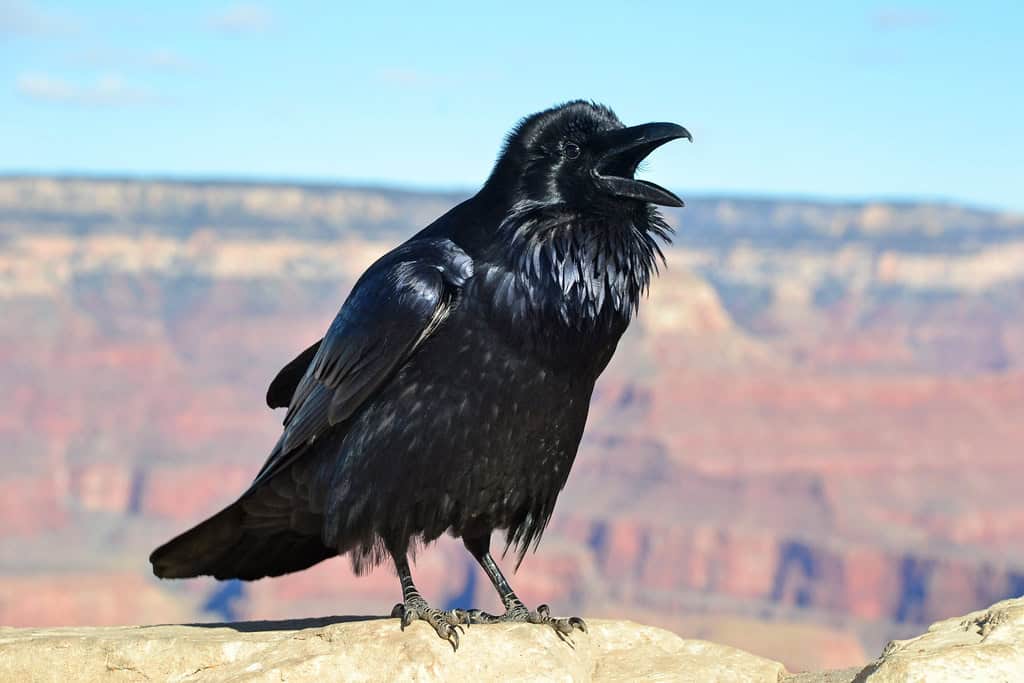
Most people walk past a crow without a second thought. It’s just a bird on a wire, maybe sifting through a bin, completely unbothered by the world below. What they don’t realize is that the crow may be watching them with the kind of focused attention that quietly asks: friend, or threat?
The science is not folklore. Researchers have spent years documenting what many city dwellers have already suspected from their own bruised encounters with these birds. Crows don’t just notice you. They remember you, categorize you, and in some cases, make sure the rest of the flock knows exactly who you are. Understanding why requires a closer look at what is actually happening inside a crow’s remarkably sophisticated mind.
#1: The University of Washington Study That Changed Everything
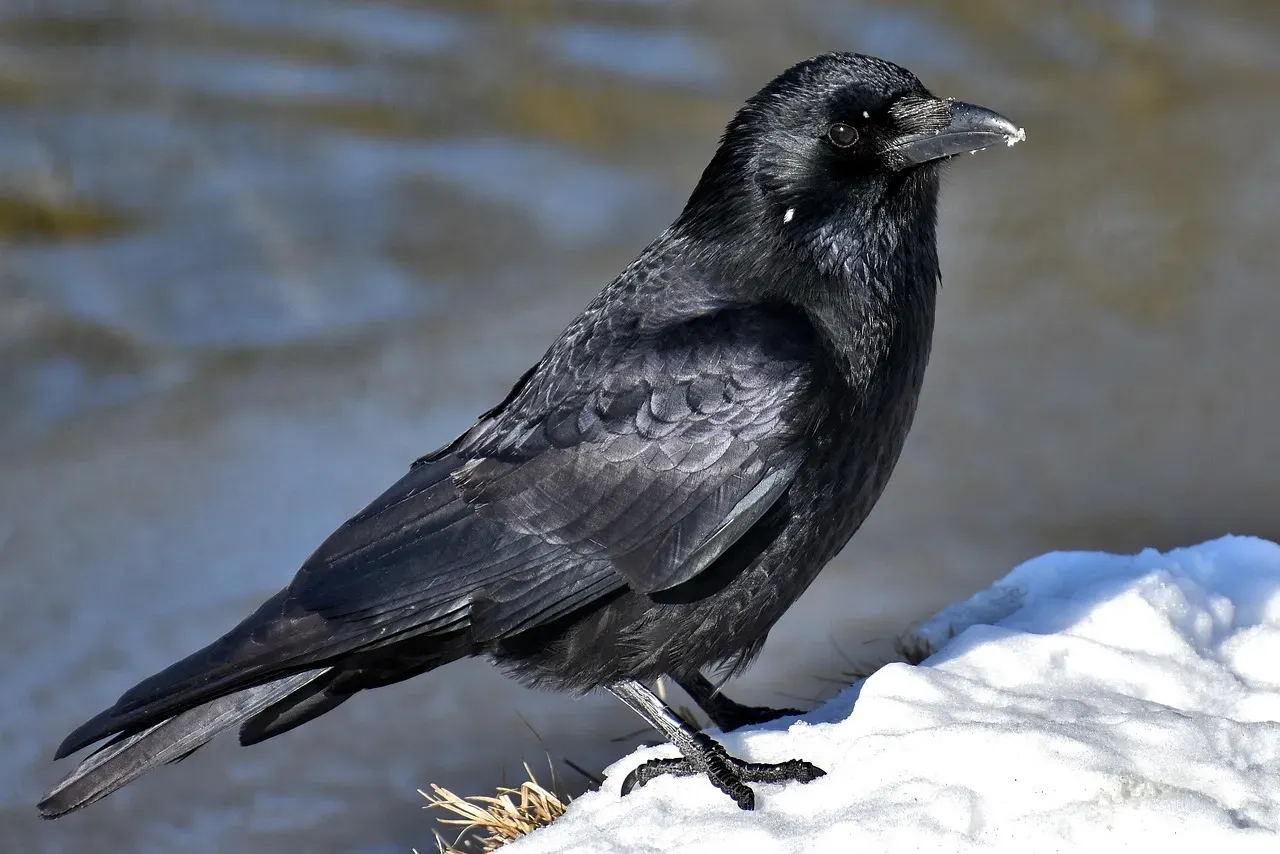
The research project that brought crow grudges into mainstream scientific conversation was led by experts at the University of Washington, launched in 2006. Professor John Marzluff, an environmental scientist, initiated the study by donning a fearsome mask and temporarily trapping seven crows. The setup was deliberate and methodical, designed to isolate a single variable: the face.
He identified the trapped birds with leg rings before their safe release. In subsequent years, the professor and his assistants sporadically wore the same mask, strolling the university campus while feeding the resident crows. The response from the crows was striking and consistent.
The crows’ reactions to the masked figure were not only immediate but also widespread. On one notable occasion, Professor Marzluff reported being scolded by 47 out of 53 crows encountered, a number far exceeding the original seven birds involved in the initial capture. This indicated that the knowledge of the threat had been disseminated among the broader crow community, likely through social learning and communication between individuals.
When the so-called dangerous mask was worn by different people, the birds still reacted negatively, confirming it was the face and its associated pattern, not the specific individual wearing it, that they recognized as the threat. The experiment essentially proved that crows are wired to track faces the way a security camera tracks movement. Precise, persistent, and impersonal in the most personal of ways.
#2: The Neuroscience Behind How Crows Actually Recognize Faces
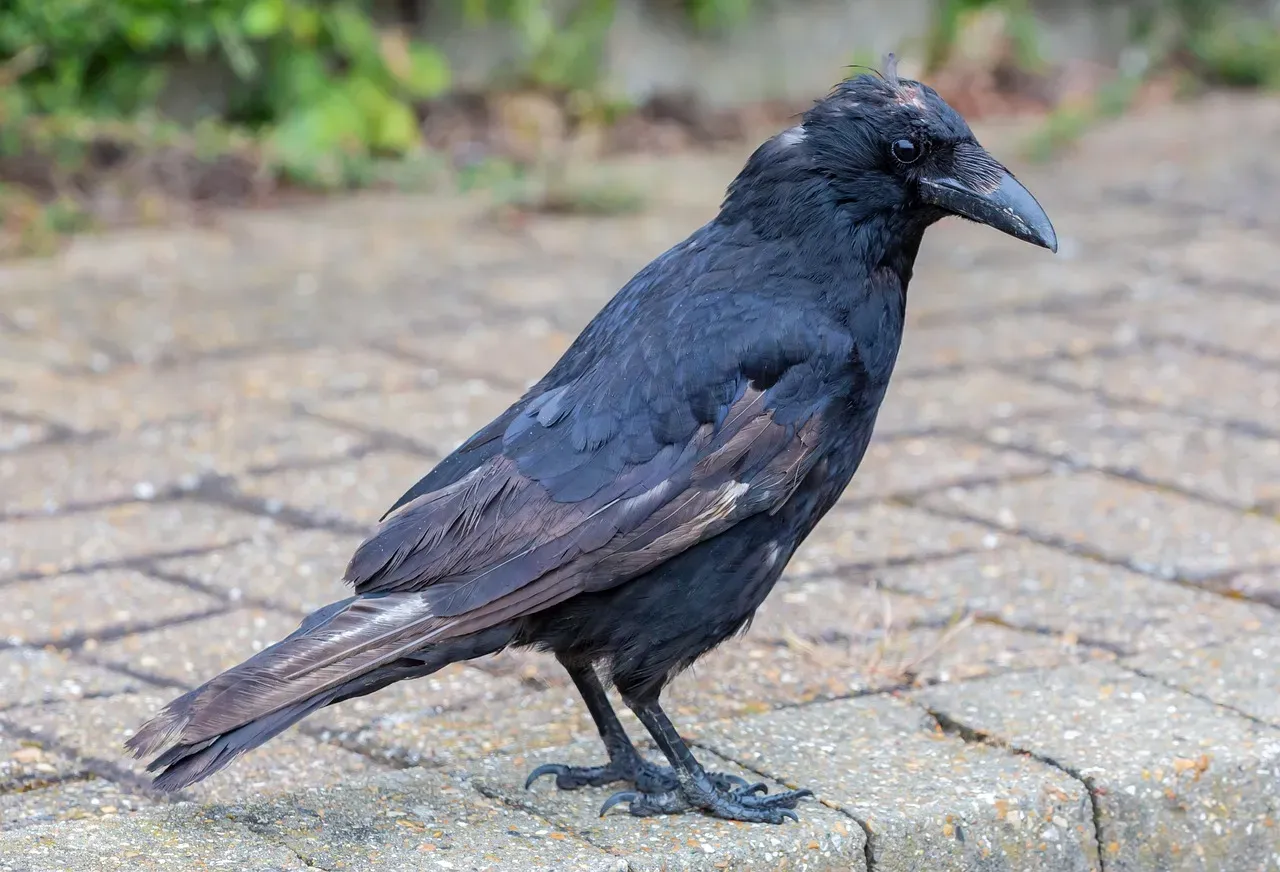
Research demonstrates how crows use a diversity of regions from the brainstem to the forebrain to distinguish and adjust their response to individual human faces. This is not a simple reflex or conditioned behavior. It is a layered neurological process that researchers are still working to fully map.
Similar to humans, crows use sophisticated visual sensory systems to recognize faces and modulate behavioral responses by integrating visual information with expectation and emotion. That word, “emotion,” is significant. The crow isn’t just running a facial scan. It’s pulling up something closer to an emotional memory file.
This capacity is believed to be supported by a brain region analogous to the amygdala in mammals, which is involved in processing emotions and memories. Such neurological sophistication enables crows to identify and remember perceived threats, contributing to their ability to hold grudges for extended periods.
The crows were not just behaving differently toward the two faces. They were experiencing them differently at the level of neural activation. The dangerous mask was being processed as a threat the way a face would be processed by a mammal that had learned to fear it. The distinction matters: this is not instinct. It is learning, encoded at the neural level and retained over time.
#3: How Long These Memories Actually Last
The ability of crows to hold grudges is fundamentally rooted in their impressive capacity for long-term memory. This isn’t just a fleeting recollection; it’s the power to encode, store, and retrieve detailed information about individuals, places, and events over extended periods, sometimes spanning years. Research showed that crows could recognize specific masks and what they represented for at least three to five years following initial negative interactions.
Studies indicate that crows can remember specific faces associated with negative experiences for several years, potentially over a decade, the entire life of the crow. That framing is worth sitting with. A crow that encountered you once on a bad day may carry that impression for its entire lifespan.
Crows can retain information for extended periods, impacting their behavior and social interactions years after the initial experience. While negative memories are often more pronounced for survival reasons, there’s also evidence that crows can remember positive associations with humans, such as those who consistently provide food or a safe haven.
Crows may use not only facial recognition but also body language and sound cues to identify individual humans. This multimodal approach to recognition reinforces the bird’s ability to remember and respond accordingly. So changing your jacket won’t necessarily save you. They may already know how you walk.
#4: How Crows Teach Their Grudges to Other Crows and Their Young
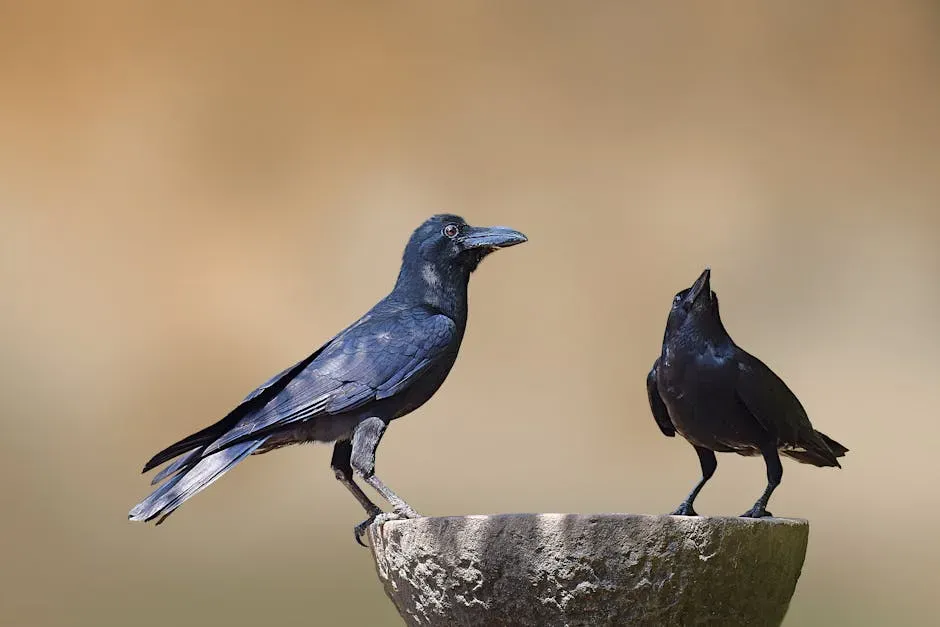
The ability of crows to hold grudges is not merely an individual feat of memory; it is amplified and sustained through social learning, a form of cultural transmission within their complex avian societies. This means that crows don’t just learn from their own direct, personal experiences; they learn by observing and interpreting the behaviors of other crows. When a crow encounters a human who has previously harassed it and exhibits mobbing behavior, alarm calls, or avoidance, other crows in the vicinity observe these reactions.
The transmission is social, and it operates through two pathways that corvid researchers have spent decades documenting. The first is transmission within the flock. When a crow mobs a perceived threat, other crows in earshot pay attention. They observe what is being mobbed, where it is, and which individual is doing the alerting. Crows that did not have the original negative experience update their own threat assessment based on the alarm calls and behavior of birds they trust.
The second pathway is transmission from parent to offspring. Juvenile crows stay with their parents for an extended fledgling period, considerably longer than most songbirds, and they accompany adults on foraging routes through their natal territory. This is where the grudge becomes genuinely multigenerational.
Crows actively communicate memories to others within their social groups. Parent crows teach their offspring about dangerous humans or predators, passing on learned vigilance. Young crows, who may have never directly experienced the original negative event, learn to recognize and react to identified threats through observation and communication from older birds. A single misstep with a crow, in theory, could echo through an entire local population for years beyond any one bird’s life.
#5: Why Evolution Made Crows This Way
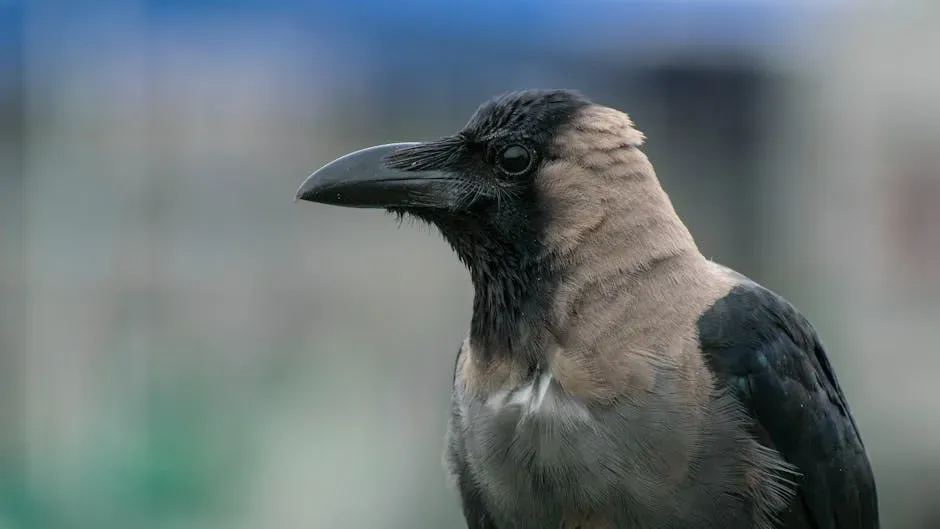
The ability to recognize individual humans and maintain long-term grudges confers significant evolutionary advantages to crows, particularly as they increasingly inhabit urban and suburban environments. In these human-dominated landscapes, distinguishing between threatening and benign humans allows crows to efficiently navigate potential dangers while taking advantage of human-provided resources.
The ability to recognize faces is a powerful survival tool. It allows crows to identify and differentiate between individual predators or dangerous humans. Instead of expending energy on mobbing every human, they can focus their efforts on those who pose a real threat, thereby conserving energy and increasing their chances of survival. This is actually a sign of sophisticated reasoning, not irrational hostility.
Crows and other corvids exhibit remarkable intelligence, including tool use, problem-solving, memory and even social awareness, challenging long-held assumptions that such cognitive abilities are exclusive to humans or primates. The grudge-holding behavior sits within a much larger picture of corvid cognition that continues to surprise researchers.
A growing body of work suggests corvid cognition has converged on capabilities that were long assumed to require a mammalian neocortex. A 2024 study found that crows can count vocalizations up to four, producing a specific number of caws on cue, a capability previously documented only in humans and certain primates. More recently, researchers reported that crows can recognize geometric regularity, identifying the odd shape in a set of otherwise regular polygons. The grudge, it turns out, is just one expression of a mind built for complexity.
What This All Means for How We See These Birds
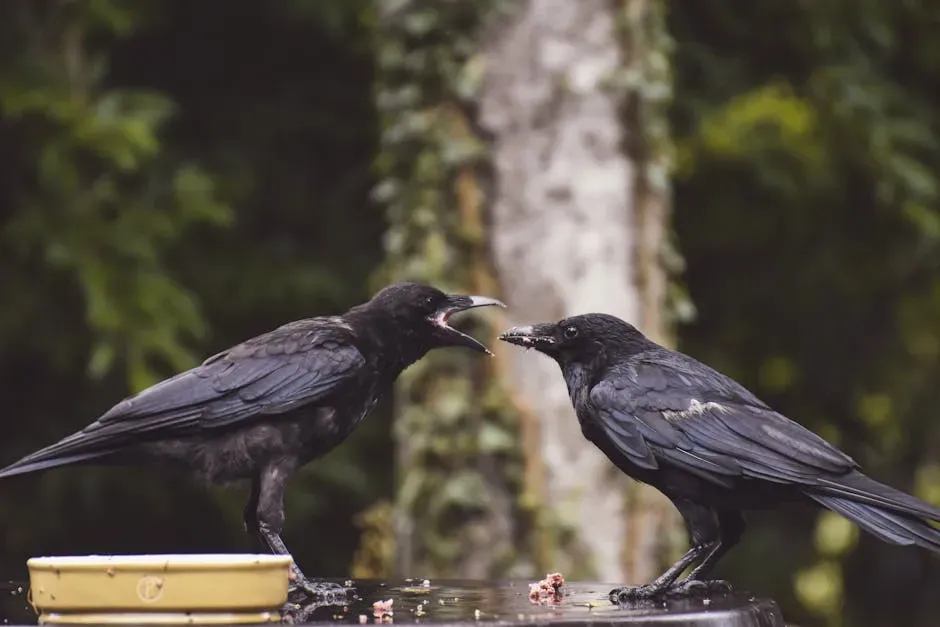
There’s a temptation to read crow grudges as something dramatic, a small creature waging a personal war against an oblivious human. The reality is quieter and more interesting than that. There is no evidence that crows ruminate. What they appear to do is maintain a long-term threat classification attached to a specific human face, expressed behaviorally only when that face is present.
The ability to recognize and remember individual humans is likely a significant survival advantage for crows, especially in urban environments where they frequently interact with people. Knowing who to avoid and who might offer food or pose no danger is crucial. It’s a finely tuned risk assessment system, not a personal vendetta.
Researchers have documented cases where crows maintained negative associations with specific human faces for at least five years, with the knowledge spreading to individuals born years after the initial negative event occurred. This intergenerational transmission of specific threat recognition demonstrates a sophisticated form of cultural learning that was previously thought to exist primarily in mammals with extensive parental care and complex social structures.
Perhaps the most grounding takeaway is this: crows are paying far closer attention to us than we ever pay to them. They are learning our patterns, our faces, our moods. The next time a crow holds your gaze a beat too long from its perch above you, it may simply be filing your details away. Whether that ends well largely depends on what you did the last time your paths crossed.
