
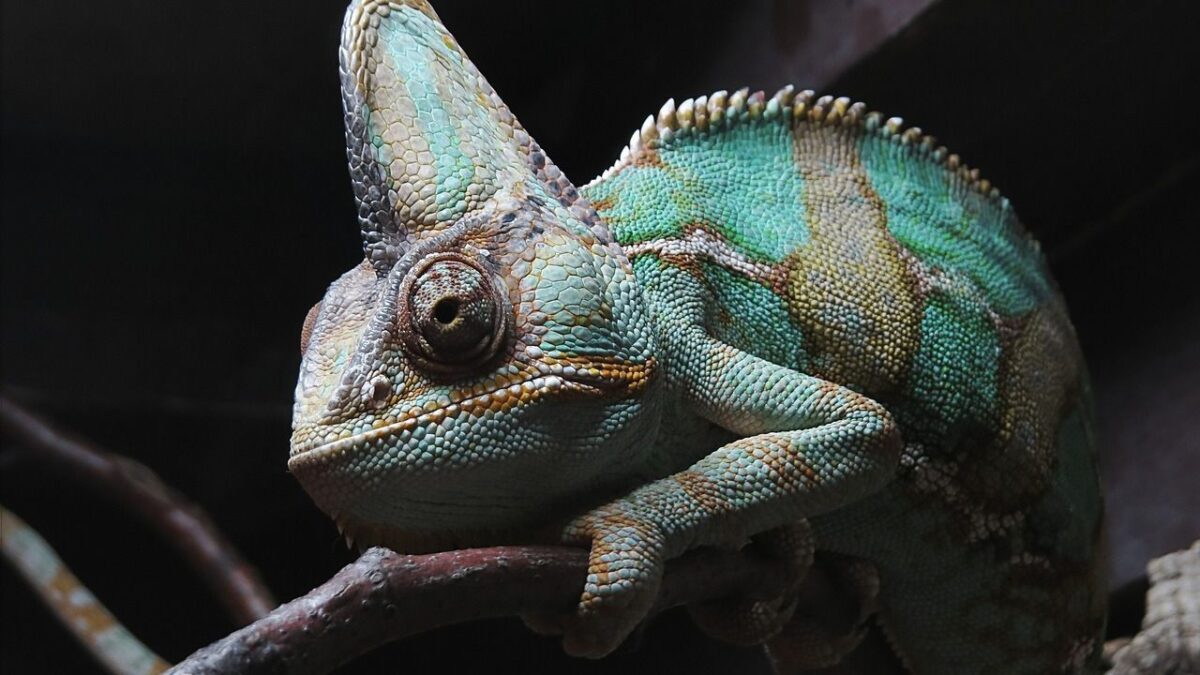
Few creatures on earth carry as much mystery per square inch as the chameleon. They’ve lived alongside humans for millennia, been painted into myths, plastered onto wallpaper, and used as a metaphor for everything from politics to personal identity. Yet for all their cultural familiarity, the real animal remains profoundly strange – strange in ways that keep laboratories busy and research papers flowing.
The more science looks, the more unusual details surface. From glowing skeletons to a tongue that defies basic physics, chameleons have a habit of revealing something unexpected every time someone studies them more carefully. These are not footnotes. They’re ongoing puzzles.
#1: Color Change Is Not Really About Camouflage
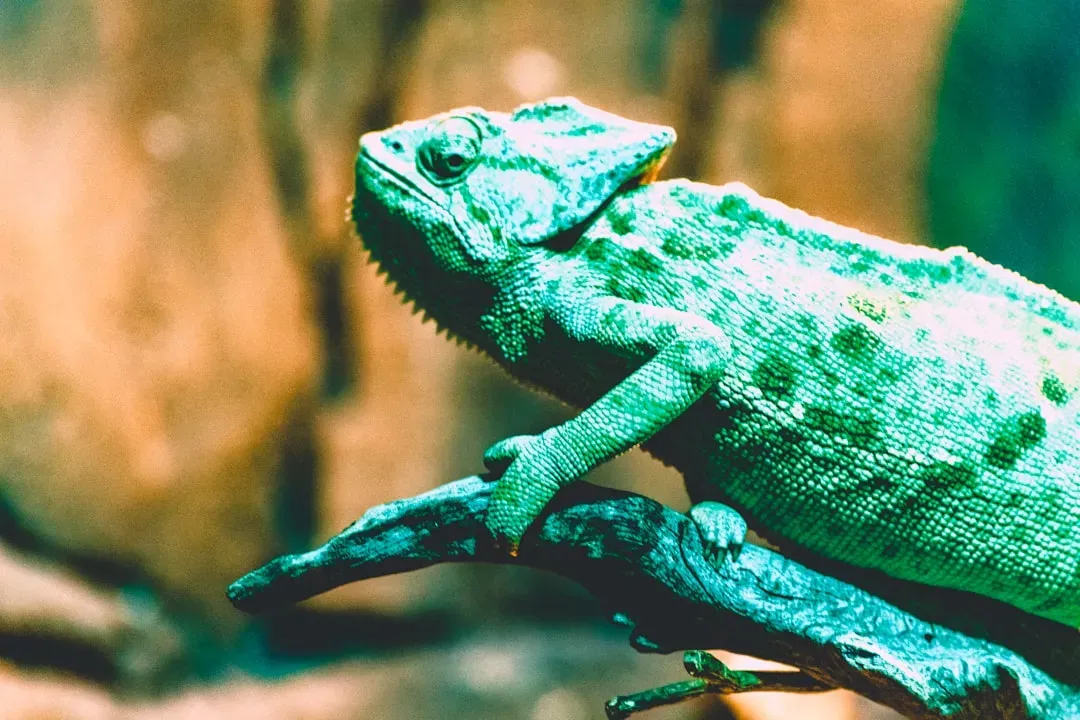
Most people grow up believing that chameleons shift color to blend into their surroundings – a masterclass in disguise. It is, however, a misconception that chameleons change color to match their surroundings. The real purpose is far more social, and in many ways far more interesting.
Existing research shows that color change is primarily used for social signaling and thermoregulation, and that chameleons revert to a generic background-matching color for camouflage rather than tuning their color to specific backgrounds. In other words, the color shift you see is more likely a chameleon communicating its mood or temperature than performing an elaborate vanishing act.
In dwarf chameleons, evolutionary shifts in the capacity for color change are associated with increasingly conspicuous signals used in contests and courtship rather than by the need to match different backgrounds. By comparing species that can change color dramatically to those that only change slightly, researchers showed that dramatic color change is consistently associated with the use of color change as a social signal to other chameleons. The camouflage story, it turns out, is the simplified version.
#2: Nanocrystals, Not Pigment, Drive the Color Shifts
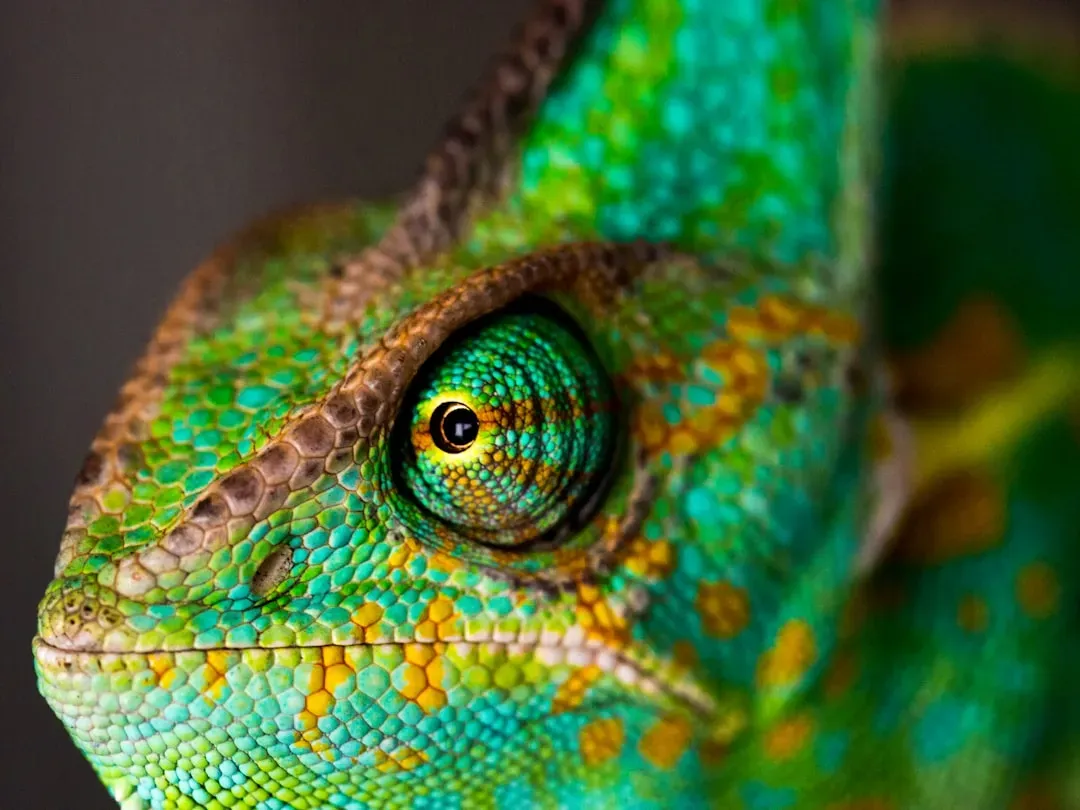
Until recently, scientists thought that chameleons changed color by manipulating the pigments inside their skin cells. It’s much more complicated. In 2015, scientists at the University of Geneva took a close look at the skin of the male panther chameleon and discovered two layers of specialized cells lying under the creature’s hide that were loaded with tiny nanocrystals – the key to a chameleon’s color-changing prowess.
When a male panther chameleon is relaxed, the cells containing its crystals are held closely together. In this position, they reflect blue light, which, when filtered through yellow skin pigments, makes the animal look green. Chameleons can expand and reduce the distance between the nanocrystals. By spreading them farther apart, they cause their crystals to reflect yellow or red light. The skin’s apparent color then changes accordingly.
This crystal-based light-reflection system is so precise and efficient that engineers have already begun studying it for applications in materials science and flexible displays. Scientists discovered that instead of changing color by changing the pigment in their skin, chameleons actually change color using nano salt crystals in their skin cells to refract light, changing color by moving the crystals closer together or further away from each other, with the crystals refracting light at different wavelengths to produce green, blue, yellow, and more.
#3: Their Tongue Is a Biological Catapult
The chameleon’s tongue is said to unravel at the sort of speed that would see a car go from 0 to 60 mph in one hundredth of a second, and it can extend up to 2.5 body lengths when catching insects. That alone would be remarkable. The mechanism behind it is even more so.
Researchers dissected several chameleon tongues and revealed a hitherto unknown set of at least 10 slippery sheaths between the accelerator muscle and the tongue bone. The sheaths proved to contain spirally wound protein fibers that are squeezed out of shape when the accelerator contracts, storing energy like a stretched rubber band. When released, the whole system fires like a spring-loaded trap.
While it was previously believed that this projection was powered entirely by muscle activation, the peak power density measured during tongue extension can take values between 3,000 and 14,040 watts per kilogram, suggesting additional energy is being supplied to the system. The chameleons’ highly refined tongue system offers intriguing blueprints for scientists to explore ways to engineer projectile-motion mechanical systems, with potential innovations in ballistics, robotics, and prosthetic medical devices.
#4: Their Bones Glow Under UV Light
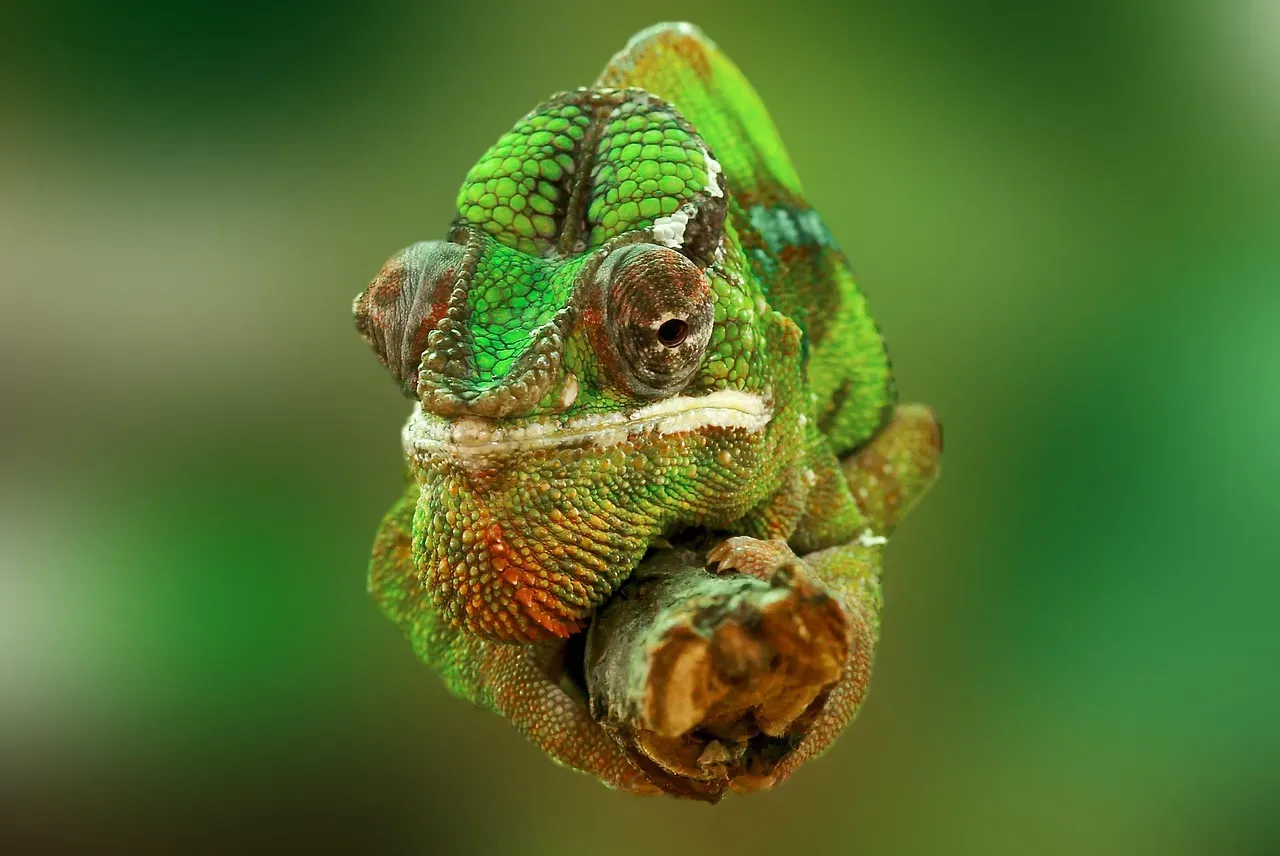
When exposed to UV light, chameleons’ bones shine different shades of blue, visible through their skin. Scientists also observed entire patterns across chameleons’ skin that were not visible to the naked eye. This discovery was genuinely unexpected – nobody had thought to look for it before.
It is thought this biofluorescence is useful for communication with other chameleons, a theory further supported by the fact that nearly all chameleons tested actually have spots on their head that glow under UV light. The deeper implication is that chameleons may have an entire layer of visual communication that was invisible to human researchers until recently.
As chameleons can see in the ultraviolet spectrum, it is thought this biofluorescence is another way for them to communicate with each other. This is more common in sea life and very rare in land species, making the chameleon yet more fascinating and unique. It raises a quiet question: how much chameleon behavior have scientists missed simply because they were observing with the wrong kind of light?
#5: Their Eyes Move Independently – and Science Just Solved a 2,000-Year Mystery About How
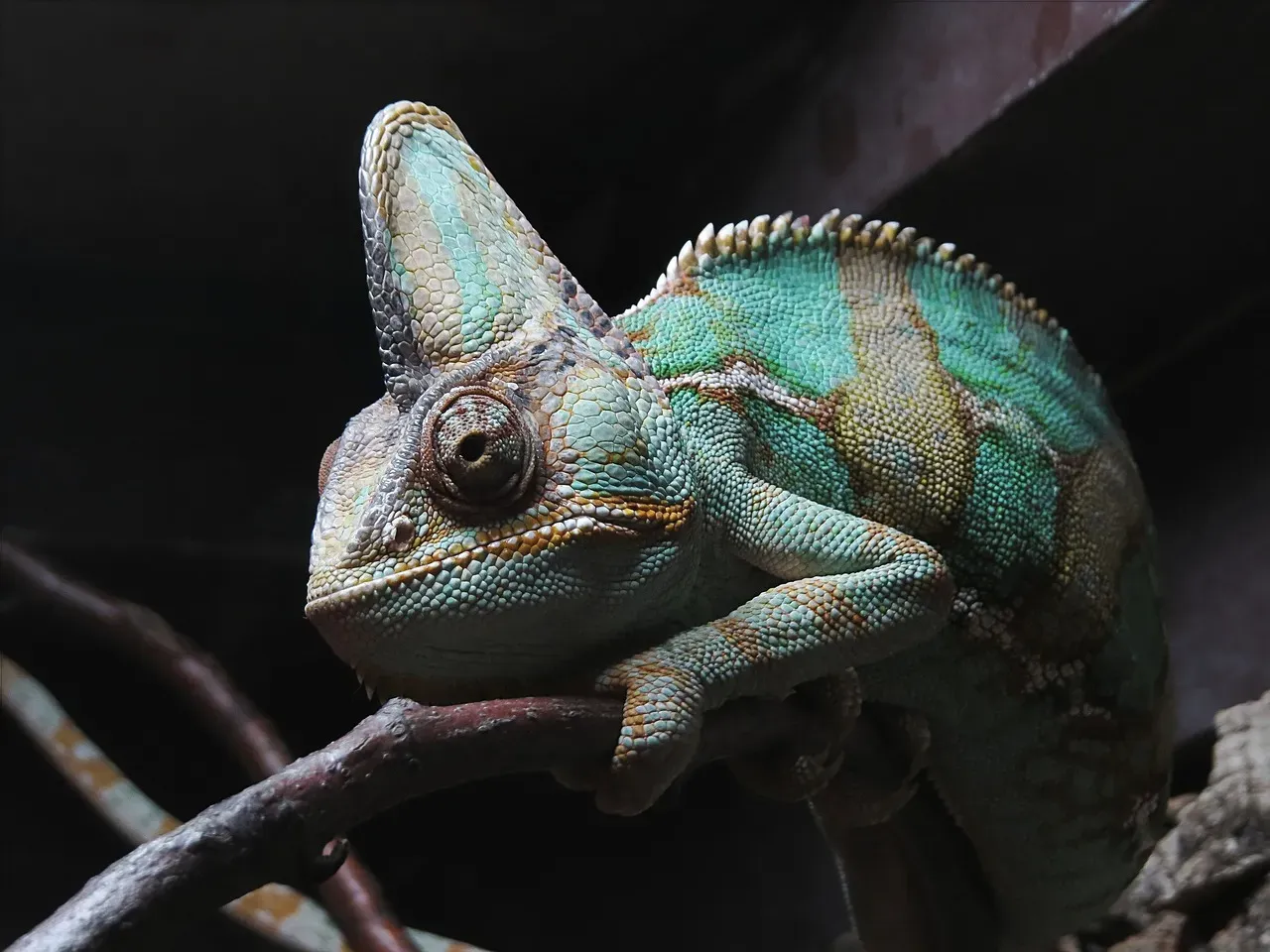
The amplitude of eye movement in chameleons is very large for a vertebrate and the eyes move independently of each other. This allows a chameleon to watch an approaching object while simultaneously scanning the rest of its environment. Chameleon eyes protrude laterally from the head, giving the lizard panoramic sight.
Chameleons’ extraordinary ability to move their eyes independently stems from a previously overlooked anatomical marvel: long, tightly coiled optic nerves hidden behind their bulging eyes. Modern CT imaging finally revealed this structure, which centuries of dissections and even the scrutiny of figures like Aristotle and Newton failed to capture. The coils give the eyes extra slack, enabling nearly 360-degree scanning without neck mobility.
One of the most striking features of chameleon eyes is their ability to move independently of each other. When a chameleon spots potential prey, it will rotate both eyes in the same direction, focusing on the target. This process, called convergent eye movement, provides the chameleon with binocular vision and depth perception, which is crucial for accurately estimating the distance to its prey before striking with its tongue.
#6: Chameleons Can See Ultraviolet Light
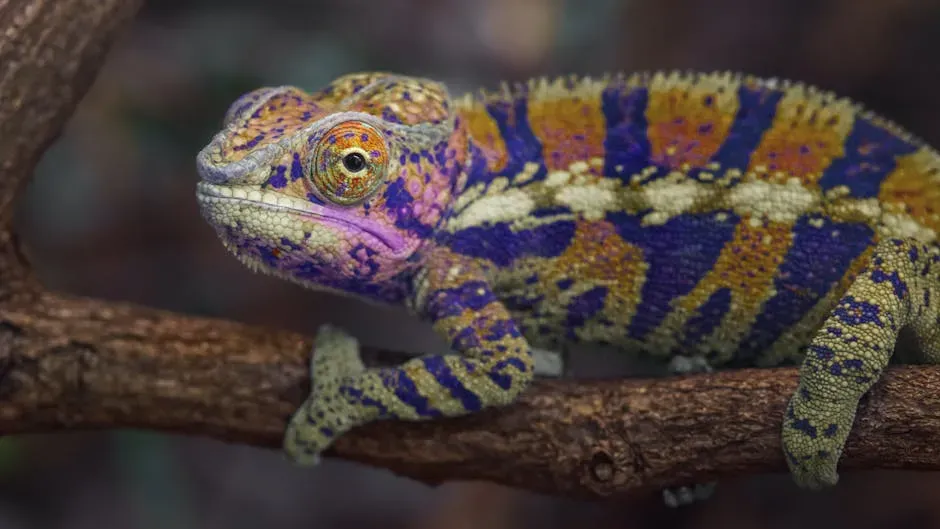
Chameleons possess tetrachromatic color vision, mediated by four distinct types of single cone photoreceptors in their all-cone retina, which enables them to perceive a broad spectrum including ultraviolet light invisible to humans. Their tetrachromatic system provides superior spectral resolution compared to dichromatic or trichromatic lizards.
While humans typically see colors in the visible spectrum, chameleons have the ability to detect wavelengths in the ultraviolet range. This enhanced color vision not only aids them in identifying potential mates through vibrant displays but also helps them locate prey more effectively, as some insects reflect UV light. Essentially, a chameleon hunting an insect is operating with a perceptual advantage that is difficult for a human observer to even imagine.
Chameleons exposed to ultraviolet light show increased social behavior and activity levels and are more inclined to bask and feed. They are also more likely to reproduce, as it has a positive effect on the pineal gland. UV light isn’t just something they can see. It actively shapes how they live.
#7: The World’s Smallest Chameleon Fits on a Fingertip
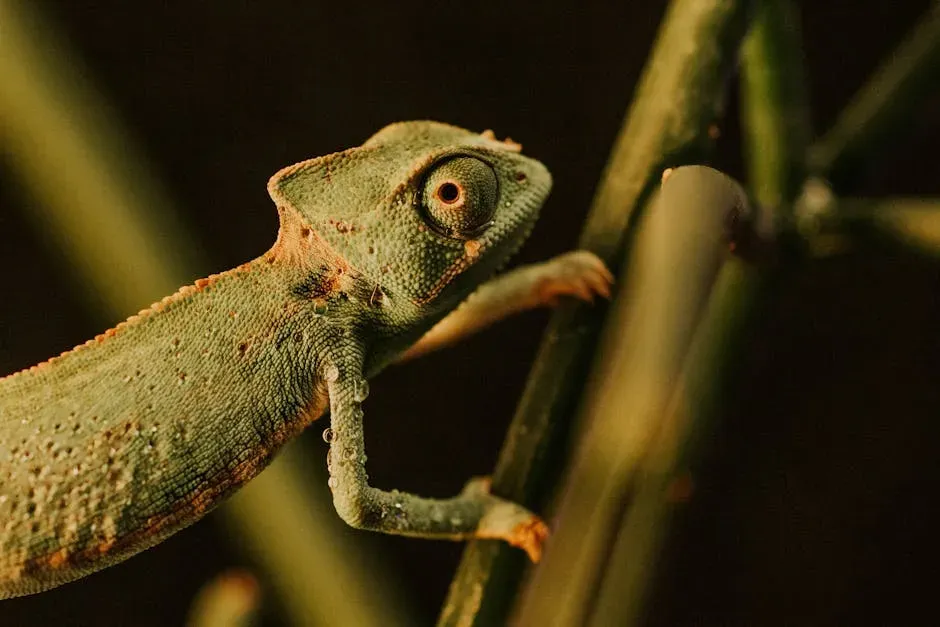
Brookesia nana, commonly called the nano chameleon, is the tiniest chameleon species of all. Nano chameleons are so tiny that their entire body can fit on a fingertip. About the size of a sunflower seed, scientists believe their small size is due at least in part to miniaturization, an evolutionary process that animals go through to adapt to environments with diminished amounts of space or resources.
There have only been two sightings of B. nana to date: one male and one female. Scientists confirmed these animals were adults by observing the female’s ovaries, where eggs were found, and the shape of the male’s genitals, which determines the age of chameleons. Two individuals. That’s the entire scientific record for this species, which makes understanding its ecology and behavior nearly impossible for now.
#8: One Species Lives Only Four to Five Months
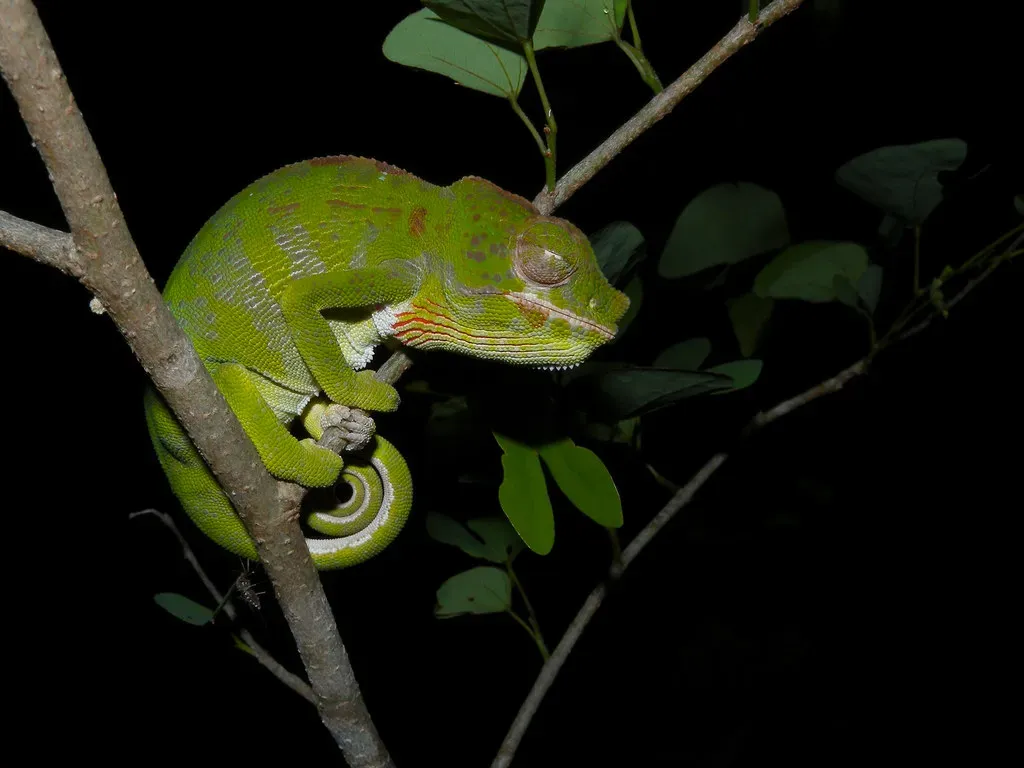
Labord’s chameleons hold the record for the shortest lifespan of all tetrapods – they hatch, grow, mate and die in just four to five months. They actually spend more time developing inside their eggs than they do outside of them. For around eight to nine months, the embryos rest beneath the forest floor, preparing for their whirlwind time above ground.
Synchronous hatching of Labord’s chameleons occurs with the onset of the annual rainy season in November. Early life of this chameleon is characterized by fast growth, resulting in sexual maturity at less than two months of age. After mating, senescent decline becomes apparent, and by the end of the rainy season in March, a population-wide die-off of both sexes occurs.
The biological compression of an entire vertebrate life into a single season is something scientists find genuinely unusual. This extreme life history makes this species an interesting model to study potential mechanisms of accelerated senescence, especially because longer-lived relatives are available for comparative studies. What drives an organism to age so rapidly is still an open question.
#9: Color Brightness Can Predict the Outcome of a Fight
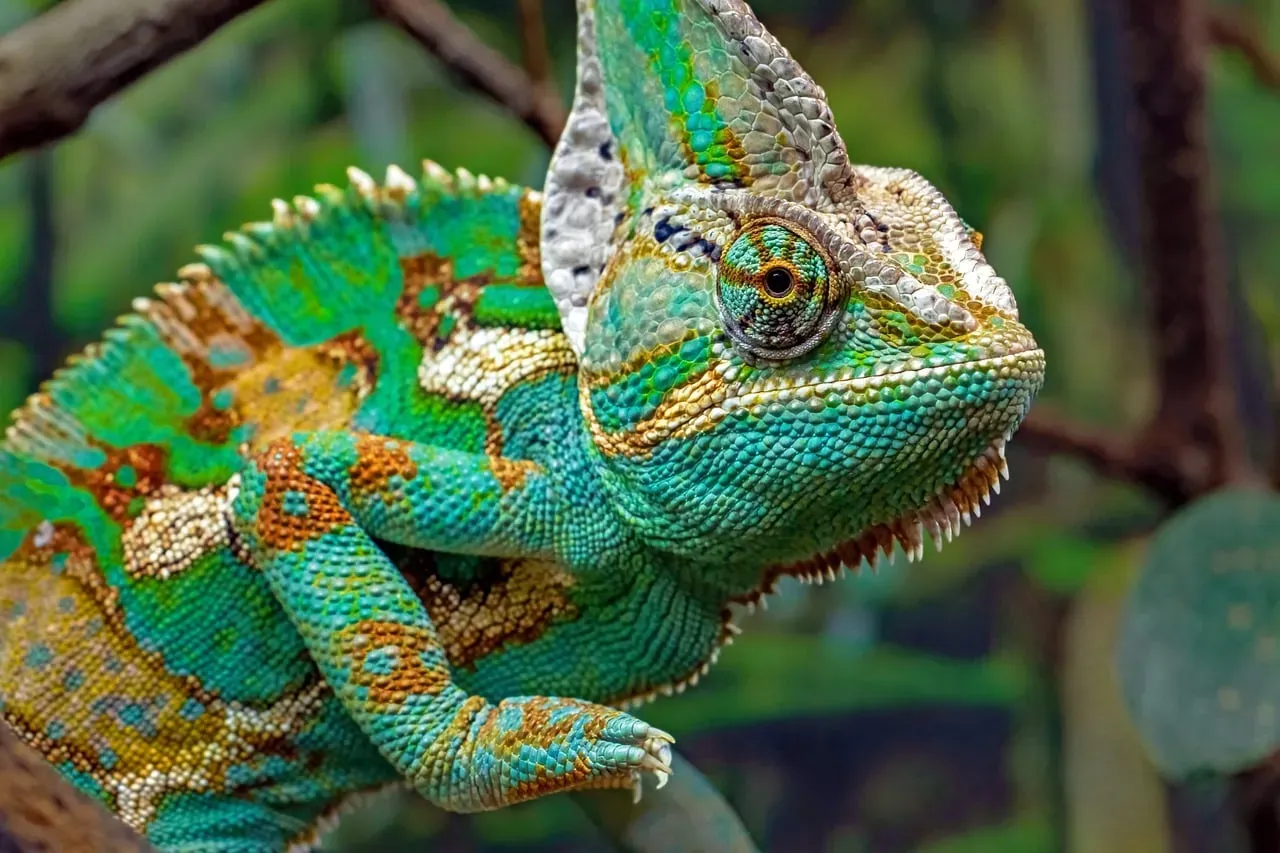
In 2013, Russell Ligon and Kevin McGraw of Arizona State University monitored 45 encounters between captive veiled chameleons. Before engaging with each other, males of this species show off the vibrant stripes on their sides. Both lizards intentionally brighten these up as a way to demonstrate their health while also making themselves look bigger.
Ligon and McGraw discovered that, in most cases, any resulting fight was won by the combatant with brighter and more rapidly changing stripes. The color display isn’t just showing off – it’s actually a fairly reliable signal of fighting ability. The animal that can shift color the fastest and most vividly tends to dominate.
Changing skin color is an important part of communication among chameleons. A chameleon’s skin changes colors in response to its emotions, such as anger or fear, as well as changes in light, temperature, or humidity. The brighter the color, the more dominant the male is, and the more attractive he is to females. A submissive male is usually brown or gray. There’s an entire visual language being spoken here that researchers are still learning to read.
#10: Their Tongue Works Just as Well in the Cold
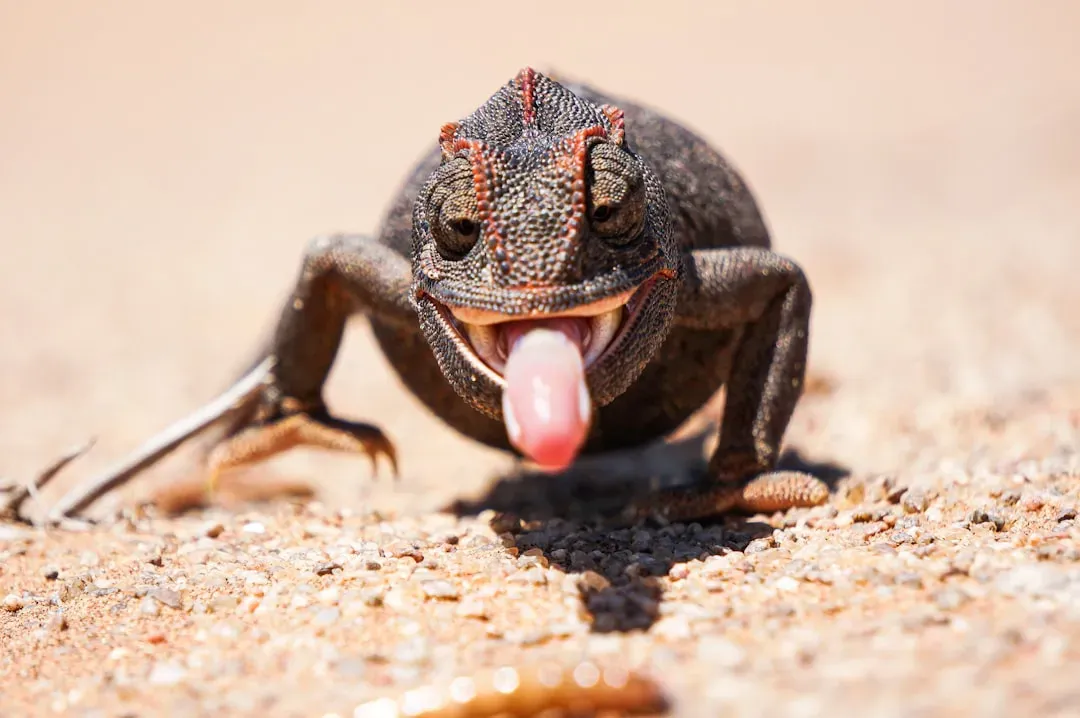
Most cold-blooded animals become sluggish and imprecise when temperatures drop. Muscles slow down, reaction times stretch out, and hunting becomes far less efficient. The chameleon’s tongue, though, doesn’t quite follow that rule.
In a study of veiled chameleon tongue projection, no significant changes in projection performance were observed over a temperature range of 15 to 35 degrees Celsius. More specifically, there was no significant decrease in projection distance, and while peak power and accelerations increased slightly at higher temperatures, the increase was not large enough to suggest a significant thermal dependence of the mechanism.
These findings allow researchers to draw the interesting conclusion that muscular performance driven by elastic recoil, such as chameleon tongue projection, is thermally robust compared to movements driven by muscular contraction. The stored elastic energy in the tongue mechanism essentially bypasses the limitations of cold muscles – a solution that engineers studying energy storage find genuinely compelling.
#11: Almost Half of All Chameleon Species Live on a Single Island
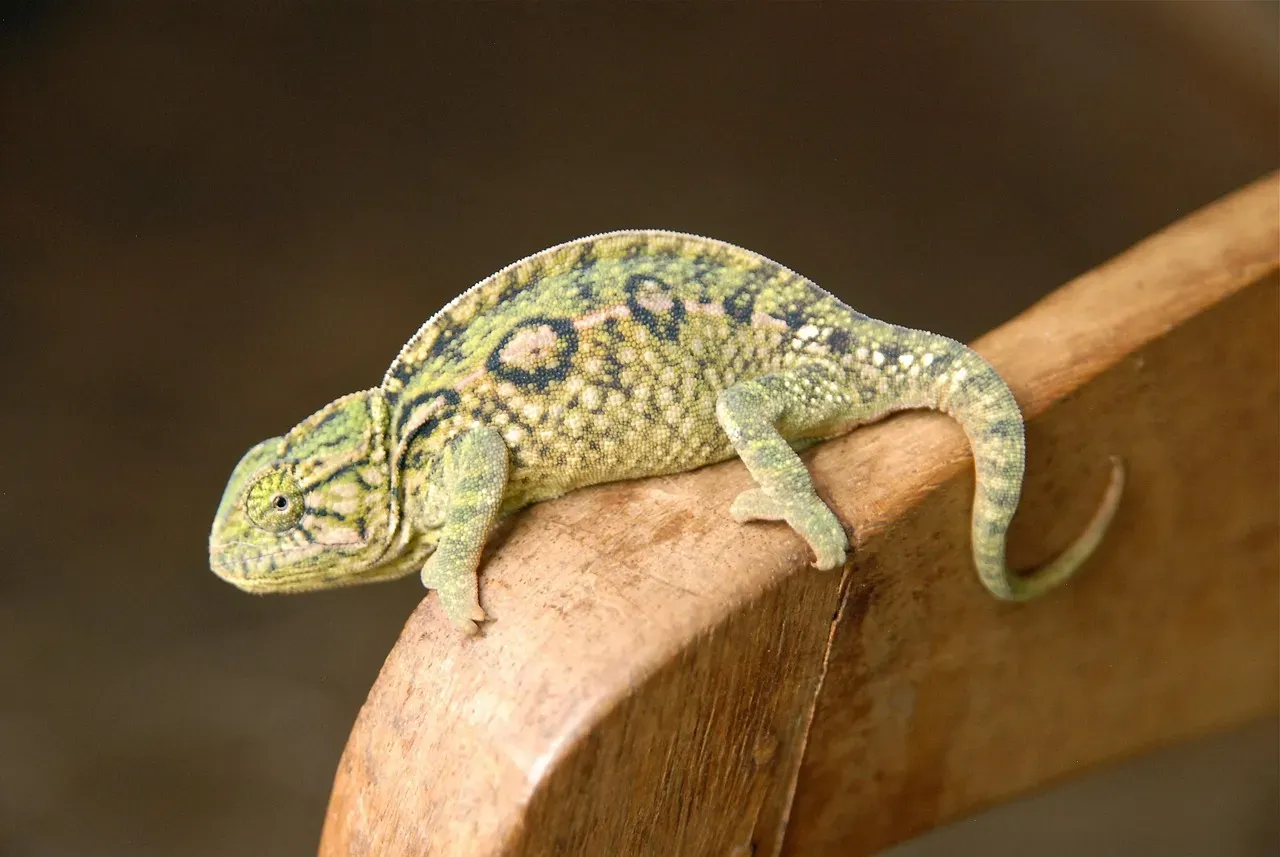
Almost half of the world’s chameleon species live on the island of Madagascar. For a family of animals found across Africa, parts of Europe, and into Asia, that concentration on one landmass is extraordinary. Madagascar has functioned as an evolutionary laboratory for chameleons in a way that nowhere else on earth has matched.
Labord’s chameleon, for example, is endemic to dry and deciduous forests in the lowlands of western Madagascar and is considered vulnerable because of ongoing habitat loss. The island’s isolation allowed chameleons to diversify into dozens of distinct ecological niches, producing extreme variants in size, lifespan, coloration, and behavior. Nowhere else do you find the world’s smallest chameleon and one of its most short-lived species sharing the same landmass.
Scientists studying Madagascar’s chameleons are in a genuine race against time. As habitat shrinks, the opportunity to study species that have never been properly documented narrows with it. Some of the strangest facts about chameleons may belong to species that disappear before anyone thinks to look.
A Creature That Keeps Rewriting the Textbooks
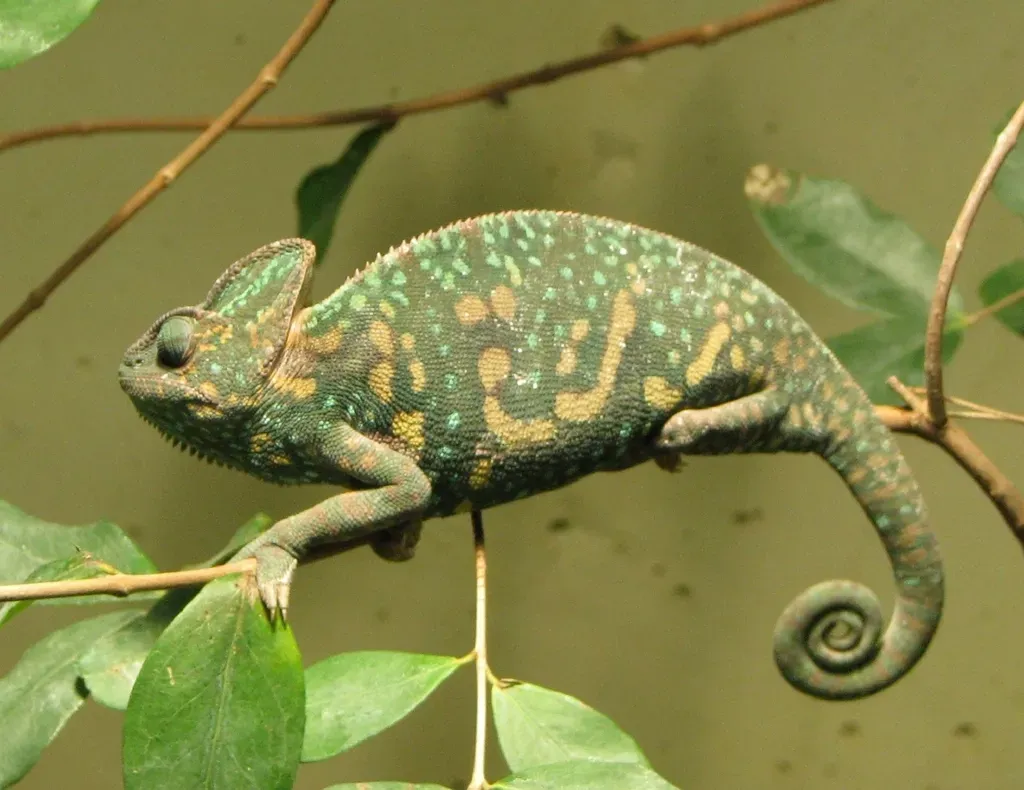
What makes chameleons so persistently interesting to science is not just any single strange trait. It’s the accumulation of them. A glowing skeleton. A tongue powered by stored elastic energy. Eyes with coiled optic nerves that stumped Aristotle and Newton. A species that lives and dies within a single rainy season. Each of these facts was hidden in plain sight, waiting for a better question or a better instrument to reveal it.
The chameleon sits at a useful intersection: familiar enough that most people think they understand it, unusual enough that closer inspection keeps generating new research. That gap between assumption and reality is exactly where good science tends to happen. There’s a reasonable chance that the strangest chameleon fact of all hasn’t been discovered yet.

- Why Cardinals Fight Their Own Reflection (Your Grandparents Knew What It Predicted) - August 24, 2026
- 11 Strange Facts About Chameleons That Scientists Still Study Today - August 24, 2026
- 7 Wild Animals Making a Comeback in the Forests of New England - August 23, 2026