

The Drive to Protect a Claimed Space
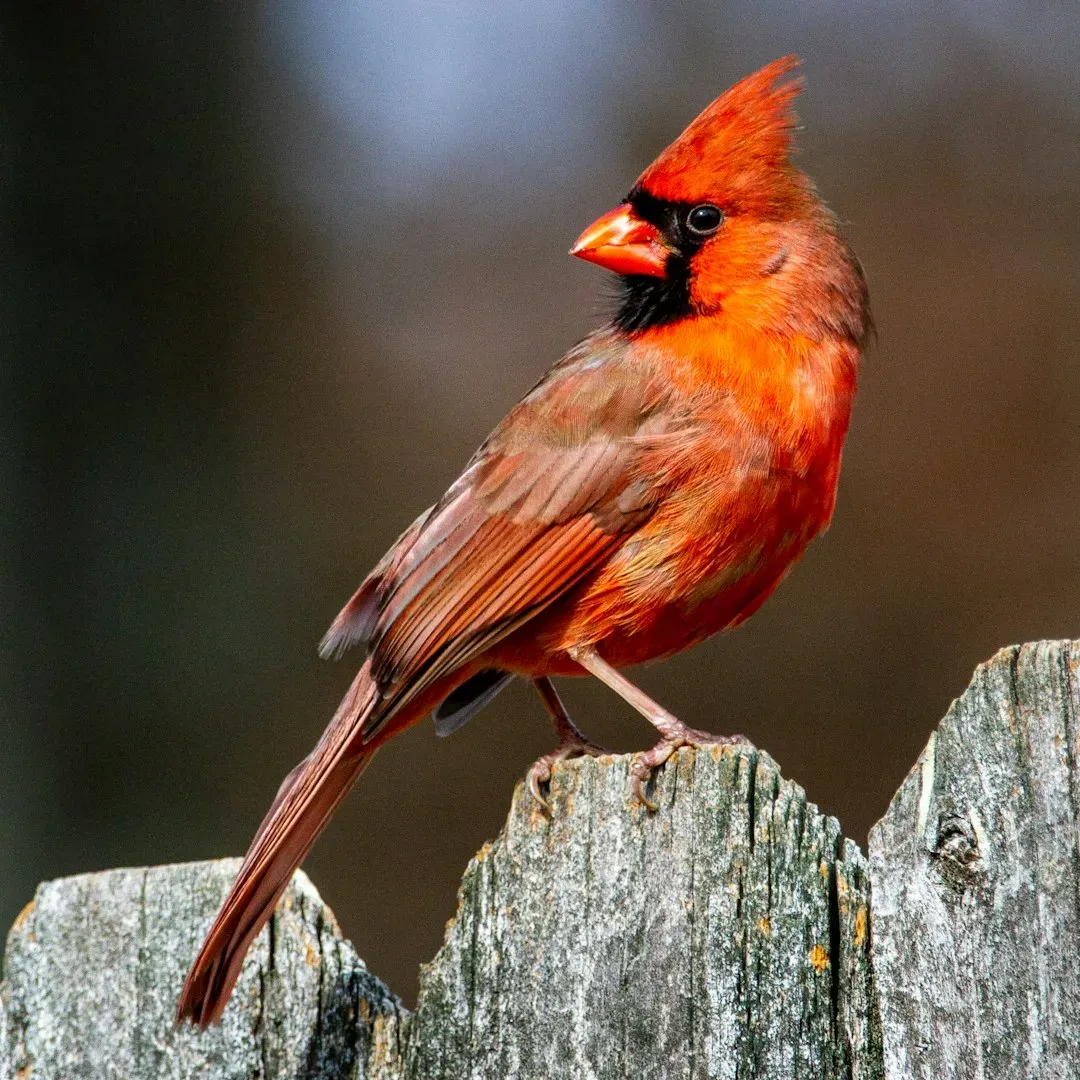
Cardinals establish clear territories and guard them closely once breeding season begins. A male will patrol his area and respond quickly to any sign of another male nearby. This instinct keeps resources like food and nesting spots secure for his mate and future young.
The behavior shows up most strongly in spring when pairs form and nests take shape. Both males and females can display this protectiveness though males tend to be more visible in their efforts. The drive serves the species well in natural settings where real rivals appear regularly.
How a Mirror Image Triggers the Response

When a cardinal spots its own reflection it registers the image as an intruder rather than itself. The bright red feathers and crest stand out clearly against the glass creating an unmistakable rival in the bird’s view. Repeated attacks follow as the cardinal tries to drive the perceived threat away.
This reaction stems from the species lack of self recognition combined with strong territorial wiring. The bird does not learn from the experience because the reflection never yields or retreats on its own. The result is a cycle that can last for days or even weeks in some cases.
Patterns Noticed Across Seasons and Years
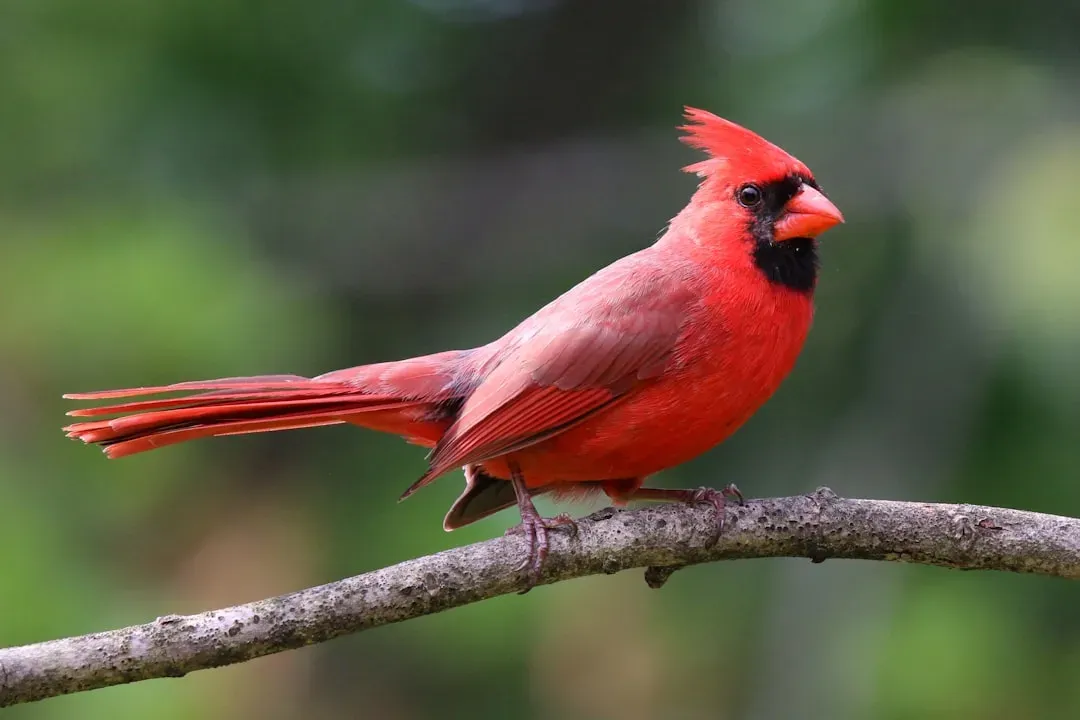
People who spent time outdoors in earlier decades often linked the window attacks to the return of warmer weather. The activity tended to peak as days lengthened and insects became more plentiful. Such observations helped mark the shift from winter quiet to active nesting time.
Cardinals maintain territories year round in many regions which explains why some individuals keep up the behavior even outside peak breeding months. The consistency made the sight familiar to those who paid attention to backyard rhythms. It served as a reliable indicator of the bird’s ongoing presence in the area.
The Advantage of Vivid Coloring

Northern cardinals stand out with their intense red plumage that signals health and status to other birds. This same feature makes the reflection especially convincing as a competitor during confrontations. The contrast against typical window backgrounds heightens the visual cue that sparks the attack.
Females with their softer tones still participate in territorial defense though their efforts draw less notice. The overall effect reinforces pair bonds and resource control within the local population. Such traits have helped the species thrive across varied habitats.
Glass as an Unexpected Element in Daily Life
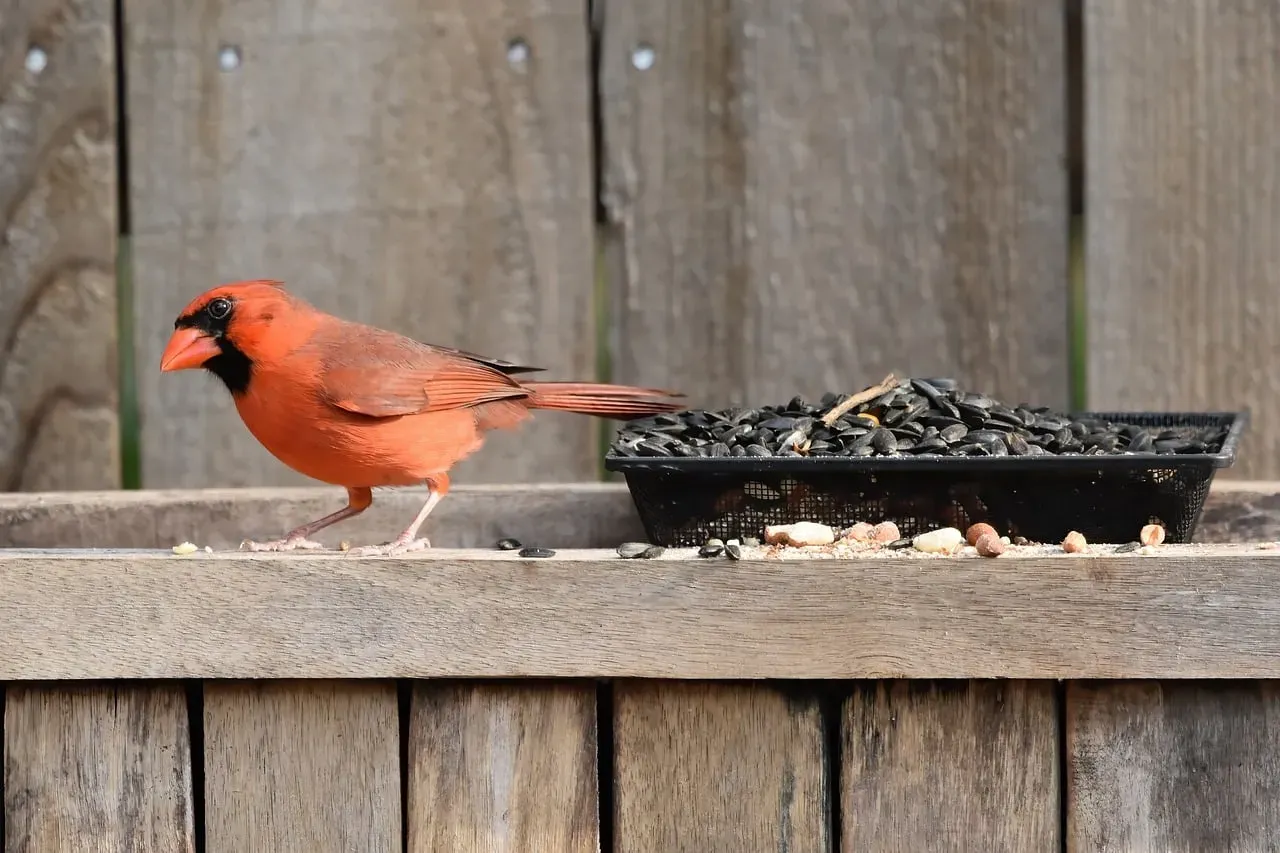
Windows and mirrors represent a modern addition that birds never evolved to interpret correctly. What looks like open space or another bird becomes a solid barrier that causes repeated impacts. The problem grows in suburban settings where reflective surfaces multiply around feeding areas.
Simple adjustments like placing decals or moving feeders can reduce the frequency of these encounters. The underlying instinct remains unchanged though and the bird will often shift to another nearby surface. Awareness of this mismatch helps explain why the behavior persists despite the bird’s efforts.
Interpretations Passed Down Through Families

Earlier generations viewed persistent cardinal activity around the home as a marker of seasonal change and natural cycles. The sight aligned with other signs like budding trees or returning migrants that signaled renewal. Such connections added a layer of meaning to everyday observations without requiring elaborate explanation.
These accounts focused on the practical side of bird life rather than anything mystical. They highlighted how certain behaviors announced the start of active periods in the yard. The knowledge stayed grounded in repeated firsthand experience across multiple springs.
Paying Attention to Small Signals in a Busy World
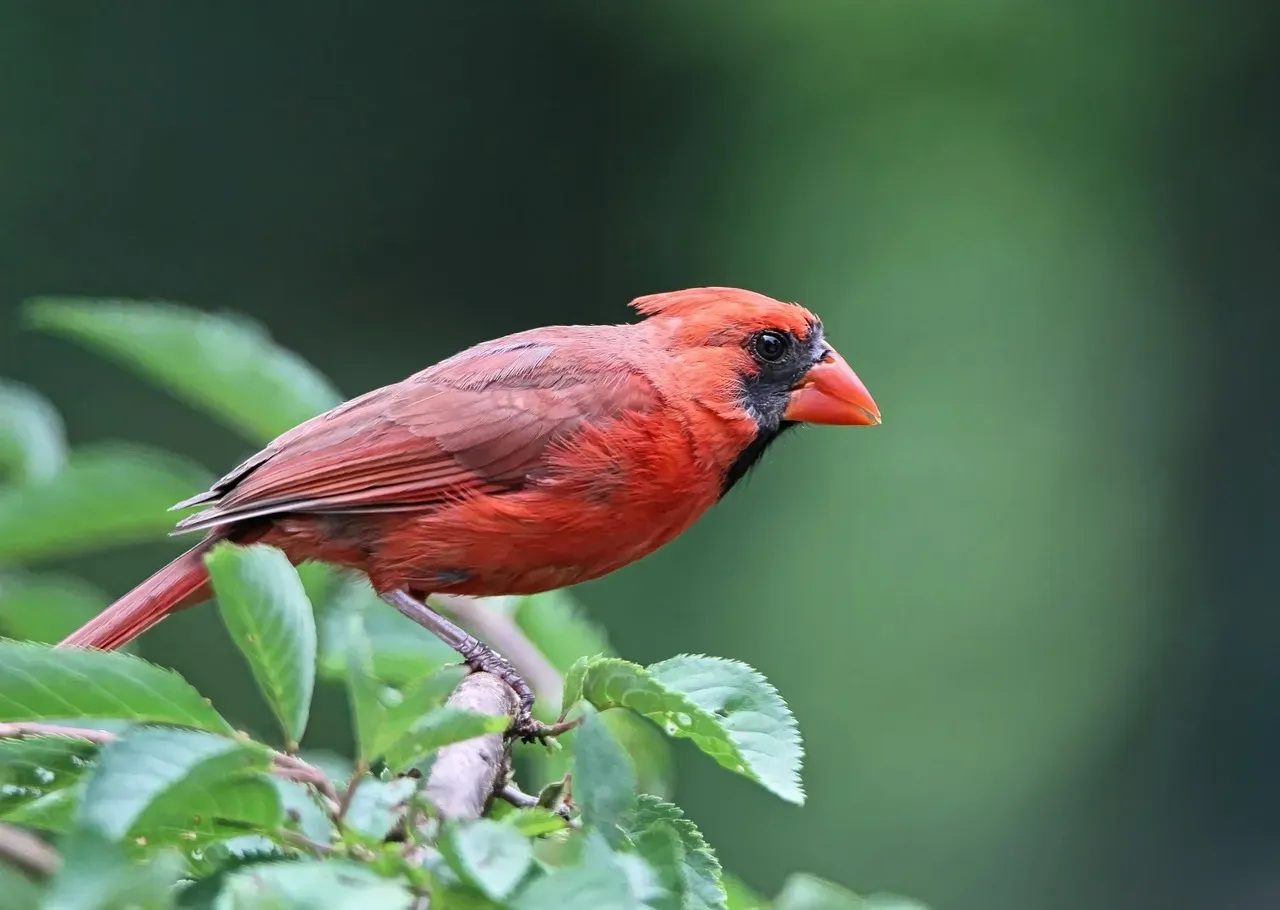
Cardinals continue their reflection battles because their core needs have not shifted even as surroundings have. Noticing these moments offers a quiet reminder of the instincts that shape wildlife around us. The behavior underscores how small details in nature still carry weight when observed closely.
Grandparents who tracked such patterns understood that the bird’s persistence pointed to the reliable return of breeding season and territorial activity. That awareness encouraged a deeper connection to the rhythms outside the window. In the end the cardinal’s fight serves as a steady marker of life unfolding on its own terms year after year.

- Why Cardinals Fight Their Own Reflection (Your Grandparents Knew What It Predicted) - August 24, 2026
- 11 Strange Facts About Chameleons That Scientists Still Study Today - August 24, 2026
- 7 Wild Animals Making a Comeback in the Forests of New England - August 23, 2026