
For most of human history, the final moments of life were considered unknowable. A black box. Something that happened beyond the reach of any instrument. That assumption has quietly begun to collapse.
Over the past few years, a series of remarkable studies have captured the brain in its most vulnerable state, revealing patterns of activity that nobody quite expected. The findings are surprising, sometimes deeply unsettling, and raise questions that science is only beginning to know how to ask. What’s emerging isn’t a simple story of shutdown. It’s something far stranger.
#1: The EEG Recordings That Changed Everything
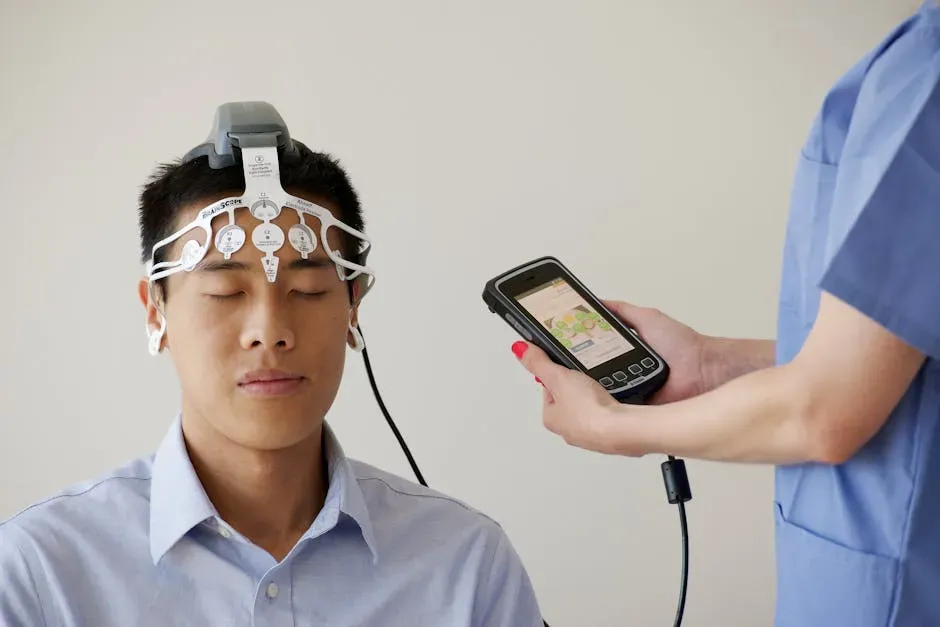
The story starts with an accident of timing. The research was conducted on an 87-year-old patient hospitalized for epilepsy, who suffered a cardiac arrest while doctors were monitoring his neurological activity through an electroencephalogram, or EEG. Nobody planned to record a death. It simply happened while the equipment was running.
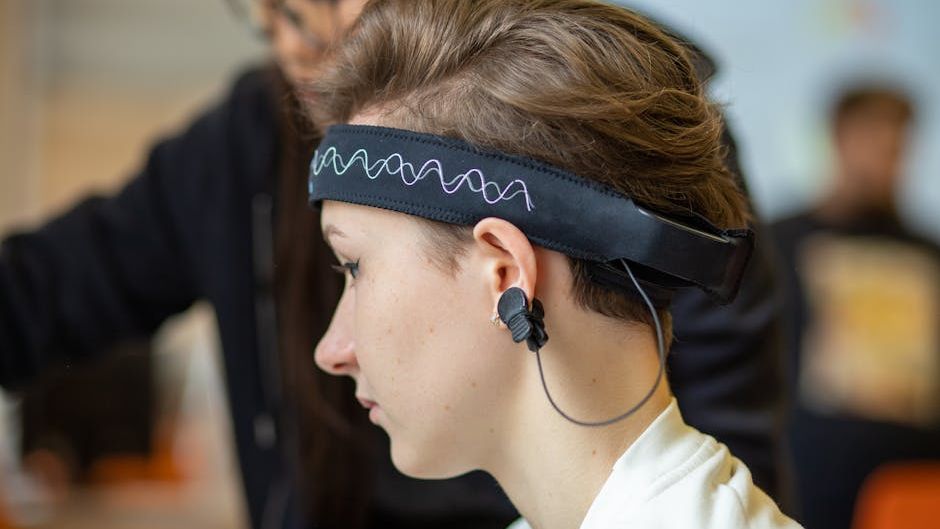
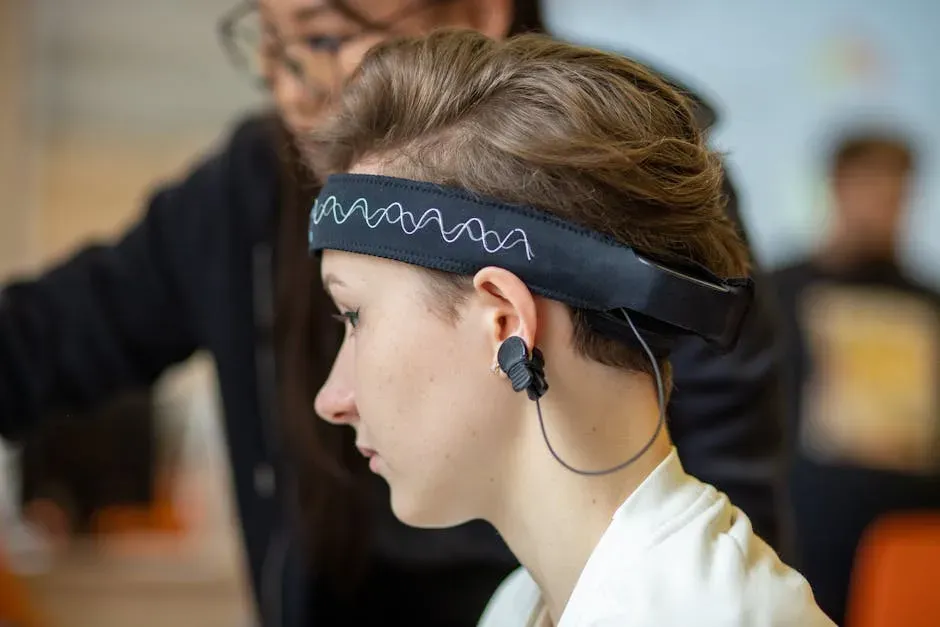
Doctors had attached an EEG device to the patient’s head to examine brain waves, capturing his brain activity for 900 seconds. The scientists then focused particularly on the 30 seconds before and after the cessation of cardiac function. That narrow window turned out to be electrifying, in more ways than one.
A team of American neuroscientists had captured the first-ever recording of brain activity in a dying human, marking a significant breakthrough in understanding the final moments of life. Later, researchers at the University of Michigan published groundbreaking findings from their analysis of brain recordings from four dying patients. The patients were on life support and their brain activity was recorded by EEG, which tracks electrical activity in the brain via electrodes placed on the scalp.
It’s rare for patients to have their brains continuously monitored as they die. As neuroscientist Jimo Borjigin described it, this was “maybe the first study to really show second-by-second how the brain dies.” For a field that had long theorized about this moment, having real data felt like finally opening a door that had been sealed shut.
#2: The Gamma Wave Surge – A Brain That Refuses to Go Quietly
What the EEG recordings showed was not a slow, gentle fading. Seconds after their ventilators were removed, two of the patients’ brains suddenly lit up with a burst of neuronal activity in high-frequency patterns called gamma waves that continued as the heart stopped beating. The word “lit up” is almost too mild for what was measured.
Upon removal of ventilator support, two of the patients showed an increase in heart rate along with a surge of gamma wave activity, considered the fastest brain activity and associated with consciousness. These weren’t weak, random signals. They were organized, purposeful-looking bursts of the brain’s most sophisticated electrical output.
Other studies found the same pattern when a healthy person is actively recalling a memory, learning, or dreaming, and some neuroscientists have linked these oscillations with consciousness. The fact that a dying brain was generating patterns nearly identical to those seen during vivid waking thought was, to put it plainly, not what anyone was expecting to find.
Previously, this kind of end-of-life surge in brain activity had only been witnessed in studies with rats, but here was the first evidence that it might occur in humans too. The human brain, it turned out, doesn’t simply go dark. It goes supernova.
#3: The “Life Review” – Memory’s Last Stand
The analysis of brain waves during this timeframe revealed sustained activity in areas associated with memory encoding and recall, even in the moments leading to the patient’s final heartbeat. This finding gave neuroscientists a biological framework for something that had long been dismissed as anecdote: the sensation of one’s life flashing before one’s eyes.
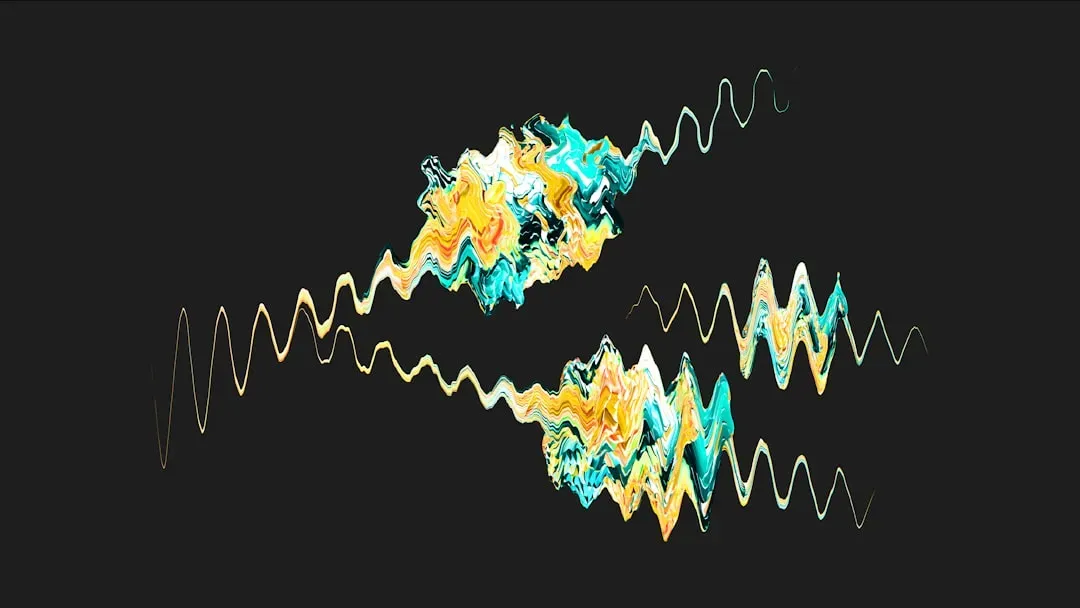
Just before and after the heart stopped functioning, changes in a specific range of neural oscillations, including gamma, delta, theta, alpha, and beta waves, were observed. The EEG recorded alterations in gamma oscillations, which are associated with memories and involved in high-level cognitive functions such as memory recall, closely tied to consciousness. It’s a remarkably complete picture of a brain doing something deeply human in its final moments.
Measurements of brain waves before and after death showed that the areas responsible for memory and recollection were still active. This isn’t a vague correlation. The specific neural signatures of memory retrieval, the same patterns that appear when you recall a face, a childhood moment, or a familiar smell, were present as the heart fell silent.
How the brain coordinates this, neurosurgeon Ajmal Zemmar has noted, “is one of the biggest mysteries in neuroscience,” but seeing the same gamma waves in dying people suggests a biological mechanism for the reports of the brain replaying memorable events in those final moments. Whether those memories are actually experienced in any conscious sense remains an open question. Science is honest enough, at this point, to admit that.
#4: The “Wave of Death” and the Chemistry of the Final Moments

When the brain stops receiving oxygen, its stores of ATP, a critical molecule that serves as the primary energy source for all cellular activities, are rapidly depleted. This causes disruption in the brain’s neurons and a massive release of a compound known as glutamate, an essential neurotransmitter that sends signals in the brain and throughout nerves in the body. Think of it as the brain’s last chemical emergency broadcast.
Neuroscientist Charlotte Martial suspects the phenomenon begins when the brain experiences hypoxia and begins the complex “wave of death” response. A sudden drop in the ATP molecules brain cells use for energy causes increased neuronal activity, while an array of chemical messengers, or neurotransmitters, flood the brain. It’s a cascade, not a single event.
During this process, spikes in serotonin could explain reports of increased visual imagery. Similarly, endorphins may create a sense of peacefulness, and noradrenaline may help encode the experience into memory. Taken together, the chemistry begins to resemble something closer to a profound altered state than a straightforward shutdown.
Zemmar refers to this as the “triphasic wave of death”: an EEG representation of neurons firing uncontrollably as they depolarize, like the neural equivalent of a fireworks finale. After this, the activity of neurons gradually diminishes until a state of perfect electrical silence in the brain is reached. The finale is brief, but it is unmistakably, undeniably loud.
#5: The Temporoparietal Junction and the Out-of-Body Question

This gamma activity seemed organized, in that the gamma waves in one portion of the brain were associated with predictable activity patterns in other regions. The temporoparietal junction, a brain region where the temporal and parietal lobes meet, toward the back of the brain behind the ear, was particularly active with gamma waves. This detail matters enormously for understanding what dying people may actually experience.
This region is known to be activated when people have out-of-body experiences or dreams. Evidence from neurology, cognitive neuroscience, and neuroimaging suggests that out-of-body experiences are related to a failure to integrate multisensory information from one’s own body at the temporoparietal junction. When this region fires intensely in a dying brain, the implications are striking, even if not yet fully understood.
In their last minutes of life, some people’s brains generate a surge of surprisingly organized-looking electrical activity that may reflect consciousness. This surge can sometimes occur after a person’s breathing stops but before the brain stops functioning. The window between cardiopulmonary death and brain death, which most people assume to be instantaneous, is now looking like something more complex and layered.
Increased openness about near-death experiences will assist the work of neuroscientists as they continue to uncover more details of what’s happening in the brain during these transformative moments. As they do so, the debate over whether there can ever be a purely biological explanation is likely to rumble on. Science rarely closes these kinds of questions cleanly. What it does, slowly and carefully, is bring the answers closer to the surface.
What This Means – and What We Still Don’t Know

It’s worth being clear about the limits of what researchers have found so far. These studies involve small numbers of patients, and the circumstances of each death, including the presence of life support and underlying illness, make it difficult to draw universal conclusions. Since it was observed in patients during the dying process, researchers cannot rule out the possibility that the surge of gamma power is a sign of a pathological process unique to the dying stage and unrelated to conscious processing.
The slow process of dying still represents a terra incognita, during which neurons and neural networks evolve in uncertain states that remain to be fully understood. The data we have is genuinely fascinating. It is not yet a complete map, nor a definitive answer to what, if anything, a dying person consciously experiences. Honest science insists on that distinction.
Still, what has already been recorded reframes the conversation entirely. These findings enhance our understanding of the complexities of the brain’s final activities, underscoring the sophistication of our neural architecture even at life’s end. The dying brain is not simply switching off. It is doing something that, in its own strange, final way, looks a great deal like living.
Perhaps the most quietly remarkable thing about all of this is not the gamma waves, the memory circuits, or the chemical cascade. It’s the simple fact that the brain, even at the absolute limit of its existence, still seems to be reaching for something. What that something is may be the deepest question neuroscience has ever had the instruments to ask.
