

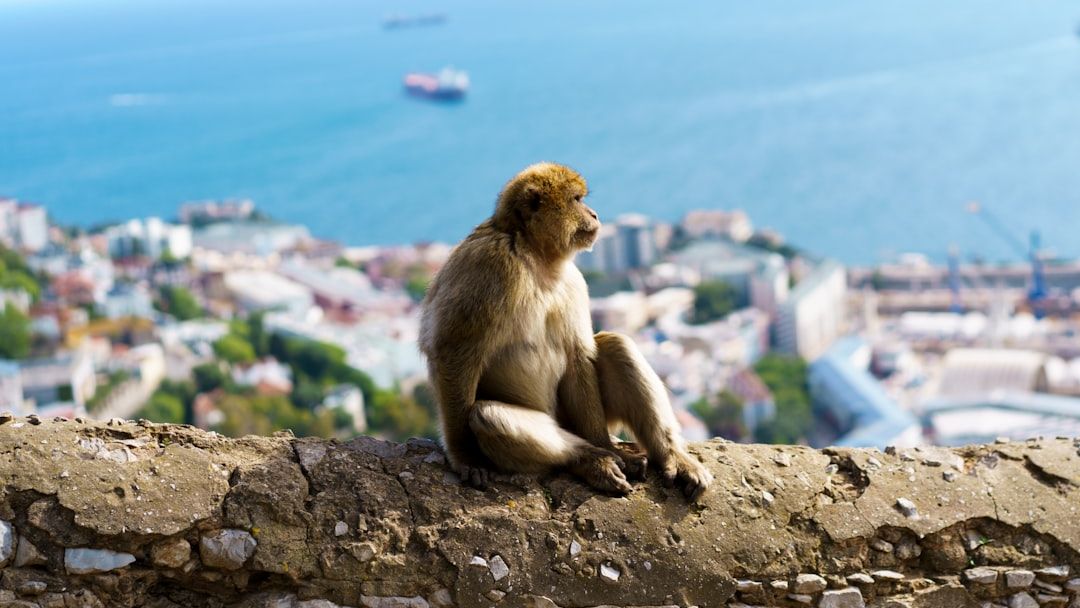
Gibraltar monkeys eat soil in junk food detox, study finds – Image for illustrative purposes only (Image credits: Unsplash)
In the sunlit outcrops of Gibraltar, a colony of macaques regularly encounters visitors who offer them snacks. The animals readily accept the processed foods, often consuming far more than their natural diet would provide. Researchers tracking the group have documented a consistent follow-up behavior: the macaques swallow soil shortly afterward.
Daily Encounters Shape Feeding Patterns
Tourists in the British territory frequently interact with the macaques at popular viewing spots. These exchanges introduce items such as chips, biscuits, and sweets into the animals’ routine. Over time, the primates have grown accustomed to seeking out these offerings rather than foraging exclusively for seeds, fruits, and insects.
The shift creates periods of heavy intake that differ sharply from typical primate nutrition. Observers note that the macaques appear to compensate once the human foods are gone. Soil consumption follows these episodes with noticeable regularity.
Soil as a Recovery Mechanism
The study records that the macaques ingest soil after particularly large quantities of tourist snacks. This behavior occurs across multiple individuals in the colony. Scientists interpret the action as a possible way for the animals to manage the effects of the unfamiliar diet.
While the precise biological process remains under examination, the pattern suggests an instinctive response. The soil may help bind or neutralize certain compounds from the processed items. Further observation will clarify whether this habit reduces any short-term discomfort or supports longer-term balance.
Broader Questions for Wildlife Management
Interactions between tourists and wildlife often produce unintended dietary changes. In Gibraltar, the macaques’ access to human food has become a recurring feature of their environment. The new findings highlight one adaptive step the animals have taken in response.
Continued monitoring could reveal how widespread the soil-eating habit has become. It may also show whether similar behaviors appear in other primate groups that live near human visitors. Such details would help guide efforts to maintain natural feeding patterns where possible.
Key observation: The macaques’ soil consumption follows documented junk-food episodes and appears tied to recovery rather than random foraging.
Understanding these adjustments offers a clearer picture of how wildlife adapts when human presence alters daily resources. The Gibraltar colony continues to provide researchers with direct insight into that process.

Tara enjoys writing about marine animals like whales, sharks, dolphins and nudibranchs.
Please send any feedback to feedback@animalsaroundtheglobe.com
- 30 Key Species in North America - July 24, 2026
- What You Will Encounter On Your Next Safari In Kruger National Park - July 23, 2026
- 10 Animals That Mourn and Grieve - July 21, 2026