
Most dog owners assume that if their dog is still wagging its tail, everything is fine. That assumption, while completely understandable, misses something important. Dogs are extraordinarily expressive animals, but they don’t communicate the way we do. They don’t give lectures or hold grudges out loud. Instead, they send quiet, layered signals that something in the relationship has shifted. And most of the time, those signals go unread.
The truth is that broken trust between a dog and its owner rarely happens overnight. It tends to build slowly, through small repeated moments that add up to a pattern the dog feels long before its owner notices. Trust between a dog and its owner doesn’t happen overnight. It develops through consistent interactions, clear communication, and reliable care that shows the dog they’re safe. When that consistency breaks down, the dog keeps a record in its body language. Here’s what to watch for.
#1: They Stop Making Eye Contact With You
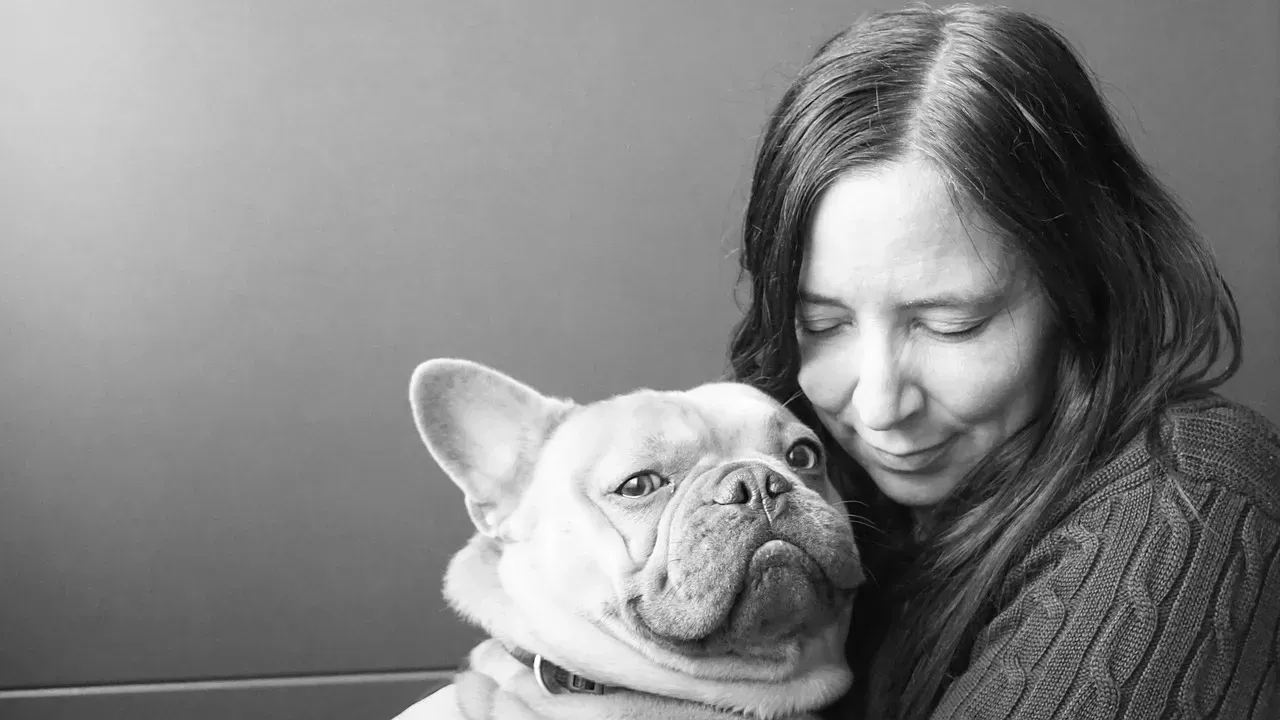
There’s a meaningful difference between a dog who glances away briefly and one who consistently refuses to hold your gaze. Constant gaze avoidance signals discomfort or fear. While brief look-aways are normal politeness in dog communication, persistently refusing to meet your eyes suggests your dog doesn’t feel secure around you. It’s a subtle shift that’s easy to dismiss, especially if nothing else seems obviously wrong.
What makes this signal particularly easy to miss is that it can look almost polite. The dog isn’t growling or hiding. It’s just quietly looking elsewhere whenever you look at it. When a dog awkwardly averts its gaze when its owner looks at it, possibly even retreats or turns away, it most likely signifies a lack of trust and uneasiness on the part of the animal. Over time, this disconnection in eye contact can become a default state in the relationship, one that deepens if left unaddressed.
Research has revealed that sustained eye contact between dogs and their trusted humans triggers the release of oxytocin in both parties. This “love hormone” is the same one that bonds parents and children, indicating the depth of the dog-human connection. When that eye contact disappears, it’s worth asking what changed.
#2: Their Body Goes Stiff When You Touch Them
Physical touch is one of the most natural ways we connect with our dogs. We reach out instinctively to pet, reassure, or simply feel close. So when a dog’s body quietly tenses under that touch, it registers as something almost painful to witness once you know what you’re seeing. Freezing under your hand is a warning sign many people miss. When dogs stiffen or go completely still during petting, they’re tolerating touch rather than enjoying it, which indicates shaky trust at best.
The dog hasn’t bitten. It hasn’t growled. It’s just endured. If, during the owner’s touch, the dog’s body tenses almost like an arch or freezes with rigid muscles, it is a sure sign that there is an issue in the relationship. A more severe symptom is when the pet actively avoids the owner’s touch and affection. That progression from tolerance to active avoidance can happen gradually, which is exactly why the stiffening stage often gets overlooked.
Stillness suggests the dog feels trapped or uncomfortable but hasn’t escalated to more obvious warnings yet. Respecting these signals and working on building positive associations with gentle handling gradually over time is important. A dog who freezes under your hand is communicating something real. Listening early makes all the difference.
#3: They Hide or Leave the Room When You Arrive
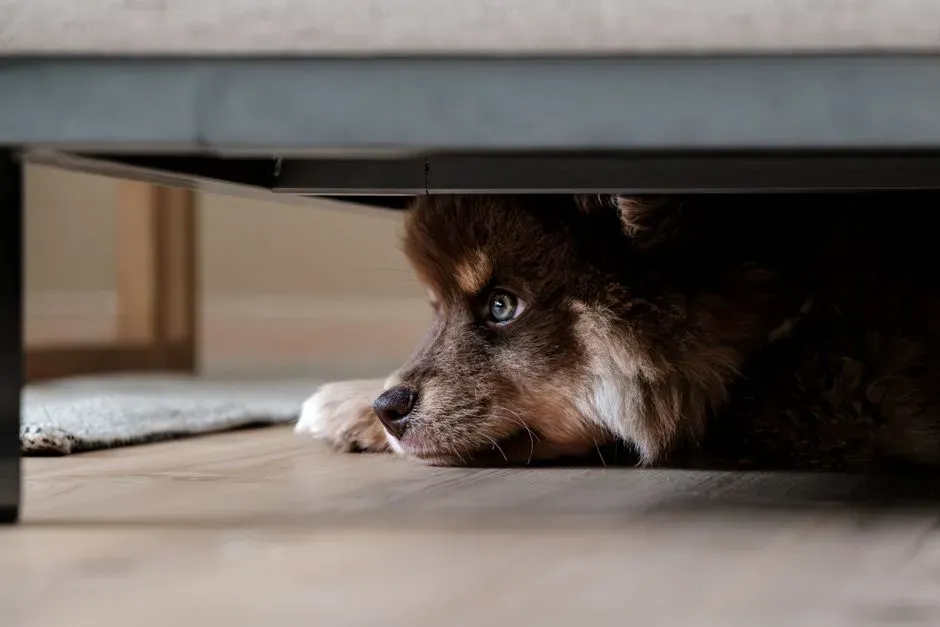
Coming home to a dog who retreats rather than greets is one of the clearest and most heartbreaking signs that something is off. The situation can be considered somewhat severe if a dog avoids you or seeks refuge when you arrive home. It may move to another room or hide under or behind something. This is not shyness. It’s a deliberate increase in distance between the dog and the person it once ran toward.
If your dog consistently retreats under furniture or into corners when you come near, something’s definitely wrong. Hiding behavior indicates fear rather than trust, and it’s a serious red flag needing immediate attention. Dogs who feel safe with their owners move toward them. Dogs who have lost their sense of safety move away, quietly and without drama, in a way that’s easy to rationalize as a mood or a quirk.
One of the clearest signs of low trust is avoidance behavior. Avoidance behaviors can be a favorite and self-reinforcing tactic because they frequently offer temporary relief from stress-inducing events. In other words, every time the dog hides and the discomfort passes, the behavior is reinforced. The pattern grows stronger unless something in the relationship changes.
#4: They Stop Responding to Your Voice and Commands
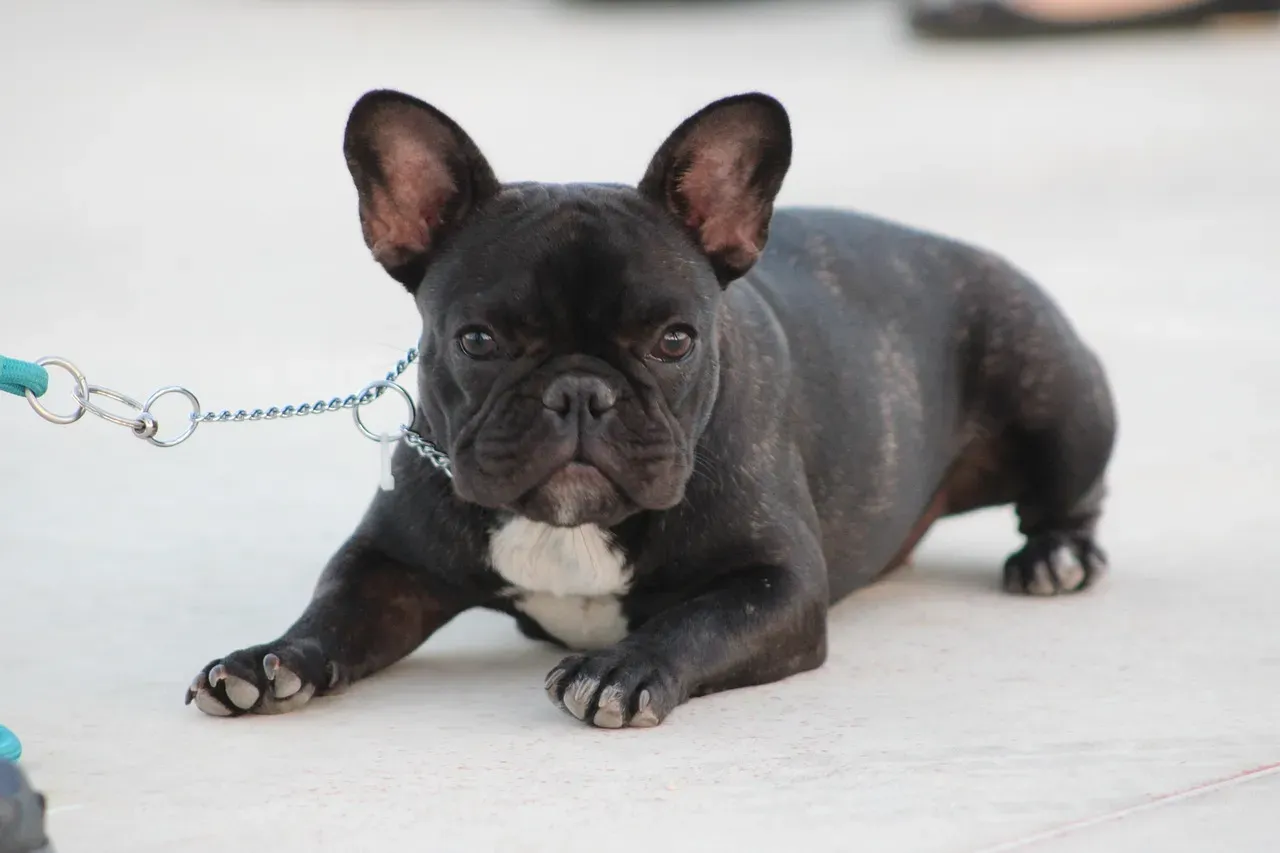
A dog who once came running at the sound of its name and now simply doesn’t respond is often written off as stubborn or distracted. Sometimes that’s true. But when the disengagement becomes consistent and shows up across different settings, it points to something deeper. Without trust, training becomes a battle, daily care turns stressful, and a dog may develop anxiety or behavioral problems. When a dog trusts its owner, training becomes easier because it wants to please and believes following commands leads to good outcomes.
The withdrawal from communication is often gradual. First the dog hesitates before responding. Then the hesitation stretches into ignoring. Dogs communicate through three main channels: body language, actions, and sounds, with body language often being the most expressive. If a dog’s body language suggests a lack of trust in its owner, it may feel tension in their presence or even fear them. Unresponsiveness to a trusted voice is often one of the clearest behavioral expressions of that internal tension.
Consistent, positive interactions will generally be met with trust and affection. Erratic or negative behavior might lead to caution or distrust. If your dog has become selective about when it listens to you, it’s worth stepping back and looking at the patterns of your recent interactions rather than just the moments of non-compliance.
#5: Their Greeting Has Gone Quiet or Disappeared Entirely
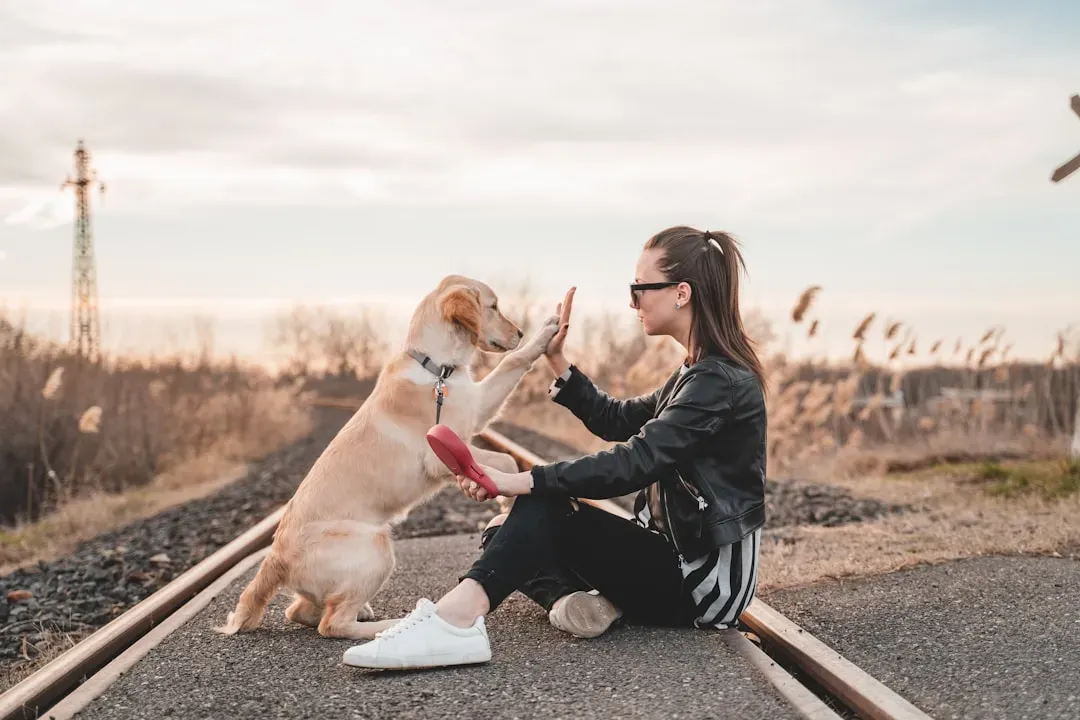
The greeting a dog gives when its owner walks through the door is one of the purest expressions of trust and attachment. It’s uncalculated. It’s spontaneous. When it fades, the absence is loud even if the dog makes no sound. In a balanced dog-owner relationship, dogs typically greet the returning person with exuberant joy and rapid tail wagging. In the case of certain breeds, the entire hindquarters may follow the tail’s movement. If this is absent, and the dog approaches cautiously, tucking its tail between its hind legs, or in a better scenario, cautiously and very slowly wagging its tail, it is a clear sign that the owner’s presence triggers tension.
A slow, cautious wag is fundamentally different from an enthusiastic one. The movement is there, but the confidence isn’t. A trusting dog shows a relaxed face, soft eyes, and a wag that wiggles the entire hind end. A dog who’s unsure about the person at the other end of the leash might have a stiff posture and gait, and duck away if the person reaches for them. These are not personality differences. They are communications about the state of the relationship.
Trust impacts a dog’s overall wellbeing. Dogs who trust their owners show lower stress levels, adapt better to changes, and recover faster from scary experiences. They sleep more soundly, eat more consistently, and play more enthusiastically. A fading greeting is often the first visible signal that those foundations are quietly eroding, and it deserves attention before the silence becomes total.
How to Rebuild What’s Been Lost
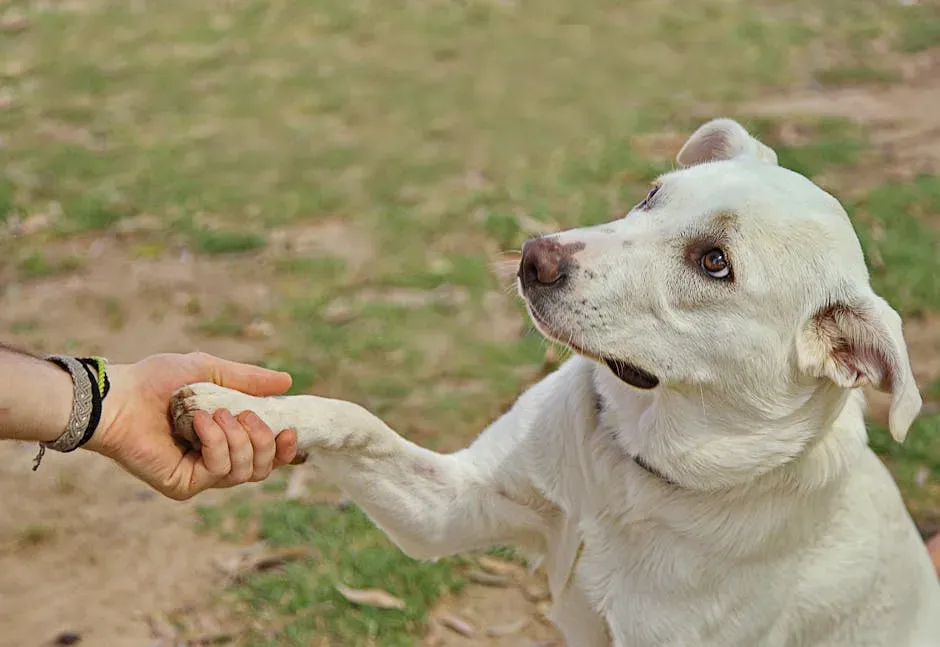
The good news is that trust, once damaged, is not permanently gone. Dogs are remarkably responsive to change when the change is consistent and patient. Trust grows when dogs control proximity and interactions. The greatest gift you can give a dog who is feeling uncomfortable with proximity is patience and time. Forcing reconnection tends to backfire. Letting the dog set the pace tends to work.
Predictability matters more than most owners realize. Predictability provides security. Consistent feeding, exercise, and bedtime routines improve emotional stability. Clear communication reduces confusion and stress. Rebuilding trust often looks less like dramatic gestures and more like keeping small promises every single day. Show up at the same time. Use the same tone. Follow through.
Punishing dogs for displaying stress signals teaches them to suppress these communications, which can lead to dogs who “bite without warning” because they’ve learned not to show subtle warning signs. Recognizing and respecting the warning instead of punishing it is the first real step toward repair. We control nearly every aspect of our dogs’ lives, from what they eat to when they eliminate, so giving a dog autonomy is a way to prove that trust is a two-way street. That shift in perspective, from managing a dog to genuinely respecting it, is where the healing tends to begin.
The signals described in this article are not dramatic. They’re quiet. A glance away, a stiff shoulder, a missing sprint to the door. That’s exactly why they matter. Dogs don’t demand to be heard. They simply adjust, retreat, and wait. Whether you catch those signals early enough to respond is, in the end, entirely up to you.

- 14 Signs a Dog Near the Rainbow Bridge Is at Peace With Its Person - July 21, 2026
- 15 Ways a Shelter Animal Tells You It Was Always Meant to Be Yours - July 21, 2026
- 14 Ways a Dog Shows You Are the Center of Its Whole World - July 21, 2026