
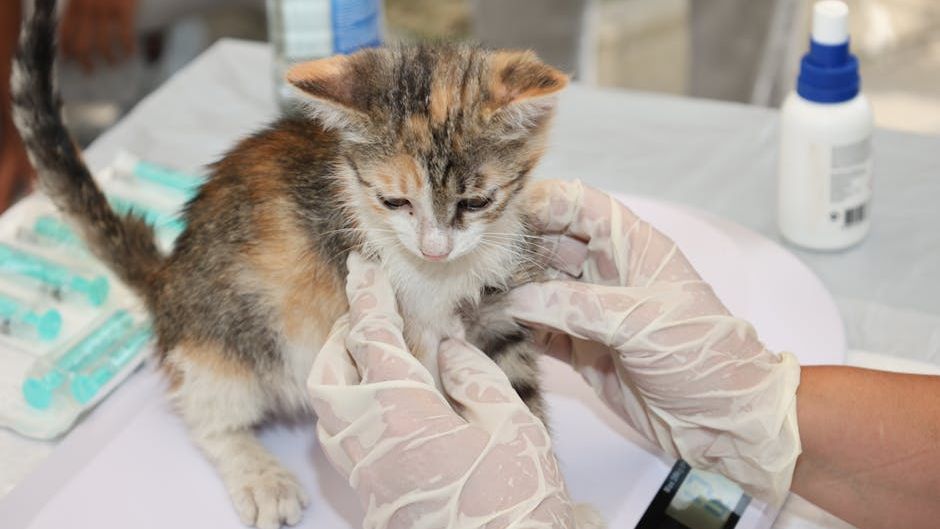
Your cat probably looks fine. Curled up, eyes half-closed, purring softly in a patch of afternoon sunlight. That picture of contentment is, for most cat owners, completely normal. Which is exactly the problem.
Cats are well known not just for their independence and grace, but for their remarkable ability to hide pain. This instinctual behavior traces back to their wild ancestors, who concealed injury to avoid appearing vulnerable to predators. While that trait served them well in the wild, it makes spotting illness or injury in your modern housecat genuinely difficult. By the time a cat shows signs of distress, whatever problem they’re dealing with has usually already reached an advanced state.
The gap between what’s actually happening inside your cat and what you can observe from across the room can be wide. Knowing which quiet signals to look for is one of the most practical things a cat owner can do. Here are ten warning signs that deserve your attention.
#1 Sudden Withdrawal and Hiding in Unusual Spots
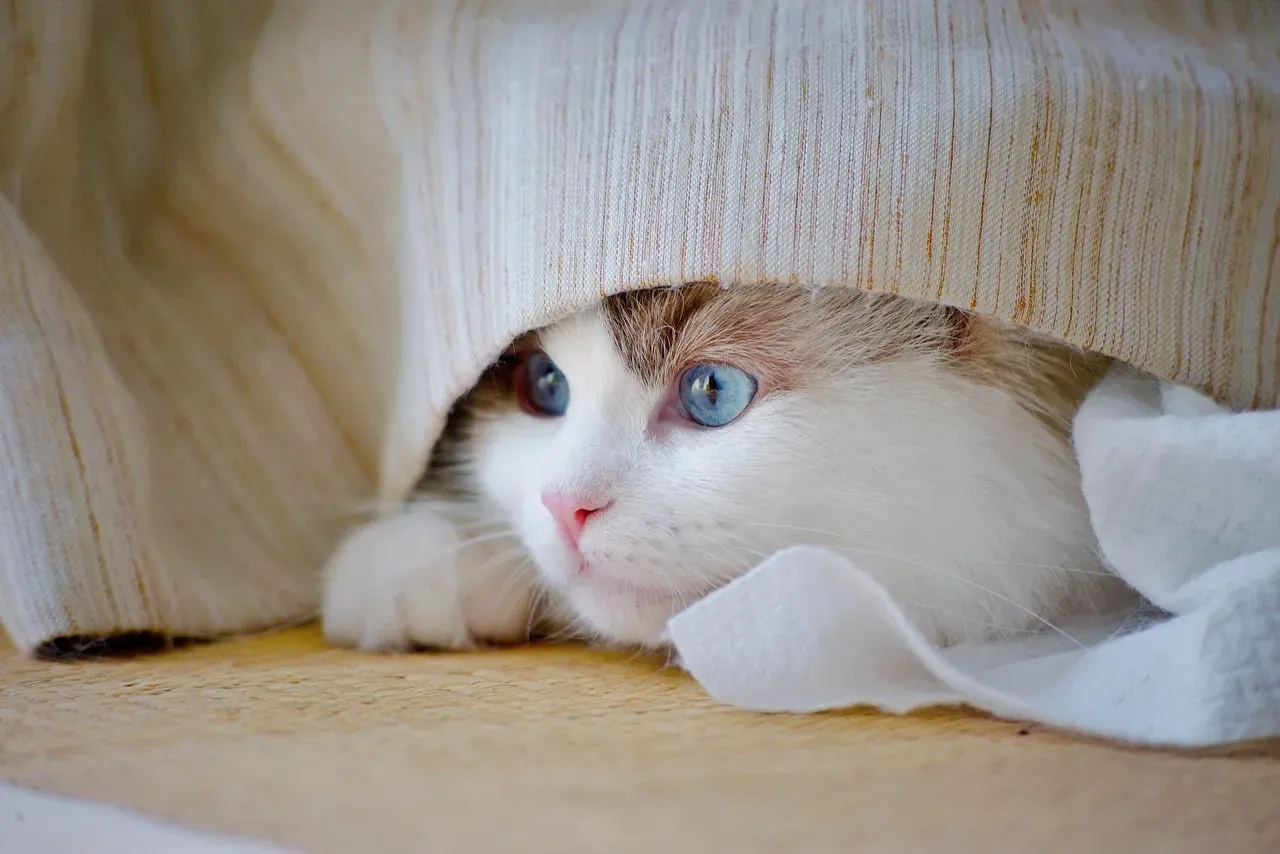
One of the first things a hurting cat will do is disappear. Cats who are in pain or not feeling well often hide or retreat into a place where they feel safe, going back to their survival instincts and secluding themselves in times of weakness to avoid predators. This isn’t quirky feline behavior. It’s a genuine red flag.
A normally social cat who is suddenly hiding and not partaking in normal daily events might be in pain. It’s not uncommon for cats to isolate themselves to show that they’re not feeling their best, whether it be pain or sickness. If your cat has a favorite spot on the couch but is now spending hours under the bed or at the back of a closet, pay attention to that shift. It’s rarely random.
#2 Changes in Grooming Habits
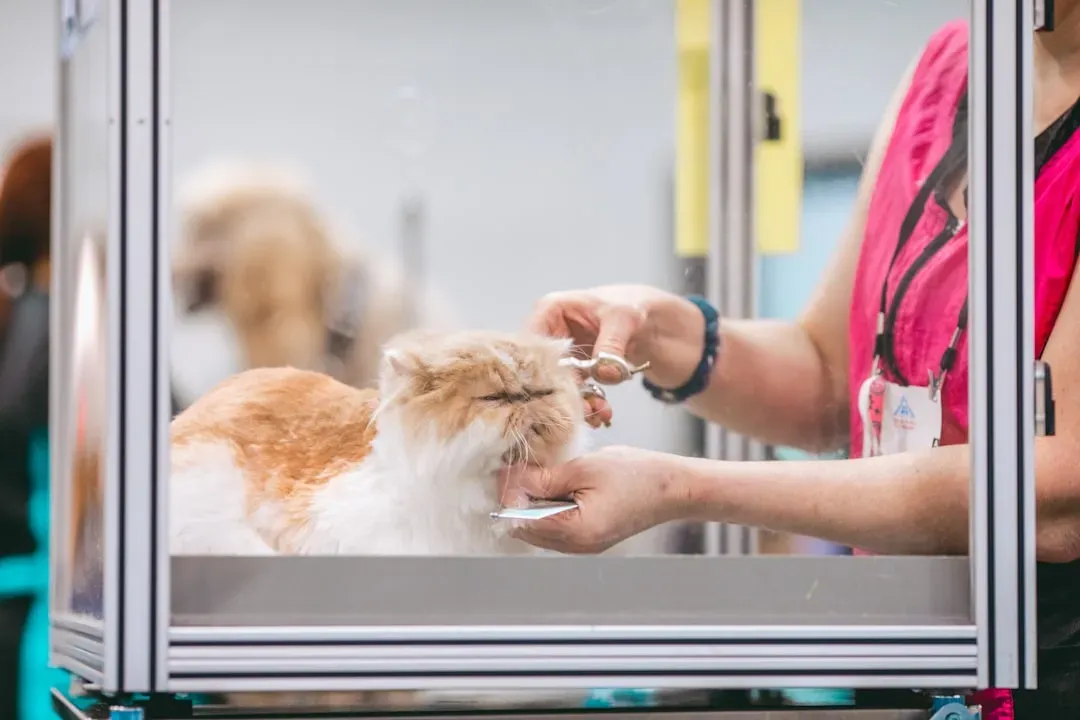
Cats are usually meticulous groomers. A healthy cat spends a good portion of the day cleaning their fur, keeping it sleek and smooth. When illness creeps in, that grooming habit often fades. You might notice dull, greasy, or matted fur because the cat is too tired or sore to care for themselves.
The opposite pattern is equally worth watching. Cats that are in pain also repetitively lick and bite an affected area. They may do it so often that they cause secondary trauma to their body in the form of wounds, skin infections, and hair loss. For example, a cat might overgroom the base of their tail or lower back area excessively if they have kidney problems. Both extremes, too much or too little grooming, point toward something worth investigating.
#3 Reduced Activity and Loss of Interest in Play
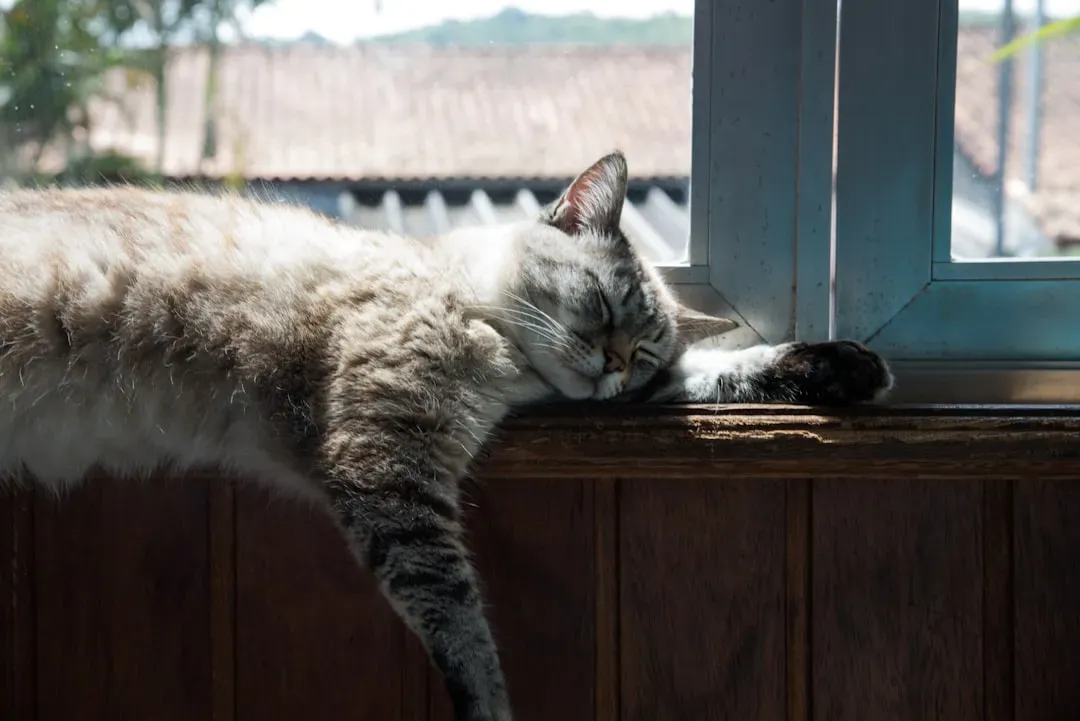
Even if you are usually a pretty active person, you probably wouldn’t feel like hitting the gym if you were in significant pain. Likewise, cats experiencing pain are likely to spend more time lying around than usual. They may also lose interest in once-loved activities, like playing with you or their furry siblings.
You’ll often notice changes in energy too. A cat that used to sprint across the room or climb furniture may suddenly move less, hesitate before jumping, or spend more time resting in low places. These subtle changes are often easier to miss than an obvious limp, but they can speak volumes about joint pain, arthritis, or other internal health problems. A cat that was once obsessed with chasing a toy and now watches it with total indifference is telling you something important.
#4 Shifts in Posture and Body Position
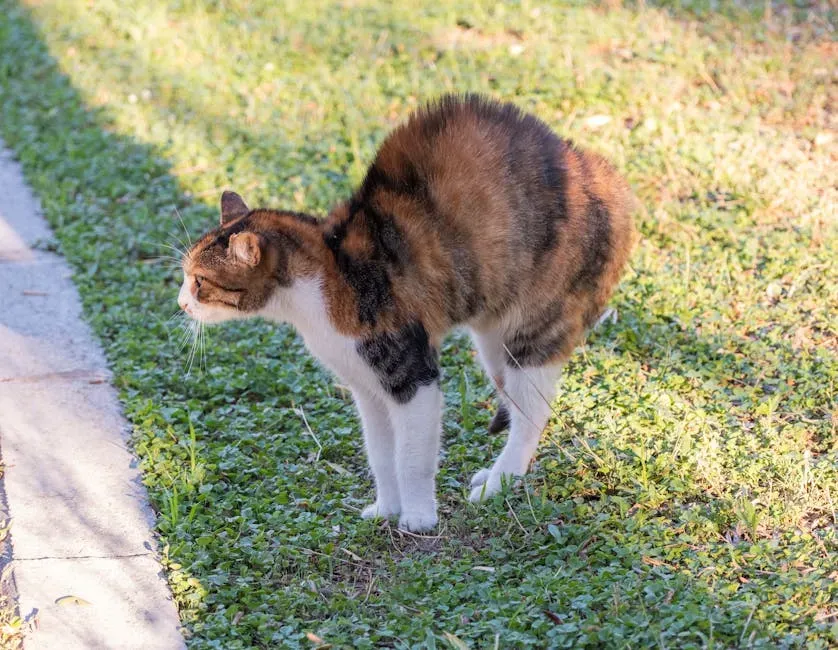
Altered posture is another sign of cat pain. Cats change their posture when in pain as a way to cope with discomfort. Common signs include a hunched or tense body posture, where they may arch their back or keep it rigid. Typically, a hunched or crouched posture is linked to pain in the cat’s abdomen.
A cat in pain may crouch with a tense body, tuck their limbs tightly, or avoid movement altogether. They might also become restless, frequently shifting positions in an attempt to get comfortable. A hunched posture, reluctance to jump, or sudden stiffness could indicate joint or muscle pain. If you notice your cat sitting in a way that looks slightly wrong, slightly guarded, trust that instinct and take a closer look.
#5 Facial Expression Changes and the Feline Grimace Scale
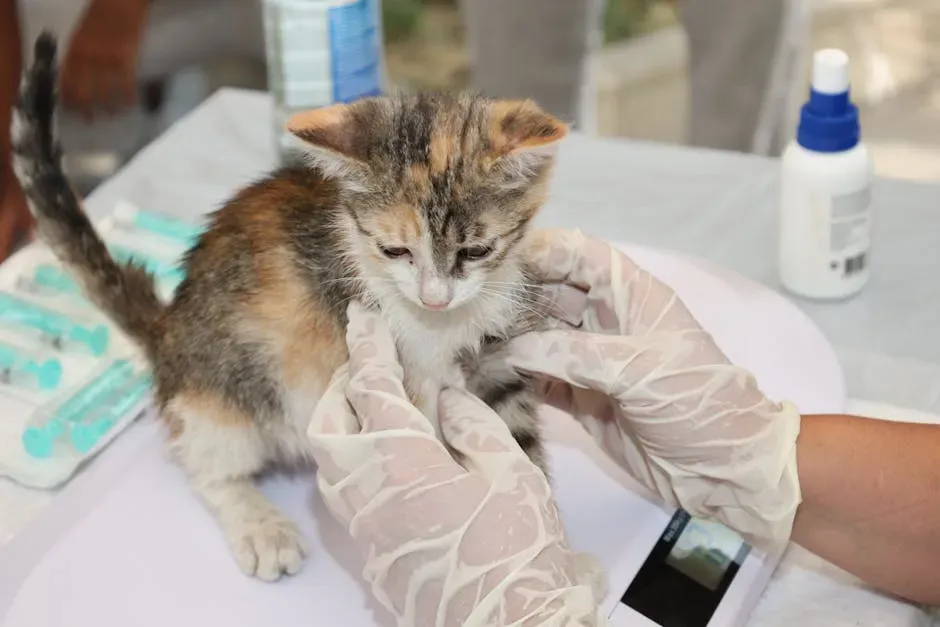
Veterinarians rely on what’s called the feline grimace scale (FGS), which helps them determine whether a cat is in pain or discomfort. Developed by researchers at the University of Montreal, the FGS measures key facial features, including ear position. Ears that are flattened, turned outward, or pulled back may indicate discomfort.
Relaxed cats have open or gently squinted eyes, while partially closed, squinted, or tightly shut eyes can be a sign of pain. A pain-free cat’s muzzle appears relaxed, whereas a tense or “pinched” muzzle, where the nose and mouth look drawn in, may suggest distress. Whiskers naturally fan outward or rest neutrally, but when a cat is in pain, whiskers may be pulled back against the face, or appear stiff and forward. These are the kinds of micro-signals that are easy to miss but genuinely meaningful.
#6 Unexpected Aggression or Personality Changes
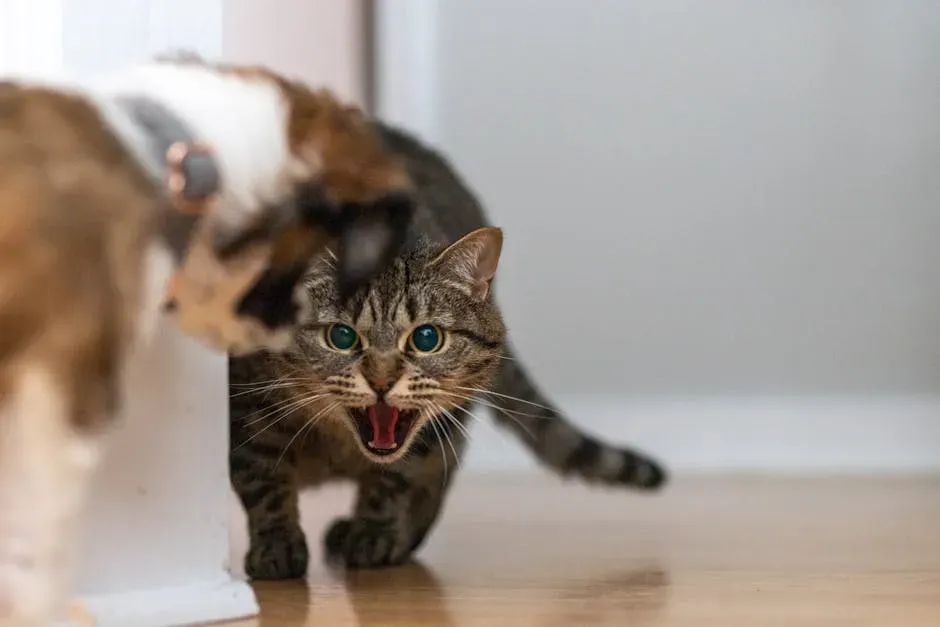
Pain can change a cat’s behavior dramatically. A once-playful feline may avoid play or become aggressive when touched. A cat that usually avoids contact but suddenly seeks affection, or one that typically enjoys attention but starts to hiss when touched, could be indicating discomfort or pain. Neither pattern should be dismissed as your cat “just being moody.”
A lap cat who suddenly can’t stand being held may be experiencing pain when they are touched or petted. Any of these changes in their usual personality and preferences may be signs of a medical issue. It’s worth remembering that aggression from a normally gentle cat is almost never a character flaw. It’s often a cry for help expressed the only way they know how.
#7 Appetite Loss or Changes in Eating Behavior
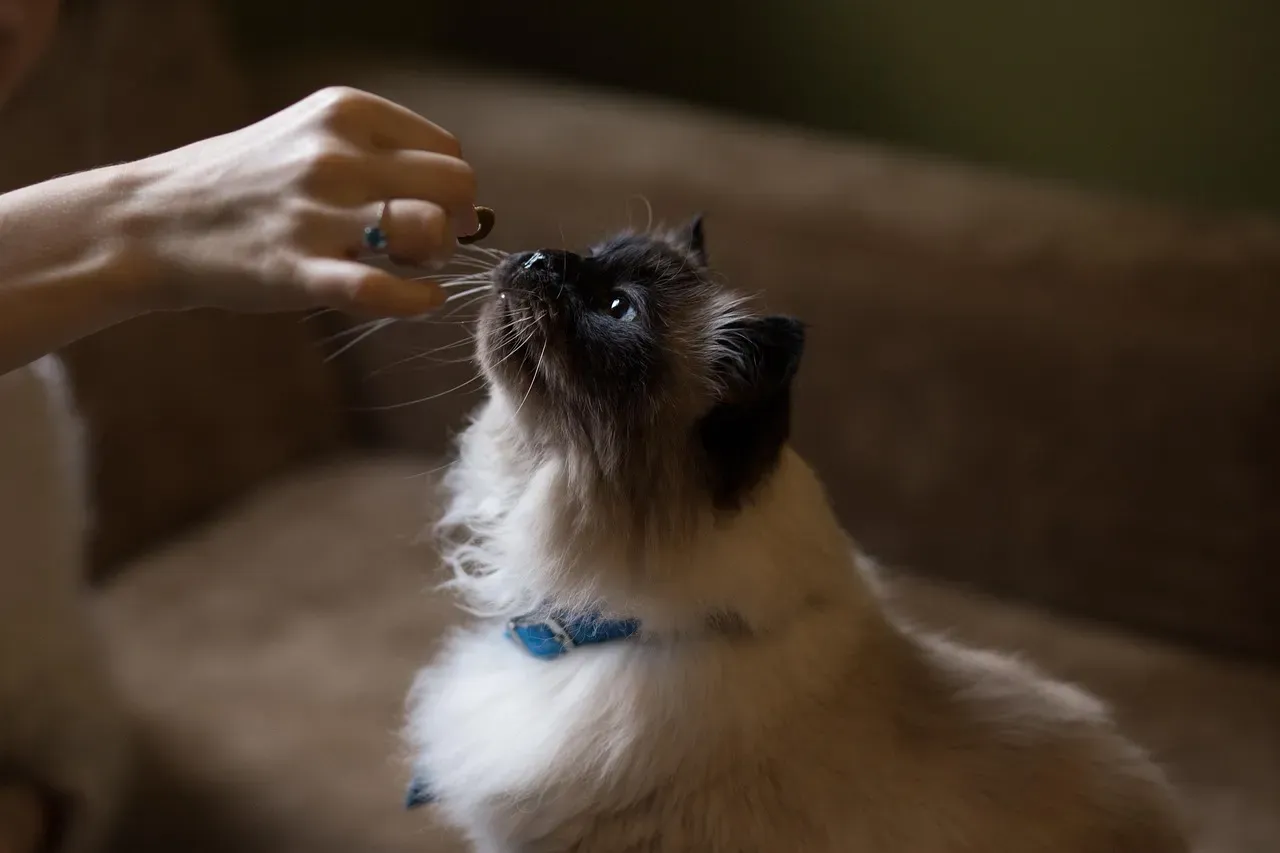
Food and water changes are typically one of the most visible signs of illness in cats. If your cat previously ate quickly and enjoyed their food but now leaves the bowl untouched, they might be experiencing nausea, dental pain, or digestive issues. Inappetence is usually one of the earliest warning signs that something is wrong. Your cat could have pain from periodontal disease, an injury, or an underlying illness.
Dental problems can be very painful for cats and may cause them to stop eating, leading to other health problems. Cats commonly develop gingivitis, in which the gums become inflamed because of plaque buildup. Even small shifts in appetite are worth noting. Cats don’t usually skip meals for no reason, so when they do, it’s better to be cautious than to dismiss it.
#8 Litter Box Avoidance or Straining
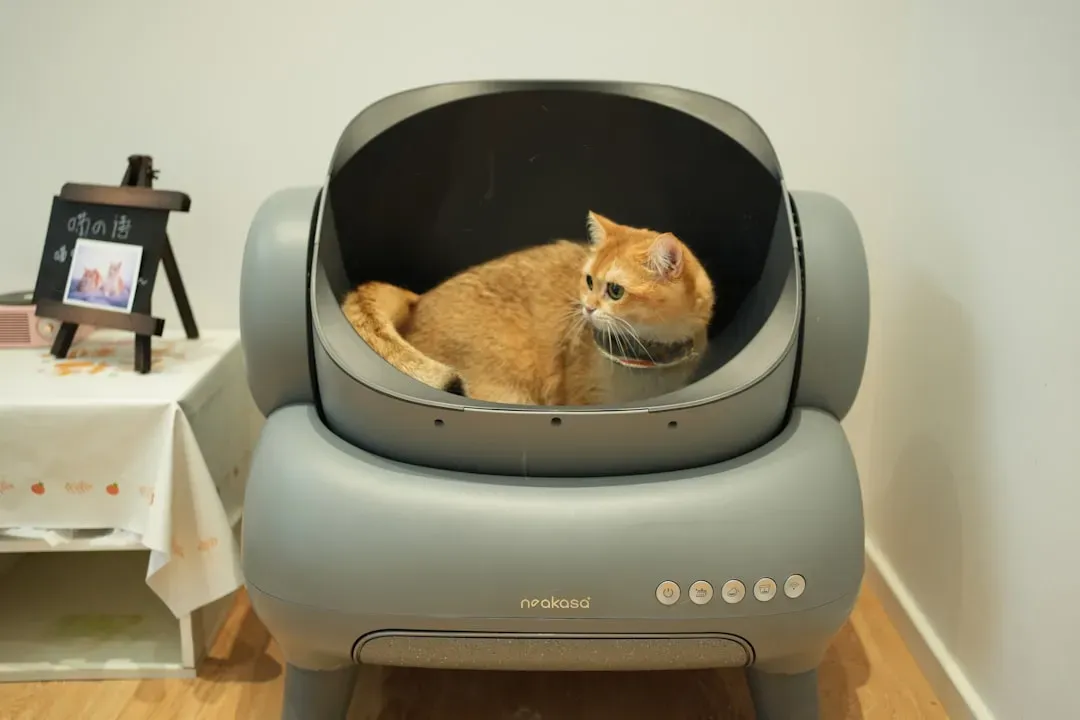
Painful urination or defecation, caused by issues like urinary tract infections or constipation, may cause your cat to avoid the litter box altogether. Accidents outside the box, straining, or vocalizing during bathroom trips are signs to take seriously.
A cat that strains, makes frequent trips with little to show for it, or begins urinating outside the box isn’t misbehaving, they’re sending a clear warning signal. Urinary tract infections, bladder stones, or urinary blockages can escalate quickly and may even become life-threatening if ignored. A cat experiencing chronic pain, such as arthritis, might stop using the litter box altogether because it’s simply too difficult to climb into. Keep an eye on what the litter box tells you. It’s one of the most honest reports your cat can give you.
#9 Unusual Vocalizations or Excessive Purring
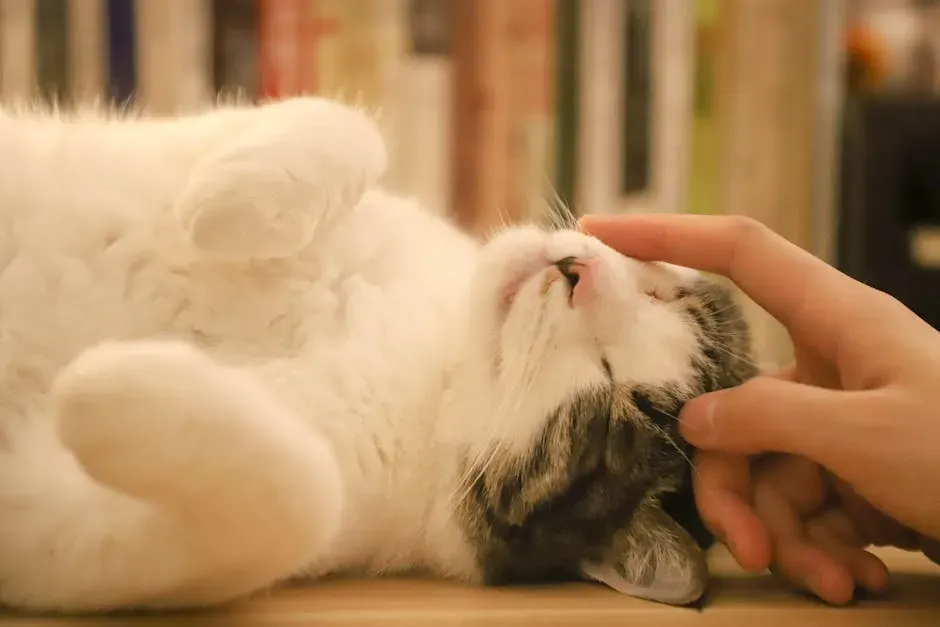
Most of us know that a hissing or growling cat is an unhappy cat, but meows and purrs can also be signs of a cat in pain. Purring is usually thought of as a sign of contentment, but some cats purr when they are frightened or hurting. This is particularly true for cats with easygoing or gentle personalities.
Excessive vocalization, such as meowing more than usual, especially at night, can signal pain, confusion, or anxiety. That soothing sound isn’t always a sign of contentment. Cats sometimes purr to self-soothe or signal distress. If your cat is suddenly more vocal than usual, or is vocalizing in a different tone than you’re used to hearing, it’s worth paying close attention rather than assuming they just want dinner early.
#10 Reluctance to Jump, Climb, or Use the Stairs
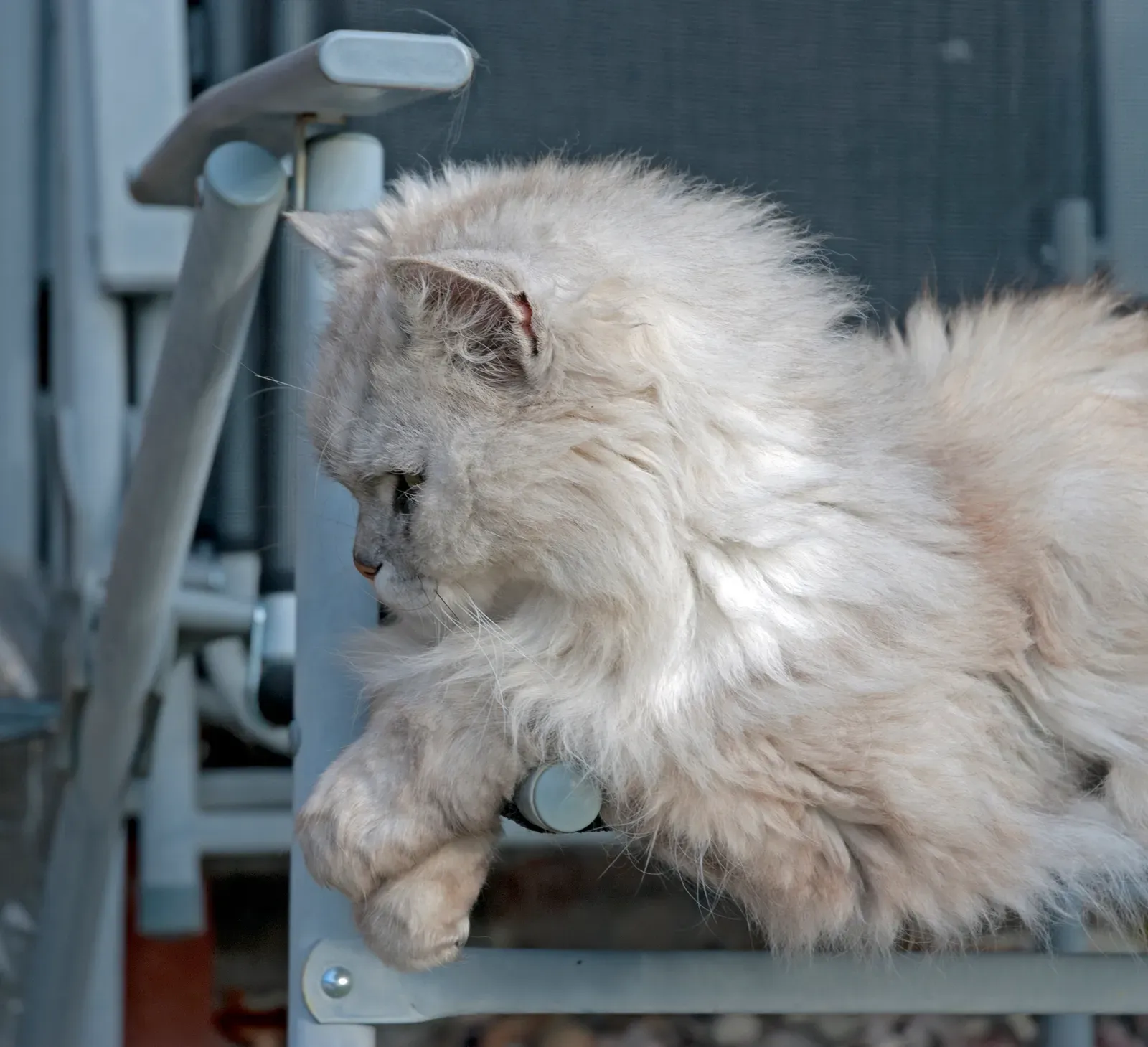
Injuries and joint pain often prevent cats from jumping up onto surfaces and going up and down stairs. If your feline friend is suddenly spending more of their time on the floor when they used to hop up on your bed, sofa, or kitchen counter, don’t mistake this as a simple sign that your cat is getting older. It could be an early indicator of arthritis, soft tissue injury, or something else that needs a proper diagnosis.
Some studies show that nearly ninety percent of cats over age twelve have arthritis, but only a small percentage show obvious symptoms at home. Watch for stiffness, hesitation to jump, and decreased grooming. Arthritis is common in senior cats and often overlooked. The cat who used to leap onto your windowsill without a second thought and now hesitates at the base of it isn’t being lazy. There’s a good chance something hurts.
What to Do When You Spot These Signs
Awareness of the strong connection between observed behavior and physical and emotional health is essential for a cat’s welfare. It is often a change in the individual’s normal behavior that informs owners and veterinarians of the possibility of illness, pain, and stress. Your instinct as a cat owner carries real diagnostic weight, so don’t dismiss it.
Take pictures or videos of any cat behavior that seems strange to you. Pay close attention to your cat’s behavior and physical symptoms. Note any changes in grooming, posture, activity level, or appetite. Documenting these observations can help your veterinarian make an accurate diagnosis. The more specific you can be about when changes started and how they’ve progressed, the faster the right care can begin.
One thing you should never do for your kitty is administer over-the-counter pain medications, which could be very toxic to feline digestive systems. Cats who receive prompt care for emerging health issues often have a much better prognosis. Early intervention can prevent a minor problem from becoming a major one, and it may also reduce the need for more invasive treatments.
Cats are wired to keep their pain invisible for as long as possible. That’s not stubbornness or indifference to your concern. It’s biology. The best thing you can offer them is the kind of steady, informed attention that catches what they’re working so hard to conceal. A small behavioral shift, noticed early and acted on promptly, can genuinely change the outcome.
