
1. Cavalier King Charles Spaniel – The Royal Companion With Modest Demands
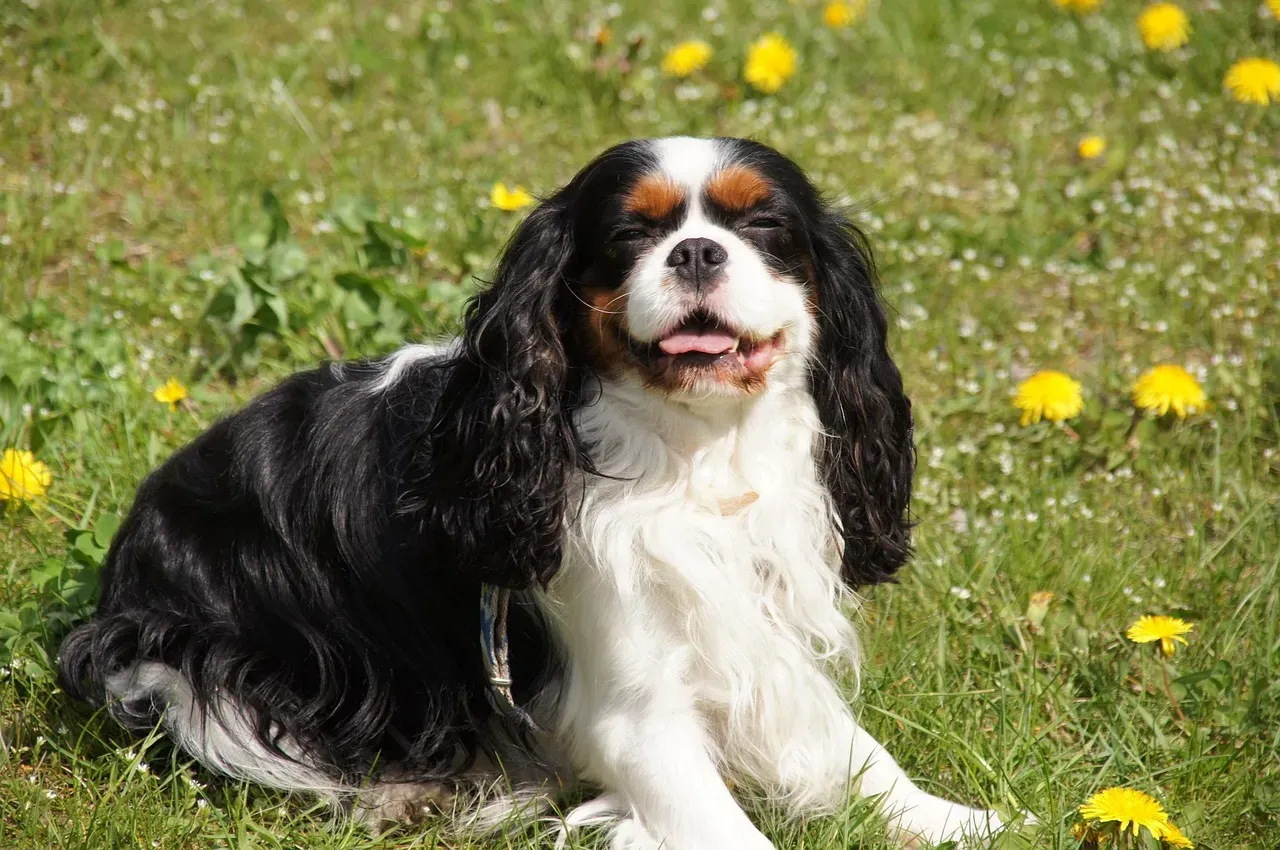
The Cavalier King Charles Spaniel was bred to be a comforting, non-aggressive, and gentle pet. Many of these happy dogs consider everyone to be a friend. Their even temper, loving expression, and feathery coat make them very appealing, and they’re trainable and adapt well to their owner’s preferences, whether it’s an active outdoorsy lifestyle or a laid-back snuggle.
The Cavalier leads virtually every U.S. veterinary and senior care organization’s recommended list because it combines gentle temperament, indoor adaptability, and low daily care requirements in a single 12 to 18 pound package. Cavaliers are particularly well suited for apartment living and adapt beautifully to their owner’s energy level, happy with moderate walks but equally content spending quiet time indoors. For seniors looking for one breed that truly does it all without making excessive demands, this is a consistent front-runner.
2. Shih Tzu – Small, Steady, and Surprisingly Effortless
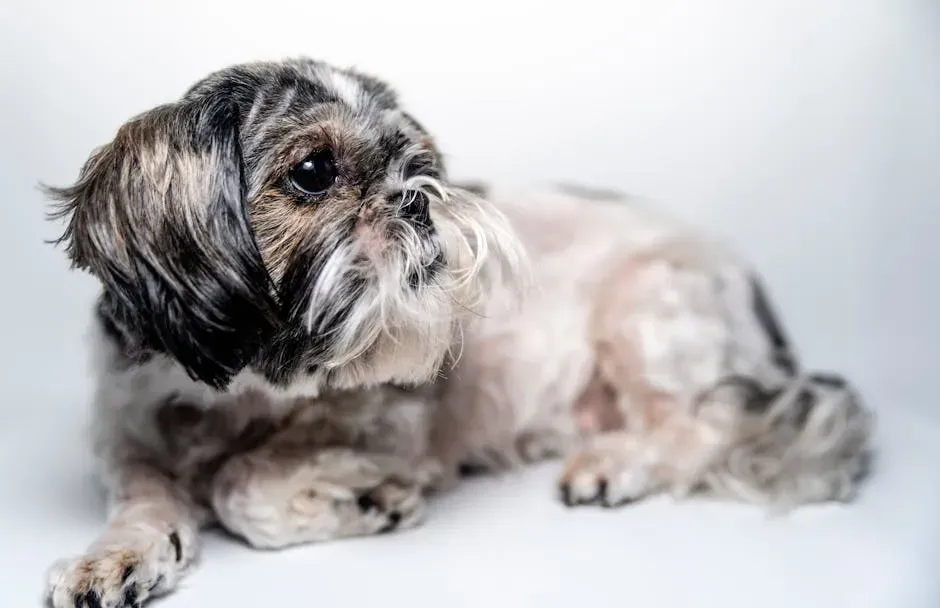
Weighing up to 16 pounds, the Shih Tzu requires minimal exercise and is content living in apartments, so long as you’re there too. Shih Tzu owners say the breed is happy, even-tempered, and eager to please, and they get along well with other dogs and with children. That even-keel personality is exactly what most seniors are looking for.
Their exercise needs are genuinely minimal, as a short daily stroll and some indoor playtime is entirely sufficient. Research shows that compared to older adults who don’t own pets, dog walkers had lower body mass, made fewer visits to healthcare professionals, and engaged in more moderate and vigorous exercise. A Shih Tzu provides enough motivation to get you moving without demanding an athlete’s schedule. Requesting a short puppy cut every six to eight weeks drops daily grooming from a high-maintenance chore to a two-minute brush, a single adjustment that transforms the breed from needing a lot of work to practically effortless.
3. Bichon Frise – The Cheerful Hypoallergenic Choice
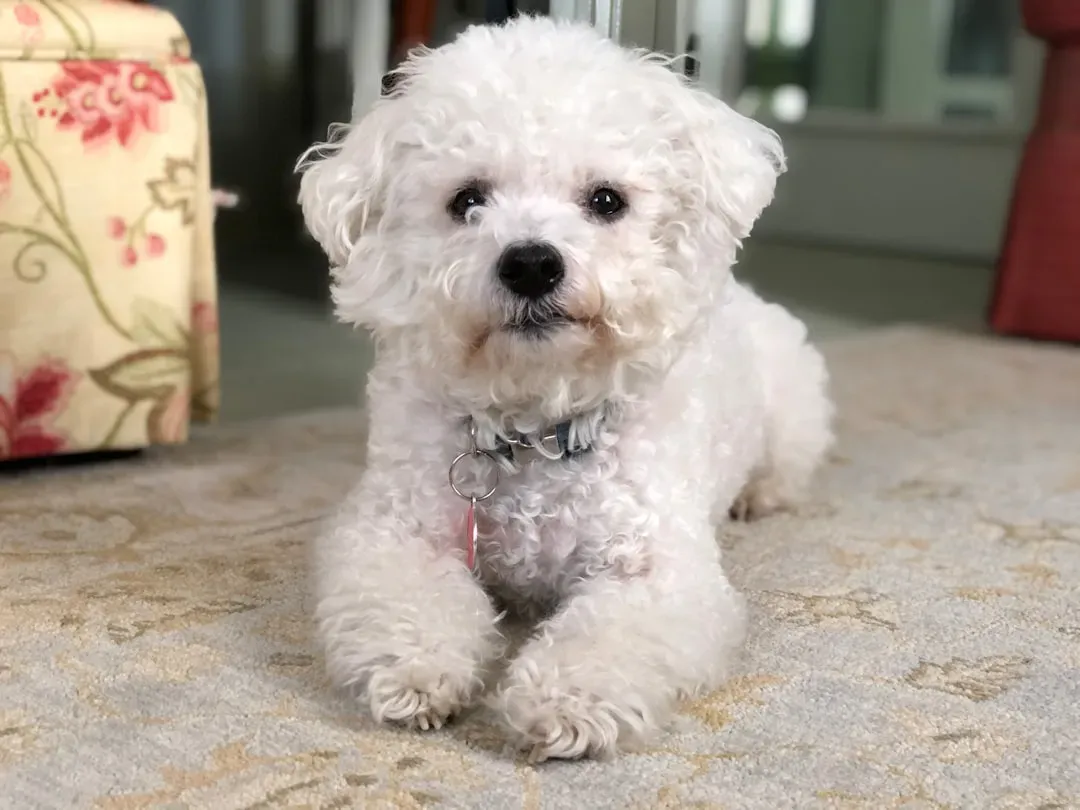
The Bichon Frise combines a friendly, playful personality with practical benefits for senior owners. These small, fluffy companions typically weigh 12 to 18 pounds and are known for being one of the most cheerful breeds. Bichon Frises shed minimally, which keeps homes cleaner and reduces allergen concerns. For seniors who’ve struggled with pet allergies in the past, this breed often changes the equation entirely.
The Bichon Frise is a friendly, playful breed that thrives on companionship. These dogs are small and easy to manage, making them a good choice for older individuals. While they enjoy playtime and light activity, they can adjust to the energy level of their owners. Their playful demeanor keeps spirits high, while their small size makes them easy to manage, and they thrive on human interaction, quickly becoming part of the family. It’s difficult to feel isolated with a Bichon around.
4. French Bulldog – The Apartment-Ready, Low-Key Companion
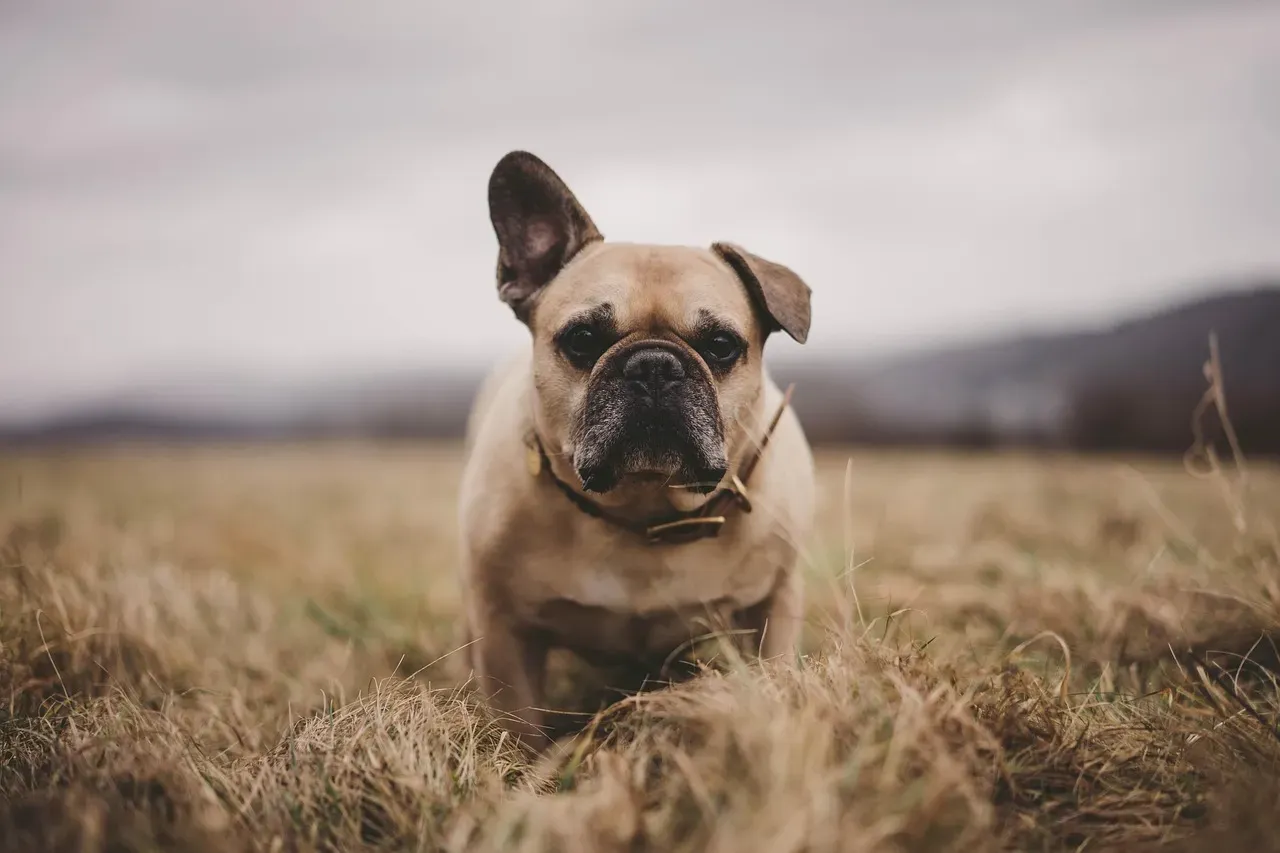
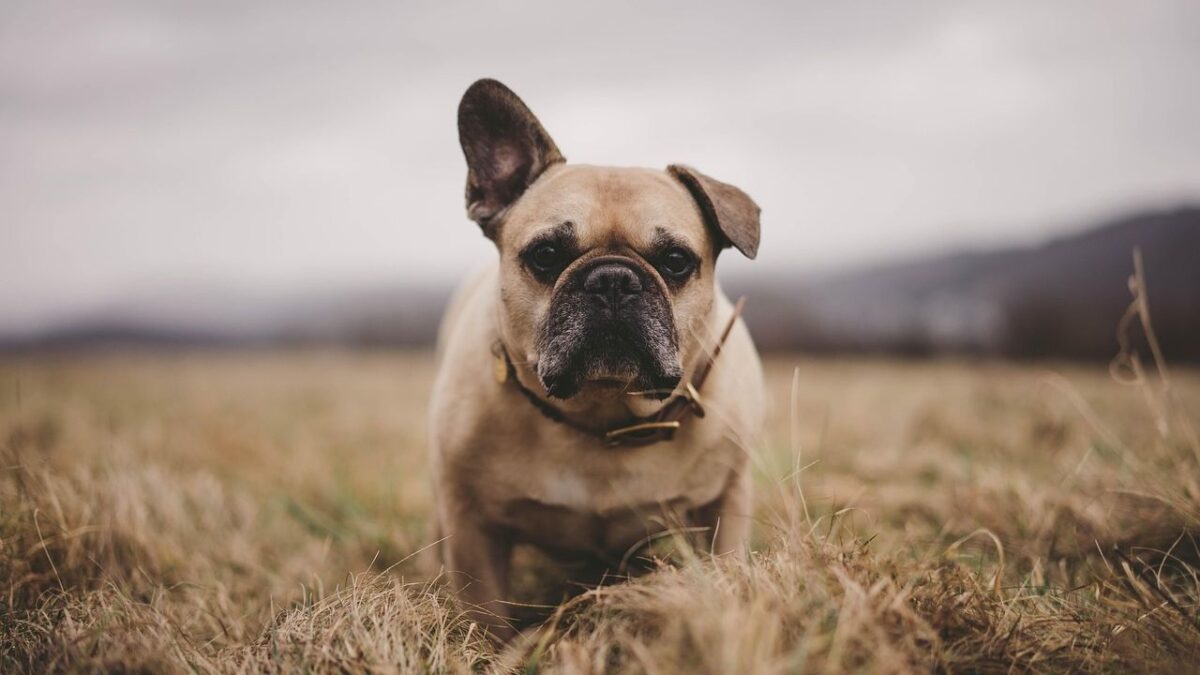
For older adults seeking a low-energy, low-maintenance dog, the French Bulldog is a perfect fit. These dogs are loyal and friendly, with a calm temperament that suits apartment living or smaller homes. French Bulldogs do not require extensive exercise, and additionally, they have minimal grooming needs, making them an easy breed to care for.
French Bulldogs are an excellent choice for city dwellers. They’re great watchdogs because of their alertness, but they don’t tend to bark a lot and don’t require a lot of outdoor exercise. The French Bulldog leads apartment suitability rankings because it is the quietest of the recommended small breeds, rarely barking and maintaining an even disposition that doesn’t escalate in the confined, high-stimulus environment of an apartment building. Worth noting: Frenchies can be prone to certain respiratory health issues, so choosing a reputable source and keeping up with vet visits matters here.
5. Maltese – A Gentle Soul That Fits in Any Lap
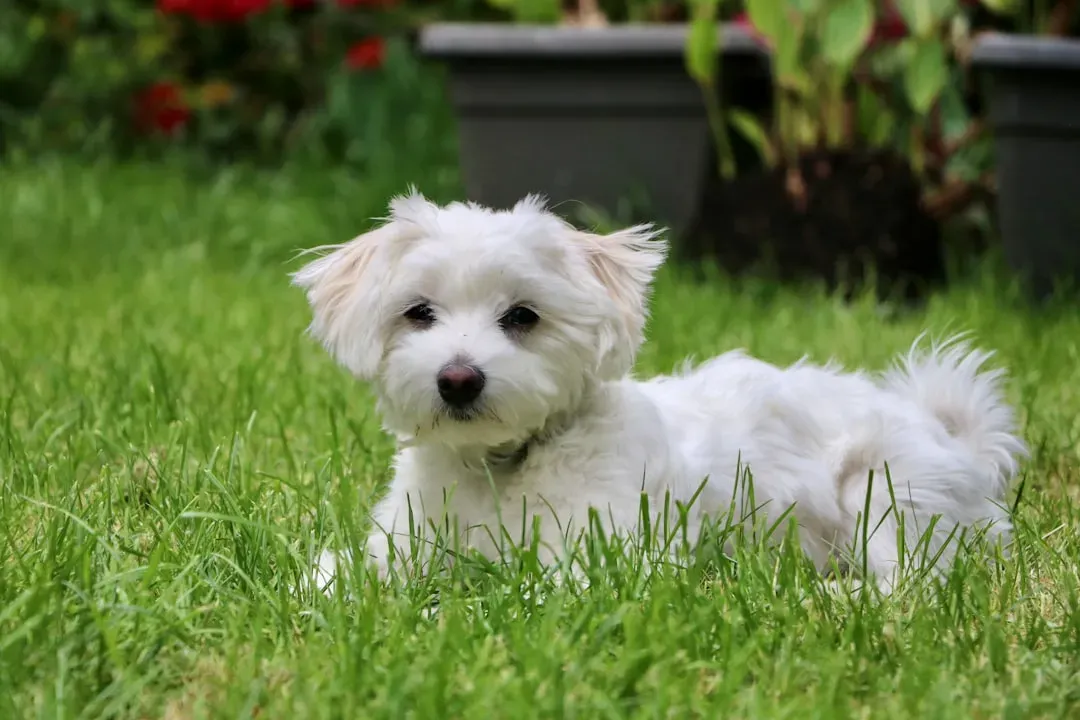
The Maltese is a sweet, gentle dog that is deeply devoted to its owner. Its small size makes it easy to manage, and it can thrive in smaller living spaces. Maltese dogs have a calm demeanor, which makes them excellent companions. They enjoy short walks but are also content spending quiet time at home, and while they require regular grooming, their manageable size makes this task easier.
At around 7 pounds, Maltese make devoted lapdogs that often live well into double digits. They don’t need much exercise, as daily walks or playing in a fenced-in yard should be enough. Owners can keep the hair short for lower maintenance, which is a practical option that dramatically cuts down on grooming time and professional costs. Few breeds manage to be this affectionate while asking so little in return.
6. Pug – Low Activity, High Personality
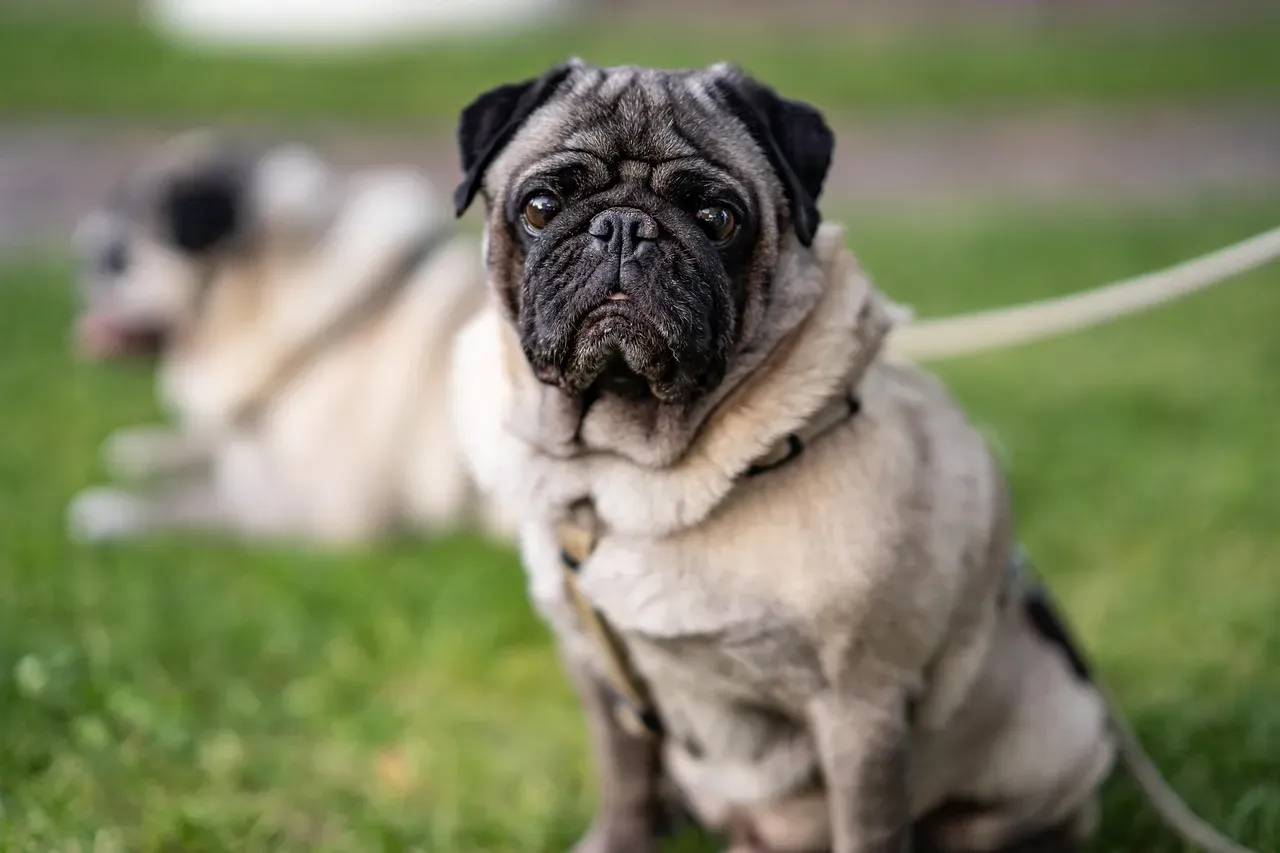
For seniors who worry about the physical demands of dog ownership, Pugs are about as low-maintenance as a dog can possibly be. This friendly, affectionate breed has great energy and enthusiasm for life, though as a flat-faced breed, the Pug does not do well in excessive heat or with intense exercise. A gentle stroll and a comfortable couch are genuinely all a Pug asks for.
Pugs are among the best dogs for seniors who prefer to curl up on the sofa with their beloved furry friend by their side. Pugs gain weight rapidly, and obesity dramatically worsens their breathing problems. Measuring food portions precisely, resisting overfeeding treats, and maintaining even modest daily walks keeps weight manageable. Keep a close eye on their diet and their health stays solid, which keeps vet costs predictable and avoidable emergencies rare.
7. Chihuahua – Maximum Personality, Minimum Cost
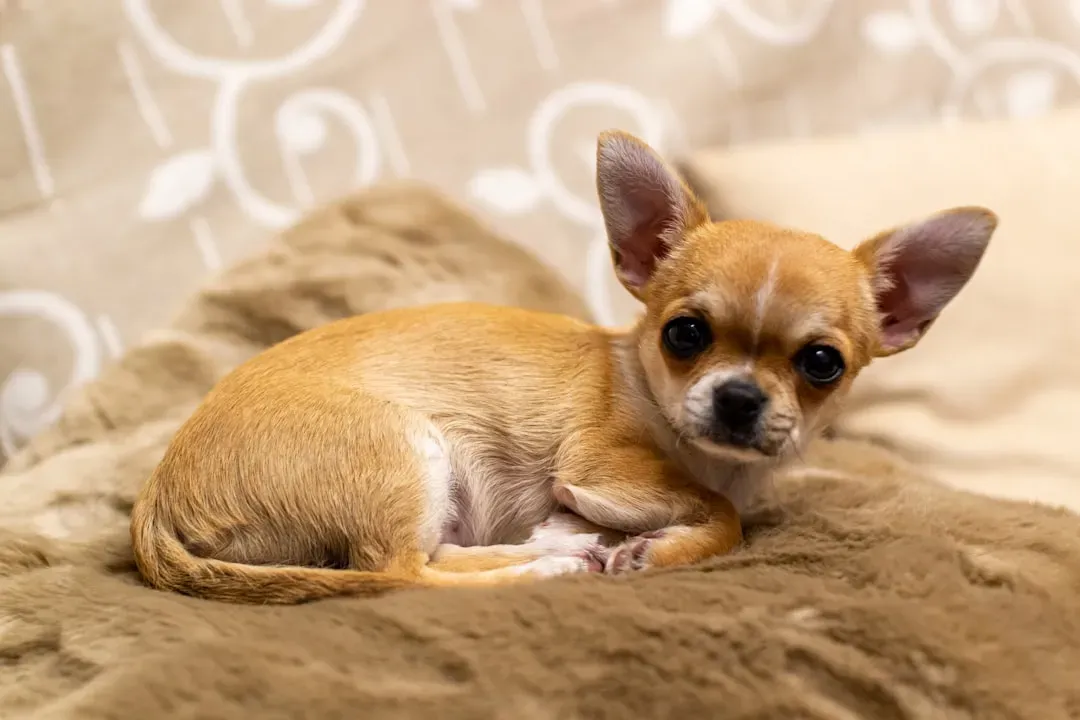
Chihuahuas are small and full of personality. These affectionate dogs form strong bonds with their owners and are fiercely loyal. They are ideal for individuals who prefer a lightweight dog. While Chihuahuas enjoy light exercise, they also love to relax with their owners, making them excellent companions for older adults seeking a lap dog.
One of the oldest breeds in the Americas, Chihuahuas are known for their tiny stature and big personality. Although they usually don’t weigh more than 6 pounds, Chihuahuas tend to have the attitude of a much larger dog. Coats can be short or long, and neither type requires much maintenance, though the long-haired variety may need a little more attention. From a purely financial standpoint, a smaller dog generally means smaller food bills, smaller medication doses, and smaller everything – a meaningful advantage on a fixed income.
8. Miniature Schnauzer – The Alert, Affectionate Watchdog
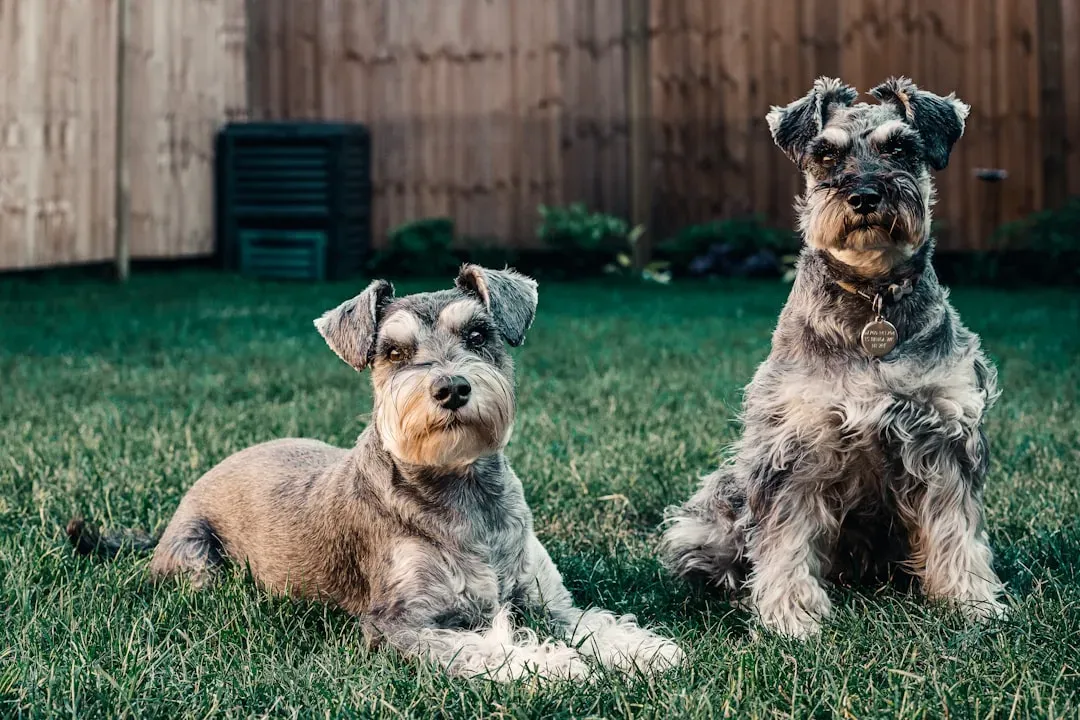
If you want a dog that’s equal parts companion, protector, and entertainer without the physical demands of a larger breed, the Miniature Schnauzer is an extraordinary fit. Weighing 11 to 20 pounds with a sturdy, well-proportioned build, these dogs combine the alertness of a terrier with the trainability of a working breed. They’re genuinely useful around the house in a way that makes seniors feel safer and more engaged.
These dogs have an unmistakably recognizable build, an adaptable attitude, and are ultimately smart, vigilant, and independent, yet affectionate dogs that require moderate regular grooming and have a highly vocal and outgoing personality that will help you break out of your shell and isolation. Picking up on training quickly is an important quality, and having a dog with an easy-to-manage coat means less work and less dog hair in your living space. The Miniature Schnauzer delivers on all these fronts without costing a fortune to maintain.
9. Greyhound – The Surprising Couch Potato of the Dog World
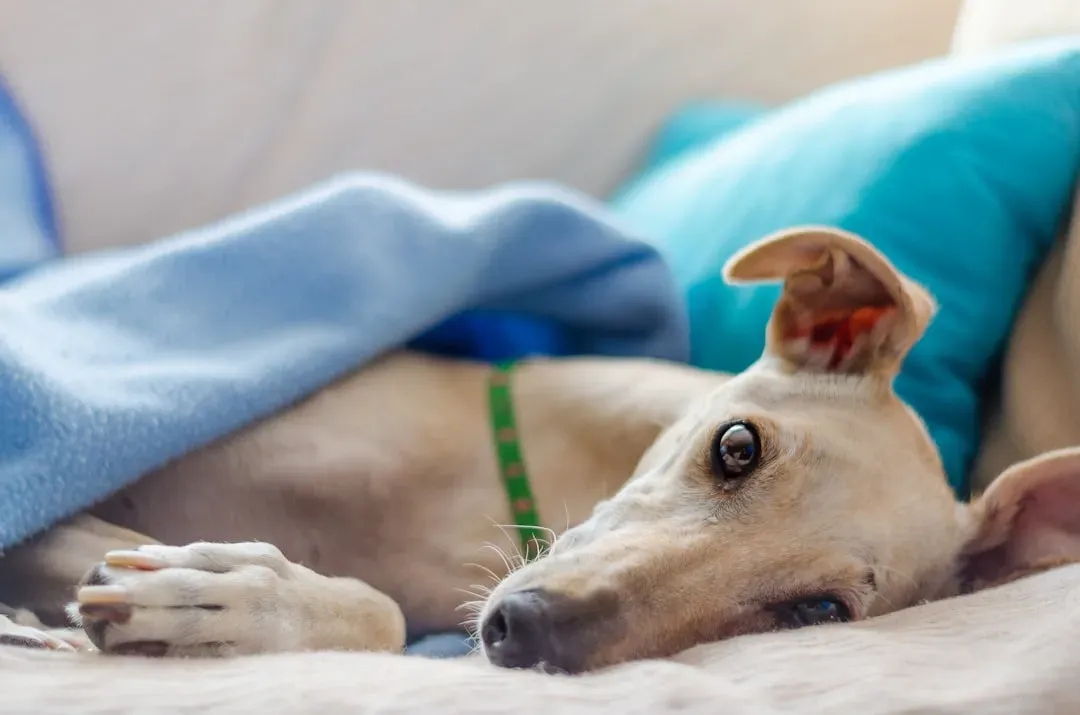
Surprisingly, Greyhounds are among the most low-maintenance large breeds. Known as couch potatoes, they enjoy lounging indoors but appreciate a daily walk. Their calm nature makes them wonderful for retirees seeking a peaceful companion. Most people assume a racing dog needs constant action. The reality is almost the opposite.
The Greyhound is surprisingly relaxed and loving. Although bred as a racing dog, people might be surprised to learn that it is actually a couch potato. While a greyhound may seem counterintuitive because you think they’re just going to be runners, they are also gentle, affectionate dogs that are the perfect garden companion. Many retired racing Greyhounds are available for adoption at low or no cost through rescue organizations, which makes them an especially budget-conscious choice for seniors who want a larger, dignified companion.
10. Havanese – Cuba’s Gift to the Senior Companion Dog World
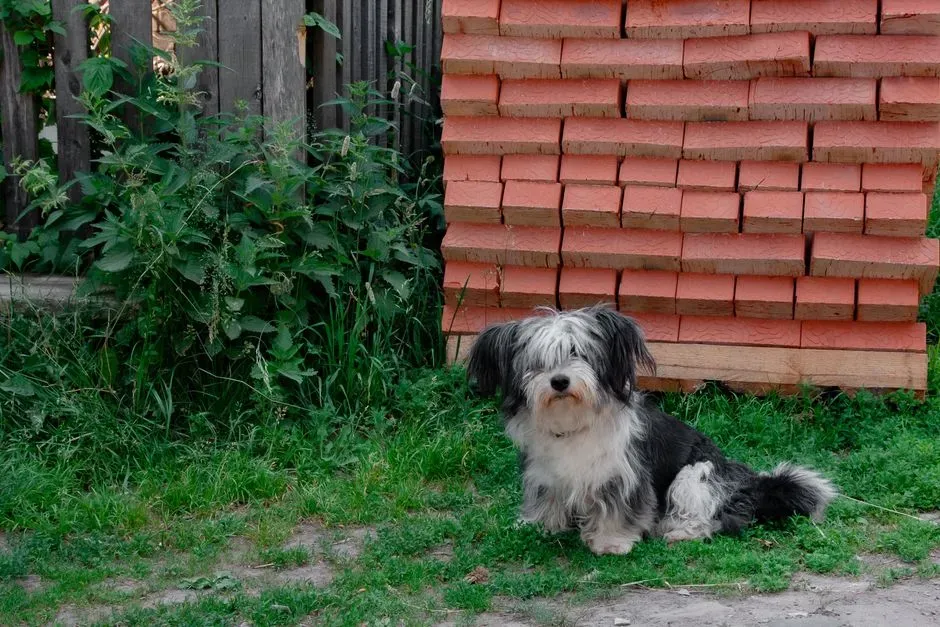
The only breed native to Cuba, the Havanese is a cheerful, quiet little dog described as happy, loving, intelligent, social, and accommodating. They’re content to stay inside and snuggle with their humans and will play patiently with children. Havanese don’t require much exercise but are happy to take occasional short walks.
Havanese are known to be extroverted, intelligent, and funny. Their aptitude for comedy makes it easy for them to learn tricks to entertain their owners. If you regularly leave home for extended periods, a Havanese may become distressed from separation anxiety. This breed truly needs someone who is home most of the day, which for many retirees is precisely the situation. For seniors who are home often and simply want a warm, entertaining presence nearby, the Havanese is close to perfect.
The Bottom Line: Match the Dog to Your Real Life
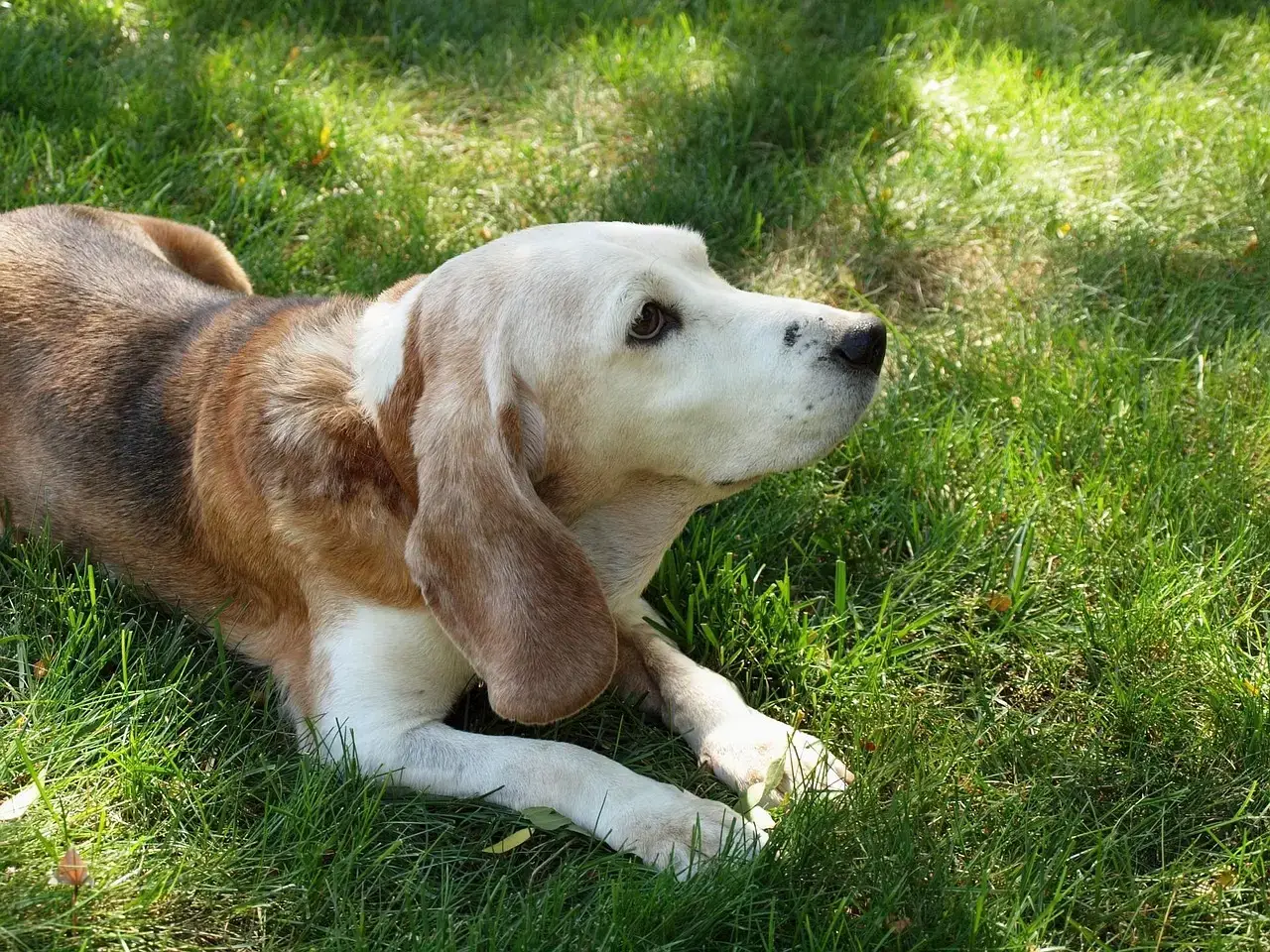
The easiest dogs for seniors share four traits: low-to-moderate exercise needs that can be satisfied with short daily walks; a calm, patient temperament that doesn’t escalate with boredom or frustration; a manageable size and leash strength that poses no fall risk; and a coat that doesn’t require daily brushing. Every breed on this list checks most of those boxes, but no list substitutes for honest self-assessment.
When considering dog ownership, older adults should look into adopting an adult dog rather than a puppy. Puppies require a lot of energy, training, and patience, which may not be ideal for older adults. Adult dogs are often calmer and already trained, making them easier to manage. Senior dogs often align beautifully with the lifestyles of senior humans, tending to be calmer, usually house-trained, and with personalities fully developed, which makes it easier to find a compatible match.
Here’s the honest opinion: the financial piece matters, but the temperament match matters more. A dog that fits your pace doesn’t just cost less in stress and vet bills – it gives more. More presence, more routine, more quiet joy on an ordinary Tuesday. Senior dog owners walk an average of 22 more minutes per day compared to seniors who do not own dogs, and seniors who own pets are significantly less likely to report feeling lonely than their non-pet-owning peers. That’s not a minor footnote. That’s the whole point.
Choose the breed that suits your actual life – not the life you imagine having. The right dog will meet you exactly where you are.
