
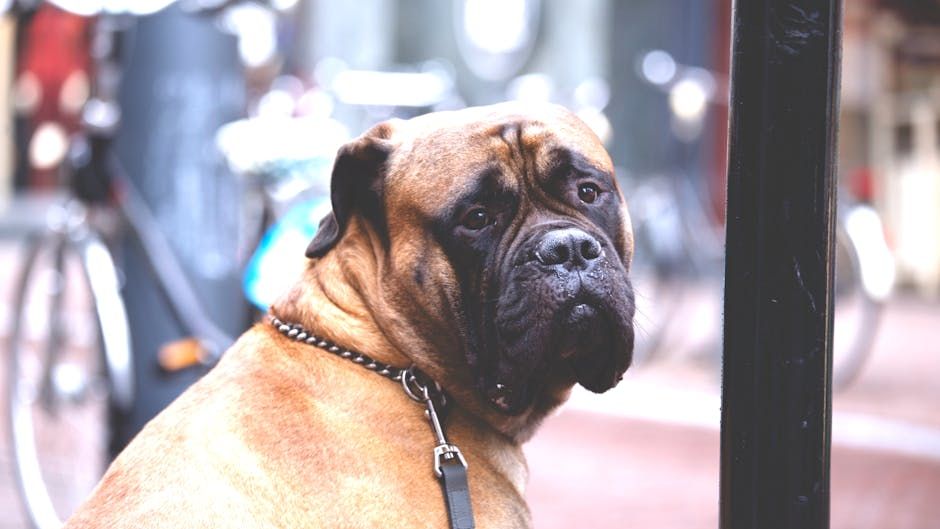
There’s an old assumption that any dog in the house equals a safer house. Stick a dog by the front door, and burglars will think twice. The reality, though, is a lot more nuanced than that. Not every breed comes equipped with the instinct to stand between you and a threat. Some were built for exactly that job, shaped by centuries of selective breeding to be watchful, territorial, and physically imposing. Others were bred to do the precise opposite: love everyone, trust everyone, and assume that any stranger who walks through the door must be a friend.
This isn’t about one type of dog being better than another. It’s about understanding what your dog was actually bred to do. Knowing that difference could matter more than you think.
#1. German Shepherd – The Gold Standard of Home Protection
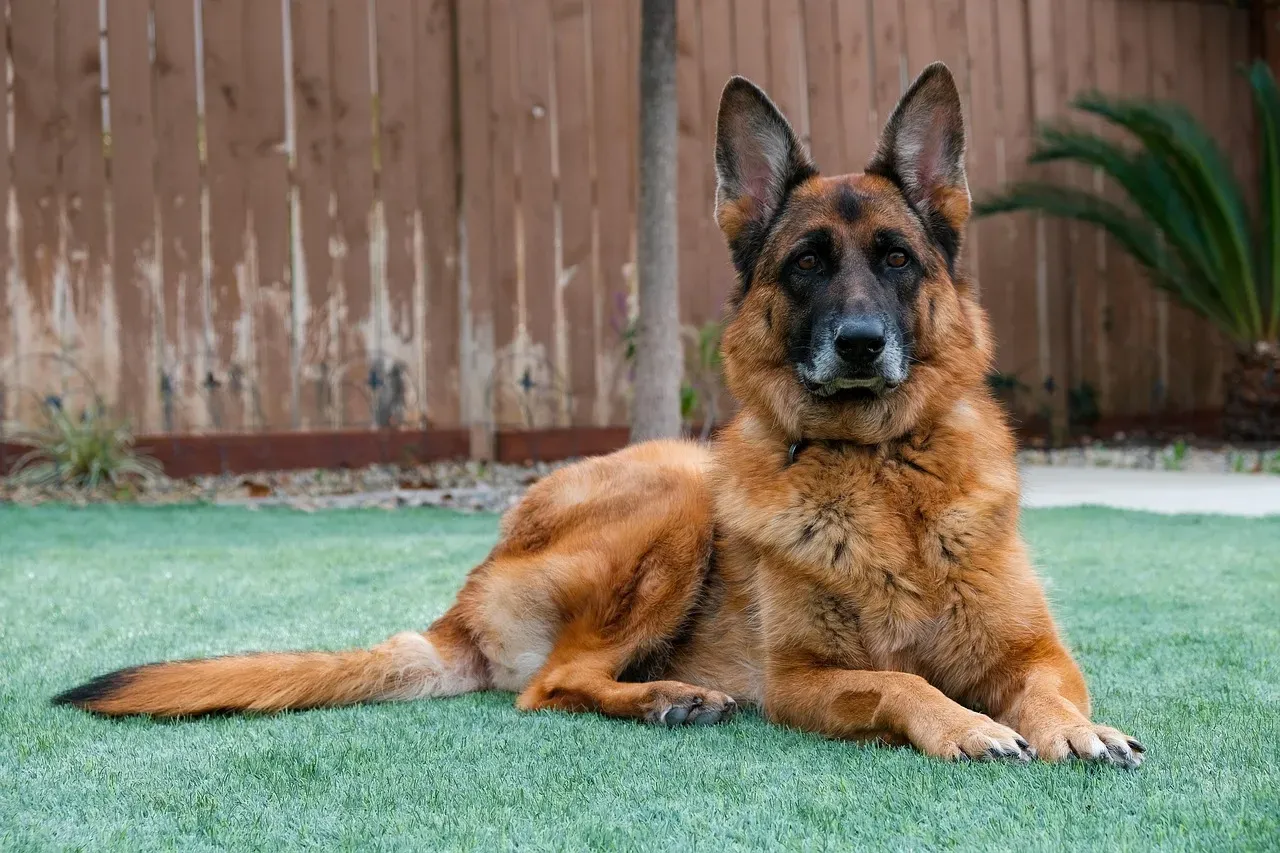
German Shepherds are one of the most popular guard dog breeds worldwide, and their reputation isn’t accidental. Known for their intelligence and courage, they are highly trainable and excel in security and police work. Their ability to read a situation, follow complex commands, and switch from relaxed family companion to alert protector makes them genuinely versatile.
Beyond their impressive guarding instincts, German Shepherds are deeply loyal and affectionate with their families. They thrive on companionship and enjoy being part of family activities, and with proper socialization, they get along well with children and other pets. That balance between warmth at home and vigilance on watch is what keeps them at the top of nearly every protection breed list.
#2. Rottweiler – Calm Until It Counts

Rottweilers are natural guard dogs, extremely affectionate with family but reserved with strangers. They have great protective qualities, yet they remain great family pets when raised in a healthy environment, and proper training and early socialization help shape their natural instincts into effective protection. Their composure is actually one of their strongest qualities. They don’t rattle easily.
Rottweilers are confident, courageous, and naturally protective. They are loyal to their families and can be reserved or even suspicious of unfamiliar people. With the right training, Rottweilers can be taught to remain calm and composed around strangers while still maintaining their role as protectors of the home. That measured temperament, controlled rather than chaotic, is what makes a Rottweiler genuinely effective rather than just intimidating on paper.
#3. Doberman Pinscher – Speed, Loyalty, and an Unmistakable Presence
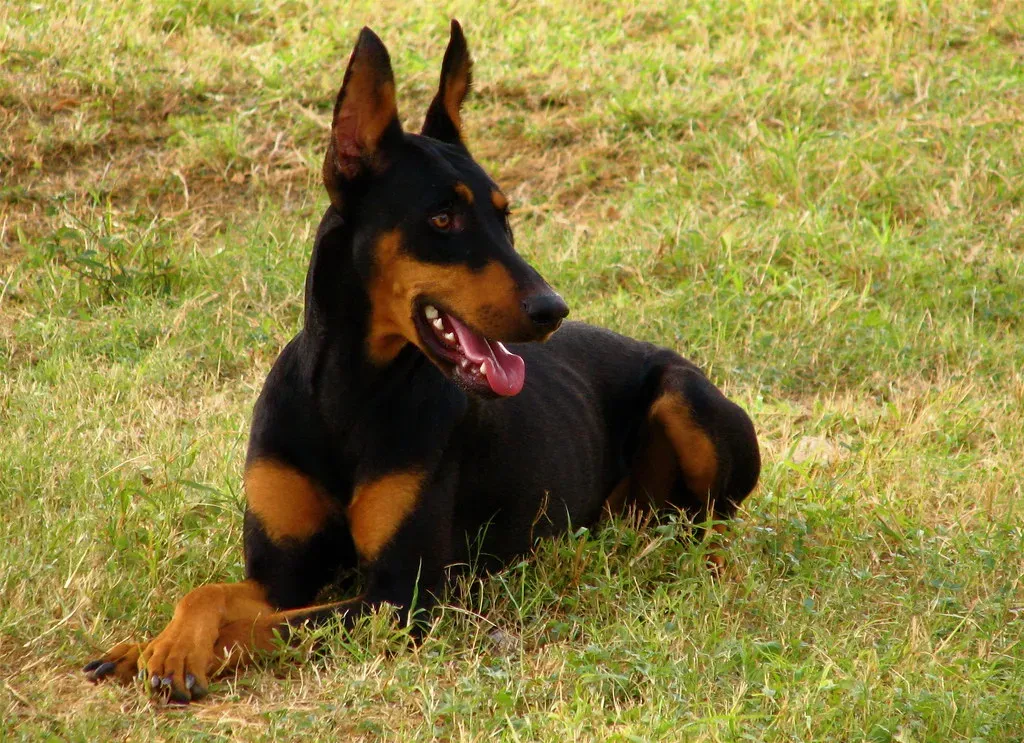
Dobermans are fast, agile, and fiercely loyal. Their sleek appearance and alertness make them intimidating to intruders, and they are intelligent, energetic, and devoted. They thrive with consistent training and exercise. Few breeds combine athleticism with that level of attentiveness. A Doberman notices things most dogs would walk right past.
Dobermans are often described as elegant protectors. Their athletic physique and sharp instincts make them one of the most effective guard dogs. However, their reputation for toughness often overshadows their affectionate nature, and they are deeply devoted to their families and thrive on human interaction. Off duty, they’re often playful and surprisingly goofy. That duality is part of what makes them so adaptable as both a companion and a guardian.
#4. Belgian Malinois – The Working Dog’s Working Dog
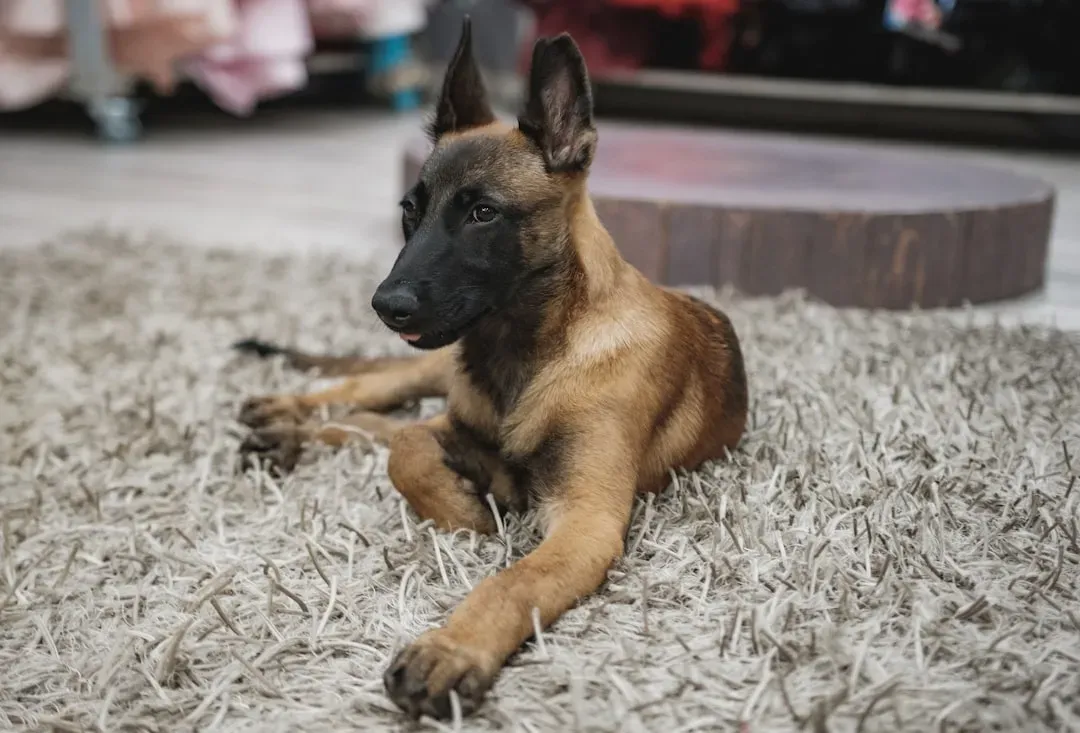
Fast, agile, and incredibly intelligent, the Belgian Malinois is widely employed in police and military operations. Their quick decision-making ability makes them exceptional in high-pressure situations, and they rely on speed and precision rather than sheer strength. It’s no coincidence that they’ve become the preferred breed in many of the world’s top law enforcement agencies.
Belgian Malinois are often used in military and police work due to their high energy and intelligence. They require regular exercise and mental challenges to stay focused, and these dogs form strong bonds with their handlers and are known for their unwavering loyalty. That said, this isn’t a breed for the casually interested. They have high energy and require experienced owners and ample exercise to stay balanced and reliable.
#5. Bullmastiff – The Silent, Immovable Guardian
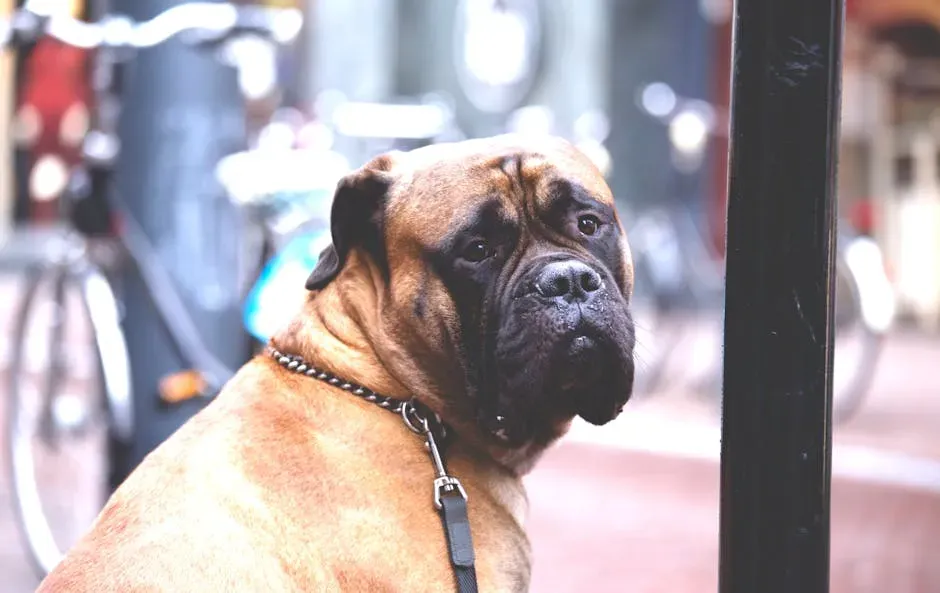
Bullmastiffs were originally bred to guard estates, and they have a natural ability to apprehend intruders without excessive force. Their calm demeanor makes them suitable for families, but they need early socialization to ensure they are well-adjusted. The breed’s history as a gamekeeper’s companion, tasked with silently tracking and pinning poachers, is written into its temperament.
Bullmastiffs are known as natural guardians. They are calm, confident, and incredibly protective of their families. Unlike some breeds, they don’t bark unnecessarily, but when danger arises, they spring into action. Despite their size, Bullmastiffs are gentle, affectionate, and patient with children and are surprisingly adaptable to both large homes and apartments. For families who want serious protection without constant noise or drama, a Bullmastiff is a hard breed to argue against.
#6. Akita – Dignified, Devoted, and Deeply Wary of Strangers
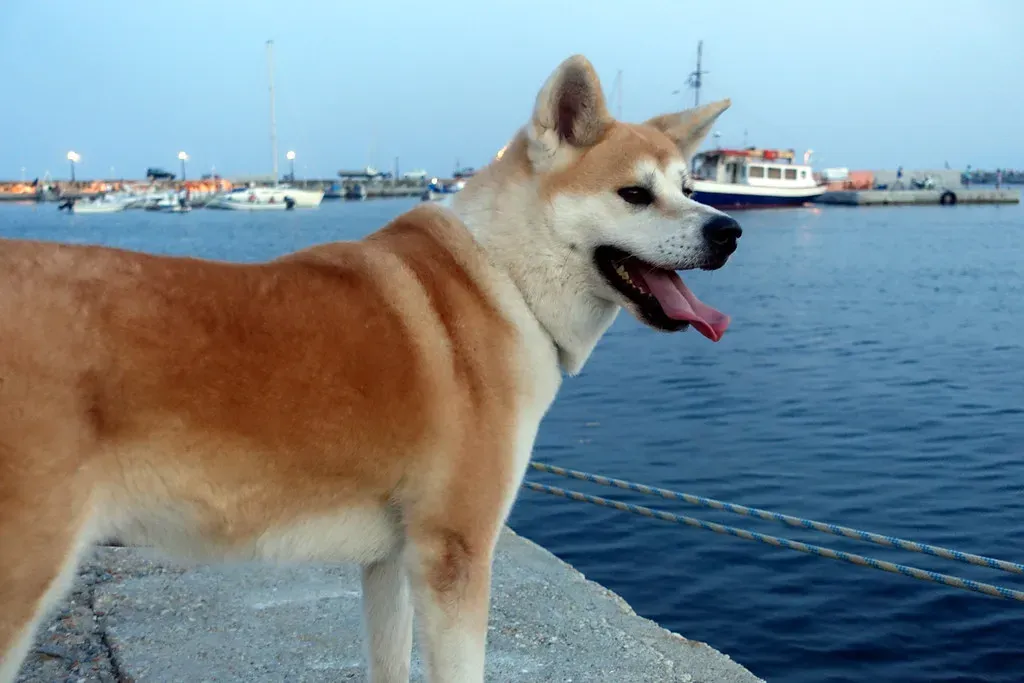
The Akita is a large dog breed from Japan and one of the most ancient breeds. Used for hunting, personal protection, military use, and companionship, they are known as one of the most loyal and protective dog breeds. That ancient heritage shows up in everything from their bearing to their instinctive wariness around people they don’t know.
Akitas are revered in Japanese culture as symbols of loyalty and protection. They are naturally wary of strangers but form unbreakable bonds with their families. Akitas are quiet, dignified, and affectionate at home, and their protective instincts make them excellent watchdogs while their calm and loyal nature ensures they fit well into family life. They’re not showy about protection. They simply mean it.
#7. Cane Corso – Born to Be a Bodyguard
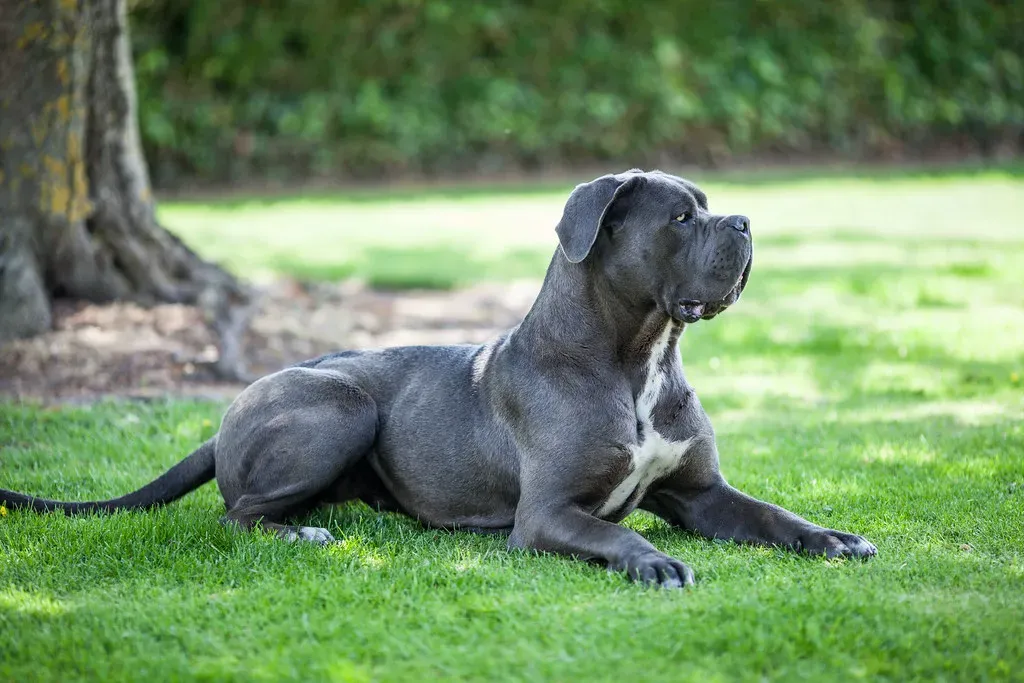
Translated from Latin, Cane Corso means “bodyguard dog,” and it has been bred to be devoted to its family. Also known as Italian Mastiffs, these dogs are enormous, often weighing more than 100 pounds, and their short, stiff coats lend to their imposing appearance. The sheer physical presence of a Cane Corso is enough to make most people reconsider their next move.
The Cane Corso is a powerful, protective breed that is naturally wary of strangers. Originating in Italy, they were bred as guard dogs and hunters, known for their loyalty and courage. Cane Corsos are loyal to their families and can be suspicious of anyone outside their immediate circle, and this natural wariness makes them excellent protectors, but it also means they need proper training and socialization. This is not a casual pet. It’s a commitment to an animal that takes its job seriously.
#8. Rhodesian Ridgeback – The Quiet Protector
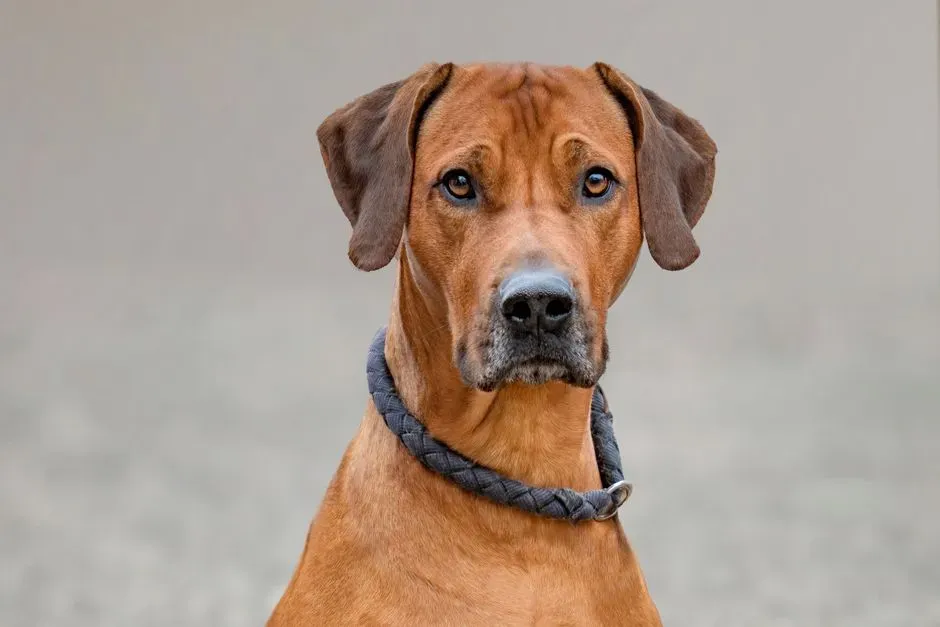
Originally bred to hunt lions in Africa, Rhodesian Ridgebacks can be easily recognized by a ridge of hair growing in a direction opposite to the rest of their fur. They are loyal and affectionate dogs with natural guarding instincts, perceptive of dangerous situations, and known to be great guard dogs. While they form strong bonds with their humans, they tend to dislike strangers and are highly territorial.
Bred for endurance and resilience, the Rhodesian Ridgeback is a protector with a history rooted in hunting large game. Their independent nature allows them to assess threats on their own, making them highly effective guard dogs. Unlike more aggressive breeds, they rely on their imposing presence and keen awareness to deter intruders. They won’t make a scene out of nothing, but they won’t back down from something real either.
#9. Golden Retriever – Security’s Biggest Let-Down (And Nobody Minds)

Golden Retrievers are one of the most friendly and sociable breeds, known for their love of people. This trait, while endearing, makes them unsuitable for guarding. They tend to greet strangers with enthusiasm rather than suspicion, lacking the protective demeanor needed for a guard dog. The Golden Retriever doesn’t do suspicion. It does joy, and it applies that equally to everyone who walks through the door.
The Golden Retriever is a high-energy breed that needs plenty of grooming, exercise, and stimulation. They are fine with strangers, and because of this, make terrible guard dogs. They’d much rather invite everyone in. Genuinely one of the most beloved family dogs alive, they’d likely show a burglar where you keep the good stuff if asked nicely enough.
#10. Labrador Retriever – The World’s Friendliest Security Liability
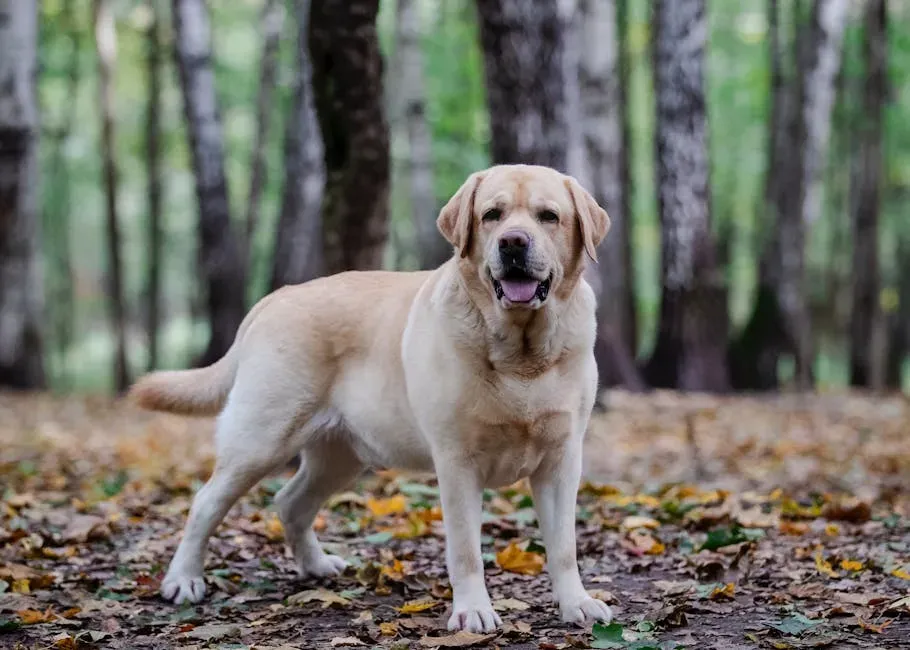
Labrador Retrievers are one of the most popular dog breeds in the world, known for their friendly, outgoing, and gentle nature. These dogs excel in roles such as service dogs, therapy dogs, and family pets, but their lack of aggression makes them poor guard dogs. Labradors are known for their love of people and their friendly disposition towards strangers, and they do not possess the natural guarding instincts required to protect a home.
Labrador Retrievers are known for their friendly and outgoing nature. They are one of the most popular family pets due to their sociable and loving temperament, which unfortunately does not translate well into a guarding role. They are more likely to welcome an intruder with a wagging tail than a protective stance. Lovable, loyal to everyone, and completely committed to the idea that the world is full of friends. An intruder might actually leave with a new best buddy.
#11. Cavalier King Charles Spaniel – The Ultimate Welcome Committee
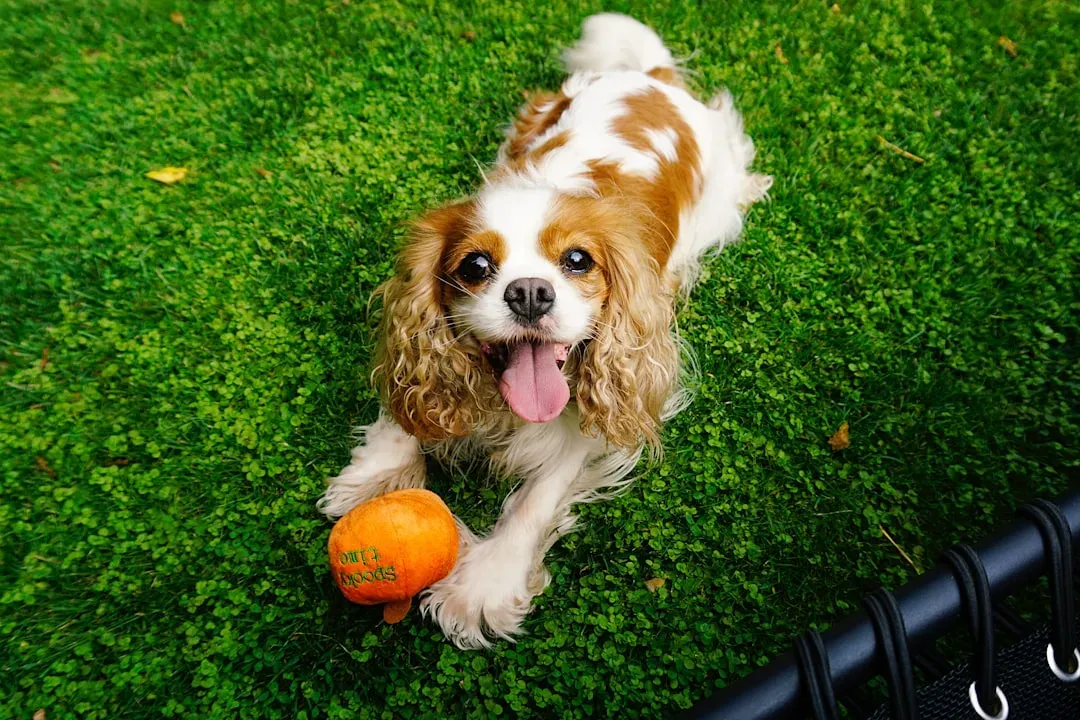
The Cavalier King Charles Spaniel is a small, affectionate breed known for its friendly and gentle nature. These dogs are often described as “lap dogs” due to their love of cuddling and being close to their owners. While they are excellent companion animals, their friendly disposition makes them poor guard dogs. They are generally welcoming to strangers and do not possess the protective instincts required to guard a home, and are more likely to seek attention and affection from visitors rather than act as a deterrent.
Cavalier King Charles Spaniels are known for their affectionate and friendly nature. They are typically very sociable and welcoming to strangers, lacking the suspicion or protective instincts necessary for a guard dog. Their small size and gentle demeanor make them more suitable as companion pets than protectors of a home. Absolutely wonderful dogs, just not ones you’d rely on to deter anything more threatening than a butterfly. And honestly, that’s perfectly fine.
The Bigger Picture: Instinct Meets Responsibility
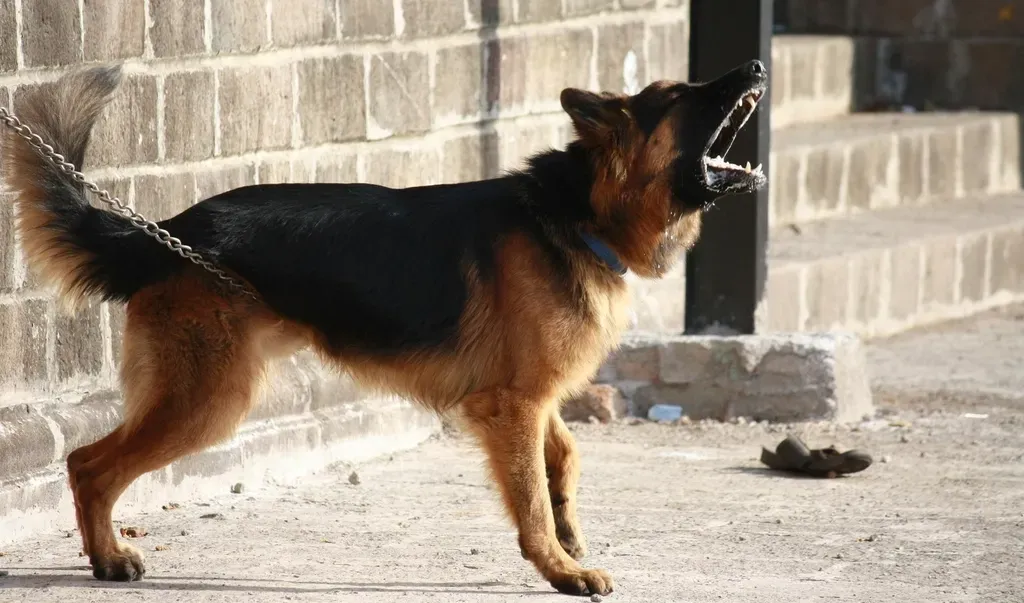
While watchdogs will simply bark or otherwise alert their people to perceived intruders, guard dogs have a protective instinct for their families, honed over hundreds of years, and they will bite or otherwise defend against threats. That distinction matters enormously when you’re making a choice about which breed belongs in your home.
Guardian breeds tend to be loyal, fearless, strong, and watchful. If you want a breed that will not only alert you when a visitor arrives but will also intuitively know when to protect you from a dangerous situation, then guardian breeds are for you. The flip side is that these breeds need proper training and socialization due to their strength and size. A powerful dog without proper guidance isn’t protection. It’s a liability.
Choosing a dog for security is ultimately a long-term relationship built on training, structure, and respect. The breeds that will genuinely stand between you and danger are the same ones that need the most from their owners in return. That trade-off, demanding but deeply rewarding, is probably the most honest thing about the whole arrangement.

- What Park Rangers Wish Visitors Understood About America’s Quietest Parks: 18 Overlooked Places - August 18, 2026
- 13 Things Shelter Workers Say Reveal Everything About How a Dog Was Raised - August 18, 2026
- 19 Hummingbird Behaviours Researchers Say Almost Nobody Ever Notices Happening in Their Own Garden - August 18, 2026