
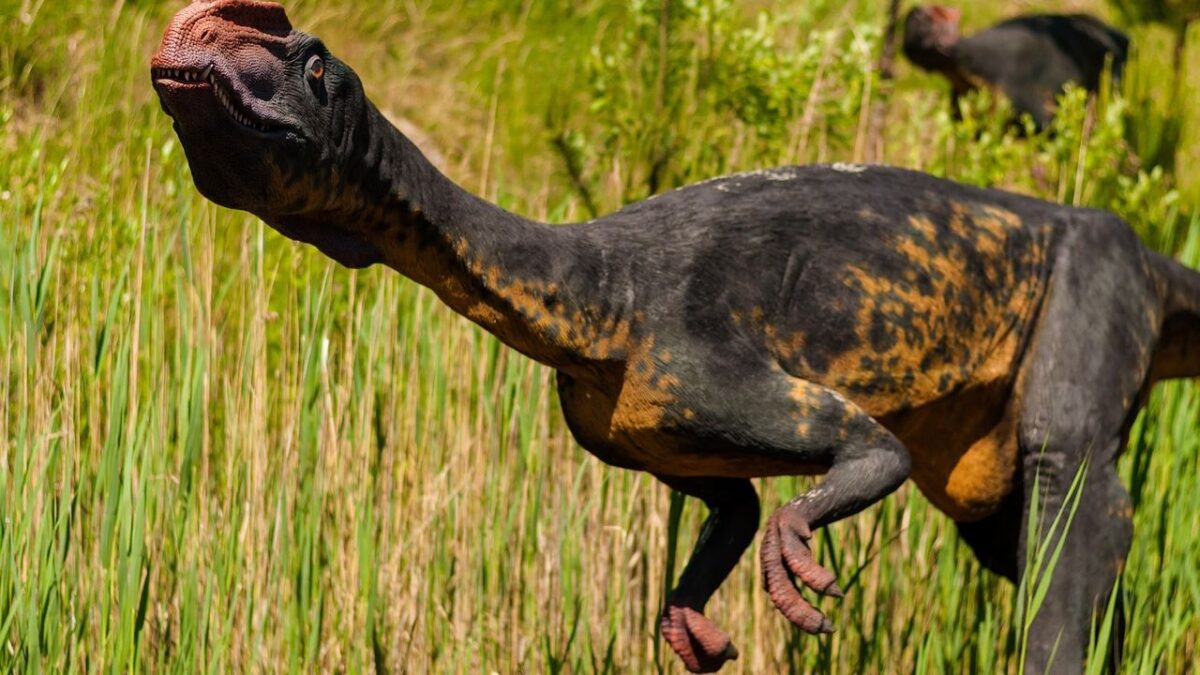
Few things in paleontology spark more debate, more jokes, and more genuine bewilderment than T. rex’s arms. They look almost absurd on an animal that size – a creature that could bite through bone, that weighed several tons, that terrorized the late Cretaceous landscape for over a million years, yet somehow sported forelimbs shorter than those of an average adult human.
One of the largest terrestrial predators ever known was famous for its immense scale and powerful bite force, yet possessed forelimbs that were strikingly short in proportion to its body – a feature that has puzzled paleontologists for over a century. Now, a major new study is offering the most compelling structural explanation we’ve seen yet. It doesn’t quite close the case. But it gets closer than anything before it.
#1: Just How Small Were Those Arms, Really?
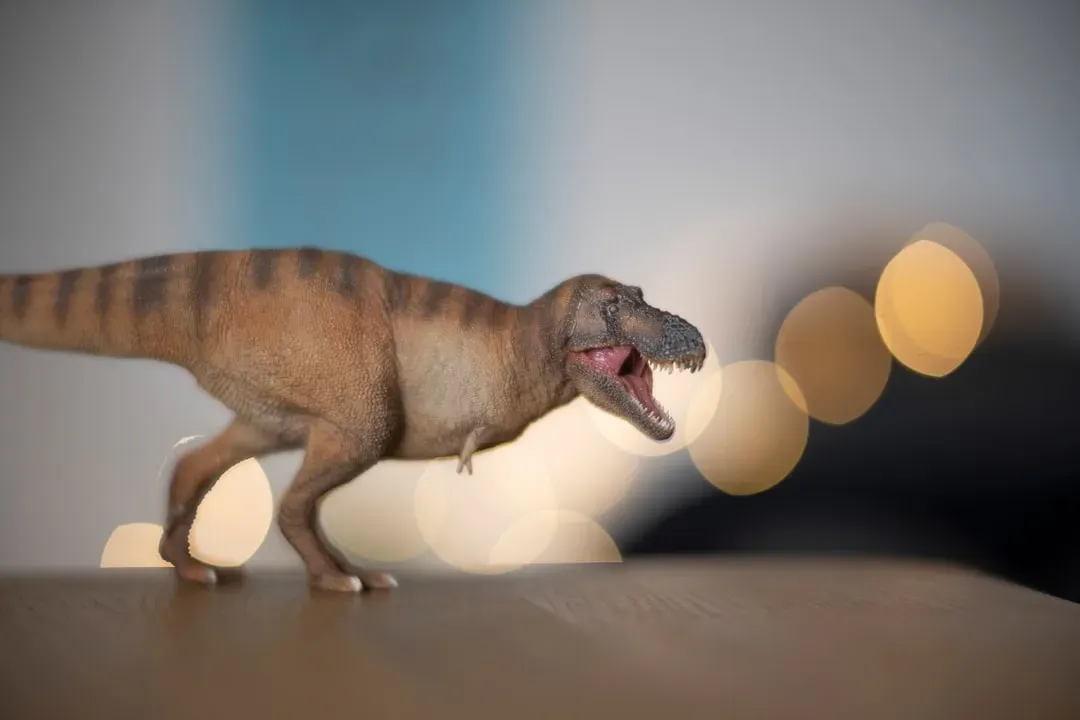
The sheer scale of the disproportion is worth sitting with for a moment. The biggest T. rex specimens could measure up to 45 feet from snout to tail, yet their arms were only about 3 feet long – and on average, those arms were just about 30 percent of the length of the dinosaur’s legs. To put that in human terms, that’s genuinely jarring.
In comparison, humans have arms that are, on average, around 66 percent of the length of their legs. If people had the same proportions as a T. rex, a six-foot-tall person would have arms only 10 to 12 inches long. That’s roughly the length of a standard ruler. On a person. Reaching nowhere near the face.
The forelimb of T. rex measured approximately one meter in length on a specimen whose body spanned over twelve meters – meaning the arm was less than half the length of the dinosaur’s massive skull. That single comparison captures the strangeness of it better than almost anything else could.
#2: The New Theory – It’s All About the Head
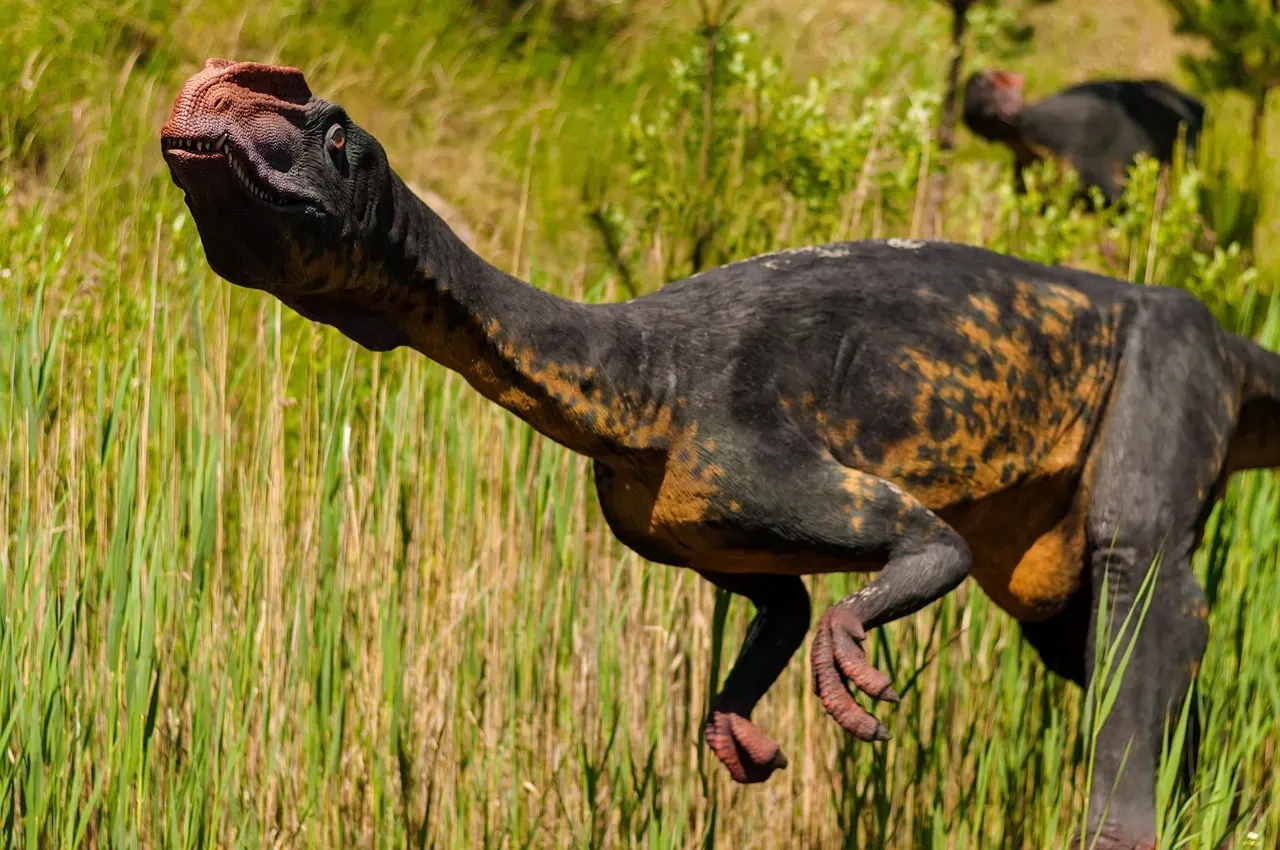
A new study led by researchers at UCL and Cambridge concluded that the evolution of tiny arms in several groups of meat-eating dinosaurs was likely driven by the development of strong, powerful heads, which were used to attack prey. The study, published in the journal Proceedings of the Royal Society B, looked at data for 82 species of theropod dinosaurs. That’s a substantial sample – enough to identify real patterns rather than isolated coincidences.
The team found that smaller arms were closely linked to the development of large, powerful skulls and jaws, more so than to larger overall body size, indicating that tiny arms were not just a by-product of bodies getting bigger. That’s the key distinction. Previous assumptions had leaned on simple scaling – bigger animal, proportionally smaller limbs. This research pushes back on that idea directly.
Across multiple dinosaur groups, stronger skulls and crushing jaws evolved alongside shrinking forelimbs, especially in predators hunting enormous prey. In other words, once the bite became deadly enough, the arms may have simply stopped mattering. Evolution rarely keeps what it no longer needs – and in T. rex’s case, the head had taken over entirely.
#3: The Prey Got Bigger, and the Jaws Did the Heavy Lifting
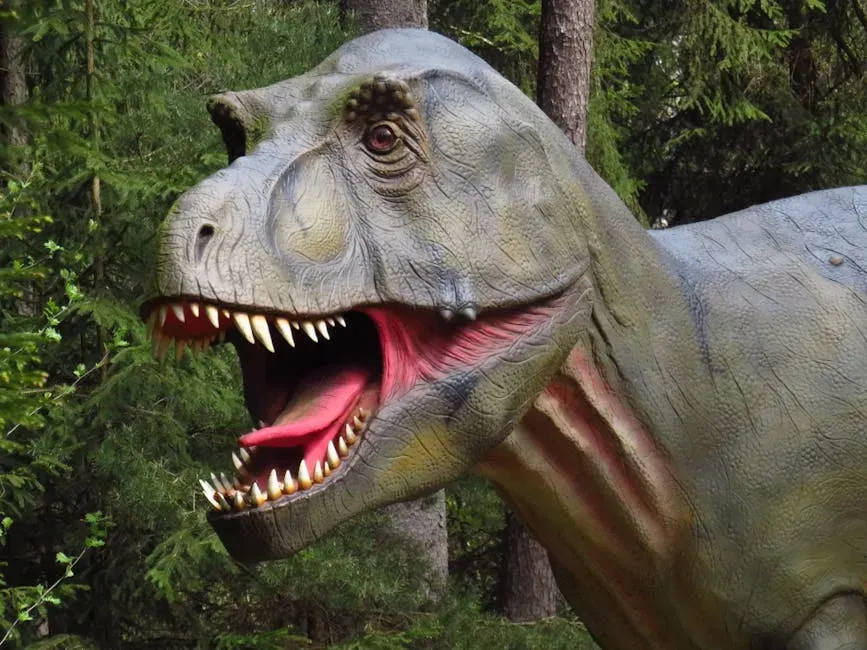
The study suggests that as their prey grew bigger, tyrannosaurs and other large predatory dinosaurs evolved to use their powerful jaws as their primary weapon. This shift in hunting strategy is central to understanding why the arms shrank the way they did – it wasn’t random, and it wasn’t passive.
The researchers suggested that the increasing size of prey, in the form of gigantic sauropods and other large herbivores, may have driven this evolutionary shift. When you’re hunting an animal that can weigh thirty or forty tons, a set of grasping claws becomes almost irrelevant. What matters is the skull, the jaw, and the force behind the bite.
Tyrannosaurus rex possessed one of the strongest bite forces ever recorded in a land animal – jaws that could crush bone with enormous pressure, making the head its main weapon during hunting. As the skull and neck muscles grew larger over millions of years, the arms may have become less essential. The body, in effect, was reorganizing its priorities. Resources flowed toward what worked.
#4: This Happened More Than Once – and That’s Significant
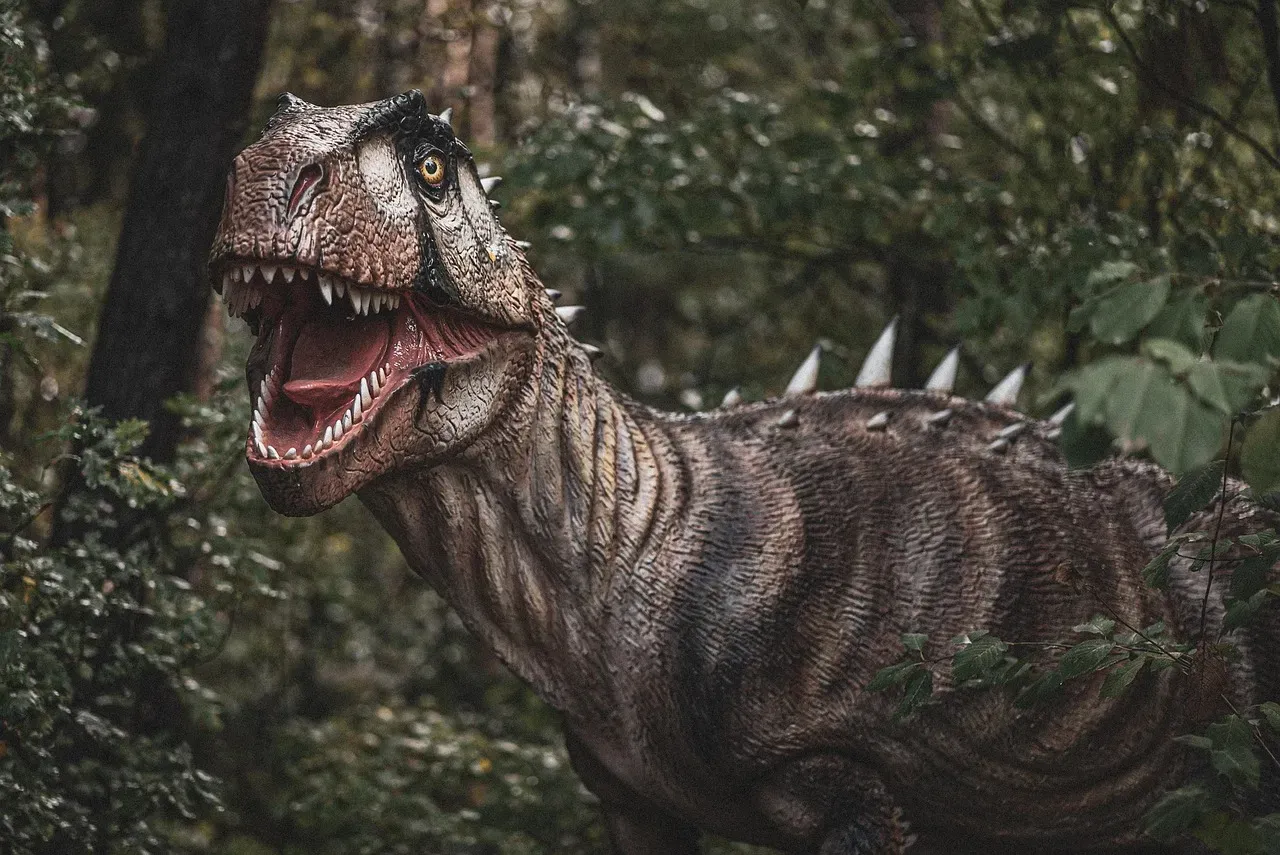
The scientists found that reduced forelimbs evolved independently in at least five dinosaur lineages, including tyrannosaurids, the group that included T. rex. When something happens repeatedly across separate evolutionary branches, it stops looking like an accident and starts looking like a strategy – or at least a reliable outcome.
The fossil record reveals that arms got shorter as theropod skulls got larger across many different dinosaur groups, including T. rex, and larger skulls likely made it easier to hunt and eat larger prey. The consistency of this pattern across unrelated lineages is what gives the new research its real weight. It’s convergent evolution making the same trade-off, again and again.
This proportional reduction is an example of allometry, where different parts of an organism grow at different rates relative to overall body size, and this pattern of a large head and reduced forelimbs is observed in other unrelated giant theropods, indicating convergent evolution toward a successful strategy for large, hyper-carnivorous dinosaurs. Multiple experiments in deep time, all arriving at the same answer.
#5: Were the Arms Actually Useless – or Just Misunderstood?
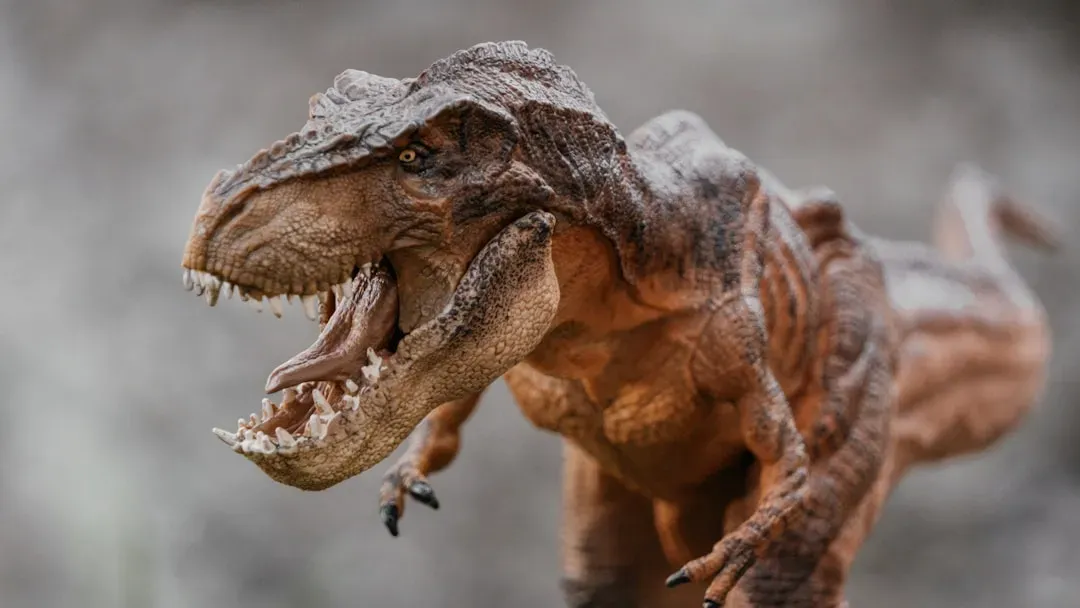
The scientific debate is broadly divided between hypotheses suggesting the small arms maintained an active, necessary function and theories proposing the limbs were simply reduced by evolutionary pressures acting elsewhere on the body. Neither camp has definitively won that argument, though the new research tilts the scales in a specific direction.
Detailed studies of T. rex fossil specimens show that the forelimb bones are not mere scraps of aborted development – the curvature, robust muscle attachments, and joint structures suggest specialized use, and comparative studies with related theropods indicate that while the arms shrank, they retained functional qualities. They were small, but they were not structureless.
Scientists have suggested the dinosaurs may have used their arms to help lift themselves off the ground after resting, hold on during mating, or viciously slash at prey. Others hypothesize that T. rex evolved short arms so they wouldn’t accidentally be bitten off by frenzied relatives around the dinner table. That last idea sounds almost comic, but it has a real logical basis – and it speaks to how creatively researchers have had to think to explain this particular feature.
What the Evidence Actually Tells Us Now
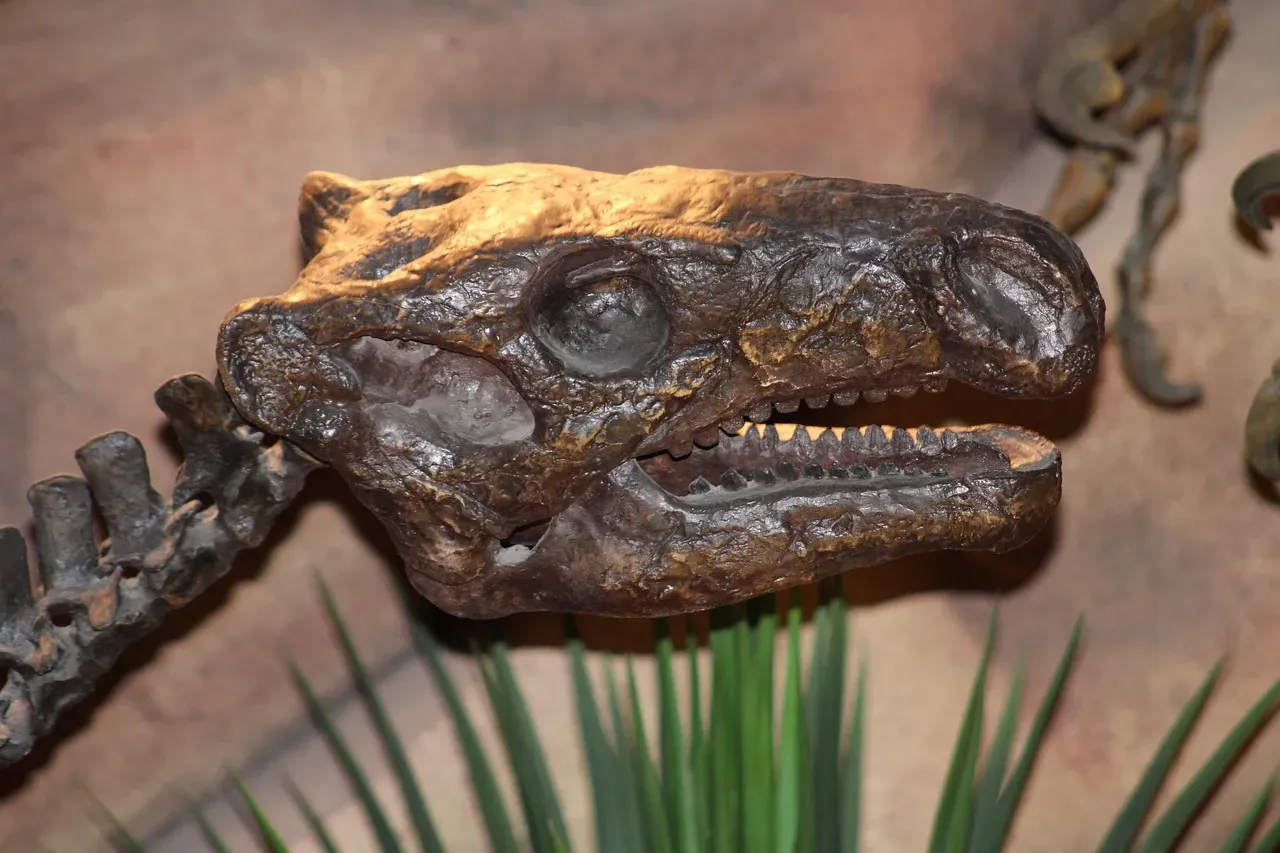
The evolution of tiny arms in several groups of meat-eating dinosaurs was likely driven by the development of strong, powerful heads used to attack prey, reflecting a shift to using the head as the primary predatory tool, especially for subduing large prey, with different groups achieving reduced forelimbs through varied developmental pathways. The headline finding, then, is not that the arms shrank in isolation – it’s that the head grew, and the arms followed.
Rather than simply being a side effect of growing larger bodies, the study suggests that shrinking arms were closely connected to the evolution of massive, powerful skulls and jaws. That’s a meaningful distinction from older thinking, and it reframes the question from “what did the arms do?” to “what did the rest of the body become?”
The evolutionary trend toward shorter arms in theropods happened multiple times, and as scientists find new data, they will continue to test hypotheses to better understand why this tiny-arm trend occurred so consistently in theropod evolution. The science here is still genuinely open – and that’s part of what makes it interesting. The T. rex hasn’t given up all its secrets yet. It just might need a few more fossils to finish the story.
