
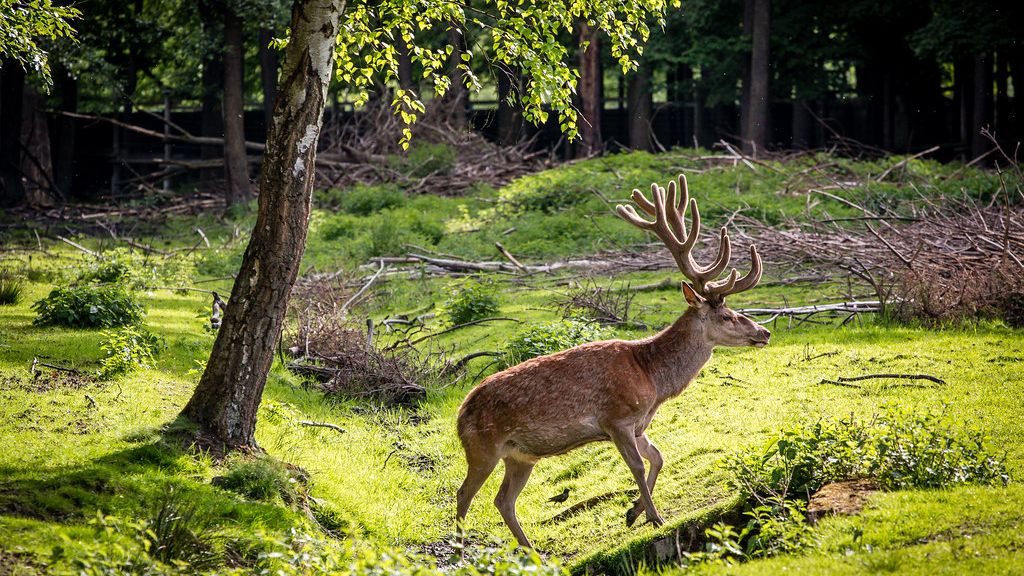
There’s something quietly extraordinary about stepping outside at dusk and finding a deer standing motionless at the edge of your yard. For millions of American homeowners, it’s a moment that feels almost cinematic. The stillness, the eye-shine, the way they vanish so smoothly into the dark.
These visits aren’t random. They’re driven by biology, survival instinct, seasonal pressure, and a complex set of sensory abilities most people never fully appreciate. Understanding what brings deer to your backyard after dark reveals a whole hidden world operating just outside your back door.
#1. Deer Aren’t Actually Nocturnal – They’re Something More Interesting
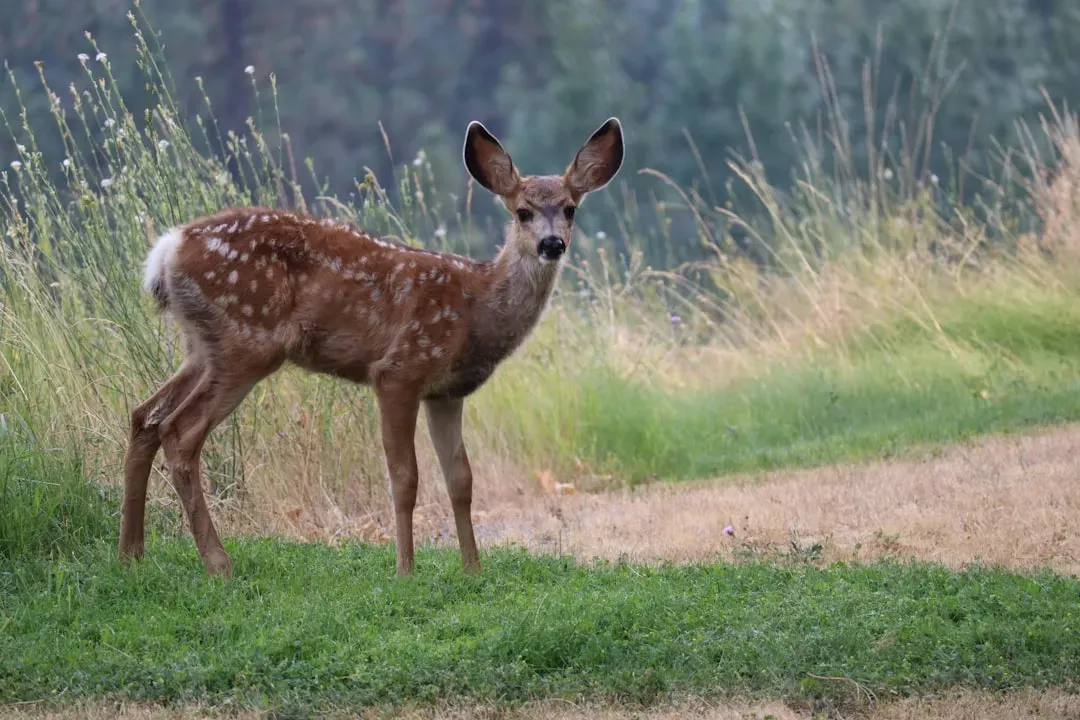
Most people assume deer are creatures of the night, but the reality is more nuanced. Deer are crepuscular animals, meaning they are most active during dawn and dusk. That’s the technical term for an animal that thrives in the low-light transition zones between day and night, not full darkness.
Deer sometimes sleep during the day and at night, exhibiting both nocturnal and diurnal characteristics, but these animals are fundamentally crepuscular. They’re also quite adaptable, able to shift to more diurnal and even nocturnal activity as the need arises. So when you spot one lurking through your yard at 11 PM, it’s not their natural preference – it usually means something pushed them there.
#2. Suburban Backyards Have Quietly Become Prime Deer Territory
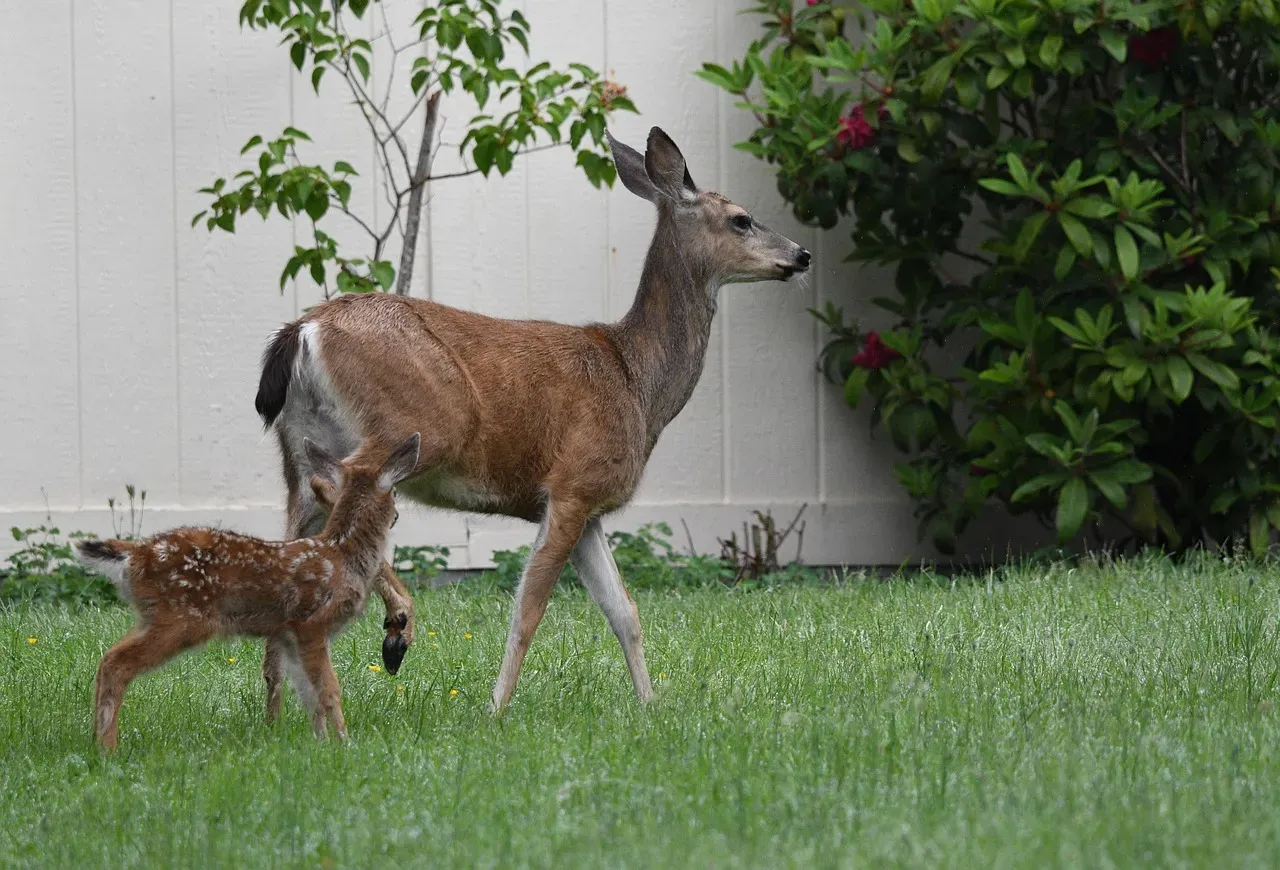
As people spread out into increasingly natural spaces, humans are integrating with areas once inhabited by wild animals. If we move one way, wildlife moves into our urban areas. Whether it’s bears, raccoons, or coyotes, there is constant evidence of this happening – and deer moving into our backyards is just one example.
Since many backyards provide a safe area with food, shelter, and protection from predators, they make good places for deer to sleep and forage. The typical American suburban yard – with its landscaped shrubs, garden beds, and relatively low foot traffic after dark – is basically a deer’s version of a well-stocked rest stop.
#3. Food Is the Single Biggest Magnet Drawing Them In
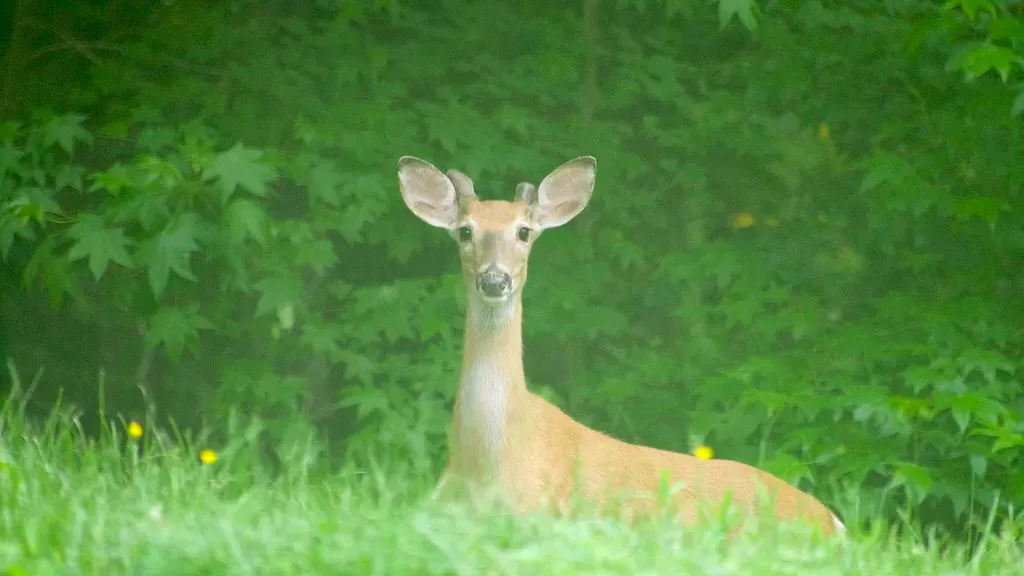
Food is the biggest reason why any wild animal sets up home in our towns and cities. Having a regular source of food is something all wildlife strive for. Deer are no different, and a backyard garden, fruit tree, ornamental shrubs, or even bird feeders can serve as a reliable nightly destination.
One of the biggest reasons deer will choose to sleep or linger in your yard has to do with proximity to food. Deer usually stay within 100 yards of food sources that they know about. Once a deer identifies your yard as a feeding location, don’t be surprised if it becomes a nightly routine that stretches across weeks or even months.
#4. Their Night Vision Is Far Superior to Ours
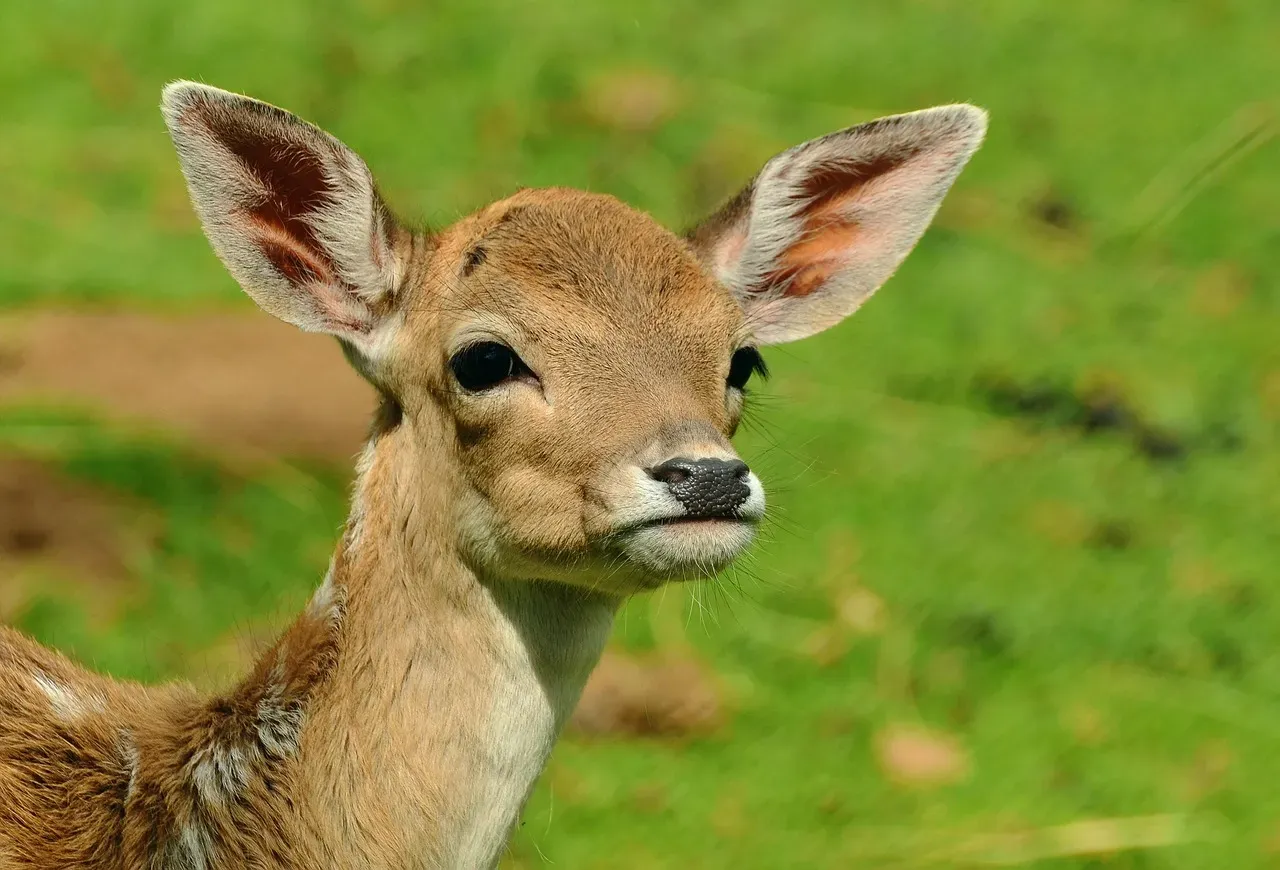
Having more rod photoreceptors than humans gives deer a significant advantage in night vision. They also have a reflective layer on the retina called the tapetum lucidum, which is what causes the reflective eye-shine when illuminated. That ghostly glow you see in the dark when your porch light catches a deer’s eyes? That’s this structure doing exactly what it was designed to do.
When light strikes the retina, some is absorbed by the rods and cones and processed by the brain. The rest strikes the tapetum and gets bounced back over rods and cones a second time. This gives deer roughly eighteen times greater ability to see at night than humans. Navigating your darkened backyard at midnight is, for a deer, a fairly comfortable proposition.
#5. Their Sense of Smell Is Extraordinary – and It’s Working the Whole Time
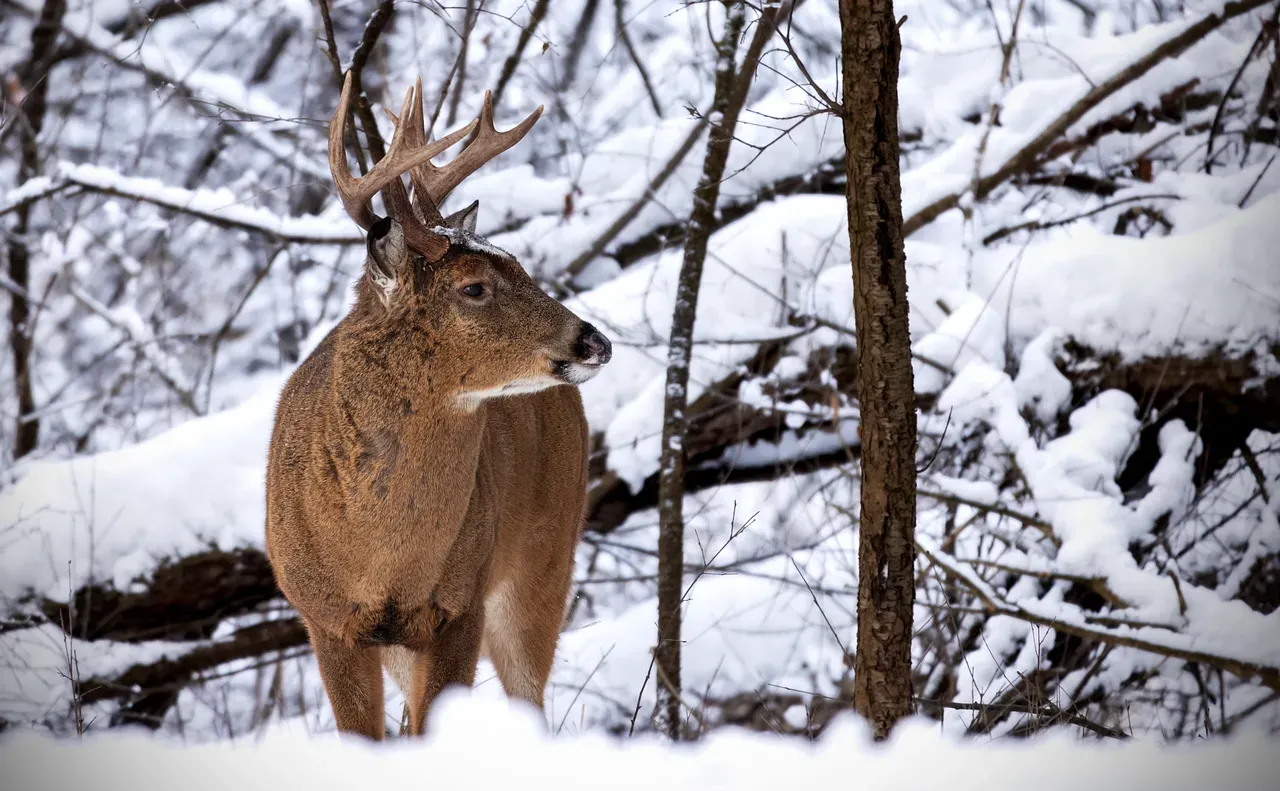
We don’t really know exactly how acute the whitetail’s sense of smell is because there’s no precise way to measure it. We just know it’s remarkably good. Some studies suggest it may be 10,000 times that of a human, based on the amount of surface inside their long, slender noses that is exposed to and designed for detecting odor.
With the right wind and weather conditions, a deer may be able to smell a threat from anywhere between a couple hundred yards and a half mile away. This means a deer can assess your backyard long before it ever sets foot in it – reading the air for signs of dogs, humans, or predators before committing to entering the space. If your yard smells safe, they’ll come in. If it doesn’t, they’ll turn around and you’ll never know they were there.
#6. They Return to the Same Spots Night After Night
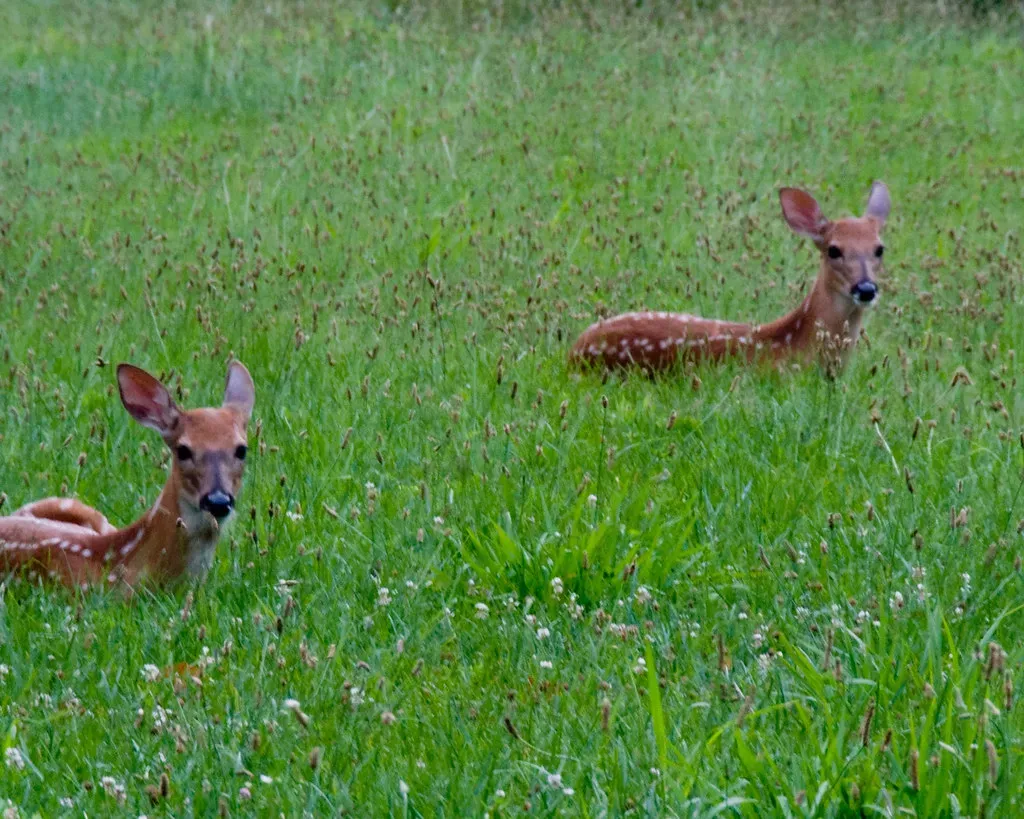
Deer are likely to stay and return to the same spot day after day and night after night, especially if they find a location that serves their food, bedding, and security requirements. This isn’t random wandering – it’s deliberate, repeated behavior built around routine and familiarity.
Deer are creatures of habit and tend to stick to familiar areas. If they have been visiting your yard for food or water, they may also choose to sleep there because it is a familiar place. Over time, a deer can essentially adopt your yard as part of its regular home range, returning with a consistency that some homeowners find endearing and others find genuinely frustrating.
#7. Water Sources Pull Them In – Especially in Dry or Cold Conditions
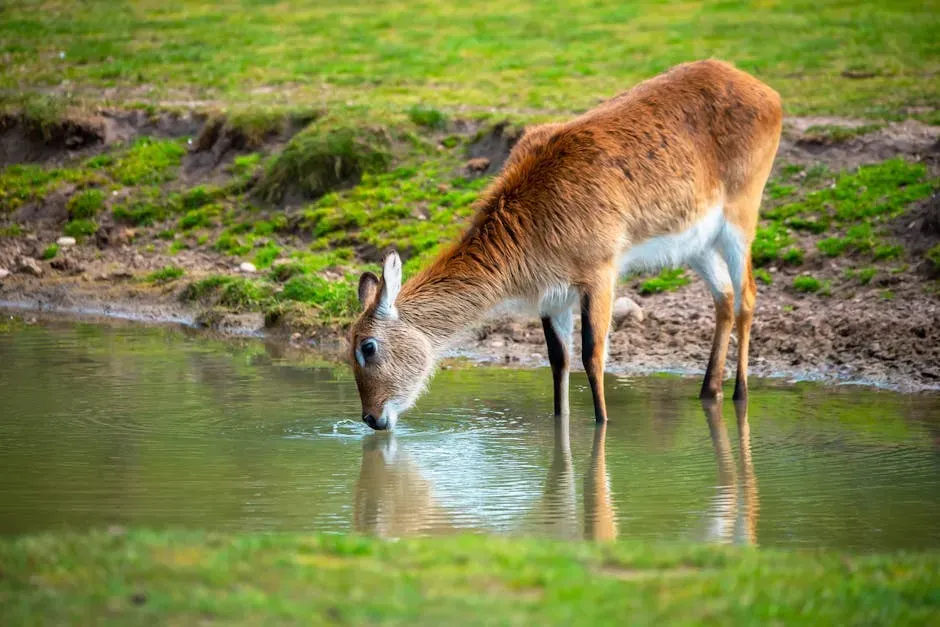
Ponds attract all kinds of wildlife, including deer. If you have a small pond in your backyard, deer may stay close to that water source. In particularly cold or dry weather, deer need to drink more often, so they will visit ponds and water features to stay hydrated.
Another reason deer may choose to linger in your yard is the availability of water sources. If your yard has a natural water source, such as a pond or a stream, deer may be drawn to it. Deer need to drink water regularly to stay hydrated, and they will seek out water sources wherever they can find them. Even a birdbath or a decorative garden pond can become a regular watering point in drier months.
#8. Human Activity Shapes When and How Often They Visit
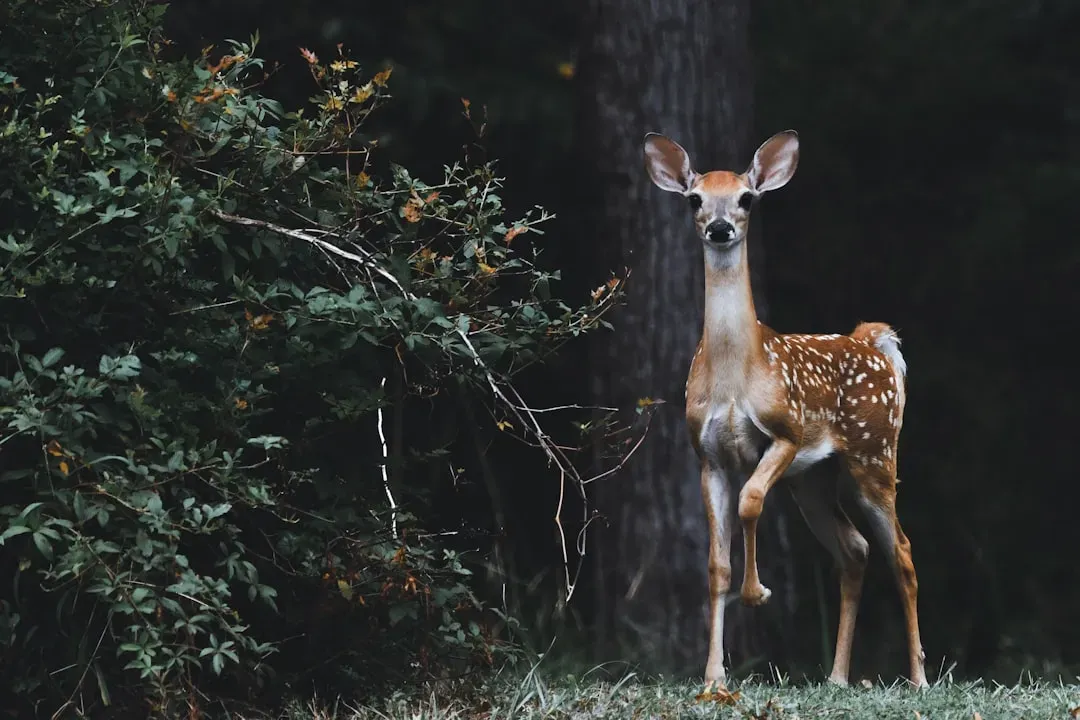
Several external factors influence deer activity patterns. Human activities significantly impact deer behavior, and in urban or suburban areas, deer often shift their activity to nighttime to avoid the risks associated with human interaction. The quieter and darker your neighborhood becomes after 9 or 10 PM, the more comfortable deer feel making their move.
Deer adapt to a more nocturnal lifestyle specifically to avoid humans. When they work out that nighttime is when people disappear, they decide to visit riskier areas at those hours. This is a learned, adaptive behavior – not instinct. Deer in heavily trafficked suburban neighborhoods have, over generations, effectively trained themselves to operate on our schedule.
#9. Moon Phases Can Influence Their Nighttime Backyard Visits
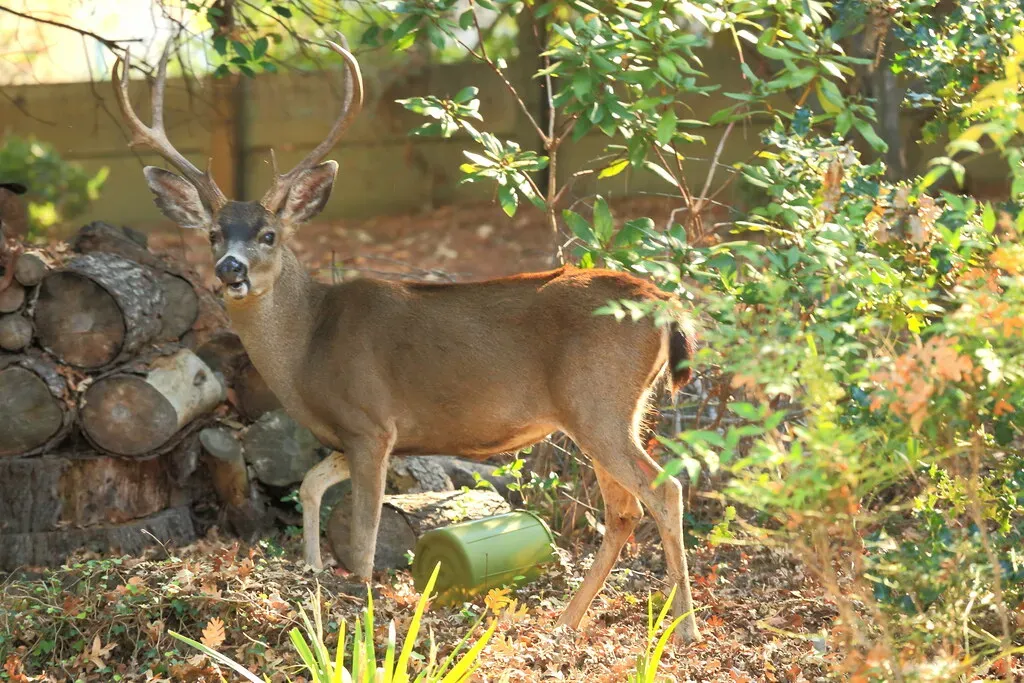
Moon phases also influence the movements of deer. Nighttime visibility differs according to the moon’s phases, encouraging deer to adapt their behavior accordingly. As a result, deer tend to thrive in conditions where they can more easily spot and avoid danger with as little risk as possible.
Some hunters and researchers believe that deer are more active during the new moon phase due to the darker nights, which provide better cover for movement. During a full moon, the increased brightness is thought to allow deer to feed and move more freely under the cover of darkness. The science on this remains genuinely mixed, but if you notice your backyard visitors appearing more consistently around certain phases each month, you’re probably not imagining it.
#10. Seasonal Changes Completely Reshape Their Nighttime Patterns
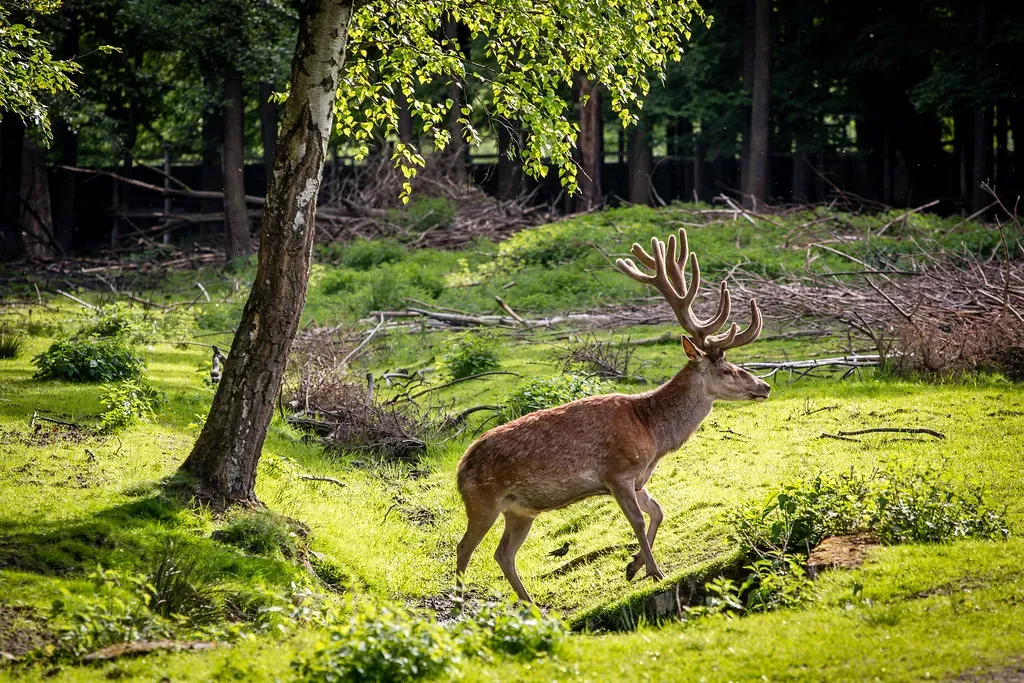
During the early season, or when temperatures are unseasonably warmer, deer feed throughout the night to stay cooler. Summer nights in particular can bring more frequent yard visits simply because deer are trying to avoid the heat that builds up during the day. These animals may choose to be active at night during summer to obtain relief from the daytime heat.
During rut season in autumn, bucks will seek out does at all hours of the day and night, extending their search well into the dark hours. This makes fall one of the most active periods for nighttime backyard deer encounters across much of the United States. Fawning season in spring is another peak time, as does seek out quiet, sheltered locations to raise their young – and a calm suburban yard fits that profile well.
#11. Sleeping Deer in Your Yard Are More Common Than Most People Realize
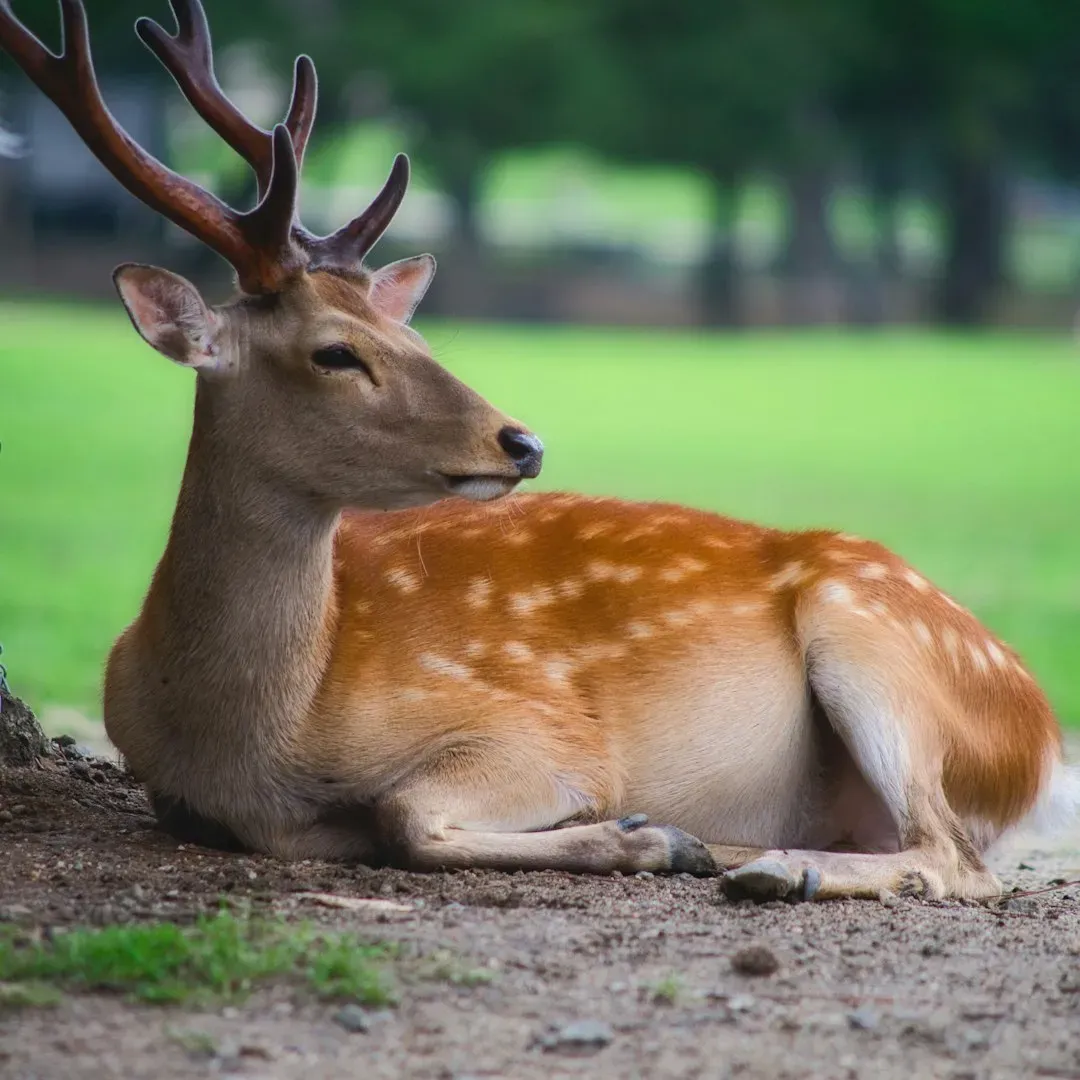
Deer do not sleep in a single location all year round. Most of them have a limited number of potential bedding sites within their home range. These locations are most likely determined by the degree of shading, slope and aspect of the ground, wind speed and direction, and proximity to sources of food. Your backyard, if it ticks enough of those boxes, can quietly become one of those sites.
Studies have shown that deer sleep an average of around four and a half hours a day and spend only about thirty minutes in a deep sleep state. Some researchers confirm that the best description of how deer sleep is drowsiness – neither completely awake nor fully asleep. So a deer curled up beside your shed isn’t deeply unconscious; it’s resting lightly, ears still turning, ready to bolt at the first sign of trouble. Deer are likely to sleep in areas that have tall vegetation or dense foliage, which provides cover from predators. If your yard has bushes, shrubs, or trees, deer may be attracted to them as a place to rest.
What It All Means for Your Backyard
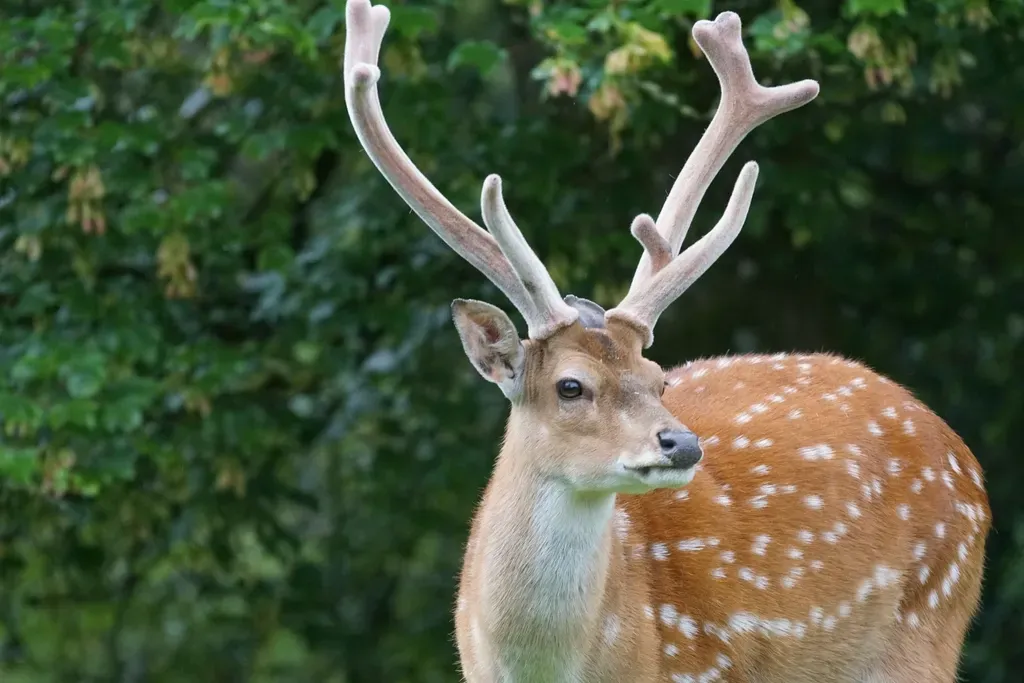
aren’t lost, confused, or acting unusually – they’re doing exactly what their biology and learned behavior directs them to do. Your yard, in their eyes, is a resource-rich, relatively low-risk extension of their natural environment.
Whether you welcome these visits or prefer to discourage them, understanding the forces behind them changes the way you see those quiet nighttime encounters. The deer standing at the edge of your lawn at midnight isn’t just passing through. It’s navigating a carefully considered route, reading the air, checking the light, and making calculated decisions with sensory tools far sharper than our own.
There’s something worth pausing on in that. In a world increasingly divided between wild spaces and human ones, the backyard deer is a nightly reminder that the line between the two was never as solid as we imagined.
