
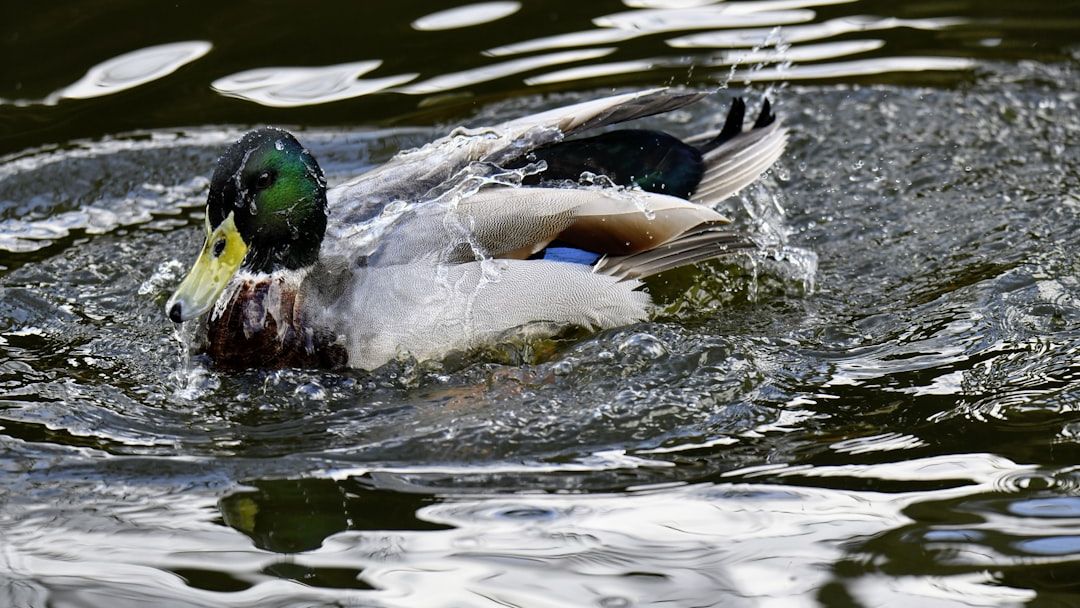
Most of us look out at our backyards and see a patch of grass, maybe a few flowers, a fence. What wildlife sees is something else entirely: an obstacle. Shrinking wild habitats across North America and beyond have pushed countless species into urban and suburban spaces, where they’re left searching for the basics they need to survive. Every day, more and more wildlife habitats are lost with the spread of development. That quiet yard of yours might be far more significant than it looks.
A wildlife garden is an environment created with the purpose of serving as a sustainable haven for surrounding wildlife, containing a variety of habitats that cater to native and local plants, birds, amphibians, reptiles, insects, and mammals. The encouraging part? You don’t need acres of land or a botany degree. You don’t even need a big yard. Small spaces, such as patios and balconies, can easily be transformed into havens for wildlife. What follows are ten practical, genuinely effective ideas to make your backyard a place where creatures can find real shelter, safety, and a reason to stay.
#1: Plant Layers of Native Vegetation for Multi-Level Cover
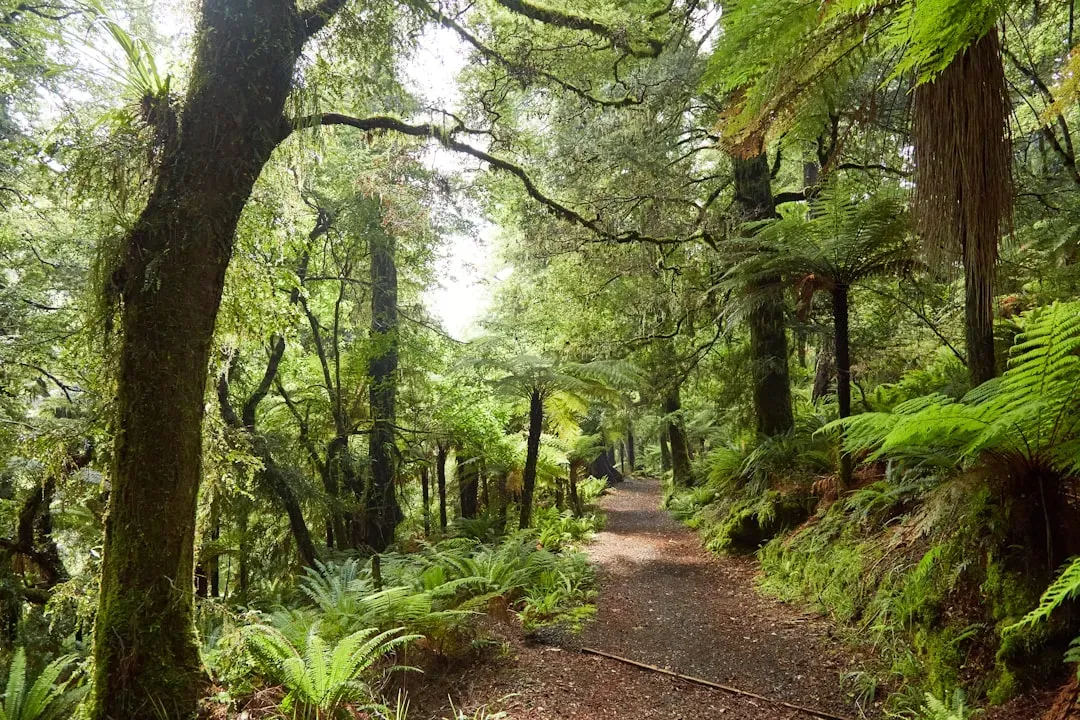
Think of the forest. There’s a reason it shelters so many species: it has layers. Ground plants, shrubs, small trees, and tall canopies each serve different animals at different times of year. You can replicate that structure even in a modest garden.
You can attract a great diversity of wildlife by providing multiple layers of vegetation: plant clusters of shrubs like winterberry and viburnums, small trees such as chokecherry and American holly, plus tall trees like American beech and balsam fir. Each layer does its own work.
The garden should include a range of plant types to act as different habitats. A balance between ground cover, shrub, understory, and canopy species will allow different sized wildlife shelters, varying in height, to fit individual needs. It’s basically engineering a neighborhood, not just a garden.
It is particularly important to use species that are native to the area, as native plants will more reliably suit insects and other invertebrates than many non-native plants, and increased variety of insects is valuable both for its own sake and for birds and other predators. Start with what naturally belongs in your region and build from there.
#2: Build a Brush Pile or Dead Hedge as a Natural Retreat
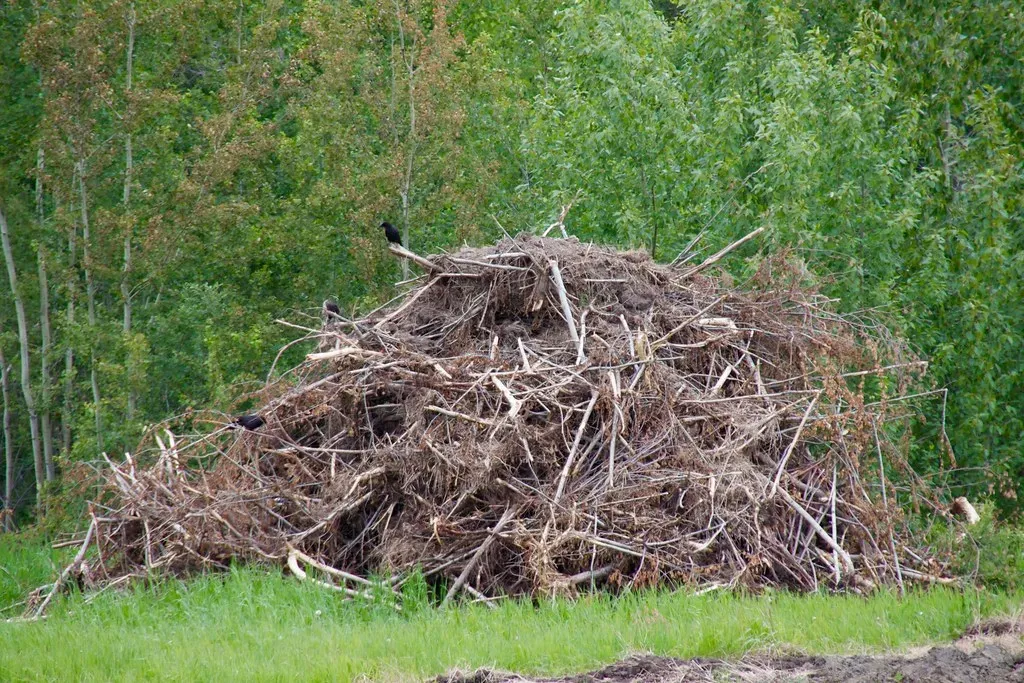
A brush pile might look like tidying up gone wrong. In reality, it’s one of the most versatile and low-effort shelter structures you can create. Animals from wrens to frogs to field mice will use it willingly.
Leaving brush piles around your property provides shelter for an immense variety of species. Brush piles don’t need to be huge – even just a few sticks and leaves clumped together after trimming your property’s vegetation is enough to provide a safe haven for a wild neighbor. It really is that simple.
A more structured version of this idea is the dead hedge, a technique worth knowing about. You cut pruned branches into manageable lengths and weave them between stakes, then fill gaps with cornstalks, pinecones, perennial stems, fallen leaves, greenery and moss to create a cozy home and perching spot for birds, small mammals, amphibians and insects.
The fall and winter are key times for pruning, but instead of shredding removed material, consider arranging some of it in a loose pile somewhere quiet and out of the way to create a natural shelter and hibernation home. A dead hedge is an easy way of composting fall prunings and plant material and makes a brilliant winter shelter for wildlife. This is one of the laziest composting methods and also gives garden wildlife somewhere to hide.
#3: Install Nest Boxes and Birdhouses for Cavity-Nesting Species
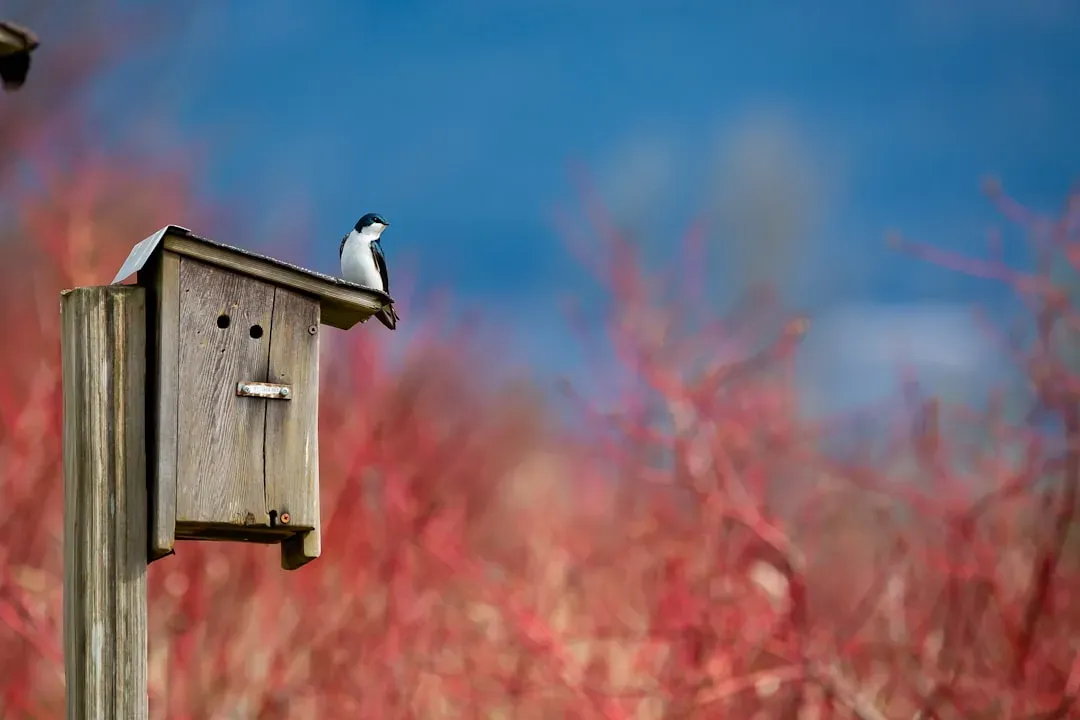
Many birds that would naturally nest in hollow trees can’t find them anymore. Urban and suburban landscapes have been tidied to the point where old, rotting trees rarely survive long enough to develop the cavities birds depend on. A well-placed nest box fills that gap.
Nest boxes not only provide habitat for native birds, but they also help keep your backyard ecosystem in balance. Cavity-nesting species like Eastern Bluebirds and Carolina Wrens love birdhouses and can help control insect populations, especially if you’re a gardener dealing with garden pests.
Owl nest boxes are often used by Eastern Screech-owls and Barred Owls, who both help control prey like rodents. Attracting native raptors to your yard is an incredibly effective method of pest control. So you’re not just helping wildlife: you’re building a natural support system for your garden too.
Many birds will not reuse nests and instead prefer a fresh space to start over, so it is best to clean out your birdhouse after each brood. A little seasonal maintenance keeps the shelters sanitary and ready for the next tenant.
#4: Create a Wildlife Pond or Water Feature
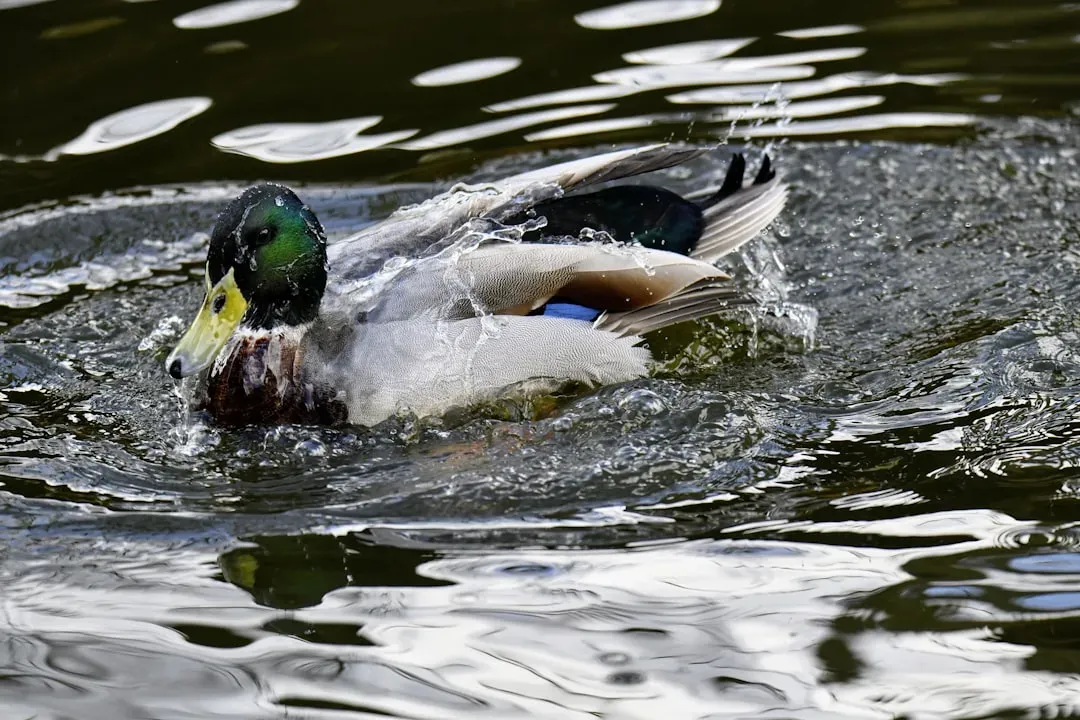
Water is the single most powerful draw in any wildlife garden. Add a pond and the number of species visiting your yard can change almost overnight. Frogs, dragonflies, song thrushes, hedgehogs, bees: all of them need water to drink, breed, or cool down.
However small your patch, there is always room for a pond. Even a small sink or tub pond with a few aquatic plants can make a great wildlife habitat. Ponds of all shapes and sizes benefit different communities of wildlife: water-loving insects dive beneath the surface, birds prey on amphibians, and small mammals come to drink.
A water feature such as a pond has the potential to support a large biodiversity of wildlife. To maximize the amount of wildlife attracted to the water feature, it should consist of ranging depths. Shallow areas are used by birds to drink and by insects and amphibians to lay eggs.
Keep your birdbath clean and filled with fresh water; change the water frequently to discourage mosquitoes. If a full pond isn’t an option, even a shallow dish set into the ground offers a genuine lifeline to thirsty creatures passing through.
#5: Grow Evergreen Shrubs and Trees for Year-Round Cover
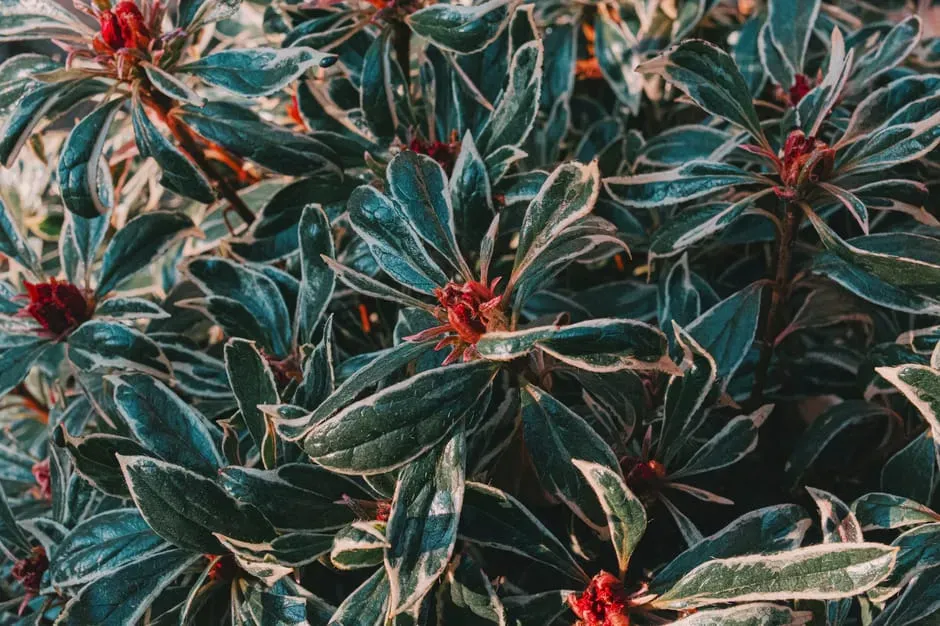
Deciduous trees are beautiful, but they leave wildlife exposed at precisely the wrong time: winter. When the leaves fall, birds and small mammals lose the very canopy they relied on for months. Evergreens solve that problem.
Evergreen trees and shrubs offer year-round shelter for birds, small mammals and insects. They also offer privacy and help protect the yard from strong winds and rain. The easiest-to-grow evergreens like holly, juniper, pine, and arborvitae offer shelter and food to overwintering birds and wildlife.
Evergreens are especially important in colder regions and provide shelter from the winter weather. If possible, plant them on the northwest side of your lot to block cold winds. That positioning detail alone can dramatically increase the shelter value of the planting.
Hollies provide year-round shelter and nesting sites, with the benefit of berries that ripen in fall and persist into winter. These powerhouse plants provide the ultimate bird habitat trifecta: food, cover and nesting sites. Few plants deliver that much for so little effort.
#6: Leave a Log Pile in a Shaded Corner
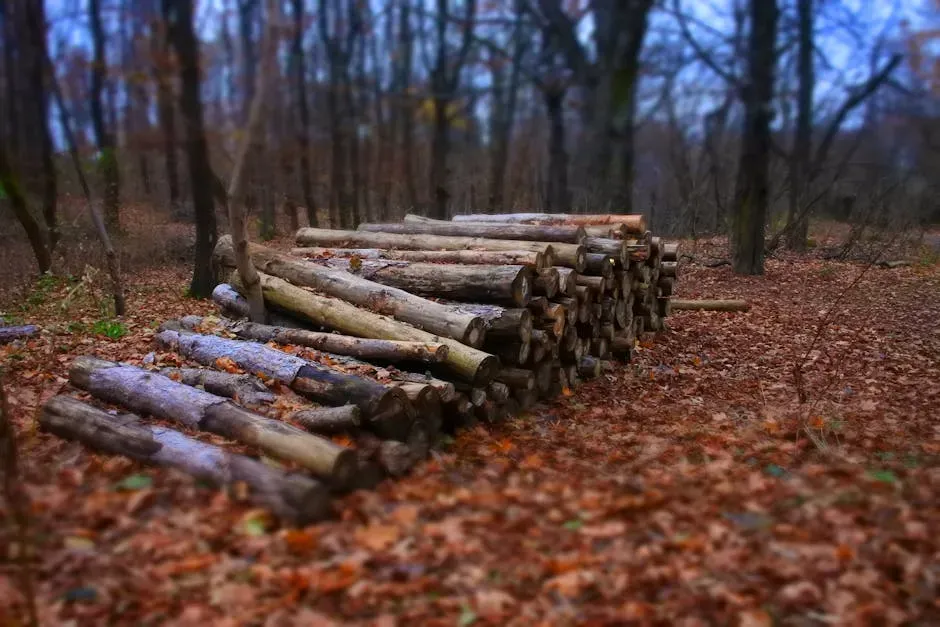
There’s something almost counterintuitive about this one. Leaving a pile of rotting wood in the garden feels like neglect, but it’s actually one of the richest microhabitats you can offer. The decay itself is the point.
Preferably located in a shady area, a pile of logs is a sanctuary for insects and other invertebrates, as well as reptiles and amphibians. The cooler, damper conditions in the shade keep the wood moist, which is exactly what many of these species need to thrive.
A log pile serves as a habitat for a variety of species, including insects, small mammals, and fungi. These decomposing logs provide shelter, warmth, and food for critters while aiding the decomposition process in the ecosystem. It’s a whole food web packed into a corner of your garden.
Woodpeckers, chickadees, and nuthatches nest in cavities in living and dead trees. Snags show the importance of dead vegetation as a source of cover for insects and invertebrates. Even a few good-sized logs stacked loosely will do the job. No precision required.
#7: Build or Buy a Bug Hotel for Beneficial Insects
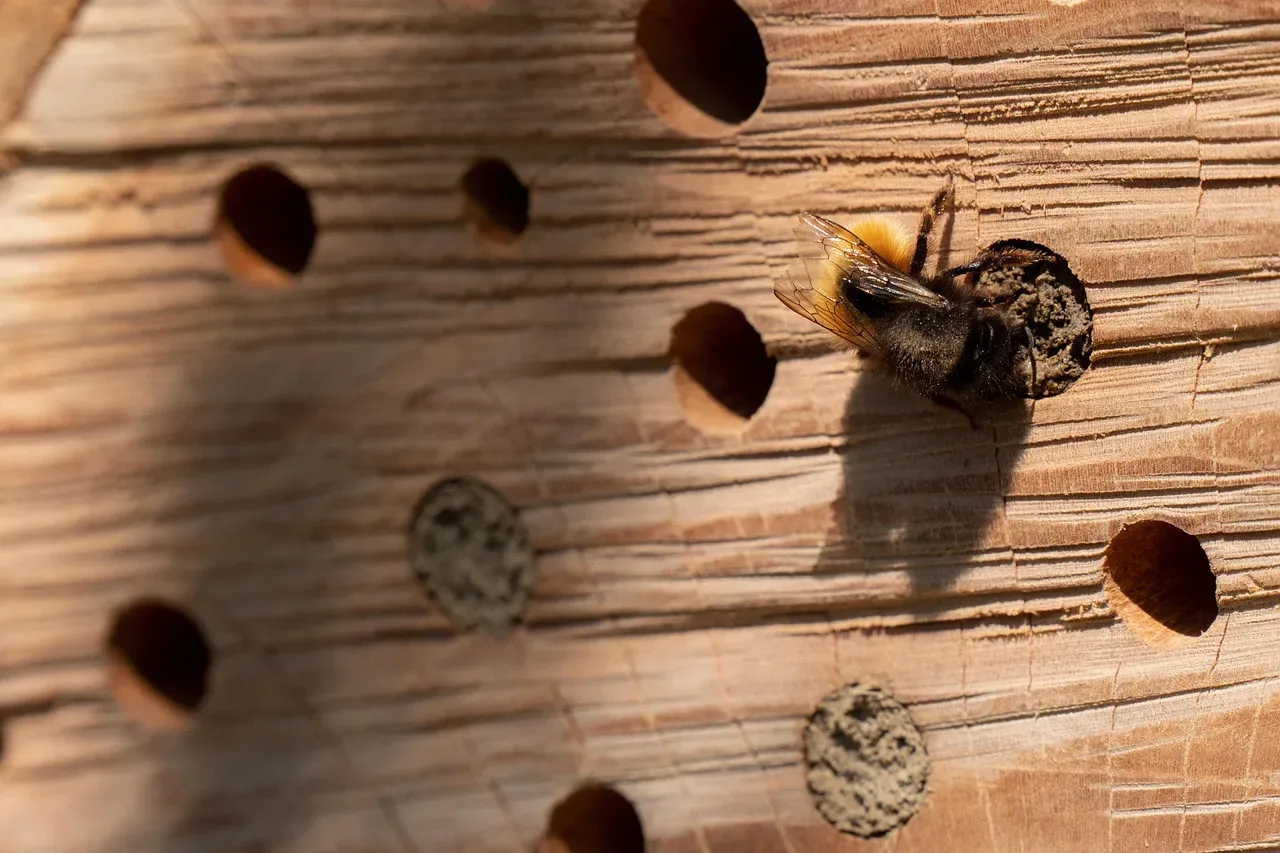
Insects make up the backbone of almost every food chain. Without them, the birds stop coming, the soil health declines, and the whole system quietly unravels. Giving beneficial insects a place to shelter and overwinter is one of the highest-impact things a gardener can do.
Bundles of hollow stems such as elderberry, Joe-Pye weed, and bamboo can be hung up as an alternate place of shelter and breeding for beneficial insects, such as the Mason bee, which are valuable pollinators. These structures are easy to build and genuinely used.
Consider installing a bee hotel, also called bee houses or bee condos. These simple structures help create safe shelter for solitary bees. As pollinators, bees are vital to farms and gardens, but their numbers are on the decline. You can help by providing safe, healthy habitat for bees.
One of the simplest ways of attracting wildlife to your yard is to tie together some sturdy but hollow stems of perennials such as elegant angelica and either hang them somewhere sheltered or push them among the branches of a bush to provide a safe overwintering spot for solitary bees and other bugs. It costs almost nothing and makes a real difference.
#8: Plant Dense Hedgerows as Living Shelter Corridors
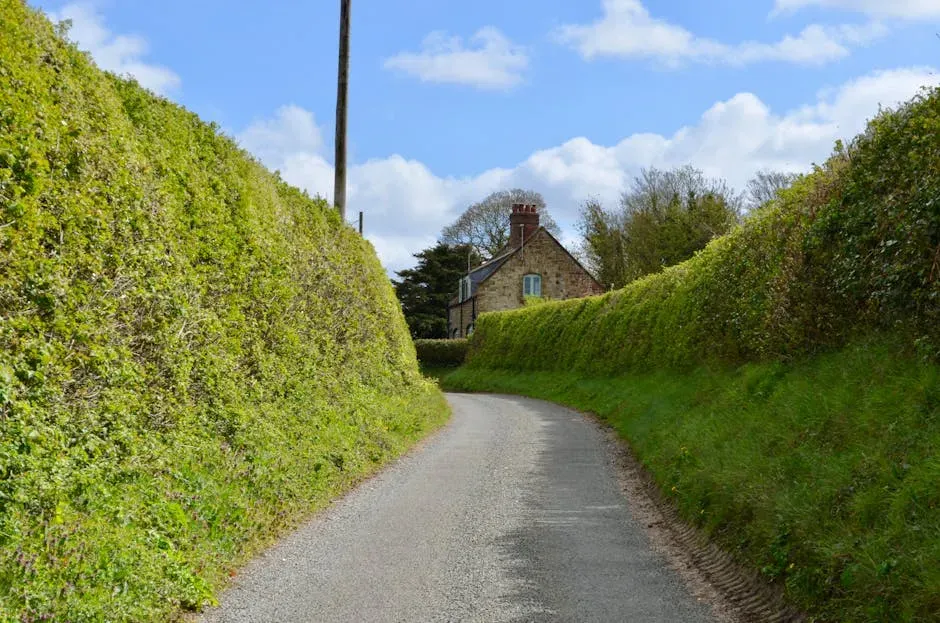
A hedge is not just a boundary marker. Done right, it functions as a corridor, a nesting site, a windbreak, and a food source simultaneously. Hedgerows have been used for centuries across agricultural landscapes for exactly these reasons, and they work just as well on a smaller residential scale.
Hedgerows provide food and nesting sites for birds, shelter for small mammals, green corridors to allow wildlife to move safely from garden to garden, and a host of other benefits. That connectivity piece matters more than most people realize.
Trees and hedges offer roosting and nesting sites and become natural highways for birds and mammals, allowing them to move around safely, as well as providing valuable shelter and cover from inclement weather and possible predators. A connected garden is a safer garden for everything that lives in it.
Hedgerows are fantastic for privacy and wildlife habitat. Plant native shrubs like hawthorn, blackthorn, and holly, then create dense, layered hedges to provide shelter and food. Species variety within the hedge itself is what makes it most productive for wildlife.
#9: Add Climbing Plants to Walls and Fences

Vertical space is one of the most overlooked resources in any garden. Walls and fences often run for long stretches and sit bare for years, when they could be doing significant ecological work. Climbing plants transform these hard surfaces into layered, living habitat.
Climbers are a great way of covering walls and fences to create hiding and nesting places for wildlife. Ivy is especially useful as the autumn flowers are sources of pollen for insects, and birds love the winter berries. Honeysuckle is another attractive climber that can provide a haven for wildlife.
Fix wires and trellis on any appropriate vertical surface to support wildlife-friendly climbing plants, such as honeysuckle, jasmine and wisteria. Ivy can gallop up a wall or fence unaided and offer an excellent habitat and food source for many creatures.
If you have limited space, go vertical. Native vines on trellises and fences provide cover and food. Window boxes with native flowers help pollinators, and wall-mounted bug hotels give shelter to beneficial insects. Small vertical additions can punch well above their weight in terms of habitat value.
#10: Let Part of Your Lawn Go Wild
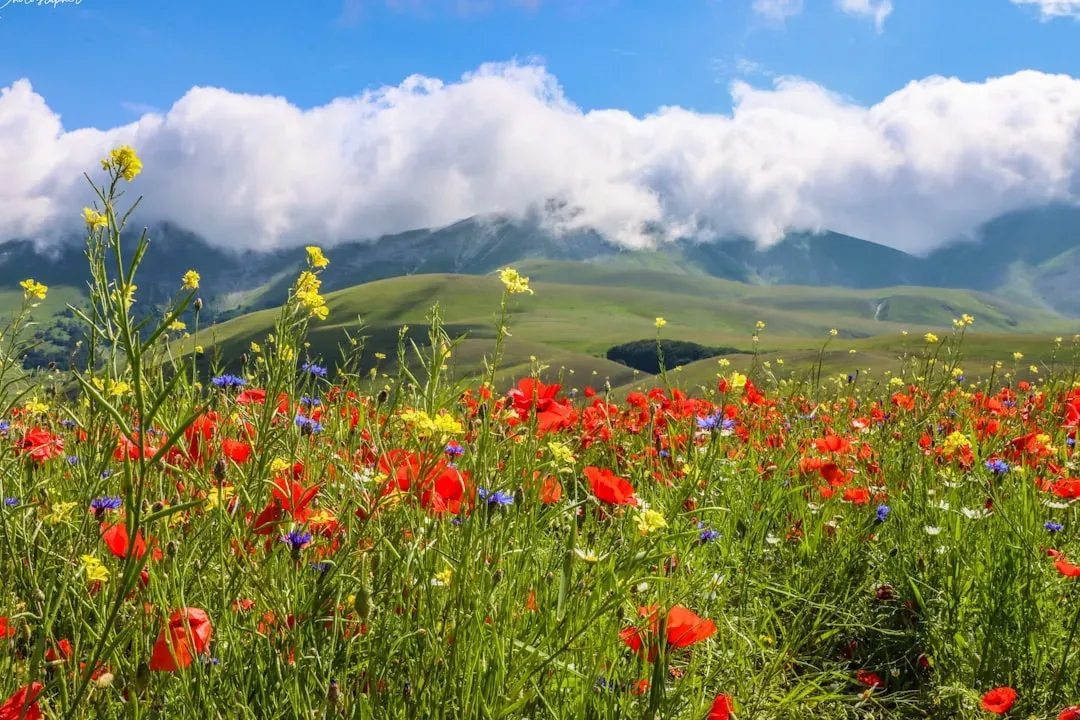
This might be the hardest idea for some gardeners to accept, and also the most rewarding once you do it. That relentlessly mown, chemically maintained grass lawn is, ecologically speaking, nearly empty. Converting even a corner of it into something wilder creates an immediate and visible change.
Limiting the amount of lawn is important. Lawn offers very little food or cover to most animals while requiring a lot of maintenance. You may replace lawn grass with ground cover plants or perhaps make a butterfly garden. Even a modest patch makes a difference.
If you want to keep a grassed area, plant a small wildflower meadow that will play host to a multitude of butterflies, bees and other insects. Learning to relax about weeds helps too. The leaves of plants such as nettles, dandelions, groundsel, and even brambles are important sources of food for the larvae of many insects, including butterflies and moths. Some “weeds” also flower for a long time, providing nectar and pollen when other sources might be absent.
One of the most vital sustainable practices for creating a healthy habitat is avoiding pesticides and herbicides, including neonicotinoids. A wild corner with no chemical interference quickly becomes one of the busiest corners of any garden. You’ll notice it the very first season.
A Garden That Works Both Ways
Wildlife gardening isn’t about sacrificing a beautiful outdoor space for the sake of muddy piles and tangled shrubs. Creating home habitats is a rising trend, as a growing movement of home gardeners embrace sustainable practices that help birds, amphibians, invertebrates and many other animals. The two goals: beauty and habitat, turn out to be surprisingly compatible.
It is as simple as providing for wildlife’s basic needs: food, water, cover, and places for them to raise their young. You don’t have to do all ten ideas at once. Start with one. A log pile in a shaded corner, a nest box on the fence, a climbing plant on a bare wall. Each small addition is meaningful.
The real reward comes gradually. A garden that shelters wildlife is a garden that comes alive in a way a manicured lawn never quite manages. Frogs calling in the evening, bees working the flowers in the morning, a wren darting between the hedge and the brush pile. That’s not just nature visiting. That’s nature staying.

- Why Wolves Were Reintroduced to Yellowstone - July 15, 2026
- The Resurgence of America’s Wild Horses: A Symbol of Freedom and Hope - July 15, 2026
- 10 Cat Breeds That Tolerate Dogs Surprisingly Well - July 15, 2026