

Most people who’ve owned a dog know that guilty feeling the moment the door closes behind them. That brief glance back at the window, the tail still wagging, the eyes that follow you down the driveway. For some breeds, that feeling passes within minutes. For others, it’s the beginning of something far more distressing.
While all dogs are social animals, some breeds form especially strong bonds with their owners and may struggle intensely when left alone for long periods, showing signs of separation anxiety or real distress. Symptoms of the condition include destructive behaviour, signs of stress, persistent howling or whining, and even stomach complaints. Knowing which breed you’re bringing home could make the difference between a harmonious household and a torn-up couch.
#1: Vizsla – The Original Velcro Dog
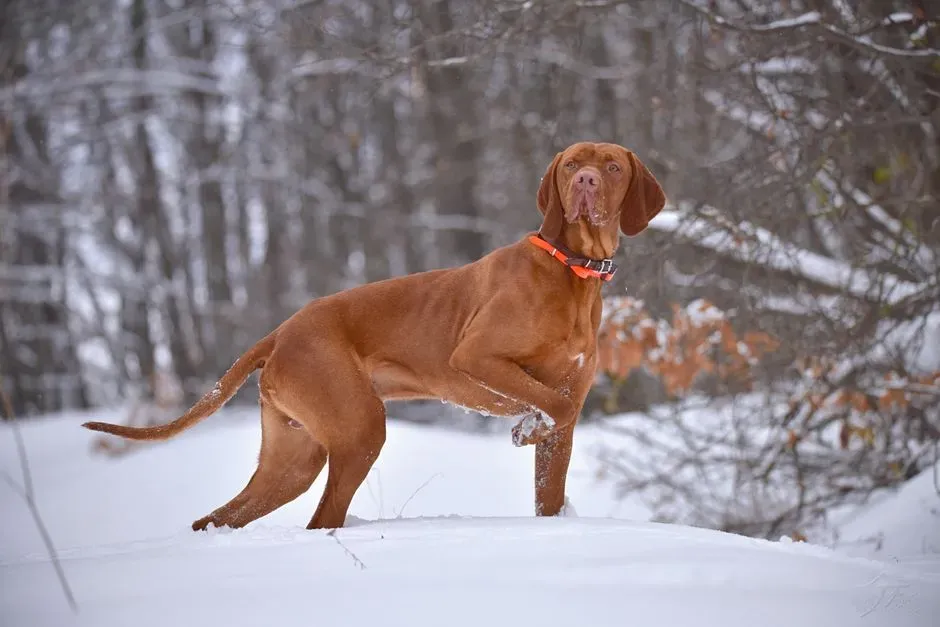
Vizslas are often referred to as the ultimate “Velcro dog,” having been developed in Hungary as hunting companions that were bred to work closely alongside humans, creating an instinctual need to be at their owner’s side at all times. This isn’t a personality quirk. It’s centuries of selective breeding distilled into one lean, golden-coated dog who genuinely believes your presence is non-negotiable.
Perhaps a lesser-known breed to some, the Vizsla is a hunting dog that many owners feel passionately about, and tends to be a high anxiety breed because they hate being away from their owners and appreciate a busy, full house. They are known as very affectionate and even great with children, making them a perfect match for an active family with plenty of time to share. Solo hours, though, are genuinely hard for them to handle.
#2: Border Collie – Too Smart for Their Own Good
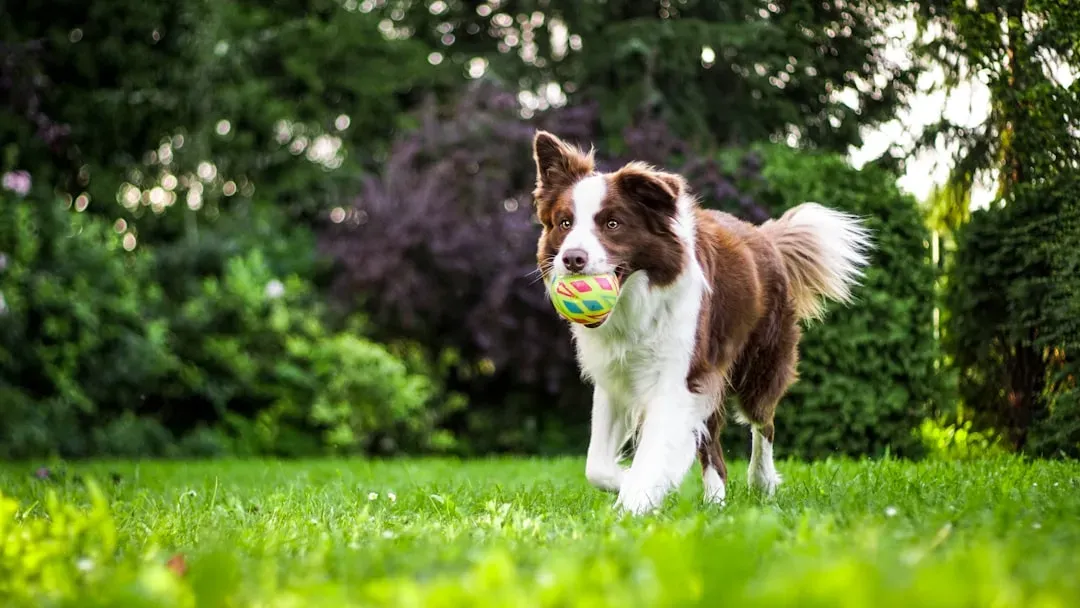
Border Collies are workaholics designed to herd sheep all day, possessing high energy and remarkable intelligence that means they need a consistent job or mental stimulation at all times. When that stimulation disappears, so does their composure. The mind that makes them exceptional working dogs becomes their biggest liability when the house goes quiet.
Border Collies will have a really hard time if they aren’t getting enough exercise, and lack of play can often result in destructive or problematic behavior. This high level of activity need can’t be met without intense social time with their owners, so they are also prone to separation stress and general high anxiety unless properly cared for. The Border Collie consistently ranks as the most intelligent dog, but this means they are more likely than other breeds to become bored when they have no stimulation, and leaving them alone can lead to separation anxiety and destructive behavior as they look for ways to amuse themselves.
#3: German Shepherd – Sensitive Underneath the Strength
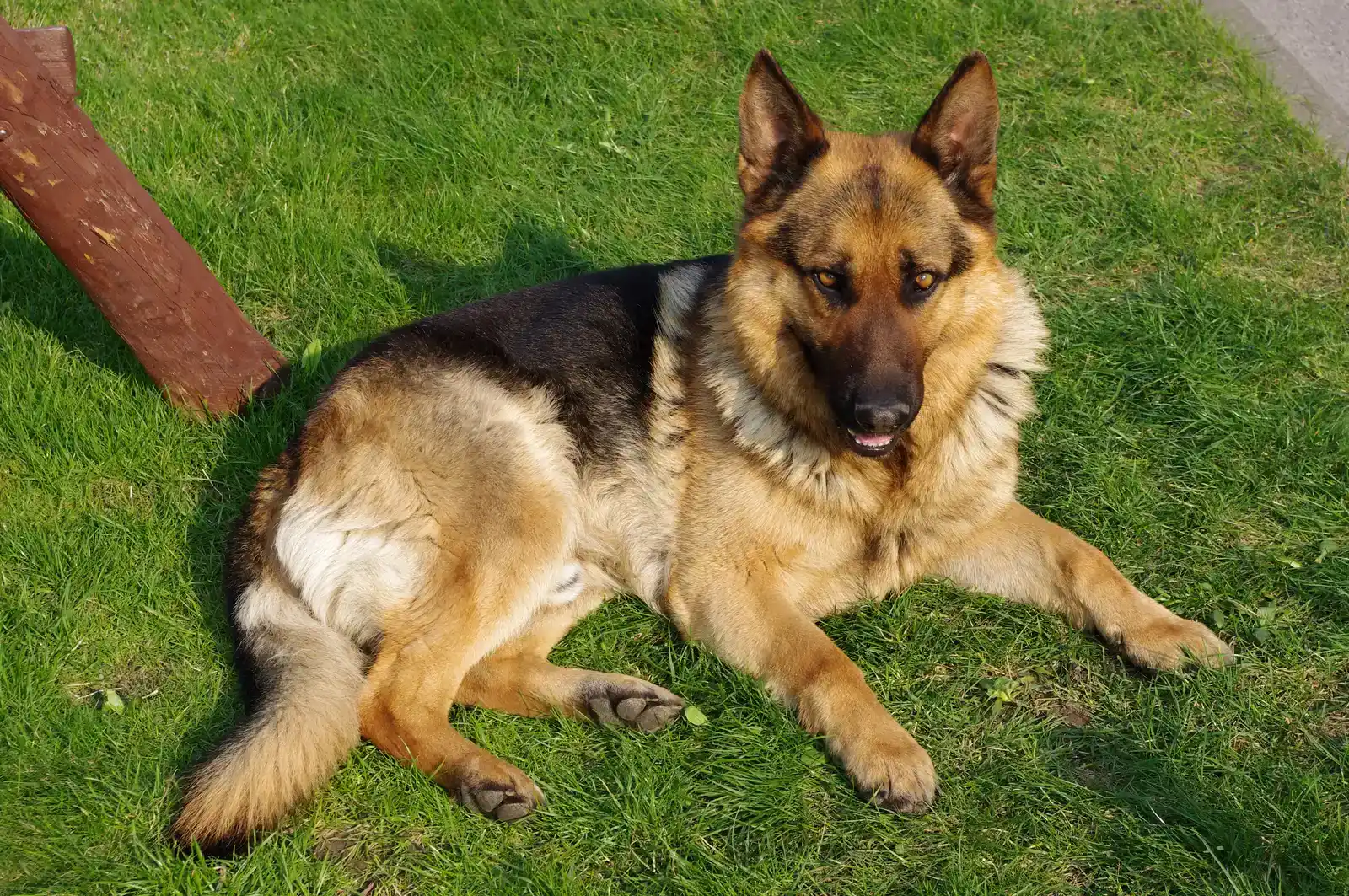
German Shepherds may have a reputation for being hardy working dogs, but they form very strong bonds with their owners and are surprisingly sensitive. That image of the stoic, fearless protector can lull new owners into thinking this breed handles solitude with ease. It rarely does.
German Shepherds form extraordinarily strong bonds with their families and consider protecting them their primary purpose in life. These loyal guardians experience significant stress when separated from those they’re instinctively driven to watch over, and their high intelligence and working background make isolation particularly challenging, as they need regular mental engagement. When left alone, German Shepherds may pace anxiously, howl, or engage in destructive behaviors, often focused on barriers like doors or windows that separate them from their people.
#4: Australian Shepherd – Built to Work, Not to Wait
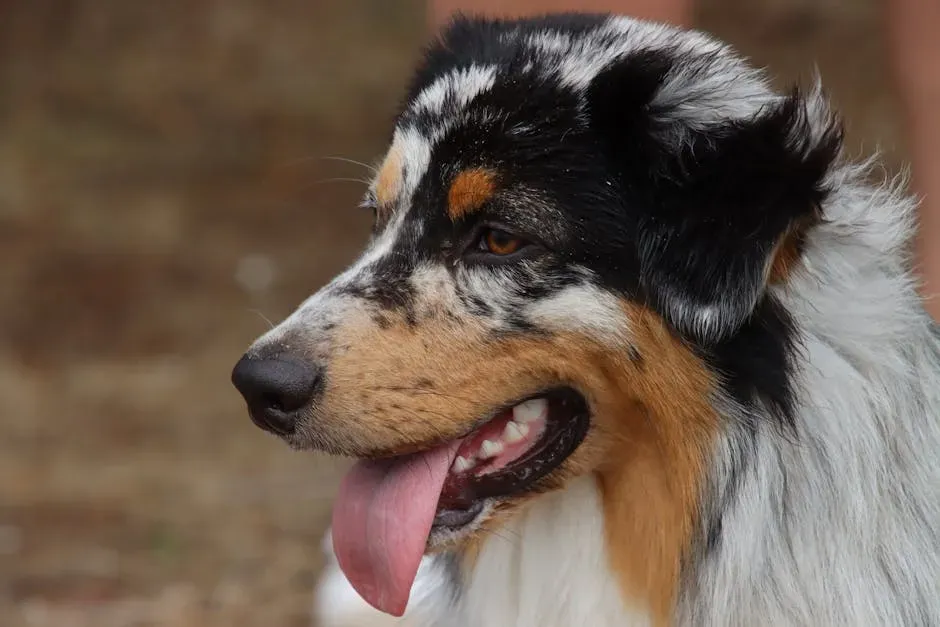
Aussies are designed for constant, high-energy work, with their original job being to herd cattle or sheep. Their ultra-vigilant nature means they like to be engaged constantly and are highly sensitive to their surroundings. A bored Australian Shepherd is essentially a pressure cooker. The energy has to go somewhere.
The Australian Shepherd is an extremely intelligent dog that loves nothing more than working. Easily trained, they are energetic and athletic and need an outlet for that energy. Leaving them alone can cause an undue amount of stress, and in severe cases, they can actually become self-destructive if left alone for too long. That last part is worth reading twice before you choose this breed for a busy nine-to-five lifestyle.
#5: Labrador Retriever – Friendly, But Deeply Attached

The Labrador Retriever was bred to be around people and work with them all day long. Labs were bred to have a temperament that is social and friendly, like the fishermen’s helpers they once were on boats and around docks. They have been selectively bred to be around people, so it is somewhat natural for them to suffer from separation anxiety when left alone.
They are bred for their sunny, relaxed disposition, but they need a lot of affection and attention in order to maintain that cheerfulness. If left alone for long periods of time, or dropped off too regularly at the boarding house, Labradors can really struggle with separation stress. Labradors often face separation anxiety and destructive behaviors when left alone, with distress manifesting as barking, howling, scratching, and destructive behavior.
#6: Cavalier King Charles Spaniel – Bred for Your Lap, Not Your Absence

Cavalier King Charles Spaniels embody the concept of “velcro dogs” with their unwavering desire to be near their owners. These gentle, affectionate companions were specifically bred to be devoted lapdogs for nobility, creating a breed that genuinely struggles with any form of separation. Their sweet temperament masks a profound dependency on human companionship that makes isolation genuinely traumatic for many Cavaliers.
This is a dog that has been hardwired over generations to be beside a person, not an independent worker with anything else to focus on. The warmth and gentleness that make Cavaliers so beloved also make solitude feel foreign and frightening to them. Prospective owners who work long hours regularly should think carefully before choosing this breed.
#7: Toy Poodle – Intelligence That Turns Inward
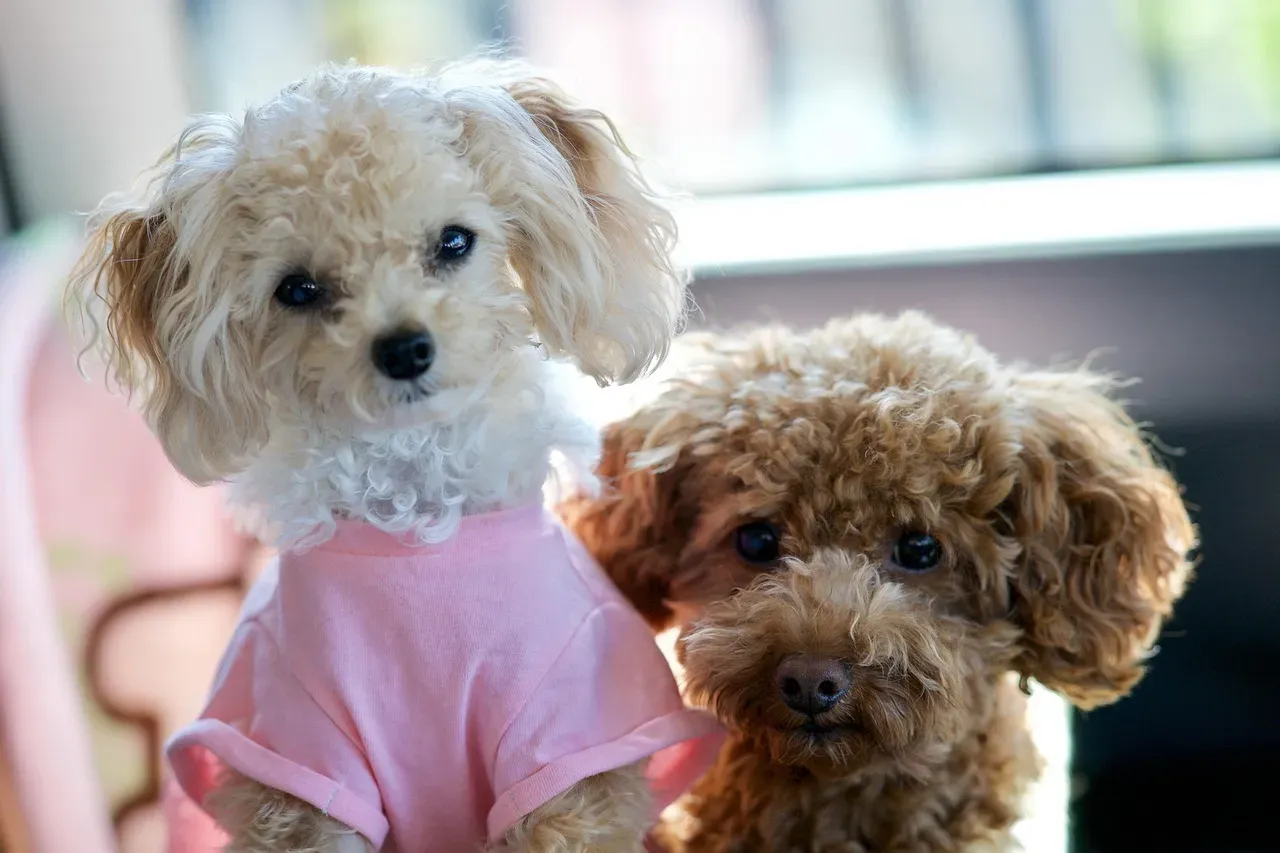
Toy Poodles may develop separation anxiety when left alone for long periods, and if they’re bored, they’re likely to bark, jump, and be destructive. Toy Poodles are also very sensitive to new environments and changes in their routine, which may contribute to stress-related gastrointestinal upset. Because they’re highly intelligent dogs, keeping them entertained with interactive toys and puzzles is a great way to help them manage stress.
The smallest of the three types of Poodles, the Toy Poodle is a highly intelligent pup who’s deeply bonded to their families. Because they’re so tuned in to their pet parents, they can become worried when routines shift or when left alone too often. That razor-sharp intelligence is wonderful when you’re home. Without direction, it tends to find worry as its default occupation.
#8: Bichon Frise – A Cloud of Fluff With a Big Need for Company
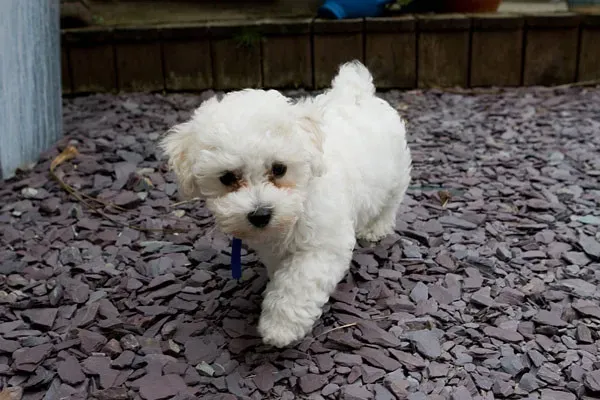
Despite their small size, Bichon Frise dogs have outsized attachment needs. These cheerful, cotton-ball-like companions were historically bred to be devoted lapdogs for European nobility, spending virtually every moment in their owners’ presence. This centuries-old breeding has created a dog that genuinely suffers when left alone.
Bichons commonly express their separation distress through excessive barking, inappropriate elimination, and destructive behaviors that seem out of character for their otherwise gentle temperament. Their need for human contact is so profound that many Bichon owners report their dogs following them from room to room, unable to relax unless in direct proximity to their person. The breed’s sensitive nature means they’re also more likely to develop lasting psychological effects from regular isolation, including depression and generalized anxiety that persists even when their owners return.
#9: Siberian Husky – A Pack Animal in a One-Dog Household
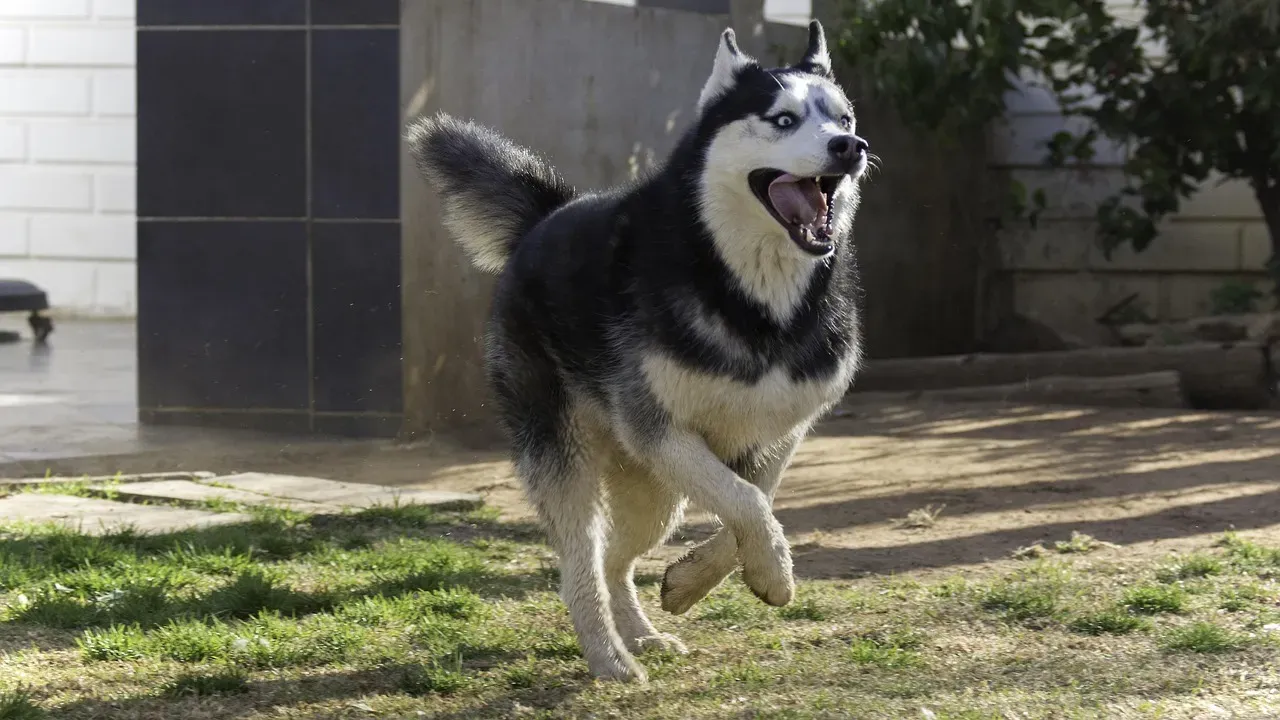
Isolation distress, which is a reaction to being left completely alone for an extended period of time, tends to be the specific struggle for Huskies. Siberians tend to suffer from isolation distress much more often than true separation anxiety, as they are a social breed, born to live and work around multiple other dogs and humans throughout their lives, and often do not know what to do with themselves when left without a companion.
Siberian Huskies are social dogs who enjoy company, and when left alone for long stretches, they may howl, dig, or try to escape the yard. Regular exercise and companionship are key for this active breed. Stories of Siberian Huskies who shred their owner’s couch, or howl all day and night while their owner is at work, are well-documented and familiar to anyone in the breed community.
#10: Havanese – Cheerful Until You’re Gone
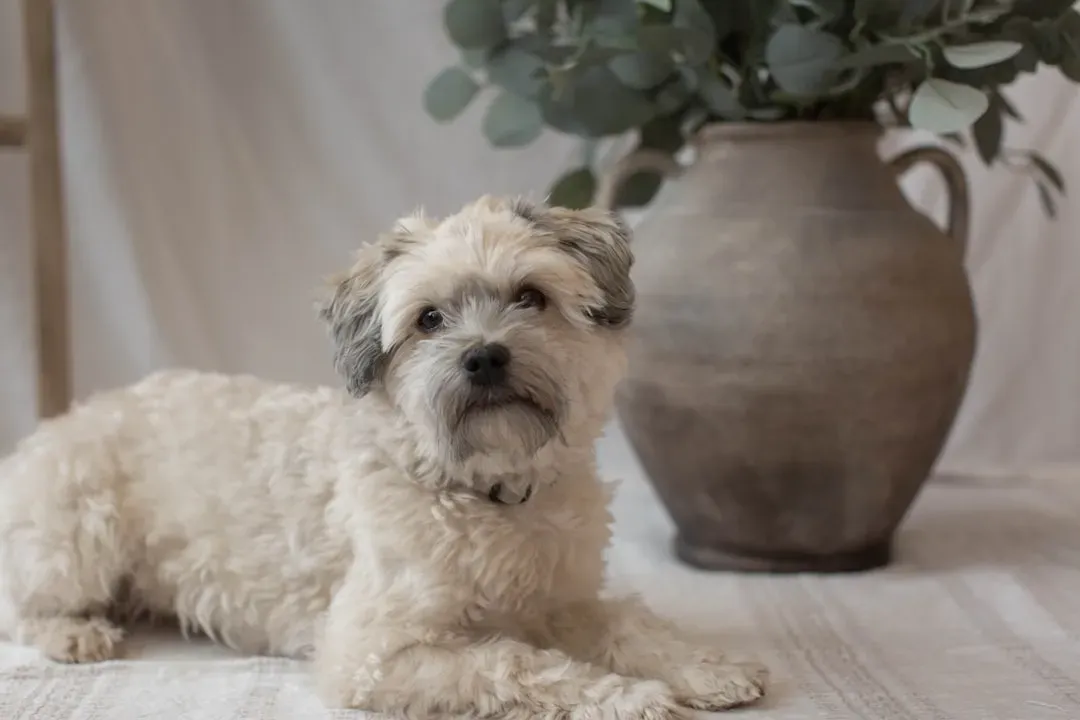
With a heart as soft as their coat, Havanese dogs are sensitive, loyal companions whose greatest desire is to be part of the family, and they often struggle to function without their human nearby. The Havanese is the national dog of Cuba, with its name coming from Havana, the country’s capital. That cheerful, playful disposition is genuine, but it’s contingent on having people around to direct it toward.
They can become extremely sad and introverted if left alone regularly for long hours and are not suitable for people working full-time outside the home. Behavioral signs include pacing, crying, and refusal to play. They can get deeply distressed by the absence of their main person, which leads to separation anxiety and anxiety-related destruction. The contrast between their typical joyful energy and their alone-time distress can be quite stark.
#11: Dalmatian – High Energy, Low Tolerance for Solitude
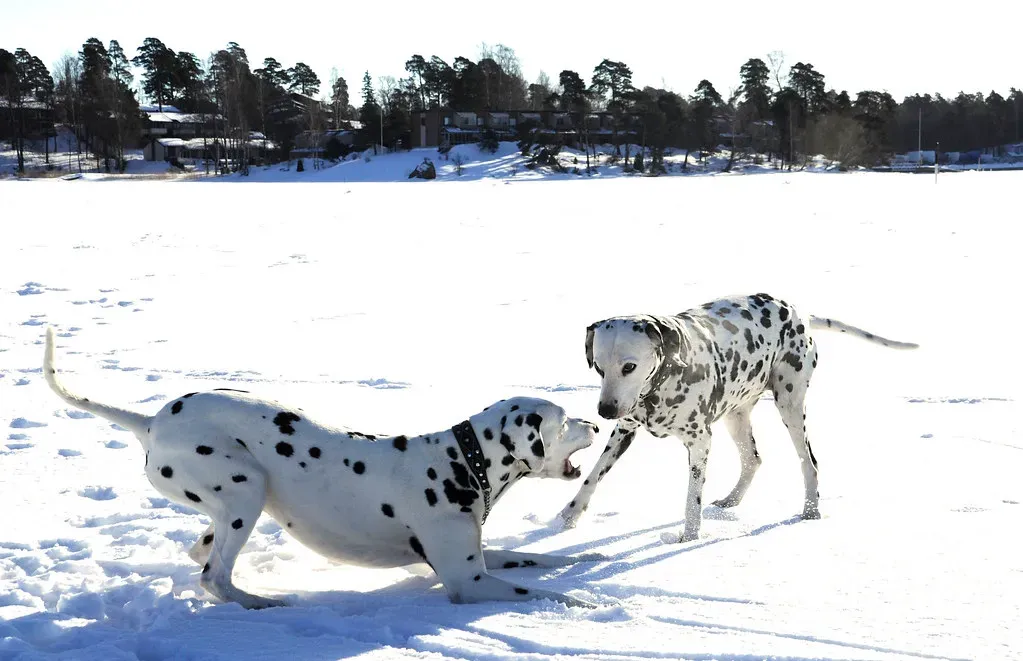
Dalmatians typically hate being left alone. They are very people-oriented and want their owner by their side, finding separation a genuinely stressful experience. The spotted coat and distinctive looks draw a lot of people to this breed, but the temperament demands far more time and presence than many first-time owners anticipate.
One of the most affectionate dog breeds, the Dalmatian should not be left alone for more than two hours. If they suffer from separation anxiety, you will know because they will destroy everything they can get their hands on. They may even try to escape to find you, and as they are a big dog that can jump high, adequate fencing becomes a serious concern.
#12: Italian Greyhound – Delicate in Body and in Spirit
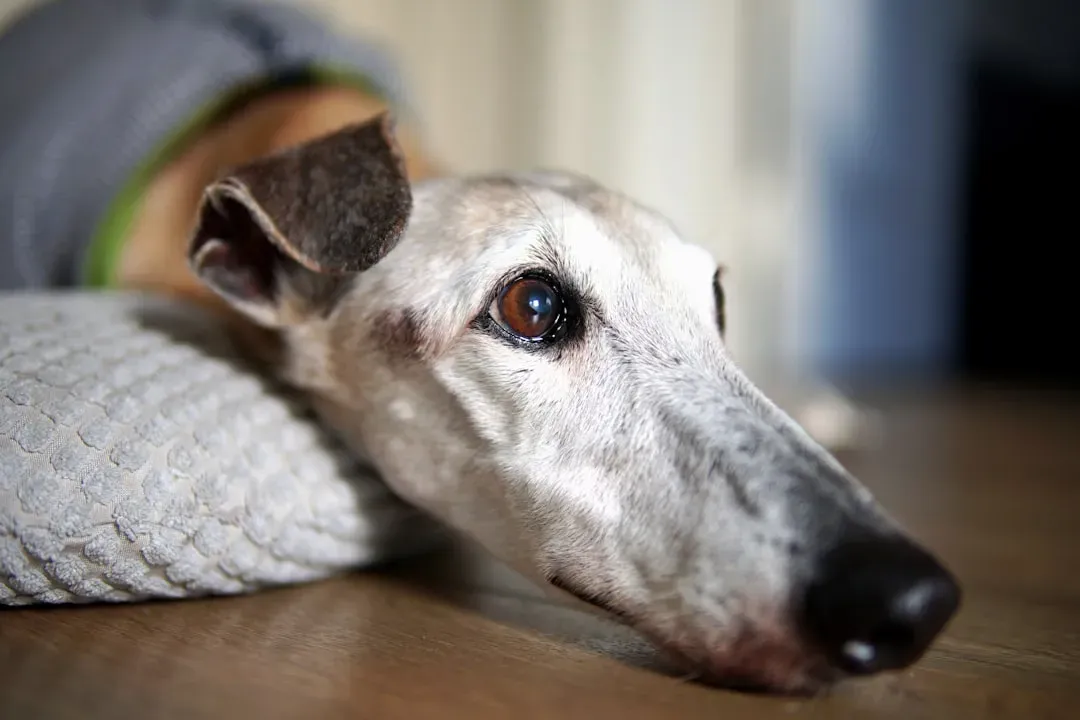
Italian Greyhounds combine exceptional sensitivity with deep devotion, creating a breed that suffers acutely when left alone. These delicate sighthounds form intense bonds with their owners and experience genuine emotional distress during separation. Their slender build and thin skin makes them physically uncomfortable in solitude as they rely on human companions or other dogs for warmth and security.
When isolated, Italian Greyhounds commonly exhibit anxiety through trembling, hiding, or house soiling, even when perfectly trained. This isn’t stubbornness but a stress response they cannot control. The breed’s fragile physique also means their anxiety manifests physically more readily than in sturdier breeds, with stress-related digestive issues being particularly common. For a breed this sensitive, consistent company isn’t a luxury. It’s a necessity.
#13: Basset Hound – The Laid-Back Loner Who Actually Copes Just Fine
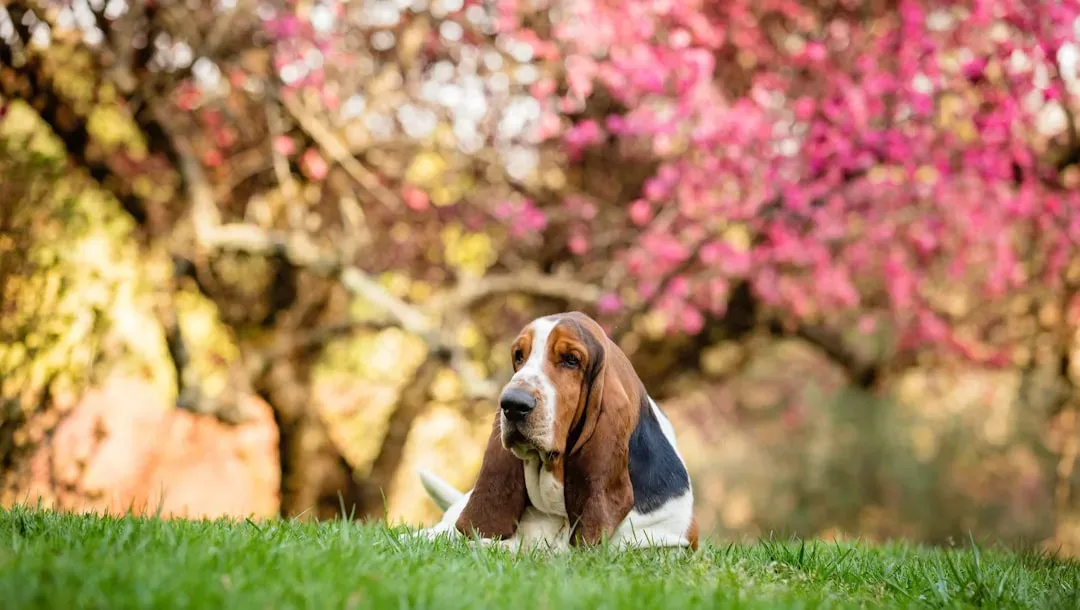
The Basset Hound is often considered one of the best dog breeds for someone who works all day because of its calm and low-energy nature. These dogs are independent and spend much of the day resting, which makes them more tolerant of alone time than high-energy breeds. While they enjoy companionship, Basset Hounds are typically content relaxing at home while you are away. Their affectionate and easygoing personality makes them a good fit for full-time workers who want a loyal but laid-back companion.
The Basset Hound is known for their long, floppy ears and soulful eyes. They are a medium-sized breed with a calm and friendly temperament, making them excellent family pets. Basset Hounds are known for being headstrong and independent, and they have a low tendency for separation anxiety, meaning they can tolerate being alone for several hours. They’ll miss you when you return. They just won’t fall apart while you’re gone.
#14: Chow Chow – Regal, Reserved, and Refreshingly Self-Sufficient
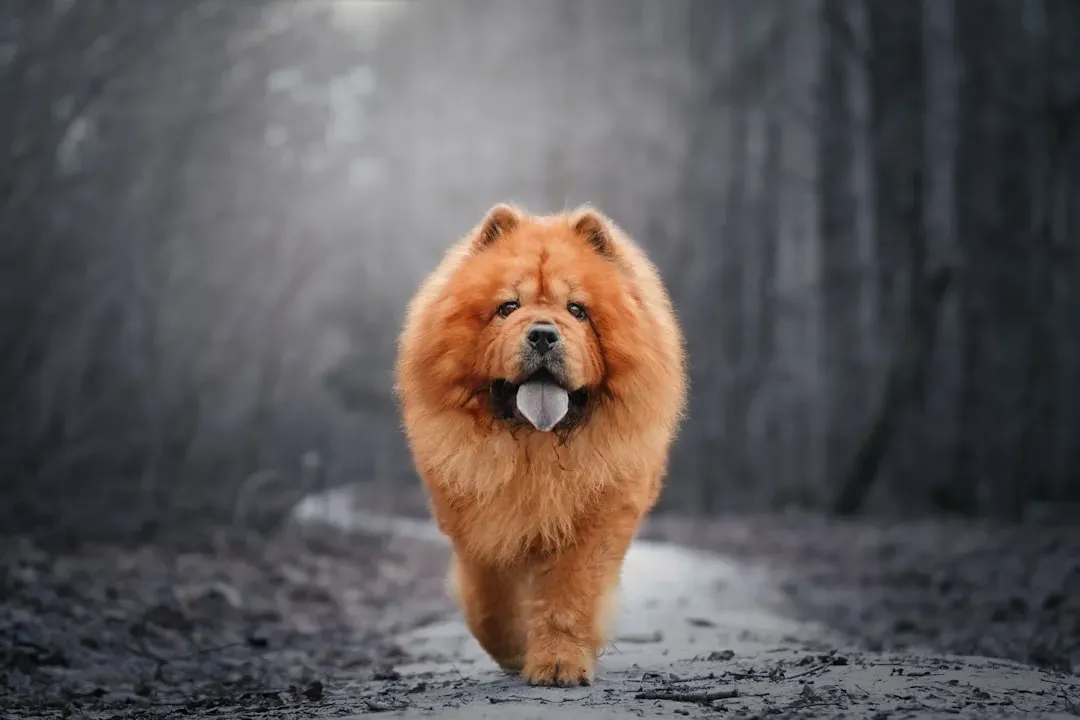
The Chow Chow is known for its independent and reserved personality. Often described as cat-like, this breed tends to be self-sufficient and less emotionally demanding than highly social breeds. Chow Chows are loyal to their family but typically do not require constant attention, and their calm, low-key nature allows many of them to tolerate alone time better than high-energy companion breeds.
Looking like a giant teddy bear, the Chow Chow seems like it would be great to cuddle with. However, it’s really not much for snuggling and physical closeness, and like a cat, it would rather not be hugged and is not a fan of strangers. The Chow Chow is good with its own family but isn’t the best breed to have around small children. Suspicious of strangers, it makes an ideal watchdog. Quiet and independent, they are fine with being left home alone.
#15: Shar Pei – Guardians Who Take Alone Time in Their Stride
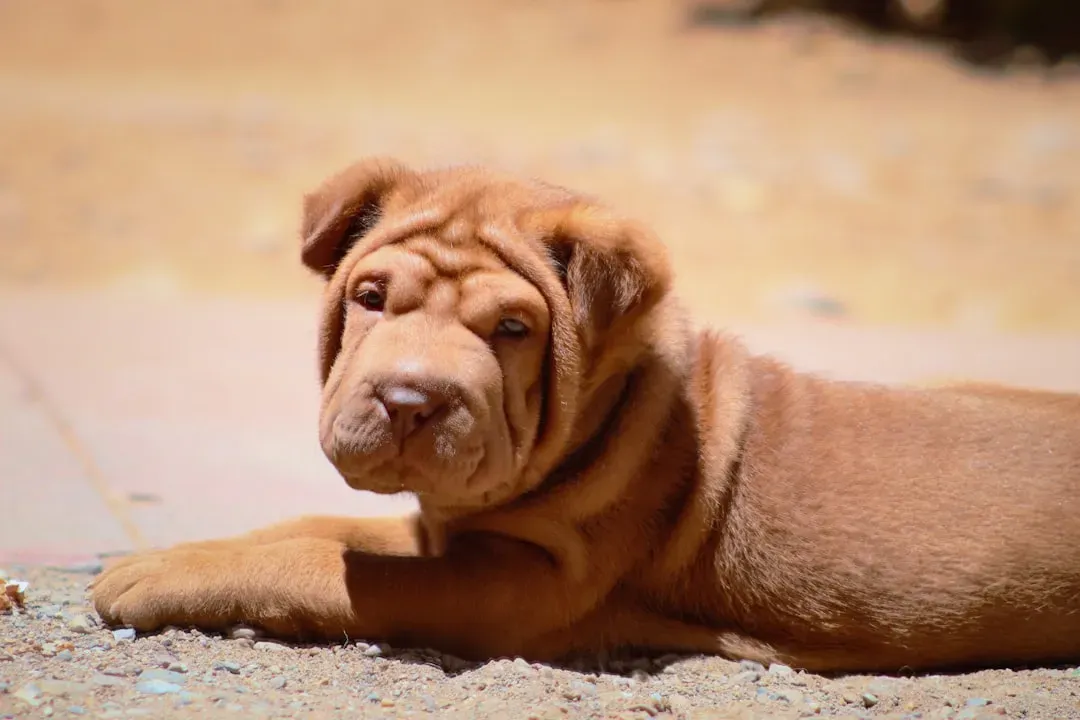
Shar-Peis are naturally independent and have low to moderate energy levels, making them a perfect combination for busy pet parents. These wrinkly dogs were bred to guard property by themselves, so low separation anxiety is basically built into their DNA. The independence that makes them seem aloof is actually one of their most practical qualities for owners with demanding schedules.
Adult Shar-Peis rarely show signs of separation anxiety. They’re more likely to patrol the house a bit, then settle down for a long nap. No excessive barking, no destructive behaviors – just calm, confident dogs. The Chinese Shar Pei does very well in apartments due to their quiet and somewhat reserved demeanor. They do not readily take to strangers but will do anything for their humans, and their cat-like aloofness means they are a good choice for people who must work or are busy.
#16: Shiba Inu – The Independent Soul Who Prefers Solitude
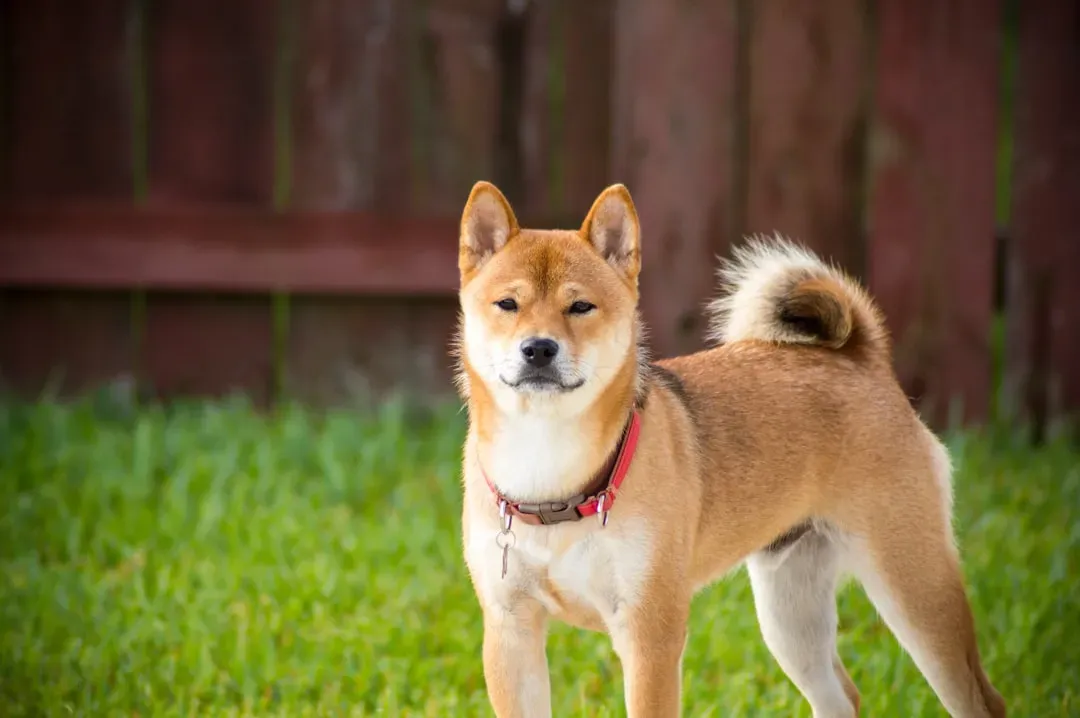
The fox-like Shiba Inu is an independent-minded breed that respects the independence of their owners as well. As long as a Shiba Inu’s basic needs for activity and attention are met, they handle periodic alone time very well. In fact, too much coddling and attention makes some Shibas nervous. Setting aside time for daily walks and play maintains a healthy relationship without crossing the line into separation anxiety issues.
Shiba Inus are known for their self-sufficiency and confidence. While not traditionally lapdogs, their independence makes them one of the few small breeds that often prefer and thrive in alone time, provided they’re well-socialized. There’s something quietly refreshing about a dog that doesn’t need you to prove it loves you. They have a lively and independent temperament and with proper training and socialization, can learn to tolerate being alone for moderate periods of time.
What This Means for You as a Dog Owner
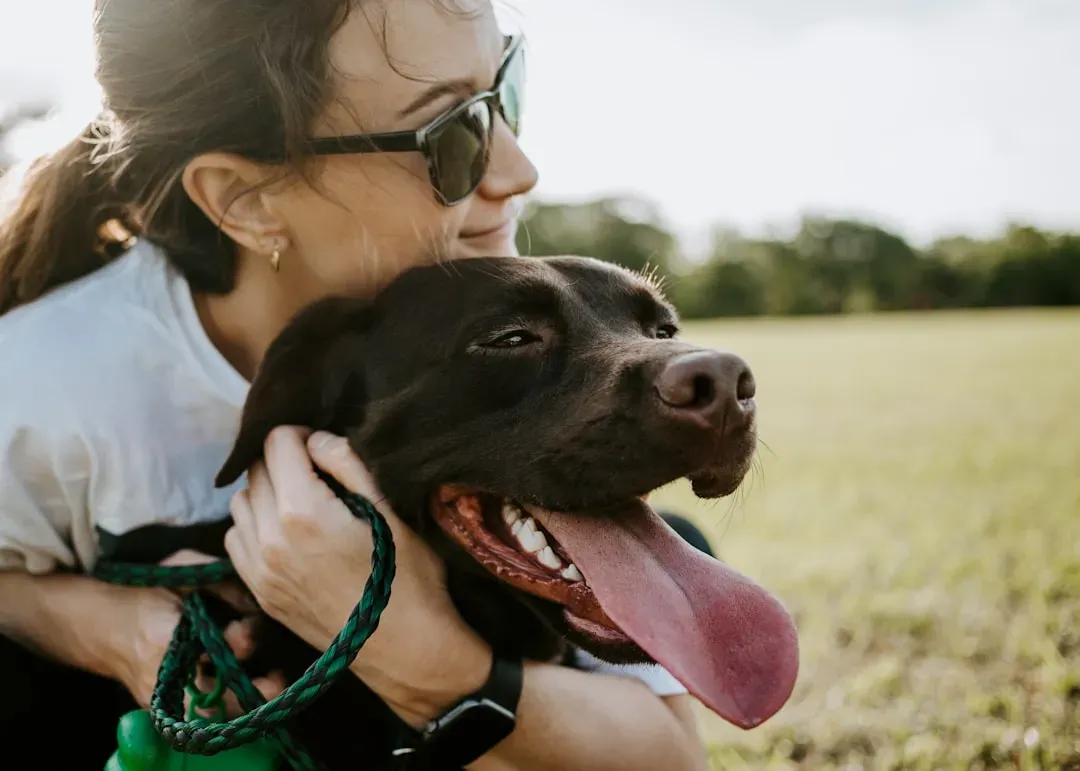
Whenever possible, it’s important to consider the nature of specific dog breeds and how that fits in with your lifestyle before adopting a new pet. A breed’s need for company isn’t a flaw. It’s a trait shaped by hundreds of years of selective breeding for specific purposes, and it deserves respect before you sign adoption papers.
Even independent breeds need daily walks, mental stimulation, and quality time when you’re around. No dog should be alone for more than six to eight hours regularly. The breeds that cope better with solitude aren’t low-maintenance. They simply don’t express their needs through chaos when you leave the room.
Choosing a dog based on how a breed handles your lifestyle honestly is one of the kindest things you can do, both for the animal and for yourself. The best match isn’t always the most beautiful or the most popular breed of the moment. It’s the one whose natural temperament fits the shape of your daily life without either of you having to fight against it.

- What It Means When Your Cat Stares at the Same Empty Corner at the Same Time Every Night – and the Three Explanations Competing for It - July 19, 2026
- What It Means When a Snake Crosses Your Path From Left to Right According to Every Southern Appalachian Tradition That Recorded It - July 19, 2026
- What It Means When Deer Stop Coming to an Area They Have Visited for Years – and What Wildlife Biologists Say They Are Detecting - July 19, 2026