
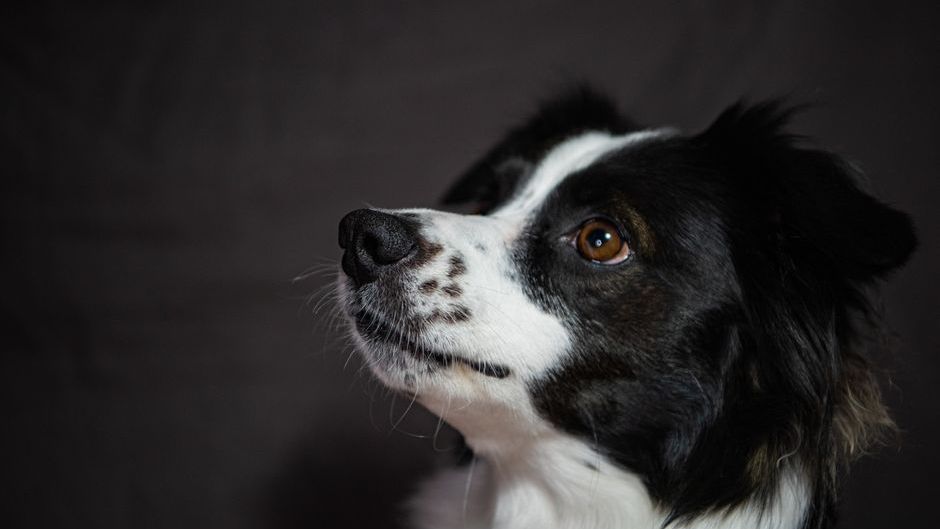
You didn’t forget to walk them that one Tuesday. You raised your voice just slightly. You came home smelling like another dog. Your dog noticed all of it, and some breeds are quietly filing every one of those moments away.
Most dog owners have experienced it: the cold shoulder after a missed outing, the pointed look from across the room, the sudden reluctance to come when called. Dogs don’t always experience emotions the same way humans do, and understanding what your dog is feeling requires a peek into the world of canine psychology. The truth is more nuanced than a simple yes or no, and it depends heavily on the individual animal’s breed, temperament, and emotional wiring. What follows are six breeds that, more than most, seem to keep a running tab on how you’ve treated them.
#1. The Shiba Inu: Proud, Watchful, Unforgiving
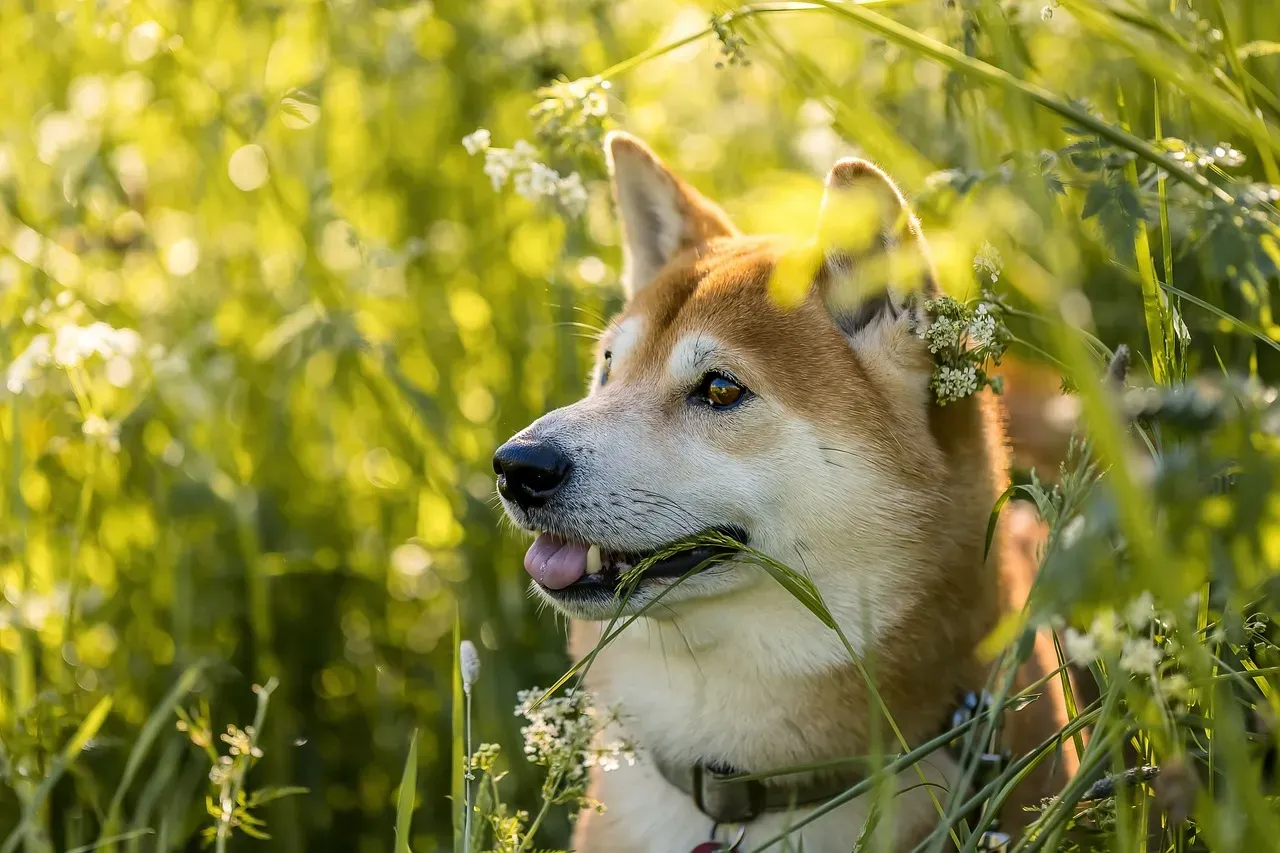
The Shiba Inu is a breed that operates on its own terms. These proud, independent dogs are notorious for being emotionally complex. Scold them once and they’ll likely go full aloof-mode: no eye contact, no affection, no interest in you. It’s a kind of icy composure that can genuinely make you feel like you’ve let someone important down.
Shibas feel a lot but share selectively. You’ll get side-eye, soft chuffs, and careful proximity before you earn full access. Their independence isn’t aloofness, just thoughtful pacing and preference for choice. Step out of line with a Shiba and you’ll understand quickly that their affection is something you earn, not something that arrives automatically. Their capacity for emotional withdrawal is almost architectural in its precision.
#2. The Border Collie: The One Who Notices Everything
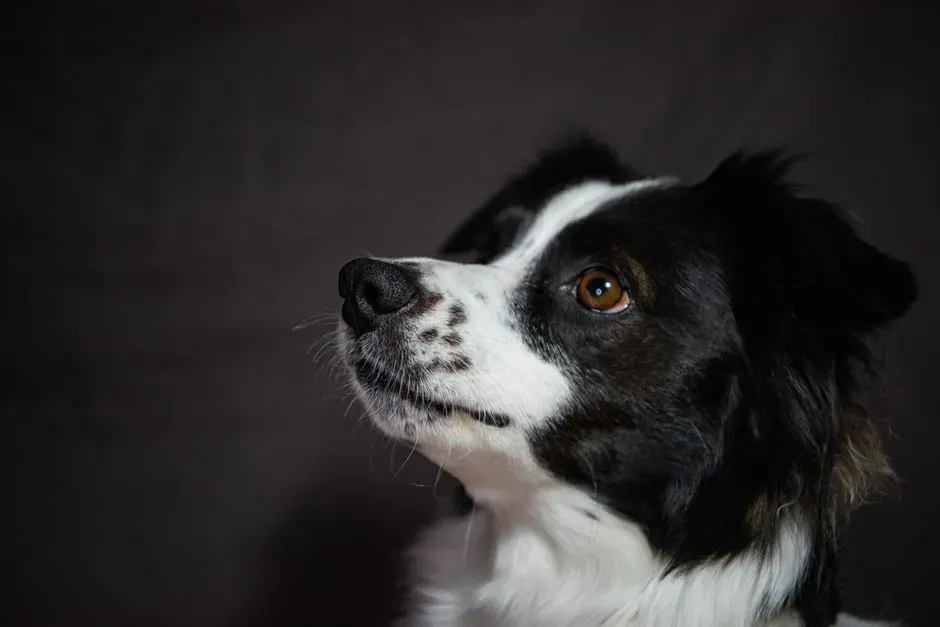
Border Collies were bred to read micro-signals from livestock and their handlers across long distances. That same perceptive wiring turns inward when they feel slighted. Border Collies are sharp, observant, and remember everything. If they perceive injustice, whether it’s a missed walk, harsh tone, or being left out of the fun, they’ll act out subtly.
Sensitivity is another trait the Border Collie possesses in abundance. These dogs are often in tune with their owners’ emotions and can sense shifts in mood, which makes them excellent emotional support companions. The downside of that same gift is that they also register when something feels wrong or unfair. This sensitivity means they don’t respond well to harsh training methods. Raise your voice once too often and a Border Collie’s trust becomes noticeably harder to reclaim.
#3. The Weimaraner: Emotionally Wired, Deeply Bonded

Weimaraners are sensitive and emotionally intelligent, and they bond hard with their humans. If they feel slighted, especially if you leave them alone for too long, they’ll take it personally. Instead of exploding, they’ll withdraw, act a little stubborn, or even passive-aggressively misbehave. Owners who aren’t prepared for that level of emotional intensity sometimes mistake it for a training problem. It isn’t. It’s relationship-based.
Weimaraners wear their hearts in silver. You’ll see devotion, impatience, and curiosity flicker across that luminous face within minutes. They crave contact, and long separations can stir restless, dramatic energy. More serious incidents, like punishment, can affect dogs for days or weeks. In cases of trauma or repeated negative experiences, fear-based associations may last months or even years. With a Weimaraner, that emotional timeline is very real and very visible.
#4. The Basenji: Silent Treatment, Perfected
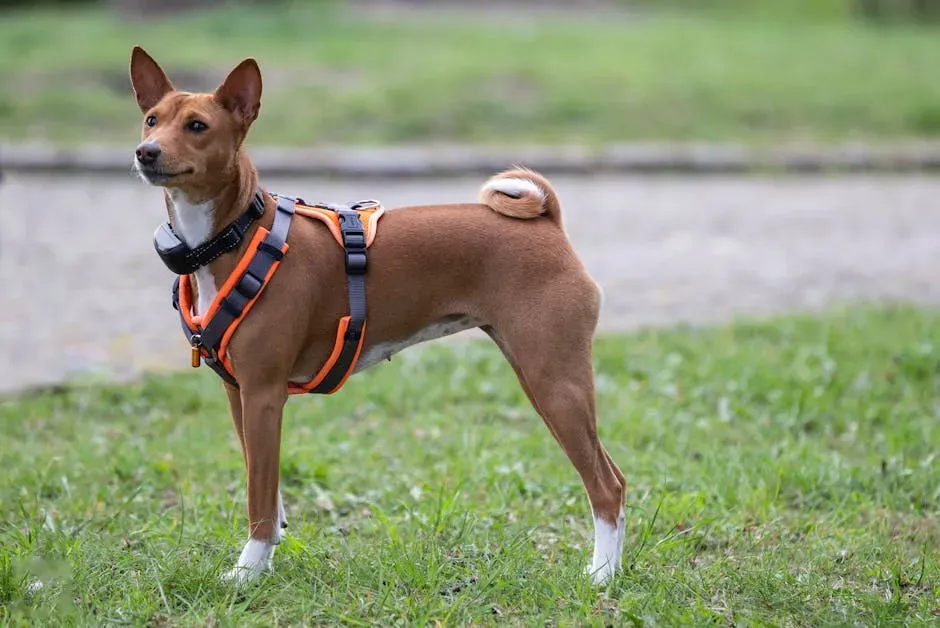
The Basenji is famously known as the barkless dog of Africa, a breed refined over centuries for hunting across challenging terrain. Originally bred for hunting in challenging terrains, the Basenji developed the ability to remember routes, signals, and strategies with precision. That same sharp memory applies to how you’ve made them feel. It’s an unsettling quality if you’re on the receiving end of their disapproval.
You won’t get barking or tantrums, just a total lack of engagement. They’ll sit across the room, avoid eye contact, and pretend you’re not even there. It’s passive-aggressive perfection. Basenjis don’t make scenes. They simply opt out of the relationship temporarily, offering you a silence that communicates more than most dogs could manage with a full vocabulary of barks and whines.
#5. The Chihuahua: Small Dog, Long Memory
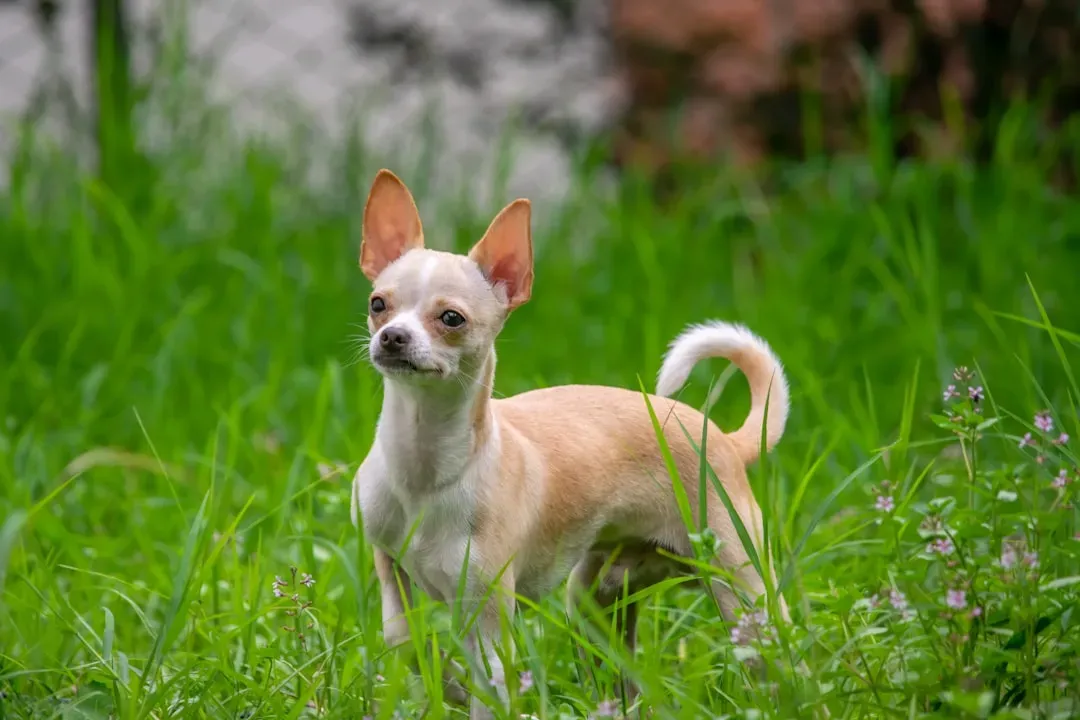
There’s a common assumption that the smaller the dog, the shorter the emotional range. Chihuahuas disprove that completely. The Chihuahua carries more emotional intensity per pound than almost any other breed. They form fierce, singular bonds and expect that devotion to be treated with care. Cross one and you’ll discover that small dogs are entirely capable of delivering large-scale emotional responses.
Factors that influence how long a dog holds a grudge include significant emotional events like abuse, which tend to be stored long-term. Dogs with past trauma or neglect may be more sensitive to stress, and breed, socialization, and personality affect how fears develop and persist. Chihuahuas sit at the sensitive end of all three of those factors. Their world revolves around their person, and any perceived betrayal registers with a depth that’s surprisingly hard to shake.
#6. The Lhasa Apso: Ancient, Dignified, Unimpressed With You
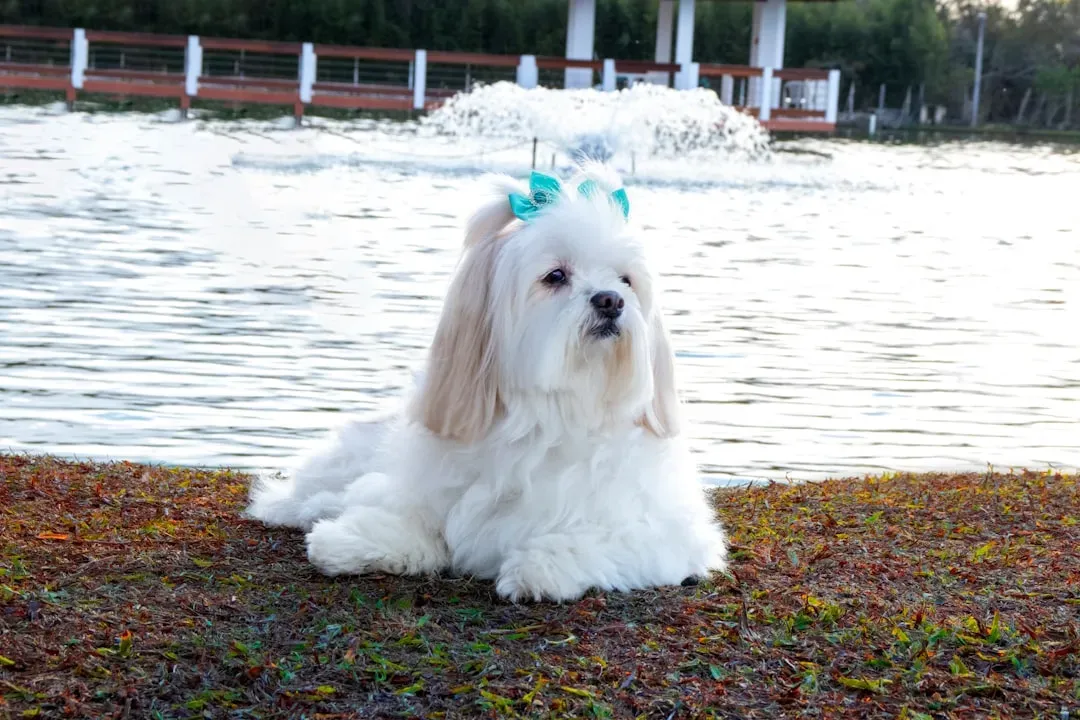
The Lhasa Apso has a long history as a monastery sentinel in Tibet, which perhaps explains why they carry themselves with such an air of quiet authority. These little lions were bred to guard Tibetan monasteries, so they’ve got a regal streak. If you cross them, like trimming their fur too short or not inviting them onto the sofa, they’ll get moody. Lhasas can be incredibly stubborn when slighted, choosing to ignore you completely until they decide you’re forgiven.
The key word there is “until they decide.” The Lhasa doesn’t operate on your schedule, and that’s very much the point. Studies have shown that dogs tend to remember emotional connections and experiences for years. They recognize their owners even after long periods apart, largely due to their strong emotional and associative memory. In the Lhasa Apso, that emotional memory combines with an ancient, self-possessed temperament that makes forgiveness something they grant on their own timeline, not yours.
What’s Actually Happening in a Dog’s Mind
The science behind these behaviors is worth understanding clearly. Instead of having a memory like humans, dogs have “associative memories.” When something happens, they associate their experience with a specific emotion. These associations can be negative, positive, or neutral. So what looks like a grudge is actually something more immediate and instinctual: a learned emotional response to a pattern they’ve recognized.
Research clearly shows that dogs have the cognitive and emotional capacities to hold grudges. They remember events from the past and these memories can persist for a long while. Still, the mechanism differs from human resentment. The main difference between human and animal grudges is that animals will not spend time thinking about their grudges and replaying the original incident like humans do. They will simply “enable” their grudge once the person, place, or experience which sparks their negative association is presented in front of them.
The breeds that seem hardest to forgive are also the ones that care the most. Their emotional withdrawal isn’t spite. It’s the language of a deeply bonded animal trying to make sense of a world that suddenly felt unsafe. Knowing that makes all the difference in how you respond to it. Patience, positive reinforcement, and a genuine consistency in how you treat your dog are what ultimately rebuild the trust that sensitive breeds are always quietly measuring. That, more than any treat or apology, is what earns your place back in their good graces.
