
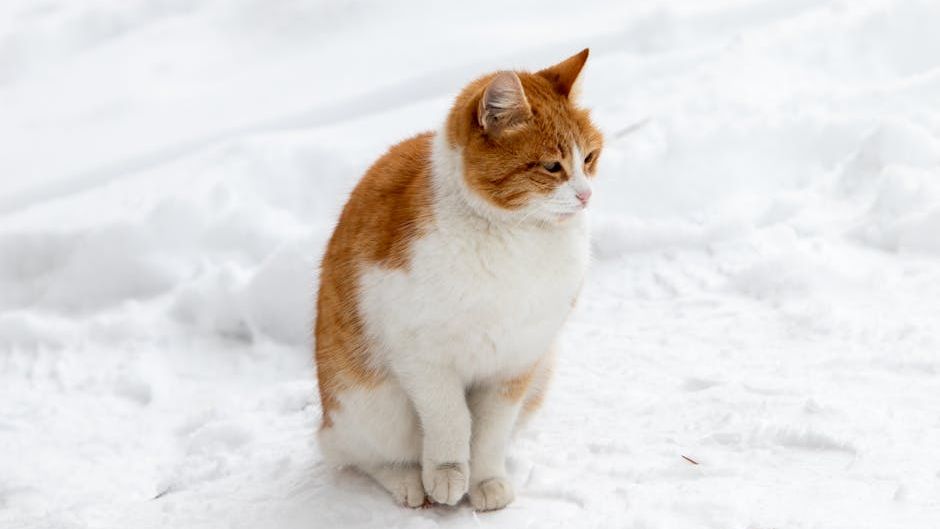
Cats are extraordinary at keeping secrets. It’s one of the things we quietly admire about them, that cool, self-contained composure that seems to say they have everything under control. The trouble is, that same instinct works against us when they’re seriously ill. Cats suppress outward signs of pain and discomfort for as long as possible. By the time a cat is openly showing distress, hiding, or refusing food, the illness is often quite advanced.
This matters more than most owners realize. Sooner or later, the time will come for you two to part, and often this time can take us by surprise since cats are good at hiding their pain. Knowing what to look for, before the obvious signs appear, can be the difference between suffering and compassionate care. The eight behaviors below are what veterinarians and experienced owners have observed time and again. Some are well-known. Others are far more subtle, and one in particular tends to catch even devoted cat parents completely off guard.
#1: Purposeful and Persistent Hiding in Unusual Places
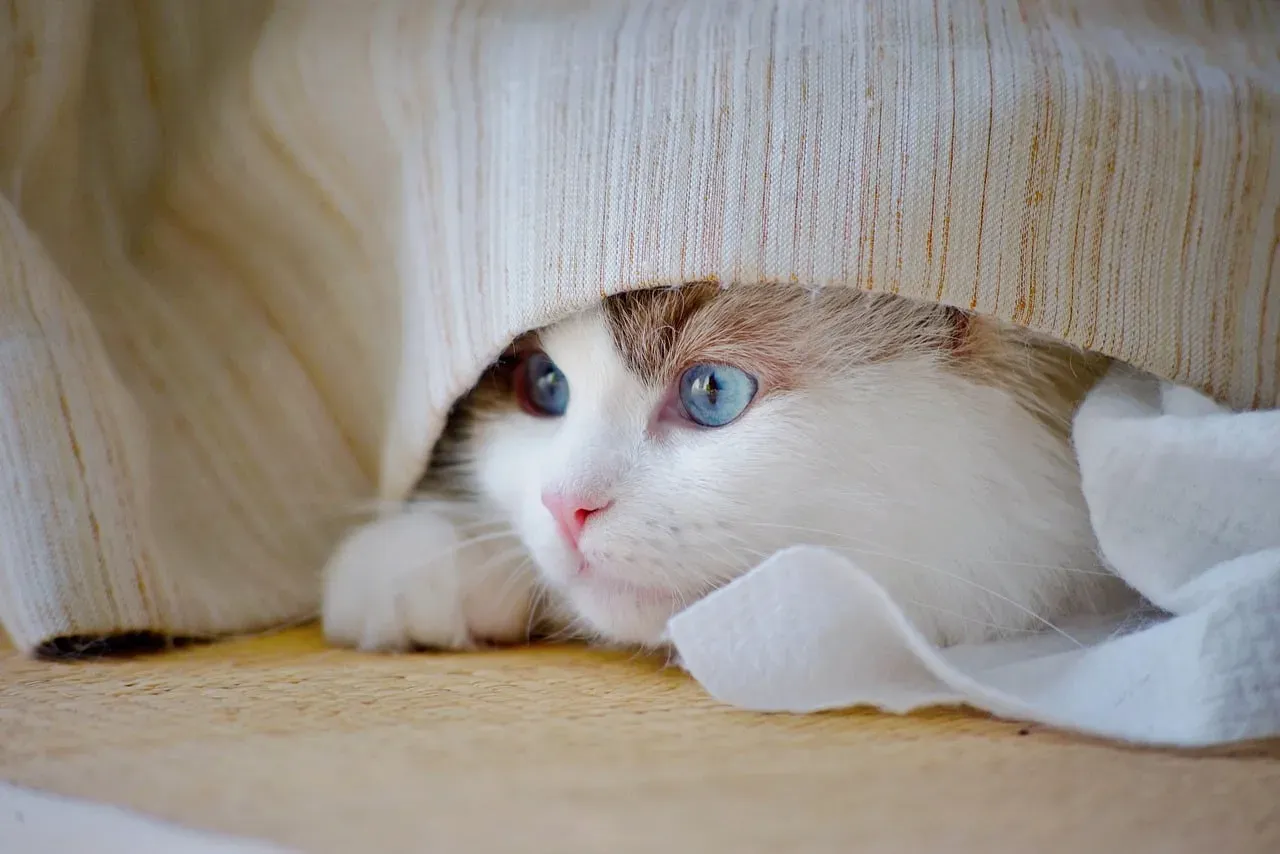
Most cats hide occasionally. That’s normal. What’s different near the end of life is the quality and consistency of the hiding. Many cats hide a lot normally. Things to watch for include increased hiding, hiding in new places, and not wanting to come out even for routine, positive events like mealtimes.
The instinct for cats to hide when dying is deeply ingrained in their biology and can be traced back to their wild ancestors. In the wild, sick or injured animals are vulnerable to predators, so they instinctively seek out safe and secluded places to hide away from potential threats. This behavior helps them conserve energy and protect themselves in their weakened state.
Location matters too. Cats may choose new, unusual hiding spots like under beds or in closets they’ve not used before. They may seek constant physical contact, often pressing against their human or other pets. Some prefer enclosed spaces like boxes or carriers they previously avoided.
If your cat, who has never once slept in a closet, is suddenly wedged behind the washing machine every time you check on them, pay attention. A cat that once greeted you at the door and now stays under the bed for days is telling you something important with its behavior even if it can’t tell you with words.
#2: Complete Loss of Appetite and Refusal to Drink
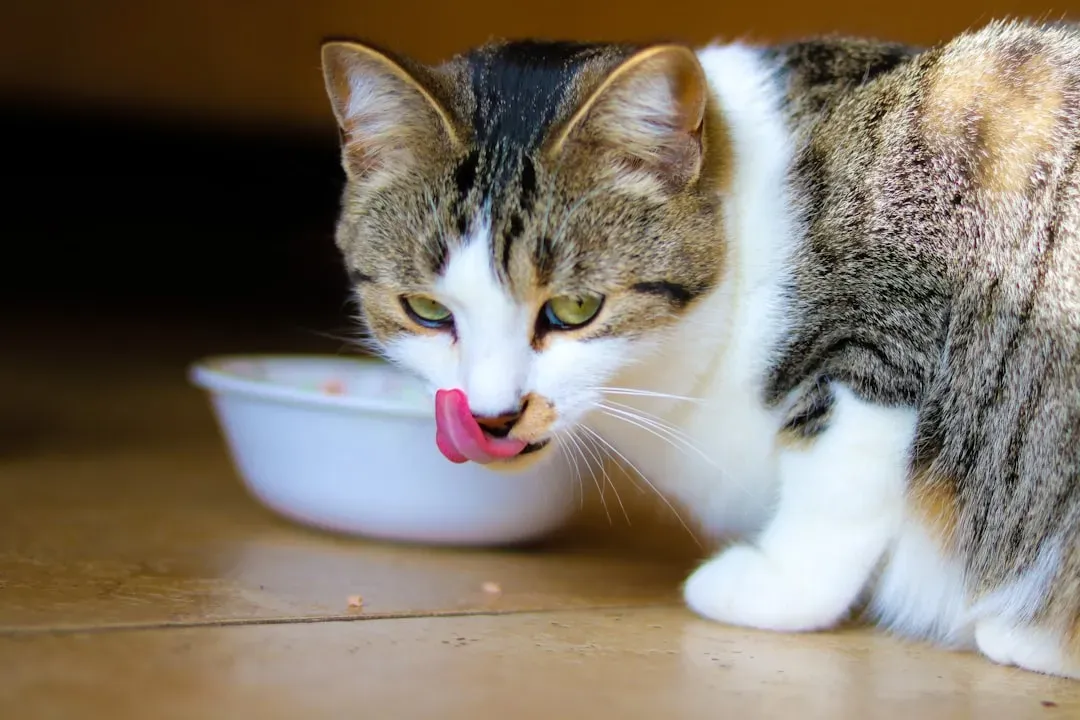
Refusal to eat is often the first physiological signal that the body is shutting down. While a sick cat might skip a meal, a dying cat often has no interest in food or water at all. This lack of intake leads to rapid dehydration and weight loss.
Loss of appetite is one of the first signs that a cat may be dying. However, many treatable conditions can also cause appetite loss, so it’s important to see a vet if your cat stops eating. That distinction is critical. A skipped meal is not a death sentence; a multi-day refusal combined with other signs is something else entirely.
Food refusal can lead quickly to weight loss, weakness, and is an indication of a poor quality of life. Cats cannot survive long without drinking water and will rapidly become dehydrated.
A cat who stops eating or drinking for more than 24 to 48 hours needs immediate veterinary care. This is not always the final stage; sometimes appetite loss is treatable. But it is a symptom that should never be ignored. Offer warmed food with a strong smell, try hand-feeding, and call your vet without delay.
#3: Sudden Personality Shifts, Extreme Clinginess OR Unusual Withdrawal
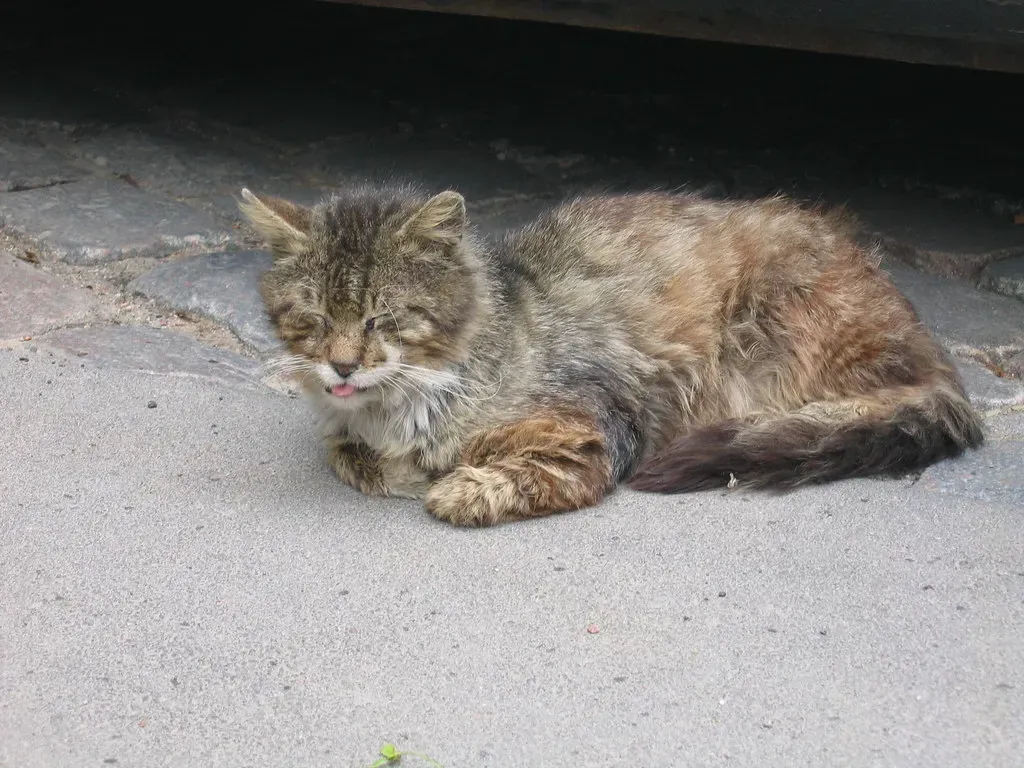
This is the one most owners miss completely, because it doesn’t look like illness. A dying cat might actually seem more loving than ever. Or they might turn cold. Neurological and physical changes can alter personality. A fiercely independent cat may become suddenly clingy, while a cuddly cat may lash out or demand distance.
Cats likely don’t say goodbye in the way people with life-threatening illnesses may consciously do. Cats nearing the end of life who don’t feel well may become anxious or restless and seek more comfort and attention. Conversely, many ailing cats prefer solitude and may hide in unusual places in the home or yard.
As cats near death, they might withdraw from people and other pets. Conversely, some cats may become unusually affectionate or clingy. These shifts often reflect their changing mental and physical states.
The reason so many owners miss this one is straightforward. A newly affectionate cat feels like a gift, not a warning. Owners enjoy the extra cuddles, not realizing their cat may be telling them something very different. Cats may show signs ranging from subtle personality changes to clear distress, depending on the cause, severity, and duration of their illness or injury.
#4: Cessation of Grooming and a Deteriorating Coat
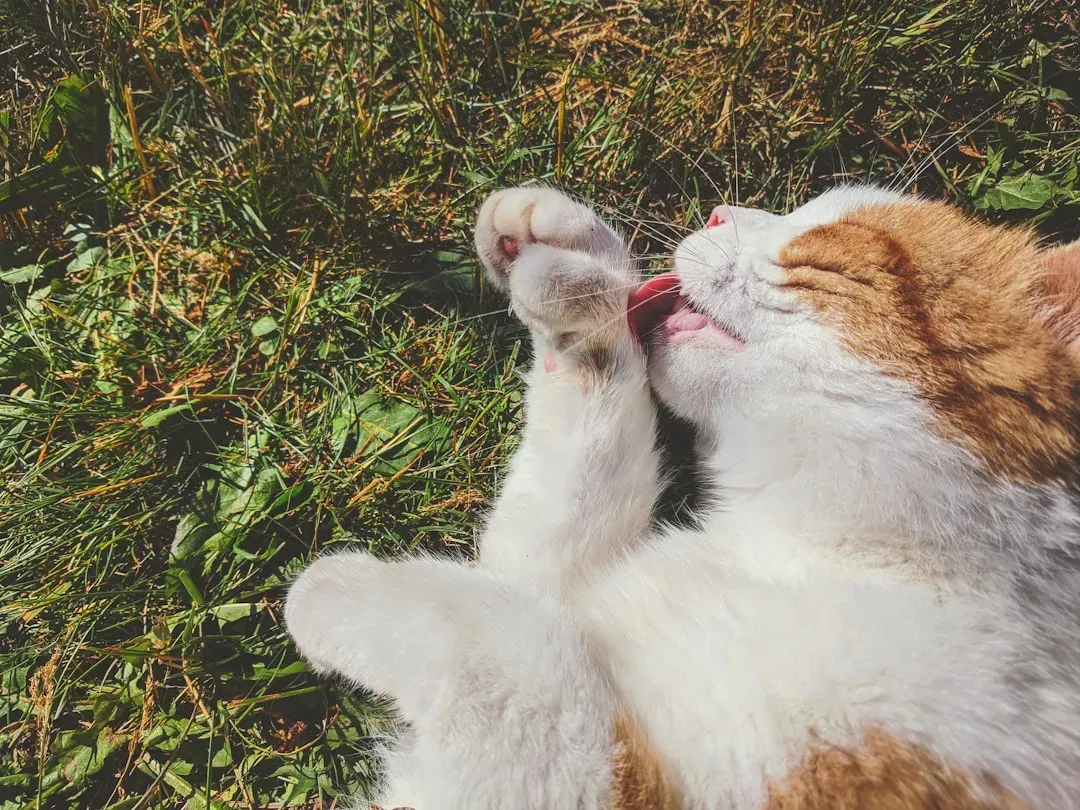
Cats are fastidious groomers. When they stop grooming, it is a sign they feel too unwell to care for themselves. This shift is usually gradual but unmistakable once you know what to look for. A coat that was once sleek starts looking dull, greasy, or matted.
When cats don’t feel well, they frequently stop grooming themselves. This leads to a greasy, scruffy-looking coat. Long-haired cats may develop mats, particularly on their hind end, underbelly, and behind the ears. Your cat may also have excessive dandruff and flaky skin.
As your cat nears the end of her life she may develop an abnormal body odor. This is due to the breakdown of tissues and buildup of toxins in the body. The exact smell can vary depending on the underlying condition. Cats experiencing diabetic ketoacidosis can have a sickly sweet smell, and cats in kidney failure may have breath that smells like ammonia.
If a cat who has always been meticulous suddenly looks unkempt, don’t chalk it up to laziness. A cat that is feeling severely ill or is in significant pain may stop grooming itself. If you start noticing matted fur or similar problems, pay close attention to any other changes in the animal’s behavior.
#5: Dramatic, Unexplained Weight Loss
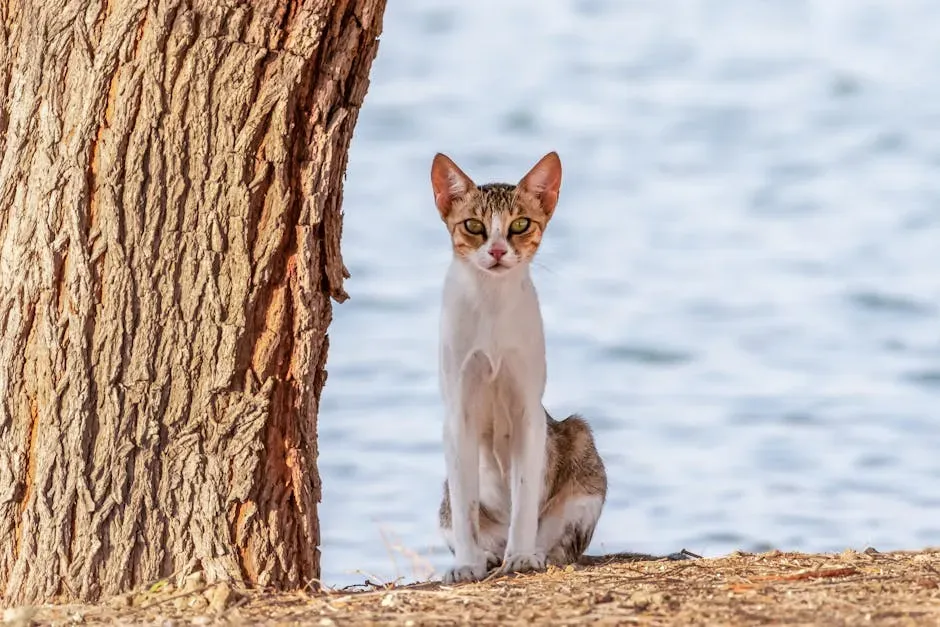
Rapid weight loss is a concern in any cat at any age. A sudden drop in condition, especially in older cats or those with chronic illness such as kidney disease, can indicate that the last days are approaching and that the body is shutting down.
The weight loss associated with end-of-life decline can come from several directions. While appetite loss can lead to weight loss, even a cat who’s still eating might experience weight loss as they approach the end of life. Cats lose muscle mass as the body’s ability to digest protein decreases, which is a normal part of aging. Some illnesses, such as hyperthyroidism, kidney disease and cancer, can also cause rapid weight loss in cats.
This weight loss can become extreme, with ribs, spine, and hip bones protruding. Cachexia, weight loss caused by cancer, occurs when cancer cells use excessive energy, depleting fat and muscle. Cats with hyperthyroidism and chronic kidney disease may also lose weight.
Run your hands gently along your cat’s spine and sides regularly. The spine becoming easy to feel is one of the earliest physical indicators something serious is happening, long before the scale would tell you anything useful.
#6: Changes in Vocalization, From Silence to Excessive Yowling
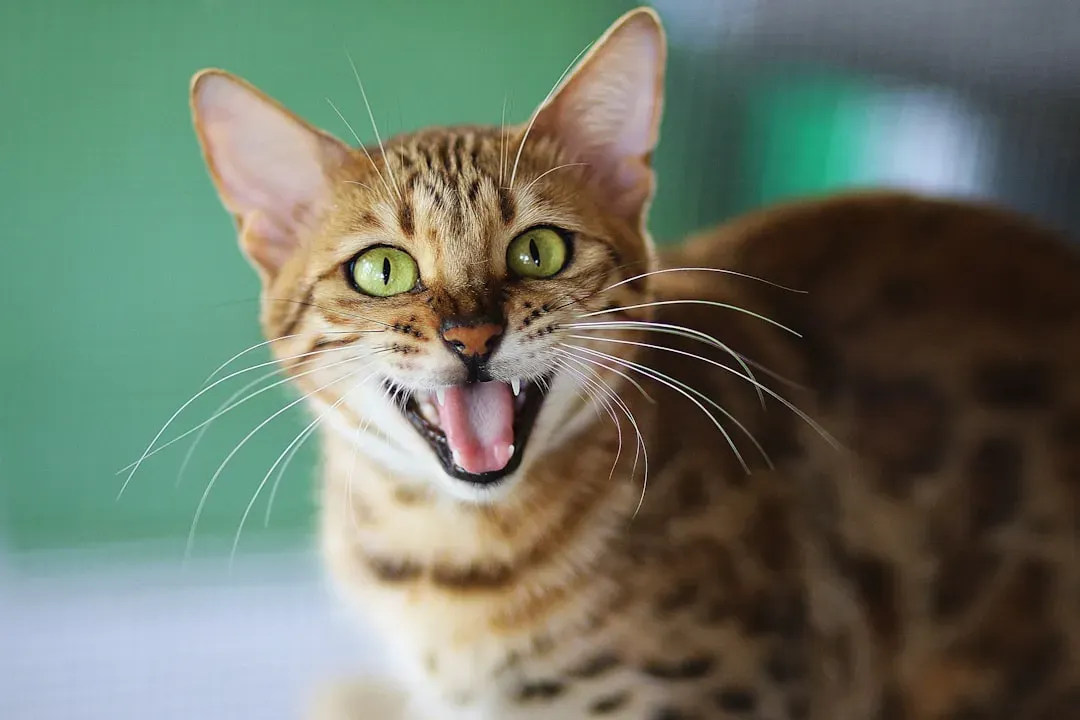
Changes in vocalization, such as yowling, meowing excessively, or going completely silent, are among the behavioral signs cats display as they approach their final days. This shift can go in either direction, and both deserve equal attention.
If your cat suddenly begins meowing more or is making other out-of-the-ordinary noises, this could indicate discomfort or pain. Cats can be noticeably vocal when they aren’t feeling well. If the increased vocalization occurs at the same time that your cat is having difficulty moving or is refusing to jump to a favorite perch, this could indicate a high level of pain.
Senior cats and cats nearing the end of life might develop cognitive dysfunction much like human dementia. They may forget where they are and feel lost in their own home. Confused cats might express their distress through yowling and other loud vocalizations.
Clinical research shows that aging cats develop increased wandering, vocalization, and nighttime restlessness that can’t be explained by other medical problems. About one in five cases involve spatial disorientation, and nearly as many show increased aimless wandering. A cat who suddenly starts crying in the middle of the night after years of quiet is communicating something real and urgent.
#7: Labored, Irregular, or Noisy Breathing
Initially, a cat will experience rapid, labored breathing, but as further organ failure occurs, respiration weakens and slows. Near the end, breaths are fewer and farther between until the animal is finally too weak to go on and stops breathing altogether.
Breathing may become shallow, labored, or irregular, with periods of rapid breathing followed by long pauses. You may also hear a “death rattle,” which is a crackling sound caused by fluid buildup in the throat and lungs. This is one of the clearest signs the body is entering its final stage.
Irregular, shallow, or labored breathing is a warning sign that a cat may be dying. Particularly in a pet’s final hours, a gasping breath pattern, known as agonal breaths, may occur. This is distressing to witness, but understanding what it means helps owners respond with care rather than panic.
Any breathing change in a cat should be treated as urgent. Any cat that is showing signs of breathing difficulty, whatever the cause, is at high risk of dying if the respiratory problem is not treated promptly. Do not wait to see if it resolves on its own.
#8: A Noticeable Drop in Body Temperature and Cold Extremities
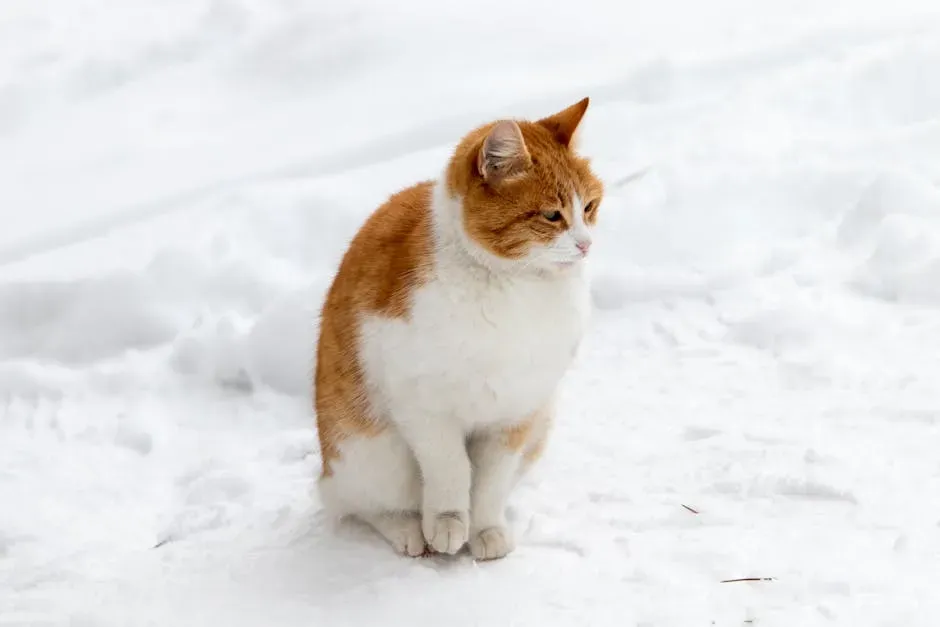
As a cat’s organs begin to fail, the body also cools, particularly the extremities. A healthy cat typically feels warm when you touch them because their average temperature runs between 100.0 and 102.5 degrees Fahrenheit. When that warmth disappears, it is a significant physical signal.
A healthy cat’s temperature ranges between 100 and 102.5 degrees Fahrenheit. As circulation slows, their temperature drops below 100 degrees. Their paws and ears may feel noticeably cold to the touch.
Senior cats increasingly have trouble regulating their body temperature and will be more susceptible to heat and cold than healthy adult cats. Even when provided with a warm bed and environment, cats nearing death often have a low body temperature.
Cats develop thinner skin with age, and they may also lose muscle mass, which can make it harder for senior cats to regulate their body temperature. You may observe your cat sitting on the radiator more or seeking out warmer areas in the home. Poor circulation can also cause the extremities, like paws and noses, to become cold to the touch. When combined with the other signs on this list, cold paws and ears can indicate the body is beginning to shut down.
What to Do When You Notice These Signs
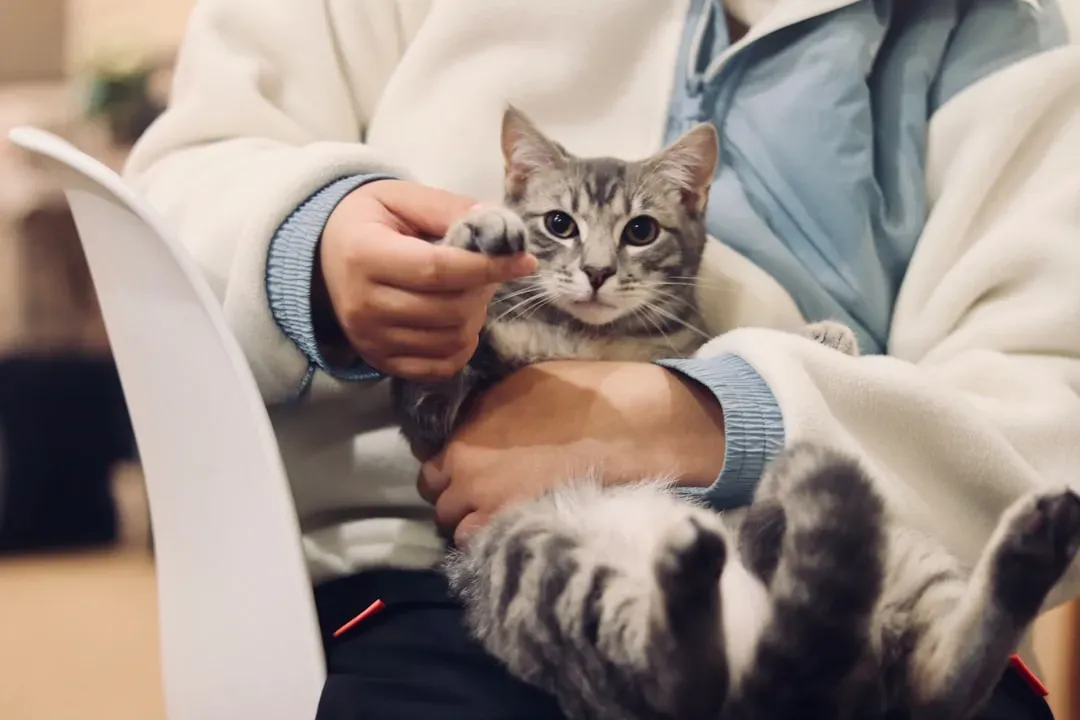
None of these behaviors are a guaranteed diagnosis on their own. Several can also point to conditions that are treatable with early veterinary intervention. These individual signs don’t automatically mean your cat is extremely ill. They are all symptoms that something is amiss, but sometimes these problems are caused by health conditions that are resolvable or manageable with the wonders of modern veterinary medicine.
If you think your cat is dying, contact your veterinarian immediately for evaluation and support. The above symptoms indicate that your cat needs a professional diagnosis. If your vet detects a terminal disease, they will help you develop an end-of-life plan, which may include treatment, hospice care, palliative care, or euthanasia.
Cats that are terminally ill should be provided with a safe, warm, comfortable, and quiet resting place, tempting food, and easy access to resources such as a litter tray. Small adjustments like these can meaningfully improve quality of life in the final days.
The hardest truth about loving a cat is that their stoicism, the same quality that makes them so captivating, is also what makes their decline so easy to miss. Staying close, knowing these signs, and acting quickly when something feels wrong is the most profound act of care you can offer them at the end.

- 8 Reasons Cedar Waxwings Pass Berries From Beak to Beak - July 26, 2026
- 8 Backyard Trees That Owls Prefer After Sunset - July 26, 2026
- 9 Things Chickadees Remember About Reliable Backyard Feeders - July 26, 2026