

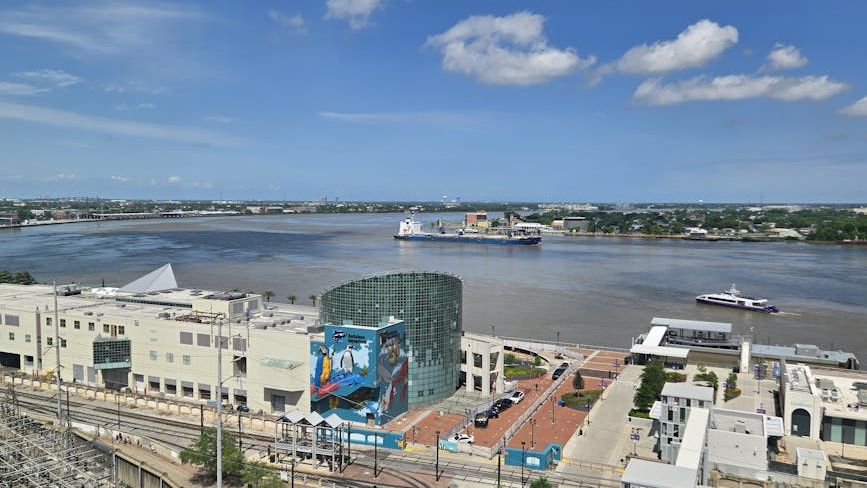
New Orleans has always had an unusual relationship with water. The city sits in a bowl shaped landscape, surrounded by rivers, lakes, and wetlands, and has been fighting flooding for as long as it has existed. What’s different now is that scientists are no longer talking about how to keep the water out. They’re talking about when to start moving people.
A study published in Nature Sustainability on May 4, 2026, warns that New Orleans has reached a point of no return due to rapid sea-level rise and land subsidence. The conclusion is stark, the timeline is long but not distant, and the debate it has sparked is already fierce.
A City Built Below the Waterline
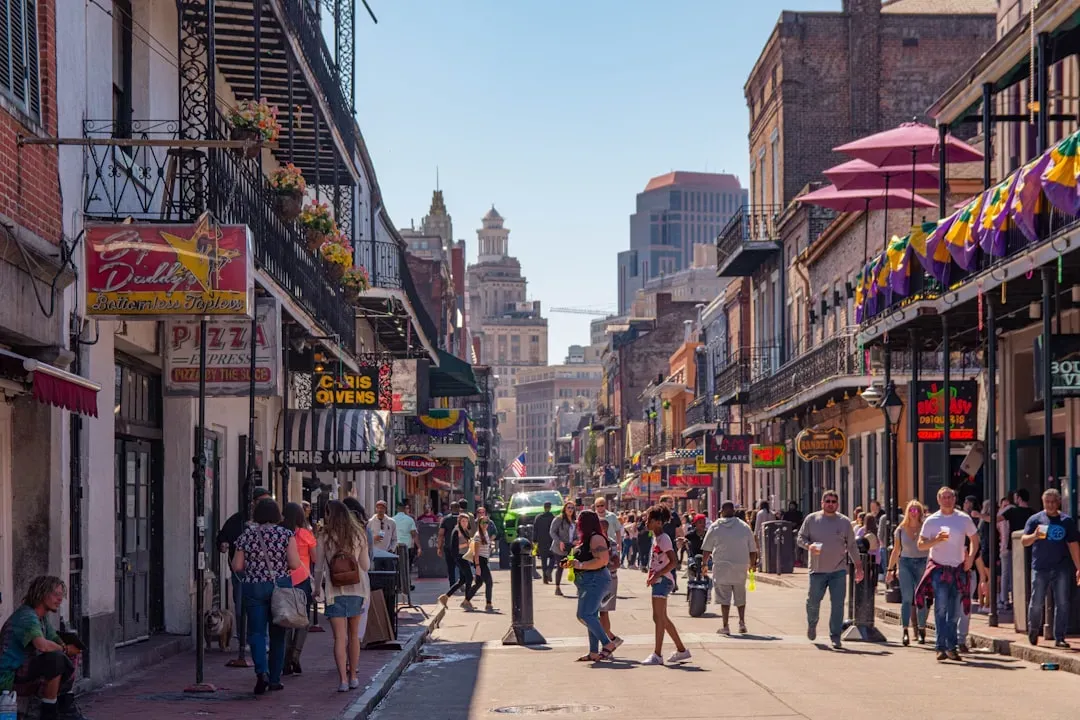
New Orleans, with its over 360,000 residents, sits at an average elevation of about 6 feet below sea level, according to NASA. That figure alone is striking. Most cities worry about their relationship to the ocean from the shoreline; New Orleans starts below it.
Built largely below sea level and surrounded by water, New Orleans already depends on an extensive system of levees and pumps for protection. The study shows sea-level rise in the region is occurring faster than the global average due to sinking land, known as subsidence, combined with rising oceans.
Coastal Louisiana, including New Orleans, is now being threatened by a combination of many challenges: accelerating sea level rise, subsidence, reduced sediment input from the rivers, and intensifying tropical cyclones due to climate change.
What the Nature Sustainability Study Actually Found
The paper published in Nature Sustainability warns that New Orleans has reached a “point of no return” due to the climate crisis, with researchers estimating that the Gulf of Mexico could encircle the Louisiana cultural hub before the end of this century as global heating drives sea-level rises of 3 to 7 meters.
Coastal Louisiana faces sea level rise of around 10 to 23 feet, according to the analysis. Around 75% of its remaining wetlands are set to be lost, and its shoreline could retreat inland by up to 62 miles, the scientists found.
One of the authors identified an ancient shoreline roughly 30 miles north of New Orleans, which formed around 125,000 years ago when temperatures were similar to today, but the oceans were at least 10 feet higher. Torbjörn Törnqvist, a geology professor at Tulane University and one of the report’s authors, noted that “it’s very likely that sea level will rise to that elevation in the future.”
The Disappearing Wetlands Problem
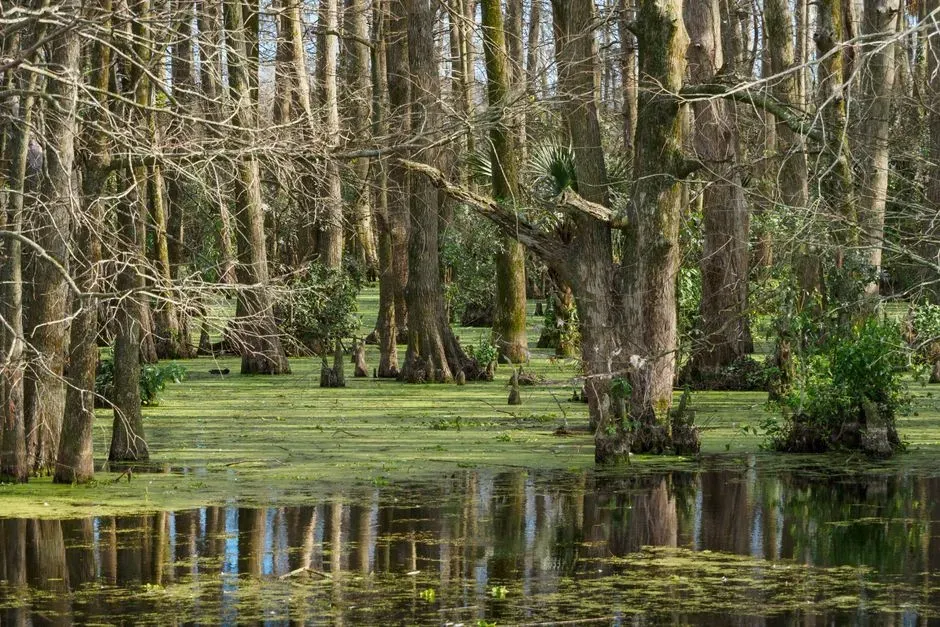
The city is almost entirely surrounded by wetlands, which act as a buffer against hurricanes and storm surges. These are fast disappearing, however, as humans drain them for development, dredge canals for the oil and gas industry, and construct river levees that deprive them of the sediments that prevent them from being submerged.
The state has lost 2,000 square miles of land to erosion since the 1930s, an area the size of Delaware. That’s not an abstract statistic. It represents coastline that no longer exists, wetland buffers that are gone, and communities that have already been absorbed by open water.
Törnqvist’s team’s previous research projected that about 75% of Louisiana’s remaining coastal wetlands could disappear by 2070. The wetlands surrounding New Orleans provide an additional buffer against storm surge, but they’re disappearing, and they are expected to vanish increasingly rapidly throughout this century.
The Canceled Restoration Project and Political Fallout
In August 2023, ground broke on a vast sediment diversion project to boost the wetlands and help safeguard south Louisiana from storms and rising seas. In 2025, however, it was cancelled by Louisiana’s Republican Governor Jeff Landry, citing high costs and damage to fisheries.
The report’s authors wrote that this decision “effectively means giving up on extensive portions of coastal Louisiana, including the New Orleans area.” Governor Landry’s office did not respond to press requests for comment on those findings.
A U.S. Supreme Court ruling in April 2026 further complicated efforts, allowing fossil fuel firms to challenge a $740 million wetlands restoration payment from Chevron. The convergence of political decisions and legal setbacks has left coastal restoration in a significantly weakened position heading into a critical decade.
The Case for Managed Relocation
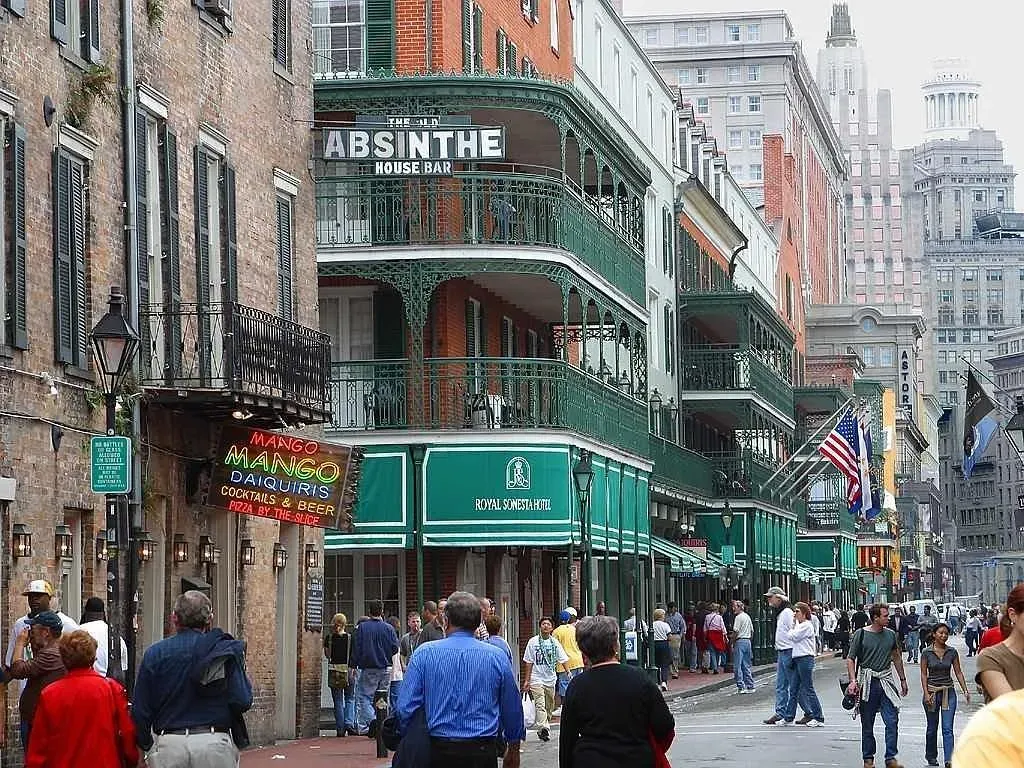
The study’s authors argue that to prevent the worst-case outcomes, the city should develop climate-mitigation strategies to relocate residents who could be affected by rising sea levels, stating that this “could expand the time window to enable managed relocation, rather than inviting chaos.”
The researchers also say that strategies to mitigate potential shoreline retreat should be put in place when the city still has “choices,” rather than when it’s dealing with “crisis conditions.” That framing is deliberate. The difference between an orderly transition and a chaotic displacement often comes down to decades of planning, not emergency action.
Törnqvist said planning for managed relocation can help preserve New Orleans’ historically important culture and community, and that it can help ensure an equitable population move, even if the most dire situation won’t come to fruition for lifetimes from now.
Pushback From State Officials and Community Voices
The head of Louisiana’s Coastal Protection and Restoration Authority said he found the study needlessly alarmist. CPRA chairman Gordon Dove said he did not think Törnqvist “knows what he’s talking about.” Dove argues that the rate of sea level rise is not as high as the study projects, and that the multibillion-dollar levee system built after Hurricane Katrina can protect New Orleans.
Beverly Wright, whose family in New Orleans goes back eight generations, fears relocation could fracture the city. Wright, the founder and executive director of the Deep South Center for Environmental Justice, said that “the culture that we have has grown out of life experiences and neighborhoods, so anytime you break up a neighborhood, you lose things.”
Wright is a scientist and does not doubt sea level rise is an existential threat, but she is deeply concerned about how a relocation would play out. She expressed that she has “no hope in the establishment being considerate of Black people,” referencing what she described as the widely-criticized government response to Hurricane Katrina.
What Comes Next for New Orleans and Coastal America
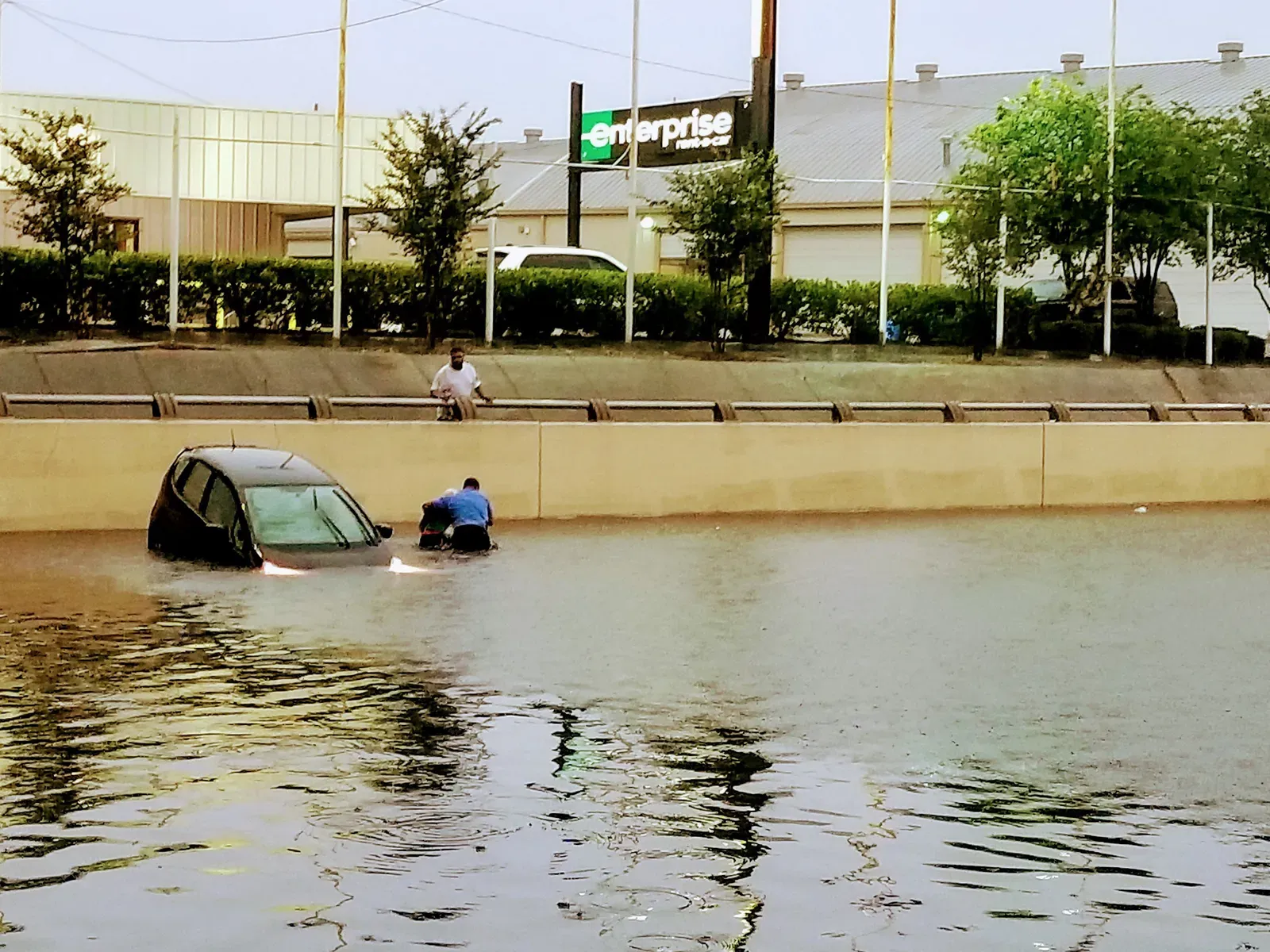
Törnqvist and his co-author Castro are keen to emphasize their paper is not all doom and gloom. A carefully planned relocation could be an opportunity for New Orleans to be a leader in sustainable development and coastal restoration.
Rising seas are coming for coastal towns and cities all over the world, from New York and London to Bangkok and Shanghai. Benjamin Strauss, CEO and chief scientist at Climate Central, a climate research nonprofit, noted that “the main questions are how soon those futures will come, and how they will play out.”
The exceptional vulnerability of the Gulf Coast offers a window into what may await other coastal communities this century. As Törnqvist put it, the sea may claim the land here earlier than elsewhere, “but what happens here now is what’s going to happen in other places.”
Conclusion: The Uncomfortable Conversation No One Wants to Have
The scientists behind this study are not prophets of doom. They are geologists and climate researchers who looked at the numbers and concluded that the window for orderly decision-making is closing. The question of whether New Orleans survives is not simply a matter of better levees or smarter drainage. It is a question of political will, equity, cultural identity, and honest reckoning with what the land beneath the city is actually doing.
The most dangerous outcome is not the one the water brings. It’s the one that arrives when communities are forced to move without preparation, without resources, and without a plan that protects the most vulnerable first. For now, there does not seem to be a huge appetite among policymakers to really start thinking about relocation planning, Törnqvist has acknowledged. That reluctance is understandable. It is also, increasingly, a luxury the city can no longer afford.
New Orleans is more than a place. It is a story about resilience, culture, and what it means to hold on. The harder truth emerging from May 2026’s science is that holding on, in this case, may require knowing when, and how, to let go.
