
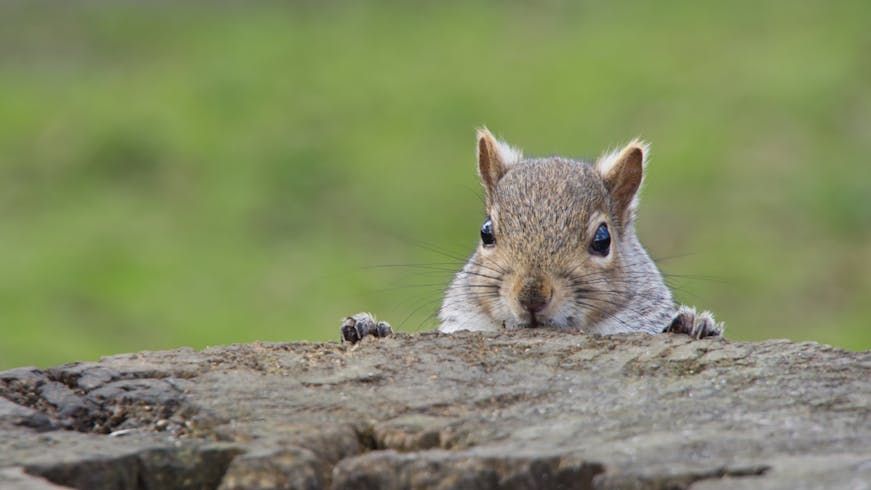
Stones and Pebbles: The Objects Nobody Can Fully Explain
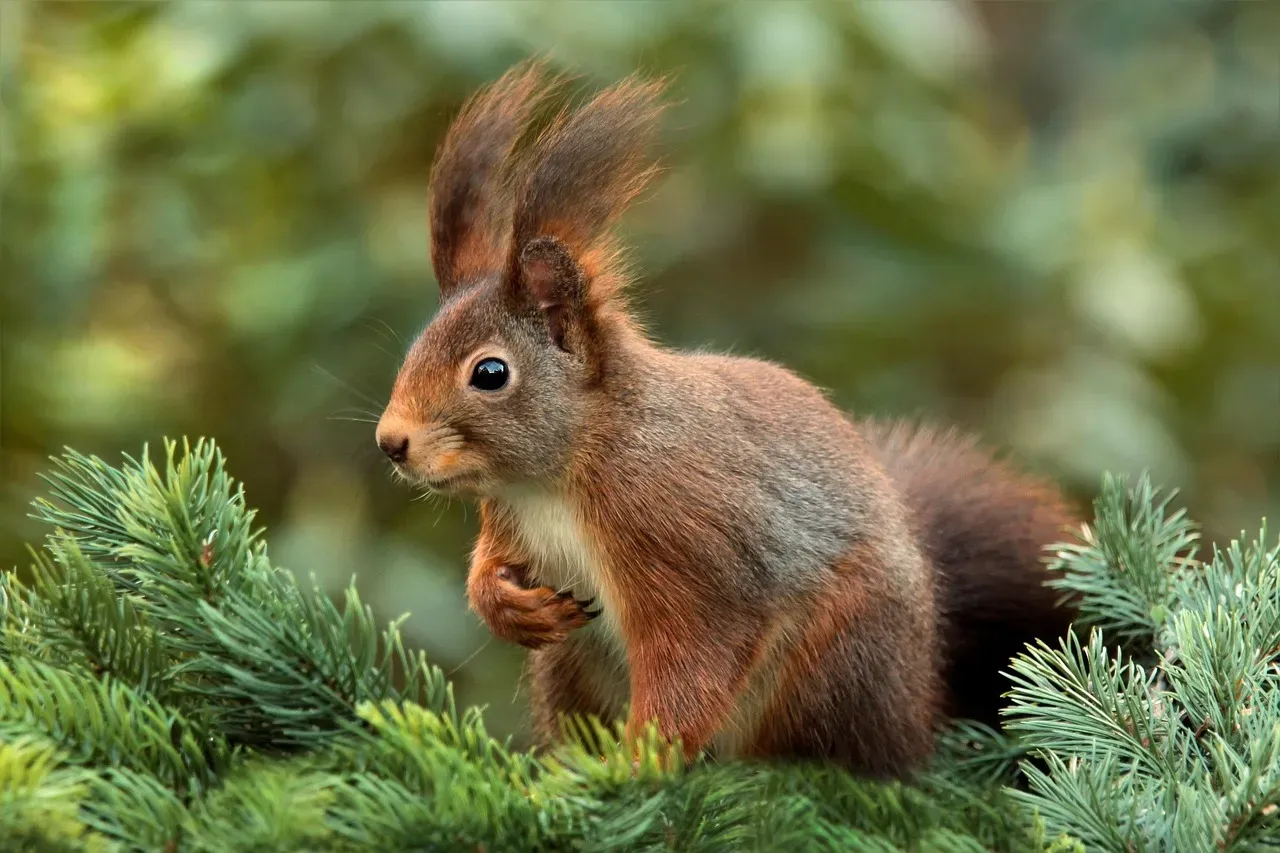
Of all the strange things squirrels bury, rocks are the most baffling. There are a handful of intriguing reports of squirrels caching something altogether different: inedible objects, mostly stones. These aren’t isolated quirks from a single odd individual. Reports of this behavior have come from Britain, the United States – including Maine and California – and Canada in Ontario and Manitoba.
What makes the stone-burying behavior particularly puzzling is how deliberate it looks. One observer reported a squirrel taking gravel and pebbles from a garden, and when larger pebbles were added, the squirrel shifted its attention to those, typically picking up four or five before settling on one to carry away, suggesting it was selecting for some specific quality. The scale of the behavior is also striking: a single squirrel may bury dozens, perhaps hundreds, of stones over a season.
The Decoy Theory: Burying Fakes to Protect the Real Stash
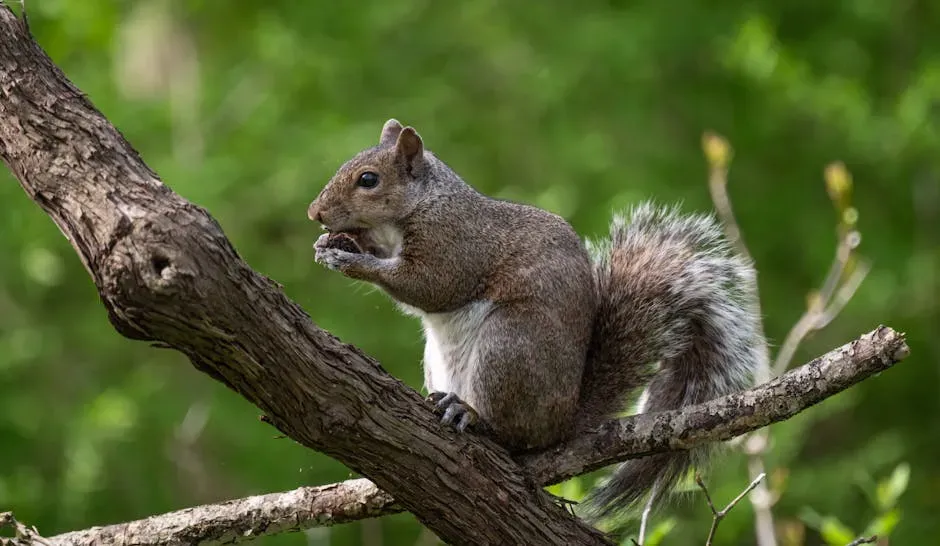
One of the most compelling explanations for why squirrels bury non-food items comes from the study of animal deception. One study in 2008 reported that Eastern gray squirrels engage in “deceptive caching” – they dig a hole, pretend to throw an acorn in while holding it in their mouth, cover up the empty hole, and run off to another location, apparently to fool other squirrels who might be watching. Stone-burying may function as an extension of this same anti-theft strategy.
An alternate explanation in the literature has been that this sort of behavior may be an attempt to disguise food caches and foil cache-pilfering by other squirrels. Gray squirrels are scatter food-hoarders, and when squirrel populations become dense or food becomes scarce, the pilfering of caches by other squirrels becomes a serious problem. Caching stones, pebbles, or other items may be an attempt to confuse and foil potential pilferers. It’s a surprisingly sophisticated counter-strategy for a creature most people consider mindless.
Insects and Bones: The Forgotten Items in the Cache
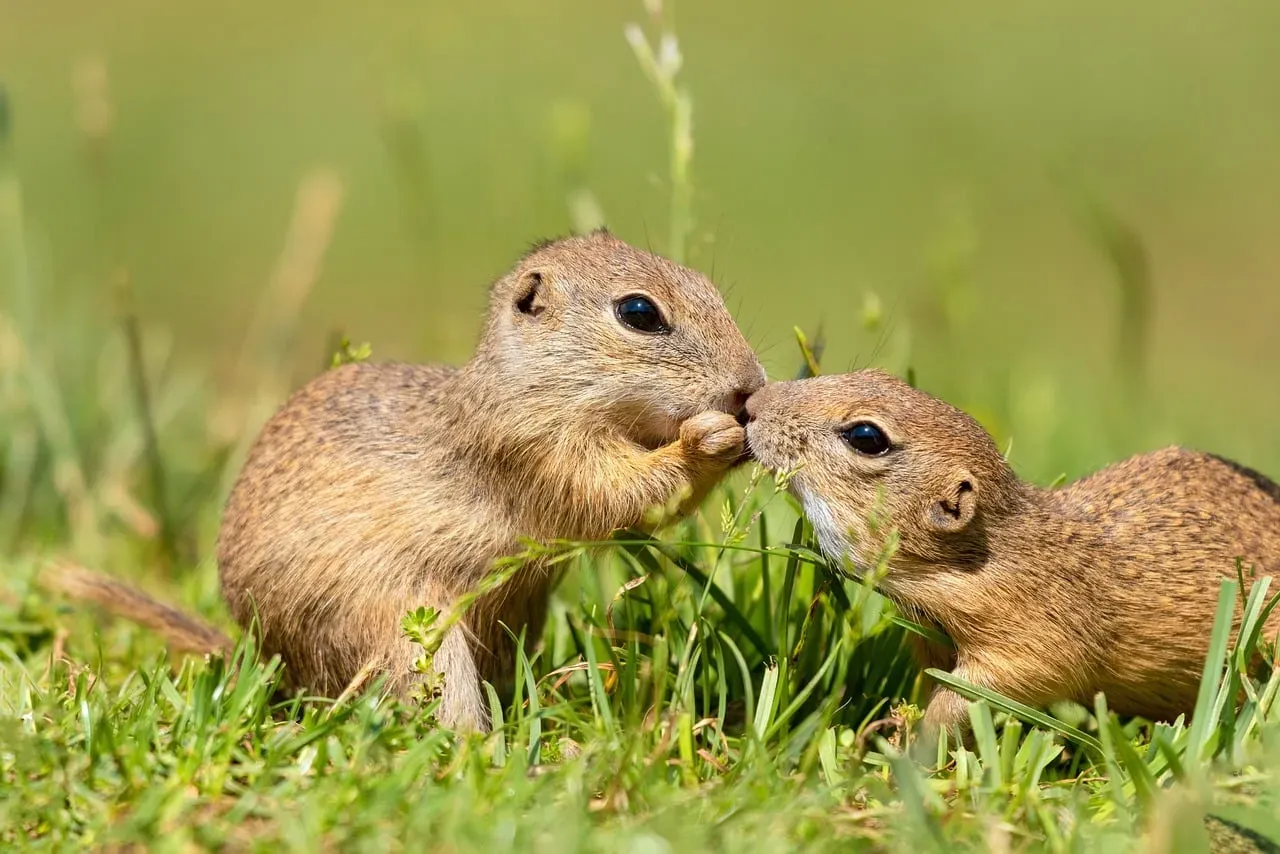
Beyond stones, squirrels bury a broader range of non-plant material than most people realize. Squirrels don’t limit their stockpiling to nuts and seeds. They also bury insects, berries, and even bones. The bones in particular catch people off guard. There’s no clear consensus on why bones get cached, but the behavior is consistent with a more opportunistic foraging strategy than the acorn-focused image squirrels usually carry.
The decision to bury something rather than eat it right away appears to depend on several calculated factors. Where and how carefully a squirrel chooses to bury something is influenced by a variety of factors, including the landscape, the type of food – some items are more perishable than others – and the whereabouts of other squirrels. In other words, each burial is a small, real-time risk assessment. The instinct is tuned, not random.
The Tannin Gamble: Burying to Detoxify
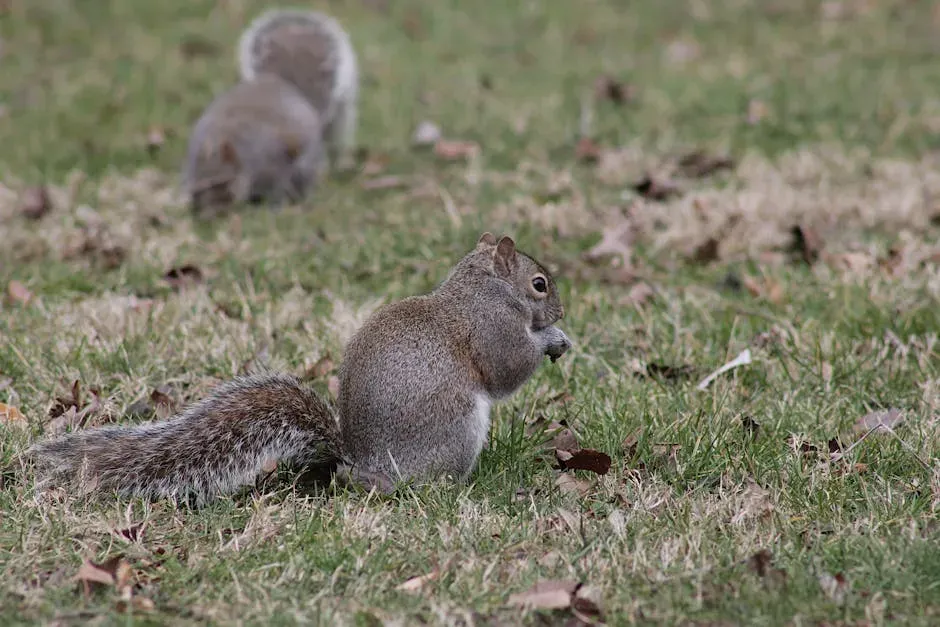
Here’s a dimension of squirrel burying behavior that reads almost like a chemistry experiment. One very interesting idea is that squirrels decide whether to bury a nut or seed based on its tannin content. Tannins are chemicals called polyphenols found in many different plants, and high concentrations change the shape of enzymes in the mammalian gut, which stops them working properly and can lead to malnutrition.
The theory goes that burying foods such as acorns may allow some of the tannins to leach out, making them less toxic. This means that in some cases, what a squirrel buries isn’t simply being saved for later – it’s being processed. Researchers suggest that squirrels use tannins as cues to determine the perishability of the acorn, basing their decision on whether to cache or not on this factor. The squirrel is, in its own way, aging the food before consuming it.
Spatial Memory and the Architecture of a Hidden World
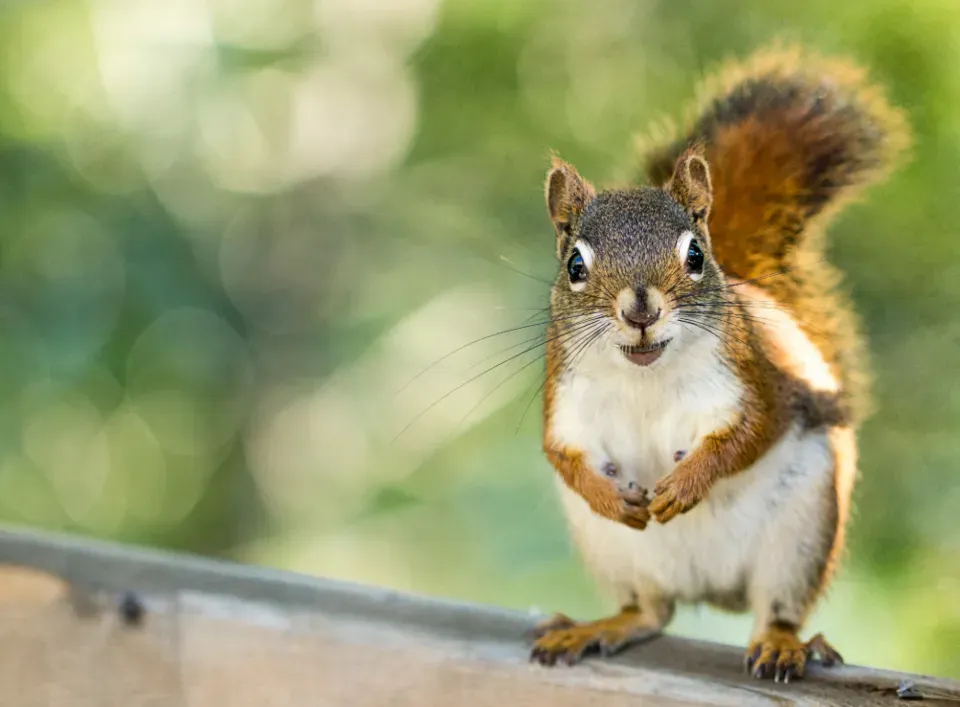
What makes all this burying remarkable is the cognitive system behind it. A study from the University of California at Berkeley, published in the journal Royal Society of Open Science, claims that tree squirrels use a mnemonic technique called “spatial chunking” to sort out and bury their nut stores by size, type, and perhaps nutritional value and taste. This is not scattershot behavior. It’s organized storage.
Squirrels seem to have a good spatial memory, which helps them relocate their caches, although it has been suggested that memory guides the squirrel to the general area and scent guides the squirrel to the specific location of the cache over the final few centimetres. If a squirrel discovers that pilfering has occurred, it will relocate its remaining caches after the competitor leaves the area – a surprisingly sophisticated counter-theft strategy that suggests squirrels are not only remembering their own caches but also tracking whether other animals might know about them. The yard isn’t a pantry. It’s a mapped, monitored, and actively managed system.
The Forgotten Caches and What Grows From Them
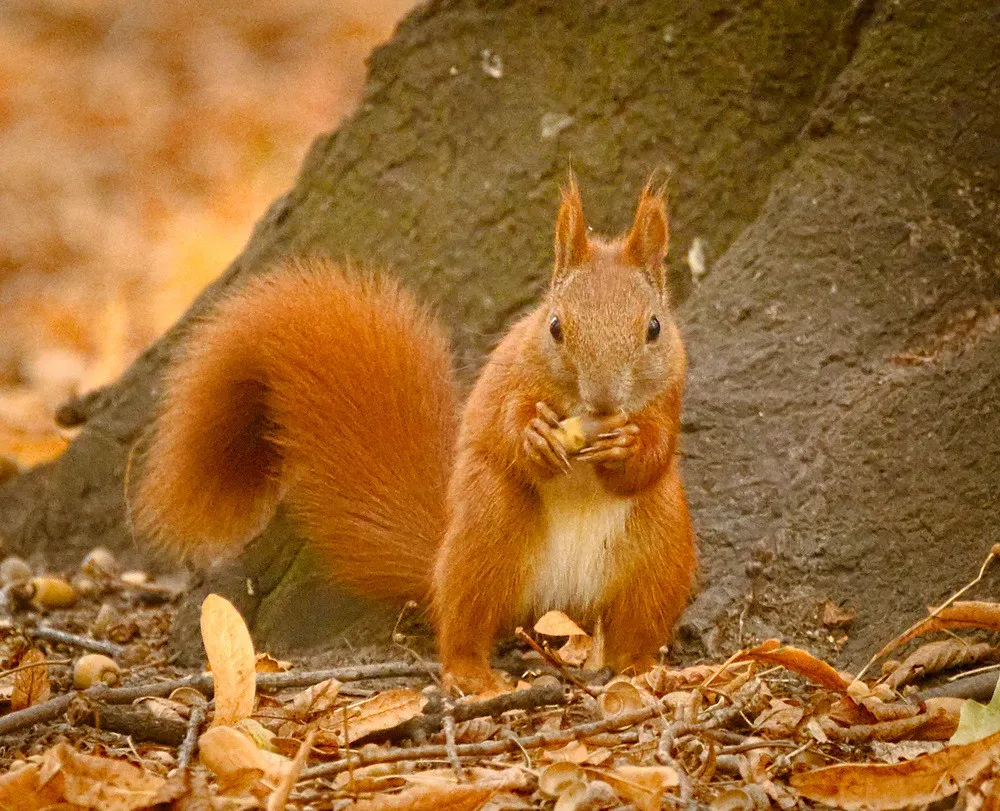
Not everything that gets buried gets retrieved, and that’s where the story opens up into something much larger. Research from the University of Richmond found that squirrels fail to recover up to 74% of the nuts they bury. That number sounds like failure, but the ecological reality is the opposite. The misplacing of so many acorns – the seeds of oak trees – is likely responsible for oak forest regeneration. When squirrels misplace these buried acorns they allow the seeds to eventually grow into full oak trees.
Estimates suggest squirrels may be responsible for planting anywhere from ten to twenty percent of certain tree species, particularly oaks and hickories, depending on the ecosystem. A squirrel that carries an acorn away from the parent tree reduces the chance that the young oak will have to compete with its parent or suffer from the same pests and fungal pathogens concentrated under the adult tree. The forgetting, in other words, isn’t a failure of the system. It may actually be part of how the system works.
Why Your Yard Is Part of a Bigger Ecological Picture
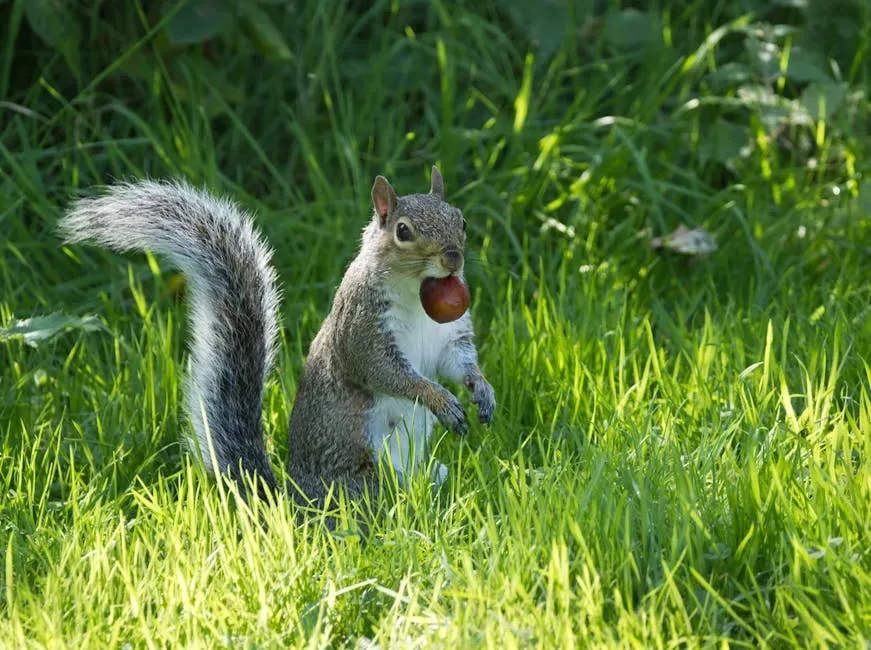
It’s easy to view a squirrel digging up your flower bed as a nuisance and nothing more. The larger context, though, is harder to dismiss. The daily activities of burying, retrieving, consuming, and forgetting thousands of nuts contribute to larger processes such as tree regeneration, soil turnover, and the maintenance of food webs. When a squirrel hides an acorn and never comes back for it, a thousand tiny decisions add up to the architecture of tomorrow’s forest. Scientists increasingly view these small-scale behaviors as major drivers of ecosystem pattern and resilience.
Their activities help disperse seeds over large areas, which promotes genetic diversity among plant populations. As a result, forests remain resilient and capable of adapting to environmental changes. Squirrels, with their endless caching and forgetfulness, are not just entertaining backyard acrobats; they’re essential engineers of our forests. Every nut they bury and fail to retrieve plants the possibility of a future tree, a quiet act of reforestation repeated millions of times over.
Conclusion
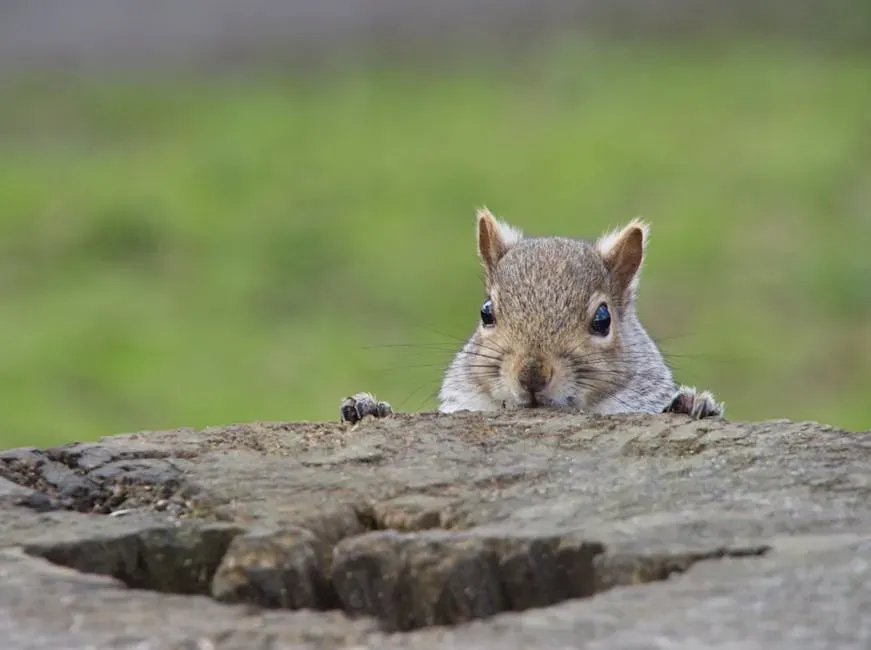
The squirrel in your yard is running a far more complex operation than it appears. It’s managing a spatial map, weighing chemical signals in the food it handles, deploying decoys, and inadvertently seeding the next generation of trees – all before lunch. The stones it buries remain genuinely mysterious, which is a rare thing in a world where most animal behavior gets explained away quickly.
What I find compelling about all of this isn’t just the cleverness. It’s the reminder that the creatures we overlook most readily are often the ones doing the heaviest ecological lifting. The squirrel didn’t ask for credit, and it won’t get it. But next time you spot one deliberately choosing a specific pebble, carrying it across the yard, and burying it with the same care it gives an acorn, it’s worth pausing. That small, strange act is part of a system older and more intricate than anything we’ve built in the same space.

- 14 Signs the Backyard Birds That Left Your Yard Are Quietly Coming Back - July 21, 2026
- 12 Cat Breeds Vets Refuse To Recommend to First Time Owners - July 21, 2026
- 6 US States With the Most Alligators - July 21, 2026