
There’s a particular kind of mystery that unfolds in your home every single night, long after the lights go out. You drift off, the house goes quiet, and your cat – that famously self-possessed creature – shifts into a completely different mode. What they get up to in those dark, silent hours isn’t random. It’s a blend of ancient instinct, genuine affection, and a restless energy that the daytime simply doesn’t allow.
Most cat owners catch only glimpses: a soft thud from the hallway, the warmth of a furry body settling onto the blanket, an inexplicably knocked-over glass in the morning. The full picture is stranger, sweeter, and more fascinating than you might expect.
#1: Launching Into the Midnight Zoomies

You’ve probably heard the thunder of small paws tearing through the house at two in the morning, and wondered if your cat has simply lost its mind. It’s one of the most reliably startling things cats do – and it’s entirely normal. Those sudden nighttime sprints reflect a predator’s biology built for short bursts of intense movement, and the episodes are one of the most noticeable signs of nighttime cat activity.
While it may look like your cat has gone off the deep end, from a scientific perspective these episodes are not a sign of madness or even boredom – they reflect normal patterns of energy release and motor behavior. At night, particularly during their natural activity windows, that energy may be released through running, jumping, or mock hunting behavior, with chasing toys, pouncing on shadows, or sprinting through the house all serving as outlets for these instincts.
Studies observing indoor cats note that these bursts are often brief and followed by rest, and they are not signs that a cat is unhappy, but rather that it is expressing normal, instinctual behavior in an environment without actual prey. The zoomies are, in their own chaotic way, a sign of a healthy, energetic cat doing exactly what evolution designed it to do.
#2: Conducting a Full House Patrol
Once you’re asleep, your cat quietly assumes the role of home security. This isn’t anthropomorphizing – it’s rooted in real feline instinct. Cats’ ancestors were nocturnal hunters, and although domestic cats no longer need to hunt at night, they still retain those habits. A sleeping house is the ideal environment for a thorough patrol, because the silence makes any unusual sound or scent easy to detect.
Cats are most naturally active during hunting and exploration at dusk and dawn, a pattern known as crepuscular behavior. That instinct doesn’t simply switch off because there’s carpet under their paws instead of grass. Their crepuscular nature, combined with their sharp senses, makes them more alert during the quieter hours of the day. Your sleeping home becomes their territory to monitor, room by room, window by window.
#3: Silently Claiming Their Favorite Spot on Your Bed
There’s a reason you occasionally wake up teetering on a sliver of mattress while your cat occupies the prime real estate. If you wake up to find your cat beside you or on top of you, it probably quietly “claimed” this spot while you were asleep, silently guarding you. The choice of location isn’t random, either.
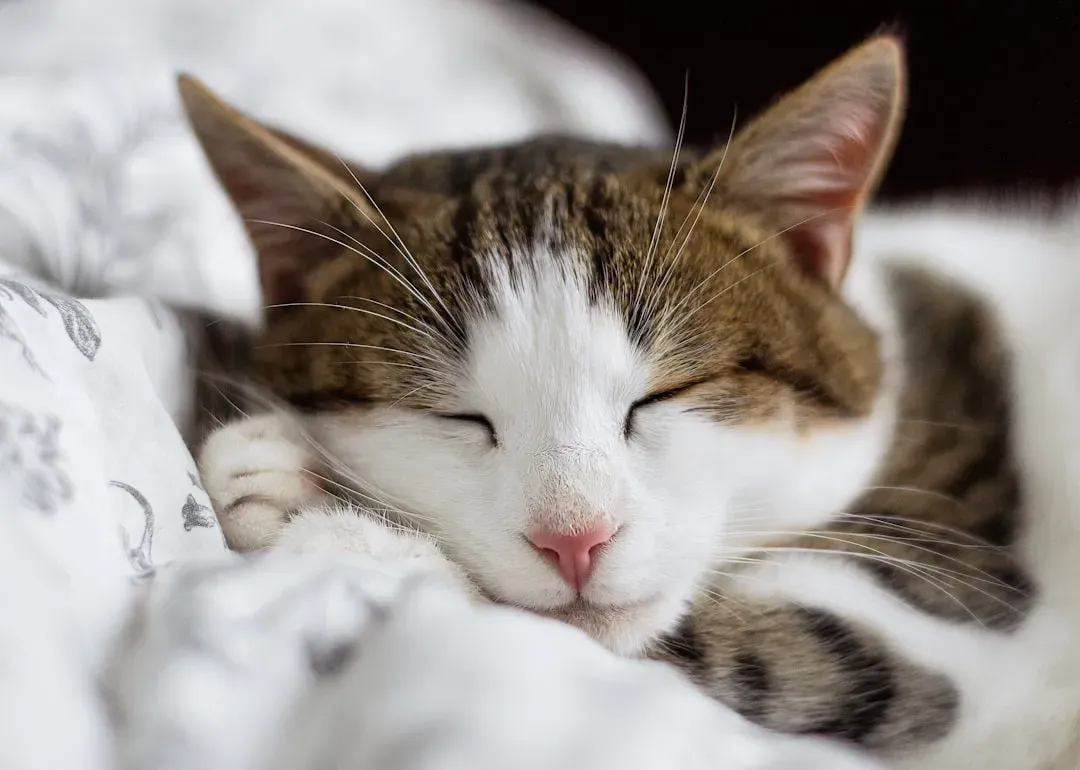
When a cat chooses to sleep directly on you – especially in vulnerable positions like your chest or stomach – it means they feel completely safe, and the rhythmic sound of your heartbeat and breath provides comfort similar to that of a mother cat’s purring. Research has discovered that in roughly half of cases, a cat’s favorite sleeping spot is the owner’s bed, underscoring the idea that once cats find a comforting spot, they prefer to stick with it for consistency. You’re not losing bed space. You’re being chosen.
#4: Kneading You Like a Warm Loaf of Bread
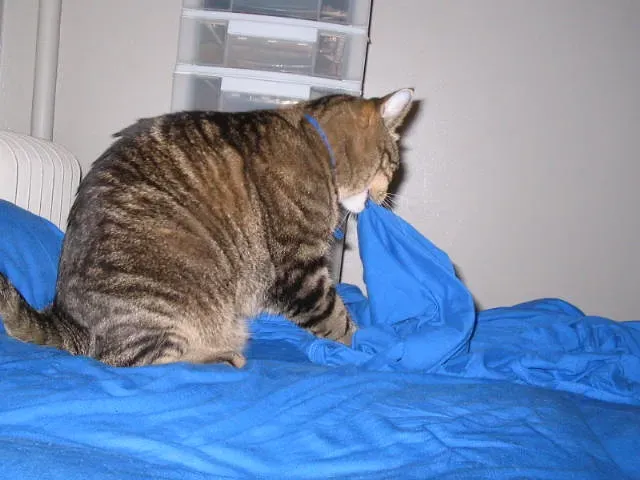
Just as you drift off, those familiar rhythmic paw-pushes might start up somewhere on your legs or stomach. Cats often knead at night, and it has roots that go all the way back to kittenhood. Nursing kittens knead their mother’s belly to stimulate milk flow, and the comforting feeling carries into adulthood – even adult cats may knead when they’re especially content or sleepy, because it reminds them of safety and warmth.
This behavior releases calming endorphins, so it’s often seen when cats are about to nap or are enjoying a quiet moment near their favorite person. Cats also have scent glands in their paws, and when they knead, they’re leaving behind a faint scent that signals ownership. So when your cat kneads you at midnight, they’re essentially signing you as theirs – which, depending on your perspective, is either deeply sweet or slightly territorial.
#5: Staring at You With Unsettling Intensity
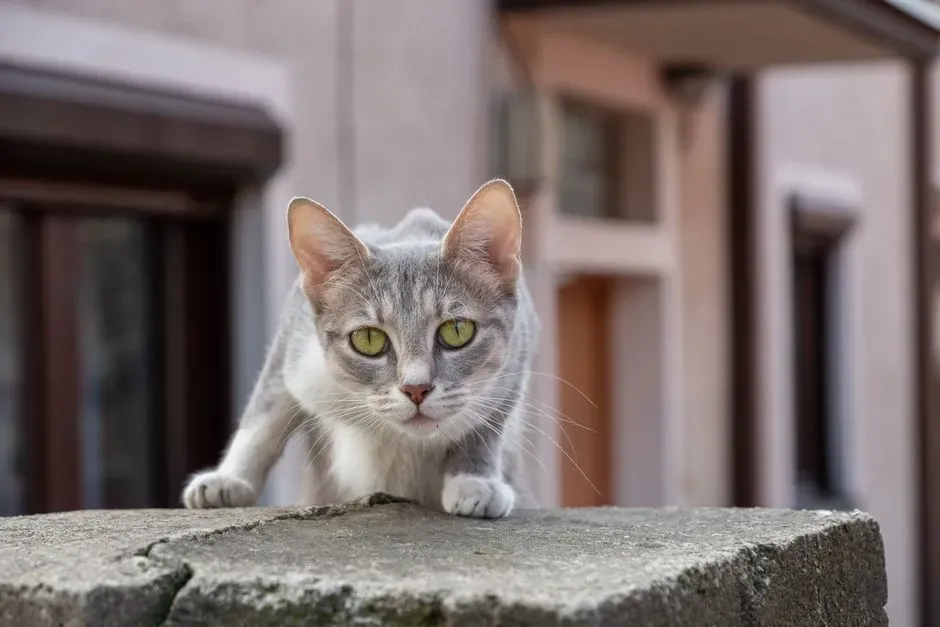
If you’ve ever woken to find two glowing eyes fixed on you from about six inches away, you know the particular experience of being watched by a cat. It’s not so charming when you open your eyes to find your cat sitting mere inches away from your face with laser-sharp focus – and the question of how long they’ve been staring at you is probably best left unanswered.
The behavior itself is rooted in both affection and vigilance. From a biological standpoint, cats are predators and prey, and that dual role shapes their behaviors even in domestic life – in the wild, cats sleep in secure, elevated, or enclosed spaces to avoid threats. Watching over a sleeping companion is a form of guardianship. It’s attentive, instinctive, and yes – a little eerie at three in the morning.
#6: Grooming You When You Can’t Protest
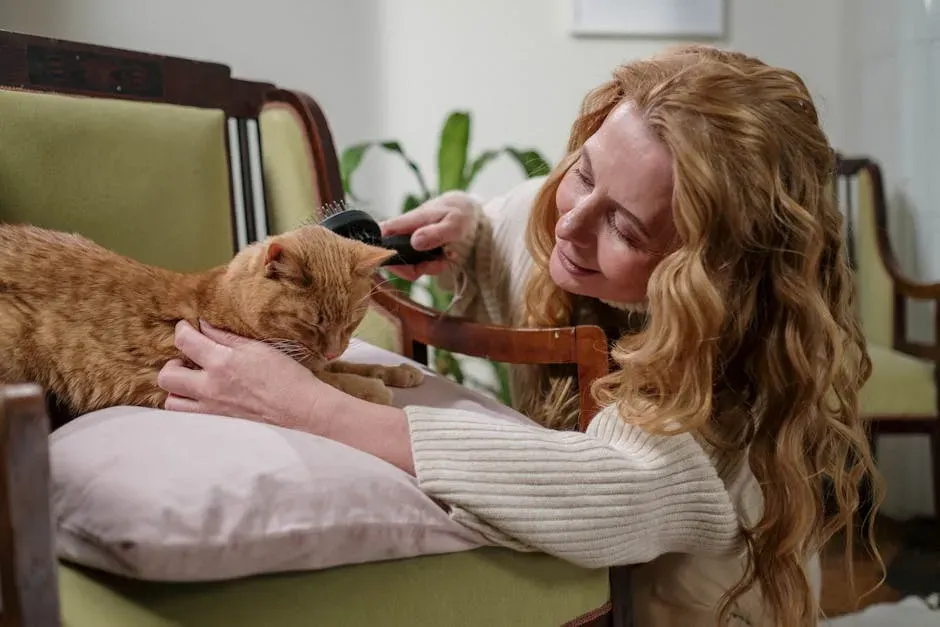
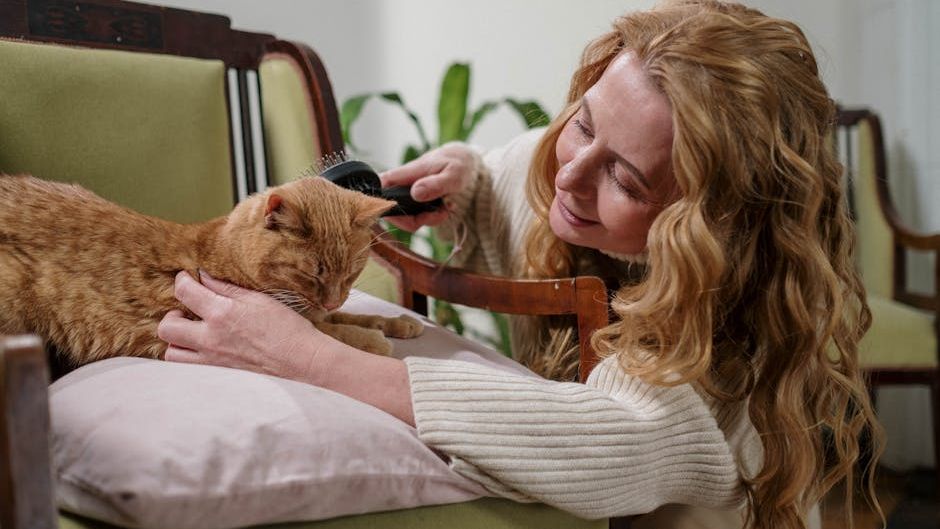
Some cats wait until their humans are fully asleep before initiating grooming sessions. Your hair, your hand, your forearm – all fair game. Some cats choose to express their affection in a more gentle way after their owners fall asleep, such as gently patting them with their paws, or licking their face, fingers, or even their hair – because cats lick to express intimacy and build a deeper bond, and while this behavior may wake you up when you’re sleeping soundly, the meaning behind it is that your cat cares about you and wants to be closer to you.
When a cat shows affection, they may knead in addition to other behaviors, and cats commonly lick and groom their humans to show love. In feline social groups, mutual grooming is a bonding ritual between trusted companions. The fact that your cat waits until you’re still – and therefore won’t interrupt them – says something rather touching about how they see your relationship.
#7: Knocking Things Off Surfaces for No Apparent Reason
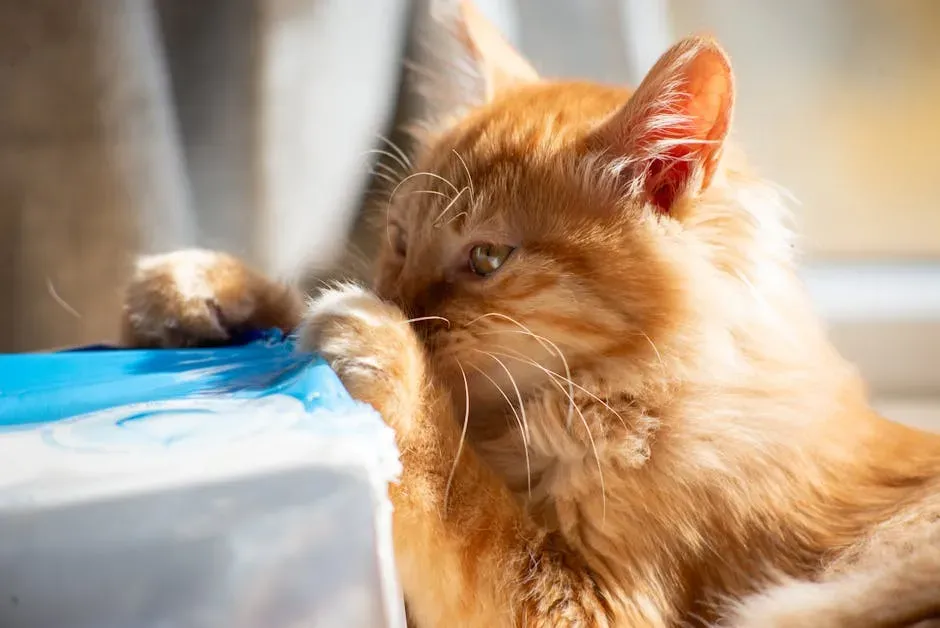
The crash you hear from the kitchen at midnight is usually intentional. Whether it’s a book, a pen, or a TV remote, your cat will find it and knock it to the ground – and you’ll hear it, no matter where in the house it falls. This behavior bridges genuine curiosity with something a bit more calculated.
Indoor cats may amplify attention-seeking behavior because there is nothing to hunt – the sleeping human becomes the most reliable source of stimulation and food, and vocalizing, pawing, or knocking objects off surfaces are all effective ways to prompt a response. Cats often associate their owners’ reactions with rewards. Knock something over, owner wakes up, owner feeds cat. The logic is ruthlessly efficient, and they’ve almost certainly figured out that it works.
#8: Changing Sleep Spots Multiple Times Through the Night
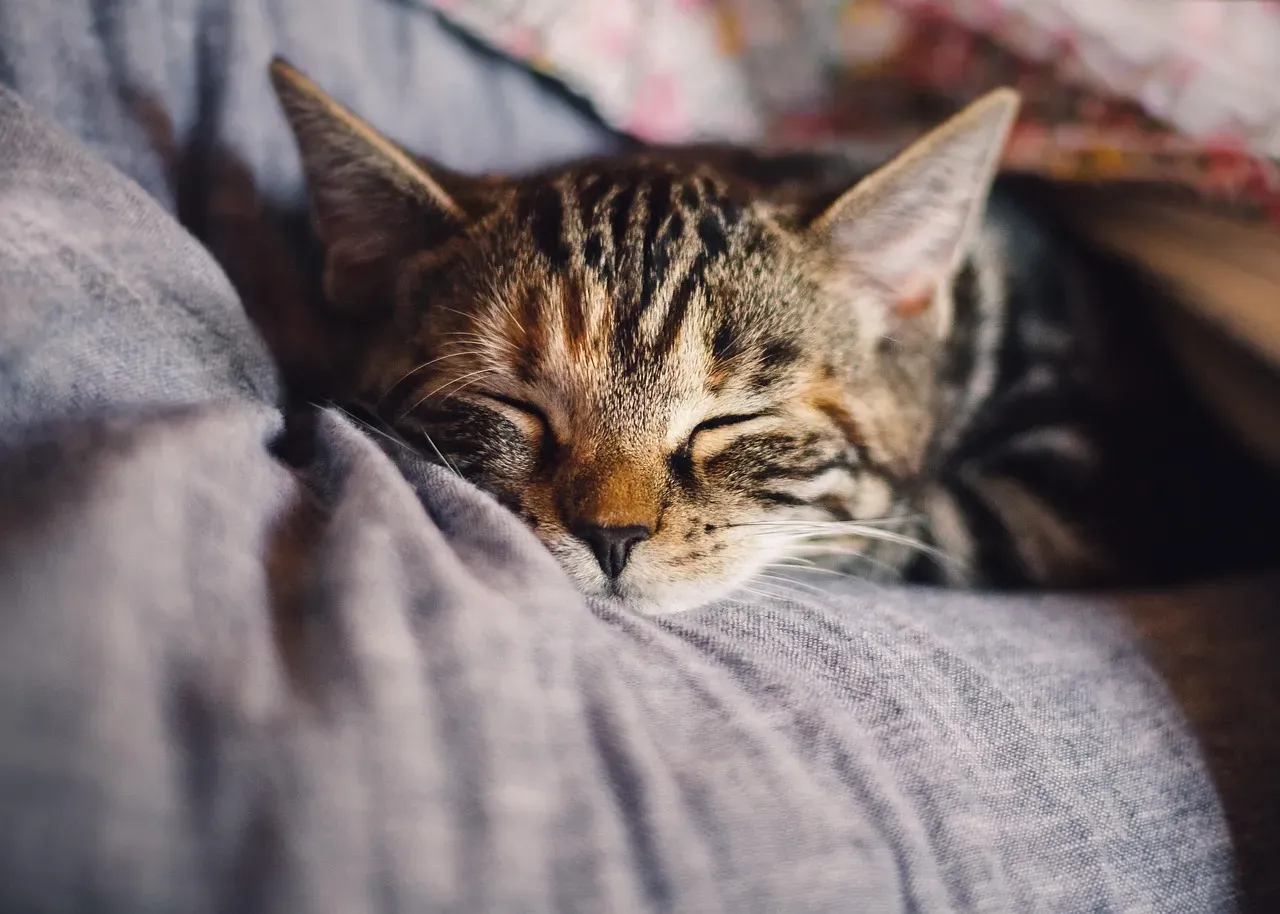
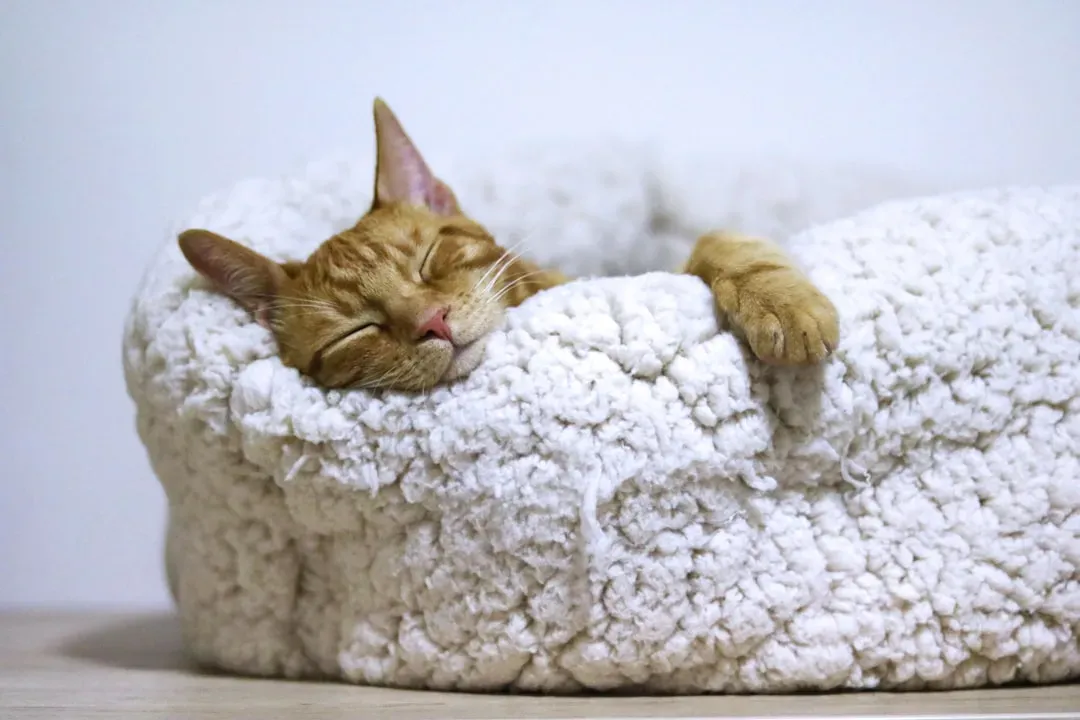
Your cat doesn’t just settle in one place and stay put. They’re restless in the most deliberate way, quietly relocating throughout the night based on comfort, temperature, and instinct. Much of the night is spent resting lightly, with cats changing sleep spots as conditions shift. What looks like aimless wandering is actually a sophisticated comfort-seeking routine.
Much of what cats do while humans sleep is quietly rest themselves, and activity trackers show long stretches of low movement overnight, indicating light sleep or relaxed wakefulness – cats often choose sleeping spots near their owners, even if they are not fully asleep themselves. The warmth of your body, the coolness of the floor, the elevated vantage point of the dresser – each location serves a purpose, and your cat cycles through them with a quiet methodical logic you’d probably appreciate if it weren’t happening at four in the morning.
#9: Vocalizing to Themselves (and Anyone Listening)

Soft chirps, quiet trills, the occasional low meow directed at a shadow on the wall – cats have a lot to say at night, even when nobody is officially awake to hear it. Typical nighttime behaviors include nighttime vocalization, as well as explosive, uncontrollable play sessions across the furniture during the night or early morning. The vocalizations aren’t random; they often track what the cat is tracking.
Cats have distinct meows that vary in meaning, and even the smallest kitten harnesses the power to wake up a human for food, entertainment, or their warm space on the mattress. Midnight zoomies and early-morning wakeups can be normal, but persistent nighttime vocalizing may need attention, since hunger, boredom, stress, and lack of daytime activity can make cats more active and vocal overnight. If your cat suddenly becomes much noisier at night than usual, it’s worth a conversation with your vet.
#10: Quietly Marking You as Theirs While You Sleep
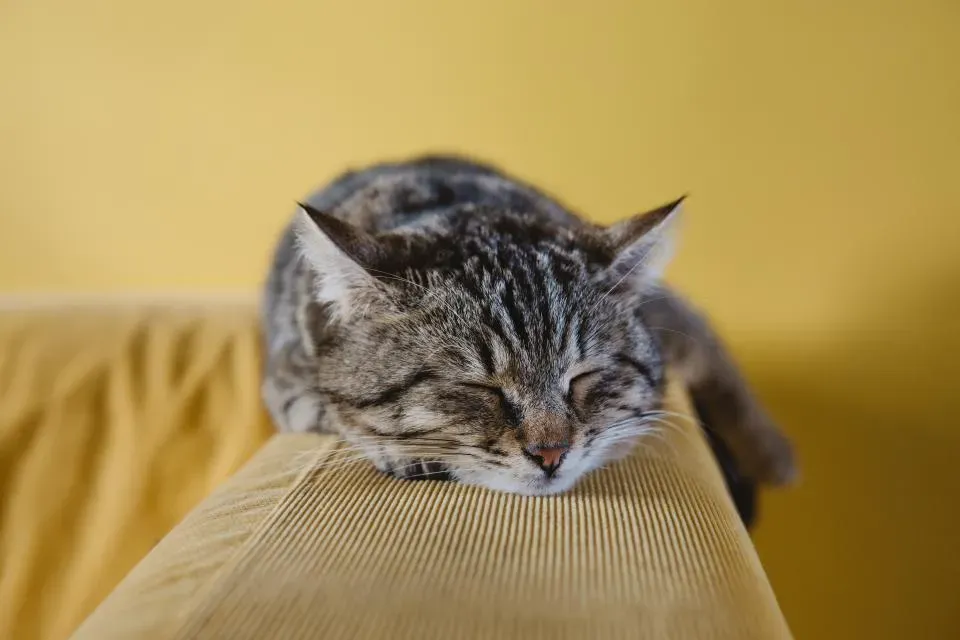
Perhaps the most intimate thing your cat does while you’re asleep is something you’d never notice: subtle scent marking. Cats are territorial creatures, and when they sleep on you, they might also be marking you – subtly claiming you as part of their territory through scent exchange, since their body oils contain pheromones that signal ownership, bonding, and familiarity.
This form of territorial behavior isn’t possessive in a negative sense – it’s actually a sign of affection and inclusion, since your scent comforts your cat, and in turn, their scent tells other animals that this human is theirs. When your cat suddenly starts sleeping on you, it’s often an expression of trust, warmth-seeking, or emotional attachment – cats, though independent by nature, also crave safety and familiarity, and their favorite human often provides both. It’s a quiet declaration, made in the dark, that you belong to each other.
What It All Means

The nighttime life of your cat is genuinely rich. They’re not simply biding time until breakfast – they’re patrolling, bonding, playing, guarding, and marking in ways that speak directly to thousands of years of feline evolution. Domestic cats are crepuscular animals shaped by thousands of years of hunting at dawn and dusk, and even indoor cats follow these rhythms, alternating between rest and short bursts of movement throughout the night.
As frustrating as some of this behavior can be, it is not generated by spite, resentment, revenge, or any other human emotion. Understanding that helps a lot. Rather than trying to force cats into a strictly human sleep schedule, understanding their natural rhythms allows owners to work with them – and with thoughtful routines and appropriate play, the nighttime life of a cat can become less disruptive and more predictable.
The next time you wake to the sound of small feet thundering down the hall, or find a warm, purring weight settled on your chest at midnight, you’ll know what’s actually happening. Your cat isn’t misbehaving. They’re simply being, in the most complete and instinctive sense, a cat – and in their own way, they’re keeping watch over the one person they trust most in the world.
