
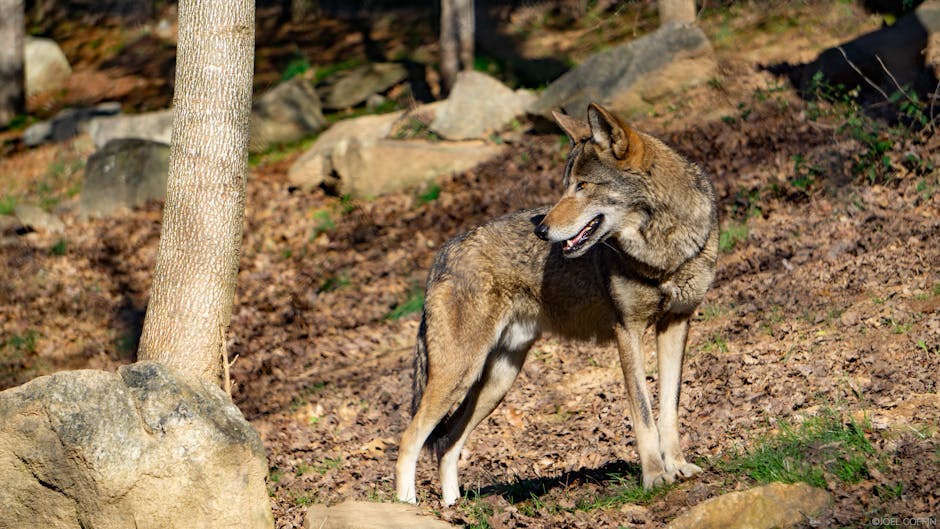
It’s a Triple Hybrid, Not Just a Coyote-Wolf Mix
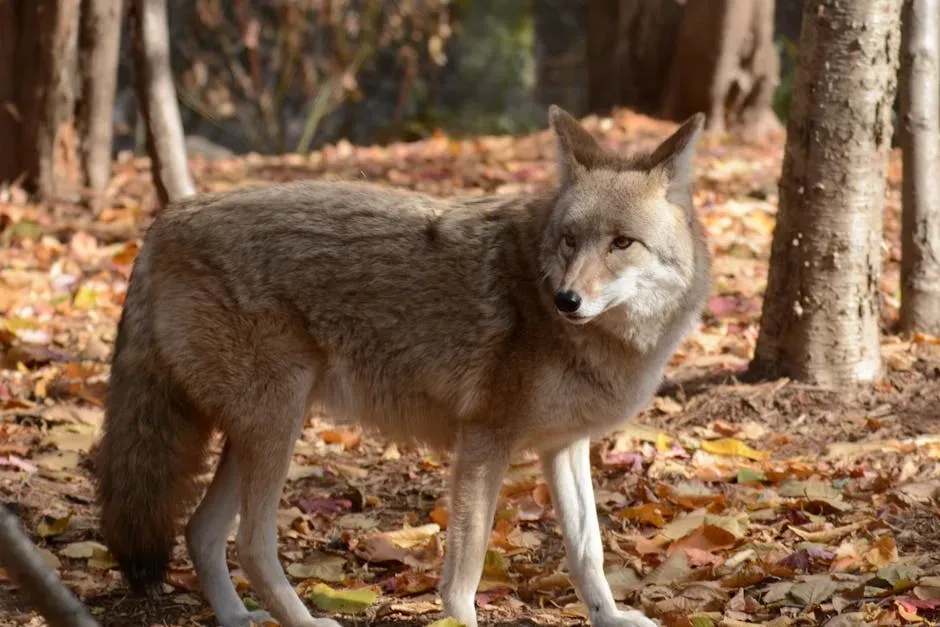
Most people assume the coywolf is simply a coyote that mated with a wolf and left it at that. The genetic reality is considerably more layered. Coywolves are not just the product of two species but three: if a coyote and wolf interbreed, their offspring is a combination of the two, but if that hybrid then mates with a domestic dog, the resulting third generation carries genetic heritage from all three species.
A 2016 meta-analysis of 25 genetics studies from 1995 to 2013 found that the northeastern coywolf is roughly 60 percent western coyote, 30 percent eastern wolf, and 10 percent domestic dog. That domestic dog fraction is more meaningful than it sounds. The dog DNA might even include some tolerance for the noise of cities, which goes a long way toward explaining why this animal can sleep through sirens and traffic that would send a pure wolf running for the hills.
Human Activity Triggered Their Creation
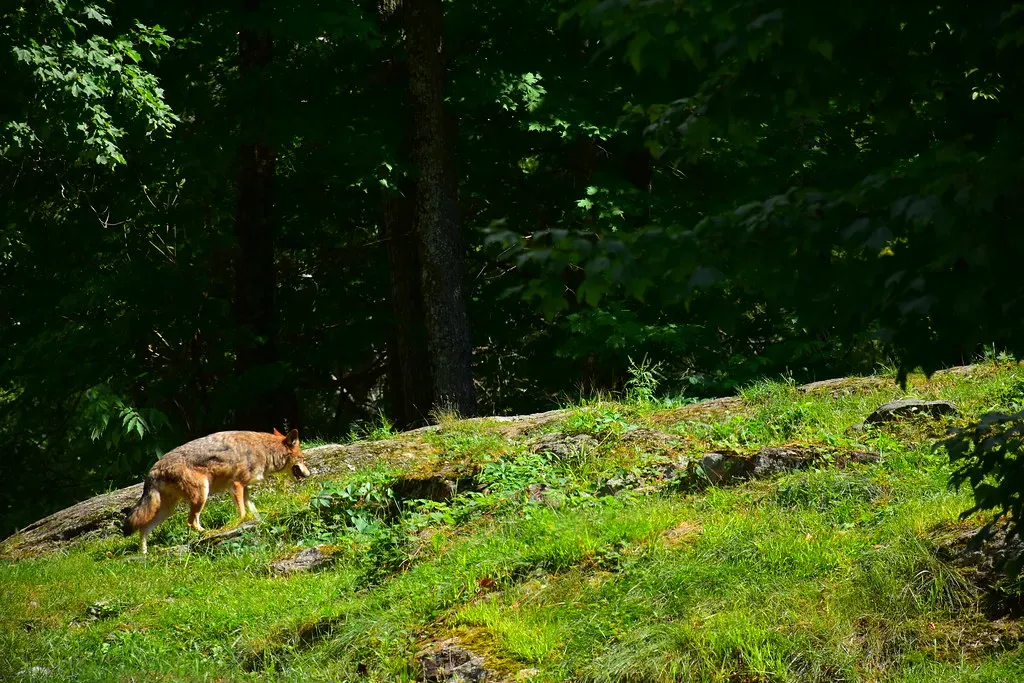
The coywolf didn’t emerge from some pristine wilderness process. It’s a product of disruption, driven almost entirely by what people did to the landscape over the past two centuries. As deforestation, hunting, and poisoning depleted the population numbers of eastern wolves, they interbred with western coyotes. The species mix that resulted wasn’t accidental in the casual sense. It was a survival response to ecological crisis.
Throughout the 19th and early 20th centuries, wolf populations in the West were decimated because they posed a threat to livestock. Strapped for mates, the wolves began mating more with eastward-expanding coyotes, and when those migrating coyote-wolf hybrids arrived in the East, they bred with domestic dogs, sparking the creation of the eastern coyote. The coywolf, in other words, is what nature improvised when humans removed the original pieces from the board.
They First Appeared Just Over a Century Ago
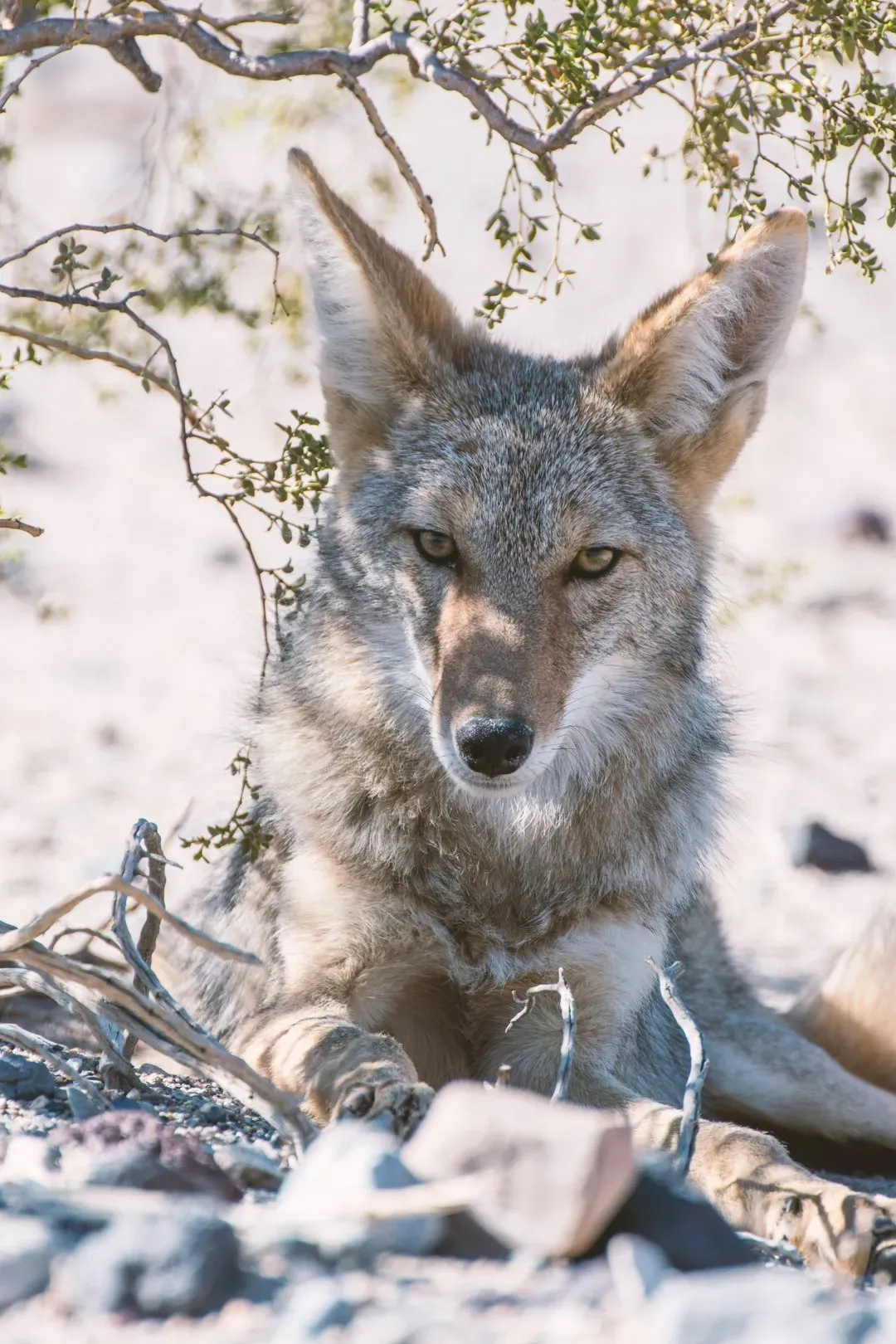
For all the attention they receive today, coywolves are astonishingly recent arrivals. A report from PBS places the first eastern coyote or coywolf around 1919 in Ontario, Canada. That’s within living memory of some of the oldest people alive today, which makes their current population size all the more striking when you consider the math.
This timing neatly overlaps with the period when western coyotes expanded their range eastwards at the beginning of the 20th century, moving from Minnesota to Ontario. Over the past 100 years, the eastern coyote has spread from Algonquin Park in Ontario to as far south as Pennsylvania, and researchers estimate the population is now in the millions. A century of existence, and they’ve already become one of the most numerous large predators on the continent.
Their Physical Size Is a Game Changer
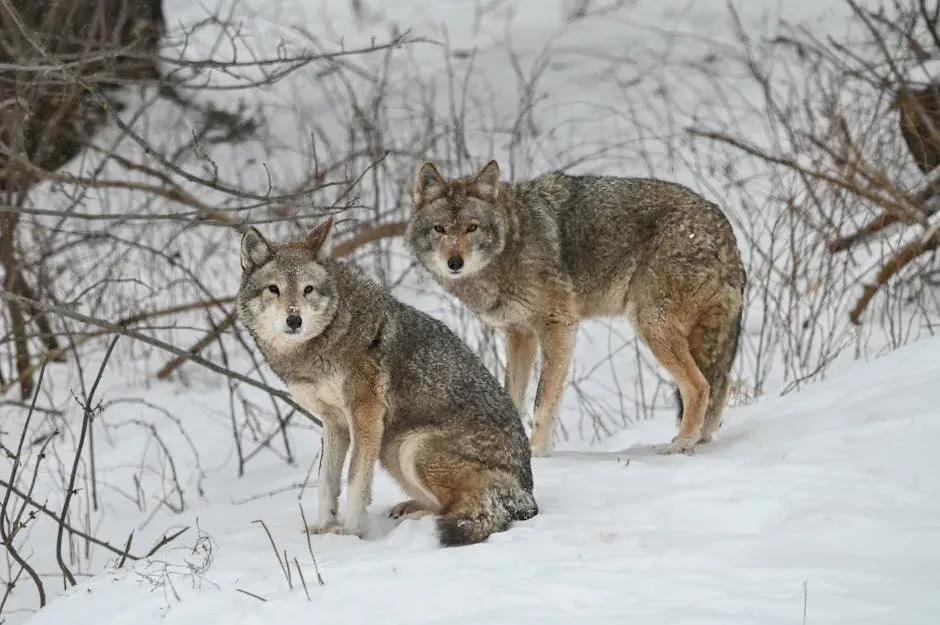
Size matters when you’re a predator, and the coywolf benefits enormously from its wolf heritage in this department. The average coywolf weighs between roughly 30 and 40 pounds, though some individuals can reach up to 55 pounds. They are noticeably larger than western coyotes but still smaller than a wolf. That middle-ground body plan turns out to be surprisingly effective across a wide range of hunting situations.
The DNA of wolves and dogs gives the coywolf some advantages over coyotes: with their larger jaws, more muscle mass, and faster legs, they can kill a deer without any problem. A lone coywolf is capable of tackling small deer, while packs have been known to kill a moose on successful hunts. For context, a standard western coyote rarely attempts anything close to that. The wolf genes essentially upgraded the coywolf’s predatory ceiling in a way that has real consequences for the ecosystems it now occupies.
They Can Hunt in Any Terrain
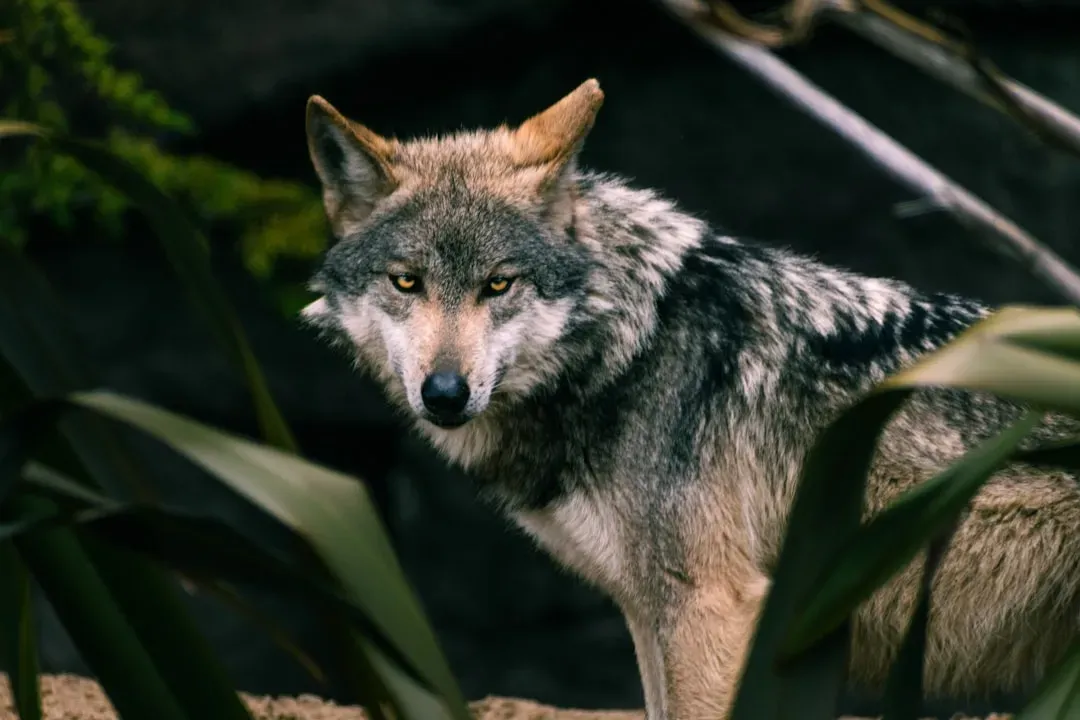
One of the most ecologically important traits the coywolf inherited is its habitat flexibility. Pure coyotes and pure wolves each have preferred environments, and that preference has historically limited where each species could thrive. The coywolf dissolved that limitation almost entirely. While wolves prefer hunting in forests and coyotes prefer open plains, the coywolf has evolved to hunt easily in either terrain.
The hybrid coywolf can catch prey in both densely wooded areas and open terrain, which makes edge habitats in agricultural, suburban, and urban areas ideal hunting grounds, as these areas supply both cover and easy access to food sources. The habitat of the coywolf is tremendously variable and includes all available land ranging from wilderness to rural to urban, though they survive best and are often found at higher densities in places with lots of edge habitat such as agricultural and suburban regions. This is not just flexibility. It’s ecological dominance by design.
Cities Haven’t Slowed Them Down at All
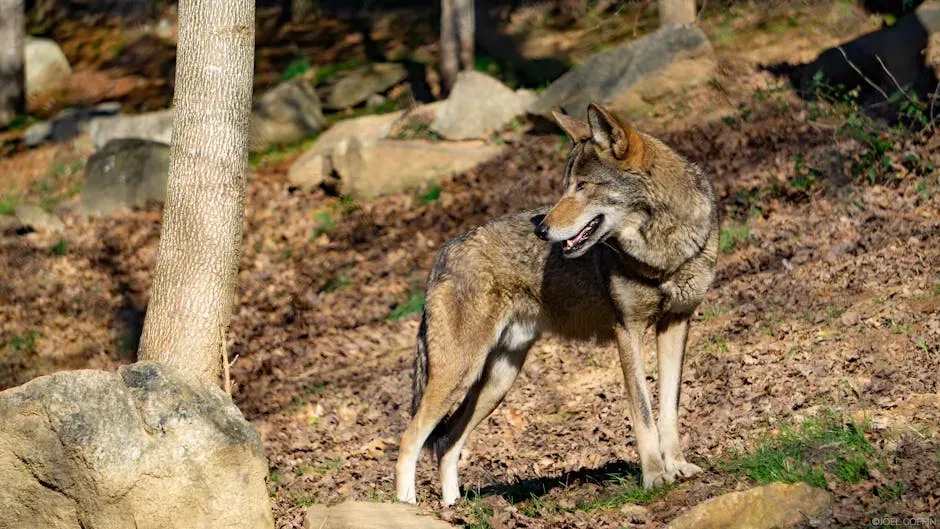
Urban sprawl, which has displaced or fragmented the habitat of so many species, has done almost nothing to deter the coywolf. If anything, it seems to suit them. Interbreeding has led coywolves to be more tolerant of humans and city noises. Urban coywolves have been spotted in cities including Toronto, Chicago, and New York, and like foxes, they eat almost anything. They have developed nocturnal habits to keep as low a profile as possible.
Through GPS tracking, scientists have learned that coywolves use human-made corridors to travel, especially railroad tracks, highway medians, and urban margins. They can also den in marginal habitat areas where there may be little green space, as long as there is enough food. A coywolf’s territory can range from as large as 20 to 40 square kilometres in rural areas to as small as five to eight square kilometres in urban areas. They compress their range when city density demands it, which is a level of behavioral intelligence that few wild predators manage.
Their Howl Is a Sound Unlike Any Other
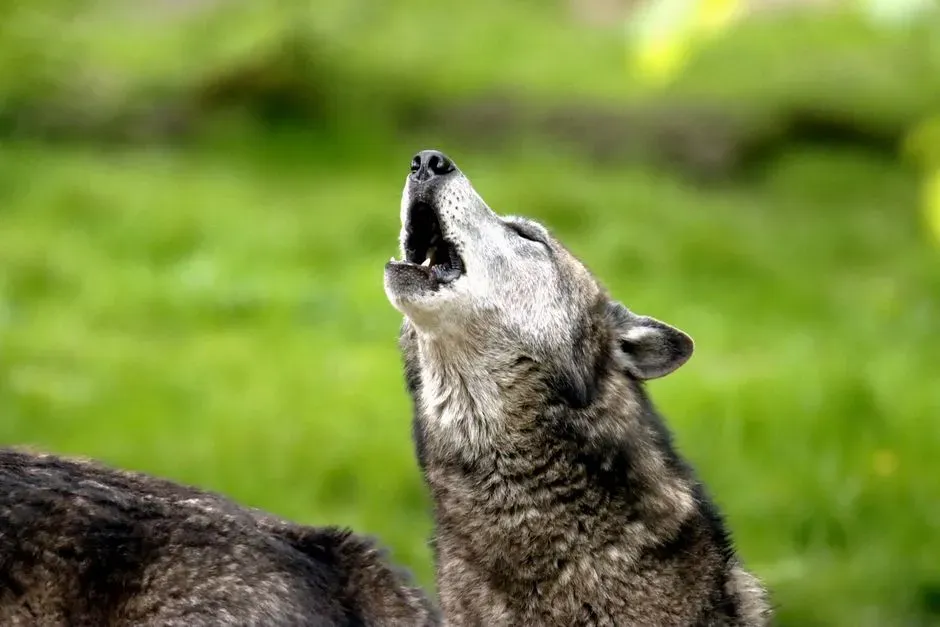
If you’ve ever heard something in the night that sounded almost like a wolf but then pitched upward into something sharper and quicker, there’s a reasonable chance you heard a coywolf. Their vocalizations are as hybrid as their genetics. The first part of a howl resembles a wolf’s, with a deep pitch, but this then turns into a higher-pitched, coyote-like yipping. It’s an auditory signature that doesn’t quite match either parent species.
Coywolves are highly intelligent and use a variety of vocalizations, including howls, barks, and yips, to communicate with each other. These vocalizations serve to maintain pack cohesion, establish territory boundaries, and coordinate hunting efforts. The sound is striking enough that people who hear it for the first time often describe it as unsettling, not because it signals danger, but because it’s so hard to place. Something familiar about it, yet not quite right.
The Debate Over Whether They’re a New Species Is Unresolved
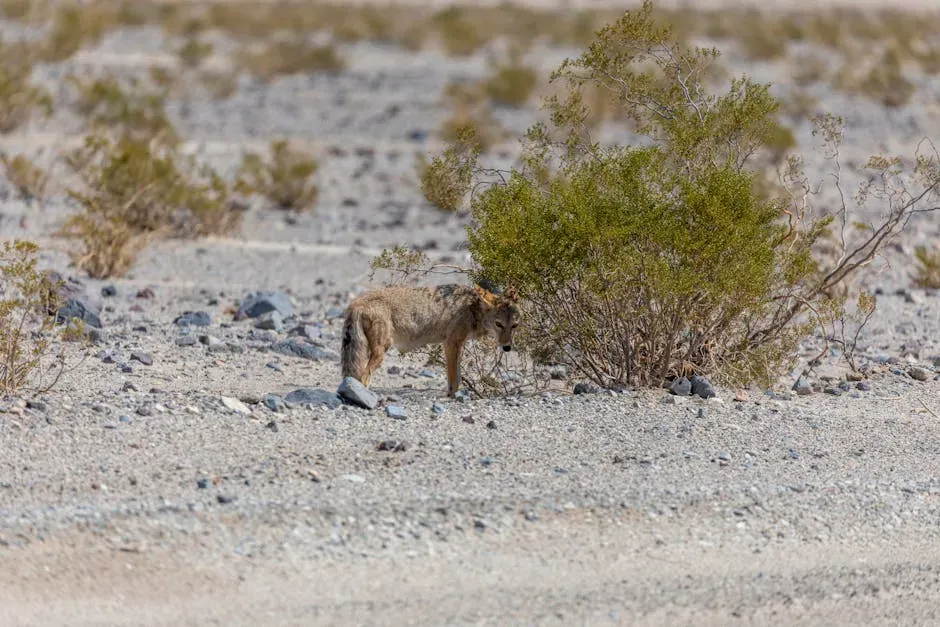
This is where the science gets genuinely interesting, and genuinely contested. The genetic makeup of coywolves varies from region to region, but they are roughly 60 percent coyote, 30 percent wolf, and 10 percent dog according to a 2016 study. Since a significant portion of their genome is non-coyote, some scientists argue the coywolf should be defined as a separate species, while other researchers maintain they are just a subspecies or population of coyotes.
Their existence challenges the notion of fixed species boundaries, showcasing how animals evolve and adapt in response to environmental pressures. While the fact that coywolves can still breed with wolves and dogs means it doesn’t quite fit the definition of a new species for some researchers, that may change. The taxonomy will keep biologists arguing for years. Meanwhile, the coywolf itself remains entirely indifferent to the debate, quietly expanding into new territory and thriving with a success rate that most predators can only dream of.
Conclusion
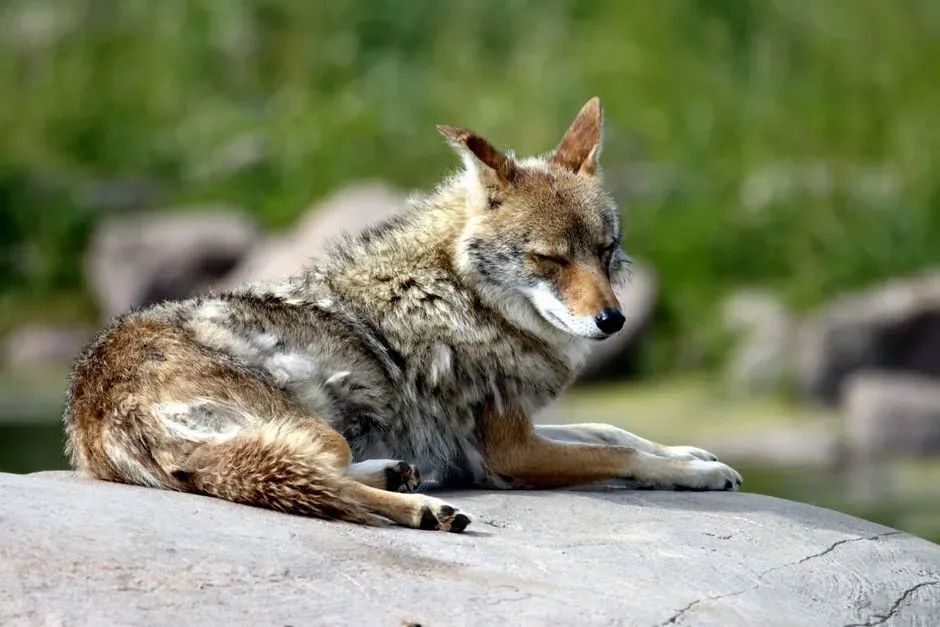
The coywolf is one of the most compelling wildlife stories of our time, precisely because it isn’t a story about wilderness. It’s a story about consequence. Human settlement, habitat destruction, and the hunting down of wolves created the conditions that brought this animal into existence. We didn’t engineer it deliberately, but we engineered it all the same.
What’s hard to ignore is how well it’s doing. Scientists suggest the coywolf is the most adaptable mammal, capable of finding food in a variety of ecosystems. That’s not a small claim. In a continent still processing the aftermath of species collapse, habitat loss, and ecological fragmentation, an animal that turns all of those pressures into advantages deserves more than a passing glance.
The coywolf didn’t ask permission to exist. It simply arrived, adapted, and stayed. There’s something worth sitting with in that fact: nature’s capacity to respond to disruption isn’t always collapse. Sometimes it’s a new predator, trotting silently along a railroad track in the dark, perfectly at home in a world we thought we’d taken over.

- 14 Signs a Dog Near the Rainbow Bridge Is at Peace With Its Person - July 21, 2026
- 15 Ways a Shelter Animal Tells You It Was Always Meant to Be Yours - July 21, 2026
- 14 Ways a Dog Shows You Are the Center of Its Whole World - July 21, 2026