
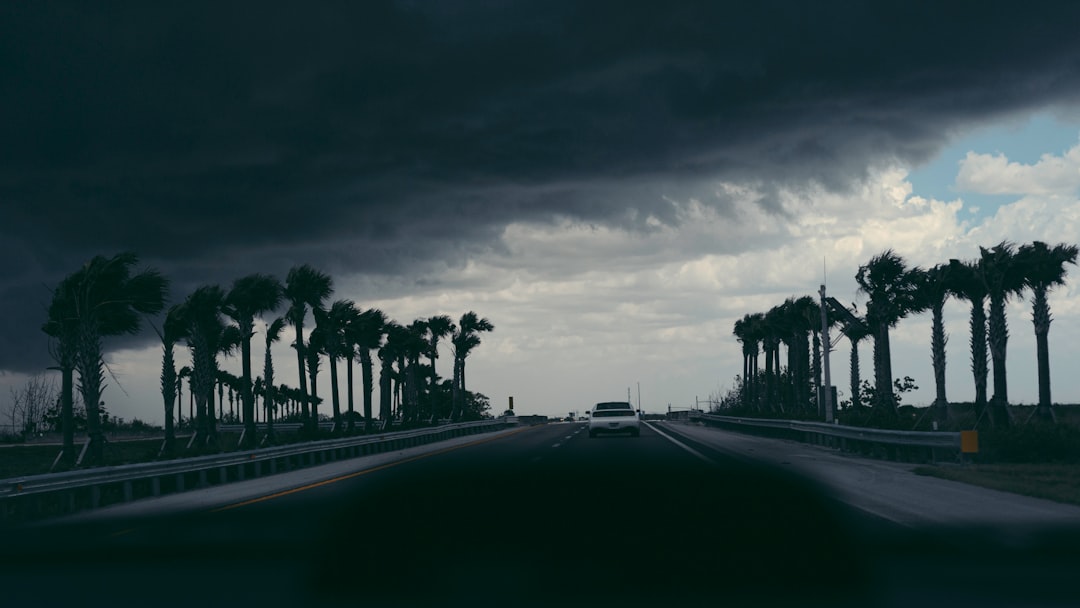
1. Know Your Risk Before Anything Else
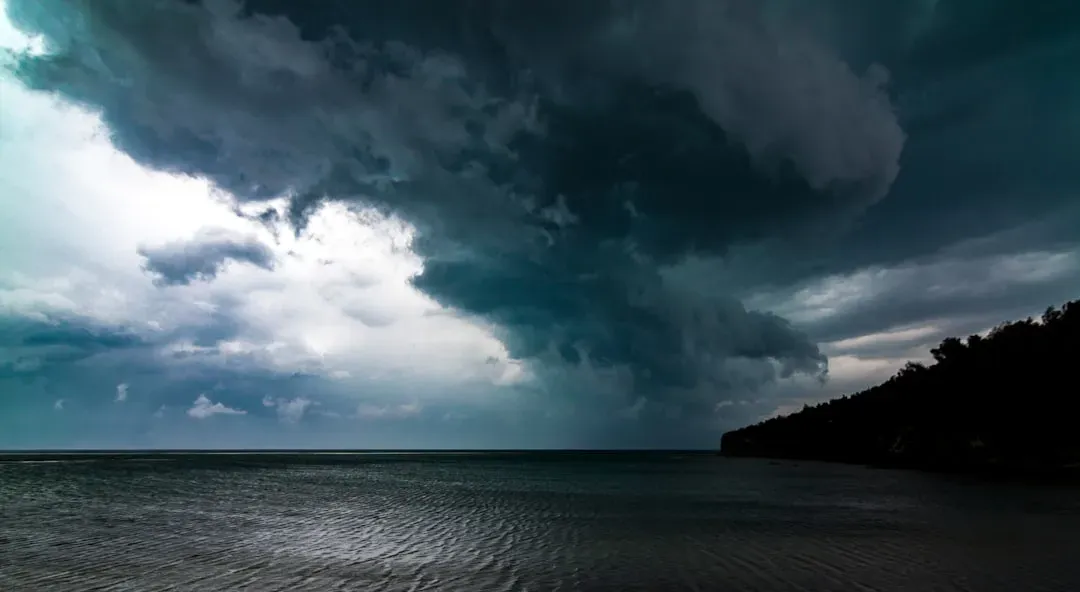
It sounds obvious, but a surprising number of people living in hurricane-prone regions have never checked whether their home sits in an evacuation zone. The National Oceanic and Atmospheric Administration (NOAA) says the first step you should take is figuring out your risk, particularly when it comes to wind and water hazards, because hurricanes are not just a coastal problem and their effects can be felt hundreds of miles inland.
It’s vital to understand your home’s vulnerability to storm surge, flooding, and wind. You should know if you live in an area prone to flooding and if you’re in an evacuation zone, and now is also a good time to determine if your home has any structural weaknesses.
Hurricane Helene in 2024 caused catastrophic flooding in the mountains of Tennessee and North Carolina, proving that inland residents face very real hurricane risk. That single fact reshapes the conversation entirely. Preparedness is not just a coastal concern anymore.
2. Build Your Emergency Kit Before the Shelves Empty
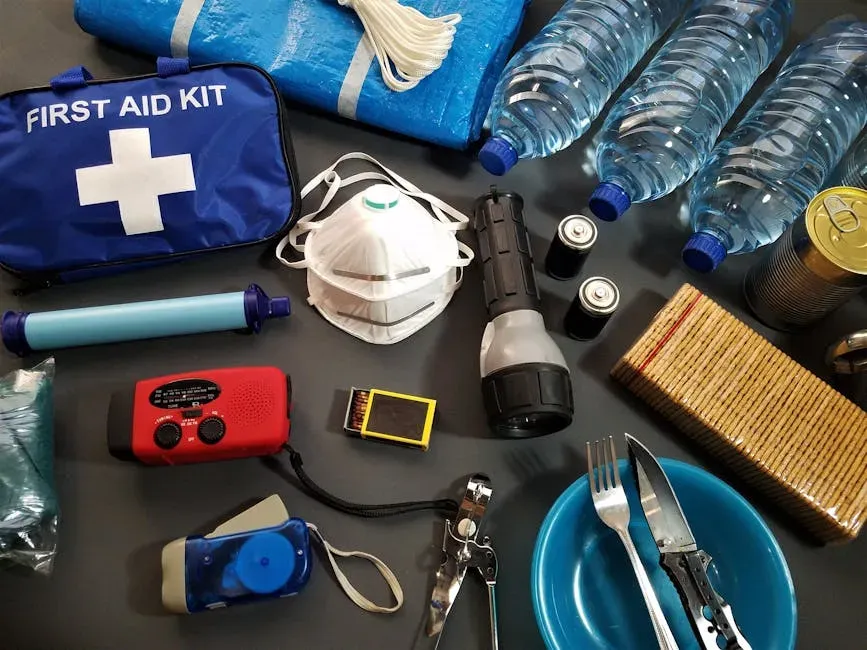
The key is to get your kit put together early. Don’t let it be you who has to dash in a panic to the grocery store to fight over the last few gallons of water, granola bars or batteries left on the shelves as a hurricane looms off the coast. It’s a frantic, avoidable situation that plays out every single season.
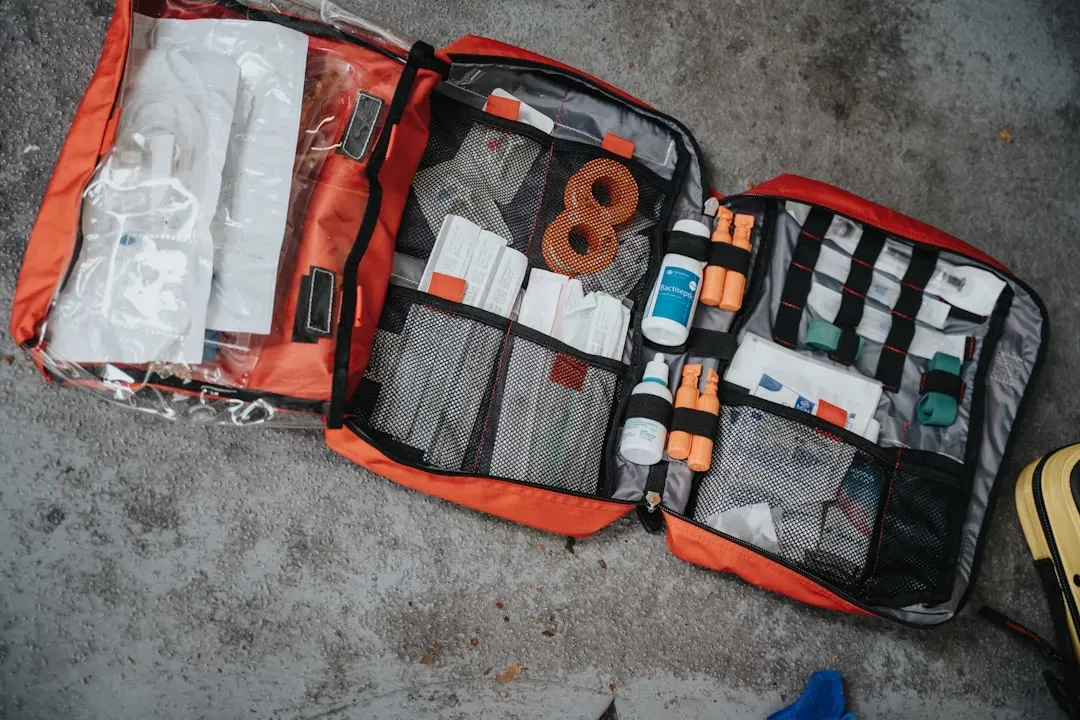
Assembling disaster supplies means having enough non-perishable food, water and medicine to last each person in your family a minimum of three days, according to NOAA, and since electricity could be out for some time, you’ll also want extra cash, a battery-powered radio and a flashlight on hand. Aim for one gallon of water per person per day for at least seven days.
In 2026, our reliance on technology means emergency kits need to be more sophisticated than just canned goods and flashlights. High-capacity power banks and solar chargers are now considered essential, because keeping your communication devices alive during multi-day power outages is a genuine safety requirement. Think of your kit as a living thing that needs tending, not a one-time box you tuck in the closet and forget about.
3. Review and Update Your Insurance Coverage Now
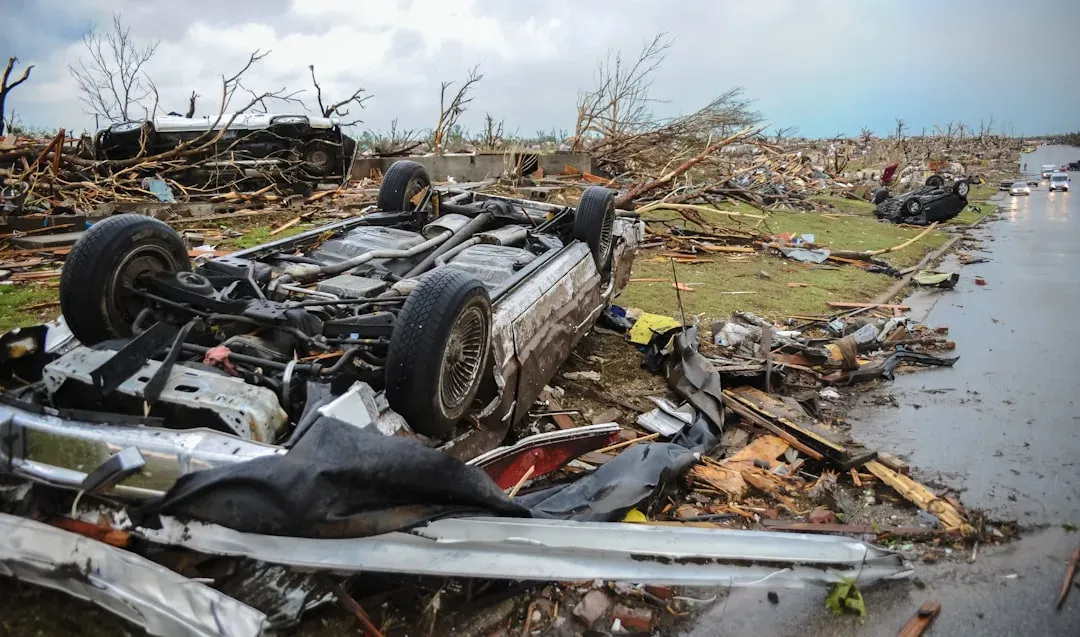
The best time to review your hurricane insurance is before June 1, when the Atlantic hurricane season officially begins, because most insurers stop writing new policies or making changes once a named storm threatens your area. Waiting until a storm is named is, frankly, already too late.
Standard homeowners policies cover wind and hail damage but exclude flood damage, and this distinction has caught many people off guard after past storms. Most flood insurance policies, including those through the National Flood Insurance Program (NFIP), have a 30-day waiting period before coverage becomes effective, meaning if you wait until June 1 to secure a policy, you will not be covered for any flood events until July, and early-season storms can and do happen.
Review your coverage every year, ensuring your dwelling coverage keeps pace with your home’s current replacement cost and familiarizing yourself with your deductibles and exclusions. Documenting your home and belongings with photos, videos, and an inventory is equally essential. A ten-minute walkthrough with your phone’s camera could save you thousands when a claim gets complicated.
4. Harden Your Home Against Wind and Flood Damage
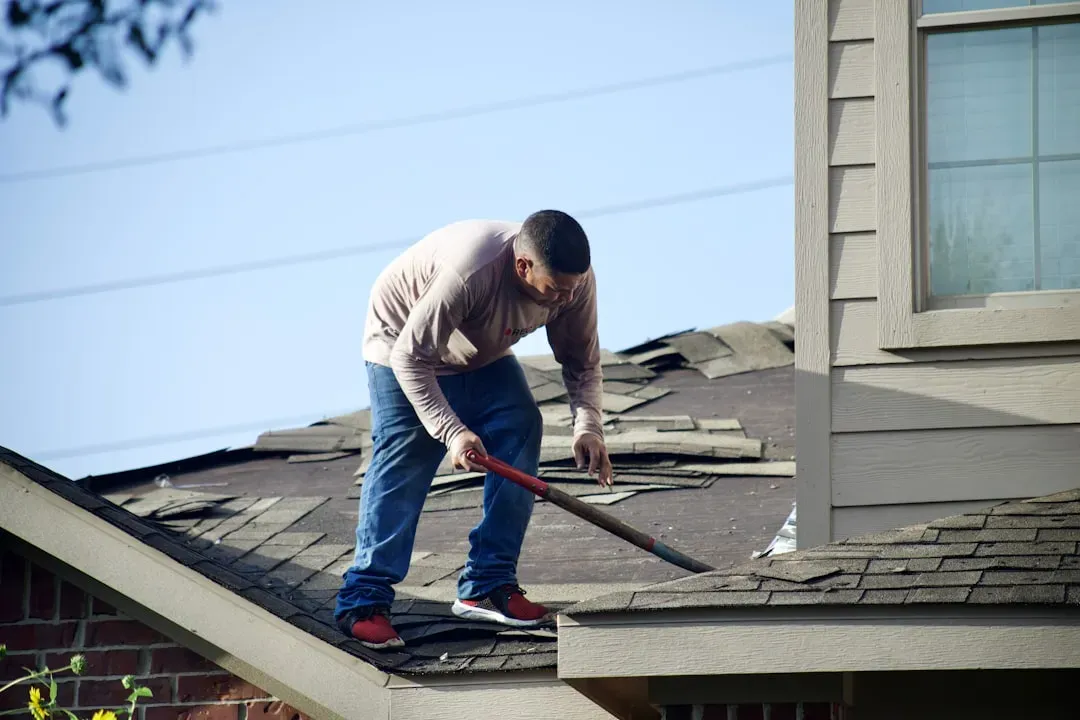
Preparing your home for a hurricane isn’t just about plywood and sandbags anymore. Modern building science offers several ways to “harden” your property. Homeowners in high-risk areas can reduce the risk of damage by upgrading roofs and windows, installing storm shutters, and removing dead or diseased trees that are at risk of falling in high winds.
Your roof is your home’s first line of defense. Ensuring your shingles are rated for high winds and having a professional install hurricane clips, which are metal straps that strengthen the connection between the roof and the walls, are among the most impactful upgrades you can make. As NOAA notes, the garage door is also one of the most vulnerable parts of the home and must be able to withstand hurricane-force winds.
Home-hardening efforts not only reduce the risk of hurricane damage but also make your home more insurable, presenting a lower risk for insurance companies, which makes it easier to get coverage and brings down rates. In other words, the money you spend strengthening your home can come back to you through lower premiums. That’s a rare win-win in the world of storm prep.
5. Create a Family Communication and Evacuation Plan
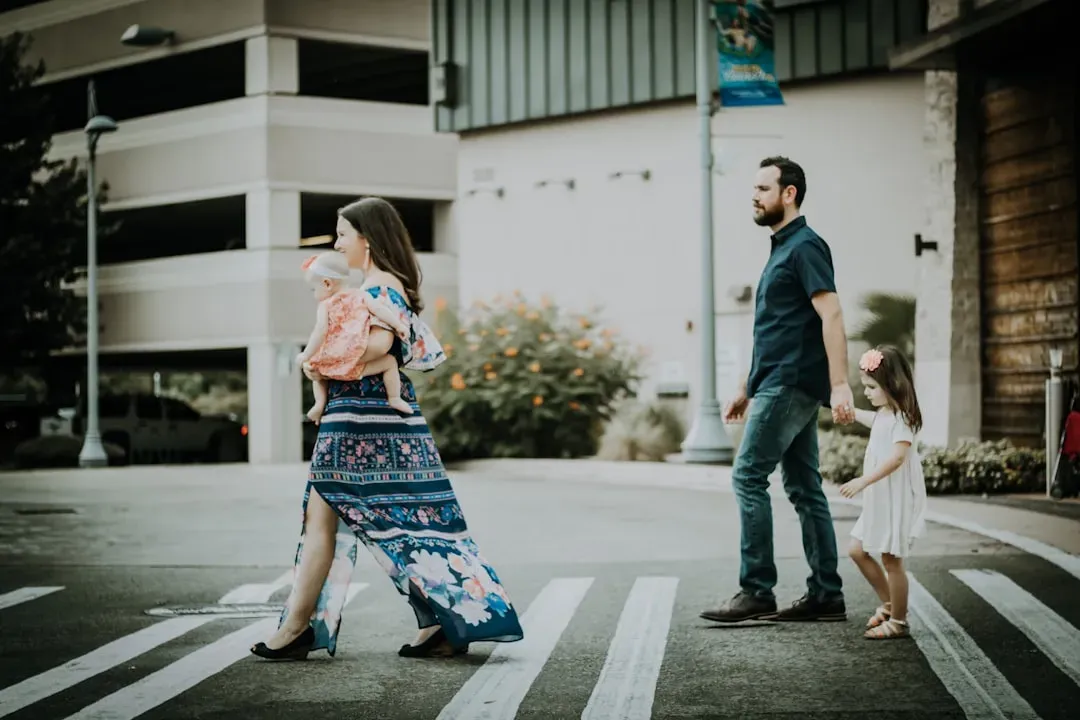
Before an emergency happens, sit down with your family or close friends and decide how you will get in contact with each other, where you will go, and what you will do in an emergency, then keep a copy of this plan in your emergency supplies kit or another safe place where you can access it in the event of a disaster.
Family members may not be together when a hurricane is approaching, so it’s essential to plan ahead and talk about what you will do before, during, and after a hurricane, including how you will get to a safe place, get in touch with each other, and get back together. Know where you will go, how you will get there, and where you will stay, and plan well in advance if you will need help leaving or use public transportation.
Your hurricane preparation checklist should include a go-bag for each person in your household, especially if you need to evacuate quickly, packed with clothes, medication, water, snacks, ID copies, and hygiene items, as well as paper maps in case GPS fails to guide you to safe zones. A plan only works if everyone knows it. Practice it at least once before storm season peaks.
6. Secure Your Important Documents and Finances
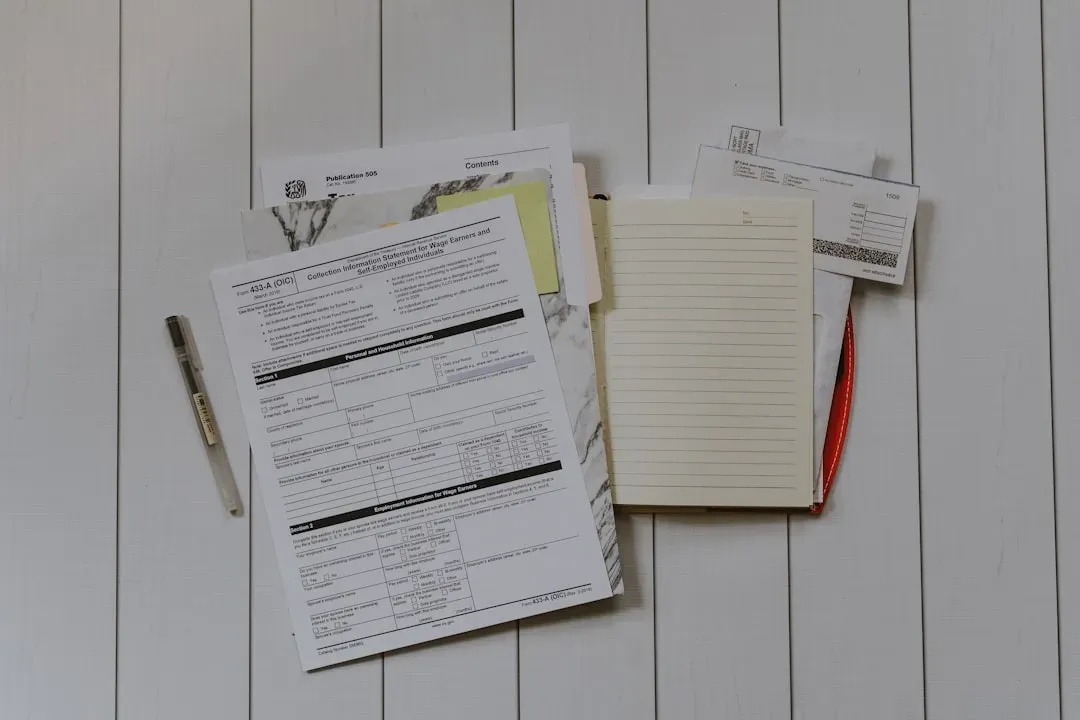
In a disaster, having immediate access to legal, financial, and medical documents can accelerate recovery significantly. ATMs may not work during power outages, so keeping emergency cash in small denominations is a practical step that people consistently overlook. Credit cards are of little use when the power grid is down.
Keep a two-week supply of all prescription medications in a waterproof container, and store copies of your insurance policies, deed, and ID in a portable, fireproof, and waterproof document bag. Keeping all documents and sentimental items high off the floor in waterproof containers is also wise to avoid flood damage.
Getting an insurance checkup and documenting your possessions could mean gathering photos, serial numbers, or anything else you may need to provide your insurance company in case you need to file a claim. This is one of those tasks that takes under an hour to do properly but feels enormous in the aftermath of a storm when everything is already overwhelming.
7. Don’t Forget Your Pets and Special Needs Family Members
Getting your pet microchipped will help ensure you’ll be reunited with them if you’re separated, so keep your microchip contact information up to date and make sure your pet is also wearing a tag with your current contact information. Some shelters accept pets, but you’ll still need to pack their gear.
Remember family members with special requirements, such as infants, elderly persons, and those with disabilities, when building your emergency plan and supplies. Children need a hurricane kit too, and if you’re breastfeeding or have an infant, experts recommend keeping a week’s worth of powdered formula on hand just in case.
Heart attacks are a leading cause of deaths after a hurricane, so being mindful of overworking during preparation and recovery is genuinely important. The emotional and physical toll of a major storm extends well beyond the wind and rain. Taking care of your whole household, including the people and animals who depend on you most, is what real preparedness looks like.
The Bottom Line: Preparation Is a Choice, Not a Luxury
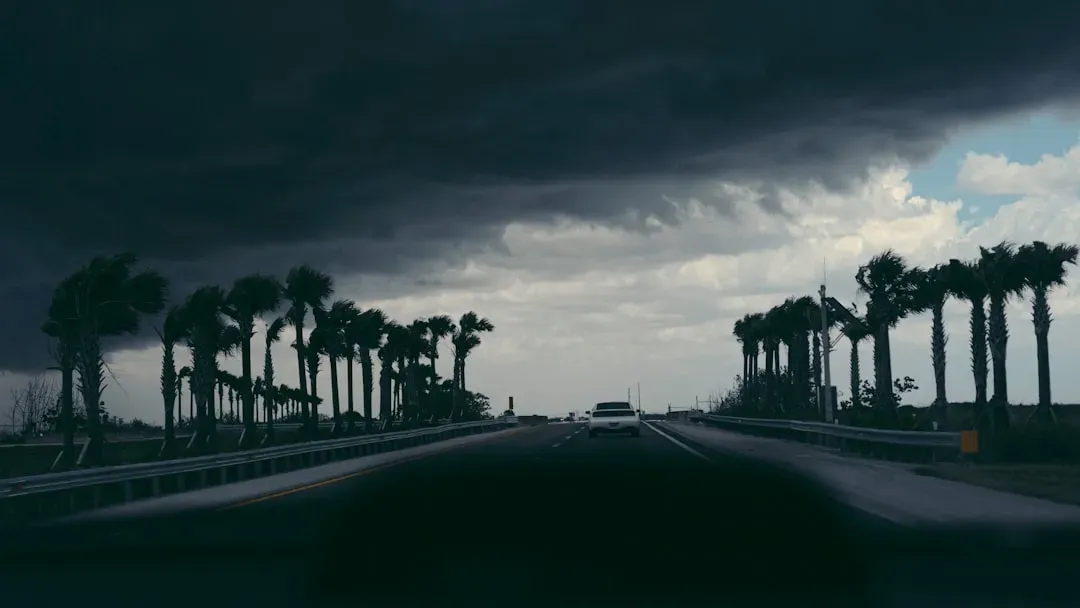
There’s a tempting logic that says a quieter forecast season means you can ease off. A below-average forecast describes basin-wide activity, not individual landfall probability, and it only takes one storm near your property to expose every gap in your plan. History has shown this truth over and over again.
The seven steps outlined here aren’t complicated. They don’t require a large budget or specialized knowledge. What they require is the willingness to act before the urgency is undeniable, which is the one moment when acting freely is still an option. Every family that assembles a kit, reviews an insurance policy, or walks through an evacuation plan in May is a family that gets to think clearly when it matters most.
Preparation isn’t about fear. It’s about giving yourself the best possible ground to stand on when the weather decides to test you. Start this week, not next month. The season doesn’t wait for anyone to feel ready.

- Why Veterinarians Say If Your Cat Sleeps With Their Back to You, It's the Highest Form of Trust in Feline Behavior - July 20, 2026
- Animal Science Says Ravens Remember Human Faces for Years and Warn Other Ravens About Dangerous People - July 20, 2026
- The Truth About Why Some Animals Are Naturally Solitary Creatures - July 20, 2026