

#1: Cavalier King Charles Spaniel – Settles Into Serenity
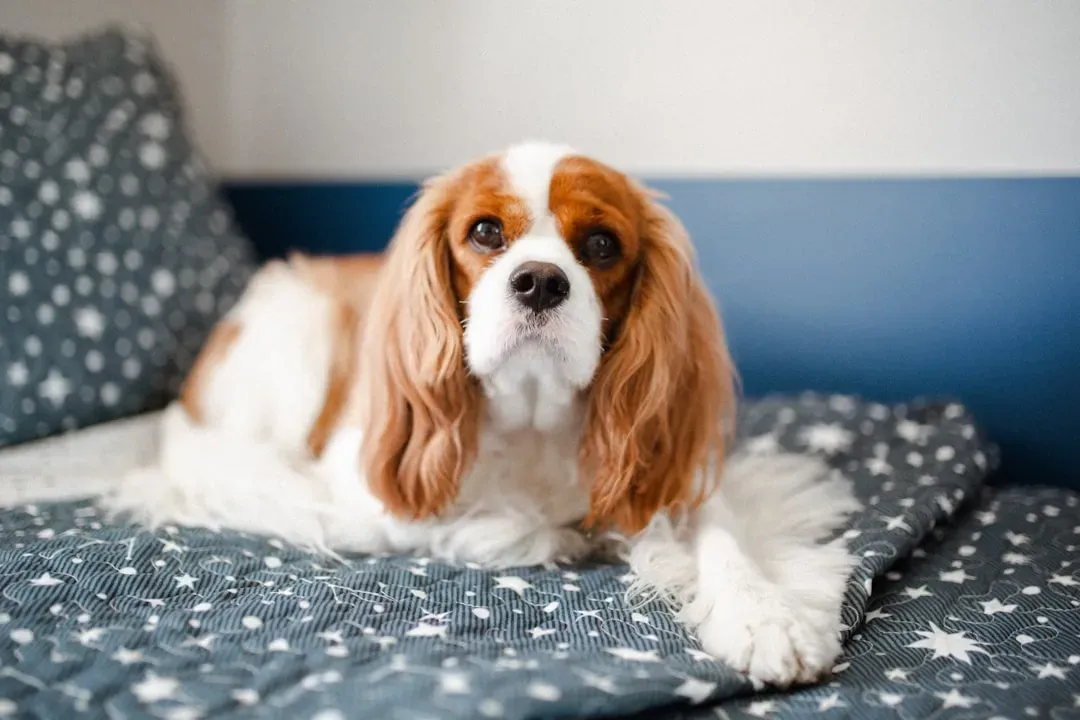
Few breeds are as genuinely well-suited to the long game as the Cavalier King Charles Spaniel. Cavaliers can be both a cuddle buddy one day and an adventurous companion the next – they follow their owner’s lead. This breed is laidback, intelligent, and quiet, welcoming to people of all ages and other pets. As they mature into middle and senior age, that adaptability only deepens. The early enthusiasm softens into something steadier and more companionable.
The Cavalier King Charles Spaniel is a natural fit for calm households, thanks to its gentle demeanor and deeply affectionate nature. The breed thrives on human companionship, forming strong emotional bonds, and showing a constant eagerness to please. Friendly with strangers, children, and other pets, the Cavalier brings a peaceful, welcoming energy into any home. Grooming does require regular attention, but temperamentally, this is a dog that becomes more rewarding with every passing year.
#2: French Bulldog – Low Energy That Only Gets Lower
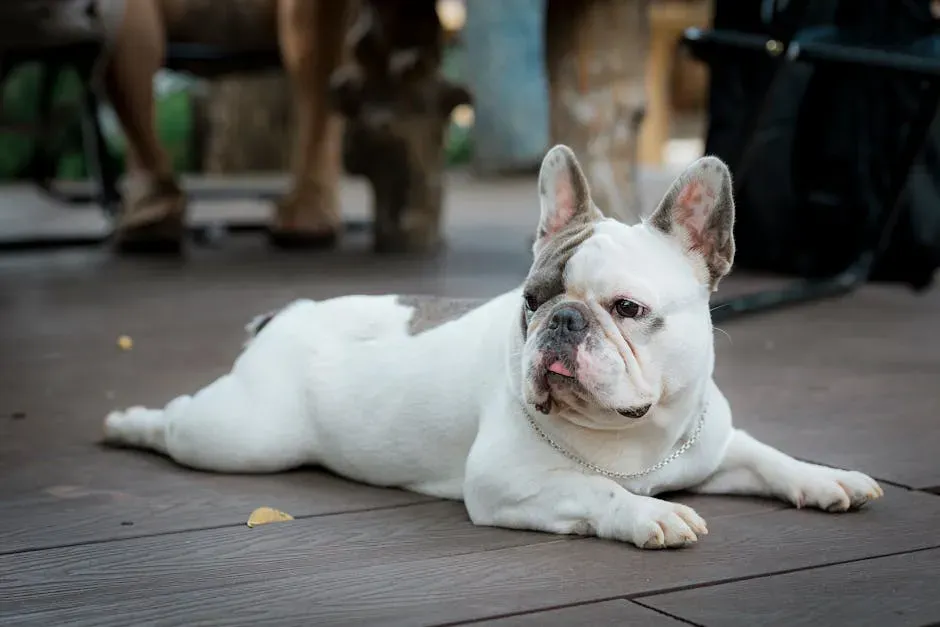
The French Bulldog is one of the best breeds for calm households, thanks to its gentle, adaptable nature and love for companionship. Known for being tolerant and friendly, a well-socialized French Bulldog typically gets along well with other dogs. Early socialization plays an important role in helping them feel confident and comfortable. This breed is naturally laid-back and enjoys a slower pace of life, making it ideal for those who prefer quiet routines. Short daily walks and indoor relaxation are usually enough to keep them happy and healthy.
French Bulldogs are less likely to bark than other dog breeds, making them ideal for apartment living or close quarters. They do not require extensive exercise, which takes a lot of pressure off owners who may not be able to commit to long daily walks. They’re happy with short strolls and plenty of indoor relaxation time. Their minimal grooming needs make caring for them surprisingly straightforward. The main watch point as they age is respiratory health, given their brachycephalic structure, so regular vet visits remain important.
#3: Maltese – Gentle From Start to Finish
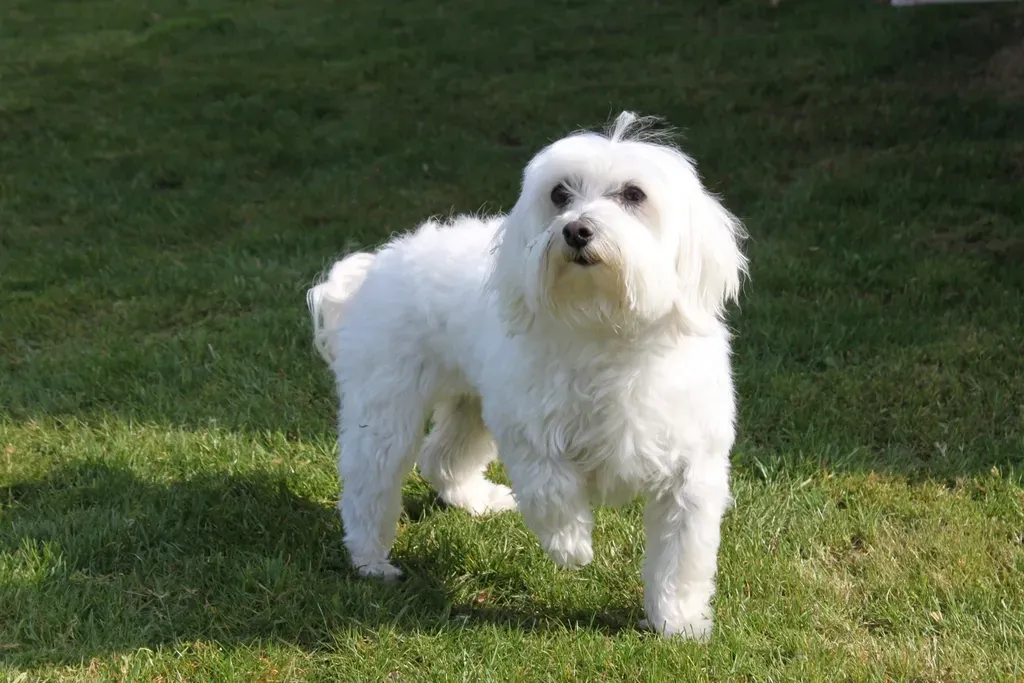
The Maltese is a sweet, gentle dog that is deeply devoted to its owner. Its small size makes it easy to manage, and it can thrive in smaller living spaces. Maltese dogs have a calm demeanor, which makes them excellent companions. They enjoy short walks but are also content spending quiet time at home. As they age, that contentment becomes even more pronounced. The frantic puppy energy fades, and what remains is a deeply loyal companion that needs very little in terms of space or activity.
Maltese may be tiny, but they are also among the most empathetic pets and are often used as therapy dogs, needing very little outdoor exercise. The Maltese carries an easygoing sweetness that makes it comforting to have around the home, with a calm presence that adds warmth without creating stress. Daily brushing of their long, silky coats can actually become a relaxing routine that deepens the bond between dog and owner. For those who enjoy the grooming ritual, this becomes a positive rather than a burden.
#4: Shih Tzu – Born for Quiet Living
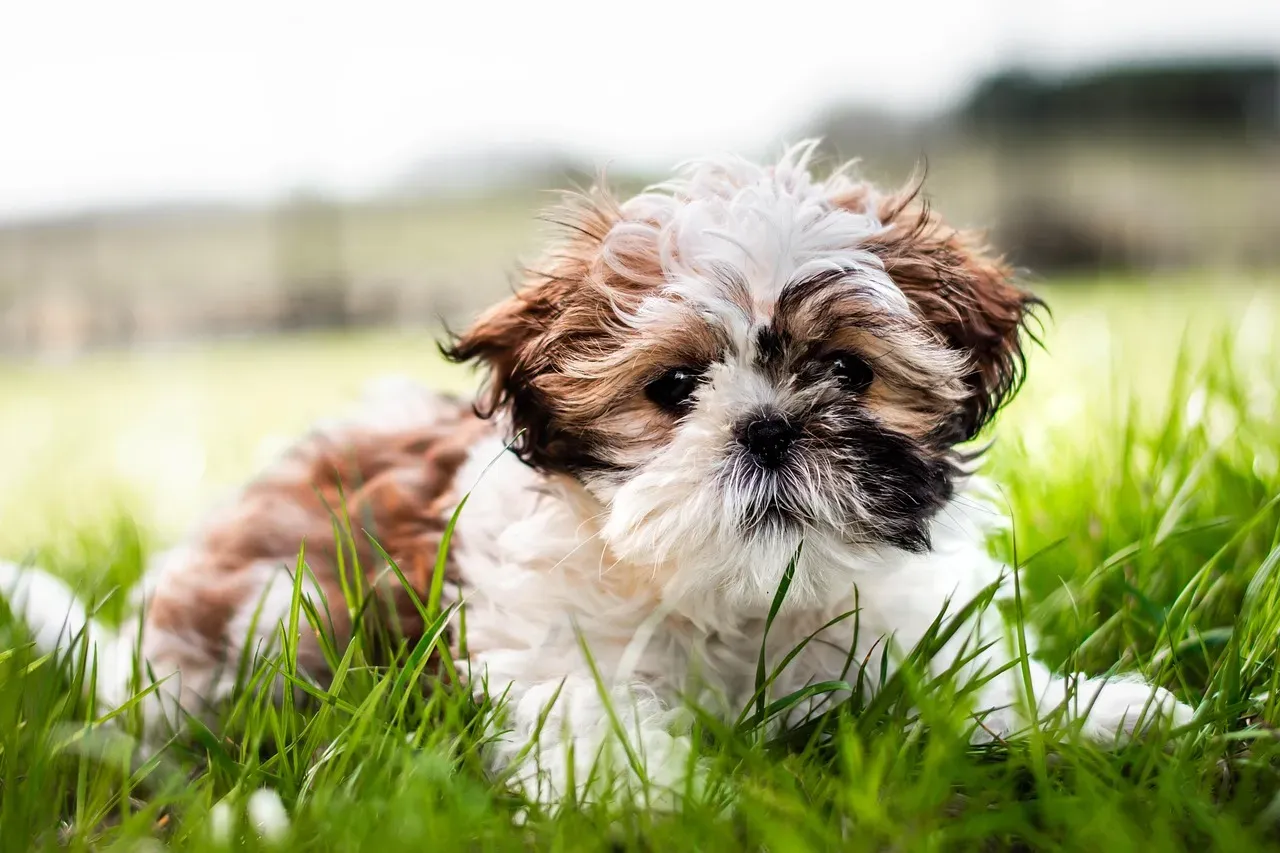
According to Britannica, the Shih Tzu is a toy breed developed initially in Tibet and treasured for its enduring loyalty and affectionate personality. They enjoy gentle walks and indoor play, adapting happily to relaxed lifestyles while still offering plenty of warmth and charm. Their fluffy coat can be styled in a puppy cut to make grooming easier, which is great for owners who want low-effort care. Older Shih Tzus in particular have a wonderful lap-dog quality that feels effortless to live with.
The Shih Tzu is a great dog for older adults and less active households. These dogs are friendly, calm, and adapt well to indoor living. The Shih Tzu is up for a daily walk if its owner is, and this lapdog is more than happy to enjoy downtime for the rest of the day. Their long coats do require regular grooming, which some find therapeutic. They’re friendly with visitors too, making them wonderful companions when guests stop by. This breed genuinely mellows with age in all the right ways.
#5: Greyhound – The Surprising Couch Connoisseur
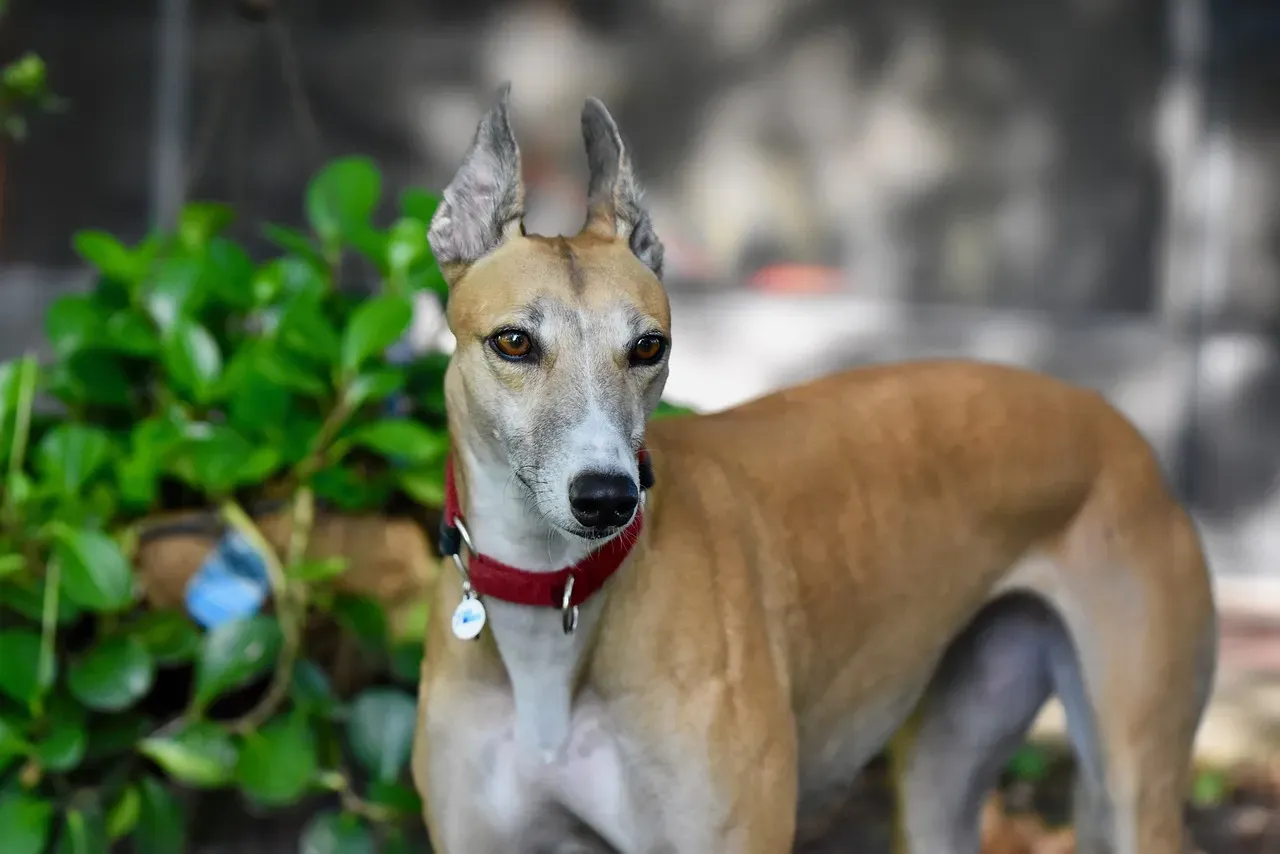
The fastest dog breed in the world, the Greyhound may seem like an unlikely entry on an “easier with age” list. However, this athletic dog is low-key, calm, and content with lounging around the home once it gets in its exercise. Greyhounds are ideal for people who prefer larger but manageable companions. That’s the quiet secret about this breed – the sprinting happens in short bursts, and the rest of the day is spent in almost regal stillness.
Greyhounds are generally calm, affectionate, and can do well with one daily walk. For those who prefer larger dogs but still want a manageable companion, Greyhounds strike a perfect balance. Their short coats require minimal grooming, and their gentle nature makes them wonderful housemates. Retired racing Greyhounds in particular tend to arrive already accustomed to calm environments, which makes the transition into domestic life surprisingly smooth and, as they age, increasingly easygoing.
#6: Bichon Frise – Happy Wherever You Are
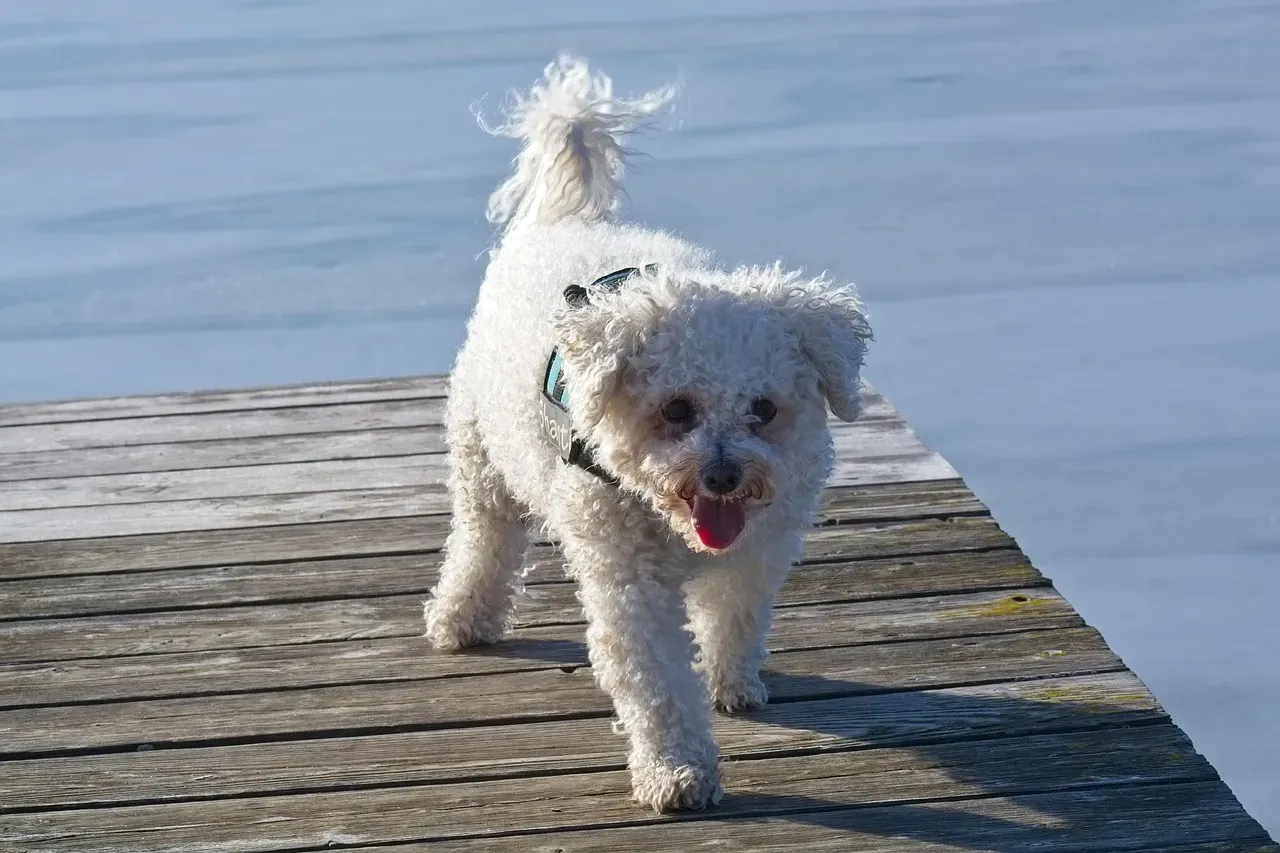
The Bichon Frise is a friendly, playful breed that thrives on companionship. These dogs are small and easy to manage. While they enjoy playtime and light activity, they can adjust to the energy level of their owners. Additionally, the Bichon Frise is hypoallergenic, which makes them an excellent choice for those with allergies. That hypoallergenic coat is a genuine advantage as the years go on – less shedding means less cleaning, less sneezing, and less general upkeep stress.
The Bichon Frise is friendly with everyone, doesn’t shed a lot, and is trainable. These fluffy companions bring lightness into any home. Their cheerful disposition can brighten even the gloomiest days. The Bichon Frise is hypoallergenic, making them excellent for allergy-prone owners. They’re adaptable to their owner’s energy levels and just as happy with gentle play as they are with quiet companionship. Regular professional grooming is required, but behavior-wise, this breed becomes calmer and more settled with each passing year.
#7: Pug – Small Body, Enormous Personality, Gentle Aging
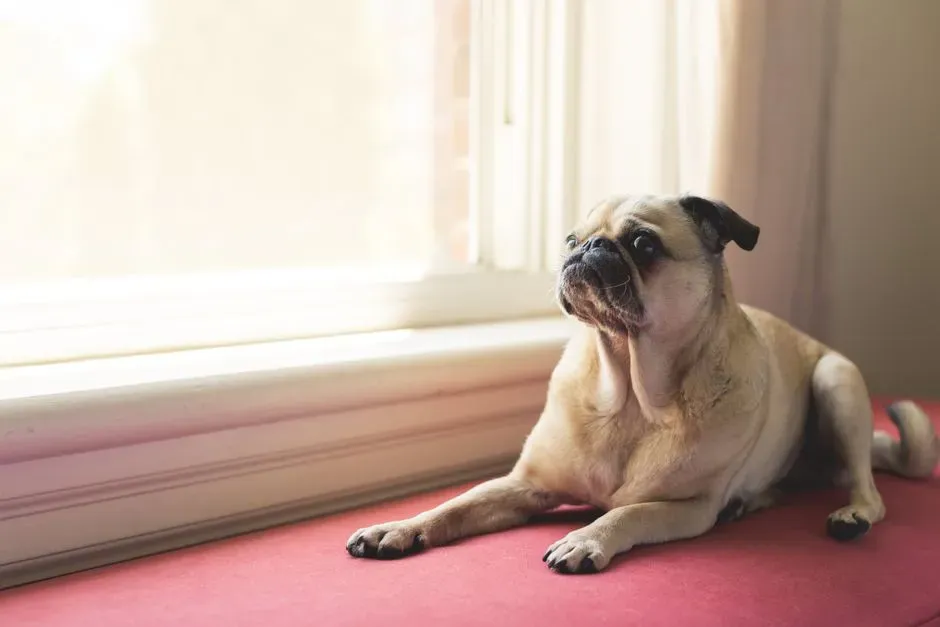
The Pug might be the perfect choice for those seeking a great companion in a quiet lifestyle. Known for their affectionate nature, Pugs thrive in homes where they can enjoy quiet moments and short walks with their owners. Pugs are highly adaptable, making them ideal for apartments or smaller spaces. Pugs are low-maintenance but benefit from regular brushing to keep their coat healthy. Their calm demeanor and gentle temperament mean they enjoy relaxing afternoons.
Pugs are a low-energy breed that love spending time snuggling. They are a smart, friendly, and relatively calm breed suitable for small apartments. As Pugs age, they slow down naturally and tend to become even more devoted to their people. The key health watch points are their respiratory system and eye care, both of which can require veterinary attention in senior years, but behaviorally they remain reliably affectionate and undemanding throughout their lives.
#8: Poodle (Miniature or Toy) – Intelligence Without the Drama
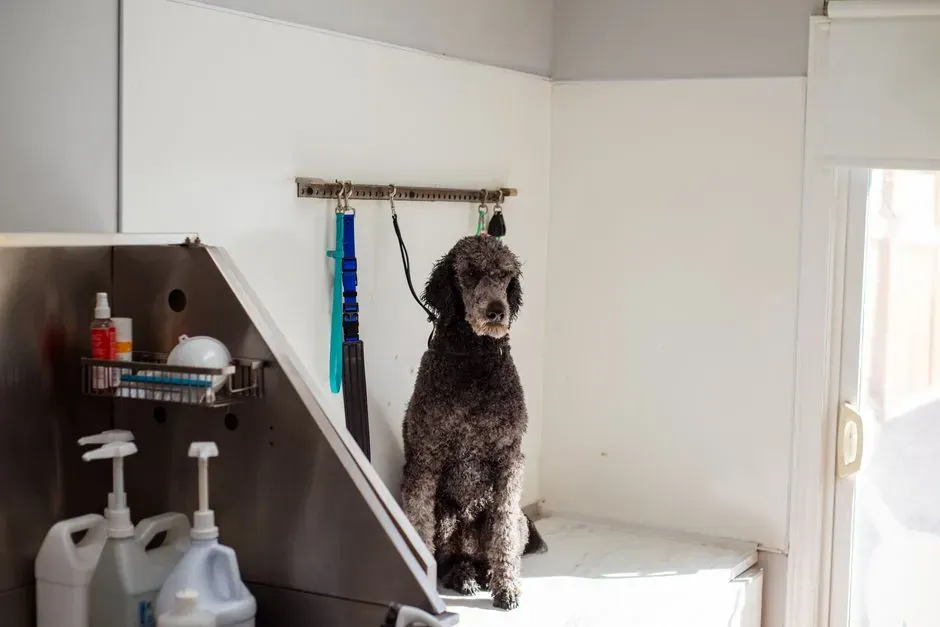
Poodles often get stereotyped as fancy show dogs, yet they’re actually incredibly intelligent and adaptable companions. This breed is also one of the most clever. Their intelligence makes them easy to train, which is a huge bonus. The Poodle is low-shedding and hypoallergenic, addressing concerns many owners have about allergies and constant vacuuming. While their stylish coats require regular professional grooming, many owners find the maintenance manageable. Miniature and Toy Poodles are particularly well-suited for those who want a smaller, more manageable companion.
As far as care, Poodles don’t shed too much, but their hair will require regular brushing and professional care, typically on a monthly basis. Most Poodles are also very well-behaved and incredibly intelligent, so they’re easy for almost anyone to train. There are three different types of Poodles – miniature, standard, and toy – so there’s a perfect fit for owners at any stage of life. Older Miniature and Toy Poodles tend to maintain excellent cognitive sharpness and lean into their calm, bonded companionship beautifully.
#9: Havanese – Social, Low-Key, and Gets Better With Time
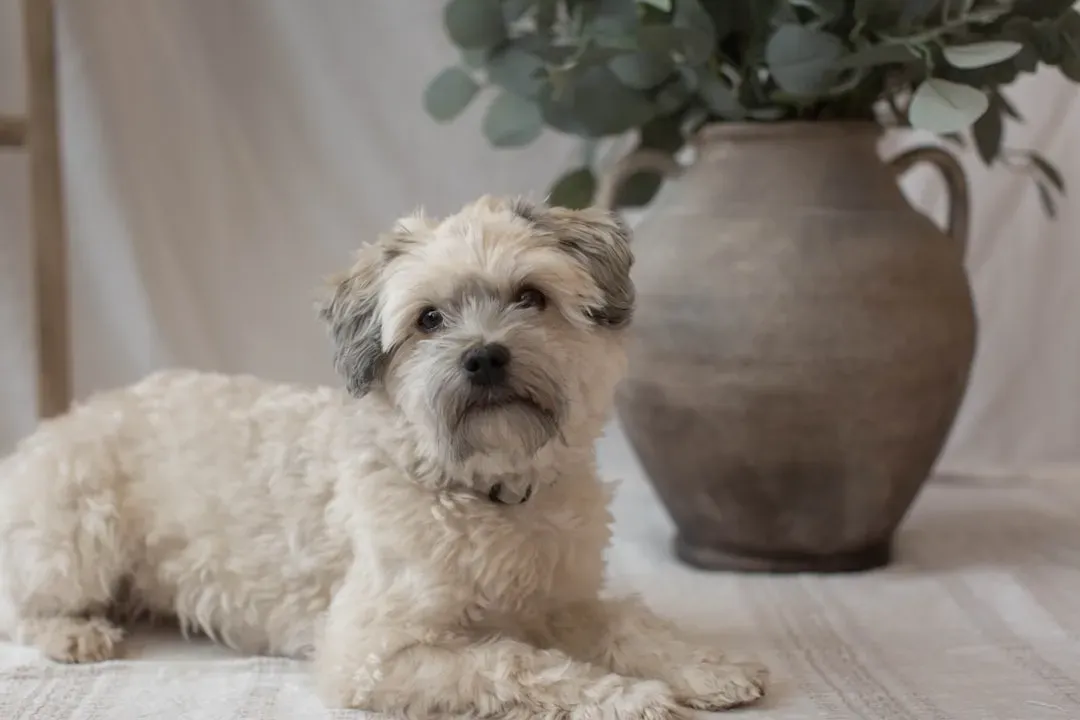
Havanese are outgoing and intelligent dogs with low-to-medium energy and make a great breed for quieter households. They are social, trainable dogs that adapt well to most situations. Their one downside is that they can be prone to separation anxiety and don’t like to be left alone. However, this often works out well for owners who spend most of their time at home. As they age, that attachment deepens into something genuinely comforting for both dog and owner.
While their energy requirements are low, Havanese do have higher grooming needs similar to Shih Tzus. While they do need to be brushed and groomed, they do not shed excessively, which is great if allergies are a concern. Their sociable nature means they tend to get along well with visitors, other pets, and changing environments. For anyone looking for a dog that naturally gravitates toward quiet togetherness, the Havanese is among the best long-term companions available.
#10: Golden Retriever – Mellows Into Pure Gold
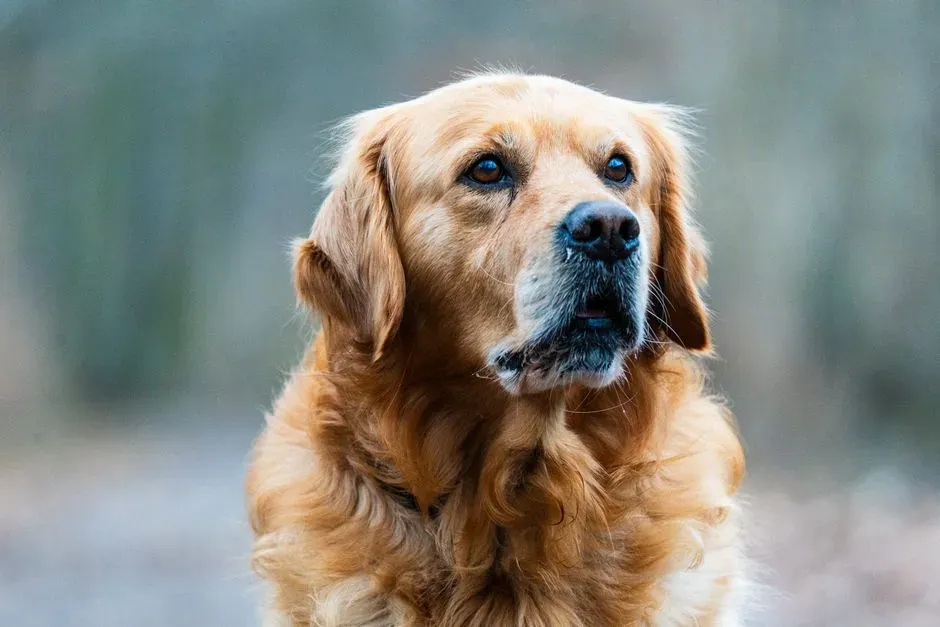
The Golden Retriever stands out as a truly comforting presence for older adults, known for their gentle spirit and easygoing temperament, bringing emotional balance and a sense of calm to any home. For those who want a larger dog and have the space for one, Goldens are remarkably gentle and patient. They go through an extended puppyhood that can feel relentless, but once they move into adulthood and beyond, this breed has a warmth and steadiness that’s genuinely hard to match.
Golden Retrievers are very intelligent and easy to train. Owners can easily teach them to stay, sit, and roll over. They’re also quite good at learning more advanced commands, so you can have a lot of fun with them. This breed requires regular grooming due to its thick double coat and sheds heavily, so frequent brushing is necessary. Golden Retrievers also need substantial daily exercise and mental stimulation to stay happy and healthy. That exercise need is worth factoring in long-term, but the emotional return on this breed is extraordinary as the years accumulate.
#11: Pekingese – Dignified Aging, By Design
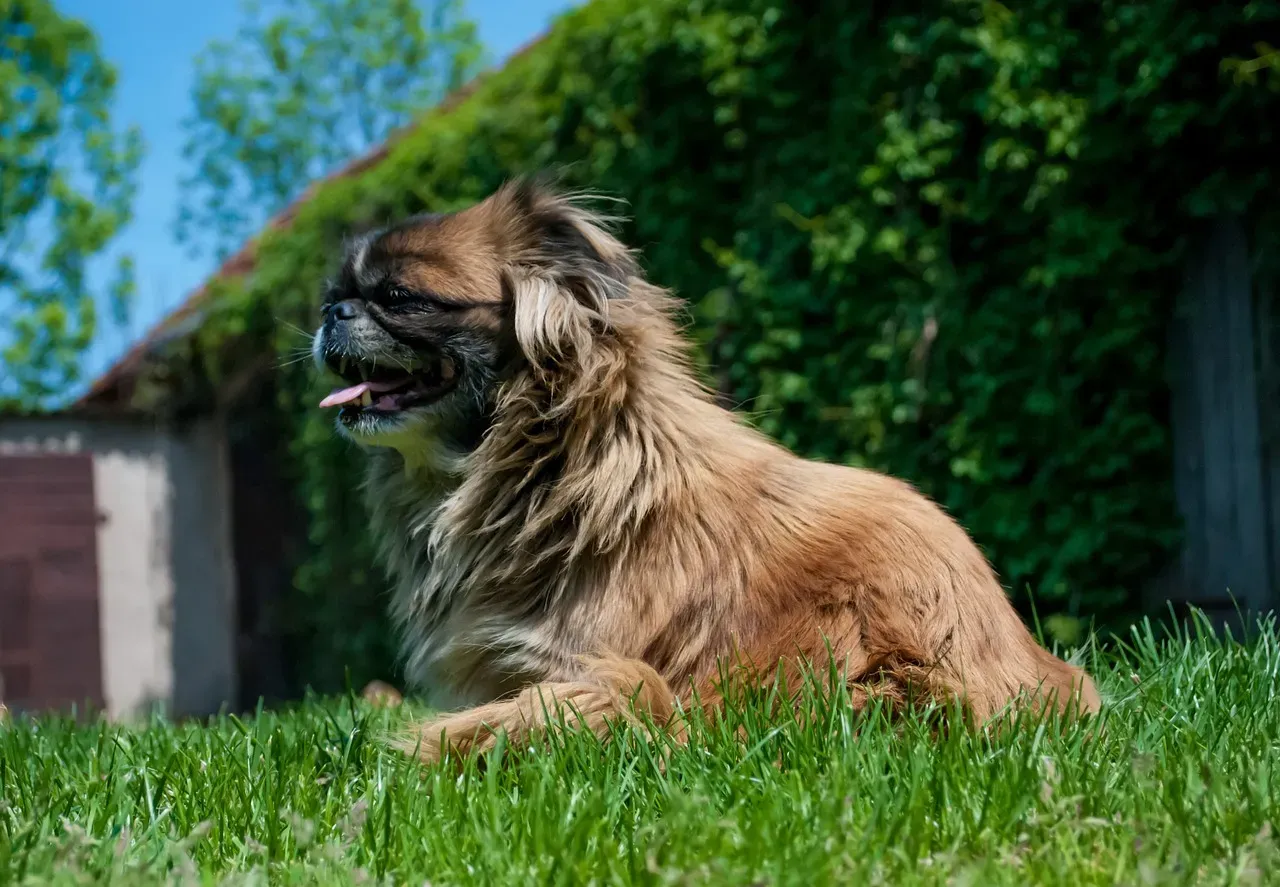
The Pekingese comes from Chinese royal settings, where it was kept by monks and valued as a Lion Dog with a strong symbolic presence. Its small size once allowed it to sit inside the sleeves of imperial robes. This history shaped a dog that behaves with a calm demeanor rather than dependency. They interact on their own terms, often choosing when to seek attention rather than following constant human cues. That independent streak, which can frustrate owners of younger dogs, becomes one of this breed’s most endearing qualities with age.
Extraordinarily loyal and affectionate, the Pekingese often forms an unparalleled bond with one human. However, this independent companion is far from clingy. They should be socialized to other people from the start and can display stubbornness at times during training. Pekingese dogs have outgoing, bold personalities and an overall dignified way of going about their daily lives. As they age, the stubbornness softens into quiet confidence, and their undemanding nature makes them one of the more effortless senior dogs to care for.
#12: Chihuahua – Feisty Early, Loyal Forever
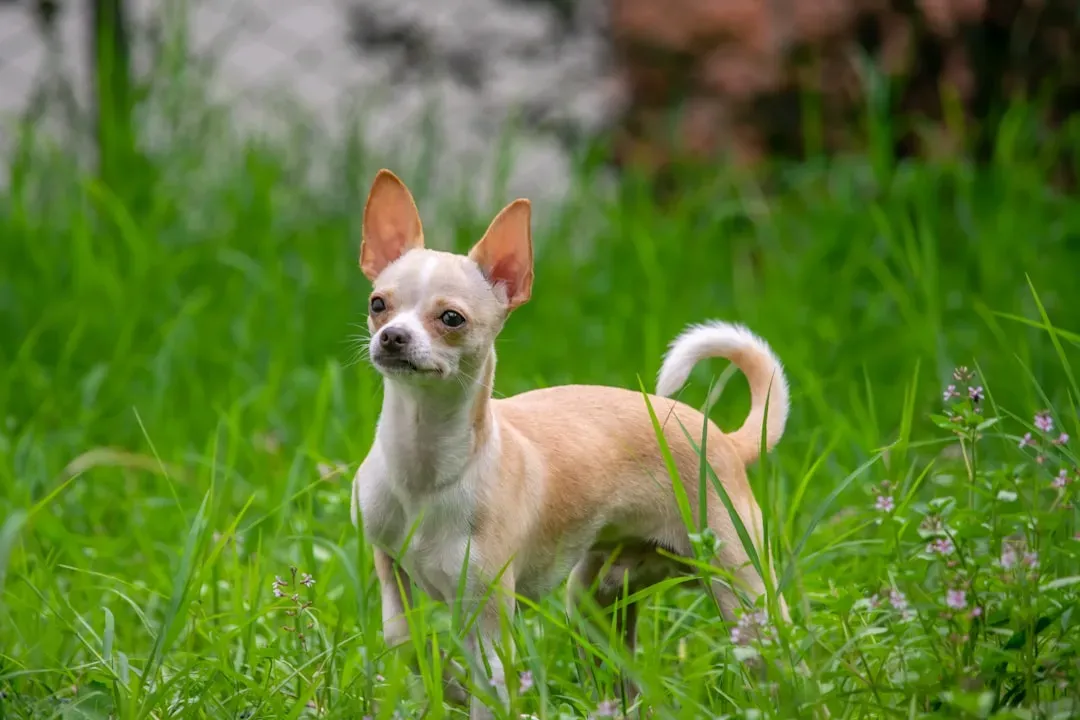
The Chihuahua is one of the smallest dog breeds, making it ideal for those who live in apartments or small homes. Chihuahuas are known for their big personalities in tiny bodies and form strong bonds with their humans, offering lots of love without demanding much space. These little pups are great for those who have low exercise needs – quick walks and indoor playtime are usually enough to keep them happy and healthy.
Their alert nature, combined with light grooming needs, means they’ll often follow you around with loyalty and affection. Chihuahuas can be surprisingly calm and adaptable when given gentle guidance and consistent attention. Smaller breeds often live the longest, with Chihuahuas sometimes living to be as old as 19 or 20. These dogs are usually firmly in their senior years by age 12. That longevity means a Chihuahua companion grows with you across decades – and the bond forged over that time is something genuinely special.
#13: Labrador Retriever – The Reliable Long-Haul Partner
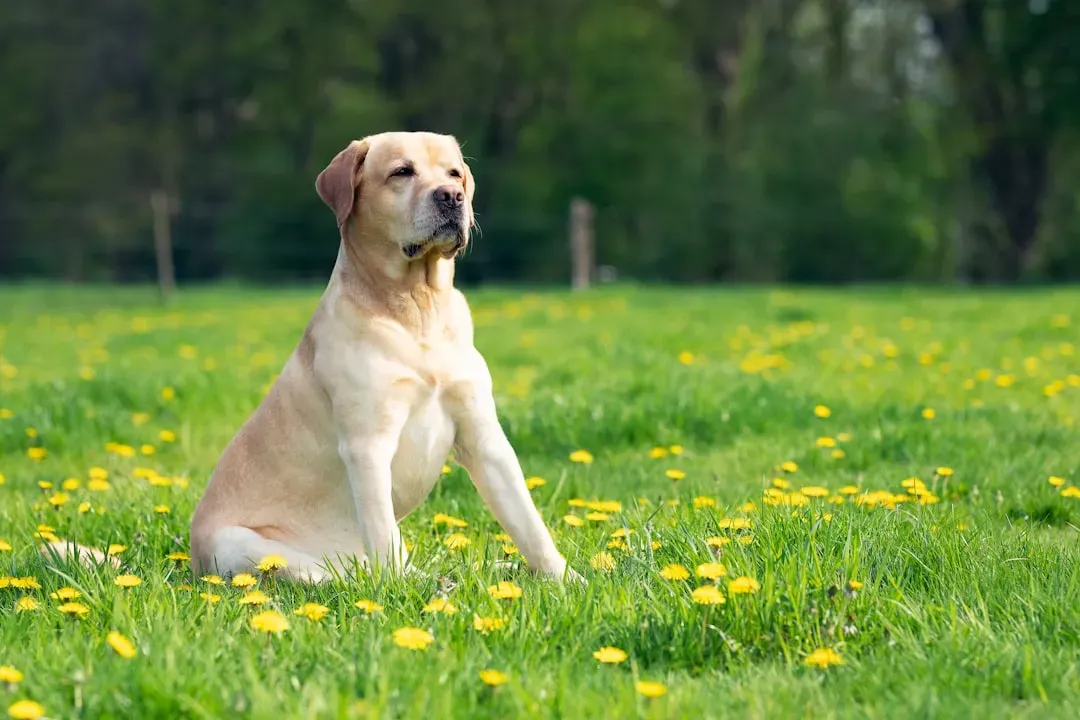
Breeds like the Cavalier King Charles Spaniel, Bichon Frise, and the Labrador Retriever are renowned for their serene and friendly temperaments. These dogs are typically easy to train and eager to please, making them great long-term companions. Labs are notorious for their prolonged puppy phase – they can remain boisterous well into their second year. Once that energy levels off, however, what emerges is one of the most reliable, emotionally grounded dogs in existence.
Labradors tend to mellow significantly by age three to four, and by the time they reach their senior years, they’re typically gentle, devoted, and surprisingly low-maintenance in terms of behavior. Their eagerness to please makes training corrections easy even at later stages in life. The main age-related considerations for this breed are joint health and weight management, both of which are very manageable with proactive veterinary support and a good diet.
#14: Italian Greyhound – Graceful and Quietly Easy
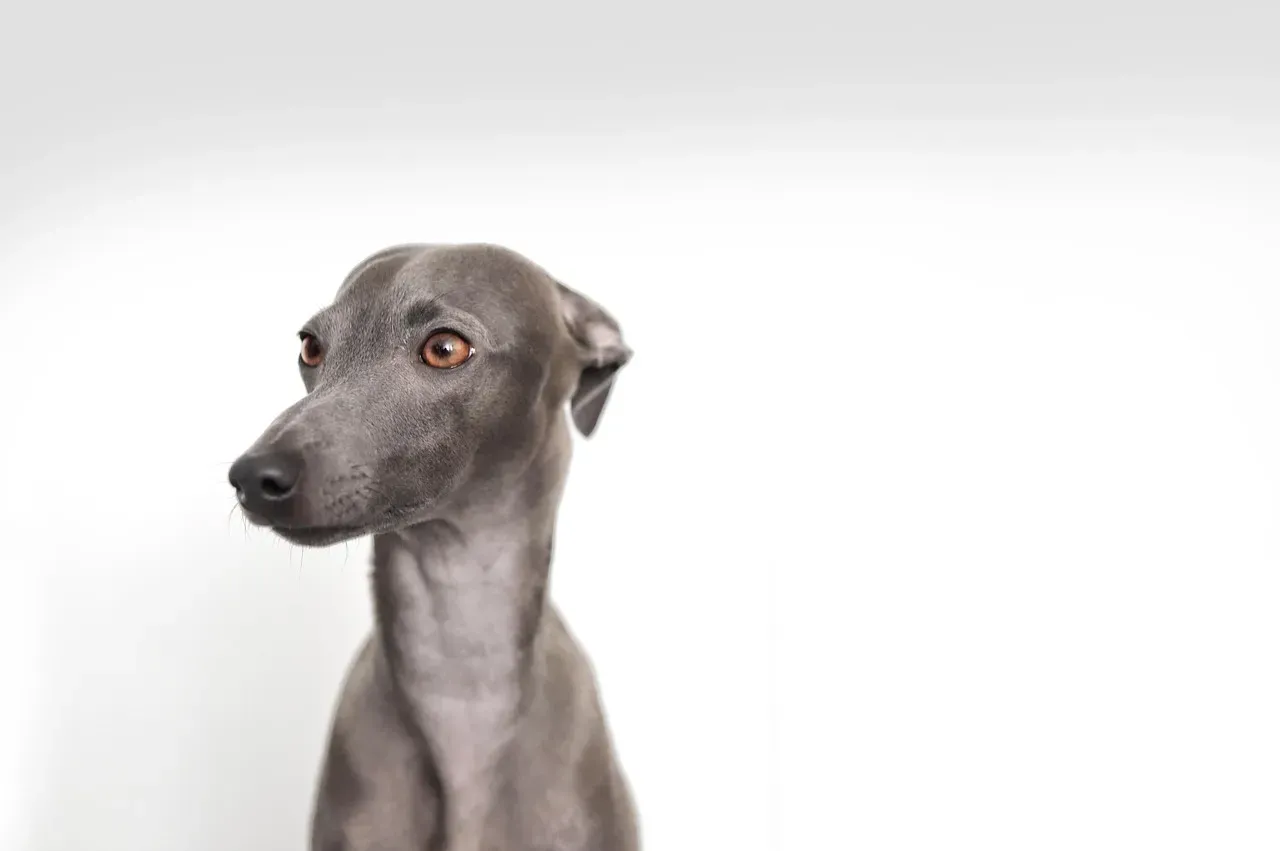
The Italian Greyhound is intelligent but independent, though they can have a stubborn streak. While they love to run and play, overall their exercise needs are modest. However, this toy breed must be protected from falls or jumping from high places, as it has a delicate bone structure. Young Italian Greyhounds can be somewhat mischievous, but as they mature, they settle into a calm, affectionate presence that’s light on demands and high on companionship.
The Italian Greyhound presents a slender, fine-boned frame with long legs that echo its sighthound lineage. Its elegance reflects centuries of companionship within aristocratic settings. The breed balances delicate structure with an alert, expressive presence. Italian Greyhounds maintain a quiet indoor presence, yet their coursing instinct remains active when fast movement appears. Keep them safely enclosed outdoors, stay mindful of their fragile bones, and this breed rewards you with years of elegant, uncomplicated company.
#15: Pembroke Welsh Corgi – Keeps You Moving, Keeps You Smiling
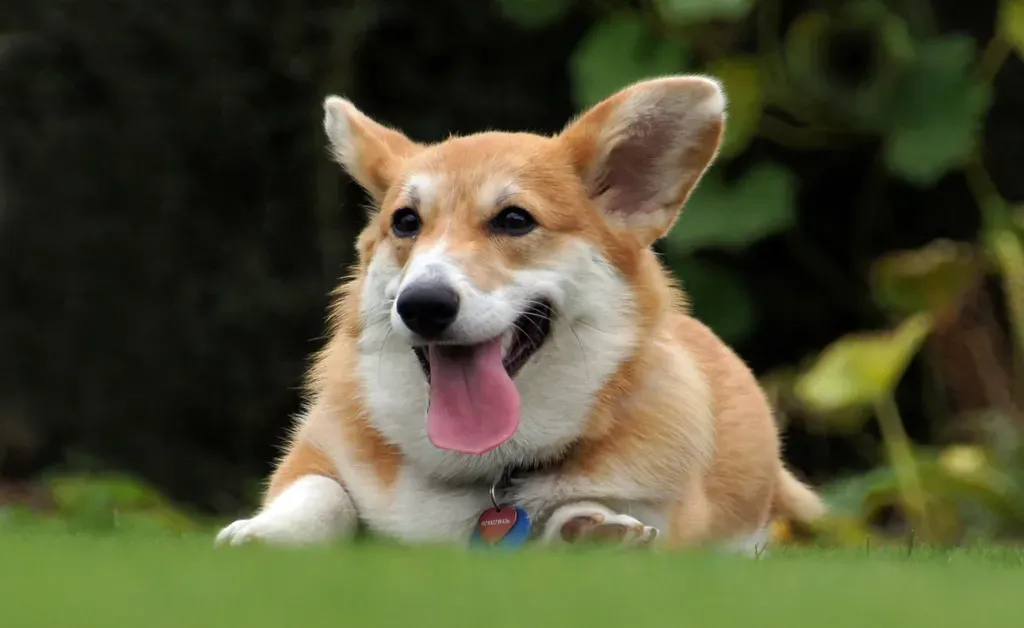
The Pembroke Welsh Corgi is perfect for active owners as they need several short walks a day, are simple to groom, and are very protective of their owners. Their short legs and fox-like appearance make them endlessly entertaining to watch. They’re smart, loyal, and surprisingly adaptable. They love to please their owners and have a watchful nature that makes them an amazing companion for aging owners. Corgis bring a bit of liveliness into the home without being overwhelming. For those who still enjoy a moderate level of activity, these dogs offer the perfect partnership.
Corgis go through a noisy, energetic early phase that can test patience. By the time they hit their middle years, though, they’ve channeled that herding intelligence into attentive loyalty. Older Corgis are wonderfully tuned into their owners’ moods, unusually calm indoors, and deeply bonded in a way that feels earned over years of daily life together. Their moderate exercise needs remain consistent into senior age, which actually benefits owners who need a reason to keep moving.
#16: Whippet – Quiet Speed Meets Quiet Life
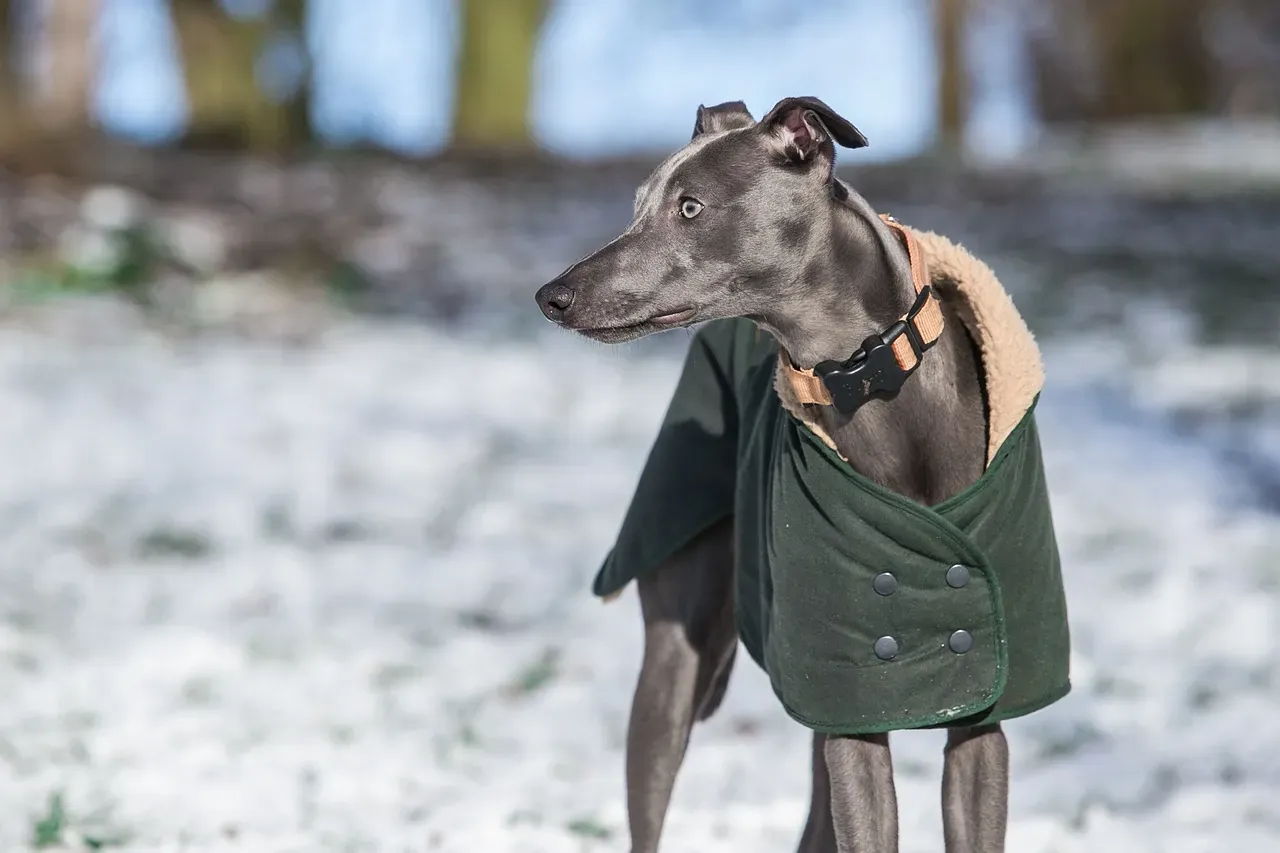
The Whippet is a breed that surprises almost everyone who owns one. Despite being a racing dog by origin, the Whippet at home is gentle, quiet, and spectacularly low-maintenance. They rarely bark unnecessarily, they’re clean, easy to groom, and tend to spend a significant portion of the day simply resting. Young Whippets have bursts of genuine speed and playfulness, but those episodes are short-lived and manageable.
As Whippets age, the overall pace of life with them slows into something wonderfully harmonious. They’re affectionate without being overwhelming, independent without being aloof, and athletic without demanding hours of daily exercise. Low or moderate-energy breeds are more flexible – they adapt to slower mornings and shorter walks. They’re also calm, easygoing, and not known for excessive barking. The Whippet fits that description almost perfectly, and senior Whippets carry that quality with particular grace.
—#17: Border Collie – The Harder It Gets, the More It Demands
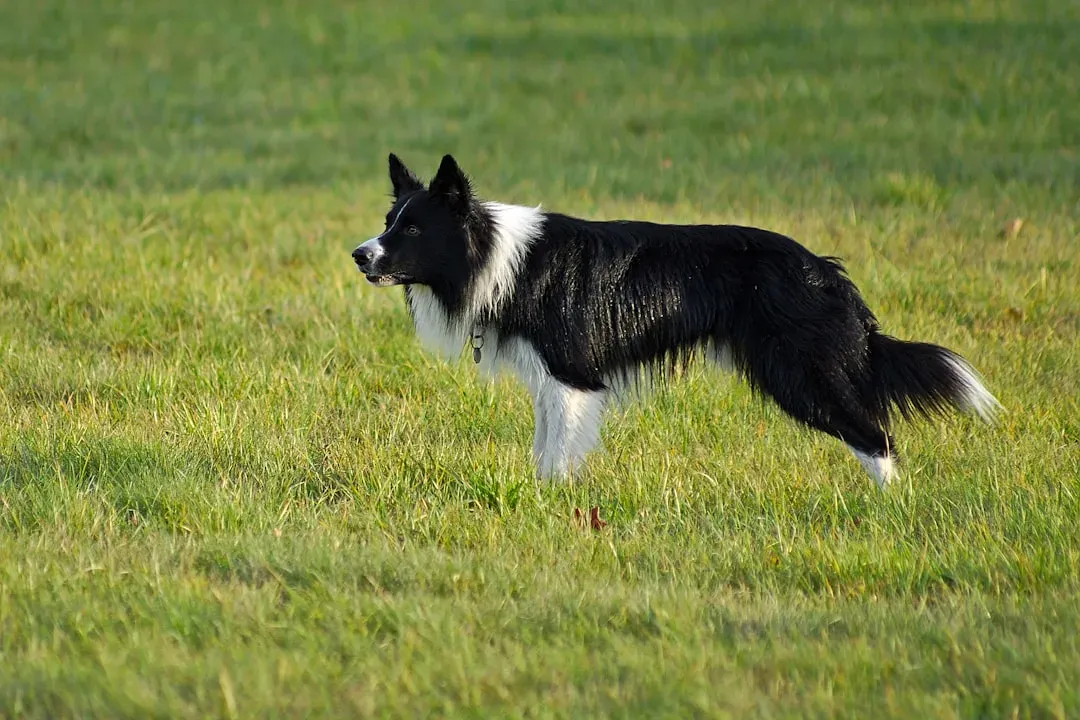
Border Collies require a minimum of two hours of exercise daily. That’s a steep ask for any owner, let alone someone managing arthritis, limited stamina, or reduced mobility. Without the proper exercise, Border Collies can become mischievous when there is nothing else to do. This is a breed engineered for relentless work, and that drive doesn’t soften gracefully with age – it simply finds other outlets if not properly managed.
Border Collies are known for their intelligence, agility, and energy, but they can be prone to certain health conditions. Hip dysplasia is one concern, which can lead to joint pain and reduced mobility as they age. They are also at risk for Collie Eye Anomaly, a genetic condition that can affect eye development. Epilepsy is another condition that can occur in Border Collies, leading to recurring seizures that require lifelong management. Additionally, some Border Collies may develop hypothyroidism, causing weight gain, lethargy, and skin issues. Combined with their behavioral demands, the cumulative care load for older Border Collies can become genuinely intensive.
#18: Siberian Husky – Beautiful, Vocal, and Relentlessly Demanding
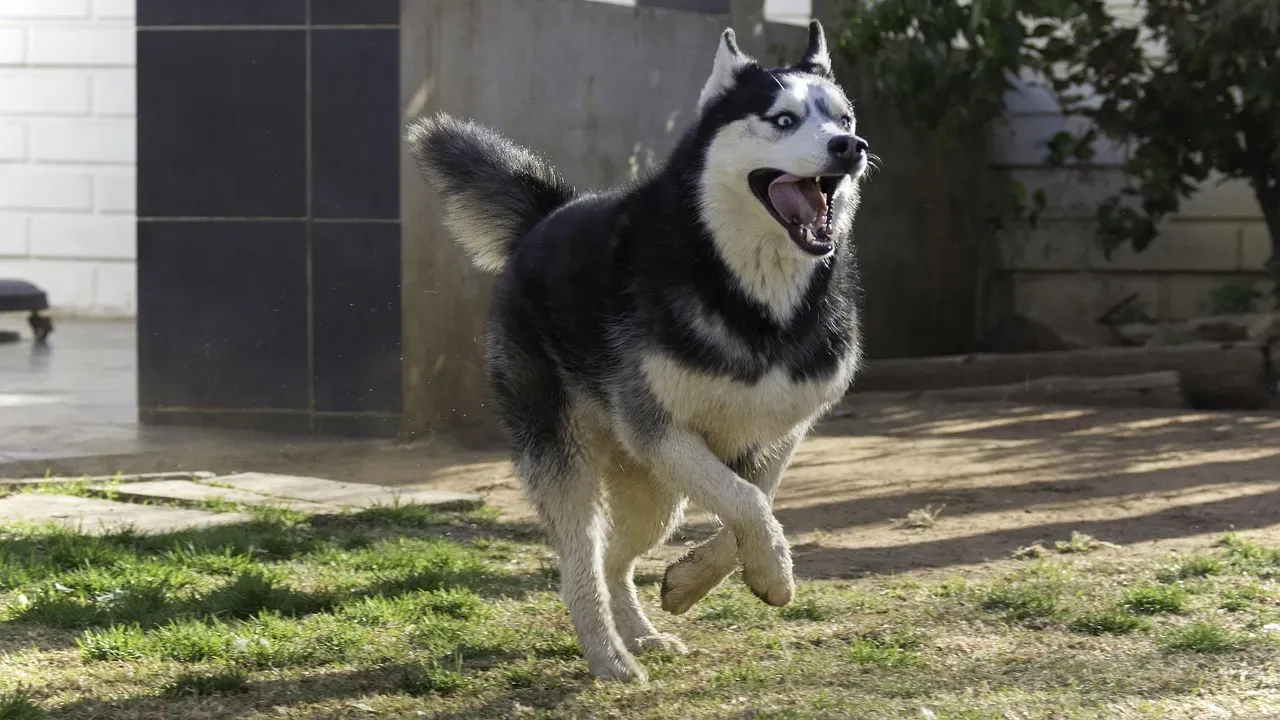
Their love of howling and barking can be a nuisance, especially in quieter living spaces or close-knit neighborhoods. Huskies are of an independent nature and often stubborn, which can make training them more challenging as the years go on. The Siberian Husky never really becomes a low-maintenance dog. What looks like youthful exuberance in a puppy becomes a deeply ingrained behavioral pattern that owners must manage consistently throughout the dog’s life.
Huskies require a lot of physical and mental stimulation to stay happy and healthy. They also have a thick double coat that requires regular grooming, which may be difficult for owners with mobility issues. A sudden pull from a 60-pound Husky can easily cause a fall, especially for seniors with joint issues. Add the year-round heavy shedding, the escape-artist tendencies, and the vocal nature, and this is a breed that demands more, not less, as the owner’s own stamina and resources change over time.
#19: Dalmatian – High-Energy, High-Maintenance, High-Stakes
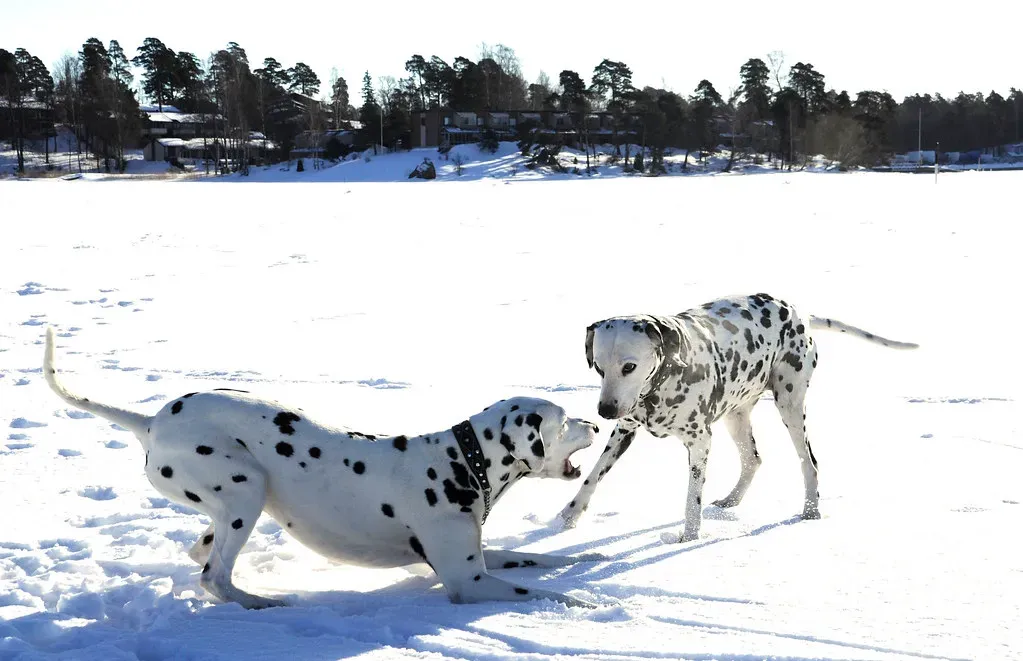
Dalmatians may not be ideal for less active households. They have a strong independent streak, making them hard to train. Additionally, Dalmatians are very high-energy dogs. These outdoorsy canines require lots of activity that may overwhelm owners in later years. They can become destructive if they do not get enough exercise and mental stimulation. Dalmatians shed all year round, so their maintenance level is on the high side.
Without proper socialization, Dalmatians can become reserved or aggressive toward other dogs or strangers, which can be challenging to manage. Vocal and destructive tendencies emerge when they are left alone for too long, requiring owners who can spend significant time with them. Dalmatians are also prone to deafness and may need special care or attention. They are also prone to specific health problems such as urinary stones, deafness, and skin sensitivities that require careful management. As they age, these health issues compound the already demanding care profile of this breed.
#20: Australian Shepherd – Herding Instinct Never Clocks Off
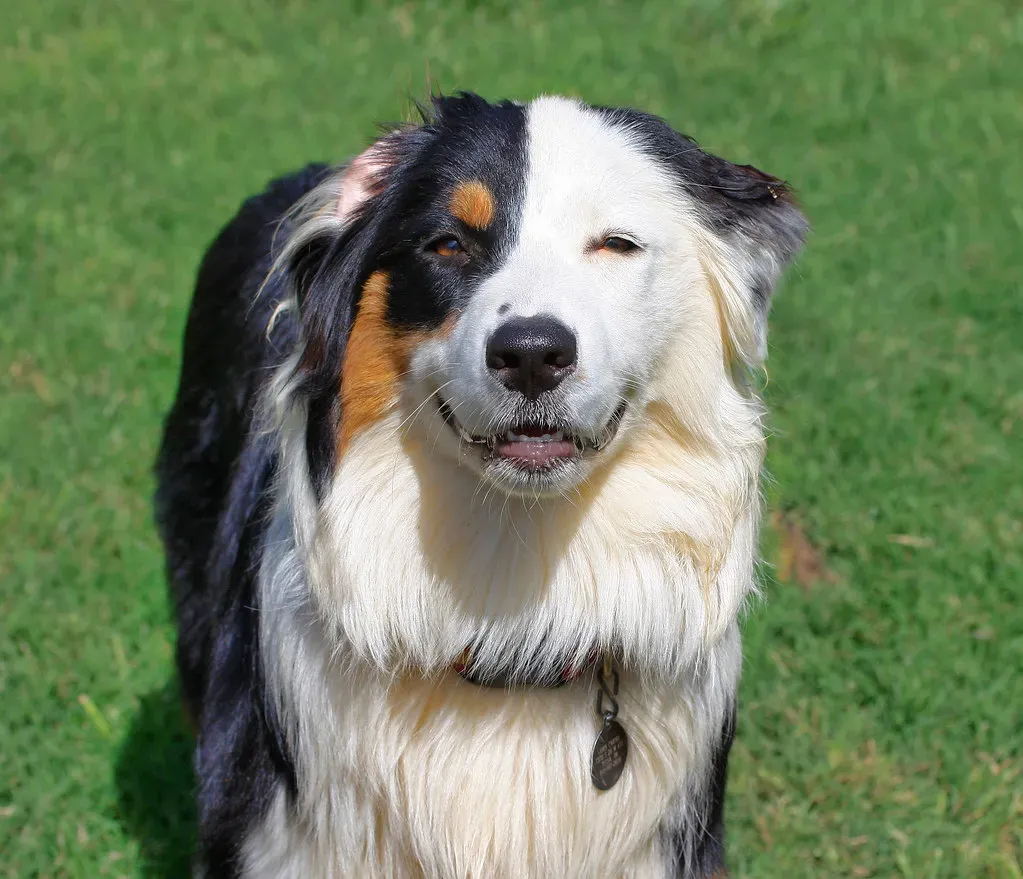
Australian Shepherds are highly intelligent and need constant mental and physical stimulation. Their active lifestyle is difficult to maintain for less mobile owners. Without regular exercise, these dogs can become restless, anxious, and prone to behavioral issues. Young Aussies are spectacular in the right hands – responsive, trainable, endlessly enthusiastic. The problem is that “the right hands” never really changes; this breed requires the same commitment at age seven that it did at age one.
Much like the Border Collie, the Australian Shepherd thrives on vigorous activity and mental engagement. Originally bred to work, these dogs possess an intrinsic drive to herd and stay active. For aging adults, especially those with limited mobility or those preferring a more serene lifestyle, the Australian Shepherd’s need for constant stimulation can be overwhelming. Their herding instinct can also manifest as nipping or chasing behavior around children and smaller animals, which remains a management challenge well into their senior years.
#21: Jack Russell Terrier – Tiny Dog, Maximum Chaos Sustained
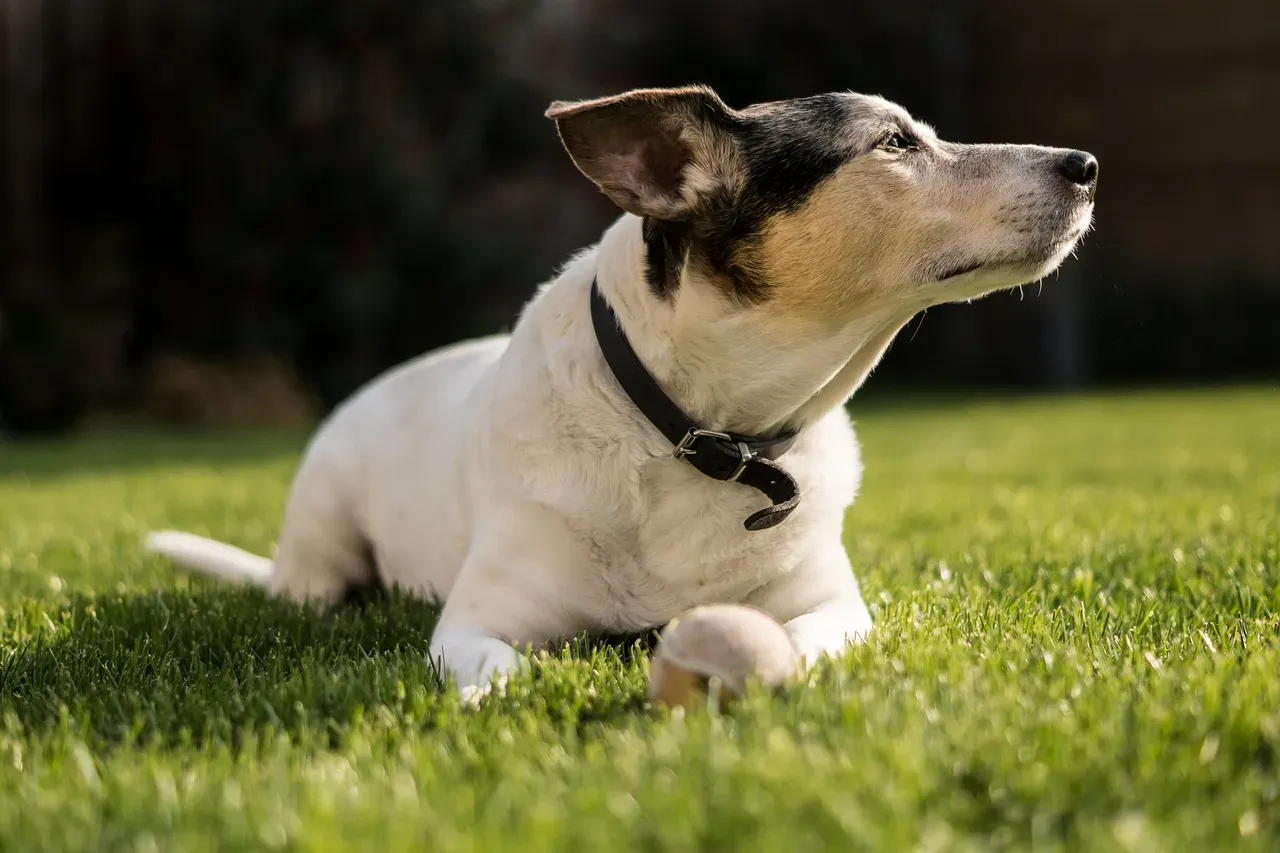
Jack Russell Terriers are small but full of energy and determination. Their strong prey drive and tendency to dig or chase make them difficult to control for owners who may not have the physical stamina to handle their energy levels. Their independent and sometimes stubborn nature adds to the challenge. Don’t let the compact size fool you. Jack Russells are working terriers at heart, and their instinct to hunt, chase, and burrow stays with them for a very long time.
What makes Jack Russells particularly tricky with age is that their energy levels don’t drop as dramatically as many larger breeds. They remain reactive, alert, and vocal well into their senior years. High-energy breeds like Jack Russell Terriers are known for their intelligence and athleticism, but without adequate activity, they can develop behavioral problems such as excessive barking, chewing, or digging. For owners whose own stamina or mobility changes over time, keeping pace with a Jack Russell can become a real daily challenge.
#22: Rottweiler – Strength and Stubbornness Don’t Fade
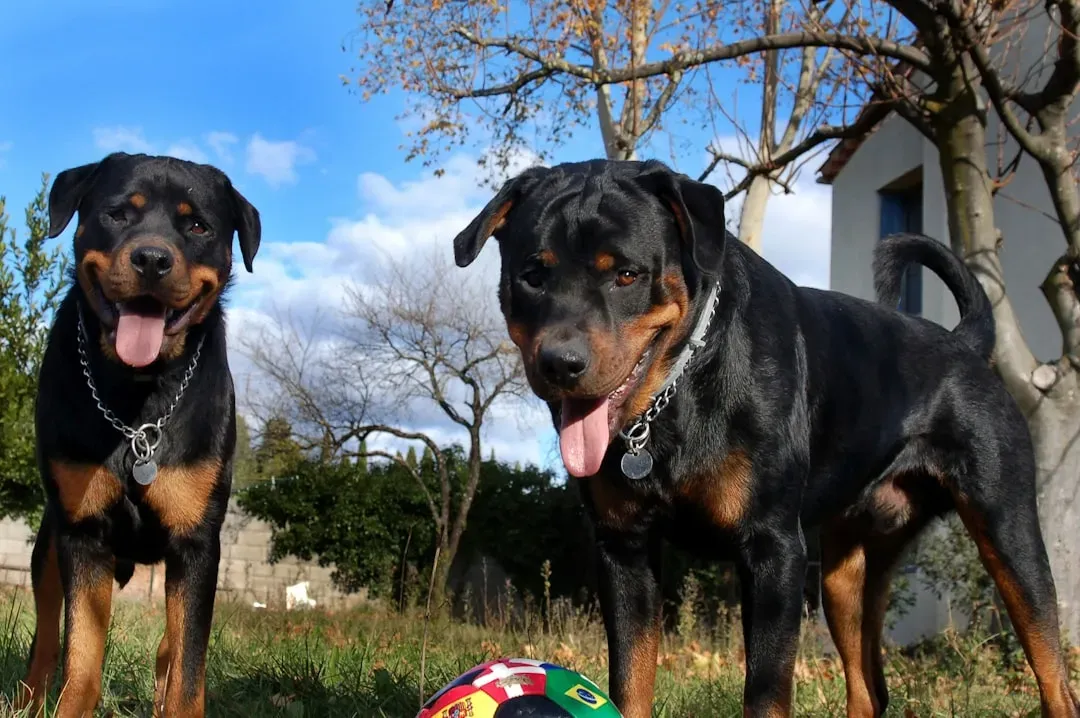
Rottweilers are muscular and hardy, which can be hard to handle if you have any developing mobility issues. Since they can be a bit stubborn, they might be hard to train on the leash. If they are aggressive, which is semi-prevalent in the breed, they might be hard to call off. Rottweilers are deeply loyal and, in the right experienced hands, genuinely wonderful dogs. The concern isn’t their character – it’s their size combined with the consistent training investment they require throughout their lives.
Rottweilers are a powerful breed, and while they can be loyal and protective, their size and strength can be overwhelming for less physically capable owners. Rottweilers require strong leadership and consistent training to ensure they are well-behaved. Without proper training, they can become too protective, which could lead to aggressive behaviors. Giant and large breeds might start developing senior health issues, especially arthritis, at just five to seven years old. That timeline means the demands arrive sooner than many owners anticipate.
#23: Weimaraner – Separation Anxiety That Grows With You

Weimaraners are large, energetic dogs that require plenty of exercise and stimulation. Their big size and strength blend with their high energy levels, which can make them a challenging breed for a wide range of owners. Beyond the exercise demands, Weimaraners are intensely people-oriented to the point of anxiety. They struggle significantly when left alone, and that separation distress can become more pronounced – and harder to manage – as the dog ages and its routines shift.
The Weimaraner’s physical needs alone are formidable – long daily runs or sessions of active play are genuinely non-negotiable for this breed. As owners’ lives evolve, maintaining that commitment year after year becomes harder to sustain. Add a predisposition to bloat, a serious and potentially life-threatening condition in deep-chested breeds, and the Weimaraner represents a breed whose care complexity compounds meaningfully over time rather than diminishing.
#24: Bernese Mountain Dog – Deep Love, But Heartbreaking Health Costs
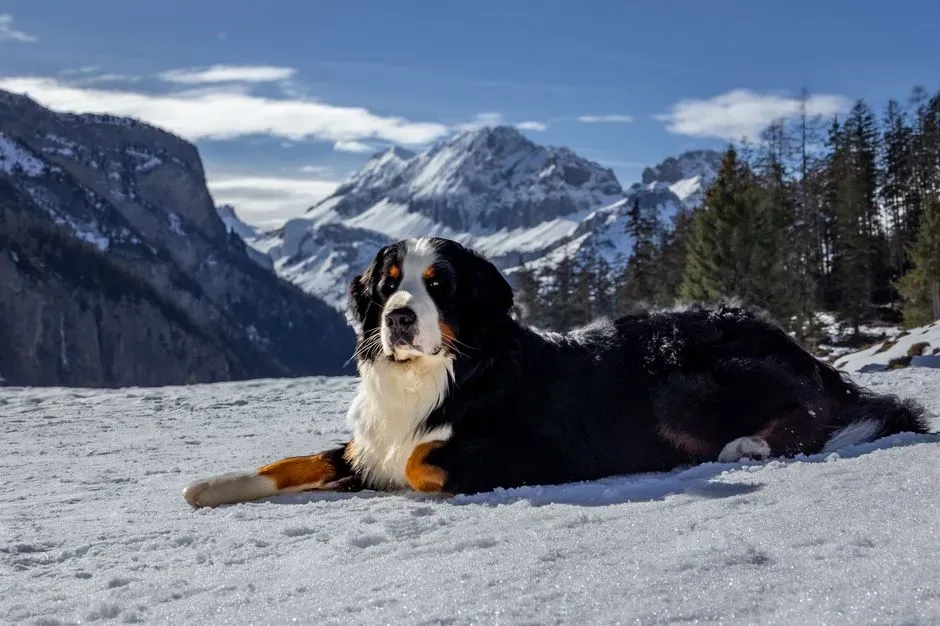
Hip dysplasia is common in the Bernese Mountain Dog and can lead to joint pain and reduced mobility, particularly as they age. They are also at risk for gastric dilatation-volvulus, or bloat – a life-threatening condition where the stomach twists and requires immediate emergency care. Unfortunately, Bernese Mountain Dogs have a higher incidence of certain cancers, including histiocytic sarcoma, which can significantly impact their lifespan. Additionally, they may develop dilated cardiomyopathy, a condition that affects the heart’s ability to pump blood effectively.
Berners are among the most affectionate and gentle large breeds in existence. Few dogs match their combination of quiet warmth and devoted calm. The difficulty isn’t behavioral – it’s physical. Their lifespan is notoriously short for a large breed, and their senior years often arrive with a significant medical burden. The emotional weight of managing a large dog with declining health, especially one as bonded to you as a Berner, can be one of the hardest experiences a dog owner faces.
#25: Belgian Malinois – Elite Athlete That Never Retires
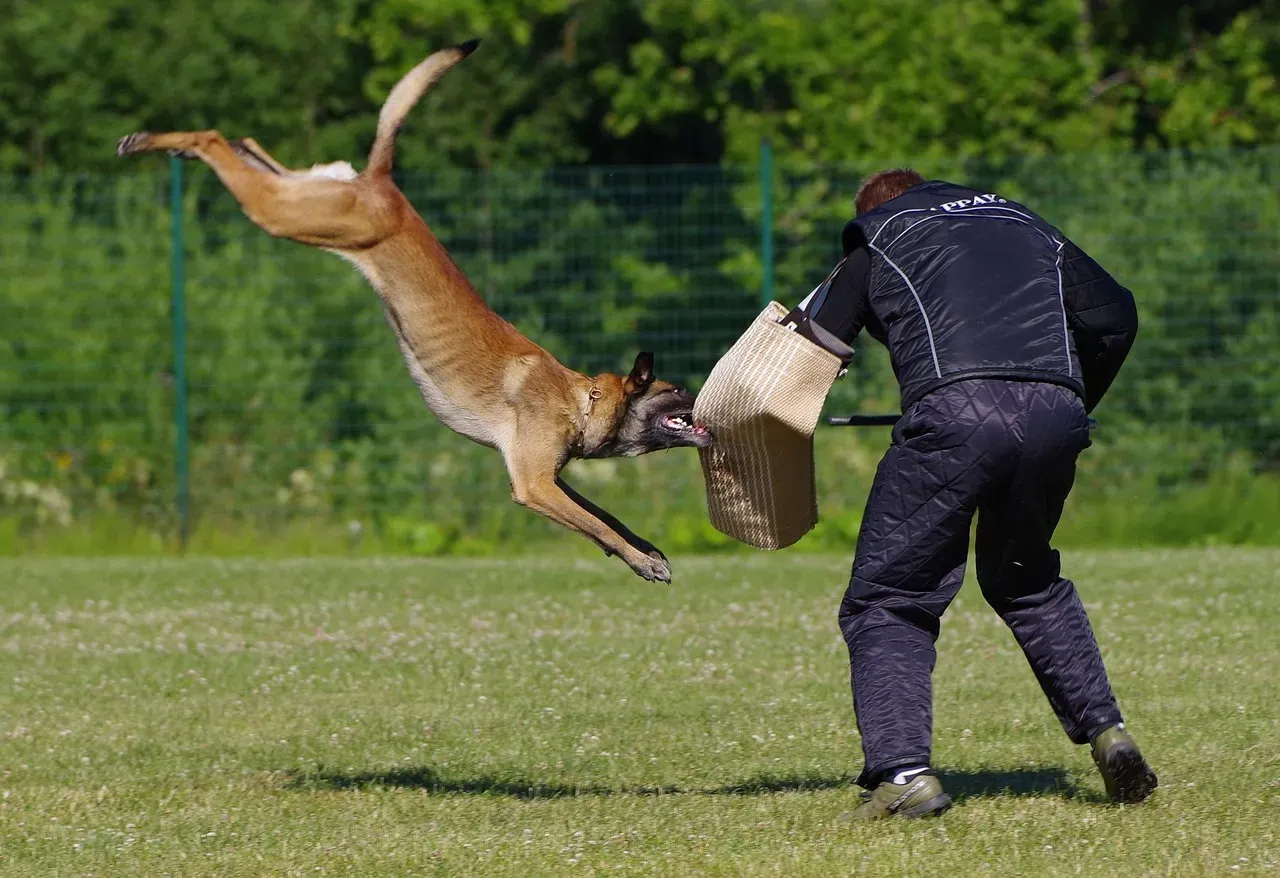
Belgian Malinois are intelligent and intense working dogs that thrive in environments with constant training and activity. These dogs are tough and can be destructive if their needs aren’t met. The Belgian Malinois has served alongside Navy SEALs and elite military units, renowned for its endurance, intelligence, and fearless determination. That’s the clearest possible signal of what this breed demands – and what happens when those demands aren’t met is rarely pleasant for anyone.
Even experienced dog handlers find that Belgian Malinois ownership intensifies rather than eases over the years. Their intelligence means they need new challenges constantly; their drive means they need physical work every single day. As the relationship ages, the gap between what this dog needs and what a typical household can provide often widens. Without serious, sustained engagement, behavioral problems in this breed can be severe and difficult to reverse.
#26: Cocker Spaniel – Ear Health and Anxiety That Compound Over Time

The Cocker Spaniel is one of the most charming and affectionate dogs around, and there’s no question about that. The complication is a set of breed-specific issues that tend to accumulate. Chronic ear infections are a well-documented concern in this breed, largely due to their long, floppy ear structure – they require consistent, often expensive cleaning and monitoring throughout the dog’s life. Dog breeds that need a lot of attention, training, and grooming, like the Cocker Spaniel, can be genuinely demanding for less experienced or less mobile owners.
Beyond the ear concerns, Cocker Spaniels can be prone to anxiety and are sensitive to changes in routine. As they age, that sensitivity can increase, sometimes manifesting as increased clinginess, stress-related behaviors, or difficulty adapting to new environments. Gradual changes in behavior as dogs age are normal. However, watch for behaviors that might signal a problem, such as unusual aggression or having accidents in the house. These might be signs of illness or another problem that would benefit from medical intervention. With Cocker Spaniels, those signals are worth watching closely.
#27: Great Dane – Giant Heart, Giant Challenges
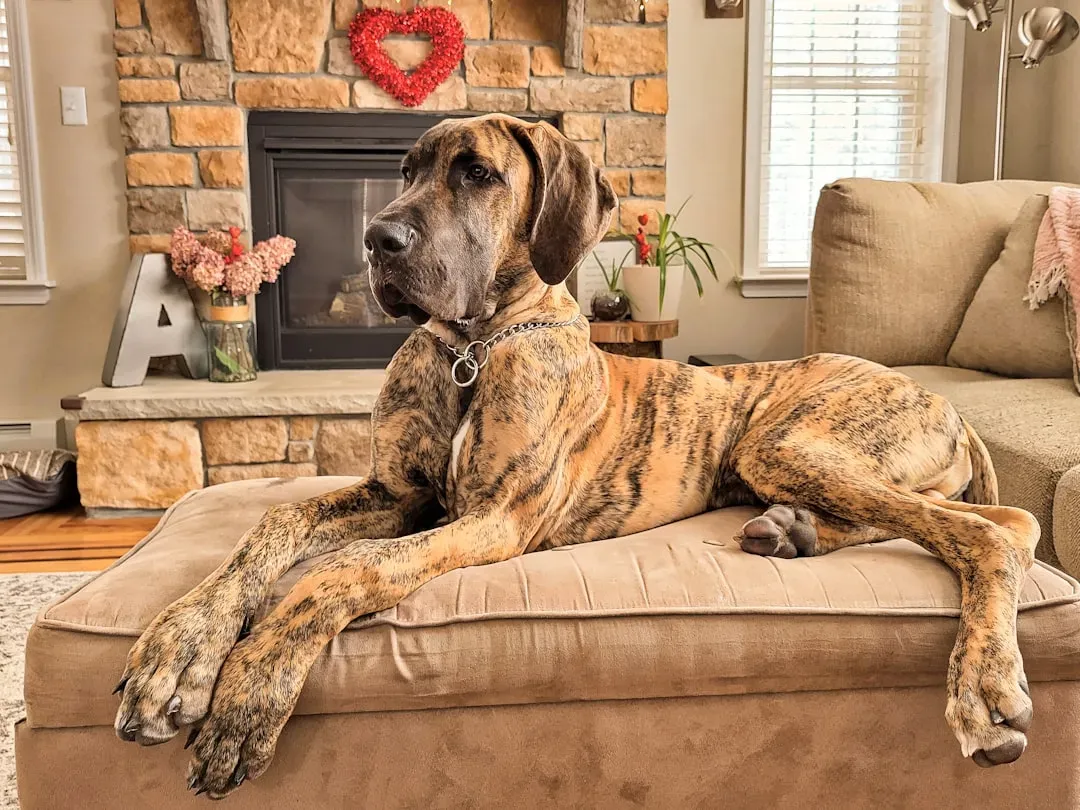
Large and powerful breeds can be physically demanding for owners in any stage of life. Breeds like the Great Dane are known for their size and strength. While they might not require as much exercise as high-energy breeds, their sheer size can make them difficult to manage. For instance, a large dog pulling on a leash could lead to falls or injuries. Great Danes are genuinely gentle giants, and that sweetness is real – but the logistics of managing a dog that can exceed 150 pounds become more challenging with each passing year.
Giant breeds might start developing senior health issues, especially arthritis, at five to seven years old. For Great Danes, that timeline is particularly significant given their already shortened lifespan – most live only seven to ten years. What that means practically is that the “senior care” phase, with its increased vet visits, mobility aids, joint supplements, and potential for serious health crises, arrives relatively quickly after ownership begins. The love is immense. The responsibility grows to match it.
—What Vets Actually Look For – The Bigger Picture

The average age at which a dog is considered a “senior” by veterinarians is around seven years. However, certain breeds age faster than others. In general, smaller dogs live longer than large breeds, and they might not look or act older until ten to twelve years of age. That single variable – breed size – reshapes the entire conversation about which dogs get easier and which get harder as the years pile up.
Canines undergo many similar changes to humans as they get older. Bodies get worn out from use, which means senior dogs might not be able to hear or see as well, and they might also have mobility problems. A dog’s immune system also gets weaker with age. There are certain diseases that are more common with age, especially osteoarthritis, which causes joint pain. Another example is canine cognitive dysfunction, which is similar to dementia in people. Understanding these patterns before you choose a breed is one of the most valuable things any dog owner can do.
The breeds that get dramatically harder aren’t “bad dogs” by any measure. They’re simply animals whose needs don’t negotiate downward over time, and whose health complexities can escalate in ways that catch unprepared owners off guard. While breed tendencies can offer helpful guidance, each dog still has its own unique personality shaped by upbringing, training, and socialization. With the right care, positive reinforcement, and a stable environment, these breeds can thrive as loyal, comforting companions. That context matters – no breed is a guarantee, in either direction.
Choosing a dog is one of those decisions that plays out across years, not just the first few exciting months. The breeds on the “easier” side of this list tend to offer something rare: they grow into their companionship the same way good friendships do – quietly, reliably, without needing to prove anything. That kind of relationship with a dog is genuinely worth planning for.
