

#1: They Are Far More Abundant Than You Could Possibly Imagine
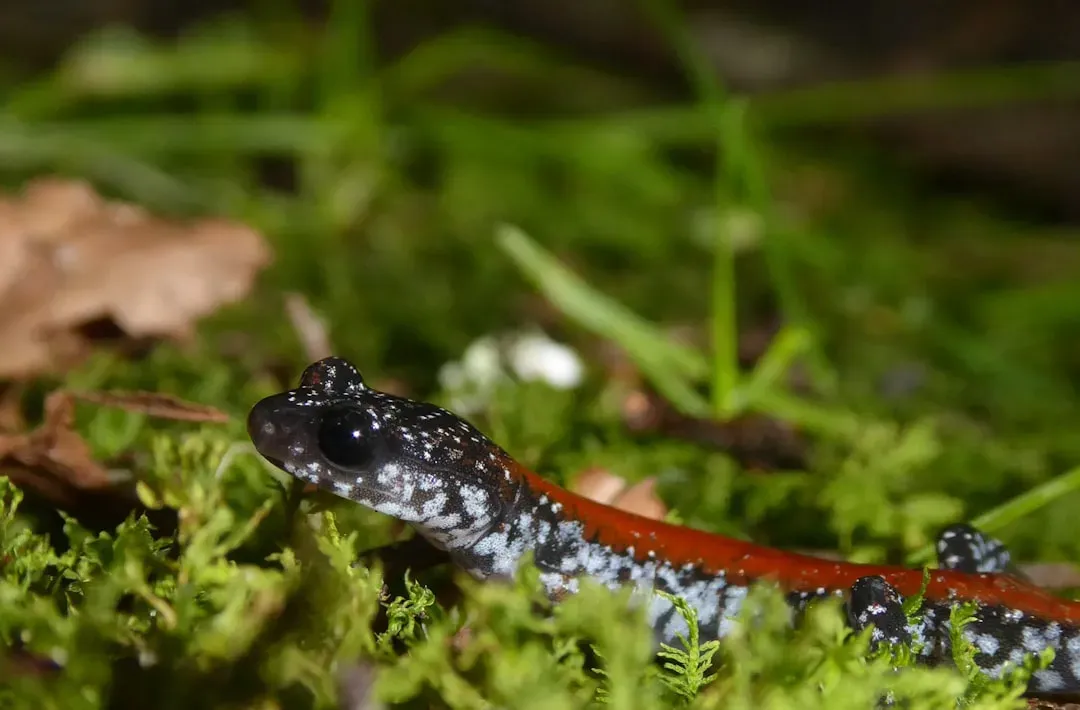
If you’ve ever walked through a northeastern forest and thought you were alone, think again. As soon as you walk past the first tree, you’re probably never more than a few feet from a salamander. The numbers are staggering when you actually sit with them.
Scientists estimated an average of 5,300 salamanders in every patch of forest the size of a football field in the Northeast. That’s not an outlier figure, either. A 1975 study in New Hampshire estimated there were about 750,000 salamanders per square mile, or about one salamander for every six-foot square of forest floor.
Salamanders are so plentiful that they are likely the most abundant vertebrates in North American forests. Scientists think there are so many salamanders in the southern Appalachians that the mass of those living in just one square mile of forest would together likely weigh between 2,500 and 5,000 pounds. A figure like that, from creatures barely as heavy as a teaspoon of sugar, says something profound about the hidden life of a forest.
#2: Their Biomass Rivals That of White-Tailed Deer
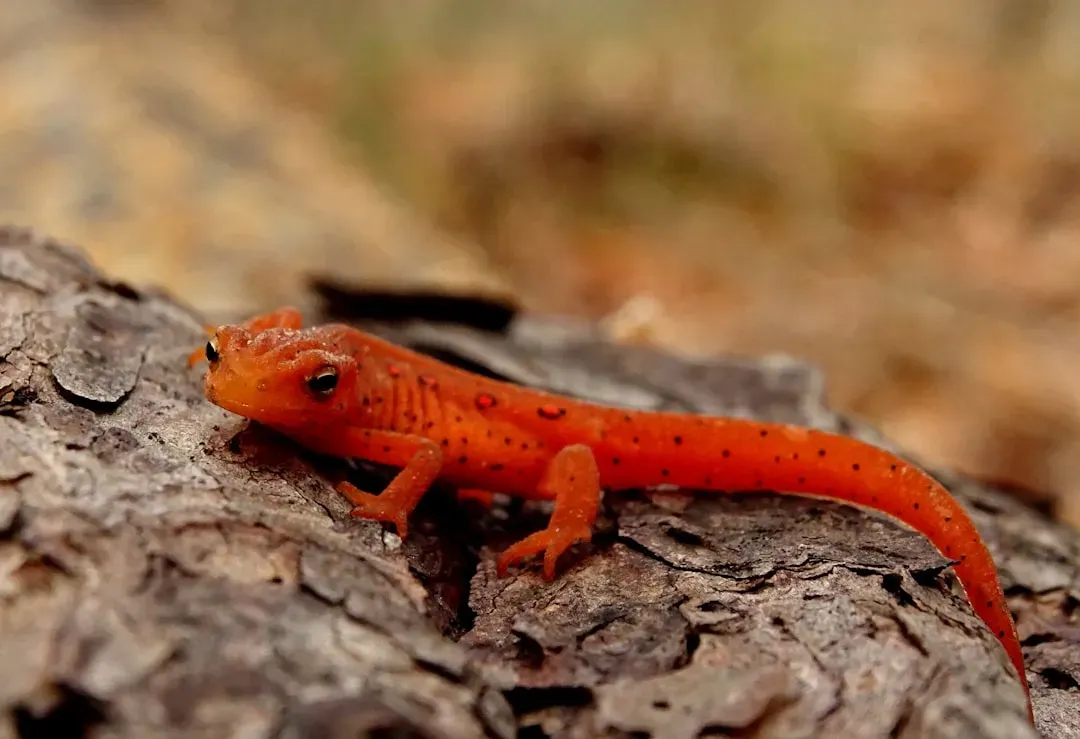
It sounds impossible, but the collective weight of salamanders in a healthy northeastern forest can match or even exceed that of the white-tailed deer roaming the same landscape. Even though each individual salamander is a mere three inches long, the sheer number of red-backed salamanders means they have some of the highest biomass estimated for animals other than insects in the Northeast, similar to or greater than white-tailed deer.
Some of the best estimates suggest that salamanders outweigh all other vertebrates in the forest: if you put all the bears on one side of a scale and all the salamanders on the other, the salamanders would weigh more. It’s a comparison that reframes the entire food web. These creatures are not minor players tucked quietly into the margins. They are a dominant biological force.
#3: Many Salamanders Have No Lungs at All
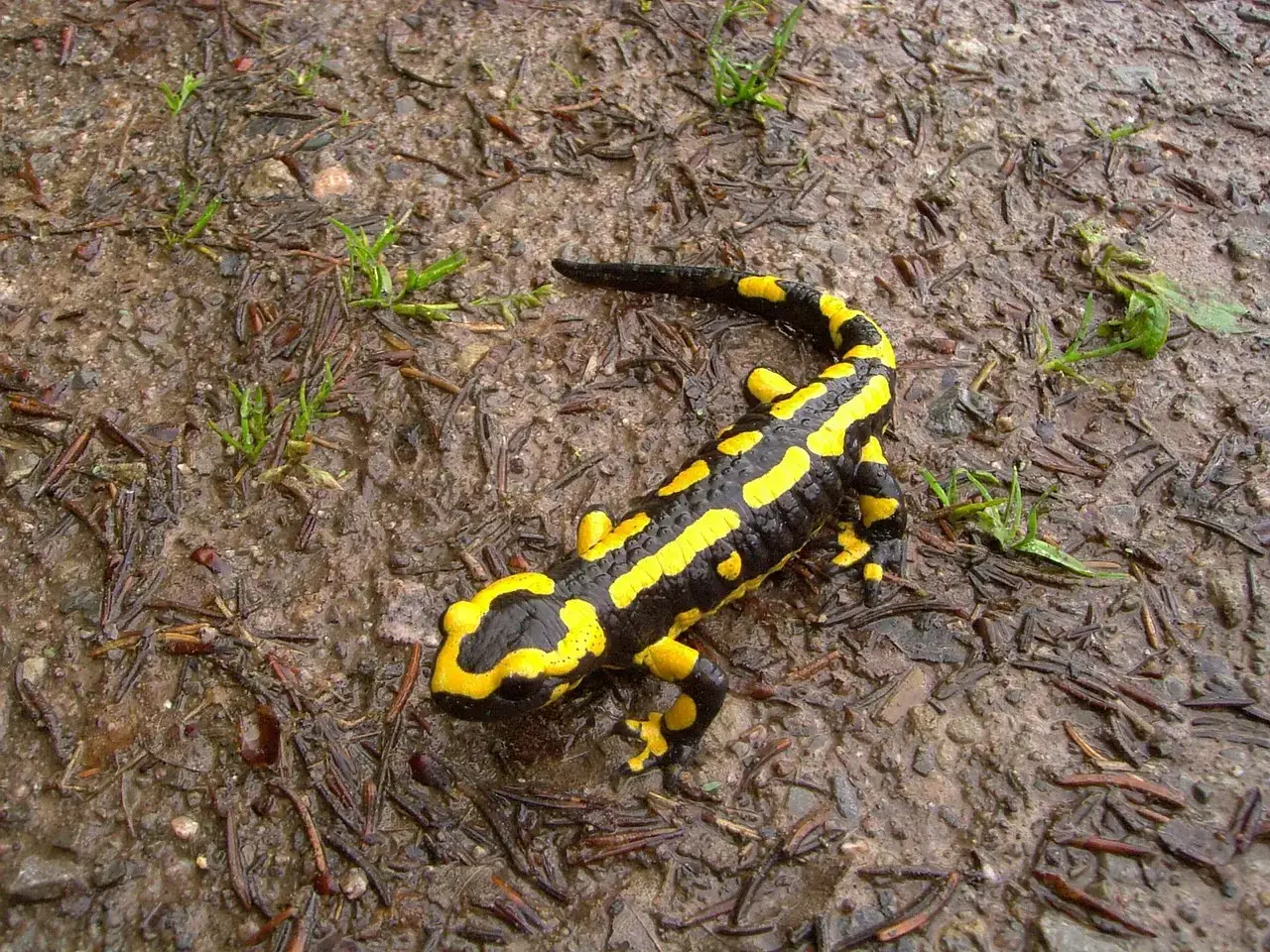
One of the strangest truths about salamanders is that a large portion of them have no lungs. Not underdeveloped lungs or rudimentary ones. None at all. They’ve traded their lungs for an intricate network of blood vessels just beneath paper-thin skin, transforming their entire body surface into a living, breathing organ. This extraordinary adaptation represents over 70 percent of all salamander species worldwide, making lung-breathing salamanders the minority in their own taxonomic order.
Since they lack lungs, all plethodontids breathe through their skin and the mucous membrane in the mouth and throat, and these surfaces must remain moist at all times in order to absorb oxygen. That dependency on moisture explains nearly everything about their behavior: why they hide under logs, why they emerge mostly at night, and why they vanish during dry weather. They come out when it rains and at night, when they aren’t at risk of drying out.
#4: They Are Secret Stewards of Carbon Storage
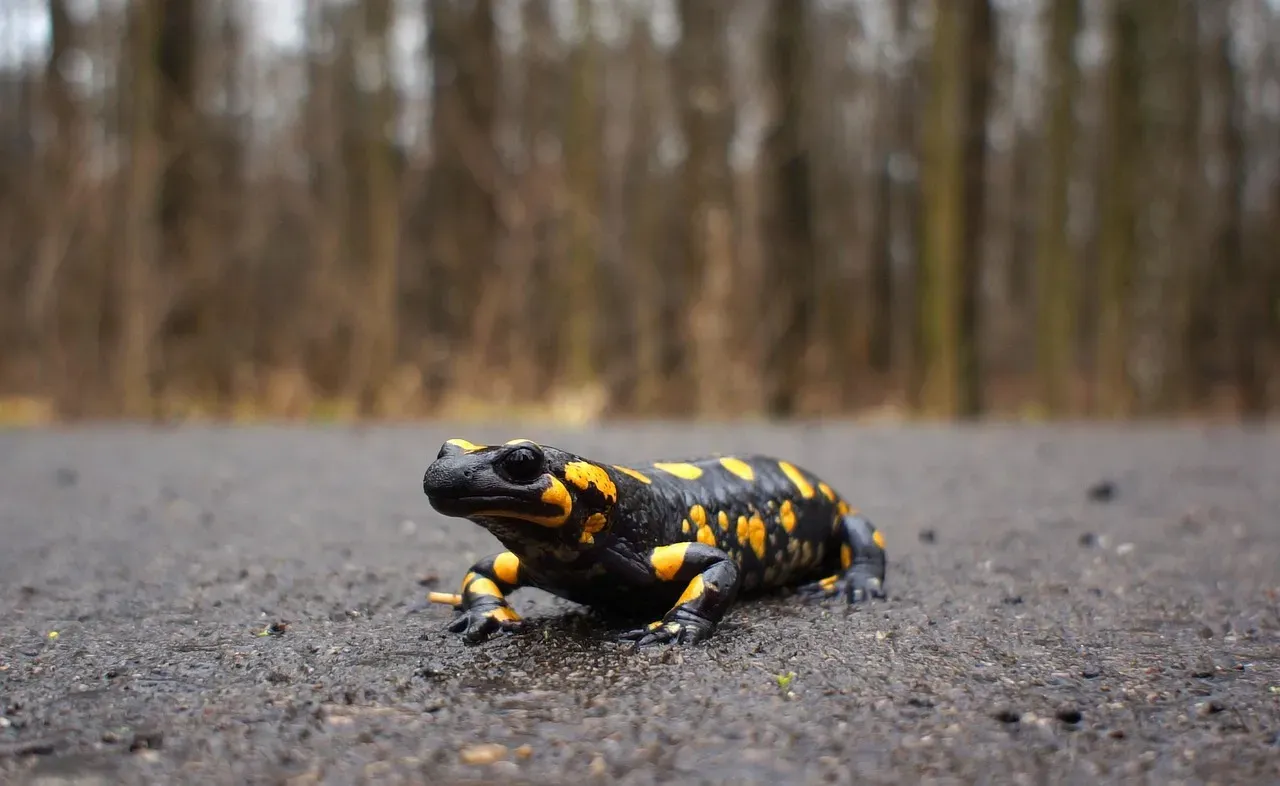
Here’s something that rarely makes headlines: salamanders are quietly helping to slow climate change. Decomposition releases carbon dioxide as a byproduct, and salamanders eat vast quantities of shredders active on the forest floor, which reduces the breakdown of organic matter by an estimated 11 to 17 percent and allows the soil to act as a carbon sink. This role in carbon sequestration becomes even more important as the impacts of global climate change increase in severity.
Research found that one salamander in an outdoor enclosure could slow down leaf decay by about 15 percent. These salamanders could sequester 80 tons of carbon on the forest floor every year, equal to a car driving 650,000 miles. In eating invertebrates that break down plant matter, salamanders allow more carbon to be buried in the soil. According to a 2014 study, just one species of salamander is keeping more than 72 metric tons of carbon out of the atmosphere every year.
#5: They Sit at the Top of the Forest Floor Food Chain
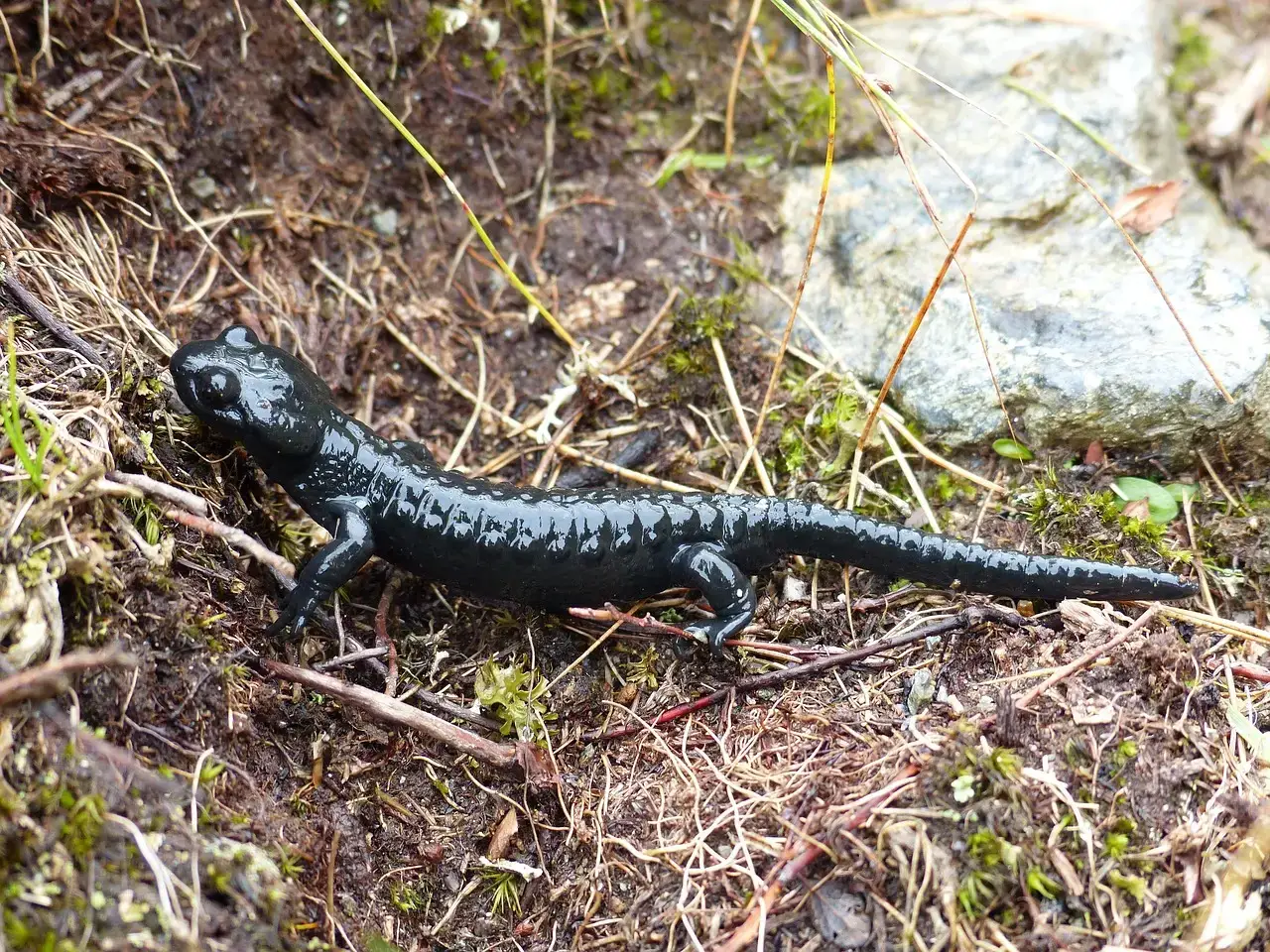
The forest floor is not the gentle, peaceful carpet it appears to be. It’s a complex feeding arena, and salamanders are the dominant predators within it. Salamanders are actually the most dominant vertebrate predator within forested and vernal pool ecosystems. Members of the family Plethodontidae are credited with the regulation of terrestrial invertebrates, while species within Ambystomatidae provide the same function within temporarily aquatic landscapes.
Salamanders eat things that bigger consumers can’t eat and are themselves prey for other animals, meaning salamanders punch above their weight in an ecosystem’s food web. The dietary preferences of these amphibians can effectively regulate the diversity of insect populations. One study found that mosquito populations were 98 percent lower around ephemeral water bodies containing salamanders compared to those without. That’s a practical public health benefit quietly delivered by a creature most people have never noticed.
#6: Their Skin Is Both Their Lungs and Their Chemical Defense System
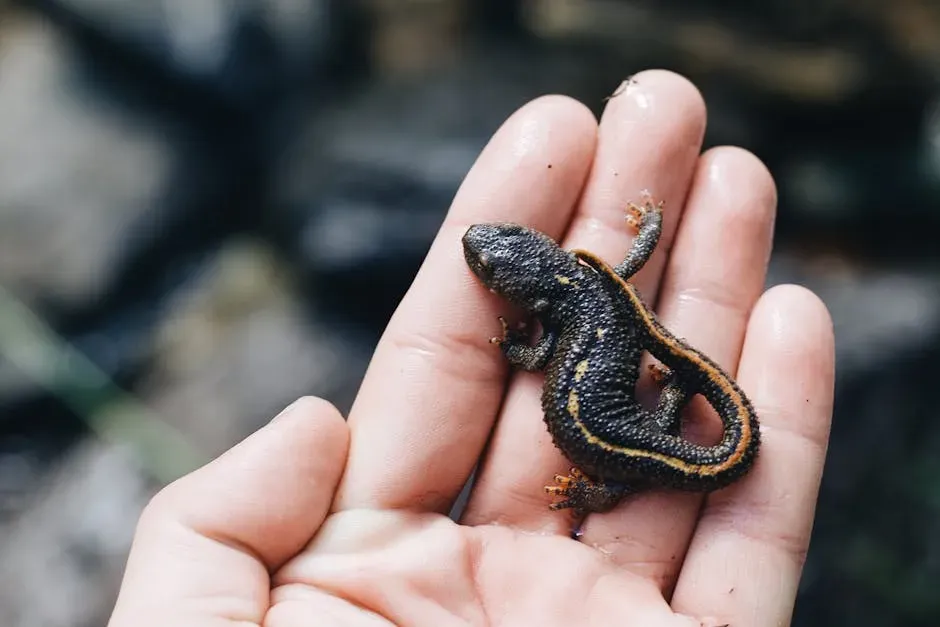
Salamander skin is multifunctional in ways that seem almost engineered. It breathes for them, communicates for them, and in many species, defends them with chemical weapons. Because salamanders can be an important food source for many reptiles, birds and mammals, it is not surprising that they have defense mechanisms to help them avoid predators. Most salamanders produce sticky, distasteful, or poisonous skin secretions that deter these predators.
Some salamander toxins are particularly potent. The rough-skinned newt produces the neurotoxin tetrodotoxin, the most toxic nonprotein substance known. Handling the newts does no harm, but ingestion of even a minute fragment of skin is deadly. In feeding trials, fish, frogs, reptiles, birds, and mammals were all found to be susceptible. The slimy salamander is well known for smearing attackers with a sticky secretion, and the large tail of the tiger salamander can flip harmful secretions onto a predator’s face.
#7: They Can Regenerate Limbs, Organs, and Even Brain Tissue
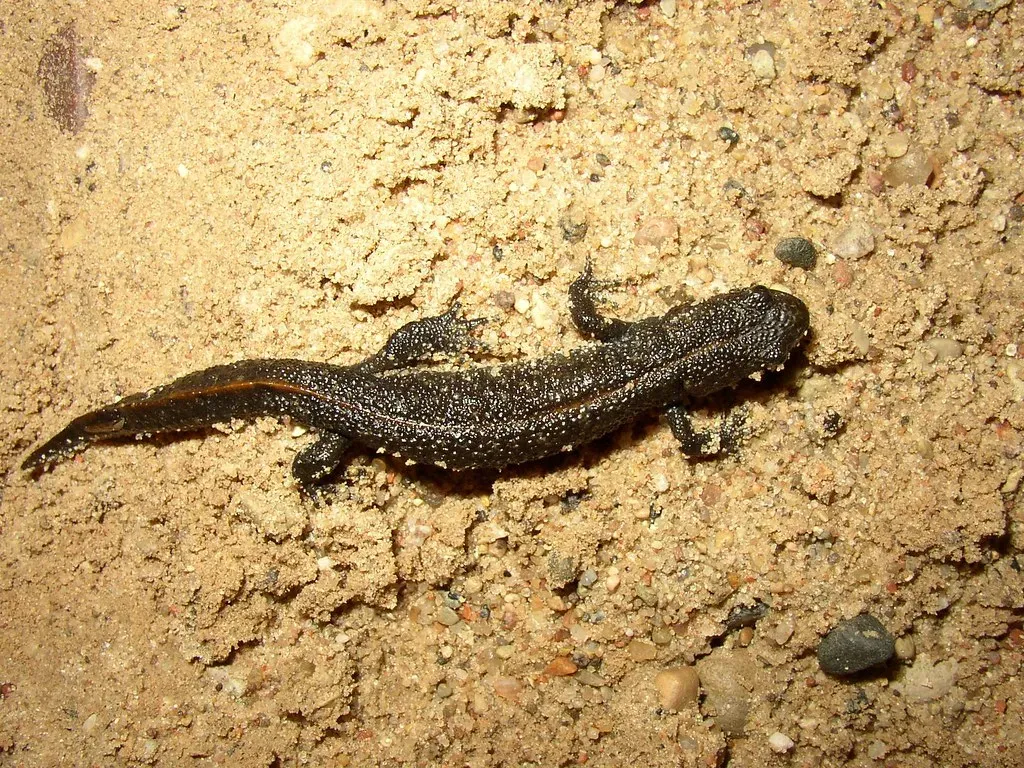
Salamanders possess one of the most remarkable biological capabilities in the vertebrate world: the ability to fully regrow lost body parts. Salamanders are the only tetrapods capable of fully regenerating their limbs throughout their entire lives. This isn’t partial repair or scarring over a wound. It’s complete structural rebuilding, functionally restored.
Axolotls have a distinct regenerative capacity to regenerate body parts, organs, and tissues such as limbs, jaw, spine, brain, heart, and gills. After damage, a scarless regeneration of tissues and organs is observed, and the reconstructed tissue maintains its functionality. Instead of relying exclusively on stem cells, the progenitors for the new structure are often obtained through limited reprogramming, specifically dedifferentiation and transdifferentiation, of mature, differentiated adult cells. Scientists studying this process believe it could one day inform breakthroughs in human wound healing and regenerative medicine.
#8: Some Species Are Permanently Frozen in a Juvenile State
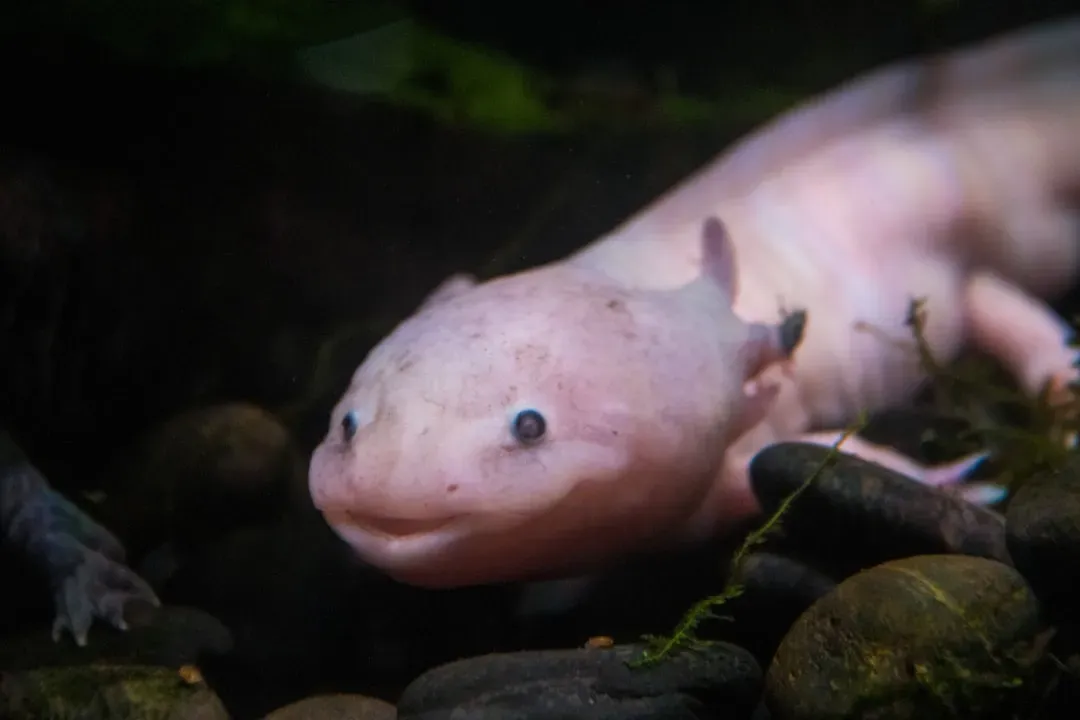
Some salamanders never quite grow up, and that’s entirely by biological design. A fascinating aspect of salamander biology is neoteny, where certain species retain larval characteristics such as external gills and remain fully aquatic even as adults, becoming reproductively mature without undergoing metamorphosis. It sounds strange, but it’s a successful evolutionary strategy that has persisted for millions of years.
Axolotls, unlike most other amphibians, don’t undergo metamorphosis naturally, which means they never technically reach adulthood, even though they can reproduce. This condition is called neoteny. Axolotls can regenerate lost limbs and have a life cycle that allows them to stay “young” their whole lives. Their youthful traits include feathery gills sprouting from their heads like a mane, webbed feet, a dorsal fin that runs down the length of their body, and a tail. It’s a creature that blurs every intuitive line between juvenile and adult.
#9: They Use Sophisticated Chemical Pheromone Systems to Court Mates
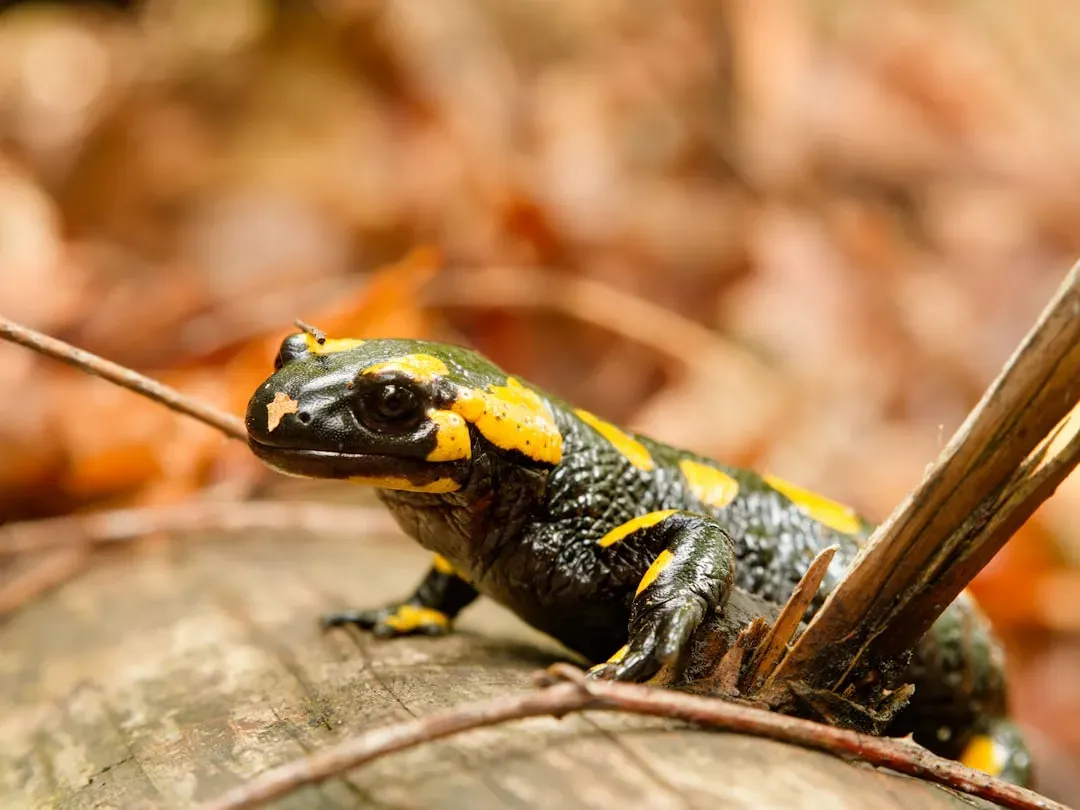
Salamander romance is far more chemically complex than most people realize. The perception and production of chemical information represents a critical mode of communication for salamanders in particular. They produce chemical secretions from a glandular skin, from specialized glands located on the head, or from discrete glands within the cloaca. This invisible chemistry governs much of their social life.
Chemical communication is an important aspect of courtship and reproduction in salamanders, where males secrete several protein pheromones from various sexually dimorphic glands. The most widely used sex pheromone system consists of proteins of the Sodefrin Precursor-like Factor family. Molecular dating estimates show that the diversification of these proteins already started in the late Palaeozoic, about 300 million years ago, revealing one of the oldest vertebrate pheromone systems. These aren’t simple chemical cues. They’re an ancient, layered language refined over geological time.
#10: They Are Living Indicators of Forest and Ecosystem Health
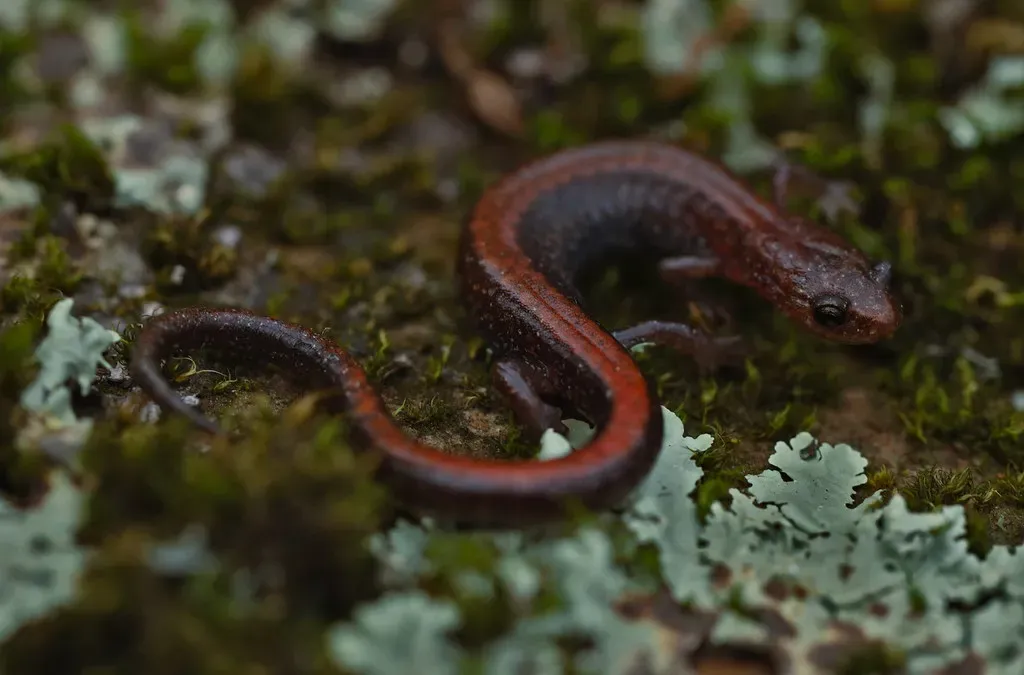
Scientists don’t just study salamanders because they’re interesting. They study them because salamanders tell us things about a forest’s condition that no instrument can easily measure. Red-backed salamanders, and likely amphibians in general, play a more prevalent role in terrestrial temperate ecosystems than previously suspected. Their presence or absence signals something deeper about the soil, the moisture, and the biological web surrounding them.
Amphibian skin is porous and covered in glands that secrete mucus and toxins, which enable them to carry out their daily activities. While this provides limited protection from injury and external stressors, it enables salamanders to assume adaptations that would be unavailable otherwise. That same permeability also makes them extremely sensitive to pollution, acid rain, and environmental degradation. With a low tolerance for acidic soil, they cannot live in areas with high acidity, making them one of the most reliable biological signals of ecological disturbance.
#11: They Actively Improve Soil Quality Beneath the Forest Floor
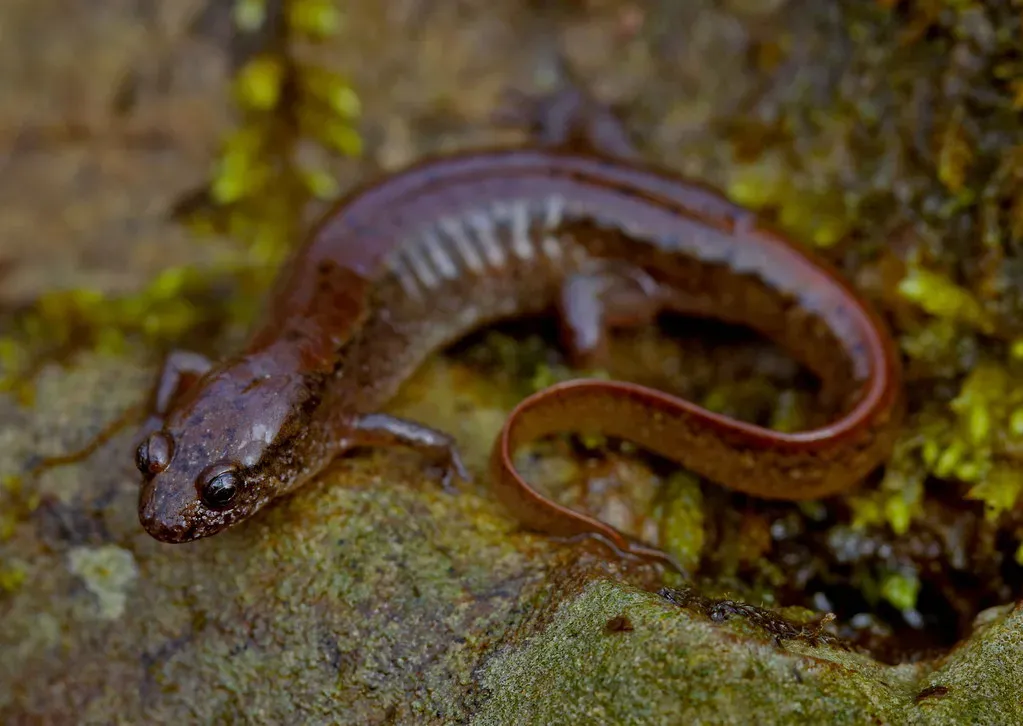
Salamanders aren’t just passive inhabitants of the soil. They’re actively shaping it. One reason salamanders are rarely seen is that they commonly spend a significant portion of their lives underground. While down there, their movement and burrowing habits have real consequences for the forest’s physical structure.
Sometimes they take advantage of existing tunnel systems constructed by small mammals, but many species are capable of excavation themselves. These channels serve to reduce compaction and aerate the soil. Aerated soil presents fewer obstacles to expanding root systems and increases the availability of oxygen, which can help to replenish soil nutrients. Their role in soil dynamics renders these vertebrates a friend to foresters and gardeners alike. It’s a contribution that happens entirely out of sight, with no fanfare, and no recognition from the trees it benefits.
#12: They Face a Growing Threat That Scientists Are Racing to Address
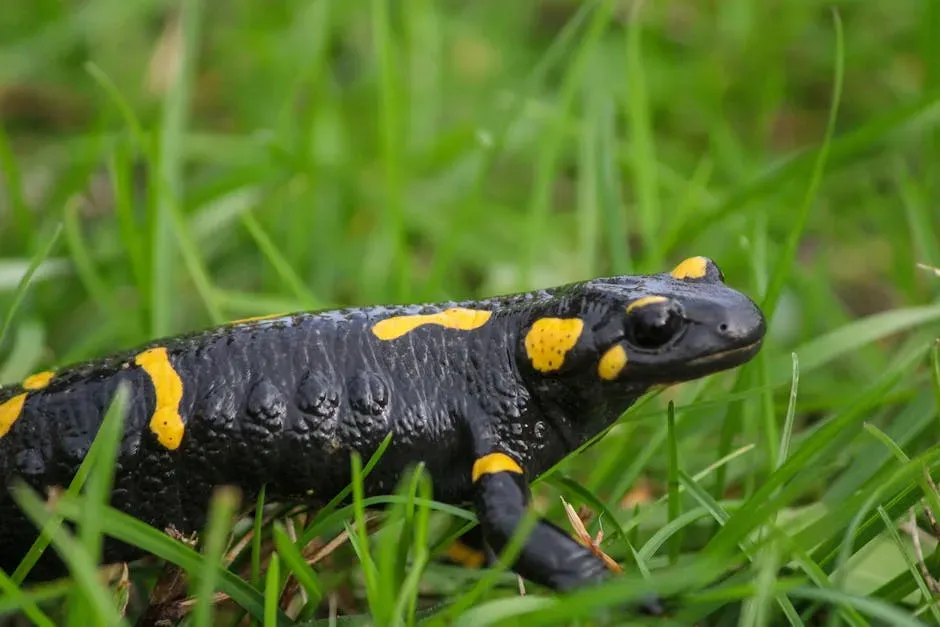
Just as researchers are finally beginning to grasp how important salamanders truly are, a new and serious threat has emerged. Just as scientists are beginning to understand the true magnitude of salamanders’ hidden biodiversity and ecological importance, a new wildlife disease that is particularly hard on salamanders looms. Batrachochytrium salamandrivorans, or Bsal for short, is a fungal disease closely related to the chytrid fungus that is already devastating amphibian populations around the world.
Of the more than 800 species of salamanders found worldwide, more than 230 live in North America, and over 40 percent of these are considered to be at risk. Computer modeling confirmed that initiating management of wild populations before Bsal arrives is more successful at keeping salamanders from disappearing than waiting until after Bsal is detected. If nothing is done to manage Bsal, the model forecasted that the disease would be catastrophic to North American salamander species. The urgency is real, and the window for proactive action is narrow.
Conclusion
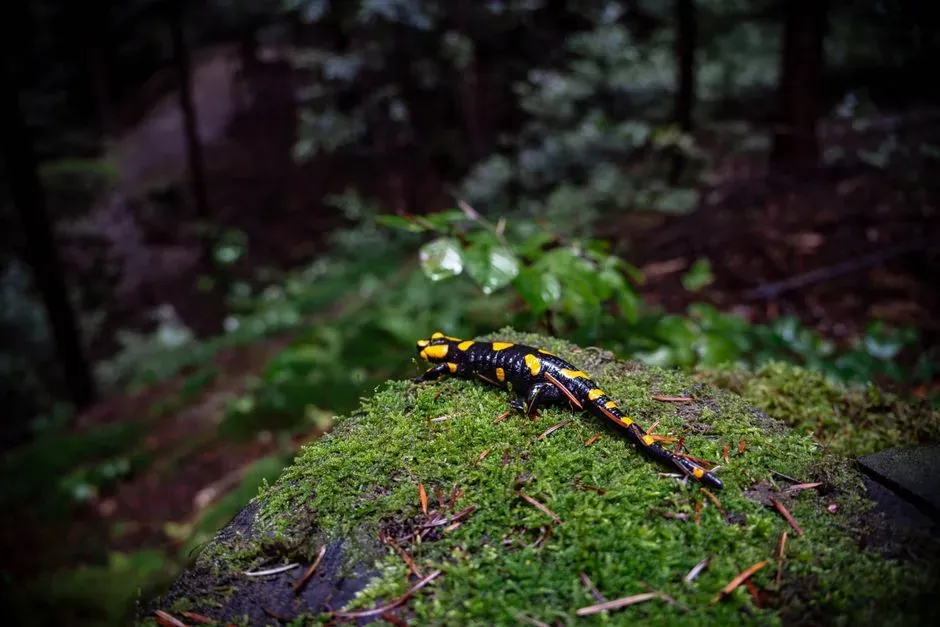
Salamanders occupy a strange position in the public imagination: rarely seen, seldom celebrated, and almost entirely misunderstood. Yet beneath every patch of healthy forest, they are doing something extraordinary. They breathe through their skin, sequester carbon, regulate insect populations, rebuild lost limbs, and communicate through pheromone systems older than the dinosaurs.
The deeper scientists look, the more it becomes clear that the forest floor’s quiet underworld is not a backdrop to the ecosystem. In many ways, it is the ecosystem. Salamanders are proof that the most consequential forces in nature don’t always announce themselves. Sometimes they’re just sitting silently beneath a rotting log, holding the whole thing together.
