

The Quiet Draw of Vanished Worlds
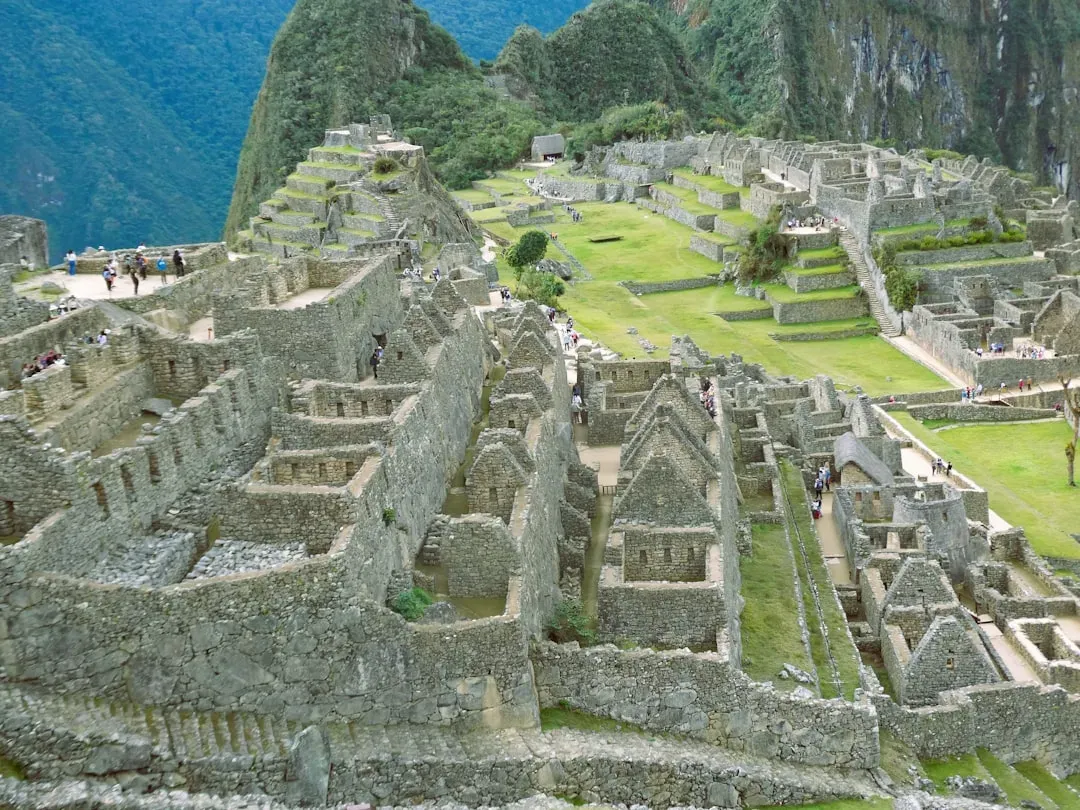
Interest in lost civilizations often begins with simple curiosity about places that no longer exist in their original form. Ruins and artifacts suggest entire societies once thrived with their own rules, beliefs, and daily rhythms. That contrast with today can feel compelling on its own.
Psychological research on human curiosity shows that unsolved mysteries activate reward pathways in the brain similar to those triggered by puzzles or stories with open endings. When the mystery involves entire cultures that disappeared, the appeal deepens because it touches on themes of permanence and impermanence at once. People return to these topics because the questions never fully resolve.
Modern Life and Its Surface Demands

Daily routines in contemporary society often emphasize speed, productivity, and constant connection through devices. Many individuals report feeling that these patterns leave little room for reflection or a sense of lasting contribution. The result can be a subtle but persistent sense that something essential is missing from ordinary experience.
Studies on alienation in industrialized societies note that rapid change and fragmented communities can leave people searching for anchors elsewhere. Lost civilizations offer a ready contrast because they represent complete worlds that once felt whole. The fascination serves as a mental counterpoint rather than a literal escape plan.
Nostalgia as a Bridge to Meaning
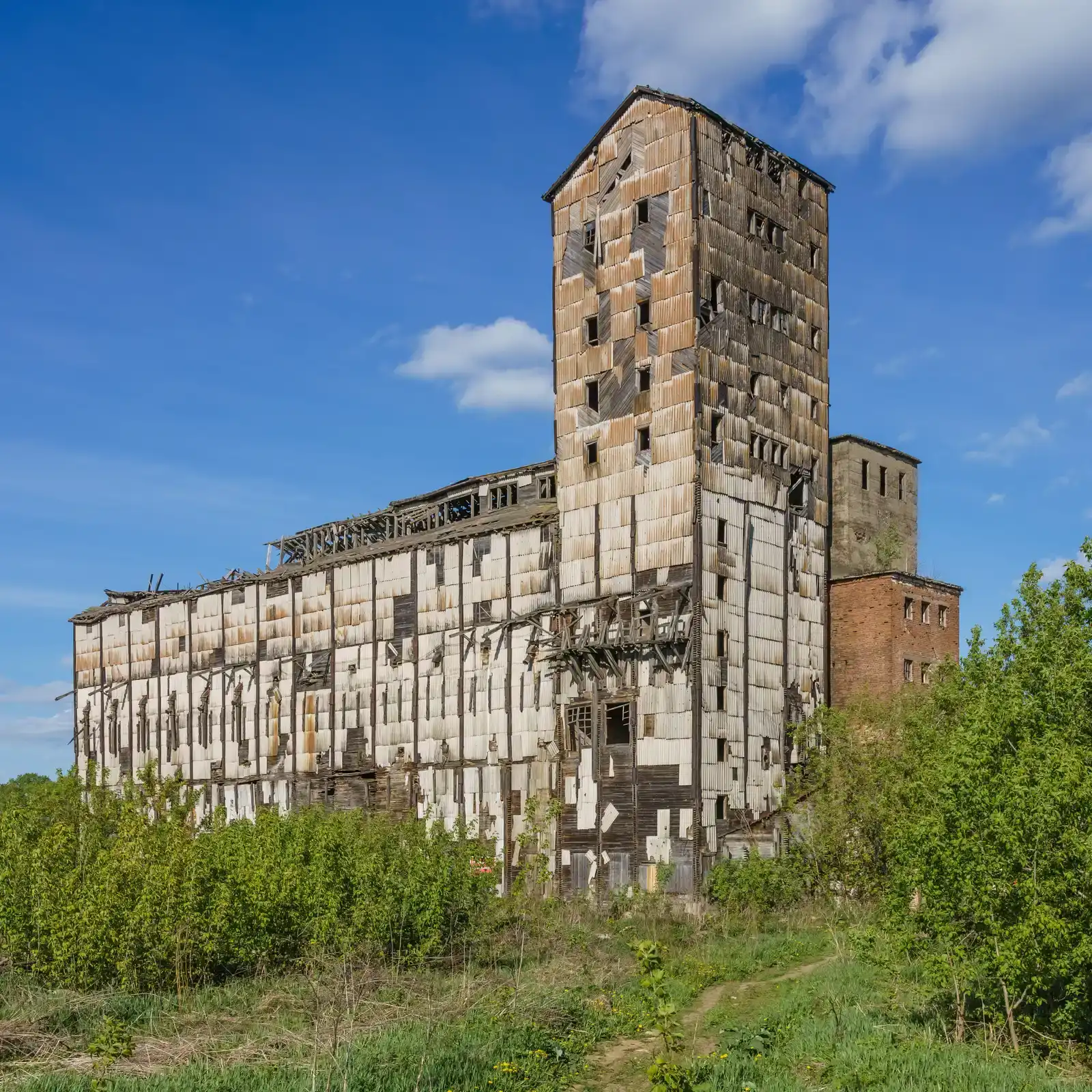
Nostalgia for eras one never lived through differs from personal memory yet shares similar emotional functions. It allows individuals to imagine belonging to something larger and more enduring than their immediate surroundings. This form of longing can provide comfort when current circumstances feel temporary or unsatisfying.
Psychologists describe this process as a way to regulate emotions by connecting present feelings to broader human stories. When someone studies the fall of Rome or the engineering feats of the Maya, they are also exploring questions about legacy and continuity. The activity becomes a quiet form of meaning making.
Signs of Disconnection in Everyday Patterns
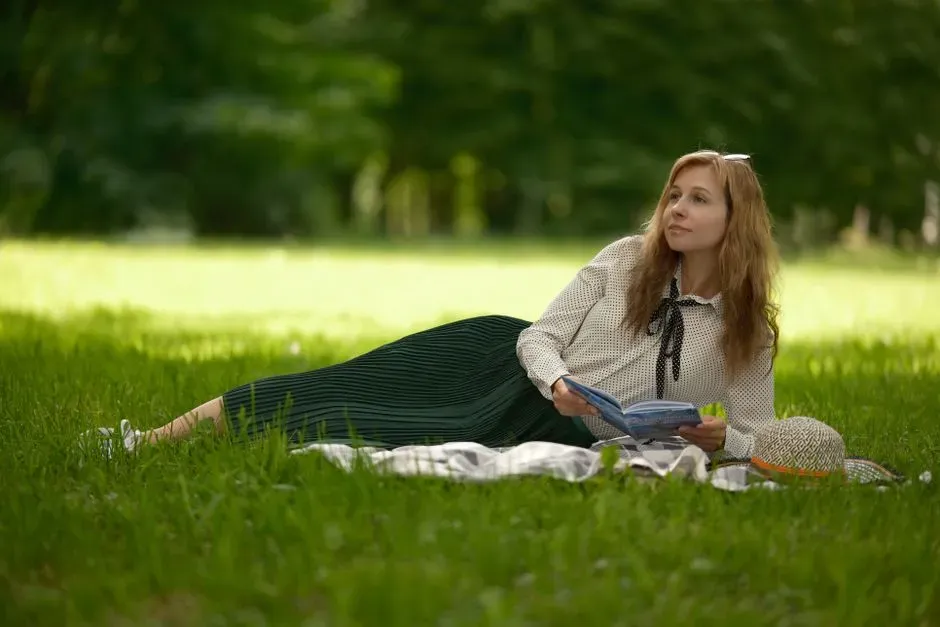
People drawn to these topics sometimes describe a mismatch between their inner pace and the pace of surrounding culture. They may prefer solitary reading or long walks over crowded events, or they may find small talk about trends less engaging than discussions of ancient trade routes. These preferences are not dramatic withdrawals but consistent leanings.
Research on social disconnection highlights that such patterns can coexist with functional lives while still creating an underlying sense of being out of step. The study of lost civilizations then functions as both interest and subtle commentary on the present. It offers language for experiences that feel hard to name directly.
Curiosity as a Coping Response

When the present feels overwhelming or directionless, turning attention backward can restore a sense of agency. Learning about how past societies solved problems or adapted to challenges provides models that feel instructive. The process itself requires focus and patience, qualities that modern distractions often interrupt.
This response aligns with broader findings on how humans use narrative and history to manage uncertainty. By immersing in stories of rise and decline, individuals gain perspective without needing to change their immediate environment. The fascination therefore serves a practical emotional purpose even when it appears purely recreational.
Cultural Echoes That Amplify Interest
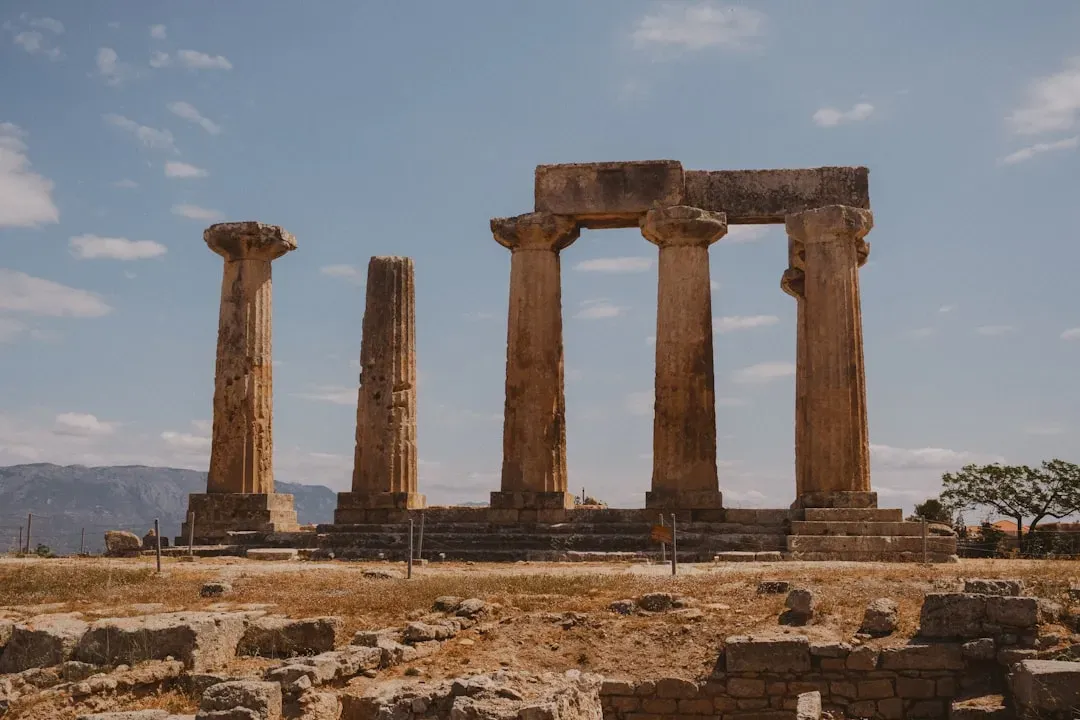
Media portrayals of ancient sites, from documentaries to video games, keep these topics visible and accessible. The imagery of overgrown temples or submerged cities taps into visual storytelling that feels timeless. Exposure through popular formats lowers the barrier for deeper exploration.
At the same time, growing awareness of environmental and social fragility in the present makes past collapses more relevant to many observers. Discussions of sustainability often reference historical examples without requiring specialized knowledge. The overlap keeps the subject alive across different audiences.
Paths Toward Reconnection

Recognizing the pattern does not require abandoning modern life. Some people channel the interest into travel, volunteering with heritage projects, or simply adjusting daily habits to include more deliberate pauses. These steps turn passive fascination into active engagement with the world as it stands.
Others find that sharing their interest with like minded communities reduces the sense of isolation. Online forums and local history groups provide spaces where the conversation feels natural rather than niche. The shared language around lost civilizations becomes a way to build small connections in the present.
Carrying the Insight Forward

The link between fascination with lost civilizations and feelings of disconnection from modern society points to a deeper human need for continuity and depth. Rather than viewing the interest as mere escapism, it can be understood as a signal worth noticing. Paying attention to what draws someone toward the past often reveals what they seek more of in their current life.
Ultimately, the past offers perspective, not replacement. Those who feel the pull might ask what elements of ancient resilience or wonder they can cultivate now, even in modest ways. The civilizations may be lost, yet the questions they raise remain very much alive.
