

Daily Encounters with Familiar Faces in Fur
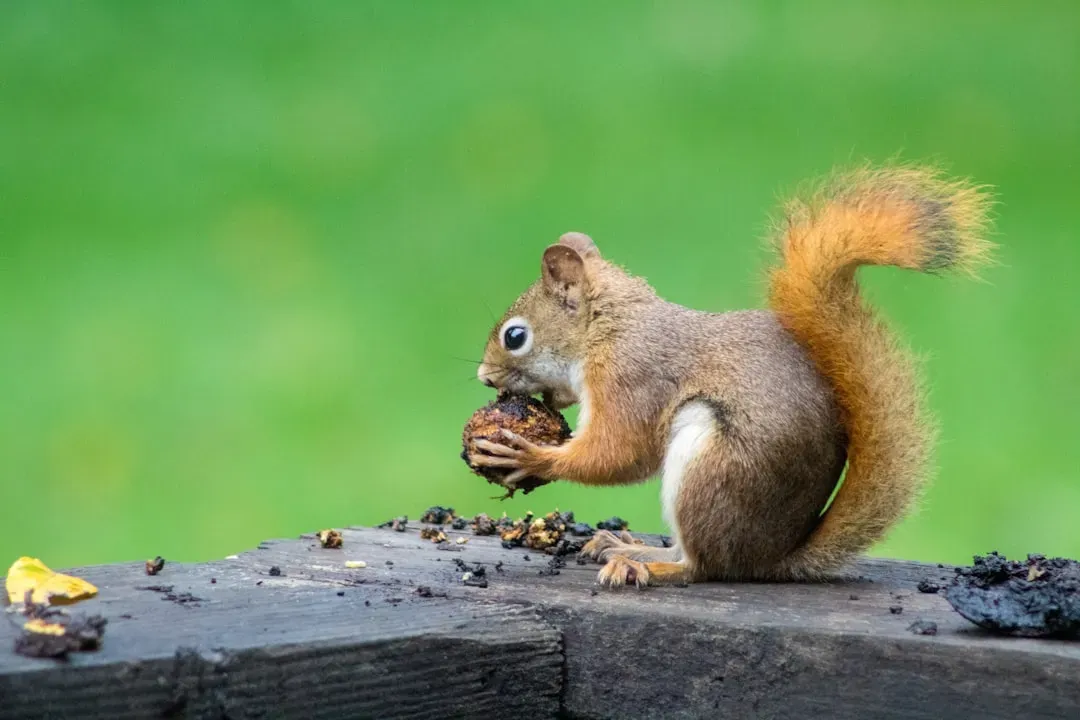
Squirrels maintain regular routes through neighborhoods and parks as they search for food and safe nesting spots. When one individual shows up at the same time each day it usually reflects a reliable path rather than any special interest in a particular person. These animals cover familiar ground efficiently to conserve energy.
Over weeks or months the same squirrel may cross your yard because it has learned the layout offers quick access to seeds or shelter. Human activity becomes part of the background noise rather than the main attraction. The repetition simply signals a well established routine that happens to intersect with your schedule.
Food as the Primary Draw
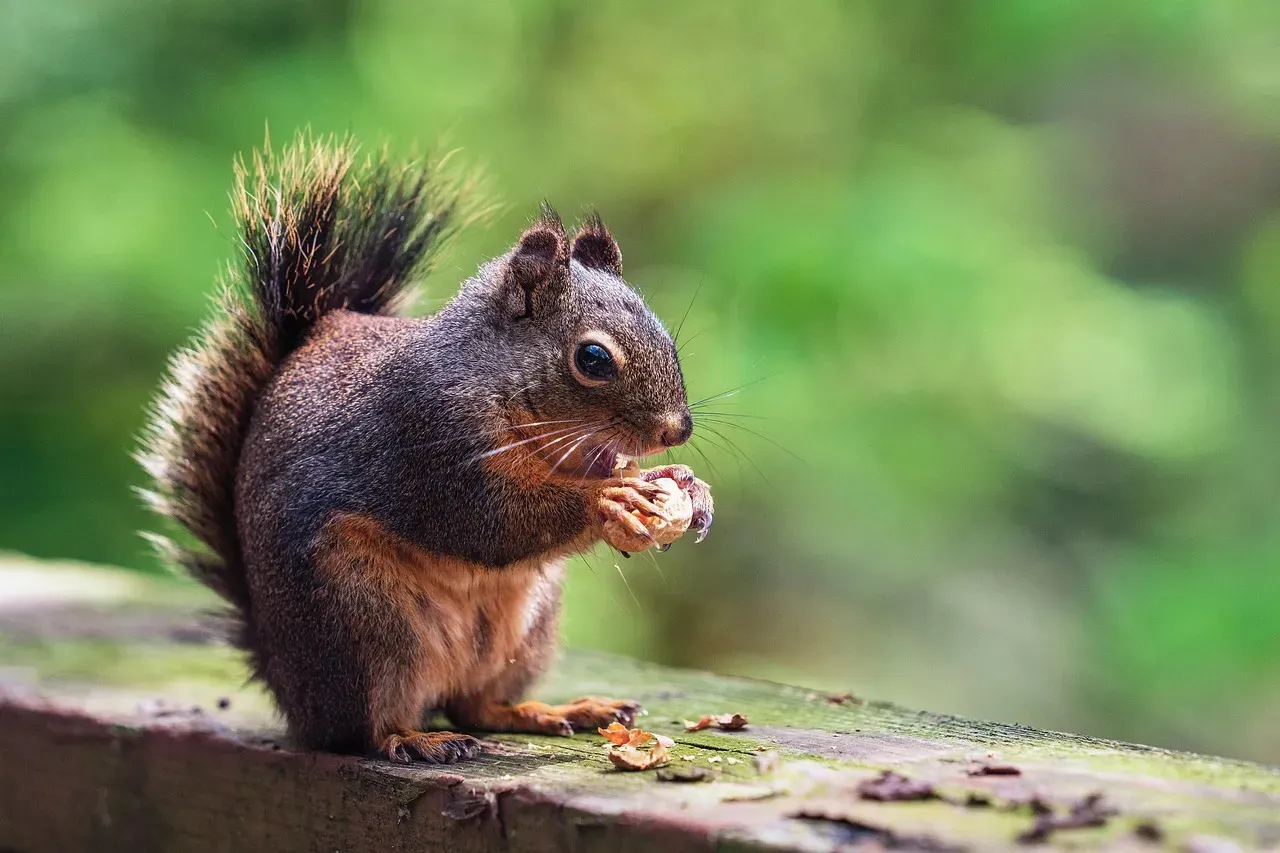
Most backyard squirrels focus first on steady sources of nutrition such as bird feeders, fallen fruit, or garden plants. If you or your neighbors provide consistent offerings the animal returns because the location pays off. This pattern holds true across urban and suburban settings where natural supplies vary with the seasons.
Once a squirrel identifies a dependable spot it tends to revisit it during peak foraging hours. The presence of people nearby rarely deters the effort when calories are at stake. Over time the animal may even time its visits to avoid peak human traffic while still securing its share.
Territory and Routine Paths

Squirrels defend small territories that include favorite trees and travel corridors. A single animal often patrols the same stretch of fence or lawn edge because it knows the boundaries and potential threats. This territorial habit keeps the squirrel close to home without unnecessary exploration.
Daily sightings therefore reflect the animal staying within its established range rather than seeking out observers. Changes in weather or nearby construction can shift these paths slightly yet the core area remains stable. The result is a predictable presence that feels personal even when it stems from simple geography.
Recognition and Memory in Squirrels
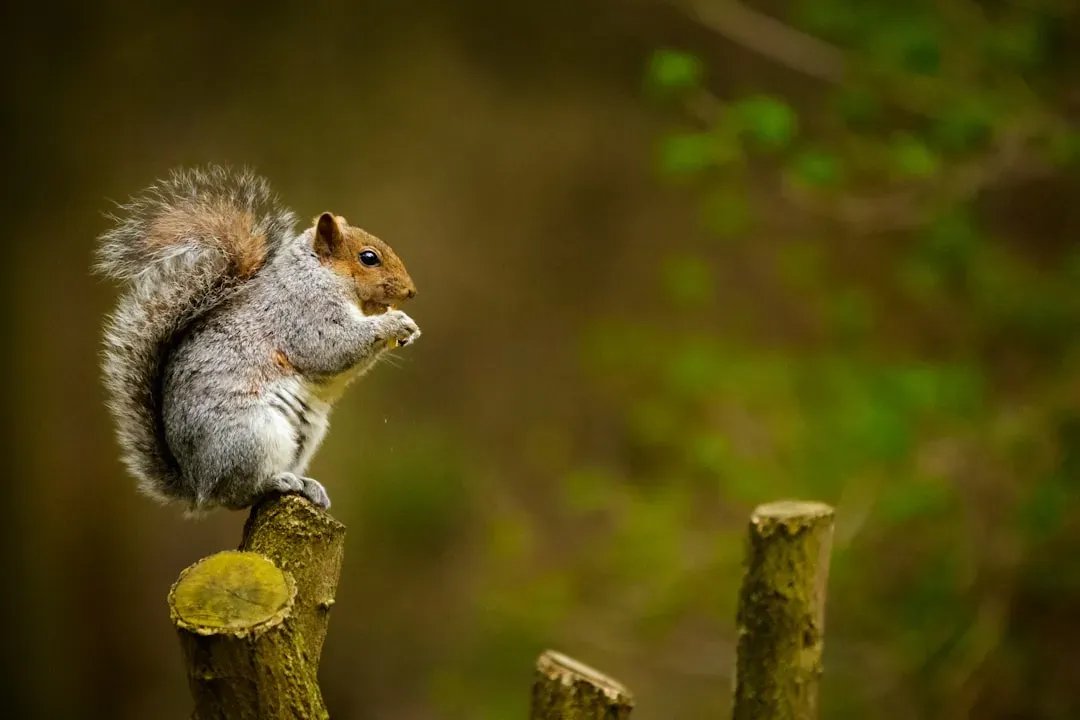
Research shows squirrels possess strong spatial memory that helps them relocate buried food caches months later. The same skill allows them to remember safe routes and regular human activity patterns. An individual may grow accustomed to certain residents without forming any deeper attachment.
This familiarity can make one squirrel appear more noticeable than others in the area. It simply tolerates the presence of people it has encountered repeatedly. The behavior serves practical purposes like reducing unnecessary alarm responses during daily movements.
Behavioral Cues to Watch For

A squirrel that pauses and looks toward you may simply be assessing whether you pose any risk before continuing its path. Tail flicks or quick retreats often signal mild caution rather than focused attention. These quick checks form part of normal vigilance in shared spaces.
Repeated glances do not necessarily indicate curiosity about your actions. Instead they reflect the animal confirming that its usual route remains clear. Over time such glances become routine and lose any special meaning beyond basic awareness of surroundings.
Potential Benefits of This Interaction
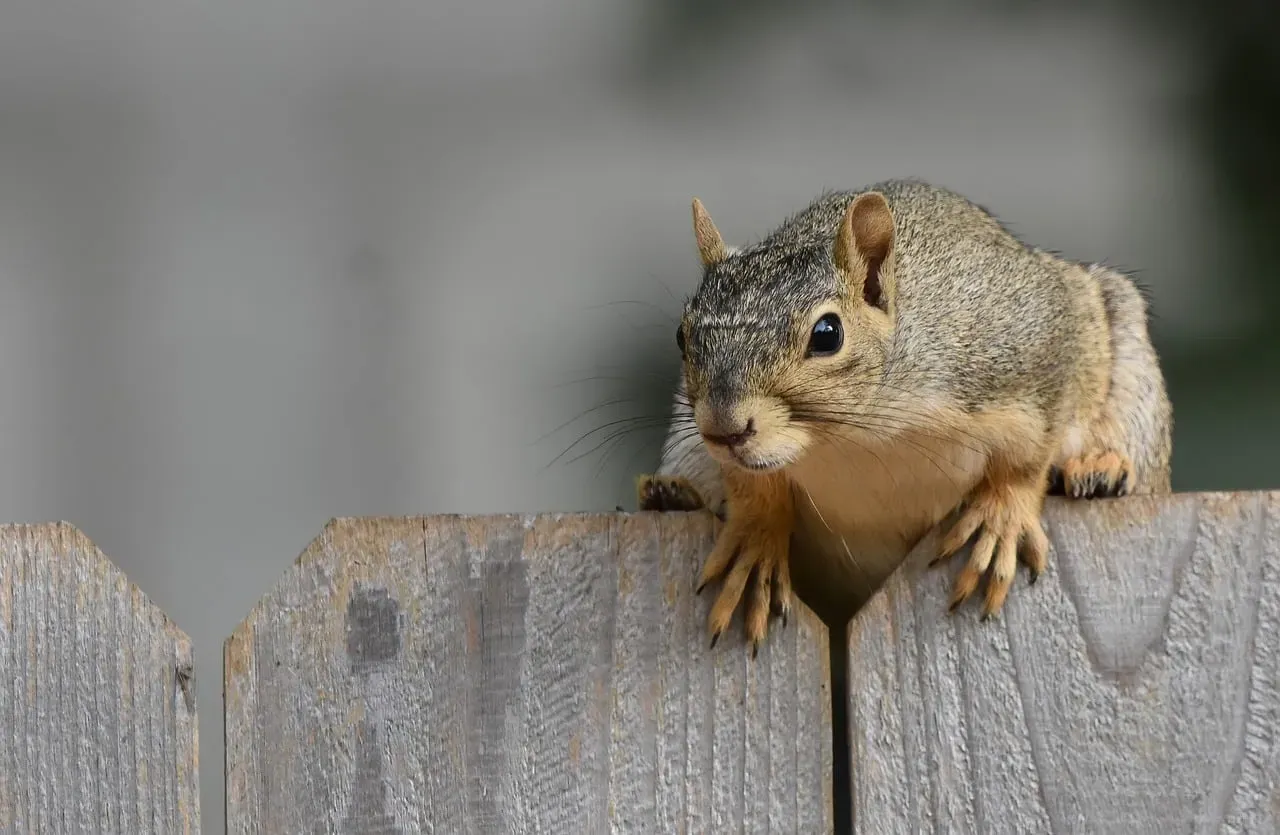
Regular squirrel visits can add a touch of wildlife to otherwise ordinary days without requiring any effort from residents. Watching their quick movements and clever problem solving offers a small window into local ecology. Many people find the presence calming once they accept it as part of the neighborhood rhythm.
At the same time these encounters remind observers that urban animals adapt successfully to human environments. The squirrel gains reliable resources while the human gains quiet entertainment. Both sides benefit from the low key coexistence that develops naturally over time.
A Gentle Reminder from Nature
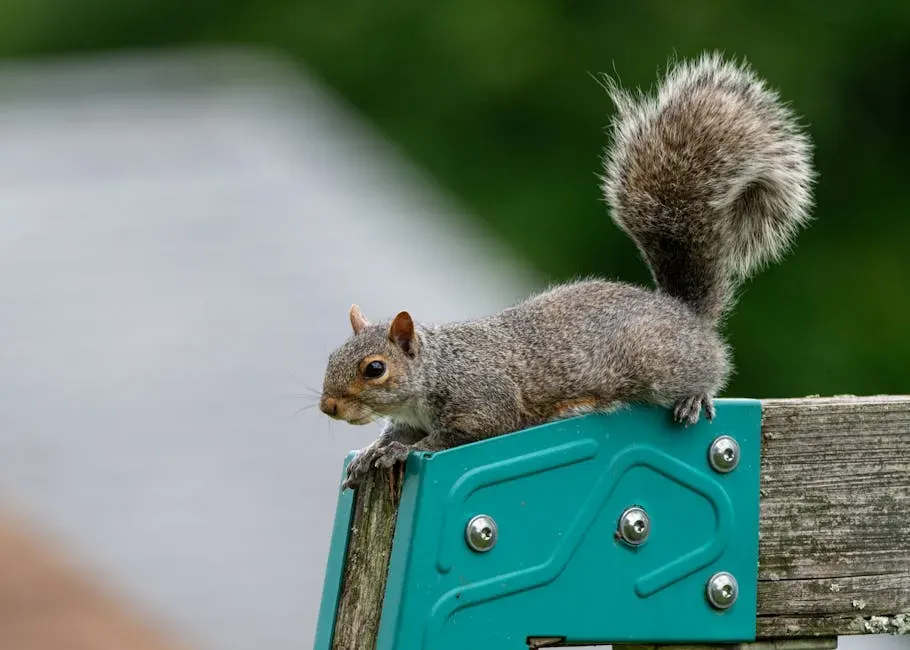
Seeing the same squirrel day after day ultimately points to overlapping lives rather than any deliberate watchfulness. The animal follows its own needs and the human simply shares the space. This quiet overlap encourages a lighter approach to backyard wildlife.
Appreciating these small patterns can foster greater awareness of the creatures that share our streets and yards. No grand meaning hides behind the repetition yet the consistency itself carries a simple charm. In the end the squirrel keeps returning because the location works and that practical truth is enough.
