
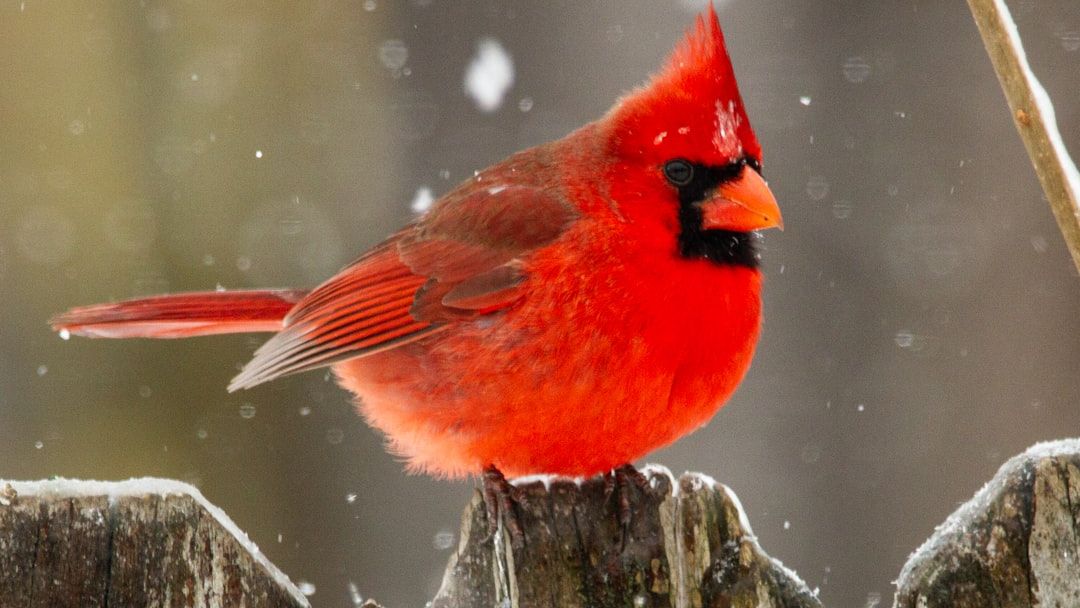
American Robin
The American robin often takes to higher perches as storm pressure builds. Its familiar cheer up cheerio call rings out more frequently and at greater volume than during calm days. Observers in many regions report this shift happening in the hours leading up to rain or thunder.
Robins may use the extra vocal effort to stay in touch with family groups or simply respond to the changing air. Their ground foraging slows while the singing ramps up. This behavior turns a usually steady backyard presence into a noticeable chorus.
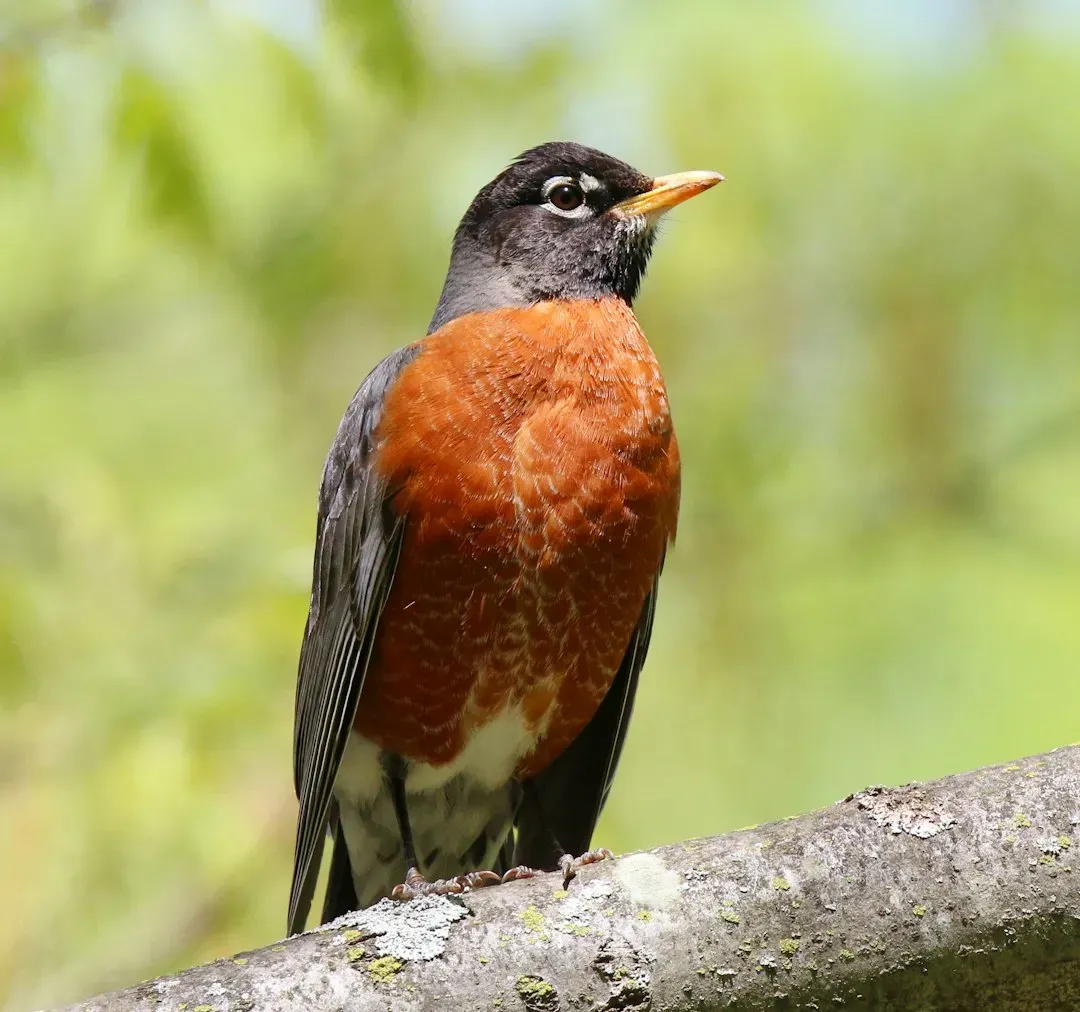
Northern Cardinal
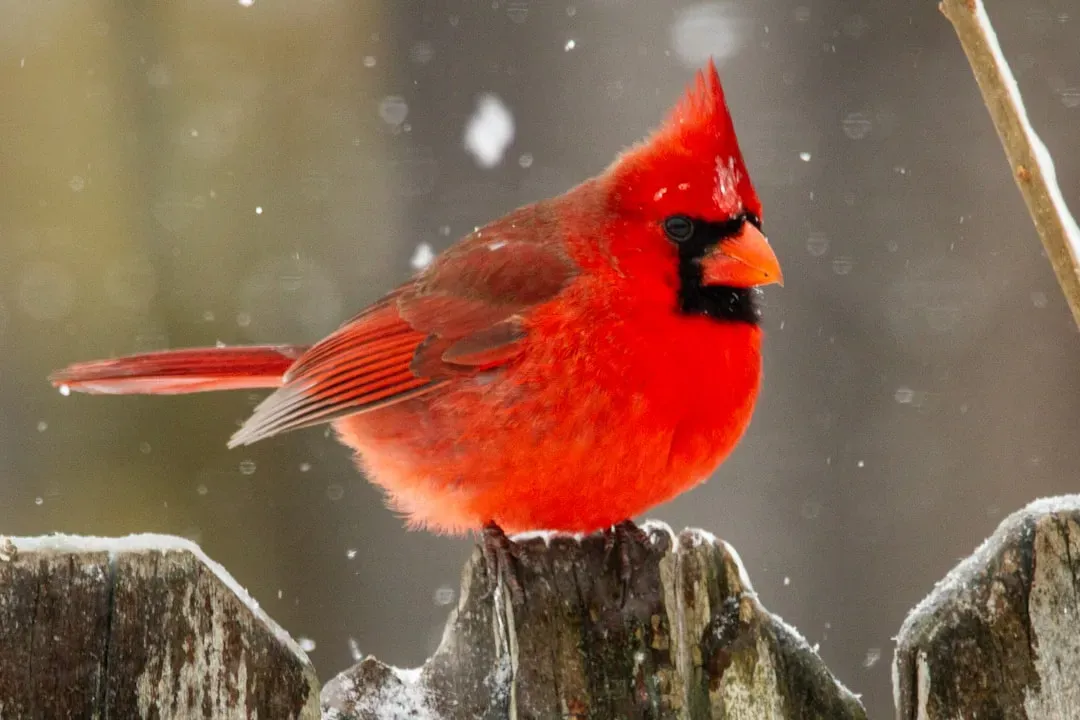
Northern cardinals add their clear whistles to the pre storm mix with extra repetition. The bright red males especially seem to project their songs farther and more often when humidity rises. Backyard feeders become stages for these performances as the sky darkens.
Their calls help maintain pair bonds or mark territory before seeking shelter. Listeners often pick out the cardinal’s voice above others because of its piercing quality. The increase feels deliberate rather than random.
House Sparrow
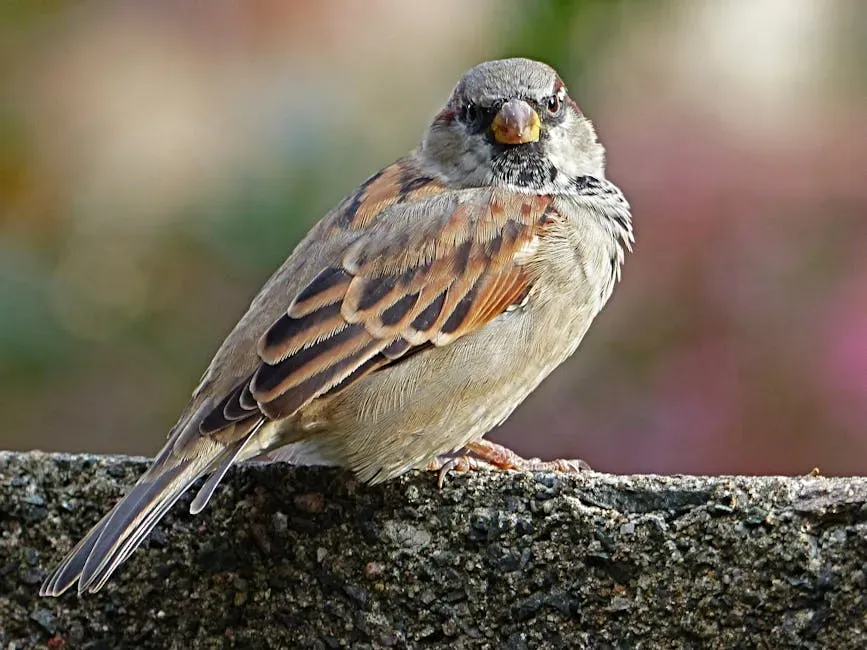
House sparrows chatter in lively groups right before storms arrive. Their quick chirps and twitters multiply as small flocks move between trees and shrubs. This social noise stands out in suburban yards where they gather in numbers.
The extra activity may help coordinate movement toward cover or simply reflect heightened alertness. Sparrows rarely stay silent for long anyway, yet the volume and pace pick up noticeably. Many homeowners recognize this as a reliable backyard cue.
Black Capped Chickadee
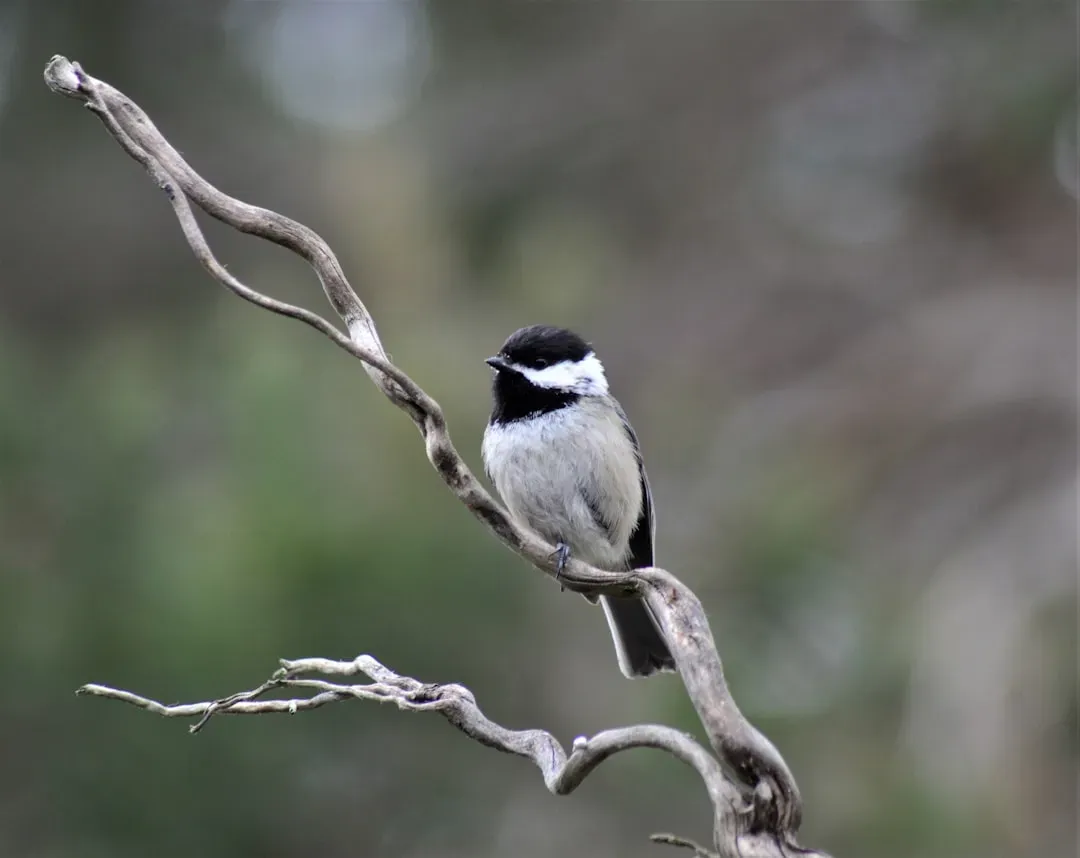
Black capped chickadees switch from their usual fee bee song to more frequent chick a dee calls. The change happens quickly once the air feels heavier. These small birds dart between branches while keeping up a steady stream of sound.
The calls likely serve as contact notes within winter flocks or family units. Chickadees remain active even in poor weather, yet the pre storm period brings a distinct uptick. Their voices carry well through still air.
Tufted Titmouse
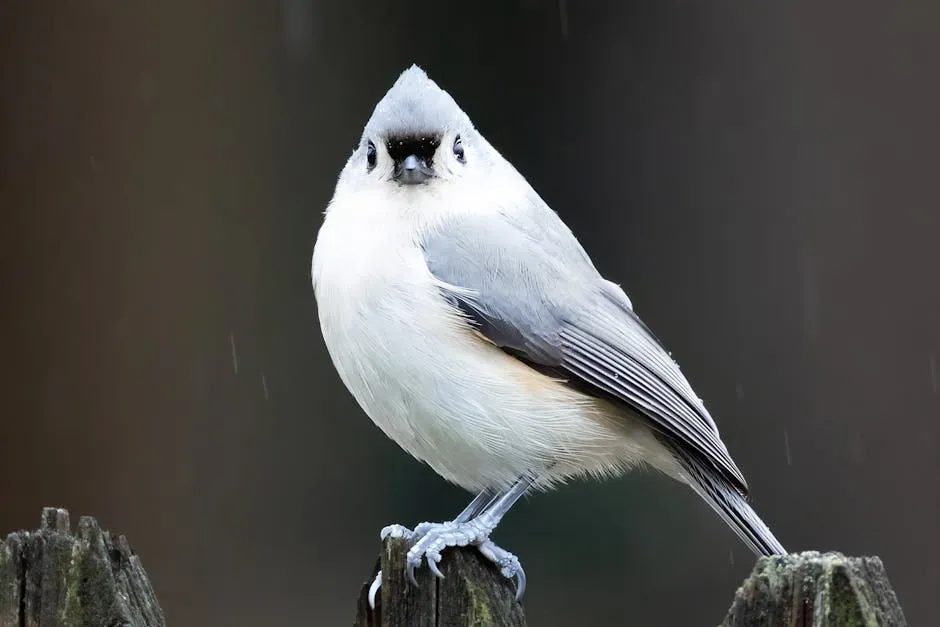
Tufted titmice produce their peter peter songs with greater insistence ahead of storms. The clear notes echo from treetops where the birds pause between short flights. This species often joins mixed flocks and adds its voice to the growing chorus.
Observers note the titmouse’s contribution feels sharper and more persistent than on ordinary days. The behavior aligns with sensitivity to pressure changes that affect many small songbirds. Their presence adds a bright layer to the soundscape.
Carolina Wren
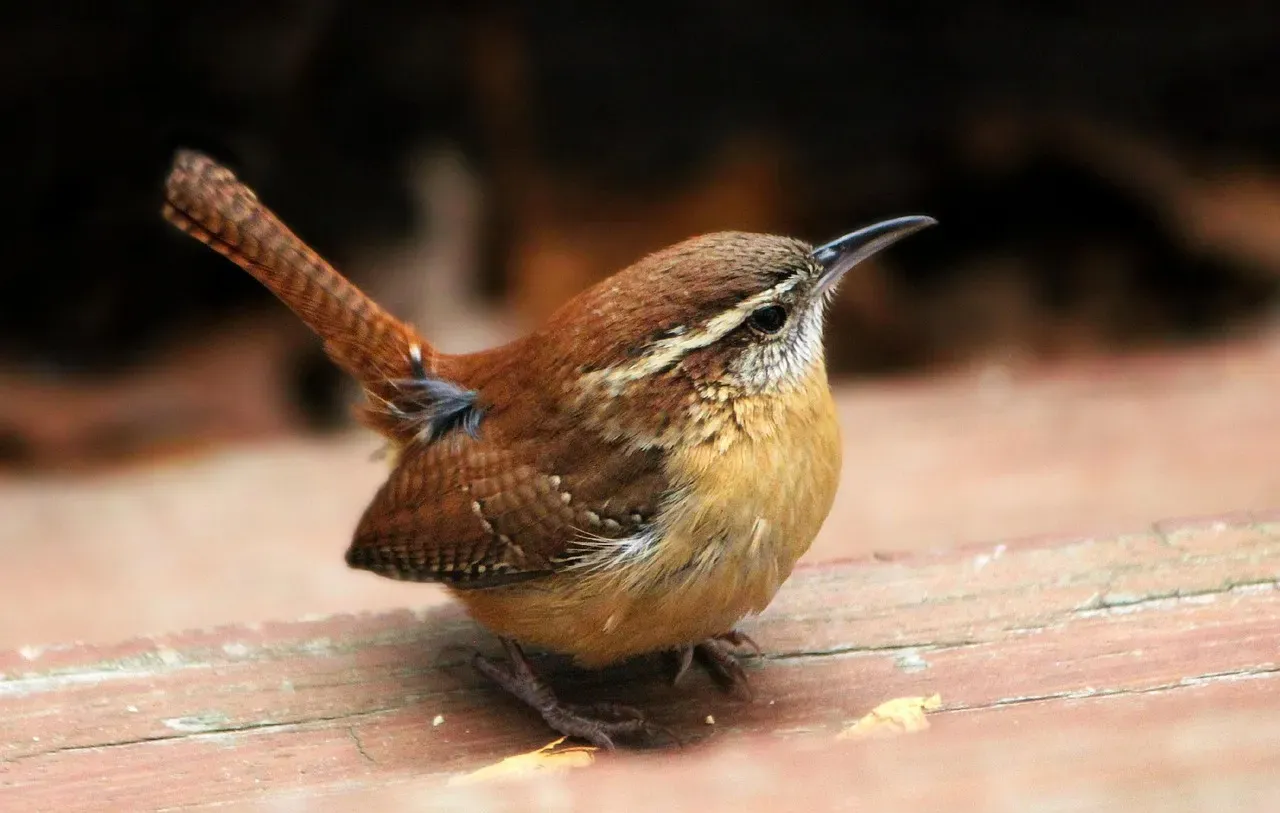
Carolina wrens belt out loud teakettle teakettle phrases more often as storms approach. Their bold voices cut through the quiet even from dense cover. The small size belies the volume these birds can achieve.
The extra singing may reinforce territory or simply express the energy of the moment. Wrens stay vocal year round in many areas, yet the pre storm surge stands out. Backyard listeners frequently comment on how the wren leads the pack.
Song Sparrow
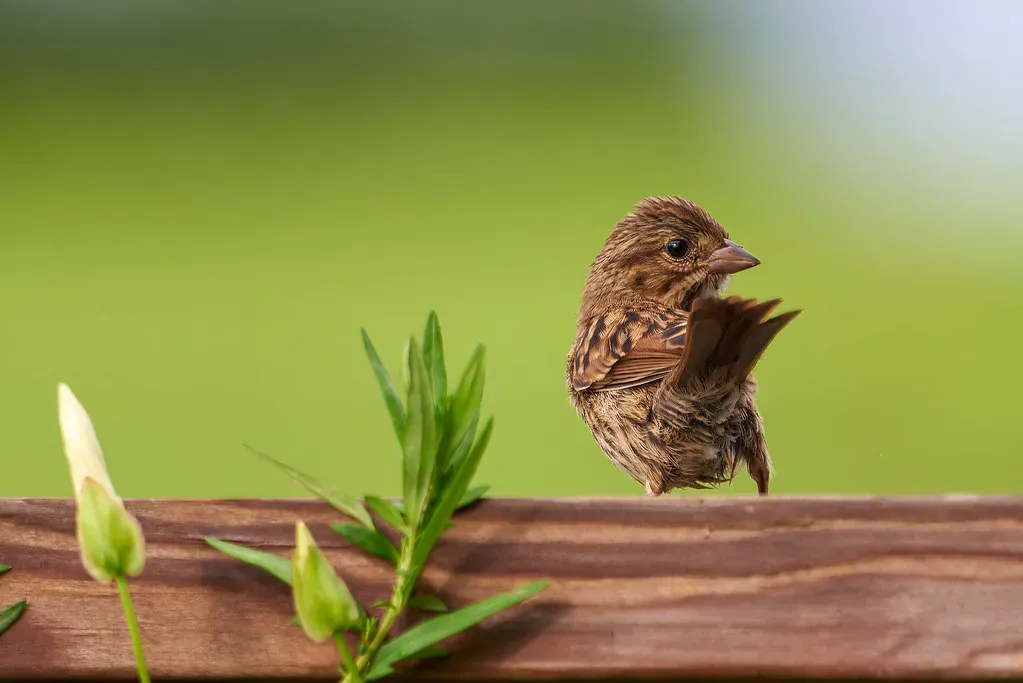
Song sparrows deliver their varied melodies with added frequency before weather shifts. Each male repeats phrases in quick succession from favorite perches. The result fills quiet corners of yards and gardens with layered sound.
This increase ties into their general responsiveness to environmental cues. Song sparrows use song to communicate across distances, and the still air before a storm carries notes farther. The effect creates a richer auditory experience.
House Finch
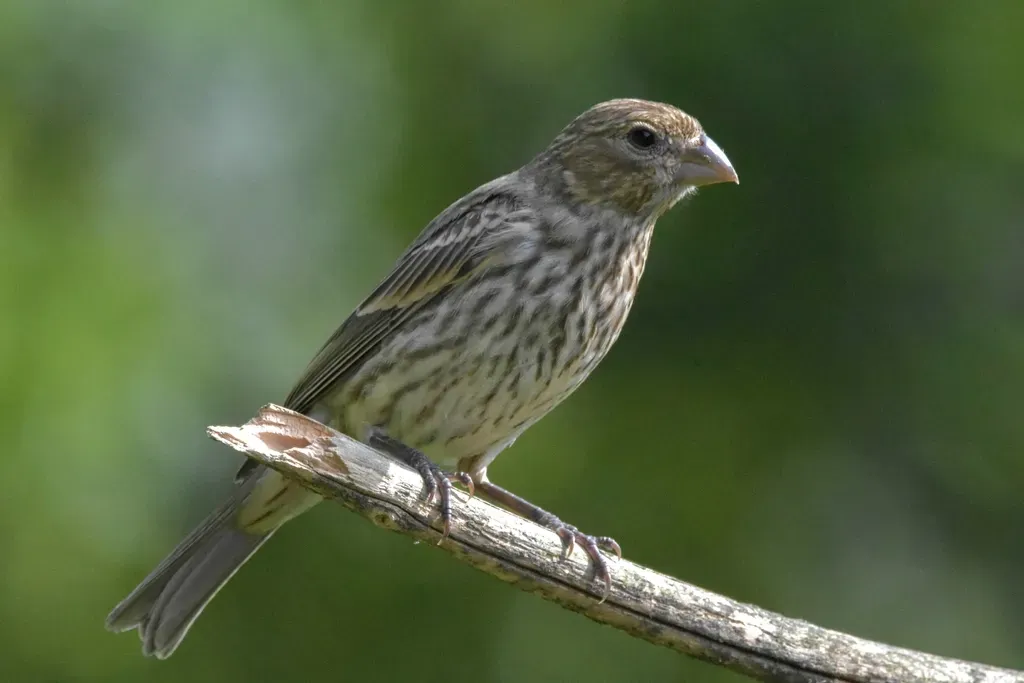
House finches add warbling songs and chirps to the pre storm activity. Males especially seem to sing from exposed spots as clouds build. Their pleasant tones blend with other voices in a rising wave.
The behavior reflects broader patterns seen across finch species when pressure drops. Flocks may call more to stay together during the transition. Many people notice the finches’ contribution as part of the overall backyard symphony.
European Starling
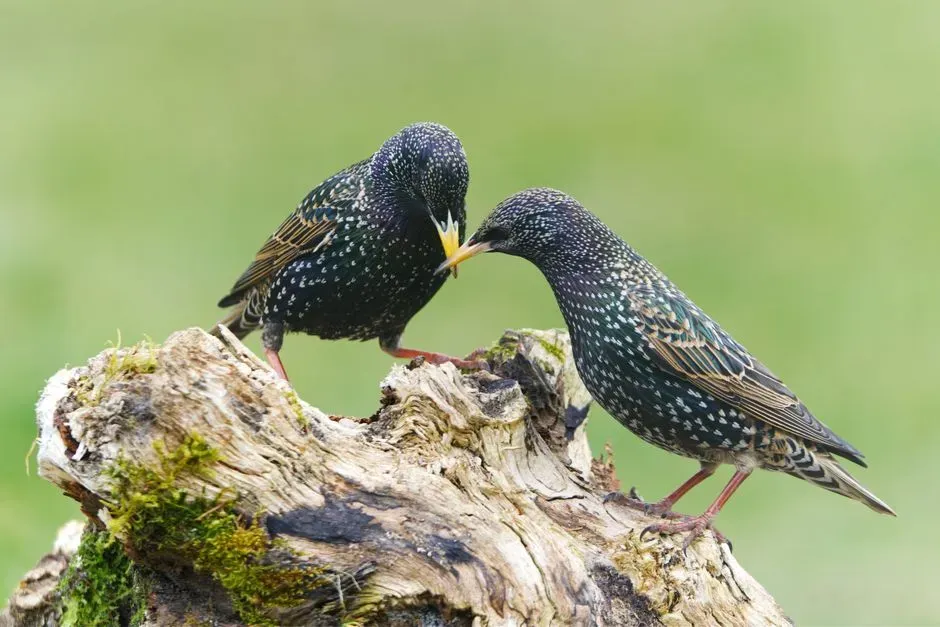
European starlings erupt in bursts of whistles, clicks, and mimicry right before storms. Their large flocks create a wall of sound that draws attention across neighborhoods. The variety of notes makes each performance feel fresh.
Starlings respond quickly to changing conditions and use vocalizations to coordinate movements. The pre storm period amplifies their already noisy nature. Observers often find the sudden intensity striking.
Blue Jay
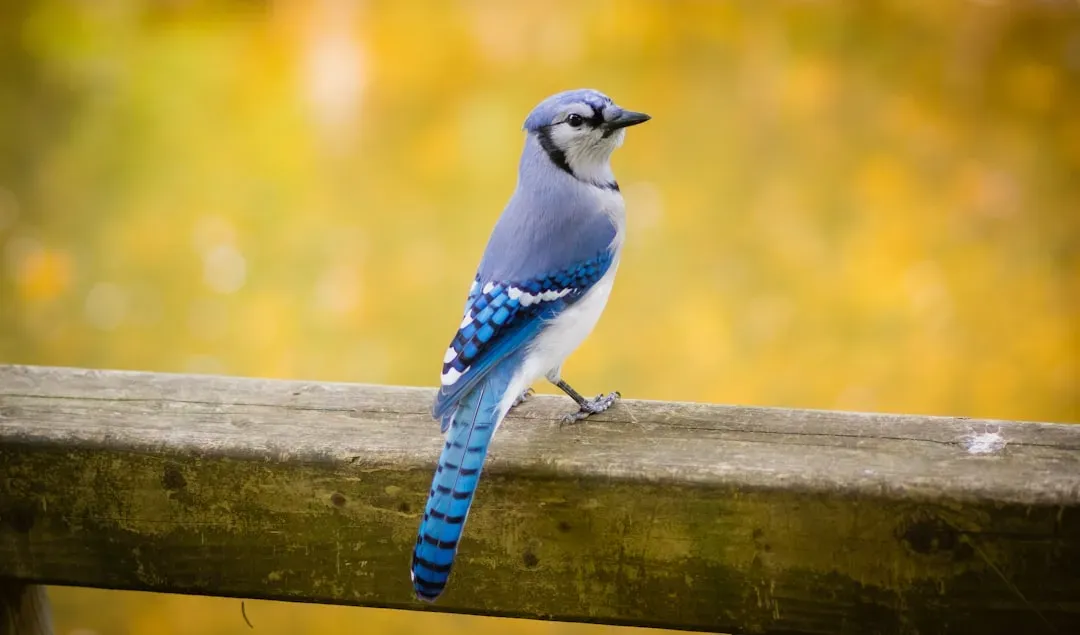
Blue jays produce loud jeer calls and other sharp notes with greater frequency ahead of storms. Their bold voices carry across open spaces and alert other birds nearby. The increase turns a sometimes solitary presence into a more vocal one.
These calls may serve warning functions or simply reflect heightened awareness. Blue jays remain active through many weather changes, yet the surge before rain stands out. Their contribution adds a distinct edge to the chorus.
The pattern of heightened bird vocalizations before storms offers a gentle reminder of how closely wildlife tracks atmospheric shifts. Not every storm brings the same intensity, and individual yards vary, yet the overall observation holds across many regions and seasons. Listening closely turns ordinary moments into opportunities for quiet connection with the world outside.