
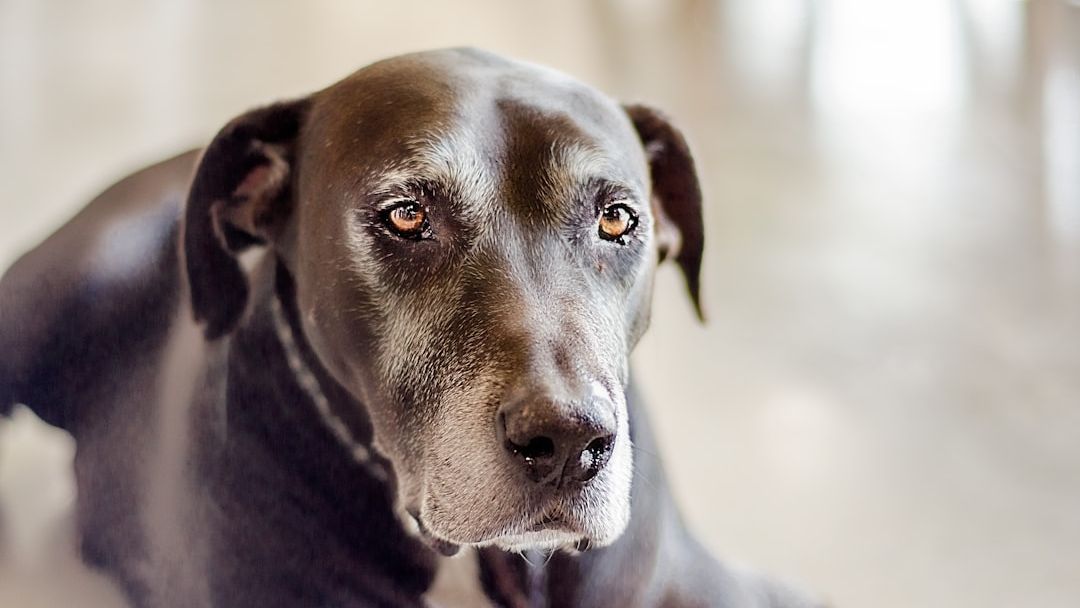
Dogs age in ways that often catch owners off guard. One day they seem full of energy, and the next small changes start to add up in ways that affect their daily comfort and happiness.
Recognizing these shifts early can make a real difference in how your companion experiences their later years. The following points highlight what many dogs need their people to notice and act on before time slips away.
Their Joints Often Stiffen Without Obvious Signs

Arthritis creeps in slowly for many dogs, and they rarely limp dramatically at first. Instead they might hesitate before jumping onto the couch or take longer to rise from a nap. These quiet adjustments signal discomfort that builds over months or years.
Providing softer bedding and shorter walks on gentler surfaces helps ease the strain. Supplements or veterinary guidance on pain relief can keep them moving comfortably longer. Watching for these early clues prevents unnecessary stiffness from becoming constant.
Diet Requirements Change As Metabolism Slows

Older dogs burn fewer calories yet still need balanced nutrition to support muscle and organ health. Switching to senior formulas or adjusting portions prevents weight gain that stresses joints further. Some benefit from added fiber or specific proteins tailored to their changing digestion.
Regular weigh ins at home catch trends before they become problems. Consulting a vet about any new sensitivities ensures the food matches their individual needs. Small tweaks here support energy levels without overwhelming their system.
More Frequent Checkups Catch Issues Sooner
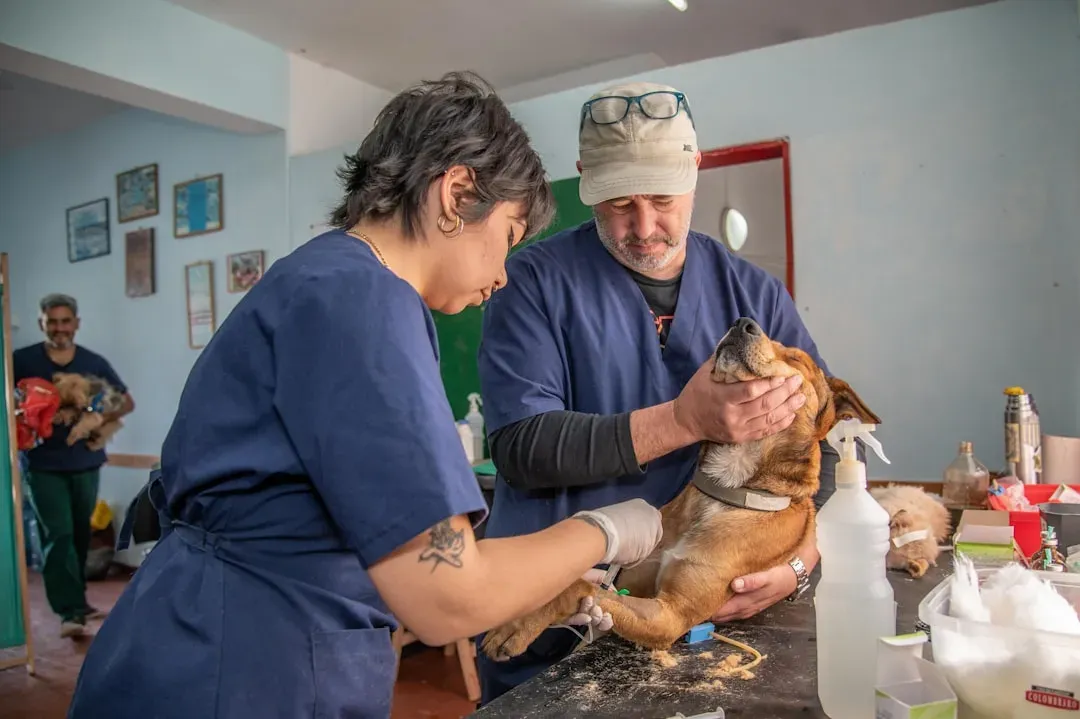
Annual visits often miss the subtle shifts that appear between appointments once a dog passes middle age. Twice yearly exams allow bloodwork and physical checks to spot kidney changes or heart murmurs early. This rhythm gives time for adjustments before conditions advance.
Owners who schedule these visits notice patterns in energy or appetite that might otherwise go overlooked. Early detection often means simpler treatments and more good days ahead. It turns routine care into proactive support rather than reactive fixes.
Dental Problems Quietly Impact The Whole Body
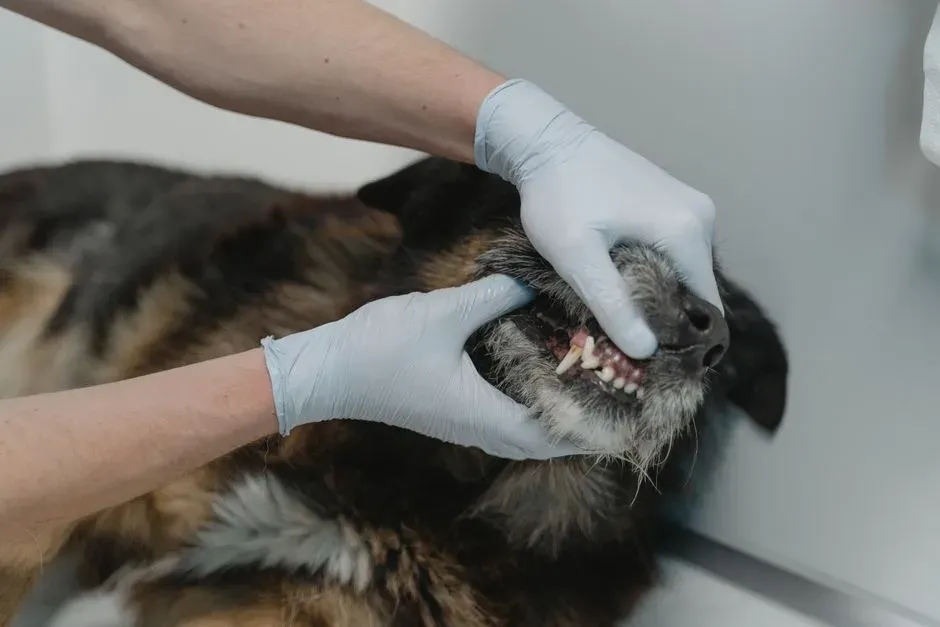
Tartar buildup leads to infections that travel through the bloodstream and affect organs over time. Many dogs show no outward pain yet experience reduced appetite or bad breath that signals deeper trouble. Professional cleanings under anesthesia become safer when done before severe disease sets in.
Daily brushing or dental chews slow plaque formation between visits. Regular mouth checks at home reveal red gums or loose teeth worth mentioning to the vet. Addressing this area protects overall health in ways that extend comfortable years.
Cognitive Changes Can Alter Daily Behavior

Some dogs begin to pace at night or forget familiar routines as brain function shifts. They might stare at walls or seem confused about where their food bowl sits. These moments reflect real neurological changes rather than simple stubbornness.
Keeping a consistent schedule reduces anxiety during these episodes. Puzzle toys and short training sessions maintain mental sharpness without frustration. Recognizing the pattern allows owners to adapt the environment for calmer days.
Vision And Hearing Loss Happens Gradually
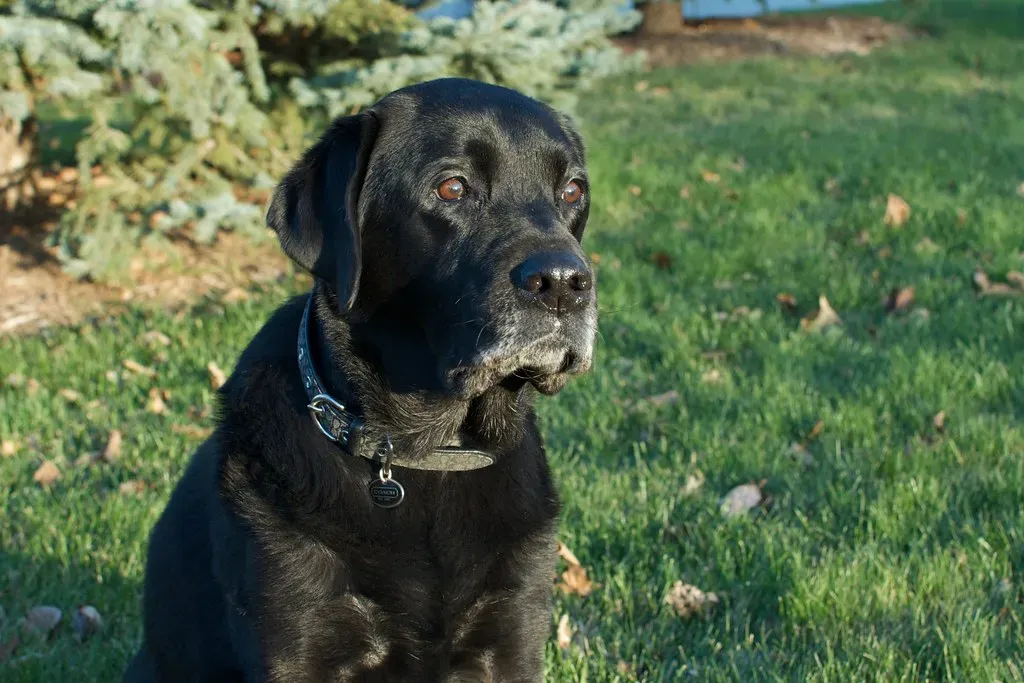
Cloudy eyes or slower responses to calls often develop unnoticed until a dog startles easily or bumps into furniture. Depth perception fades first, making stairs or curbs more challenging. These sensory shifts change how they navigate familiar spaces.
Using verbal cues paired with gentle touches helps them feel secure. Night lights and rearranged furniture reduce accidents during low light hours. Patience during these transitions keeps trust intact while they adjust.
Mental Engagement Remains Important At Every Age
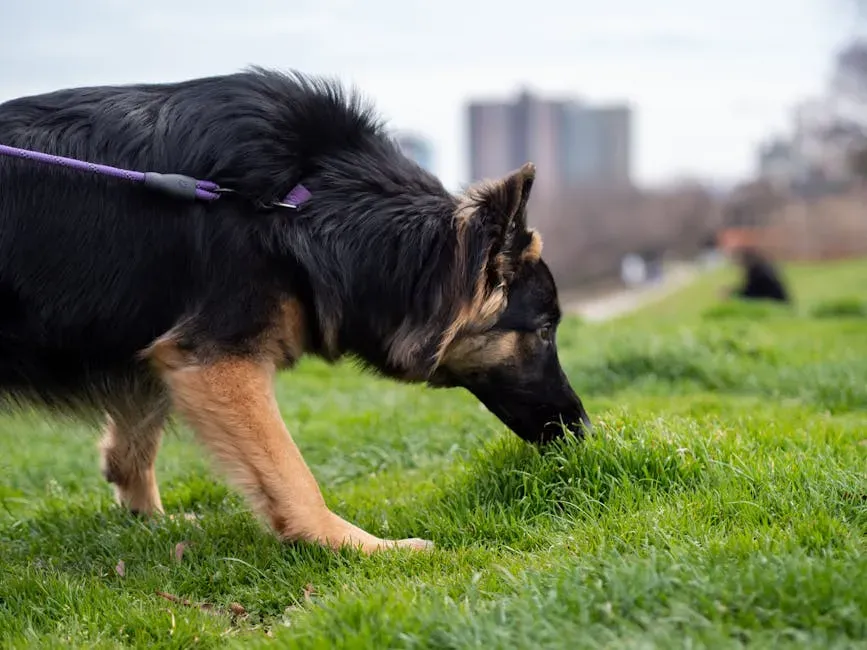
Even with less physical stamina, dogs benefit from games that challenge their minds. Scent work or simple hide and seek sessions provide satisfaction without high impact. Boredom can lead to restlessness that owners mistake for other issues.
Rotating toys and introducing new smells keeps interest alive. Short sessions several times a day fit better than long outings once energy wanes. This stimulation supports emotional balance alongside physical care.
Temperature Sensitivity Increases With Age

Older dogs lose some ability to regulate body heat, making cold floors or hot pavement more uncomfortable. They may seek warmer spots in winter or avoid sunny areas in summer. These preferences reflect real changes in circulation and coat condition.
Providing accessible heated beds or cooling mats creates comfortable zones. Shorter outdoor time during extremes prevents stress on their system. Noticing these shifts helps maintain steady comfort year round.
Accidents Can Stem From Physical Changes
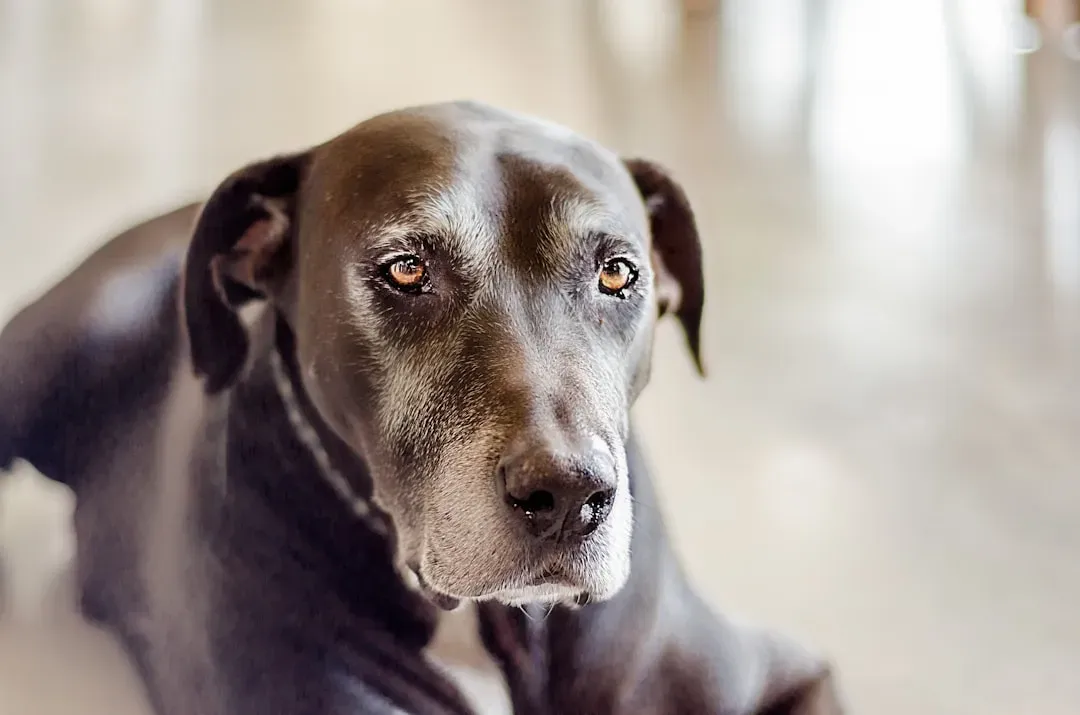
Bladder control weakens in some senior dogs due to muscle tone loss or underlying conditions. They might not signal the need to go out as clearly as before. Punishing these incidents only adds confusion and anxiety.
More frequent potty breaks and waterproof bedding ease the situation. Veterinary checks rule out infections or other treatable causes. Understanding this as a physical matter rather than behavioral keeps the relationship positive.
Pain Often Shows Through Subtle Shifts
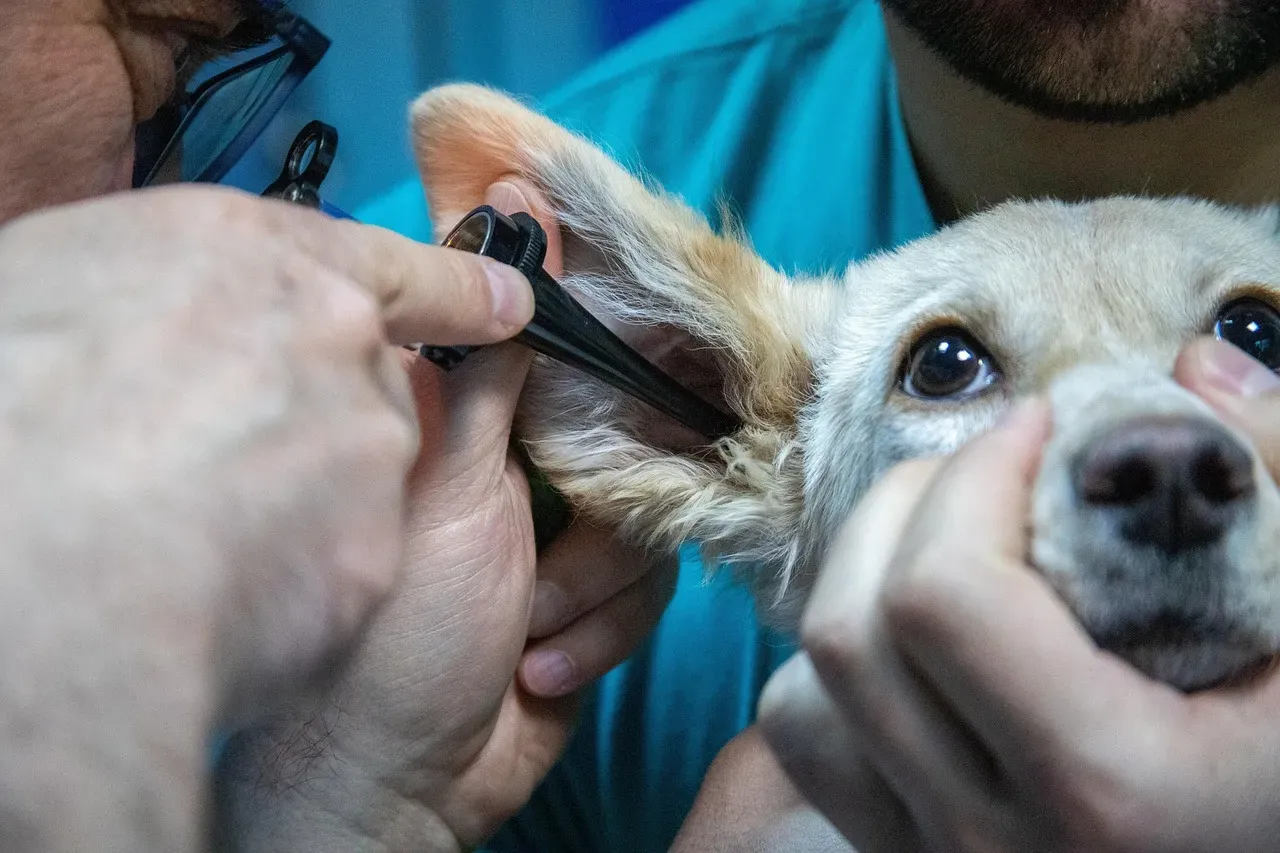
Dogs mask discomfort well, so changes in posture, appetite, or interaction style become key indicators. A normally social dog might withdraw or growl when touched in certain spots. These quiet signals deserve attention before they escalate.
Tracking daily habits reveals patterns worth discussing with a vet. Gentle handling during grooming or petting sessions builds awareness of tender areas. Addressing pain early preserves quality in everyday moments.
Companionship Needs Can Grow Stronger
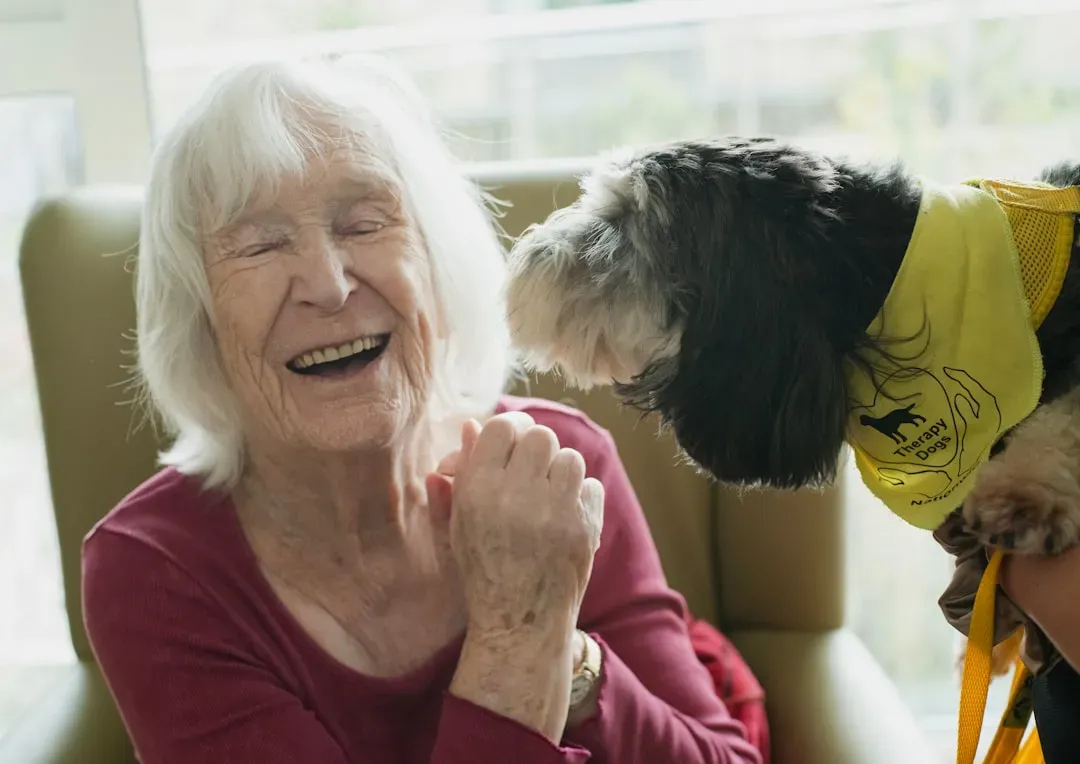
Many dogs seek more closeness as their world narrows with age. They may follow owners from room to room or rest nearer than before. This reflects a desire for reassurance rather than clinginess.
Carving out quiet time for petting or simply being nearby meets this need. Maintaining familiar routines provides security during transitions. The bond deepens when owners respond to these quieter requests for presence.
Quality Of Life Decisions Require Honest Reflection

Tracking good days versus difficult ones helps owners gauge when comfort measures reach their limit. Mobility aids, medications, and environmental changes extend meaningful time for many dogs. Yet recognizing when suffering outweighs joy remains an essential part of care.
Discussing options with a trusted vet provides perspective without pressure. Owners who prepare emotionally find these conversations less overwhelming when the time comes. Thoughtful planning honors the life shared together.
Paying attention to these details turns the later years into a continuation of the relationship rather than a decline. Small adjustments add up to more comfortable days for both dog and owner.
The time invested now shapes how those final chapters feel. It is a quiet form of care that dogs notice in the steadiness of daily life.

- Which Zodiac Signs Need Cats the Most for Emotional Balance? - July 25, 2026
- Why Squirrels Dig Up Their Own Hidden Food - July 25, 2026
- What It Means When Butterflies Frequent Your Yard - July 25, 2026