
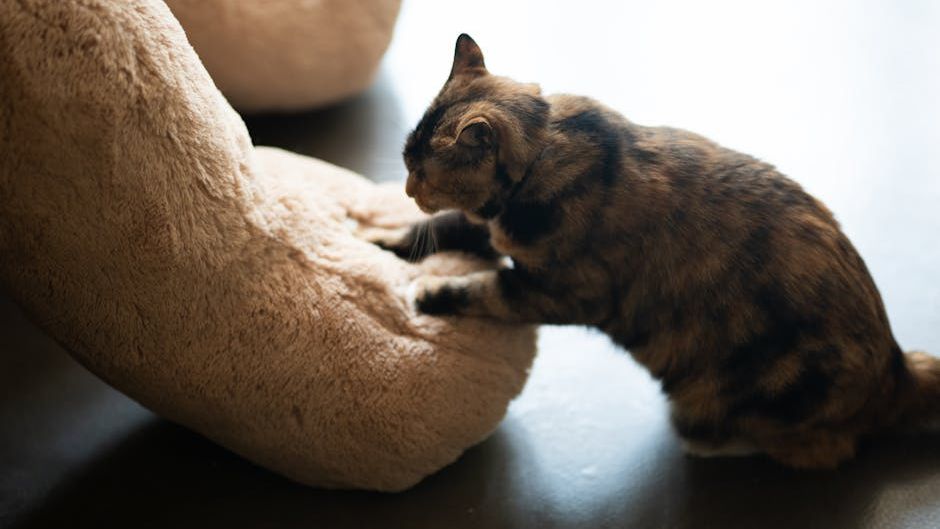
Watch a cat settle onto a soft blanket or a favorite lap and begin that rhythmic push and pull with its paws. The motion looks simple enough at first glance, yet it carries echoes of something much earlier in life. Many owners notice the behavior during quiet moments of contentment, which raises a natural question about what drives it.
Behavioral observations point back to the earliest weeks after birth, when survival depended on a very specific action. That link has held steady across generations of domestic cats, even as their lives shifted from wild survival to household routines. The persistence of the habit invites closer looks at both instinct and the subtle ways the brain reinforces familiar patterns.
Kitten Instincts That Never Fade
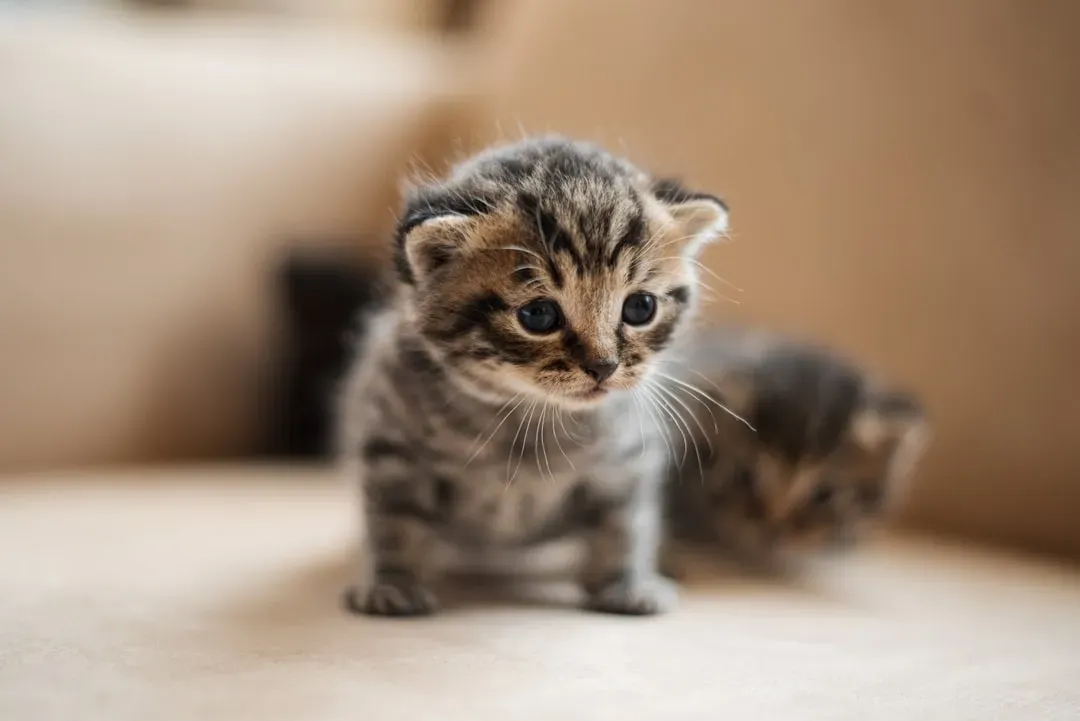
Newborn kittens rely on kneading to help draw milk from their mother during nursing sessions. The alternating paw movements press against the mammary glands and encourage the flow that keeps them fed and growing. This action forms early and becomes tied to the warmth and security of those first days.
Domestic cats carry the same motion forward long after they no longer need milk. The pattern stays because it once delivered immediate rewards in the form of nourishment and closeness. Over time the physical habit becomes part of how cats signal a return to that early state of ease.
The Comfort Connection to Early Nursing
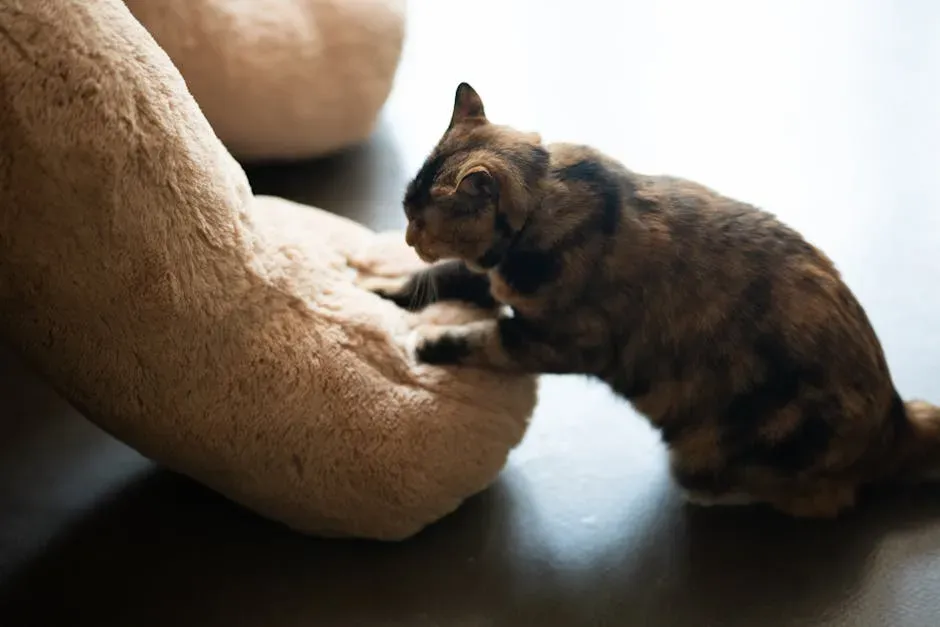
Adult cats often knead soft surfaces right before settling down for rest or sleep. The motion recreates the same physical sensation they experienced while nursing, which once brought both food and a sense of safety. Experts trace this persistence to the way early experiences shape lasting preferences for certain actions.
When a cat kneads a blanket or a person, the behavior serves as a self-soothing ritual. It recreates the conditions of kittenhood without any conscious decision on the cat’s part. The result feels calming because the body remembers the original context where the action proved useful.
Brain Chemistry and Feel-Good Responses
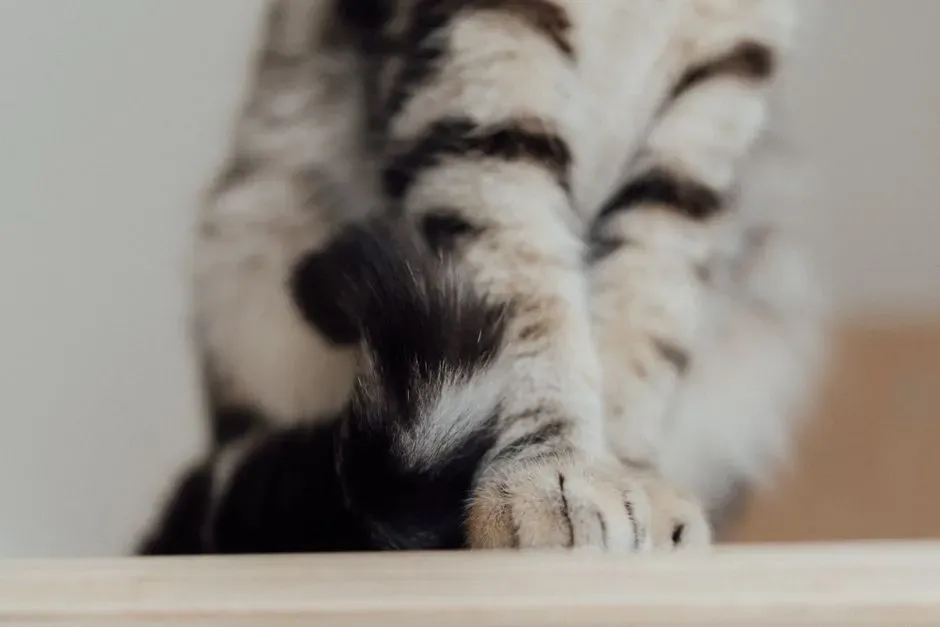
Research into feline behavior suggests that kneading can trigger the release of certain neurochemicals associated with reward and bonding. Dopamine and oxytocin appear in discussions of the process, linking the motion to feelings of pleasure and connection. These chemicals reinforce the habit each time it occurs in a positive setting.
While direct brain imaging studies on cats remain limited, the pattern aligns with how other mammals retain juvenile behaviors into adulthood. The brain treats the action as a reliable route back to a state of calm. Over repeated experiences the association strengthens without any need for new learning.
Kneading as a Sign of Trust and Affection
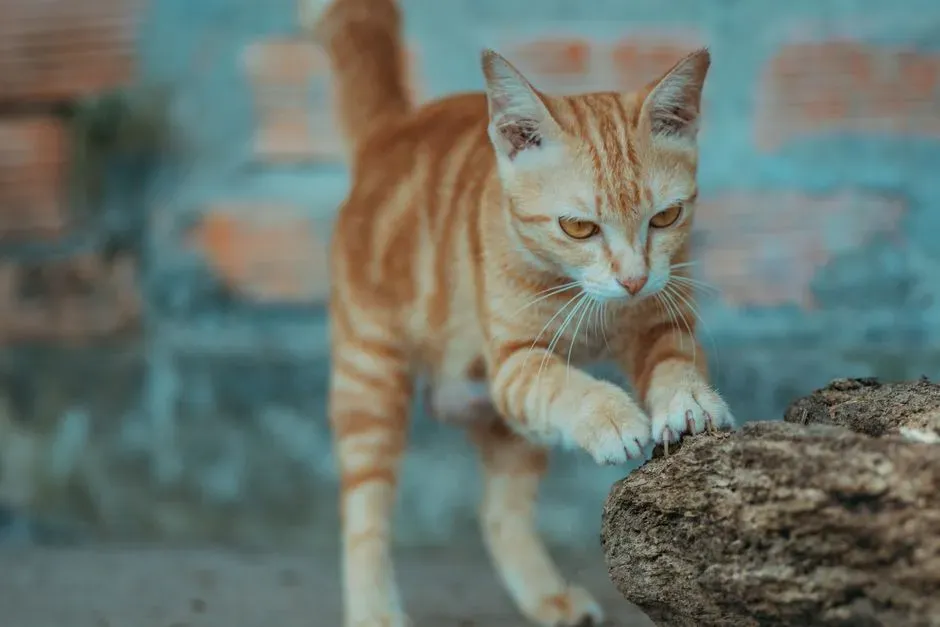
Cats typically direct kneading toward people or places they consider safe and familiar. The choice of target reflects a level of comfort that allows the cat to lower its guard. In household settings this often means laps, chests, or beds where the animal spends the most relaxed time.
The behavior strengthens the daily bond between cat and caregiver through simple repetition. Each session reinforces the idea that the human presence belongs with the same positive feelings from early life. Owners frequently notice the action increases during periods of quiet companionship rather than during active play.
When and Why Cats Choose Their Humans
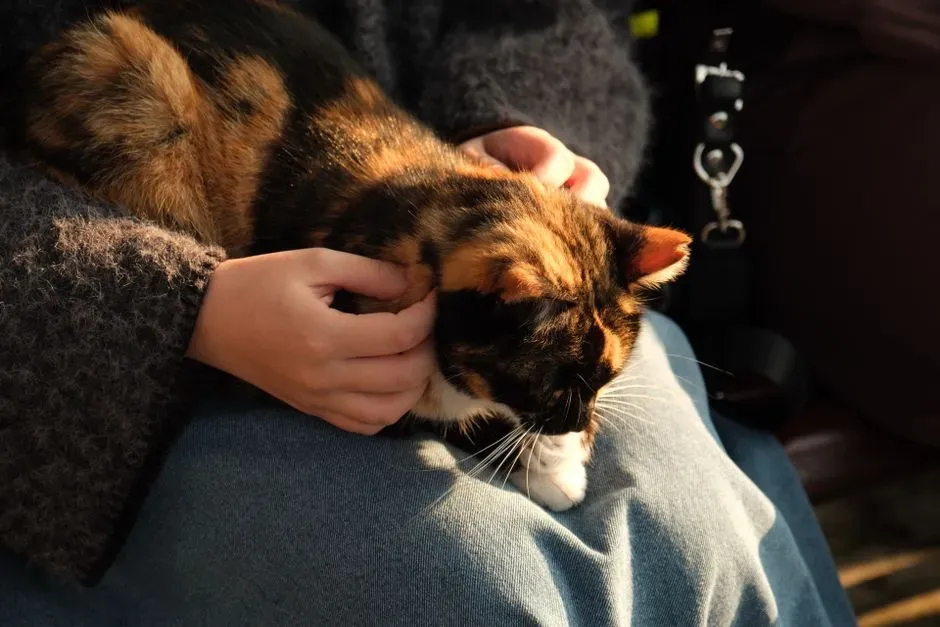
Soft textures and body heat play a role in prompting the behavior, yet the presence of a trusted person often matters more. Cats may knead more readily when they feel secure enough to engage in what amounts to a vulnerable posture. The lap becomes an extension of the original nursing environment.
Timing tends to cluster around transitions into rest or moments of low stimulation. A cat that kneads its owner is essentially marking that person as part of its core comfort zone. The choice reveals preferences built over months or years of shared routines.
Individual Differences in Kneading Habits
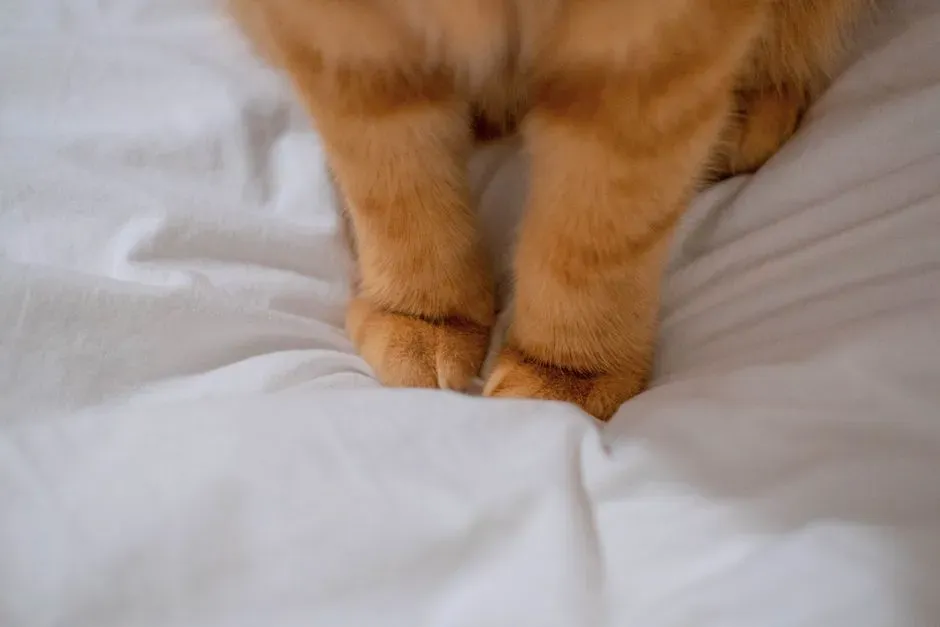
Not every cat kneads with the same intensity or frequency. Some press gently with retracted claws while others extend them and create a stronger rhythm. Breed tendencies, early experiences, and even personality traits influence how the behavior shows up in daily life.
Changes in the environment or health can also shift the pattern. A cat that suddenly kneads more or less than usual may be responding to shifts in stress levels or physical comfort. Observing these variations helps owners notice subtle changes in their pet’s overall state.
What This Means for Your Bond With Your Cat
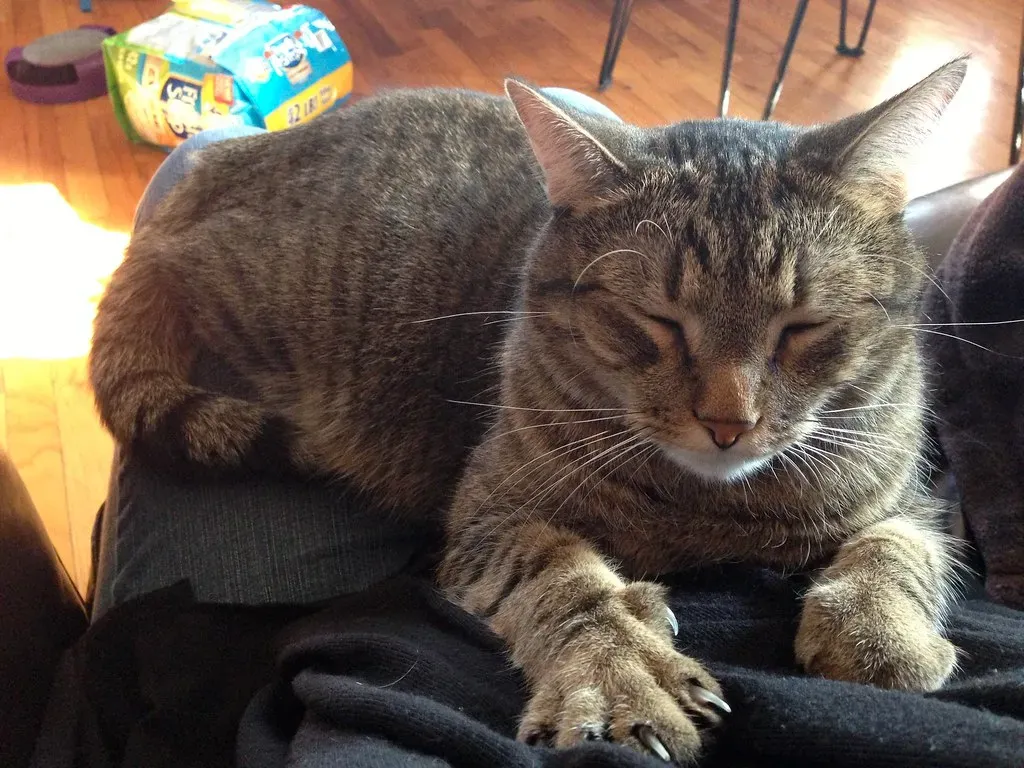
Recognizing kneading as a retained comfort behavior adds depth to everyday interactions. It turns a simple action into evidence of the lasting impact early experiences have on an animal’s sense of security. Owners who respond with calm acceptance often see the habit continue as a quiet expression of contentment.
The behavior ultimately reminds us that cats carry their earliest needs forward in ways that shape adult relationships. Paying attention to when and where it happens offers a window into what makes a particular cat feel at home. In the end the rhythmic paws on a lap become one more thread in the quiet, steady connection between species.

- 9 Things Chickadees Remember About Reliable Backyard Feeders - July 26, 2026
- Animal Science Says Your Dog Knows You're Coming Home Before Your Car Appears - July 26, 2026
- 10 Animals That Sacrifice Their Body Parts To Survive - July 26, 2026