
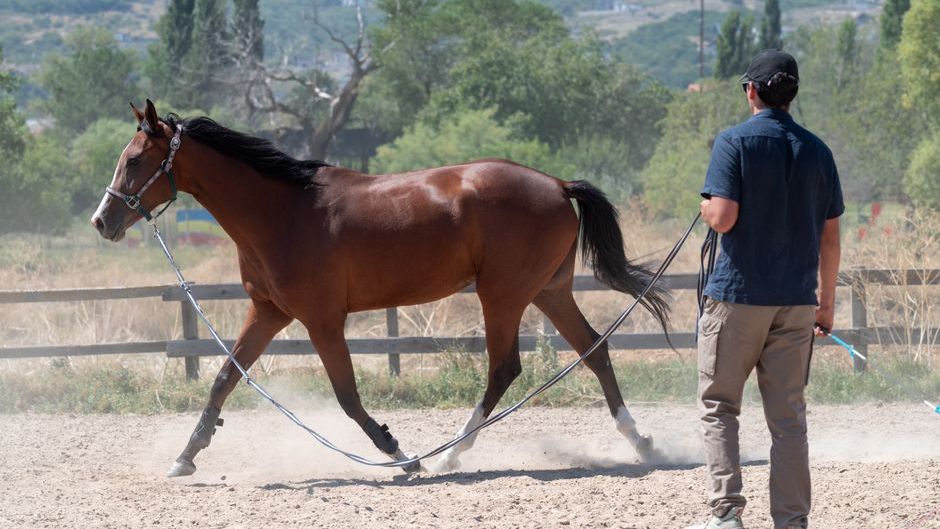
Most people walk into a barn thinking the real test starts the moment they climb into the saddle. They couldn’t be more wrong. Experienced riding instructors have already formed a detailed picture of who you are, how long you’ll last, and whether you’re actually ready to own a horse – all within the first five minutes of meeting you. Before a single piece of tack comes off the wall, they’ve clocked your footwear, your grip, your questions, and the way your shoulders tense when a 1,200-pound animal shifts its weight toward you.
And here’s the part that might sting a little: most new owners have no idea they’re being read that carefully. The tells aren’t about riding skill – they’re about everything that happens before the lesson even starts. Some of what instructors notice is surprising. A couple of them are genuinely uncomfortable. But all 14 of them are real, and if you’ve ever wondered why some new owners click instantly while others quietly wash out, the answers are right here.
#1 – How They Approach the Horse in the Stall
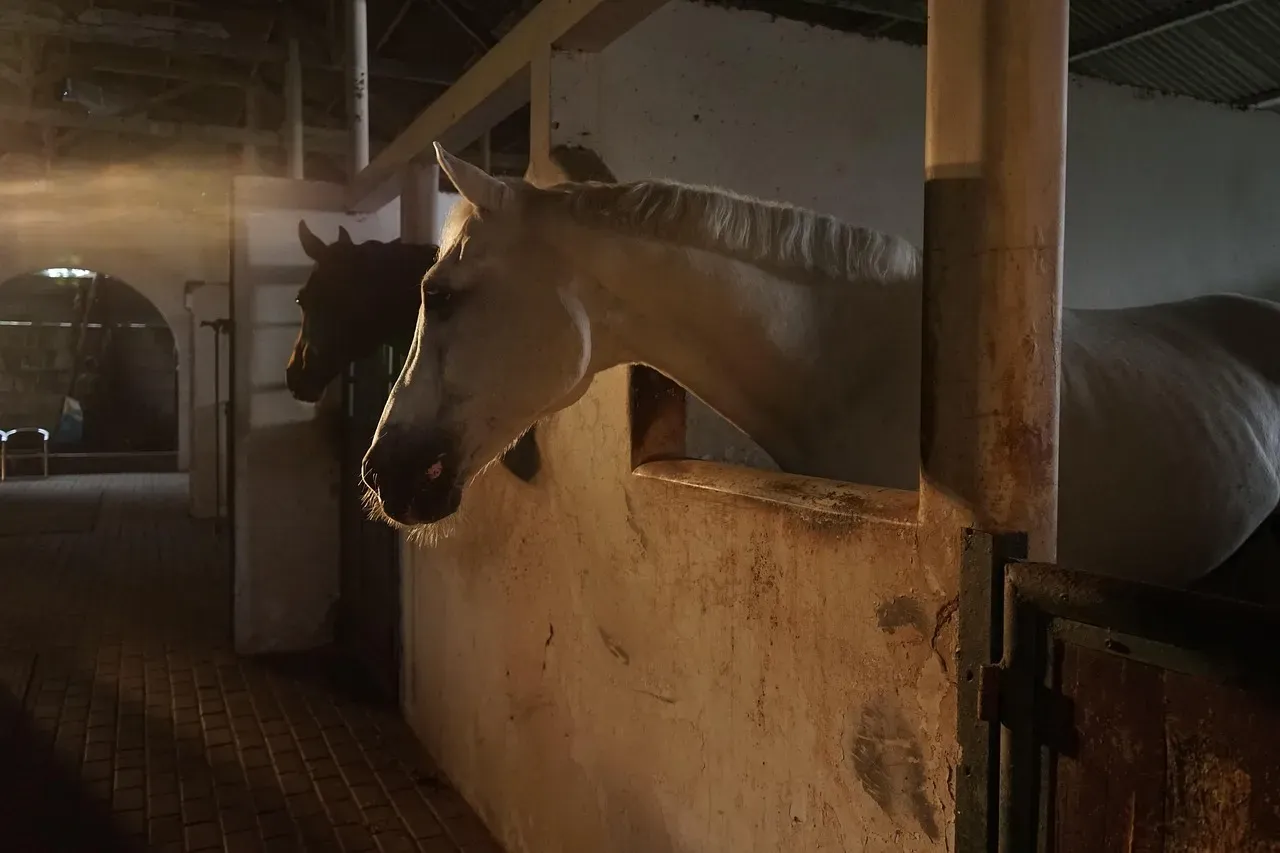
The very first move tells instructors almost everything. Most newcomers stride straight toward the horse like they’re greeting an old friend – no pause, no check, no awareness of what the animal’s ears or tail are doing. Instructors watch from the doorway, noting whether the person hesitates long enough to actually read the room. That split-second of observation isn’t timidity. It’s intelligence.
The biggest red flag isn’t aggression – it’s obliviousness. Someone who walks straight to the hindquarters without announcing themselves, who ignores pinned ears or a swishing tail in favor of getting the perfect phone angle, is broadcasting one clear message: they see the horse as a prop. The new owners who linger just outside the stall, wait for an invitation, and let the horse come forward first? Instructors quietly exhale. Those people already understand that respect comes before bonding. That single habit predicts more about long-term success than any amount of prior riding experience.
At a Glance: What Instructors Watch For at the Stall Door
- Pause before entering – does the person stop to read the horse’s body language first?
- Ear and tail awareness – pinned ears and a swishing tail are warning signs; ignoring them is a red flag
- Approach angle – walking toward the hindquarters without warning is one of the most common and dangerous rookie mistakes
- Phone vs. presence – reaching for a camera before making contact signals the horse is a backdrop, not a partner
- Allowing the horse to come forward – the owners who wait for an invitation earn instant, quiet instructor respect
#2 – The Questions They Ask Before Touching Anything
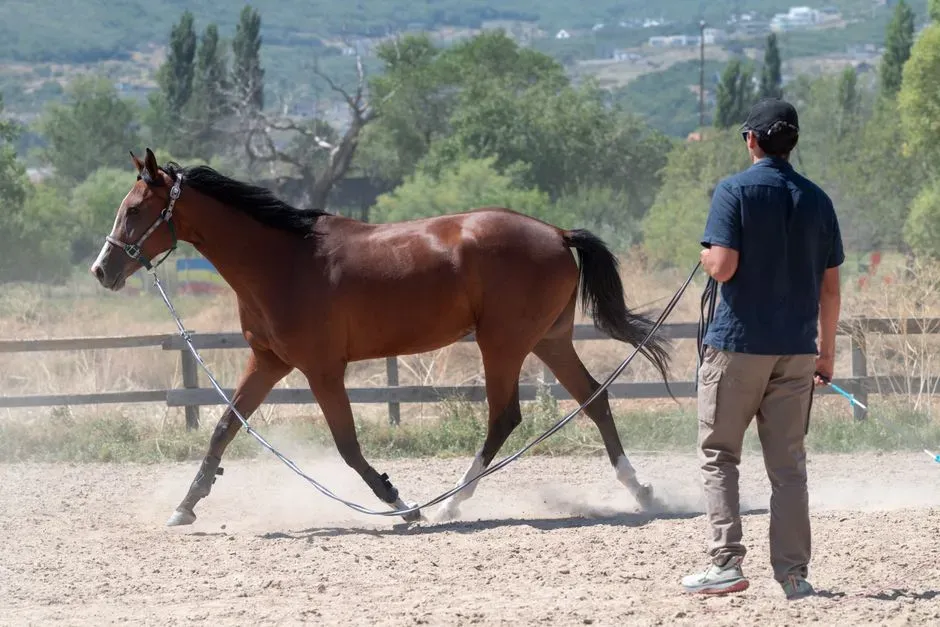
Before the first hand reaches out to stroke a nose, instructors are listening hard. Some new owners lead with “How fast can we canter?” Others ask about the horse’s feeding schedule, old injuries, or what the animal finds comforting. The difference between those two types of questions is the difference between someone who wants a thrill and someone who wants a horse. Instructors know which one is standing in front of them within thirty seconds.
The most revealing moment, though, is when someone skips safety questions entirely. No ask about emergency protocols, no curiosity about what spooks this particular horse, nothing about what to do if things go sideways. Instructors have watched those exact people freeze during a spook – wide-eyed and locked up – because nothing in their mental preparation accounted for reality. The ones who ask the horse’s name first, want to know its history, and treat the animal like a living creature with preferences rather than a piece of equipment? They build trust faster than anyone else in the barn.
#3 – Their Choice of Footwear and Practical Clothing
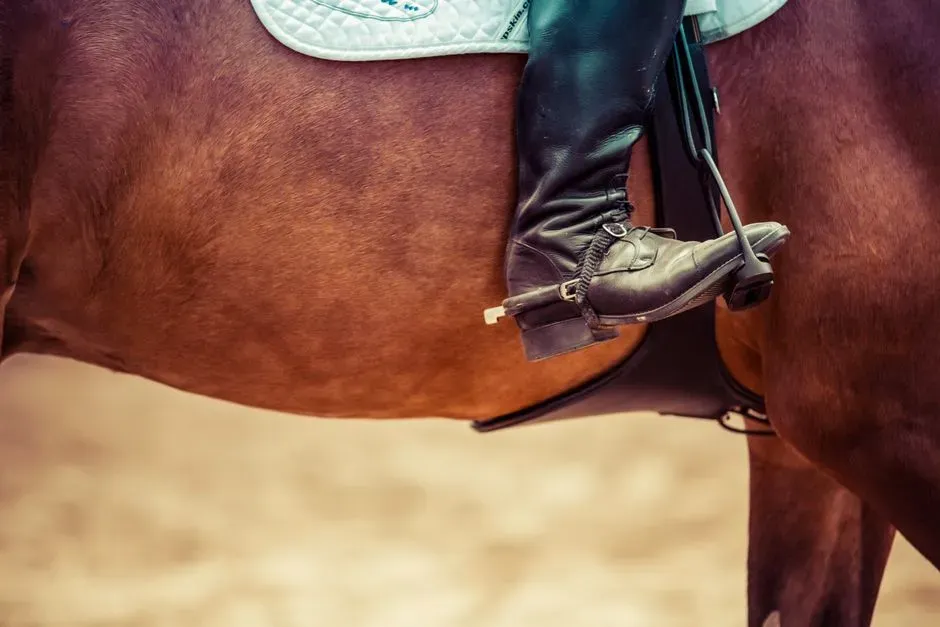
Sneakers. Sandals. Flowy pants that could catch on a stirrup. New owners show up in all of it, and instructors spot the problem before the car door even closes. This isn’t snobbery about gear – it’s a direct read on whether someone did even five minutes of basic research before arriving. Boots with a heel exist for a reason. So do close-fitting pants and the absence of dangling jewelry. A horse stepping on a sneakered foot at full weight is not a small inconvenience.
The real tell isn’t just the footwear itself – it’s the reaction when the instructor mentions it. Some new owners take the note immediately, apologize, and ask what to buy before the next session. Others argue that they’ve “been around horses before” or that their current shoes “should be fine.” That second reaction is a preview of every safety conversation that’s coming. The ones who show up in sturdy, practical clothing on day one have already demonstrated the one trait instructors prize above natural talent: they actually did their homework.
Fast Facts: The Right Riding Boot
- Heel height: A riding boot should have a 1 to 1.5-inch heel to stop the foot from sliding through the stirrup
- Sole: Smooth or low-tread soles are safer – heavy tread can jam in a stirrup during a fall
- Ankle coverage: Boots should cover the ankle for stirrup protection and support
- What to avoid: Sandals, open-toed shoes, flat sneakers, and high-tread hiking boots are all prohibited at most barns
- Entry cost: Basic riding-safe boots start around $100 – a small investment against a very preventable injury
#4 – How They Hold the Lead Rope
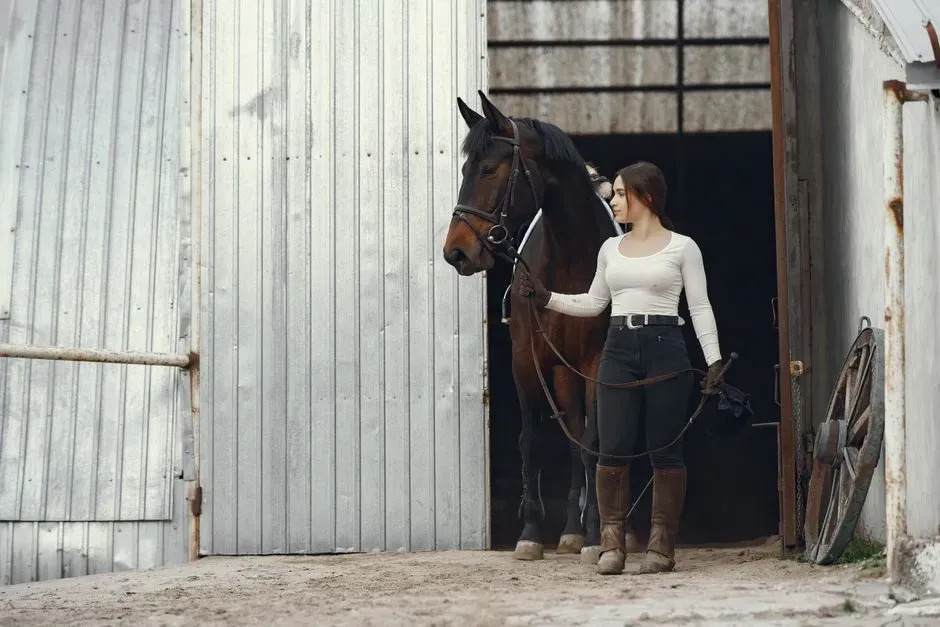
Watch the grip and you’ve learned something important. Some new owners strangle the rope two inches from the halter, knuckles white, like sheer force of will can control an animal that outweighs them by a thousand pounds. Others let the rope go completely slack while they check their phone, apparently under the impression that the horse has agreed to wait patiently. Instructors see both of these every single week, and both of them are problems with the same root cause: a misunderstanding of how partnership actually works.
Correct lead rope handling is light, deliberate contact – no loops around the hand, no dragging on the ground, body positioned at the horse’s shoulder rather than out front or behind. It sounds simple. It’s actually a physical expression of how someone understands their role. The new owners who naturally find that middle ground, who hold the rope with quiet confidence rather than fear or carelessness, are the ones who progress through groundwork quickly. Those who have to be corrected three times on the same grip are often still struggling with it in month two.
#5 – Their Reaction to Basic Barn Smells and Mess
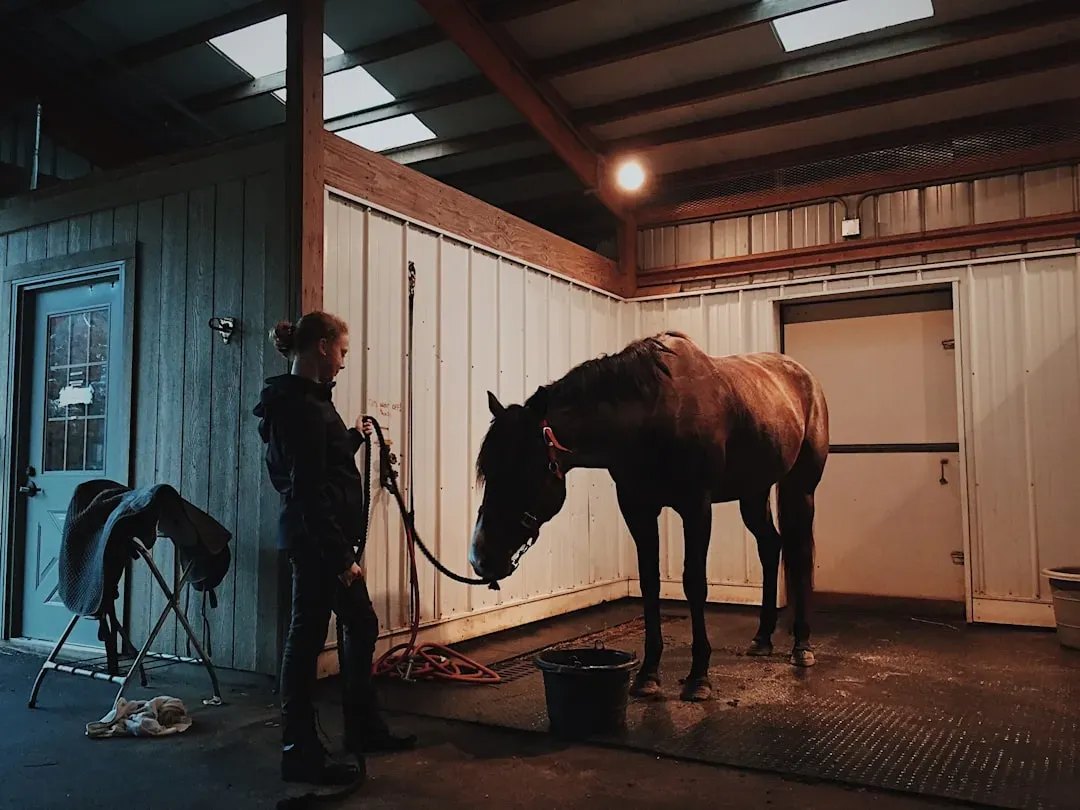
Manure, urine-soaked bedding, hay dust, and the particular warm animal smell that saturates every barn – new owners hit that wall the second they walk through the door. Most instructors don’t say a word. They just watch. Some people wrinkle their nose hard, step delicately around every pile, and make a small performance out of tolerating the environment. Others walk straight through it and ask where the wheelbarrow is. That second group earns quiet, immediate respect.
The cold truth is that horses are fundamentally messy, and the romantic version of horse ownership – the one that lives on Instagram and in old movies – edits out roughly seventy percent of the actual experience. Instructors have watched enough bright-eyed newcomers bail after two months to know that the disgust reaction is a real predictor of long-term commitment. It’s not about being tough or proving something. It’s about whether the reality of caring for a living animal excites you or quietly horrifies you. Horses know the difference too, in their own way.
#6 – Eye Contact and Body Posture Around the Animal
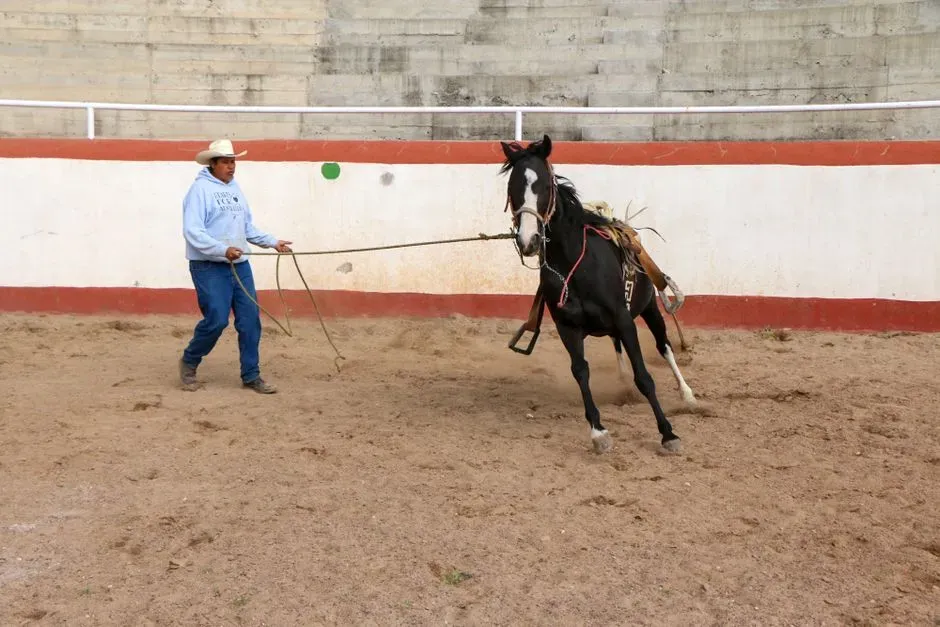
Horses are reading you constantly, and experienced instructors know exactly what the horse is seeing. New owners who lock intense eye contact on the animal trigger a subtle challenge response – horses read a hard stare as confrontation, not connection. On the other end, someone who won’t look at the horse at all, who keeps their gaze down and their shoulders hunched, broadcasts fear in a language horses are fluent in. Neither posture sets up a good first meeting.
The owners who get it right have soft eyes, relaxed shoulders, and a calm stillness that communicates “I’m here, I’m not a threat, and I’m paying attention.” Some people arrive with that quality naturally. Others develop it over months. Instructors notice both, but they especially notice the ones who are rigid and tense in their bodies while insisting verbally that they’re “fine” – because the horse already knows they’re not, and the lesson will reflect that within minutes.
Horses are incredibly sensitive to the emotional state of the people around them. They mirror what you bring into that barn.
Temple Grandin, animal behavior expert
#7 – Claims About “Previous Experience” That Don’t Add Up
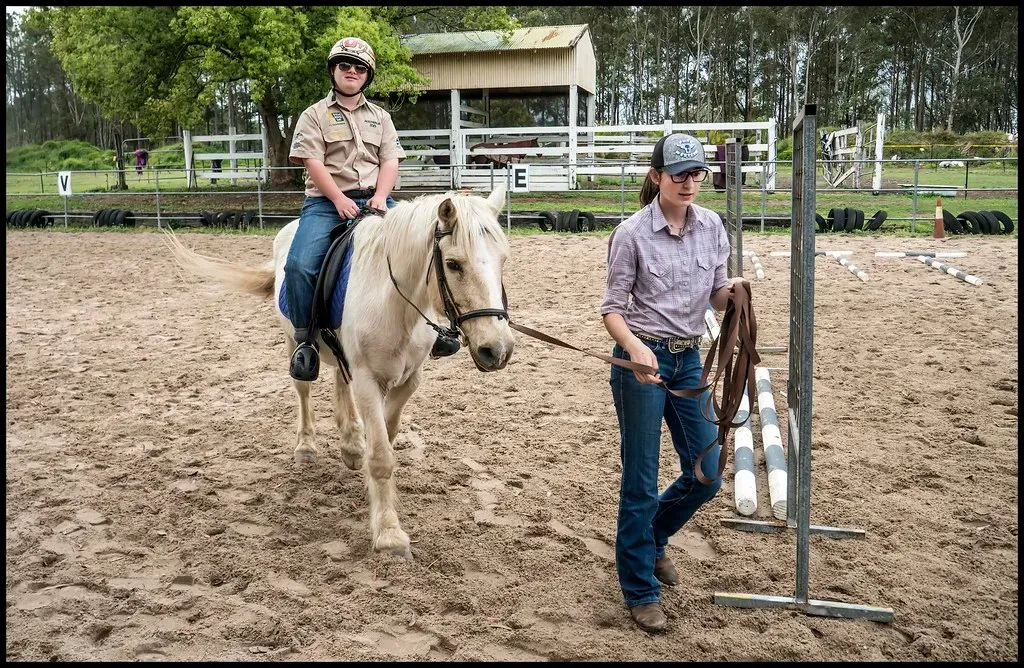
Almost every new owner has “ridden before.” At a birthday party. On a trail ride in Costa Rica. At their cousin’s farm one summer fifteen years ago. Instructors hear the variations constantly and have developed a gentle but reliable way of stress-testing these claims: they ask follow-up questions. Real riding experience comes with details – a specific breed, a discipline, a barn name, at least one story about something going wrong. Vague answers and sudden topic shifts tell the instructor everything they need to know.
The frustrating part, from an instructor’s perspective, isn’t the lack of experience – it’s the cover-up. A complete beginner who says “I’ve never really done this properly, I want to start from scratch” gets tailored, patient instruction from day one. Someone who overstates their background gets assumed competencies that create real safety gaps. Instructors have watched “experienced” riders freeze at a basic tack question or mount from the wrong side without blinking. Honesty isn’t embarrassing in a barn. Overconfidence is dangerous.
Quick Compare: What Honesty vs. Overconfidence Looks Like
- Honest beginner: “I’ve only done one trail ride – can we start from the ground up?” → Gets a customized, safe lesson plan from day one
- Overstater: Claims trail experience but can’t identify the girth or explain which side to mount from → Creates immediate safety gaps the instructor must quietly manage
- Honest intermediate: “I rode Western as a kid but it’s been ten years” → Instructor knows exactly where to re-start and what muscle memory to rebuild
- Overstater (advanced version): Corrects the instructor mid-safety briefing based on a YouTube video → A genuine challenge to keep safe around a 1,200-pound animal
#8 – Interest in the Horse’s Background and Care Routine
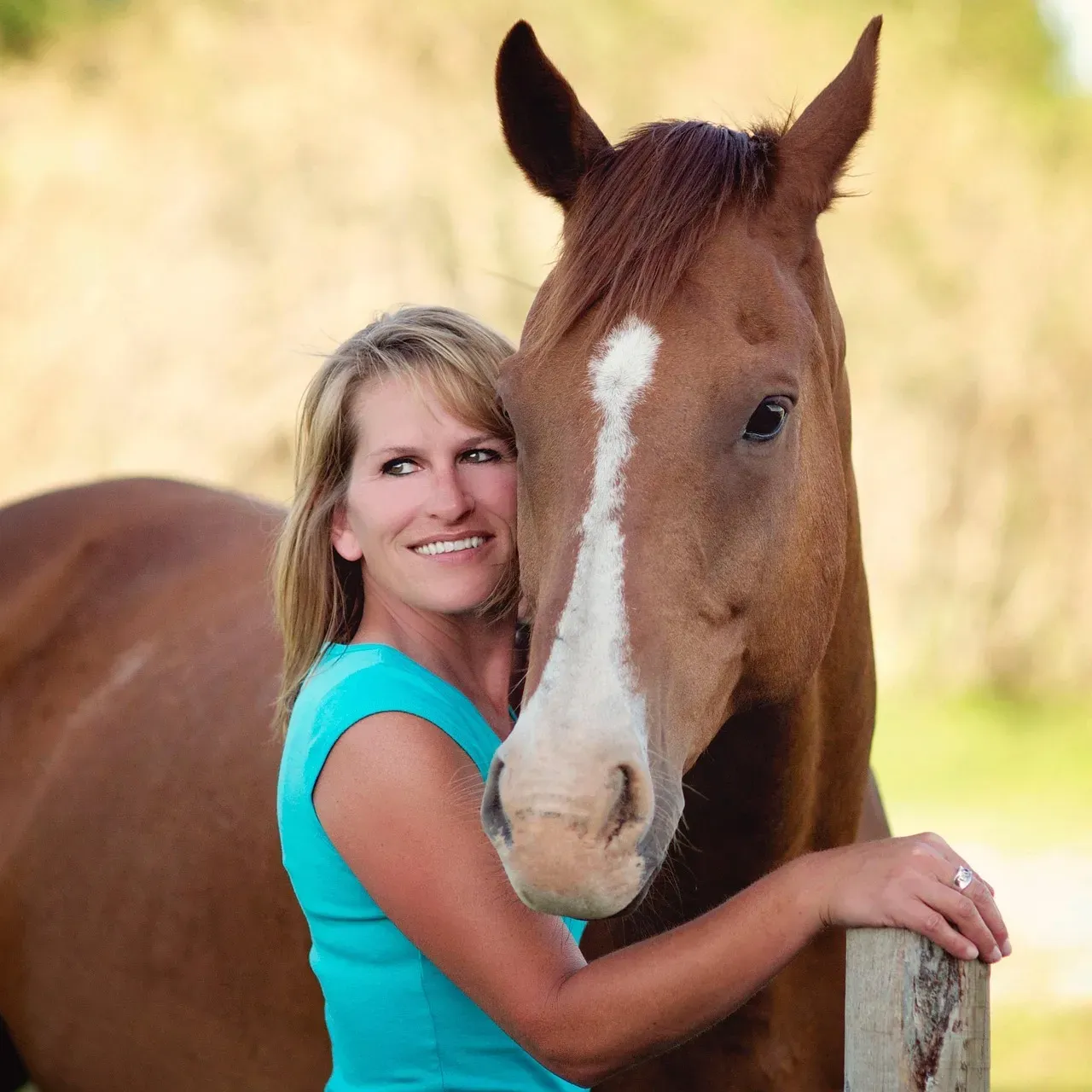
Does the person ask about the horse’s age, diet, or turnout schedule before they ever ask about riding time? Instructors track this carefully. The new owners who want to know why this particular horse was matched with them, what it dislikes, whether it has any old injuries that affect how it moves – those people are already thinking like horse owners rather than horse riders. It’s a distinction that matters more than most beginners realize.
Riding is roughly twenty percent of owning a horse. The other eighty percent is the feeding, the vet calls, the farrier appointments, the late nights when something seems off and you don’t know why. New owners who are laser-focused on saddle time from minute one often hit a wall when the full reality of equine care lands on them. The ones who ask about the care routine first have already begun mentally preparing for that reality – and instructors quietly note them as the ones most likely to still be around in a year.
#9 – Phone Usage During the Initial Meeting
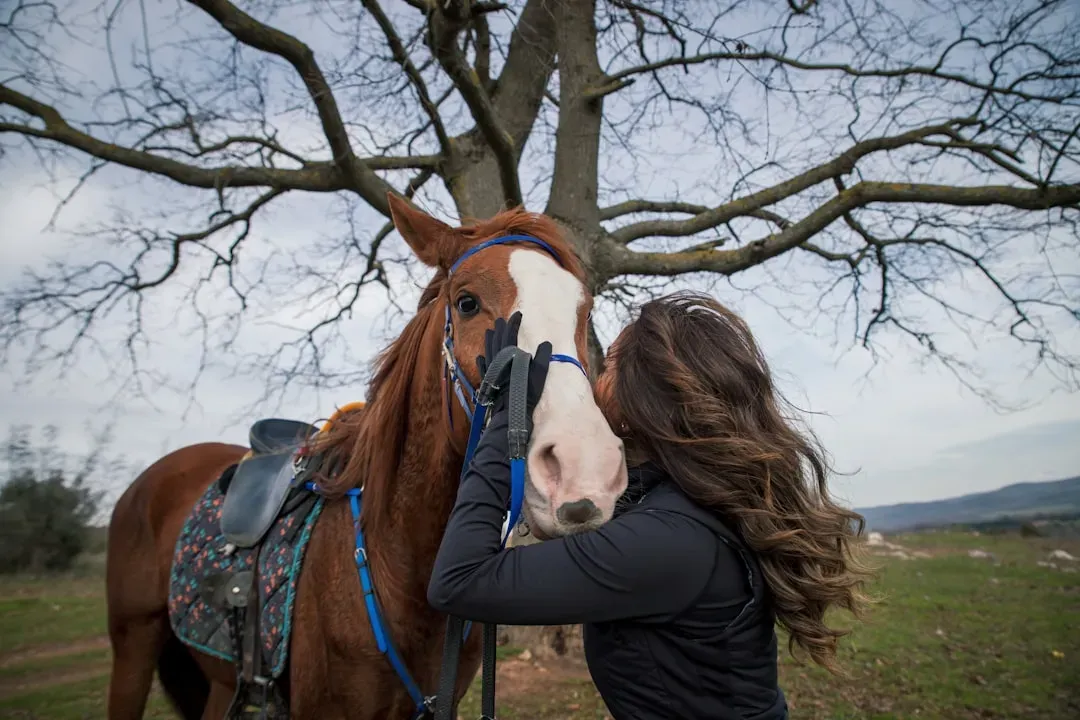
A glance at a notification is human. Constant filming, scrolling between conversations, or holding a phone up to capture every moment of the first meeting is something else entirely. Instructors have watched horses grow visibly unsettled by owners who are physically present but mentally somewhere else, and they’ve stopped lessons cold because a distracted handler missed the first three warnings a horse was giving before it acted out. The phone is almost always what’s competing for that attention.
The owners who pocket their devices and stay present – who maintain that unbroken focus on the animal in front of them – pick up subtle cues that the scrollers simply never see. A flick of an ear. A shift of weight. A slight change in breathing. These signals matter, and learning to read them is the foundation of safe horsemanship. Instructors don’t usually say anything about the phone on day one. They don’t have to. The horse will make the point for them eventually.
#10 – Willingness to Listen Versus Talking Over Instructions
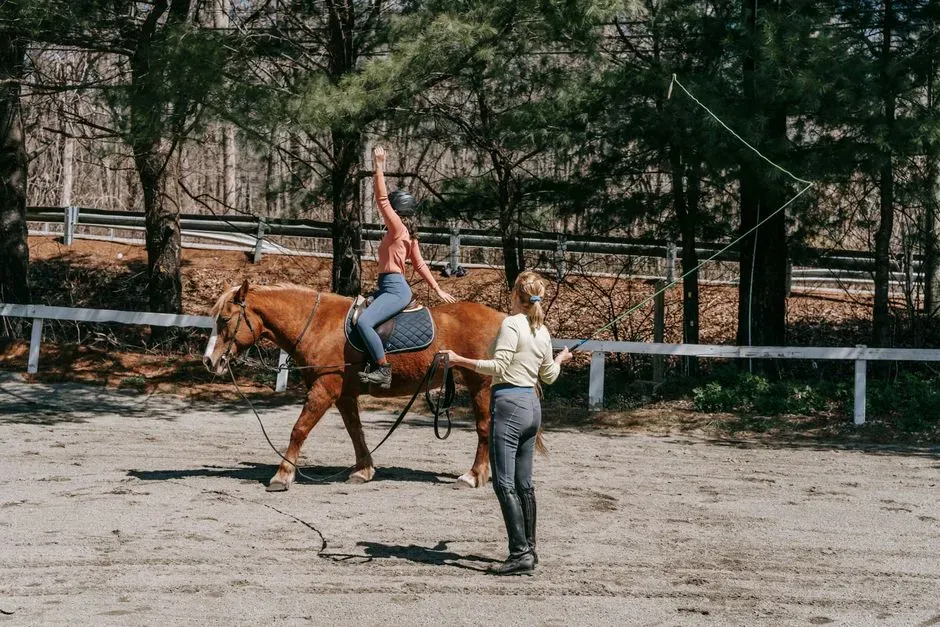
Some new owners come in with a running commentary already prepared. They’ve watched YouTube videos, read a blog or two, and have opinions about how things should be done before they’ve spent ten minutes in the barn. Instructors recognize this type immediately – not because enthusiasm is bad, but because the over-talkers tend to argue mid-instruction, interrupt safety briefings to share what “worked at my cousin’s farm,” and then wonder why their horse is confused by mixed signals.
The quiet absorbers are the ones who make the fastest real progress. They ask clarifying questions at the right moment, take corrections without getting defensive, and treat the instructor as someone with hard-won knowledge rather than an obstacle between them and cantering. Horses require clear, consistent cues, and those cues have to be learned with enough humility to admit you don’t already know them. The new owners who come in empty and ready to fill up are genuinely a pleasure to teach. The ones who come in full are a challenge to keep safe.
Worth Knowing: Signs You’re Actually Ready to Learn
- You ask “why” after a correction, not to argue – but to understand the horse’s perspective
- You stay quiet during safety briefings and take notes mentally (or literally)
- You treat each session as groundwork-first, saddle-second
- You’re more curious about what the horse is feeling than how fast you can progress
#11 – Budget Mentions or Sticker Shock Reactions
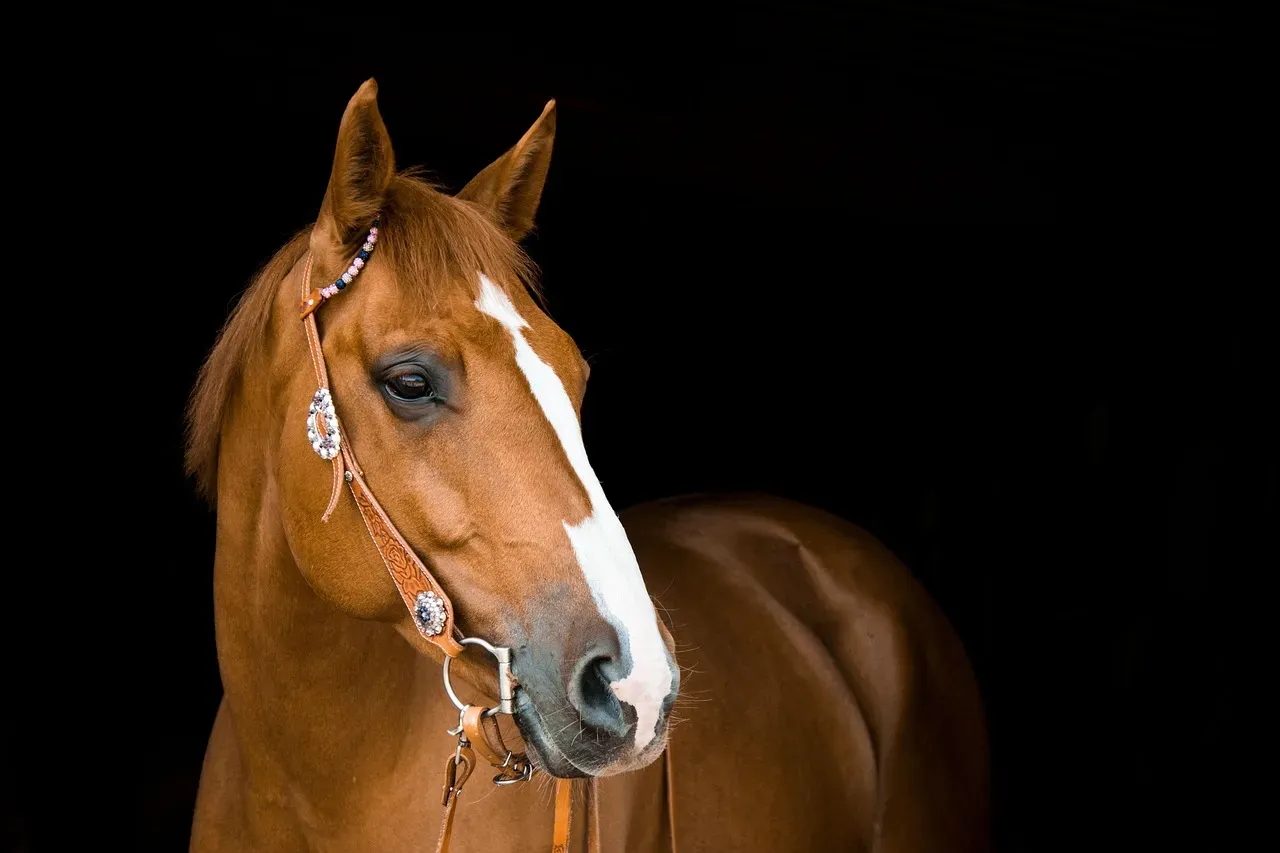
When the cost of basic tack, boarding, or routine vet care comes up early and a new owner’s face does something complicated – a flinch, a tightening around the eyes, a quick pivot to “well, maybe I can get away with less” – instructors take a private note. It’s not about judging anyone’s financial situation. It’s about the reality of what’s coming. Horses are one of the most expensive hobbies a person can choose, and the costs arrive constantly, often without warning, and rarely at a convenient time.
The owners who ask about payment plans matter-of-factly, who want to understand the full financial picture from the start rather than being surprised by it piece by piece, are the ones who plan properly and stick around. The ones who seem to believe that the right deal or the right workaround will make horse ownership affordable in ways it simply isn’t – those are the ones instructors quietly worry about. Not for their own sake, but for the horse’s. Underfunded horse ownership doesn’t end well for anyone in the barn.
Fast Facts: The Real Cost of Horse Ownership (U.S.)
- Annual total (full-care board): $8,000–$14,000 for most U.S. regions; $20,000+ in high-cost coastal areas
- Home-kept horse: $3,500–$7,500 per year – but assumes no major emergencies and no new facility investment
- Farrier visits: Every 6–8 weeks at $50–$250 per visit, adding $600–$1,200+ annually
- Routine vet care: Vaccinations, dental floating, and a Coggins test typically run $250–$600 per year – before any emergencies
- Emergency fund: Experts recommend setting aside an extra 15–20% of your annual budget; a single colic surgery can cost $5,000–$10,000
- The underestimation gap: Many new owners underestimate annual costs by 3 to 4 times before their first full year is up
#12 – Emotional Attachment or Visible Fear Levels
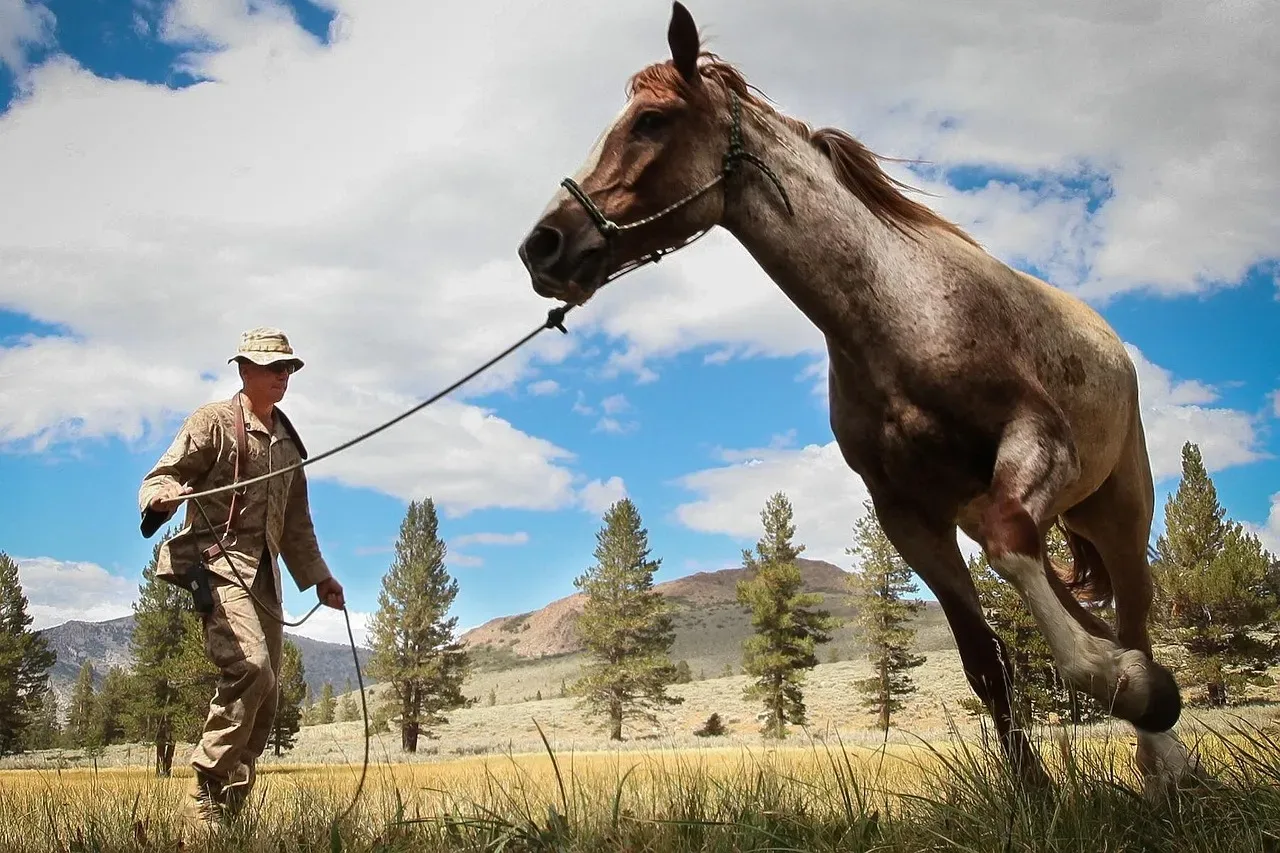
Pure excitement and visible fear are both manageable starting points. What instructors watch for is the combination of unacknowledged fear and overperformed confidence – the new owner who is clearly anxious but refuses to admit it, whose every movement around the horse is tightly controlled and performative. Horses detect that tension instantly and respond to it. A horse that senses concealed fear in its handler doesn’t relax. It escalates, because something in the environment is telling it to.
The new owners who handle fear the best are the ones who name it out loud. “I’m nervous, but I want to do this.” That admission changes the entire dynamic. The instructor can adjust the session, the horse gets a handler whose signals are at least consistent with their internal state, and the lesson moves forward from an honest baseline. Overenthusiasm has its own version of the same problem – the owner so in love with the idea of the horse that they dismiss real warning signs as the animal being “playful.” Both extremes require careful management, and instructors spot both within the first few minutes.
#13 – Knowledge of Basic Commands or Lack Thereof
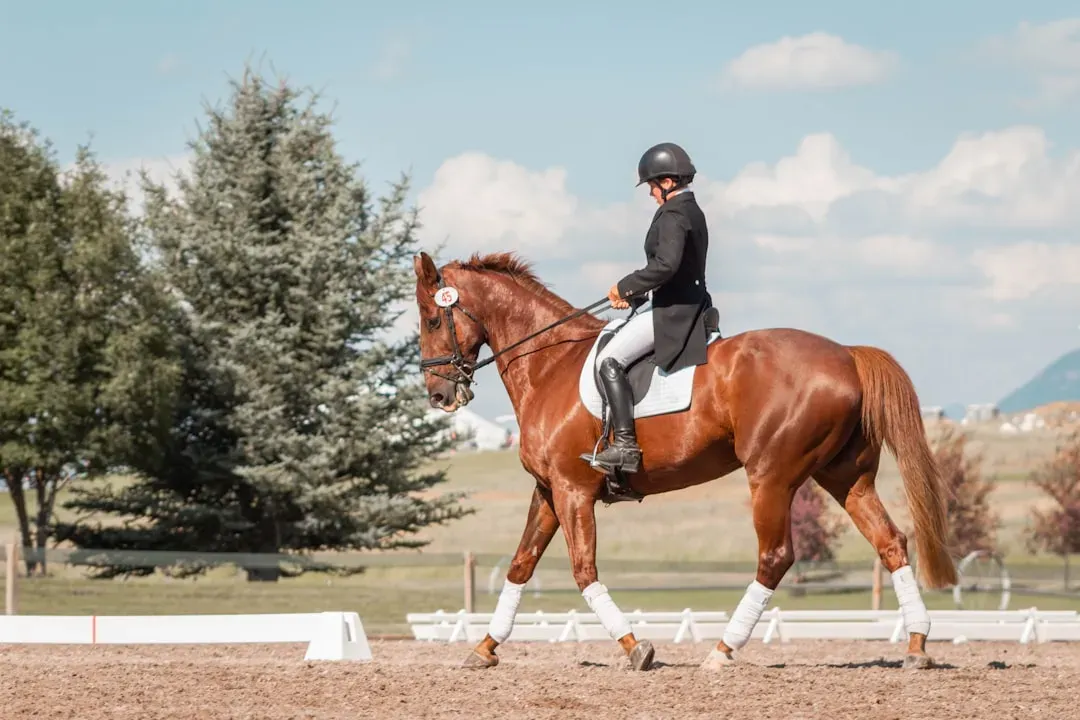
Dropping a casual “whoa” or “walk on” without being prompted signals prior exposure to horses, even if the experience was limited. Blank stares when basic terms come up signal a complete beginner. Neither is a problem in itself – instructors adjust their approach based on that baseline. The issue is when someone clearly doesn’t know the basics but pretends otherwise, using commands incorrectly or confidently misidentifying parts of the horse’s tack. That gap between assumed and actual knowledge is where accidents happen.
Every barn also has its own slight variations – specific voice tones, hand signals, positional cues that differ from the last place you rode. The new owners who acknowledge this, who ask “how does this horse learn that cue?” rather than assuming what worked elsewhere transfers automatically, adapt quickly. The ones who assume commands are universal and refuse to be corrected create miscommunication between themselves and a 1,200-pound animal that communicates primarily through reaction. Instructors have a phrase for that situation, and it usually involves the word “again.”
#14 – Overall Energy and Respect for the Barn Environment
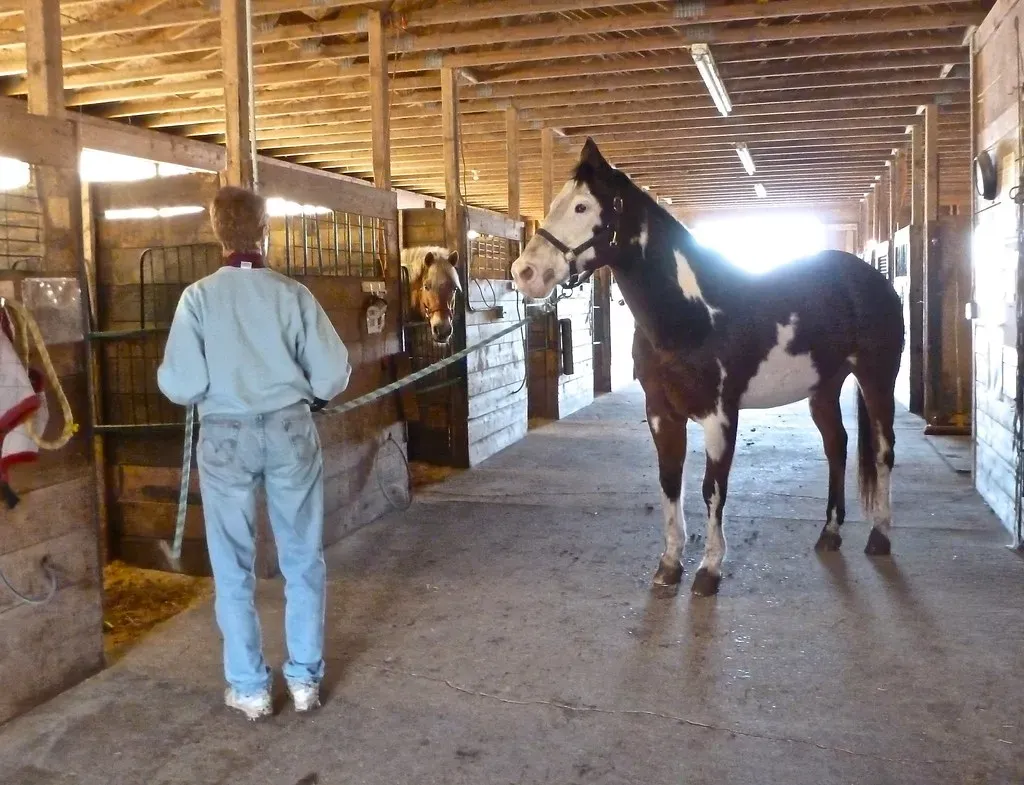
This last one sounds simple, but it’s the one that confirms everything. Does the person close the gate behind them without being asked? Do they lower their voice when they walk into the barn? Do they thank the staff, step around the horse rather than under it, and treat the facility like a place that operates by rules they’d like to understand? Or do they move through the space like it’s a petting zoo – loud, grabby, and slightly irritated when the experience doesn’t match their expectations?
Instructors have seen hundreds of new owners cycle through, and the ones who last, the ones who genuinely build something with their horses, almost always show up with that quiet, observant respect already in place. It doesn’t require experience. It doesn’t require money or the right clothes or the perfect riding background. It just requires treating a barn like a living environment rather than a backdrop. The ones who get that on day one rarely need to be told twice about anything else. The horse usually takes care of the rest of the teaching.
Why It Stands Out: The Habits That Predict Long-Term Success
- Closing gates and stall doors without being reminded – a sign of spatial awareness that transfers directly to safety
- Lowering voice and slowing movement inside the barn – horses are prey animals; calm energy is a skill, not a personality trait
- Thanking barn staff unprompted – instructors and grooms notice this every single time
- Watching other horses in the space, not just their own – awareness of the full environment is what prevents preventable accidents
- Asking “what are the barn rules?” before doing anything – the people who ask this question almost never have to be corrected on them
The Honest Truth Nobody Tells New Horse Owners
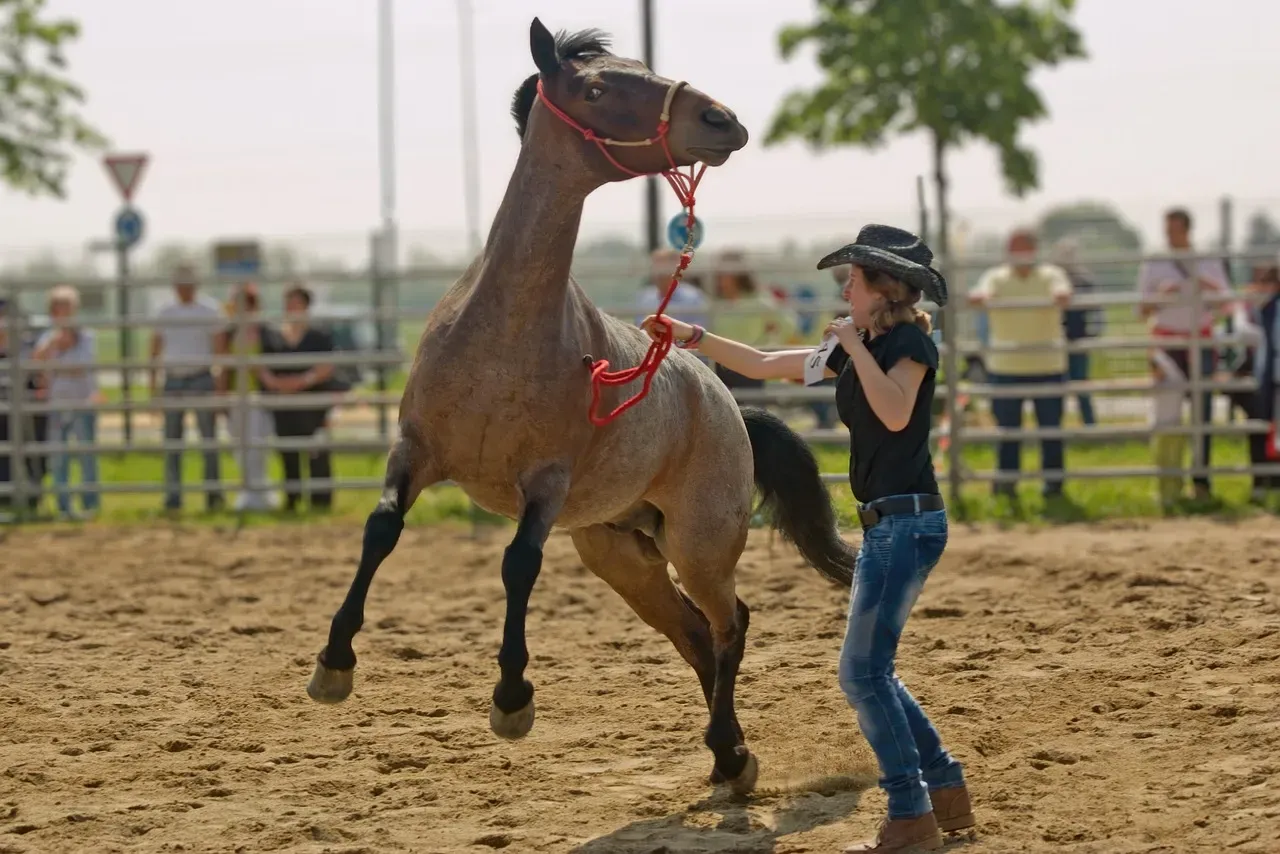
Here’s the part that doesn’t make it into the glossy beginner guides: instructors aren’t quietly judging new owners to be unkind. They’re doing it because horses can’t advocate for themselves out loud, and someone in the barn has to hold the line between a beautiful partnership and a preventable accident. Every observation on this list – the grip, the questions, the footwear, the phone – exists because experience has shown, sometimes painfully, that these small things predict big outcomes.
The most encouraging part? Almost none of this is fixed. The new owner who barged into the stall on day one and got a sharp look from a horse – that person can learn to pause. The one who talked over the safety briefing – they can learn to listen. The ones who quit are usually not the ones who started badly. They’re the ones who decided the gap between their fantasy and the reality of horse ownership wasn’t worth closing. The ones who stay – who show up week after week, covered in hay dust, slightly humbled, still asking questions – those are the ones the instructors were rooting for from the very first minute.
