

Picture this. You walk through the door after a long day, your mind still replaying a tense meeting. Your expression stays composed, yet your dog pads over with a gentle nudge or lingers close in a way that feels unusually attentive. Many owners notice these moments and wonder what their pet picked up on first.
Recent neuroscience offers clues that go beyond simple observation. Dogs appear tuned to chemical and vocal signals that can register before we consciously label our own feelings. This capacity adds another layer to the long shared history between people and their canine companions.
The Hidden Reach of a Dog’s Sense of Smell

Dogs possess an olfactory system far more sensitive than ours, with hundreds of millions more scent receptors packed into their noses. This hardware lets them pick up on faint chemical traces released during emotional shifts. Sweat samples from stressed humans contain elevated cortisol levels that dogs can distinguish reliably.
One 2024 study from the University of Bristol demonstrated this clearly. Dogs exposed only to the odor of stressed people made more pessimistic choices in decision tasks compared with those smelling relaxed scents. The effect occurred without any visual or sound cues, highlighting how smell alone can influence their outlook.
Chemical Signals That Reveal Hidden Stress

Our bodies release hormones and other compounds when emotions rise, even if we keep a straight face. Cortisol spikes during stress create a distinct scent profile that lingers in the air or on skin. Dogs appear wired to detect these changes quickly through specialized nasal structures.
Research shows this detection can trigger emotional responses in the dogs themselves. They sometimes mirror the mood through what scientists call emotional contagion. The result is a quiet alert system that operates ahead of our own awareness in many cases.
Brain Scans Show Overlapping Emotional Pathways

Functional imaging studies reveal that dogs process human voices and tones in brain regions similar to those humans use for the same task. Emotional sounds activate areas tied to reward and feeling in canine brains. This overlap suggests a shared mechanism for reading affective states.
Additional scans indicate dogs respond to familiar human faces with activity in emotional centers. The pattern holds even with strangers in some experiments. Such neural responses point to an ability that integrates multiple senses rather than relying on one alone.
Everyday Behaviors That Hint at Early Detection

Owners often report dogs approaching during quiet moments of rising tension or offering comfort before words are spoken. These actions align with controlled observations where dogs alter their approach based on subtle human cues. The timing frequently precedes any outward human acknowledgment of the feeling.
Experiments with facial expressions further support this pattern. Dogs distinguish happy from angry faces across different people and adjust their behavior accordingly. The consistency across studies suggests the skill is robust rather than limited to specific situations.
Evolutionary Roots of This Sensitivity
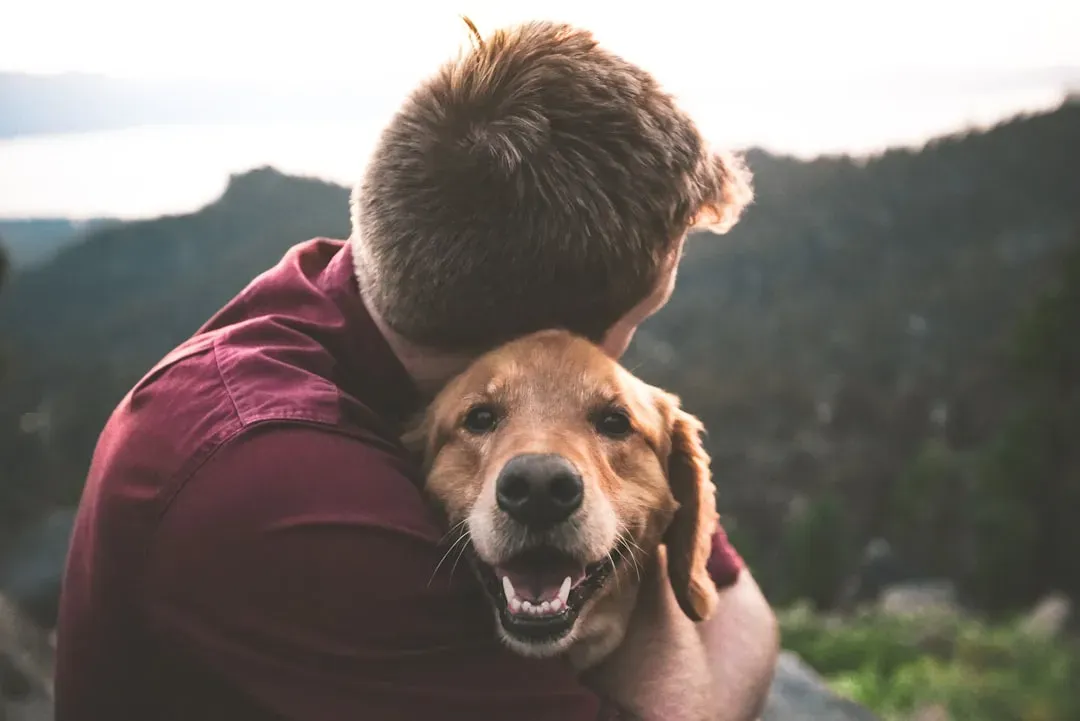
Thousands of years of living alongside humans likely shaped dogs to notice social signals that aid group survival. Detecting stress in a companion could have helped both species respond to threats faster. This co-evolution produced animals attuned to our internal states in ways few other species match.
Modern research continues to map how domestication refined these traits. Wolves show some related abilities, yet dogs excel at reading human-specific cues. The difference underscores how close partnership refined an already useful skill into something remarkably precise.
Putting These Insights Into Daily Practice

Recognizing a dog’s early signals can improve mutual well-being. When a pet lingers or seeks contact during uncertain times, it may reflect an accurate read of the room. Owners who stay open to these cues often find smoother interactions and stronger trust.
Simple habits like noting patterns in behavior during known stressors help build awareness. Over time this attention strengthens the bond without requiring special training. The payoff appears in calmer households where both sides feel understood sooner.
A Closer Look at What Shared Emotions Mean

The evidence paints dogs as active participants in our emotional lives rather than passive observers. Their responses to stress odors and vocal tones demonstrate a form of sensitivity that neuroscience continues to unpack. This capacity enriches daily life in quiet, consistent ways.
Ultimately the connection reminds us that awareness flows both directions. Paying attention to what our dogs notice can open small windows into our own states before they fully surface. In that quiet exchange lies one of the most enduring gifts of the human-dog relationship.

- 8 Reasons Cedar Waxwings Pass Berries From Beak to Beak - July 26, 2026
- 8 Backyard Trees That Owls Prefer After Sunset - July 26, 2026
- 9 Things Chickadees Remember About Reliable Backyard Feeders - July 26, 2026