
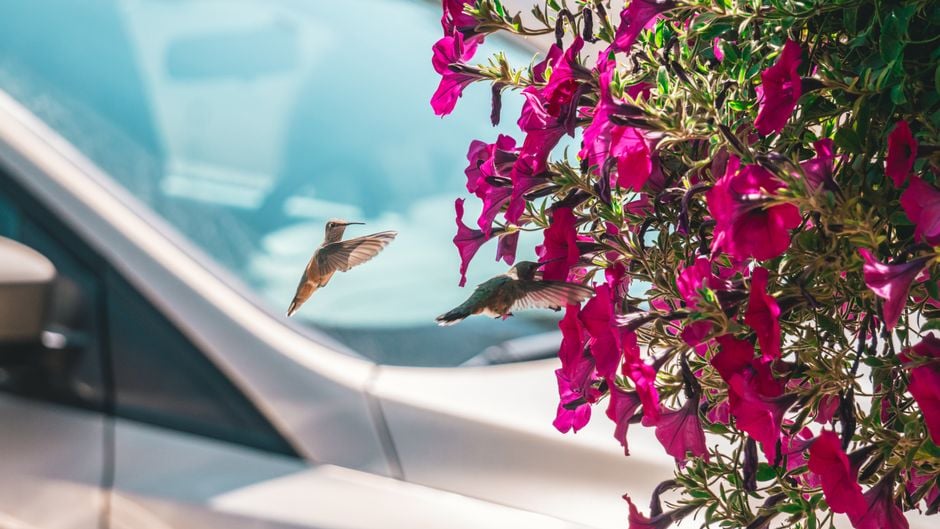
You’ve been watching the wrong month. Most gardeners pour their attention into May and June, convinced that’s when hummingbirds put on their best show. But August? August is when things get genuinely strange. This is when these thumb-sized birds shift into a mode that looks almost frantic – gorging, fighting, vanishing at night, shaking their heads faster than the human eye can track, and quietly memorizing your yard with a precision that should honestly be unsettling.
The behaviors below aren’t edge cases or rare sightings. They’re happening right now, in ordinary backyards, and most people walk right past them. A few of these will make you rethink everything you thought you knew about the birds at your feeder. The one at #1 especially tends to stop people cold.
#13 – They Return to Last Year’s Feeder Spots Before Exploring Anything New
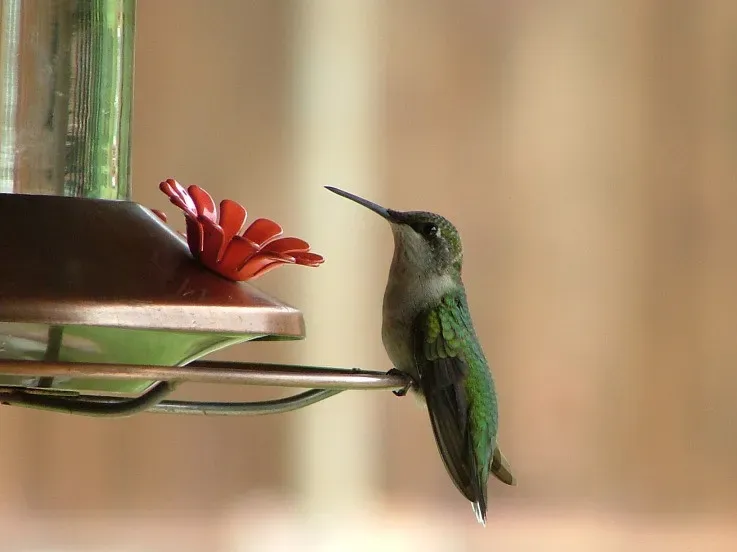
Most people assume hummingbirds stumble onto feeders by luck, scanning the landscape until something red catches their eye. The reality is far more deliberate. These birds carry a detailed spatial memory of every reliable nectar source from the previous season, and when they arrive in August, they check those exact locations first – sometimes before the feeder has even been refilled.
Gardeners who relocate feeders just a few feet often watch birds hover in midair, visibly confused, at the exact spot where the old one hung. They’ll investigate the empty space for several seconds before widening their search. That’s not instinct firing randomly. That’s a specific address stored in a tiny, extraordinary brain – and it means the habits you build this August are quietly being written into next year’s map right now.
Fast Facts
- Bird banding records show many hummingbirds pass through the same yards on the same calendar day, year after year.
- Returning males have been documented arriving at the precise coordinates of last year’s feeder within hours of returning from migration – not the general area, the exact spot.
- Moving a feeder even a few feet can cause a returning bird to mentally file your yard as unreliable and move on.
- Hummingbirds can remember not just feeder locations but the intervals at which feeders are refilled – essentially tracking your schedule.
- Their enlarged hippocampus compared to most bird species directly supports this exceptional long-term spatial recall.
#12 – Mothers Run Juveniles Through High-Speed Aerial Drills
Those chaotic chases tearing through your yard in August? Most gardeners write them off as territorial squabbles. Look closer and the pattern changes completely. What you’re often watching is a mother leading her juvenile through a structured training run – high-speed pivots, dive sequences, sudden stops – teaching the young bird how to defend a food source and navigate at full migration pace.
These family drills intensify as departure approaches, turning calm gardens into something resembling a flight school with no patience for slow learners. The juveniles mimic every move, and the sessions grow faster and more aggressive each week. Missing this dynamic means missing one of the most genuinely tender things August puts on display, disguised as chaos.
#11 – They Consume Roughly Twice Their Body Weight Daily During August Binges
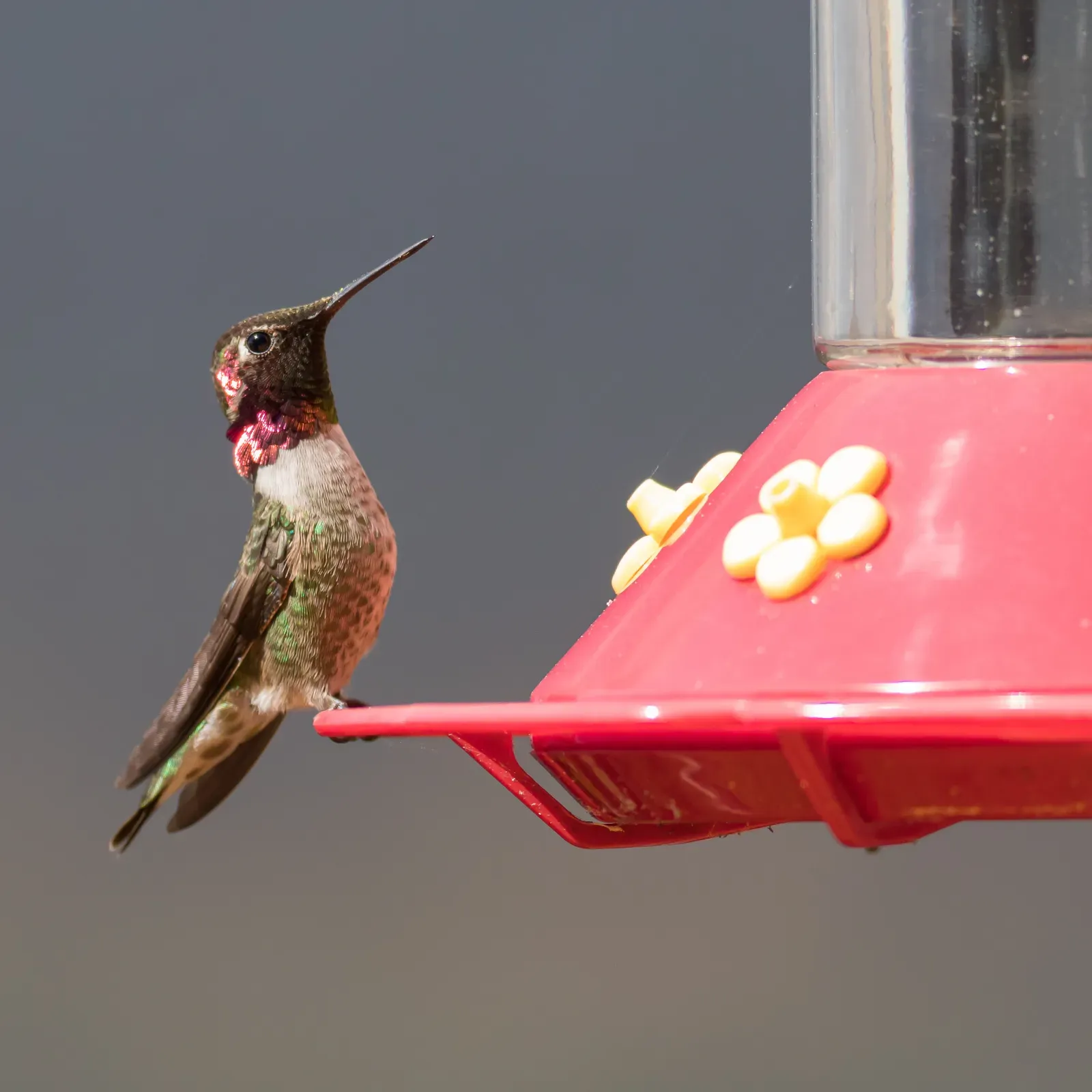
For most of the summer, hummingbirds eat steadily but not obsessively. August flips a metabolic switch. As migration pressure builds, they enter a phase called hyperphagia – a compulsive, almost desperate eating pattern where they visit feeders dozens of times per hour and target the highest-sugar sources available. The goal is to double their body weight in fat reserves before the journey south begins.
The detail most gardeners miss is the timing. These feeding frenzies cluster around dawn and the hour before dusk, when temperatures drop enough to reduce the energy cost of flying. Midday activity slows dramatically. If your feeder looks quiet at noon but gets hammered at 6 a.m., the birds are doing exactly what they’re supposed to do – and a clean, full feeder during those window hours is one of the most useful things a yard can offer right now.
At a Glance: The Hyperphagia Numbers
- A ruby-throated hummingbird typically weighs just 3 to 3.25 grams before its August binge begins.
- By migration time, it can reach over 6 grams – nearly double its starting weight, almost entirely in fat.
- Body weight can increase by 25 to 40 percent, with some birds gaining close to half that in just four days.
- That stored fat must fuel a non-stop Gulf crossing of roughly 500 miles – lasting 18 to 22 hours of continuous flight.
- Fat delivers more than twice the energy per gram compared to carbohydrates, making it the ideal migration fuel.
#10 – Males Vanish From Territories Weeks Before Anyone Expects Them To
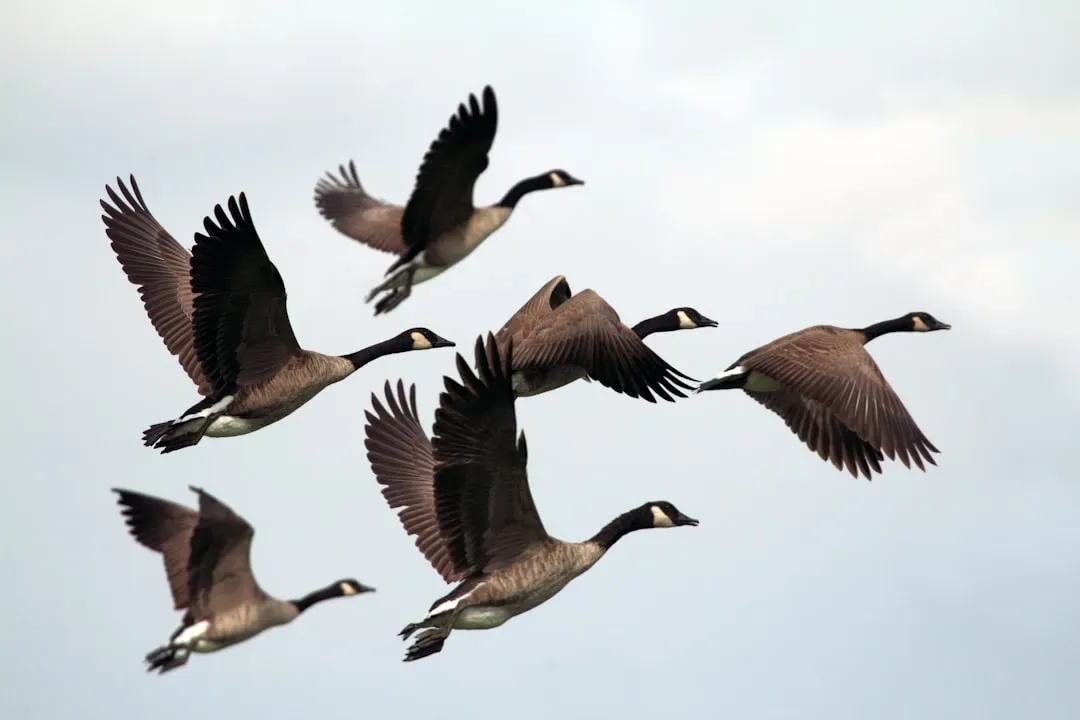
The flashy males that dominated your yard all summer don’t gradually fade out. They leave abruptly, often in late July or the first weeks of August, abandoning territories they defended fiercely just days before. The sudden quiet catches gardeners off guard every single year. One morning the aerial displays are everywhere; the next, the males are simply gone.
What fills the space is actually more interesting. Females and juveniles now have uncontested access to the best resources and become the dominant presence through late August and into September. The male’s early exit isn’t abandonment – it’s a calculated head start that secures better migration routes and early forage along the way. The yard doesn’t empty in August. It just changes cast.
#9 – They Drop Into Near-Hibernation Every Single Night
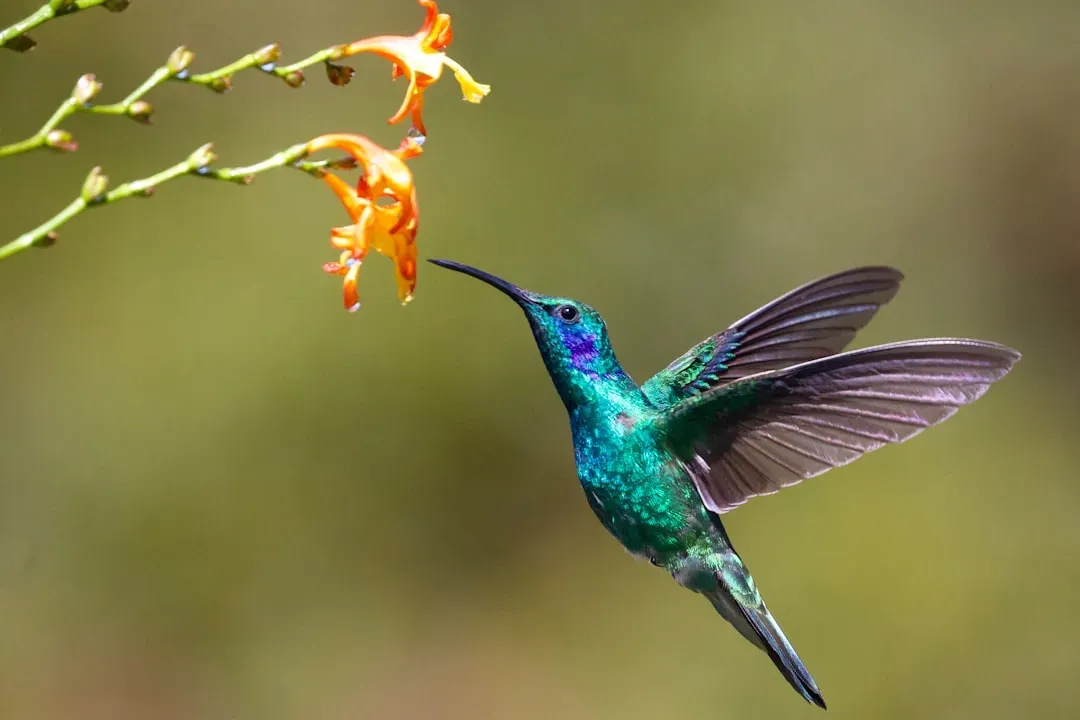
A hummingbird’s metabolism is so extreme that without intervention, it would burn through every calorie it consumed during the day just surviving an eight-hour night. The intervention is torpor – a state so deep it genuinely resembles death. Body temperature plummets. Breathing slows to almost nothing. Heart rate drops from over a thousand beats per minute to somewhere near fifty.
August intensifies this pattern as birds build fat reserves that need protecting overnight. A hummingbird found motionless and cold on a perch at dawn isn’t dying – it’s in the final stages of warming back up, a process that takes twenty minutes or more. Gardeners who know this watch for the slow, almost mechanical reboot each morning: the first wing flutter, the cautious head turn, then the sudden launch toward the feeder like nothing happened.
Worth Knowing: Torpor by the Numbers
- During torpor, a hummingbird’s body temperature can fall from around 104°F (40°C) to as low as 50°F (10°C) – a drop of nearly 50 degrees.
- Heart rate plummets from 1,000–1,200+ beats per minute in flight to just 50–180 bpm.
- Breathing rate drops from roughly 245 breaths per minute down to just 6 – some birds pause breathing entirely for up to five minutes.
- Metabolism slows by as much as 95 percent, meaning a torpid hummingbird uses roughly 50 times less energy than when awake.
- Most hummingbirds wake from torpor one to two hours before sunrise, triggered by tiny muscle vibrations that gradually rewarm the body.
#8 – They Shake Their Heads More Than 130 Times Per Second to Shed Rain
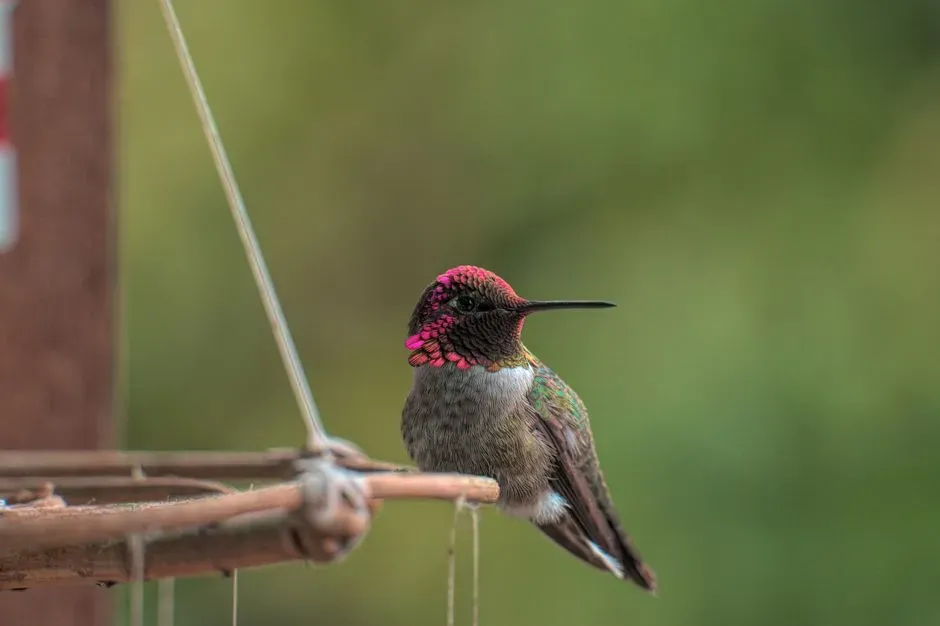
August storms create a real problem for a bird whose survival depends on aerodynamic precision. Wet feathers are heavier feathers, and heavier feathers can kill a migrating hummingbird’s momentum at the worst possible moment. Their solution is a head-shaking motion so fast it’s essentially invisible to the naked eye – the head rotates more than 200 degrees while the bird hovers, flinging water off before it can saturate the plumage.
What makes this more than a curiosity is the efficiency. The motion is timed to the millisecond, shedding maximum water with minimum energy loss, and the bird never needs to land to do it. Gardens with overhead cover – a tree canopy, a deep porch overhang – see noticeably more consistent visits during rain because birds can feed, shake, and continue without exposure to the full downpour. It’s a small detail that makes a real difference to them.
#7 – They Scout Multiple Feeders Rapidly to Outsmart Territorial Bullies
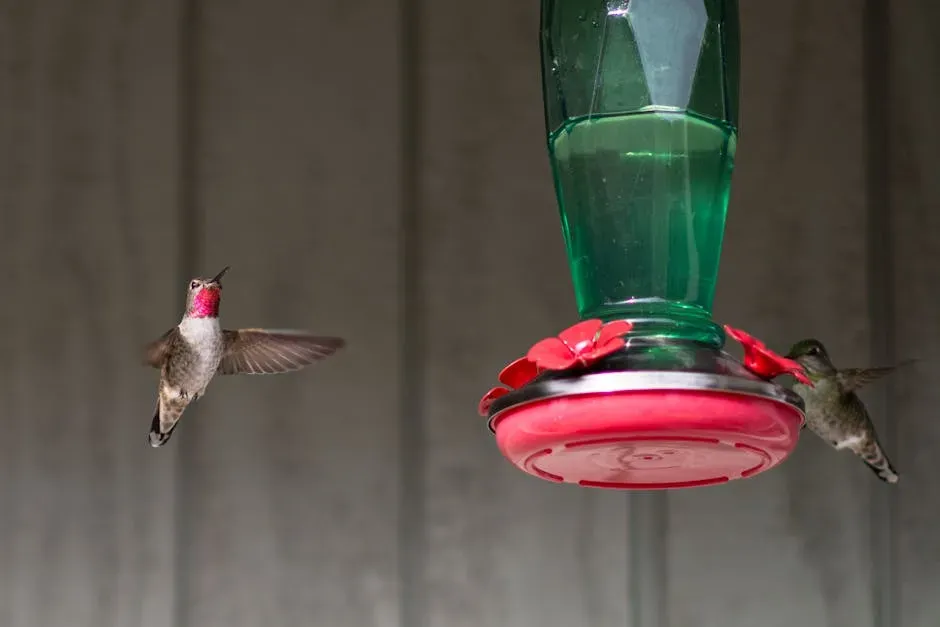
A single dominant hummingbird can lock down one feeder and turn it into a private resource, chasing every competitor away with exhausting aggression. August’s solution, used by subordinate birds and young migrants alike, is to never commit to a single source long enough to become a target. They move between feeders and flower patches in rapid succession, spending just enough time at each to grab fuel without triggering a sustained chase.
It looks erratic from a distance – a bird appearing, disappearing, reappearing across the yard with no obvious pattern. But it’s pure strategy. The birds building the most complete mental maps of available resources are the ones that arrive at migration stopover sites fat and ready. Gardeners who spread multiple feeders across their property, even small ones, often find they attract far more birds precisely because they’ve made the bully’s job impossible.
#6 – Male Wing Feathers Produce Sounds That Work Like Acoustic Weapons
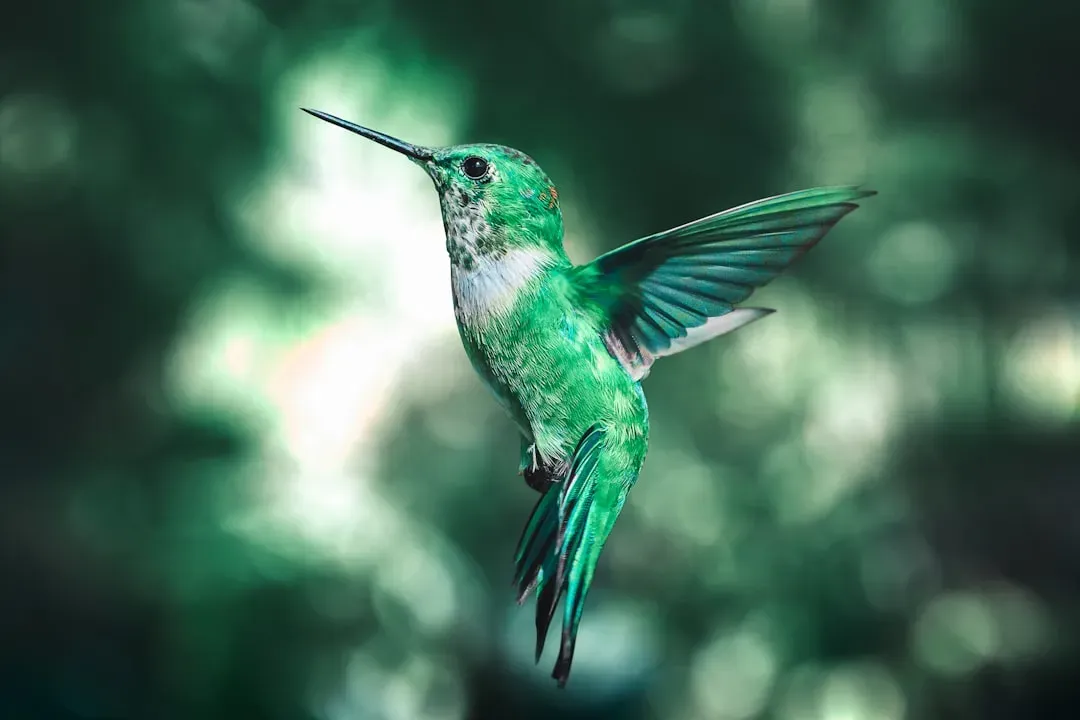
When you hear what sounds like a cricket or a high-pitched mechanical trill during an August hummingbird chase, it isn’t a vocalization. It’s the wings. Male ruby-throated and broad-tailed hummingbirds have specially shaped notches on certain feathers that produce distinct tonal sounds during high-speed dives and pursuit flights. The sounds carry territory claims and threat signals without the bird spending a single calorie on singing.
This acoustic layer to their behavior goes almost entirely unnoticed because most people aren’t listening for it, and when they do hear it, they assume it’s an insect. August is when it peaks, as compressed resources push more birds into closer proximity and the acoustic signals have to work harder and faster. Sit near a feeder on a busy August morning with your eyes closed for sixty seconds. The soundscape is stranger than most people ever realize.
#5 – They Abandon Spring Favorites and Fixate on Late-Blooming Plants
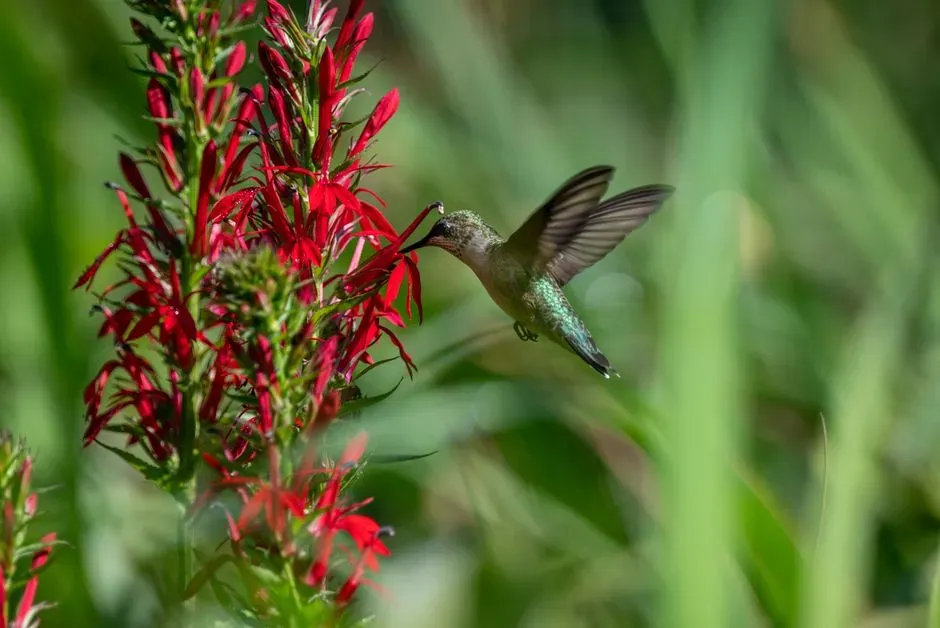
The salvia and bee balm that drew constant attention in June may sit completely ignored by mid-August – not because the flowers are gone, but because the birds have switched priorities. Late-blooming species like cardinal flower, jewelweed, and certain native sages now align perfectly with the high-calorie demands of migration prep, and hummingbirds track that seasonal shift with remarkable precision.
Gardeners who plant exclusively for spring and early summer often can’t figure out why August visits drop off. The birds haven’t left yet. They’ve just moved to the yard three streets over that happens to have a patch of late-blooming lobelia. Extending bloom diversity into late summer doesn’t just add a few extra sightings – it can turn a yard into a genuine migration fueling station, which is the kind of thing that gets remembered and revisited for years.
Quick Compare: Plants That Hold Hummingbirds Into August vs. Plants That Don’t
- Cardinal Flower (Lobelia cardinalis) – peaks late July through September; one of the highest-value August nectar sources in eastern gardens.
- Jewelweed (Impatiens capensis) – blooms heavily in August; naturally colonizes moist spots where other plants struggle.
- Native Salvia (Salvia guaranitica, S. coccinea) – reblooms through fall; far more productive for late-season birds than common ornamental salvia.
- Bee Balm (Monarda) – peaks June–July; largely spent by mid-August and loses priority status for migrating birds.
- Standard Impatiens / Petunias – low nectar reward; rarely hold hummingbird interest once hyperphagia demand spikes.
#4 – Mothers Lead Entire Broods to Feeders in Group Feeding Sessions
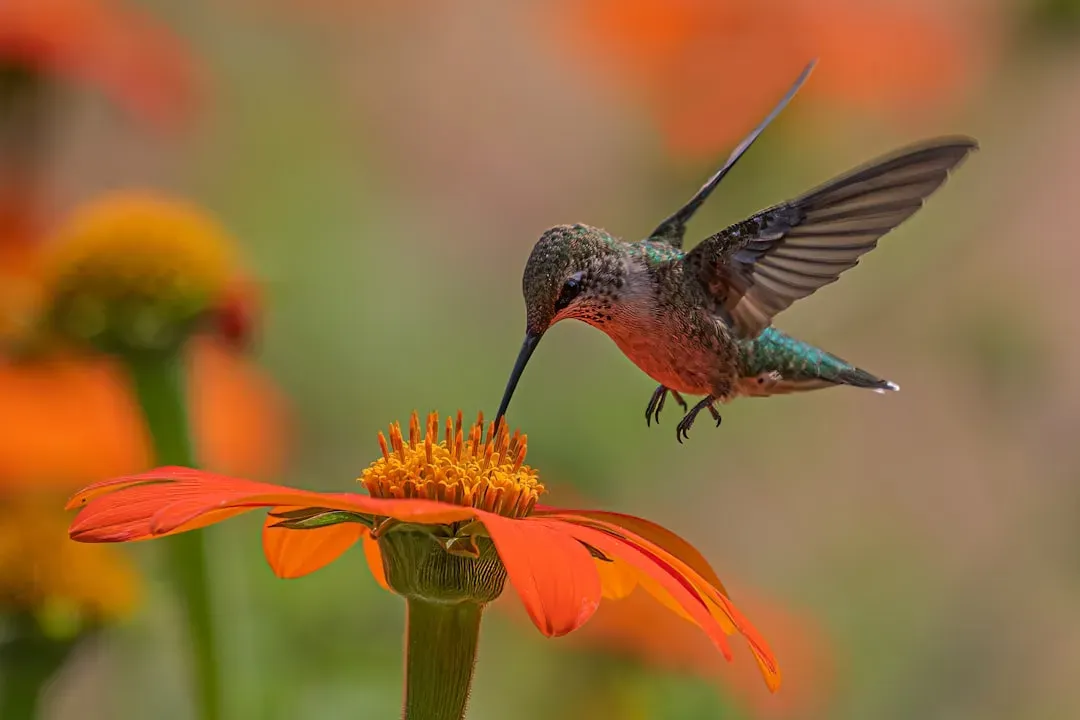
The “swarm” that suddenly descends on a feeder in August and overwhelms it in minutes isn’t a random congregation of strangers. More often, it’s a family unit – a female and her fledglings from the season’s final brood, arriving together for a supervised group feeding session. The mother positions herself at the perimeter while the young birds feed, a behavior that maximizes their calorie intake while keeping threats visible.
These sessions are brief and intense, and they’re easy to miss if you’re not watching at the right hour. They also underscore why pulling feeders down in early August out of concern for “delaying migration” can genuinely strand young birds that aren’t yet capable of efficiently locating natural nectar sources on their own. The feeder isn’t a crutch at this point. For fledglings still learning, it’s infrastructure.
#3 – They Conduct Low-Altitude Scouting Flights to Retrace Spring Routes
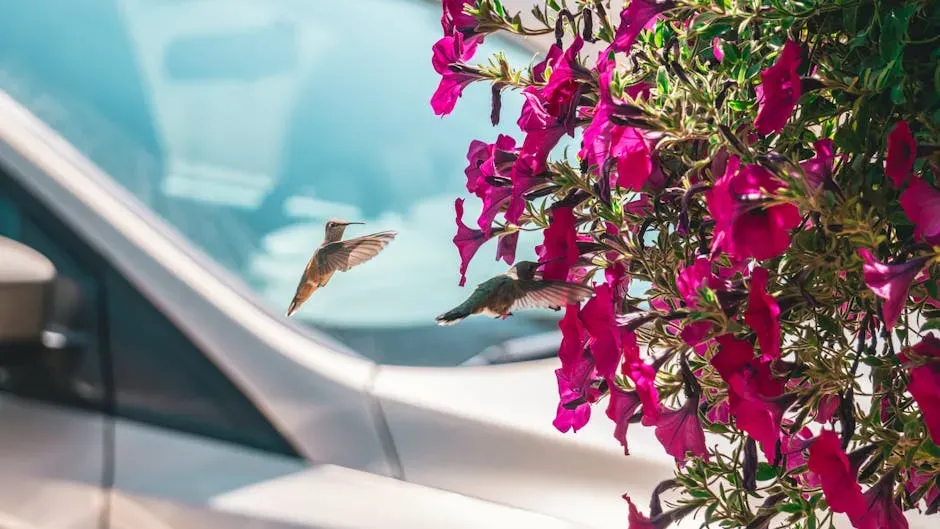
As departure approaches, hummingbirds begin flying lower than usual – skirting hedgerows, dipping below fence lines, cruising garden beds at near-ground level rather than their typical treetop-and-above approach. This isn’t random or careless. It’s systematic route review, with birds retracing the landscape corridors they used in spring to confirm which resources are still active before committing to a departure window.
The practical effect for gardeners is that August is actually the easiest month to observe hummingbirds up close, if you know to stay low and stay still. A bird working a flowerbed at knee height, three feet away, is in a mode of focused attention that makes it far less skittish than usual. These slow scouting passes are one of August’s most quietly beautiful behaviors – a final inventory before the extraordinary, invisible departure that happens one morning when you’re not watching.
#2 – Aggression Hits Its Annual Peak as Every Bird Races to Claim Resources
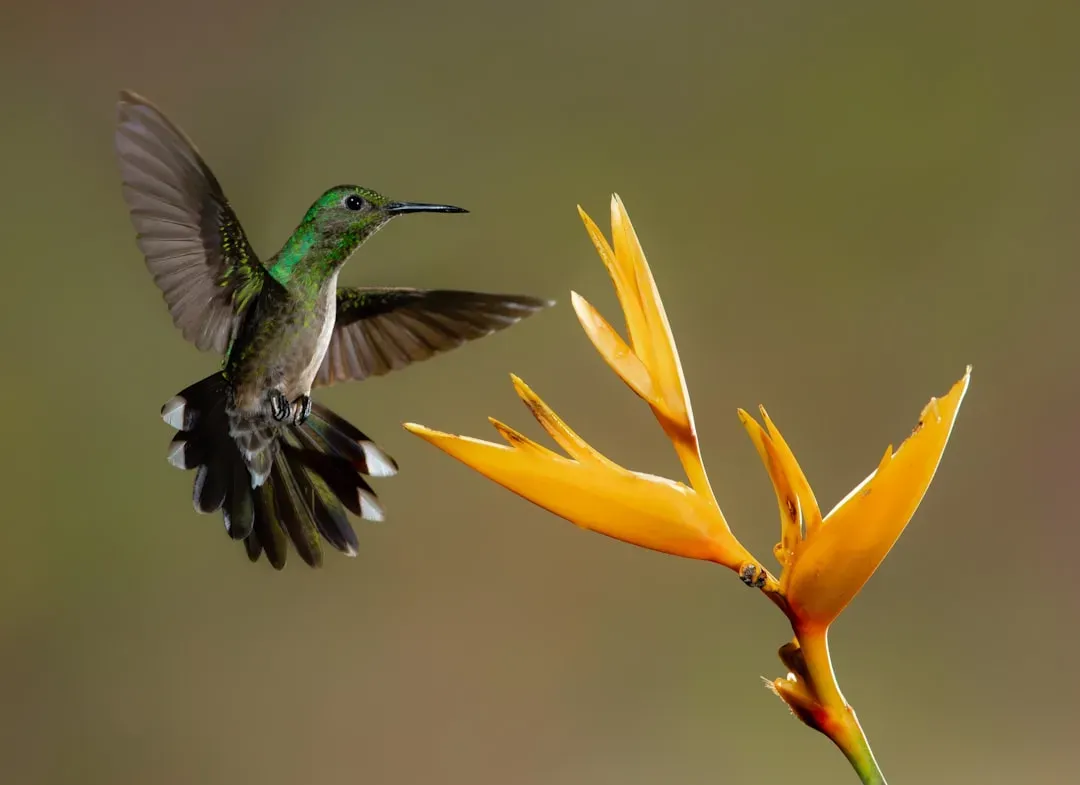
Hummingbirds are not gentle animals in August. Females that barely registered on the aggression scale all summer now dive-bomb rivals with the same intensity as the males who’ve already left. Juveniles that fed peacefully two weeks ago have learned to chase. The yard becomes a layered conflict zone where every feeder port and every flower spike has multiple birds competing to control it, sometimes with audible bill-clicking threats and physical contact.
They may be tiny, but hummingbirds are one of the most aggressive birds on earth relative to their size.
David Sibley, ornithologist and author of The Sibley Guide to Birds
The irony is that this peak aggression phase, which looks like a sign that everything is falling apart, actually signals the most active and numerically dense moment of the entire hummingbird year in most North American gardens. The fights are the metric. More fights mean more birds, and more birds mean August is delivering exactly what it promises – if you have the resources to hold them.
#1 – They Memorize Your Yard and Return to the Exact Same Spot Year After Year
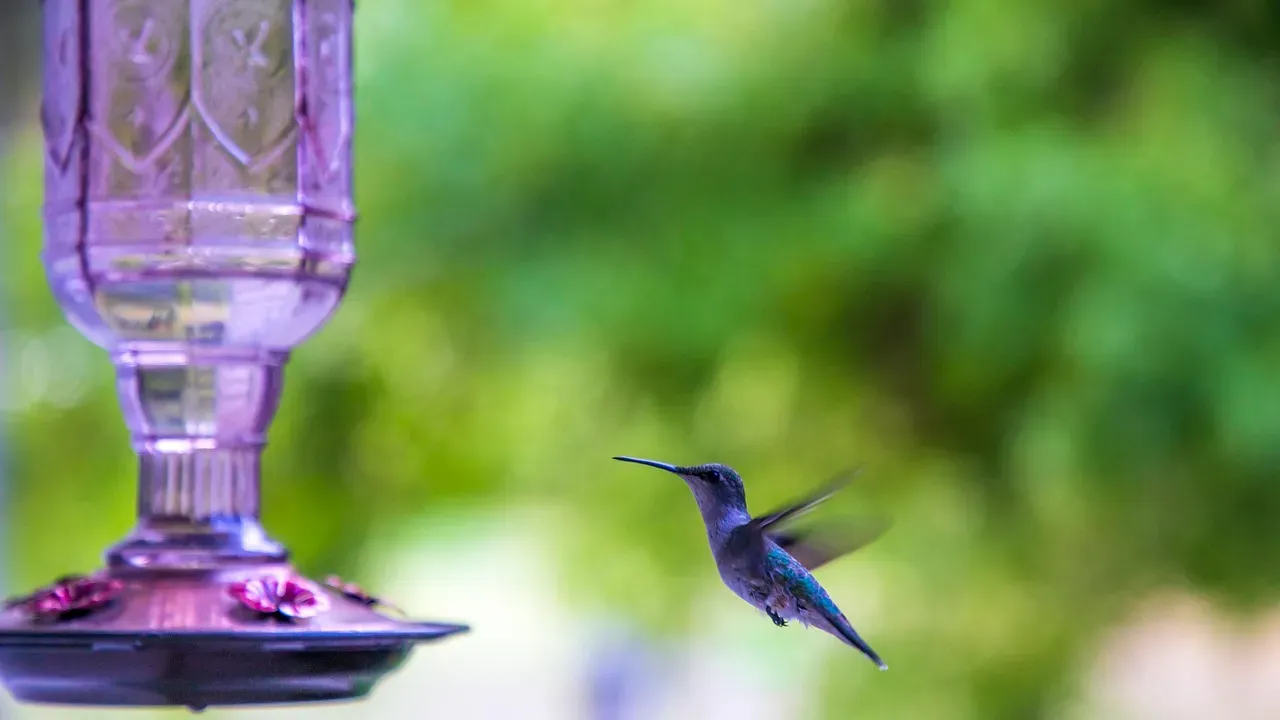
Individual hummingbirds have been tracked returning to the same feeder, in the same garden, during the same migration window, across multiple consecutive years. This isn’t flock behavior or species-level instinct nudging them to the same region. It’s individual memory – a specific bird, with a specific history, choosing your specific yard because it worked before and the brain that survived migration remembers exactly why.
That makes everything you do in August consequential in a way that extends well beyond this season. A clean feeder, a blooming cardinal flower, a sheltered perch near water – these aren’t just nice touches for the birds passing through right now. They’re the details being quietly encoded into a return itinerary for next year, and the year after. The gardeners who can’t explain why their yards suddenly explode with hummingbirds every August usually built that reputation without realizing it, one good decision at a time.
Why It Stands Out: What Locks a Yard Into a Hummingbird’s Memory
- Consistent feeder placement year to year – even moving it a few feet can break the mental address the bird stored.
- Reliable nectar quality: a 1-to-4 sugar-to-water ratio, changed every 2–3 days in August heat, signals a trustworthy source.
- Late-blooming native plants that overlap with the hyperphagia window – cardinal flower and native salvia are the highest-value additions.
- A water source with gentle movement, which hummingbirds use for bathing and drinking and associate strongly with safe, resource-rich territory.
- Sheltered perches near feeders, giving birds a visible lookout point – a detail banding studies link to higher return rates.
The August You’ve Been Underestimating
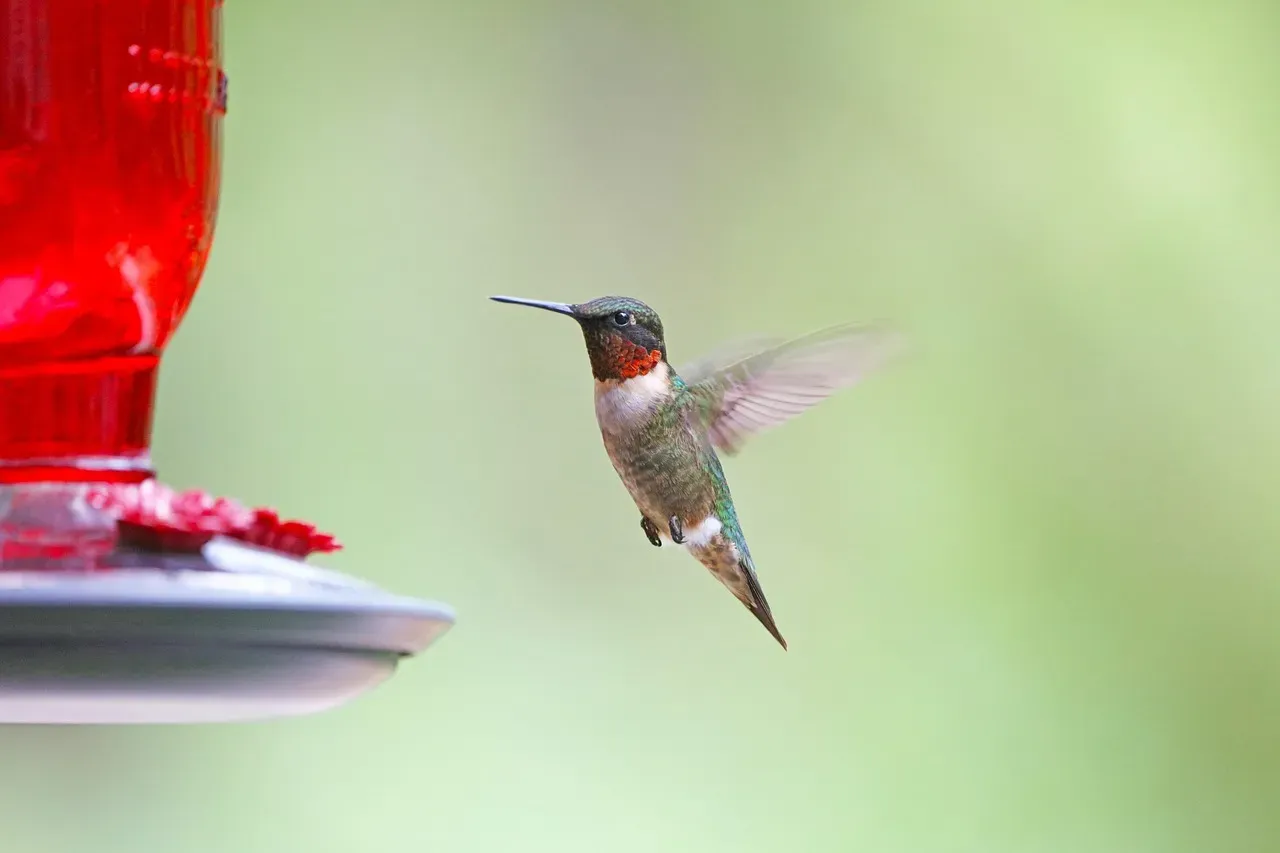
August is not the end of hummingbird season. It’s the culmination – the month when everything these birds are capable of compresses into a few frantic, brilliant weeks of gorging, fighting, memorizing, and preparing for a journey that still seems physically impossible no matter how many times you read about it. The gardeners who treat August as an afterthought miss the whole point. The ones who pay attention, keep the feeders full, and let the late-blooming flowers do their work don’t just see more birds. They become part of a route that gets redrawn every year with their yard on it. That’s not a small thing.

- 14 Quiet Ways a Horse Keeps Watch Over the Person It Has Claimed - July 28, 2026
- 12 Signs a Nervous Horse Has Finally Softened for a Single Rider - July 28, 2026
- 12 Everyday Mistakes That Quietly Shorten a Senior Dog's Life - July 28, 2026