

They Carried Messages in Ancient Egypt as Early as 1350 BCE
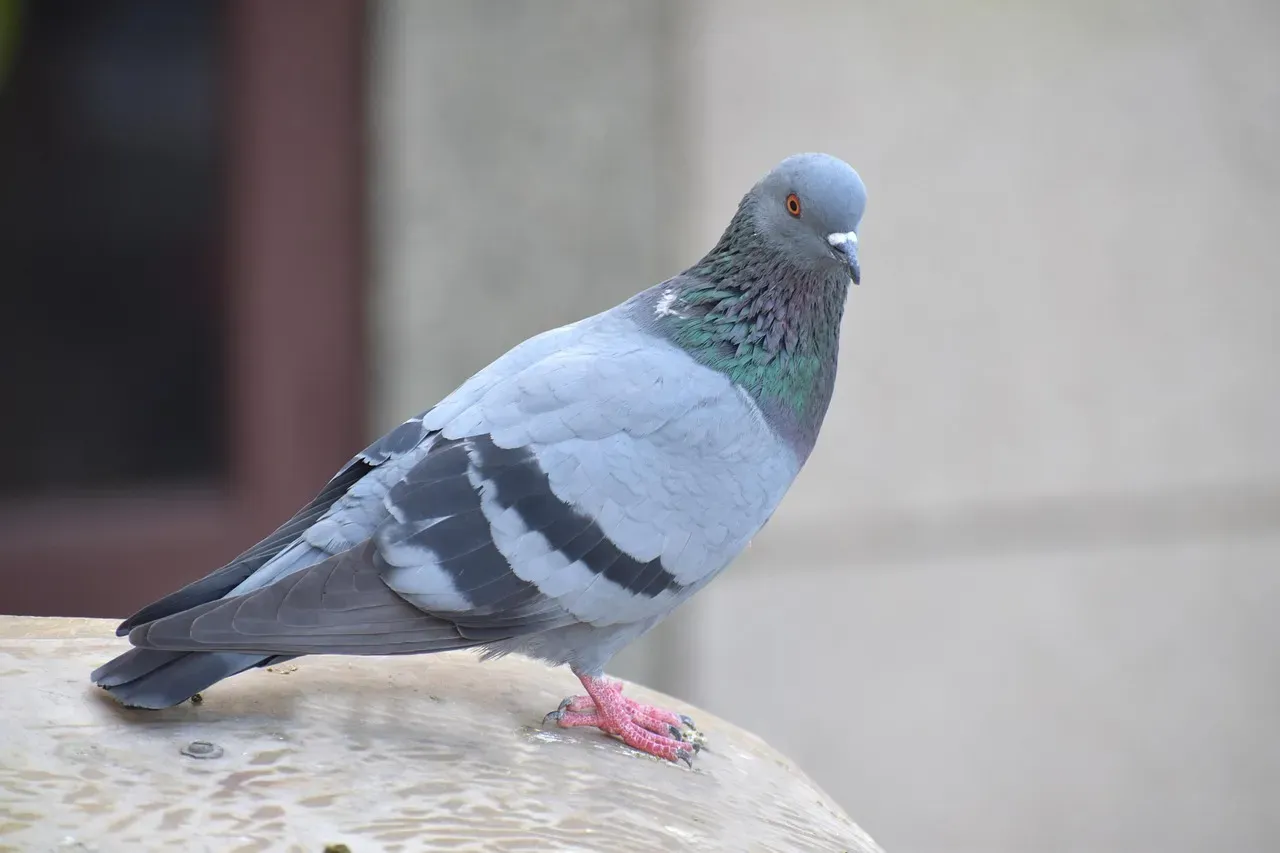
Records point to the use of homing pigeons for communication in ancient Egypt around that time. Rulers and officials relied on them to send news across the Nile region when other methods proved too slow or unreliable. This early adoption shows how people recognized the birds natural homing instinct centuries before modern science explained it.
Over time the practice spread through trade routes and empires. Egyptian examples set a pattern that later civilizations refined for military and commercial purposes. The birds became trusted partners in an era when written messages traveled only as fast as a runner or boat.
They Announced Winners at the First Olympic Games

At the ancient Olympics starting in 776 BCE, athletes brought homing pigeons from their home villages. A winning competitor would release his bird to carry the good news back home ahead of any human messenger. This custom turned the pigeons into living symbols of victory and connection.
The practice highlighted their speed and accuracy over long distances. Spectators and officials valued the birds ability to deliver results faster than any alternative available at the time. It also helped spread word of the games across Greek city states.
They Served Under Genghis Khan and in Medieval Baghdad
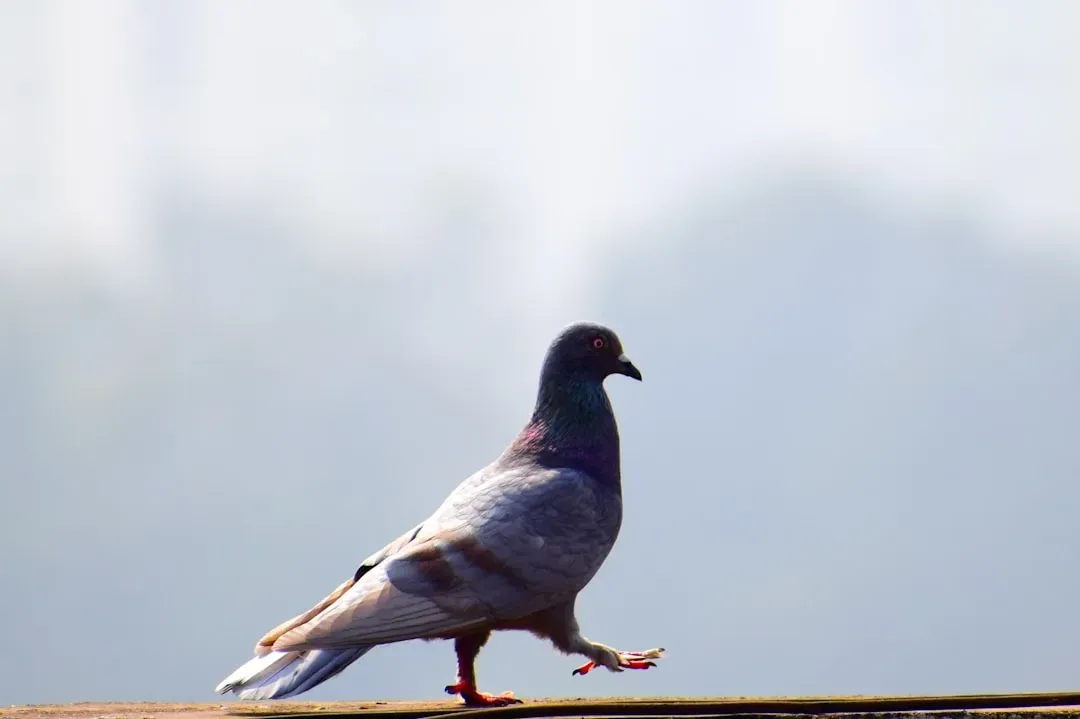
By the 12th century, messenger pigeons operated regular routes between Baghdad and Syria. Sultan Nur ad Din established a formal service that moved information quickly across his territories. Similar systems appeared in the Mongol empire under Genghis Khan for coordinating vast armies.
These networks proved especially useful in regions where terrain or conflict disrupted other forms of travel. Pigeons required little food and could be carried easily by riders or stationed at outposts. Their role helped maintain control over large areas long before telegraph lines existed.
They Achieved Speeds Up to 160 Kilometers per Hour
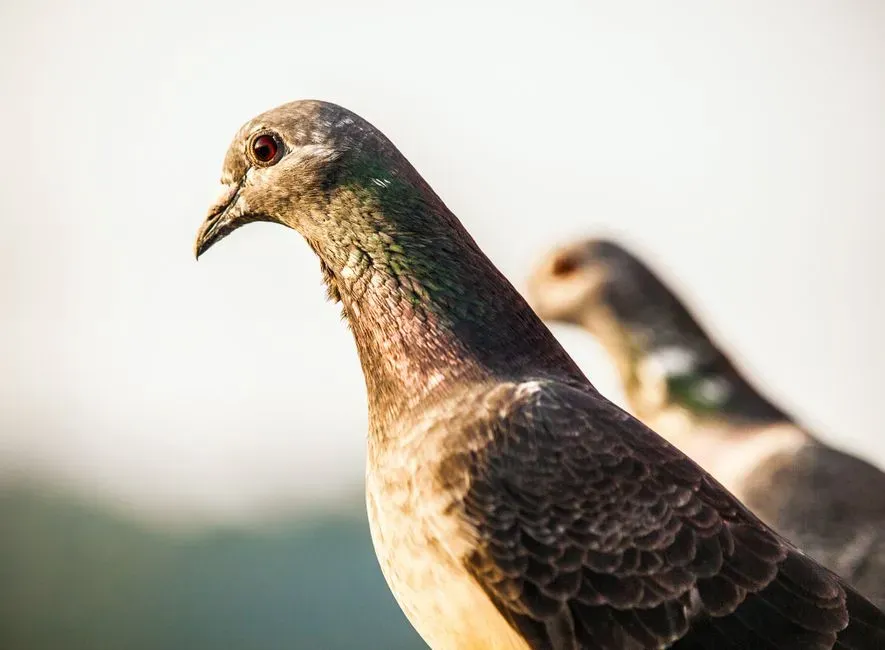
Top racing homers have been clocked at bursts reaching 160 kilometers per hour over short stretches. Over longer moderate distances around 965 kilometers, average speeds hover near 97 kilometers per hour. Such performance made them competitive with early mechanical transport in certain conditions.
Breeders selected birds for these traits over generations, focusing on stamina and orientation. The results turned pigeon racing into a serious sport with international followings. Even today enthusiasts study flight data to understand what allows certain individuals to excel.
They Flew Record Distances of 1,800 Kilometers in Races
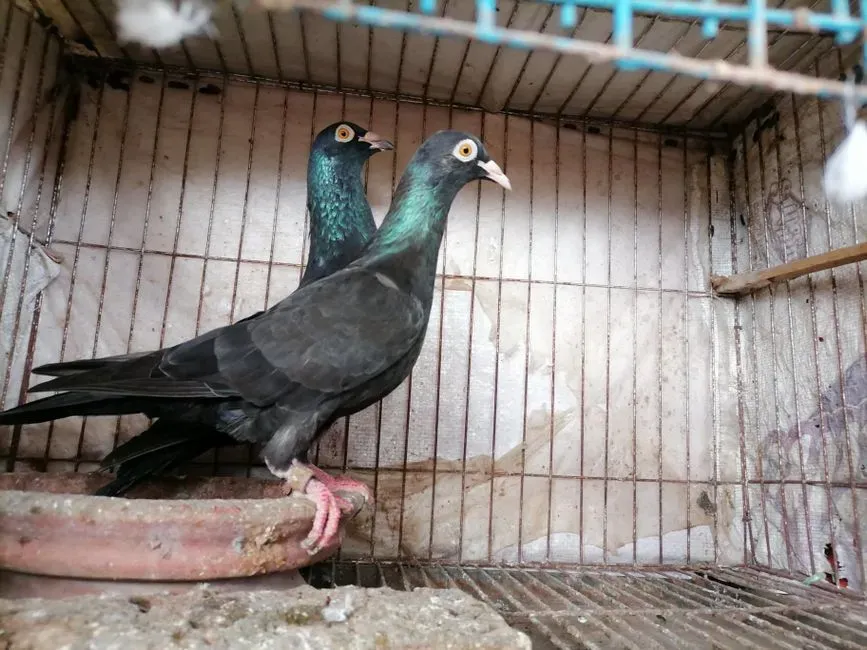
Competitive homing pigeons regularly cover 1,800 kilometers in organized events. One documented case involved a bird traveling from France to Vietnam, covering roughly 7,200 miles over 24 days in 1931. These journeys demonstrate endurance that few other animals match without assistance.
Trainers prepare the birds through gradual releases that build both physical fitness and navigational confidence. Success depends on weather, health, and the pigeons innate sense of direction. Such feats continue to amaze observers who wonder how the birds manage without maps or landmarks.
They Saved Lives as Heroes in World War I
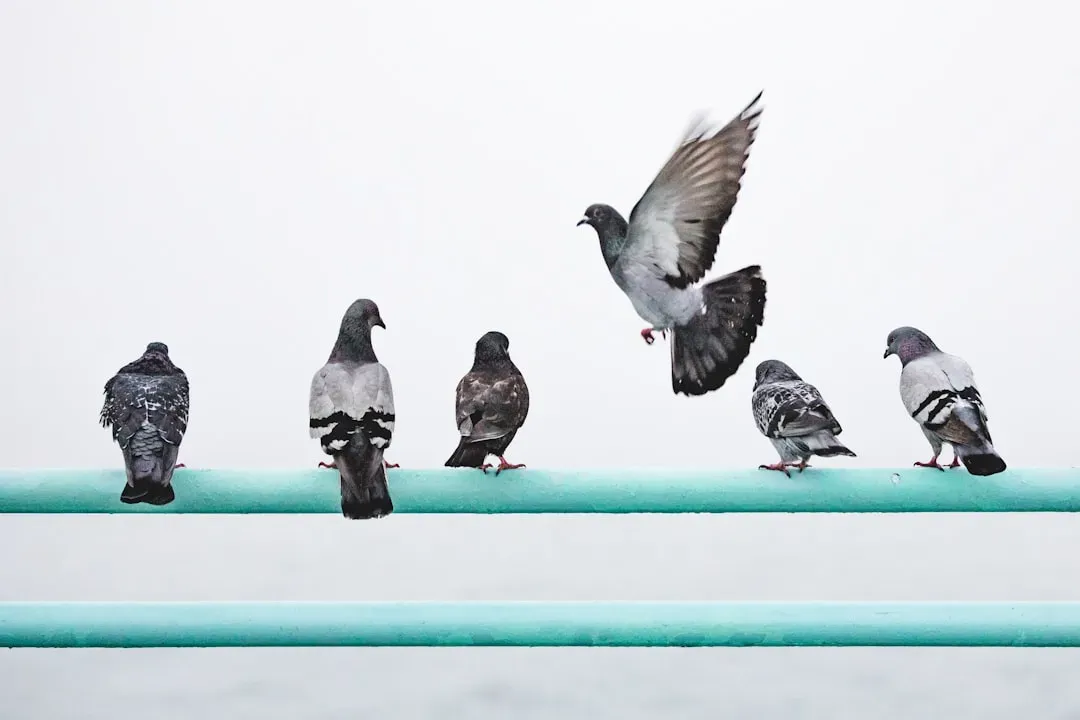
During the First World War, delivered messages when radios failed or silence was required. Famous birds like Cher Ami flew through heavy fire, sustaining wounds yet completing their missions to stop friendly artillery from hitting American troops. Another pigeon named President Wilson returned with critical updates in under 25 minutes despite injuries.
Both Allied and Central Powers used the birds across trenches, tanks, and aircraft. Mobile lofts allowed units to release pigeons from advancing positions. Their reliability often meant the difference between coordinated attacks and isolated units.
They Earned Medals for Bravery in World War II
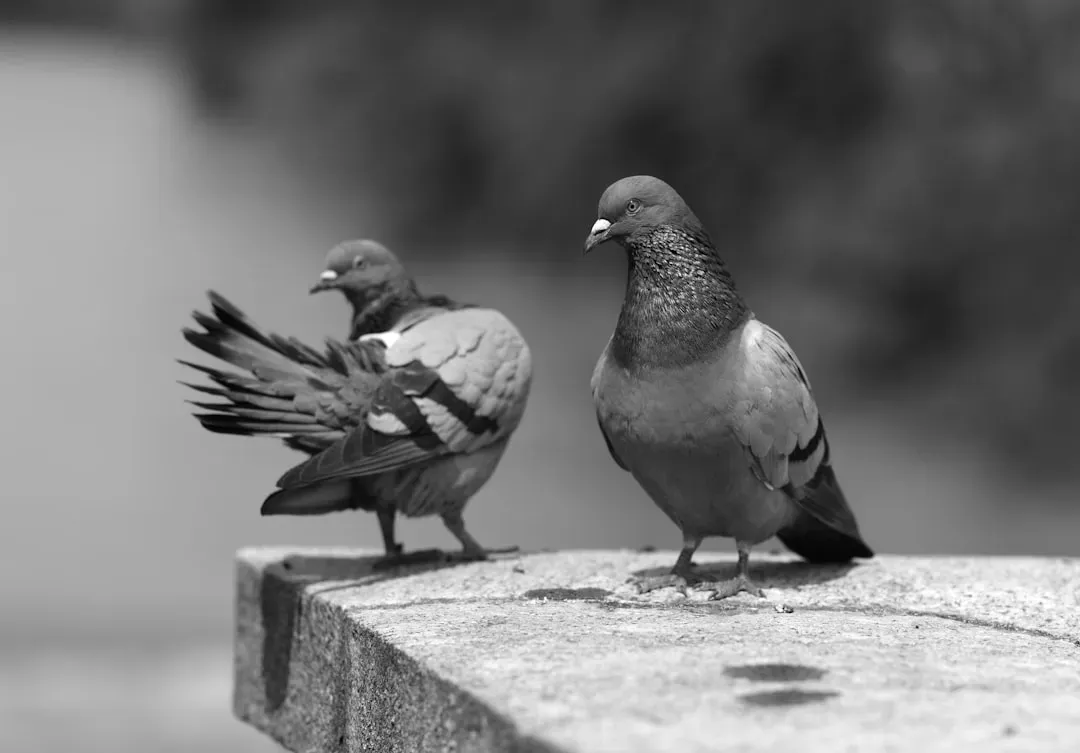
In the Second World War, several pigeons received the Dickin Medal for animal valor. G.I. Joe, Paddy, and Mary of Exeter each completed dangerous flights that rescued soldiers or delivered vital intelligence. One bird flew 240 kilometers from the Netherlands back to London during Operation Market Garden.
Pigeons were dropped by parachute into occupied territory to support resistance networks. They operated when electronic communications risked interception. Their contributions helped coordinate D Day operations and other key moments where human messengers could not reach safety.
They Navigate Using Magnetic Fields, the Sun, and Smell

Scientists believe homing pigeons combine several cues to find their way home. The Earth magnetic field provides a general compass, while the position of the sun offers directional guidance during daylight. Some research suggests they also detect familiar odors carried on the wind.
Experiments have tested these theories by fitting birds with magnets or releasing them in unfamiliar locations. Results show remarkable consistency even when visual landmarks are removed. The exact combination of senses remains a subject of ongoing study.
They Operated Official Postal Services in the 19th Century
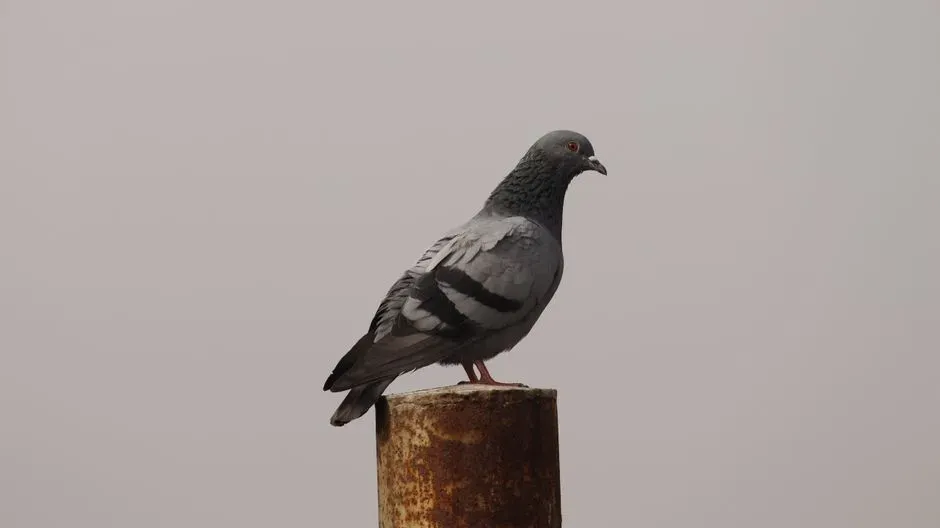
France ran a pigeon post system in the 1800s that connected major cities. A service between London and Paris was advertised by 1870, carrying stock prices and news across the Channel. New Zealand introduced a pigeon gram service on Great Barrier Island in 1899.
These civilian uses proved the birds value beyond warfare. Newspapers and businesses adopted them for time sensitive information when roads or rails were slow. The systems operated reliably until telegraph and telephone networks expanded.
They Continue in Modern Racing Despite Changing Views
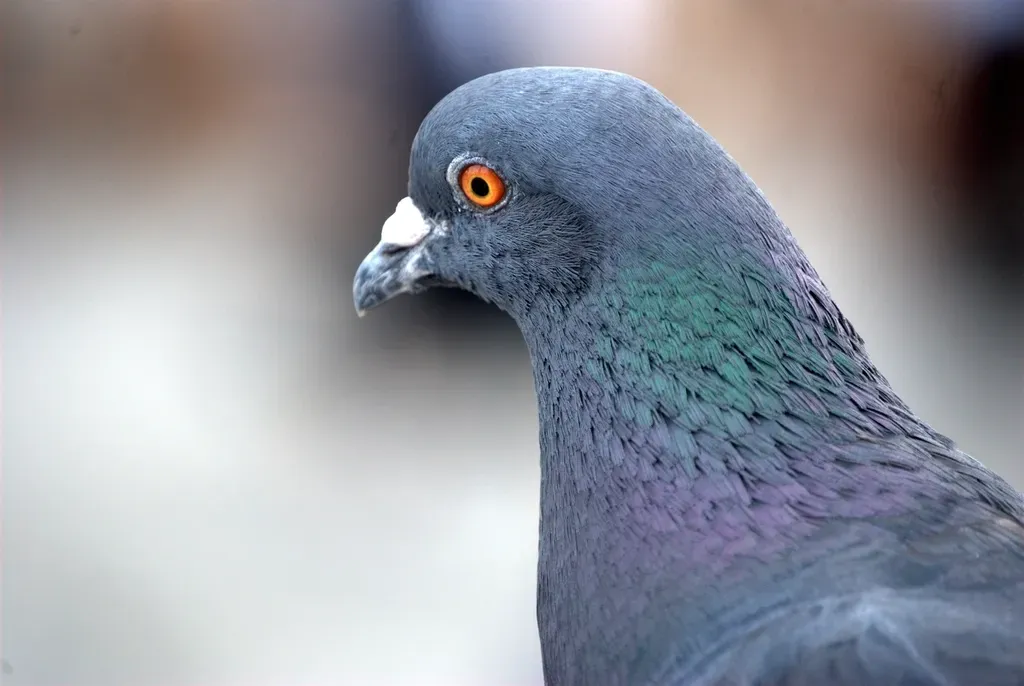
Homing pigeon racing persists today with enthusiasts tracking flights over hundreds of miles. Birds still demonstrate the same navigational skills that served historical messengers. Some events record average speeds near 92 miles per hour on 400 mile courses.
While the sport faces questions about animal welfare in certain circles, dedicated fanciers maintain careful breeding programs. The birds remain living proof that natural abilities can outperform early technology in specific tasks. Their story bridges ancient practices and contemporary interest in animal cognition. Their legacy reminds us that simple instincts, when paired with human purpose, can achieve extraordinary results across centuries. These birds earned their place in history through quiet consistency rather than spectacle. In an age of instant digital messages, their example still invites reflection on reliability and resilience.

- 10 Amazing Facts About Carrier Pigeons - August 24, 2026
- Why Cardinals Fight Their Own Reflection (Your Grandparents Knew What It Predicted) - August 24, 2026
- 11 Strange Facts About Chameleons That Scientists Still Study Today - August 24, 2026