
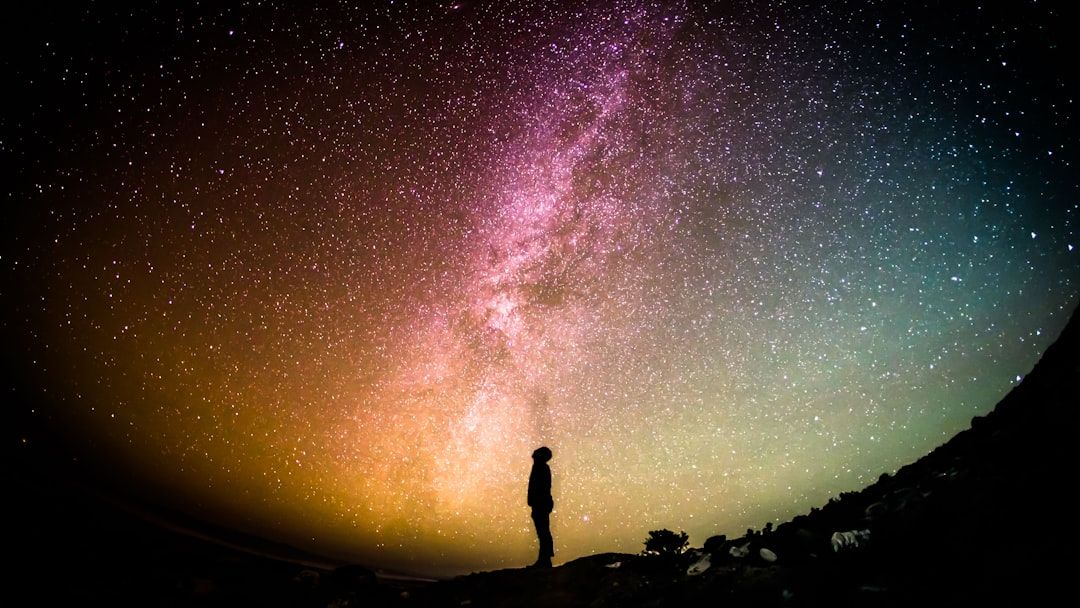
Look up on a clear night and those points of light seem to dance. One moment bright, the next dim, they shift and shimmer as if sharing a secret with the dark. Yet the motion you notice has nothing to do with the stars themselves.
The flicker comes from the thin layer of air wrapped around our planet. Light travels vast distances unchanged until it meets that moving blanket of gases. What reaches your eye is a story of bending paths and restless molecules rather than any change in the distant source.
The Steady Glow of Distant Suns
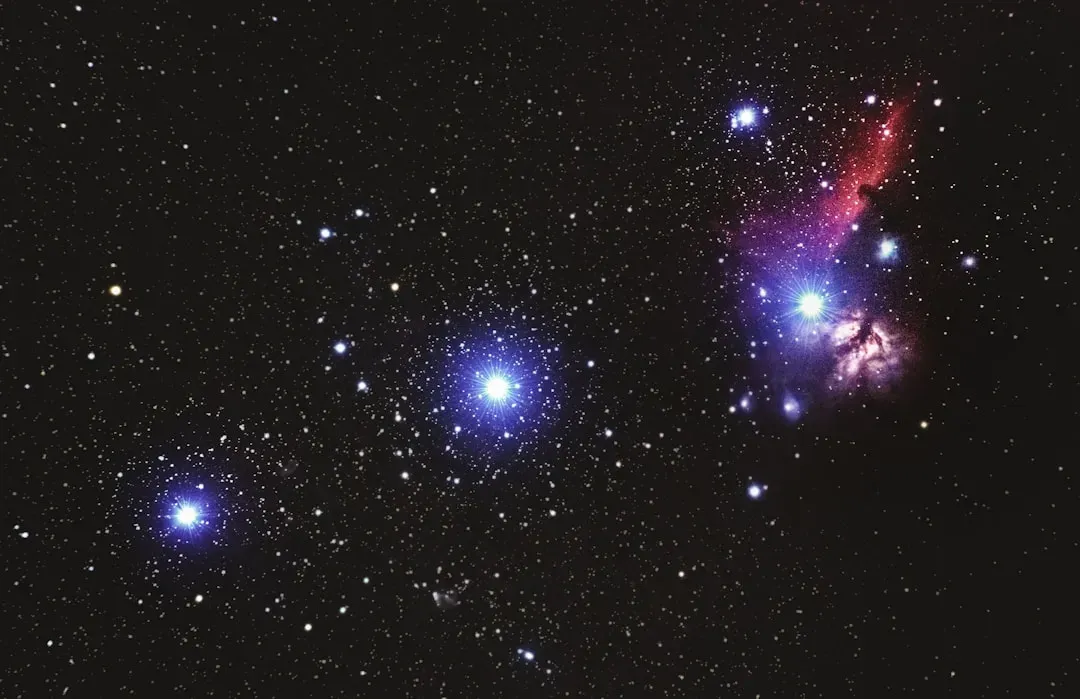
Stars shine with remarkable consistency once you leave Earth’s atmosphere behind. Their output comes from steady nuclear fusion deep in their cores, a process that unfolds over millions or billions of years without sudden flickers. From space the view is calm and unwavering.
Astronomers have measured this stability across countless observations. Satellites and probes record the same steady brightness that ground observers only glimpse between moments of atmospheric interference. The difference highlights how much our local conditions shape what we see.
How Air in Motion Bends Starlight
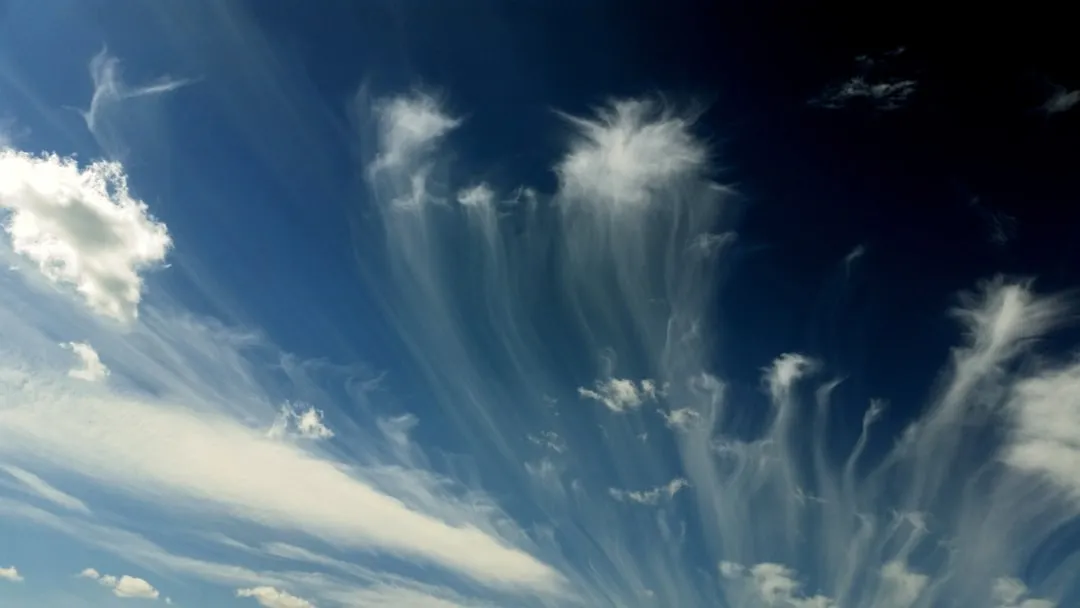
Earth’s atmosphere is never perfectly still. Layers of air at different temperatures rise and fall, creating pockets that act like shifting lenses. Starlight passing through these pockets gets refracted in slightly different directions from one instant to the next.
The result is a rapid change in apparent brightness and position. A single star can appear to jump or dim several times each second as the light rays take new routes to your retina. This effect grows stronger near the horizon where the light travels through more air.
Why Planets Usually Hold Steady
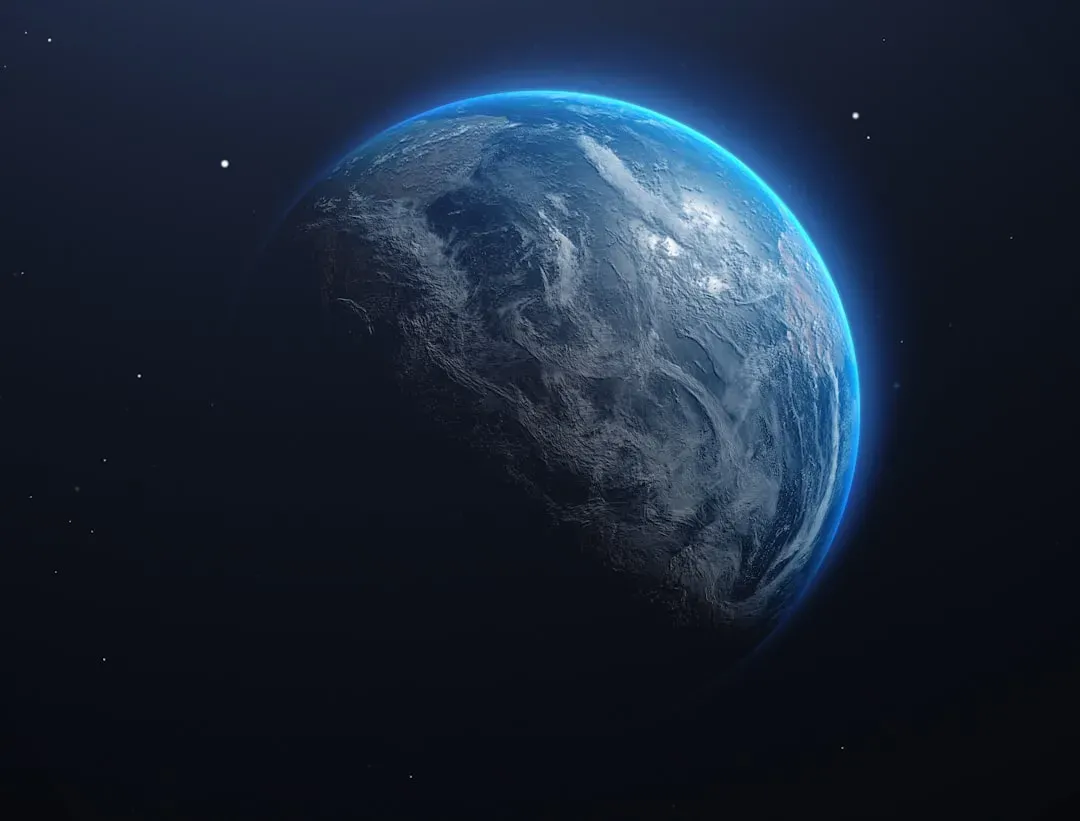
Planets in our solar system rarely twinkle the way stars do. Their disks are large enough that light from different parts of the surface averages out the distortions caused by turbulence. The eye receives a blended signal that stays relatively constant.
Stars, by contrast, appear as true points of light. Every ray follows essentially the same narrow path, so small atmospheric shifts affect the entire signal at once. That single-path vulnerability turns ordinary air movement into visible dance.
Telescopes and the Fight Against Blur
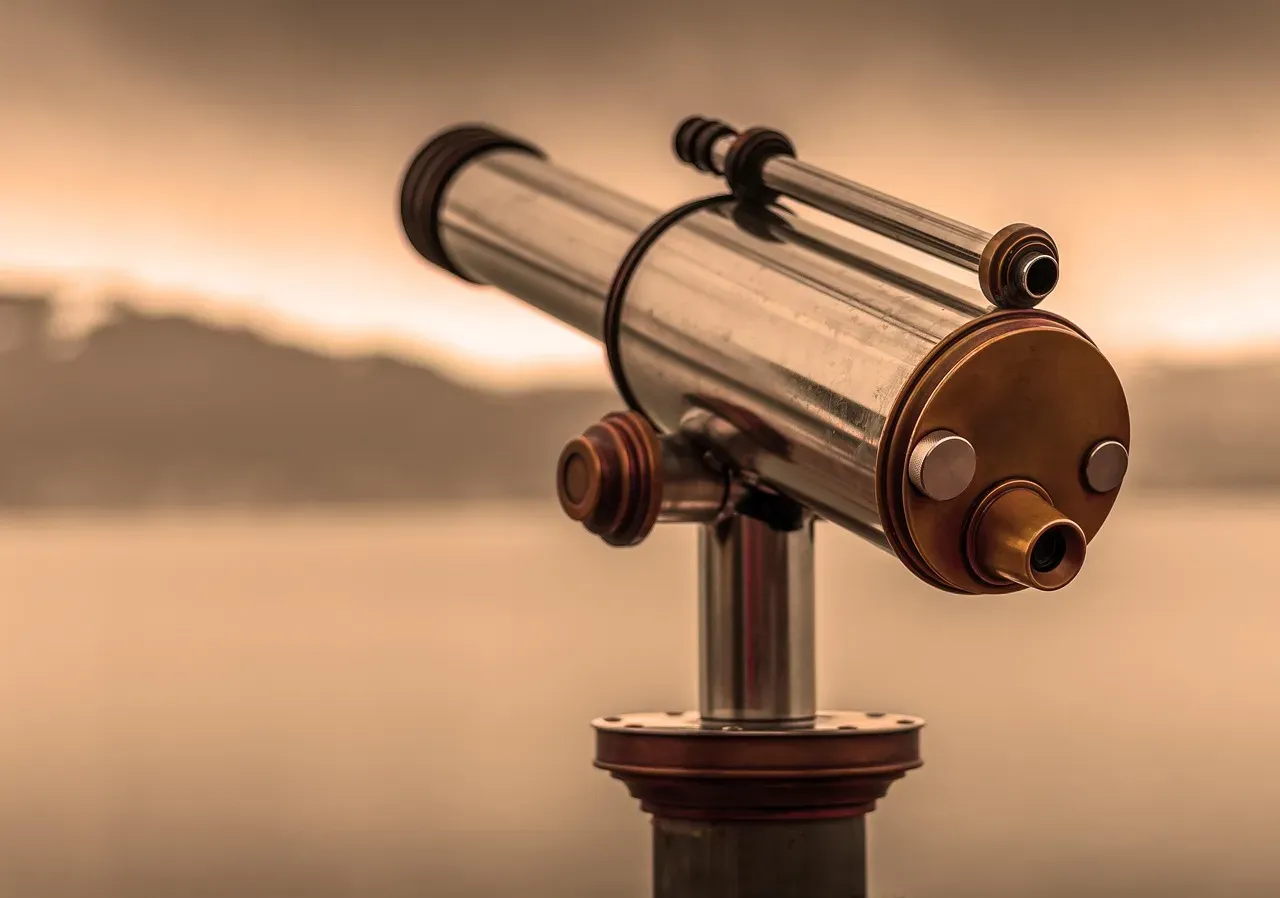
Ground-based observatories have long worked to reduce the impact of twinkling. Adaptive optics systems use deformable mirrors that adjust hundreds of times per second to counteract the bending caused by moving air. The corrections restore much of the sharpness lost in the lower atmosphere.
Even simple backyard telescopes reveal the difference when conditions are steady. On nights with less turbulence the view sharpens noticeably. Observers learn to wait for those calmer moments when the air settles and the stars stop their restless motion.
Ancient Light Reaching Us Today
The photons arriving from a typical bright star left their source long before human civilization began. Some have traveled for decades, others for centuries or more. The star itself may have changed or even ended its life, yet the light continues its journey.
That vast travel time adds a quiet perspective to any night of stargazing. The flicker you see is recent, created only in the final moments as the light crosses the last hundred kilometers of air. Everything before that crossing happened in deep stillness.
Seeing the Sky with Fresh Eyes
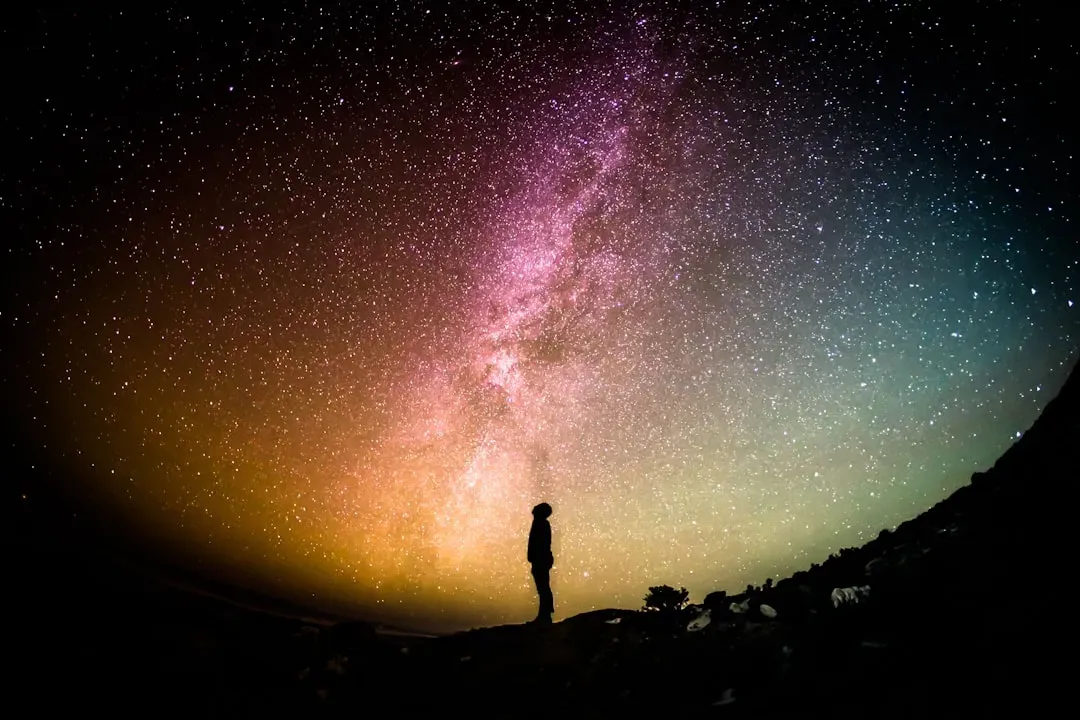
Understanding the source of the twinkle changes how the night sky feels. The shimmer becomes evidence of our own atmosphere rather than a property of the stars. It turns an everyday sight into a reminder of the thin, active shell that protects and sometimes obscures our view.
People who watch regularly start to notice patterns. Certain nights bring stronger flickering while others offer rare calm. Those variations track the weather and temperature gradients overhead in ways that become familiar over time.
A Quiet Appreciation for What Remains Unchanged
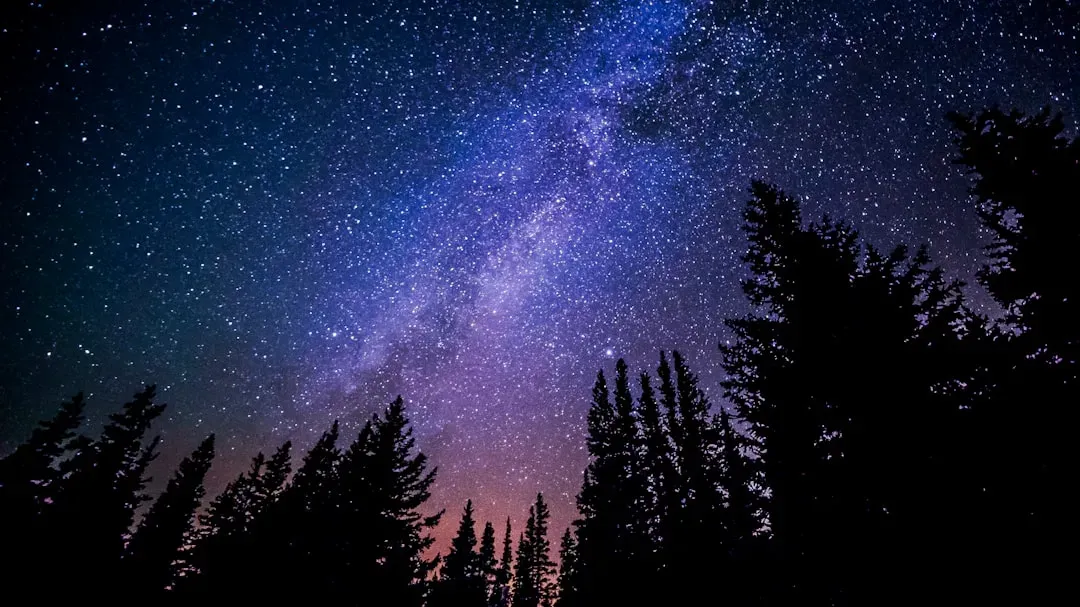
The stars themselves continue their steady output regardless of how their light dances through our air. That contrast between cosmic constancy and local motion offers a gentle perspective on scale. Our restless atmosphere is temporary and local, while the sources of the light stretch across time and distance that dwarf any single human life.
Next time the points overhead seem to pulse, remember the journey those photons have already completed. The final short stretch through moving air is simply the last chapter in a story that began long before we looked up to notice it.

- The 14 Habits Only Border Collie Owners Will Ever Fully Get - July 30, 2026
- 19 Odd Habits Only Great Dane Owners Would Instantly Recognise - July 30, 2026
- 12 Tender Things a Senior Dog Does Only for the Person It Loves Most - July 30, 2026