
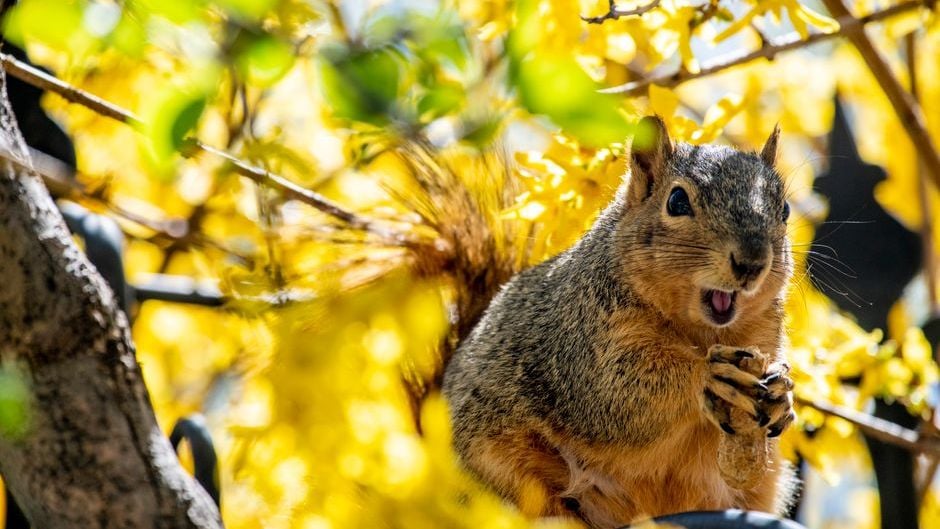
You step outside on an ordinary afternoon and hear a sharp, repetitive bark coming from the trees. It cuts through the usual background noise in a way that feels deliberate, almost urgent. Most people brush it off as random squirrel chatter, yet this particular vocalization carries a clear message about nearby threats.
The sound stands out because it serves a specific purpose in the animal’s survival toolkit. Learning to recognize it can shift how you view the activity in your own yard.
Recognizing the Signature Kuk Alarm
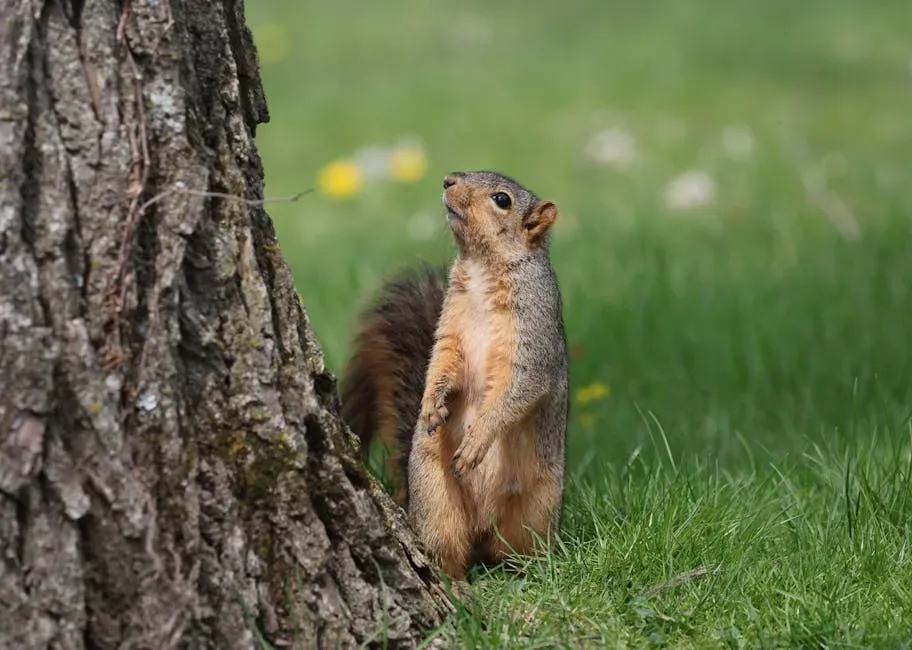
The sound in question is a series of short, sharp barks known as kuks. These brief bursts repeat quickly when a squirrel spots something it considers dangerous. Listeners often describe them as crisp and insistent, different from the longer chattering or softer noises squirrels make during routine interactions.
Each kuk lasts only a fraction of a second, yet the pattern builds into a noticeable sequence. The call tends to come from a high perch where the squirrel has a clear view. Over time, the rhythm may slow or quicken depending on how the situation develops.
Why Squirrels Rely on This Particular Call
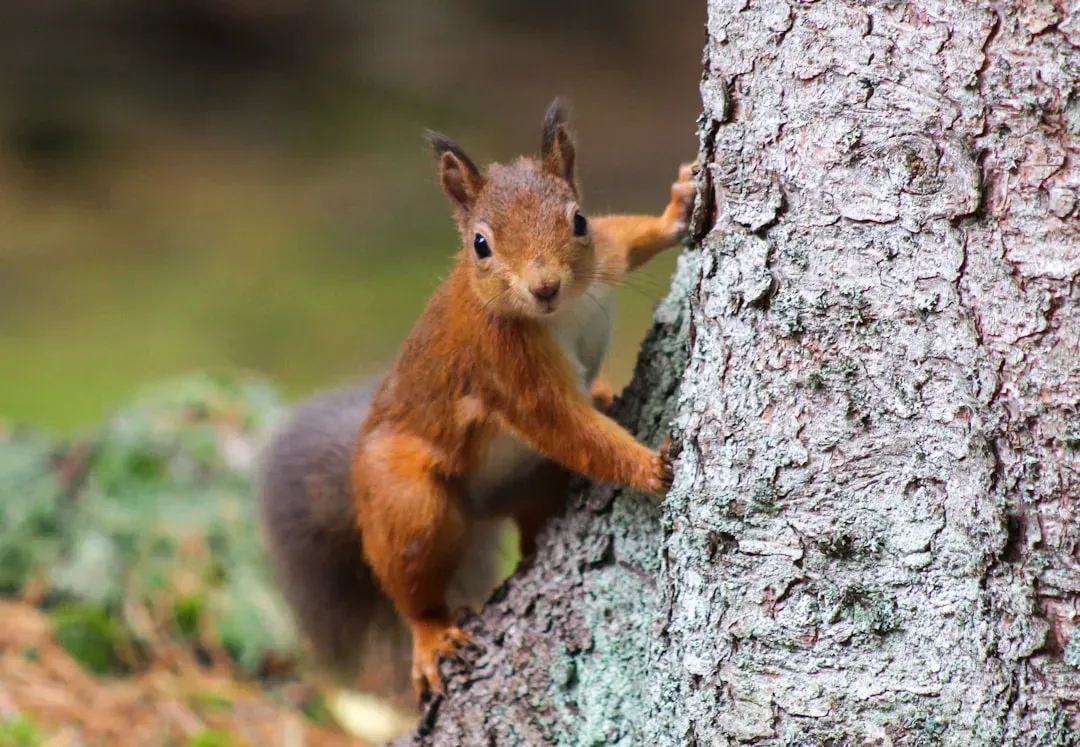
Squirrels use the kuk to alert others in the area while also signaling to the predator that it has been detected. This dual purpose reduces the chance of a surprise attack and helps protect the group. The behavior has been observed across eastern gray squirrels and similar species in many regions.
The call evolved because it provides an efficient way to share information without drawing unnecessary attention to the caller itself. Squirrels often combine the vocalization with tail movements that reinforce the warning. This combination makes the message harder to ignore for both fellow squirrels and potential threats.
Predators Most Likely to Prompt the Response
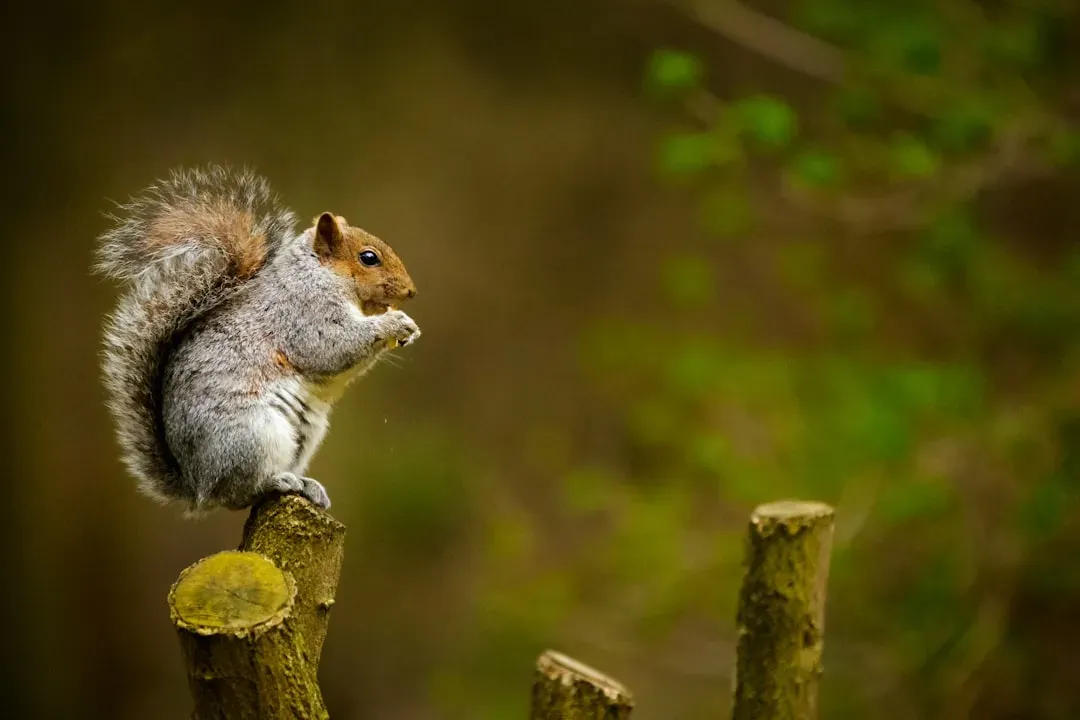
Hawks and other birds of prey frequently trigger the kuk because they represent an aerial danger that can strike quickly from above. Ground predators such as cats, dogs, or even snakes can elicit the same reaction when they come into view. The intensity of the call often matches how close or immediate the risk appears.
Even humans walking nearby sometimes receive this treatment if the squirrel perceives them as a disturbance. The sound does not always mean an attack is imminent, but it does indicate heightened vigilance. Different predators may produce slight variations in call length or speed, though the basic kuk remains the core signal.
Connection to Activity Around Your Home

When the kuks echo from trees near your house, it often points to something moving through the yard or perched on a roofline. Squirrels treat backyards as part of their territory, so any unusual presence registers quickly. The call can serve as an early indicator that a hawk is circling or a neighborhood cat has entered the space.
Repeated episodes in the same spot may suggest a regular hunting route or a new nest site nearby. Paying attention to the direction and timing helps narrow down the source. Over weeks or months, patterns emerge that reveal more about the local ecosystem.
Additional Signs That Confirm the Warning
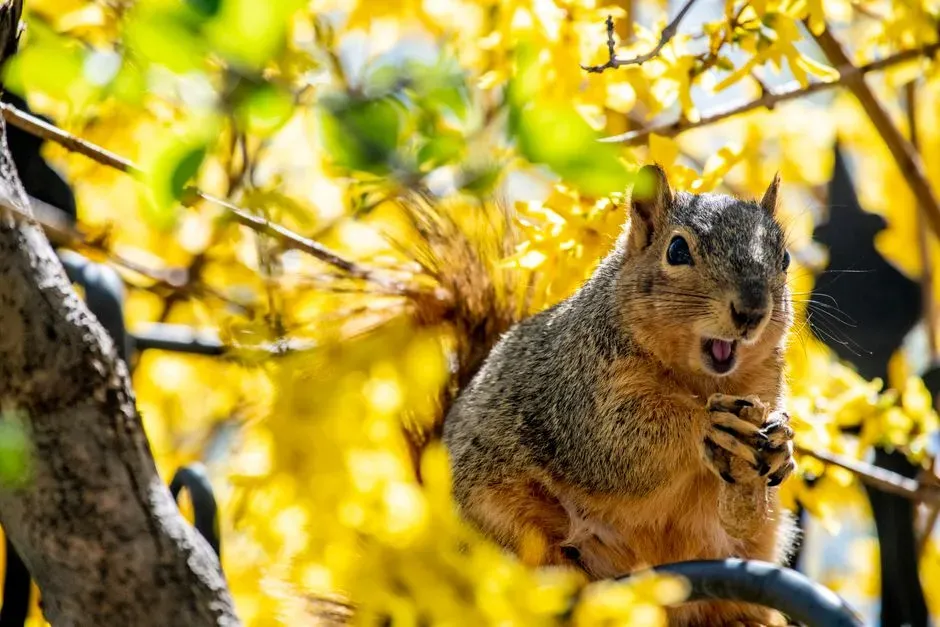
Tail flicking usually accompanies the vocal alarm and adds visual emphasis to the message. The squirrel may freeze in place or shift position to keep the threat in sight while continuing to call. These movements help other animals locate the danger without needing to see it directly.
Neighboring squirrels sometimes join in, creating a chorus that spreads the alert further. The overall scene feels more coordinated than random noise. Observers who watch quietly can often spot the predator once they follow the squirrel’s gaze and posture.
Steps to Take When the Sound Reaches You
Stay still for a moment and scan the area in the direction of the calls. Avoid sudden movements that might escalate the situation or scare the squirrel away before you gather more information. Noting the time of day and weather conditions can help track whether certain factors increase the frequency.
If the calls persist, consider simple adjustments like trimming branches that offer perches or securing trash that attracts rodents. These changes support a balanced environment without eliminating the natural behaviors. The goal remains coexistence rather than complete removal of wildlife activity.
Appreciating the Subtle Language of Backyard Wildlife
Hearing the kuk reminds us that even familiar animals maintain complex systems for staying safe. These signals operate quietly in the background of daily life, shaping how creatures navigate shared spaces. Paying attention adds a layer of awareness that turns ordinary moments into opportunities for observation.
Ultimately, the sound encourages a more thoughtful approach to the environment right outside the door. Small shifts in how we listen and respond can foster greater respect for the intricate balance already at work. That quiet vigilance benefits both the squirrels and the people who share their territory.

- 16 Surprising Things a Single Hummingbird Does Every Day That Most Gardeners Would Simply Never Believe - August 3, 2026
- 14 Things Your Senior Cat Does in Its Final Season That Vets Say Owners Rarely Ever Recognise - August 3, 2026
- 17 Dog Breeds That Get Easier With Every Year and 9 That Get Considerably Harder - August 3, 2026