
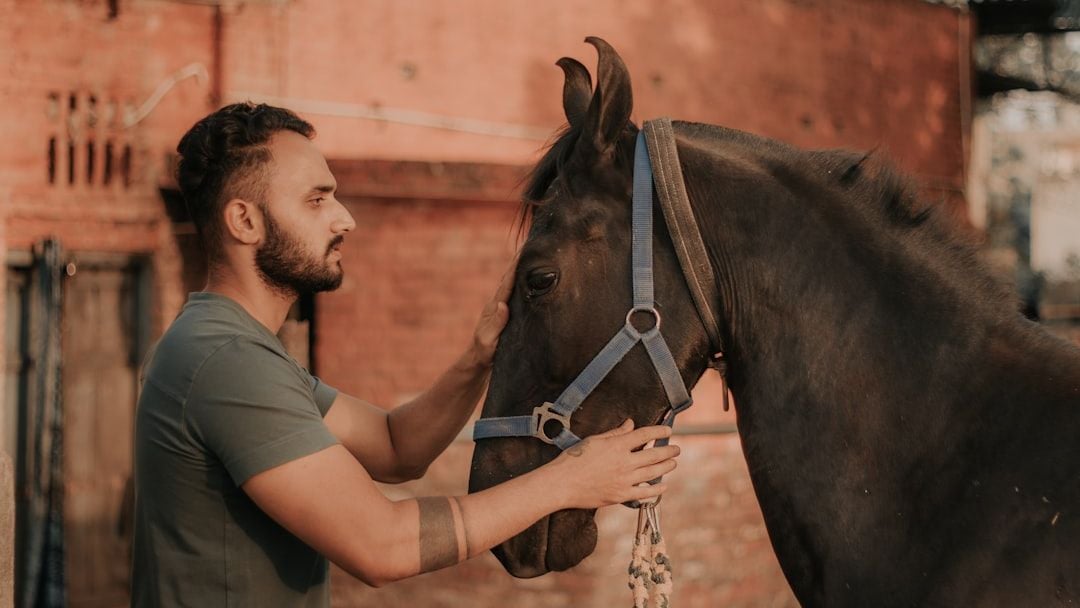
You saved up, found the right horse, and finally brought him home. You read the books. You watched the videos. And then, within weeks, your horse started doing things that made no sense – pinning his ears, tossing his head, refusing to move forward – and everyone around you shrugged and said, “Oh, he’s just being difficult.” Here’s the thing riding instructors wish they could tell every new owner on day one: almost none of it is attitude. Almost all of it is communication. And almost all of it is being misread in ways that quietly make everything worse.
The instructors who see this play out in lesson barns every single week say the same misreads show up over and over, across different breeds, different disciplines, and different barns. Some of them are harmless at first. A few of them turn dangerous. The one at the very end of this list? Instructors say it quietly sits underneath almost every other problem on here – and most new owners never even notice it’s happening.
#14 Pinned Ears Get Punished When They Should Be Investigated
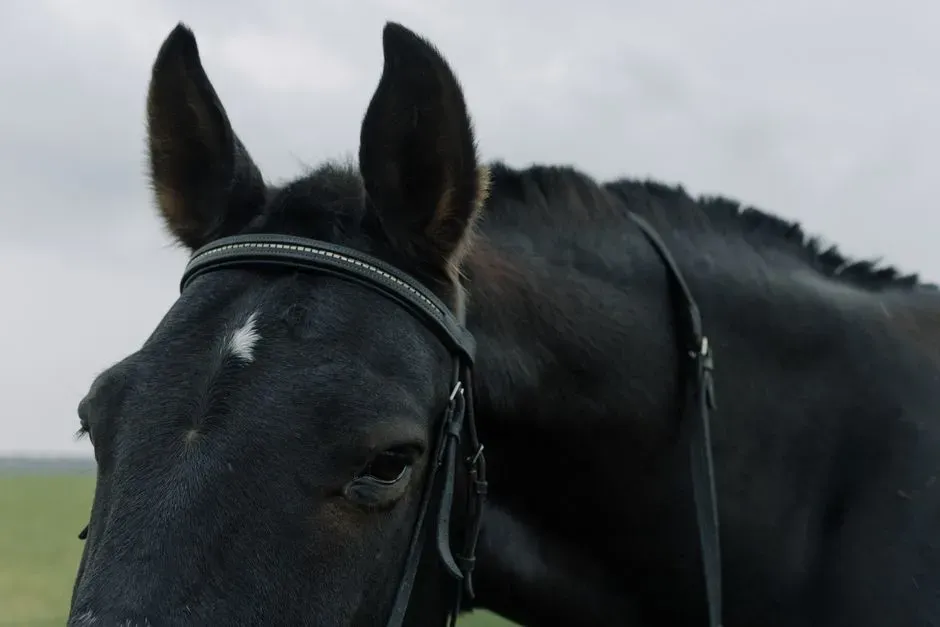
Most first-time owners see pinned ears and immediately reach for correction – a sharp word, a smack, a demand for respect. It feels logical. The horse looks aggressive. But riding instructors who deal with this daily say they almost never see pinned ears that are actually about dominance. What they see, far more often, is a horse in pain trying to say so in the only language it has.
Horses pin their ears for everything from a poorly fitted saddle digging into their withers to sharp dental points cutting the inside of their cheek on every stride. The real tragedy is what happens when the signal keeps getting punished instead of investigated: the horse learns to stop warning you. Many lesson horses develop chronic, hair-trigger defensiveness not because they were born difficult, but because ignored pain signals hardened into permanent guarding behavior over months of being corrected for “attitude.” Check the saddle. Check the teeth. Then talk about manners.
Fast Facts
- Pinned ears are listed in veterinary pain ethograms as a primary indicator of discomfort, not dominance.
- Dental issues; including sharp points and wolf teeth — are among the most commonly overlooked sources of ridden-horse pain.
- Horses that have had pain signals repeatedly punished often stop showing early warning signs altogether, making later episodes harder to read.
- A basic dental float typically costs far less than ongoing training intervention for “attitude” problems rooted in mouth pain.
#13 Tail Swishing Gets Written Off as Flies or Contentment
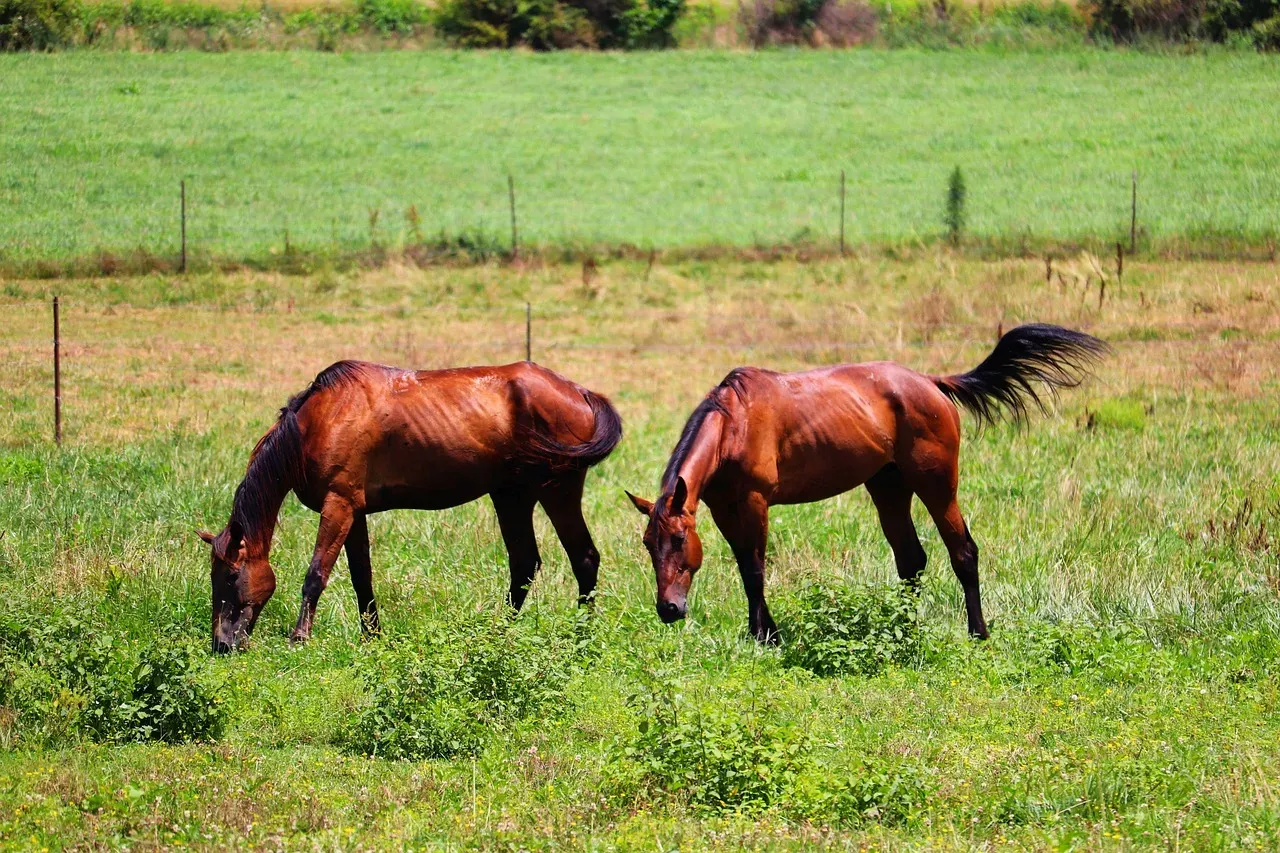
A gently swishing tail on a sunny day? That’s probably the flies. A tail that lashes rhythmically every time you ask for a canter transition, or swings hard sideways when you close your leg? That’s a different conversation entirely – one most new owners aren’t having. Instructors see this dismissed constantly, usually with a cheerful “Oh, she’s just a mare” or “He’s always done that.”
Excessive tail swishing during work is one of the most reliable early flags for frustration, confusion about unclear aids, or pain concentrated in the hind end – hock arthritis, tight sacroiliac joints, and poorly fitted saddles are repeat offenders. What makes it so costly as a misread is that punishing the swish or simply driving harder through it doesn’t fix anything; it stacks tension on top of discomfort until the horse finds a more obvious way to protest. Experienced riders have started treating any new pattern of tail swishing during work as a vet conversation first, training conversation second.
#12 Head Tossing Triggers Harsher Equipment Instead of Softer Hands
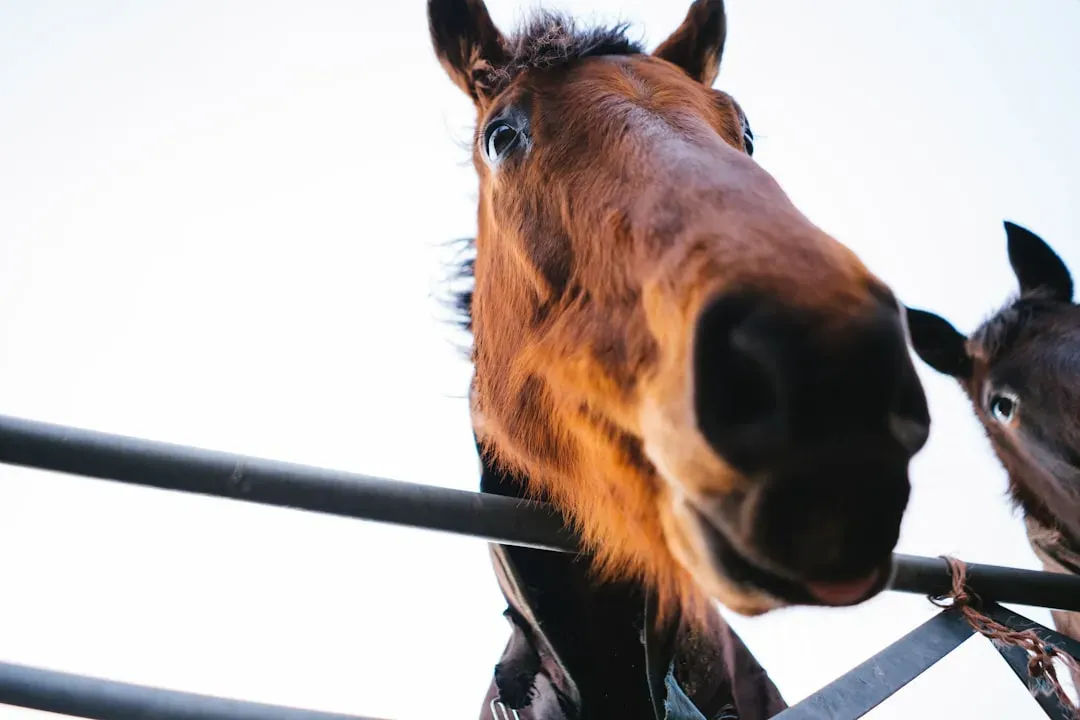
There is a deeply frustrating cycle that riding instructors watch unfold in new-owner barns more often than they’d like to admit. Horse tosses its head. Owner decides the horse needs “more control.” Owner buys a stronger bit. Horse tosses its head more. Owner buys an even stronger bit. At no point in this spiral does anyone stop and ask: why is this horse trying to get away from its own face?
Head tossing almost always traces back to something creating pain or pressure in the horse’s mouth or poll – wolf teeth that haven’t been removed, sharp cheek teeth, a bridle sitting a centimeter too low, or a bit that simply doesn’t suit the shape of that particular horse’s mouth. A straightforward teeth float or a bridle swap regularly stops the behavior entirely, often within the first ride afterward. Instructors say the moment they suggest dental work to a new owner who has been fighting head tossing for six months, the look of disbelief is almost universal. It really is usually that simple.
#11 Pawing Gets Corrected When It Should Get Noted
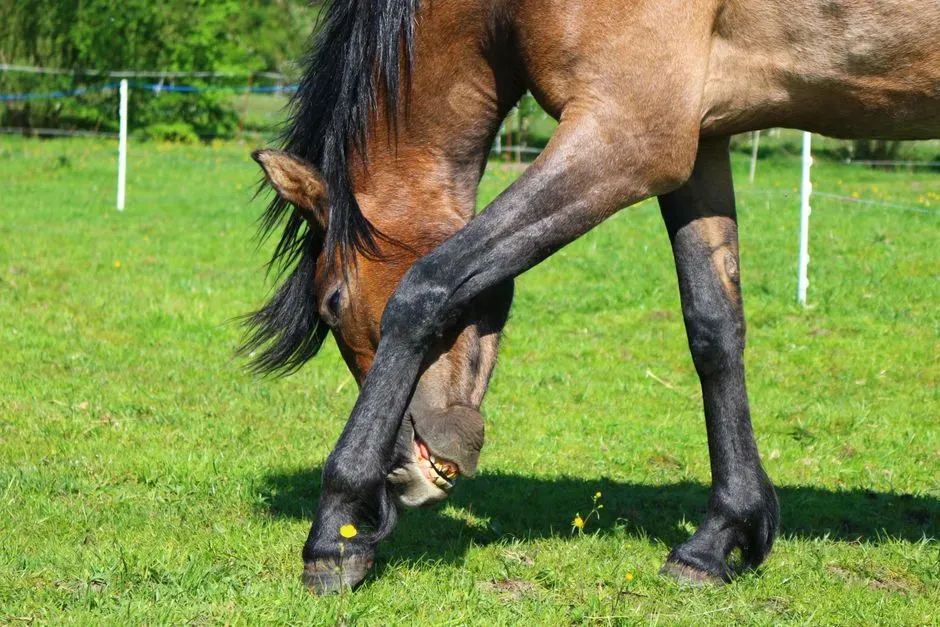
Pawing looks bratty. A horse scraping at the ground while tied, or hammering the arena floor while you’re trying to mount, reads like impatience – like a toddler drumming their heels on a restaurant chair. So new owners correct it. They tap the leg, they say “quit,” they tie the horse somewhere and walk away until it stops. None of that addresses what’s actually happening.
Pawing is a stress and discomfort release valve, and the context around it matters enormously. Pawing while waiting to be fed can be learned impatience, yes. But pawing that appears suddenly in a horse that didn’t used to do it, or that escalates during a ride, is worth pausing over – colic can begin quietly, and pawing is frequently one of its earliest visible signals, showing up well before the more obvious signs of rolling or sweating. Instructors now ask new owners to track when and where the pawing happens rather than defaulting straight to discipline, because sometimes that pattern is the only early warning you’re going to get.
At a Glance: Pawing — When to Correct vs. When to Investigate
- Likely learned behavior: Pawing only at feeding time, in a horse with a long history of doing it.
- Worth noting: Pawing that is new, sudden, or out of routine context.
- Call the vet: Pawing paired with looking at the flank, sweating, or reluctance to settle — these can be early colic signals.
- Track it: Keep a simple log of when and where pawing occurs; patterns reveal more than single incidents.
#10 Early Bucking Gets Laughed Off Until It Gets Dangerous
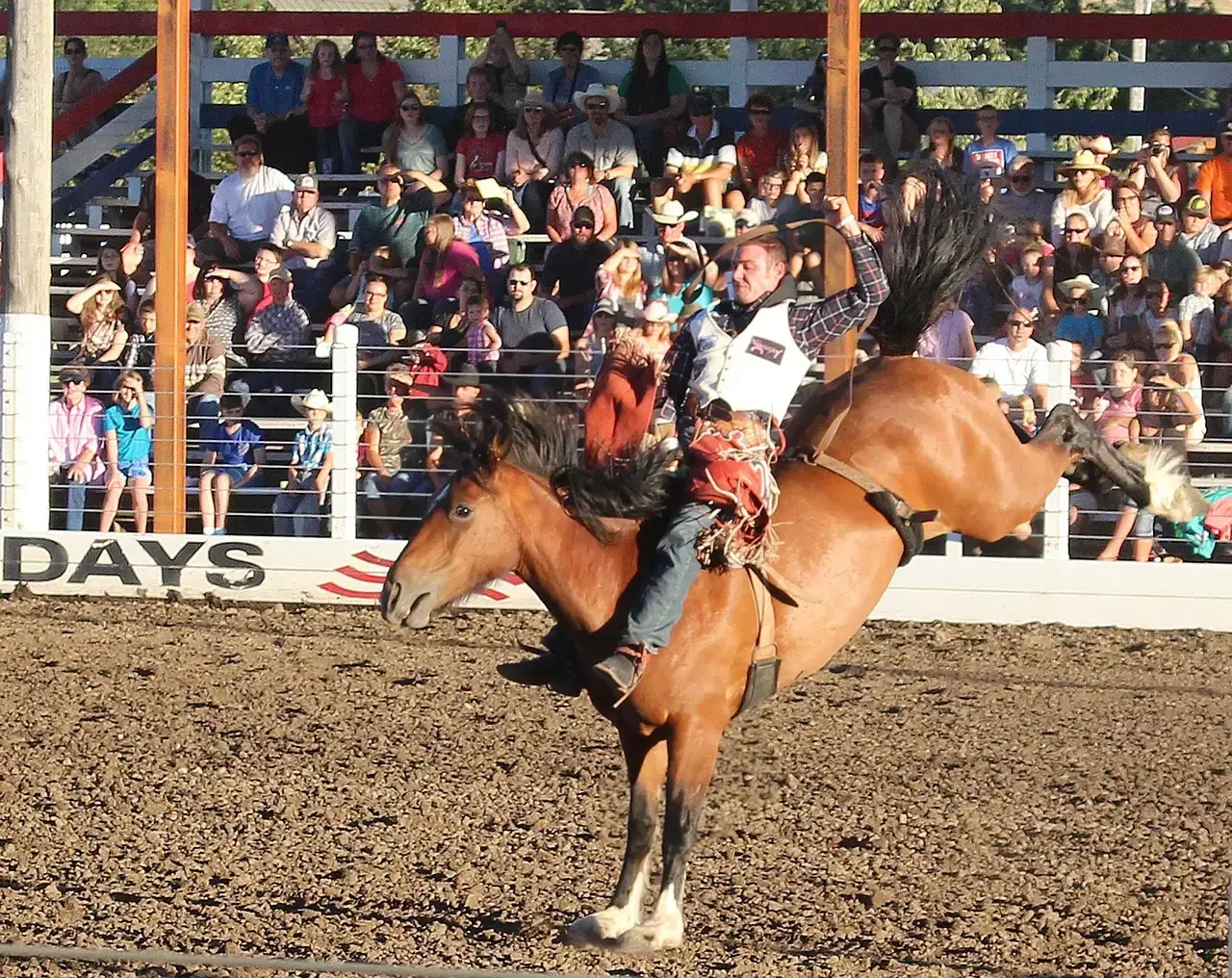
There’s a video type that lives forever on equestrian social media: the horse doing a little happy buck in the field, ears up, tail flagged, spring in its step. It’s genuinely delightful, and it makes sense that new owners carry that image into the arena with them. So when a horse bucks lightly coming out of a corner or dropping into a trot, the instinct is to smile and say “someone’s feeling good today.”
Instructors aren’t smiling. Back pain and saddle fit issues are among the most common causes of under-saddle bucking, and what starts as one small hump on the canter transition can escalate steadily if the root cause goes unaddressed. The pattern riding instructors describe is unfortunately predictable: owner laughs it off for weeks, bucks get bigger, owner gets nervous, training gets tense, horse gets more reactive, and now what was a manageable soreness issue is a full behavioral problem layered on top of a physical one. A saddle fitter and a vet call in month one saves an enormous amount of grief in month six.
#9 Rearing Gets Met with Force When the Horse Is Actually Terrified
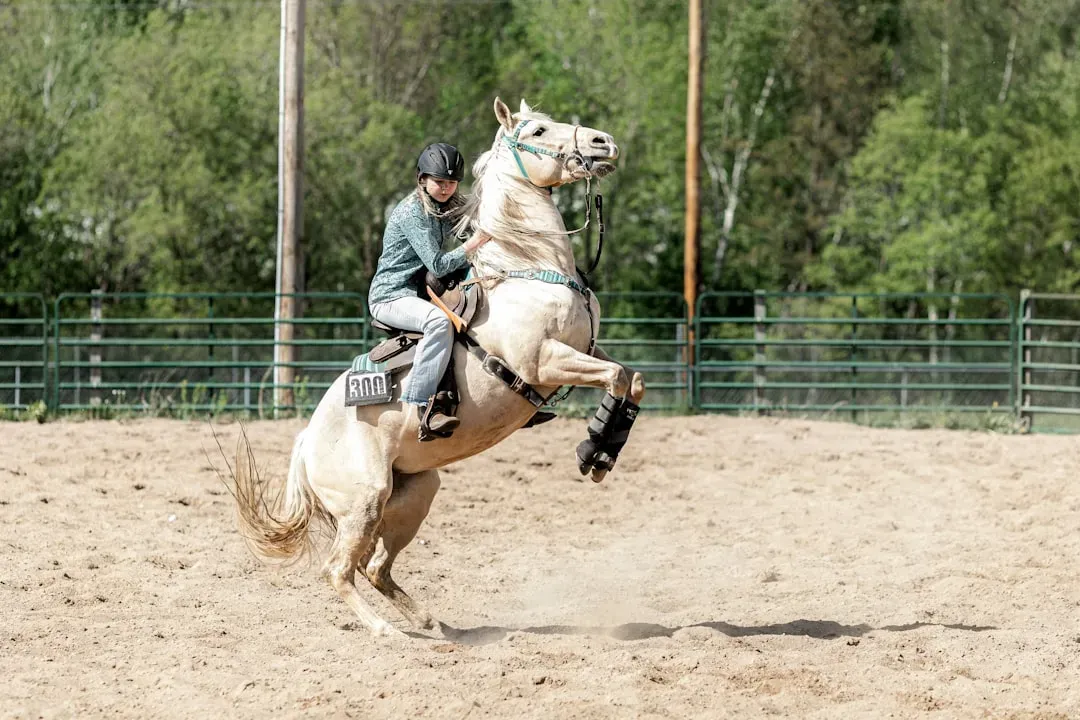
Rearing is the behavior that frightens new owners most, and understandably so. It looks like rebellion. It looks like the horse deciding it is done listening and done cooperating. The instinct is to assert authority – pull harder, carry a crop, show the horse who is in charge. Instructors watch this approach make rearing horses worse almost every single time.
The overwhelming majority of rearing horses aren’t asserting dominance – they’re panicking. They’re feeling trapped between leg pressure pushing them forward and hand pressure blocking them, and going up is the only escape route they can find. Or they’re in pain from a bit, a tight noseband, or a sore back, and they’ve run out of subtler ways to say so. When you remove the conflict or treat the pain source, many horses that were labeled “dangerous rearers” become straightforward, willing rides. Fighting the rear with escalating force doesn’t remove the reason the horse felt trapped in the first place – it just adds another layer of fear to an already overwhelmed animal.
#8 Horse That Is Actually Hurting
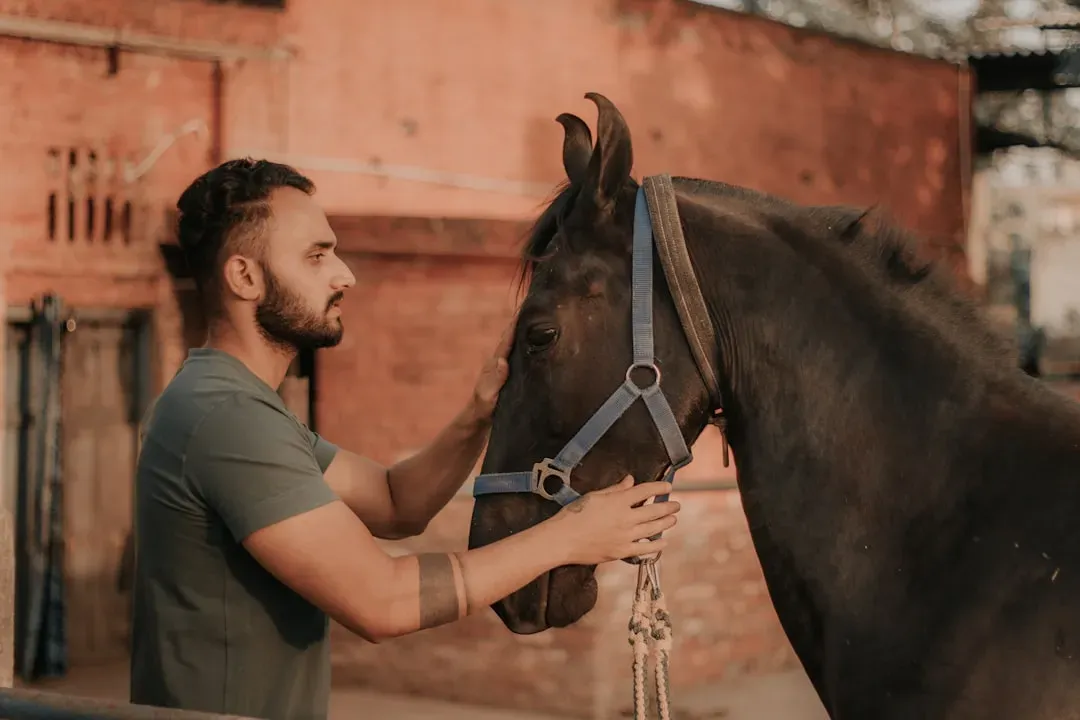
New owners don’t usually set out to push a horse that’s in pain. But the label “lazy” is so common, so casually applied, that it functions as a stop sign – it ends the inquiry before it begins. The horse won’t move off the leg? Lazy. Won’t pick up a canter when asked? Lazy. Drifts to a halt the moment you soften a contact? Unbelievably, inconveniently lazy.
Riding instructors have a different read on reluctance to move forward, and it sits much closer to the vet’s end of the spectrum than the training end. Gastric ulcers are a significant and underdiagnosed cause of this behavior – a horse whose stomach hurts every time it engages its core has a very good reason to avoid impulsion. Hind-limb lameness, back soreness, and even Lyme disease in certain regions can all present as what looks like unwillingness. The horses instructors describe as most transformed after a vet check are almost always the ones owners had been nagging with spurs for months, convinced they just had a “stubborn streak.”
Worth Knowing: Gastric Ulcers by the Numbers
- Gastric ulcer syndrome is estimated to affect 40–60% of non-racing performance horses and up to 90% of racehorses in active training.
- Even pleasure horses kept in stall confinement with grain-heavy diets are at meaningfully elevated risk.
- A horse with ulcers has a physiological reason to resist forward movement — engaging the core increases abdominal pressure and discomfort.
- Diagnosis requires a veterinary gastroscopy; behavioral improvement is often visible within weeks of appropriate treatment.
#7 Girthiness Gets Labeled Attitude When Its Practically a Medical Chart
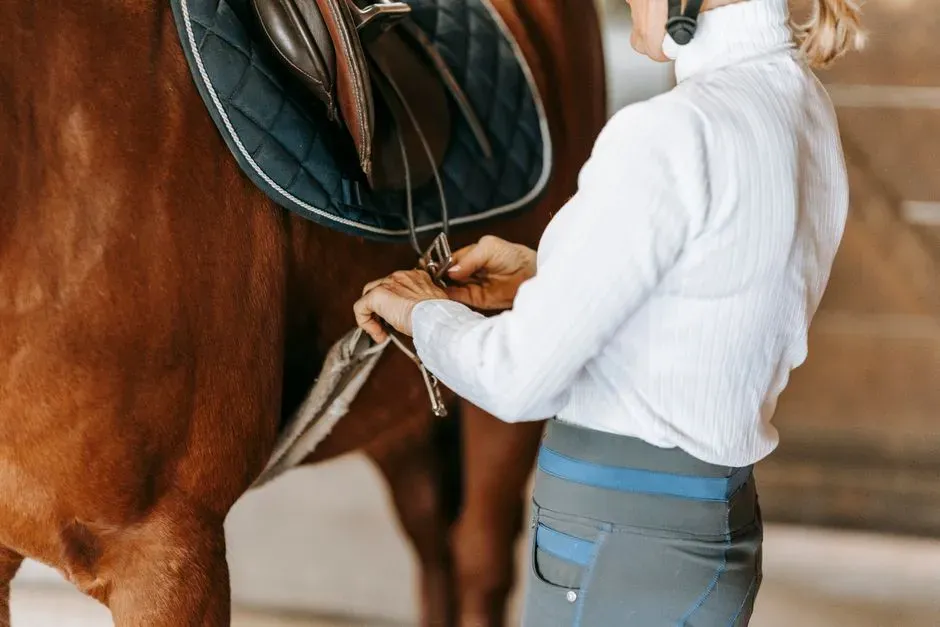
A horse that pins its ears, swings its head around, or tries to nip during girthing is, by most new-owner accounts, being rude. It’s an inconvenient behavior that interrupts the routine and occasionally feels threatening. The standard correction is to firmly establish that this is unacceptable, tighten the girth, and get on with things. Instructors hear this approach described constantly – and they wince every time.
Girthiness is one of the most diagnostically useful behaviors a horse can show you, and treating it as a manners problem is a bit like telling someone in abdominal pain to “stop making faces.” Gastric ulcers create a sensitivity in the girth area that makes ordinary tightening feel genuinely painful. Back soreness, ill-fitting saddles, and even skin conditions under the girth can all produce the same response. Instructors share stories regularly of horses that were labeled “girth sour” for years – horses whose owners had tried every correction in the book – who became completely cooperative within weeks of a proper diagnosis and treatment. The behavior wasn’t stubbornness. It was a symptom.
#6 Yawning During Saddling Gets Overlooked as Boredom
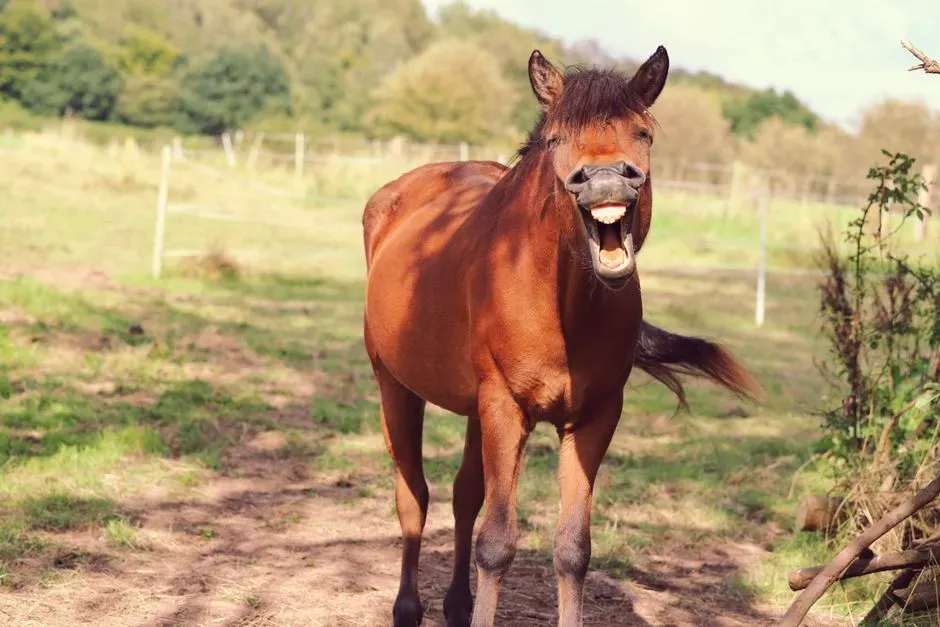
A horse yawning in the crossties looks almost comical – big, theatrical, slightly ridiculous. New owners usually find it charming, maybe even reassuring, as though their horse is so relaxed it can barely stay awake. It seems like the opposite of a problem. Instructors have learned to pay attention to it anyway.
Repeated yawning during or after work, or specifically during saddling and bridling, is recognized by many equine bodyworkers and veterinarians as a tension-release signal – the horse’s nervous system cycling through discomfort rather than simply expressing drowsiness. It shows up particularly often in horses with temporomandibular joint (TMJ) sensitivity, neck stiffness, and gastric issues that create referred discomfort through the poll and jaw. What makes it such a commonly missed signal is precisely how benign it looks. Instructors who have started pointing it out to new owners and then watched it disappear after treatment describe the moment of realization on the owner’s face as one of the more quietly satisfying parts of their job.
#5 Rolling After Rides Gets Photographed When It Should Sometimes Get Monitored
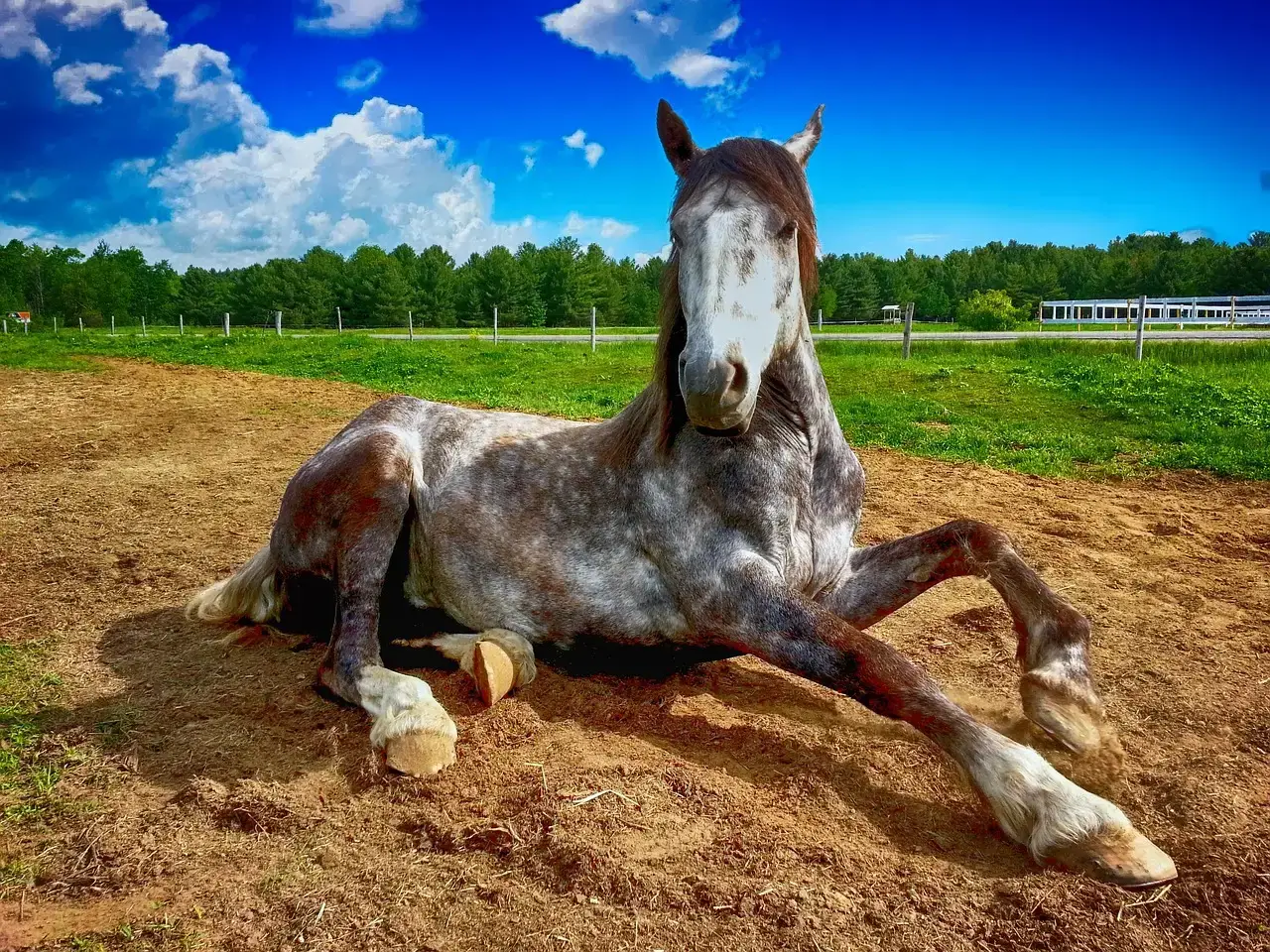
This one genuinely matters in a way the others on this list largely don’t, because misreading it can have serious consequences. A horse that drops to roll after a ride and does it with relaxed, rhythmic movements – a good scratch, maybe a satisfied groan – is probably doing exactly what it looks like: relieving pressure and enjoying the moment. That’s fine. That’s normal. The problem is when owners apply the same “oh how sweet” reaction to rolling that looks completely different.
Frantic rolling, repeated attempts to get down that the horse can’t seem to complete, rolling paired with pawing, sweating without exertion, or a horse that looks at its flank and keeps shifting its weight – these are colic signs, and they require a vet call, not a social media post. New owners who haven’t seen colic before often genuinely don’t know what it looks like in its early stages, which is exactly why instructors rank this among the riskiest misreads on the list. The window for effective intervention in colic can be narrow. Assuming all rolling is contentment is a gamble no one should be making.
Quick Compare: Normal Post-Ride Rolling vs. Colic Warning Signs
- Normal: Drops smoothly, rolls once or twice, gets up and shakes off — relaxed expression throughout.
- Concerning: Repeated attempts to lie down, can’t seem to get comfortable, keeps standing back up to try again.
- Call the vet: Rolling paired with pawing, flank-watching, sweating, or refusal to eat — do not wait to see if it passes.
- Key rule: When in doubt, call. Colic intervention is far more effective when started early.
#4 Constant Whinnying Gets Heard as Friendliness When It;s Actually Anxiety
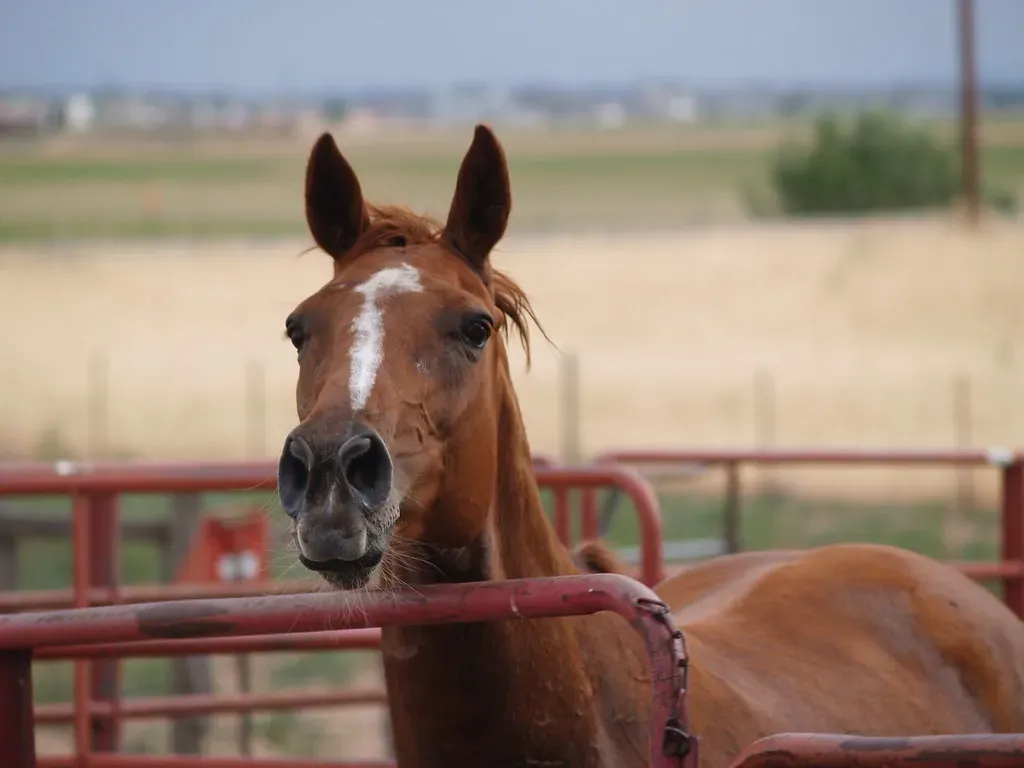
New owners tend to love the whinny. It feels like a greeting, like the horse recognizes them, like there’s a bond forming. And sometimes that’s exactly what it is – a soft nicker when you walk in with the feed bucket is one of the better things about horse ownership. But a horse that calls constantly, that screams at the gate during turnout, that won’t stop vocalizing throughout a ride, is telling a different story.
Persistent whinnying most often signals anxiety – separation distress in particular – and it can reflect management issues that owners haven’t yet connected to the behavior. A horse moved to a new barn who has lost its herd mate, a horse kept in isolation rather than in social housing, or a horse whose routine has been disrupted in ways that feel minor to the human but significant to the animal: these are common triggers. Instructors who address the underlying stress source – more appropriate turnout companions, slower transitions, better routine consistency – see the behavior resolve far more reliably than those who try to correct the vocalization itself. The horse isn’t greeting you. It’s asking for help.
#3 Every Snort Gets Treated as Fear When Half of Them Mean the Opposite
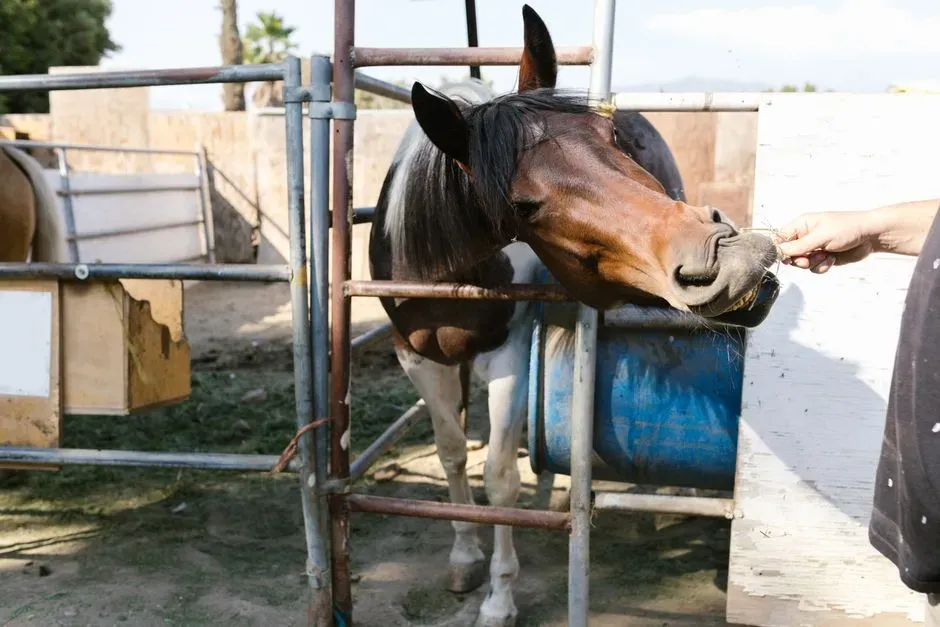
New riders are taught, reasonably, to pay attention when a horse snorts – it can mean the horse has spotted something it finds alarming, and ignoring a genuine spook warning is not a great strategy. So snorting gets catalogued as a caution signal, something to brace for. The problem is that only some snorts mean that, and learning to tell the difference matters quite a bit for how you ride.
A sharp, repeated snort with a raised head, stiff neck, and hard eye fixed on something in the distance is indeed a tension signal worth noting. But a long, slow, blowing snort accompanied by a lowered head, soft eye, and loose swinging walk is something else entirely – it’s the equine equivalent of a deep exhale, the signal that the horse has mentally landed and is relaxing into the work. Instructors who point this out often watch new riders stop tightening and bracing every time they hear it, and the quality of the entire session shifts. Overreacting to every snort teaches the horse that its own natural communication generates tension in the rider, which creates a strange, counterproductive feedback loop that undermines trust in both directions.
At a Glance: Reading the Snort
- Alarm snort: Short, sharp, repeated — head up, neck stiff, gaze fixed on a specific object or movement.
- Relaxation snort: Long, slow, blowing exhale — head lowered, eye soft, body swinging freely forward.
- Rider’s job: Mirror the relaxed snort with a soft seat and quiet hands, not a tightened grip and held breath.
- The feedback loop: A rider who tenses at every snort teaches the horse that relaxing generates anxiety — the opposite of what both parties need.
#2 Licking and Chewing Gets Celebrated When It Might Mean the Horse Is Overwhelmed
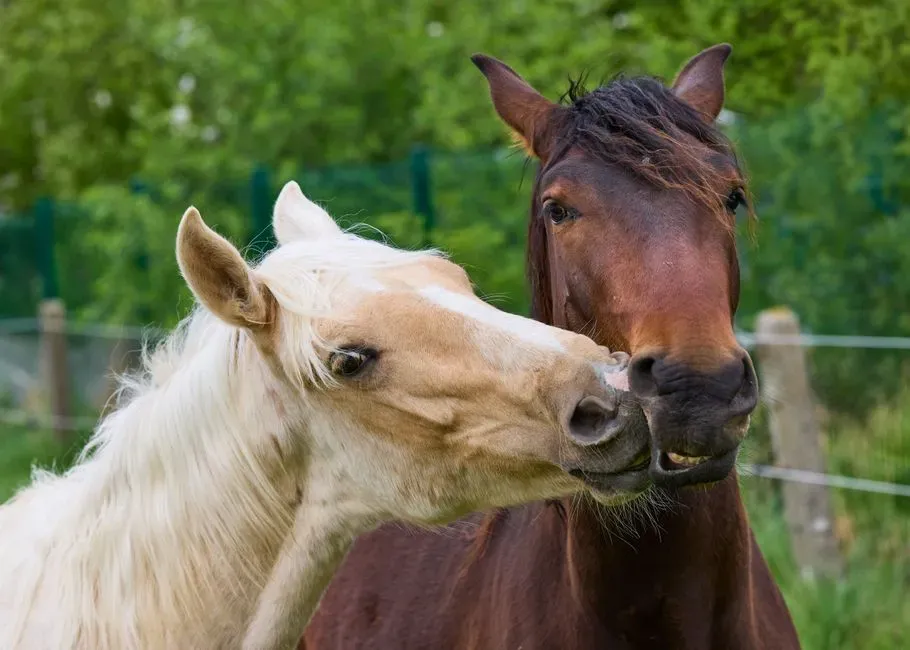
Licking and chewing is everywhere in natural horsemanship circles, presented as the golden signal – the horse has understood, accepted, and is now processing the lesson in a positive way. New owners watch for it eagerly, and when it shows up, they feel a rush of relief and satisfaction. Instructors want to complicate that picture a little.
Licking and chewing does often appear during genuine learning moments, and it does indicate that the parasympathetic nervous system is engaged – that the horse is coming down from a heightened state. But “coming down from a heightened state” is not the same as “enjoying itself” or “getting it.” A horse that has been overwhelmed, confused, or pushed past its threshold will also lick and chew as a stress-processing behavior. Reading it exclusively as submission or understanding can lead owners and trainers to push sessions longer and harder than the horse can genuinely manage, because the behavior looks like a green light when it may actually be a yellow one. Context – what came before it, how the rest of the body looks, how quickly it appears – matters far more than the behavior in isolation.
#1 Chronic Body Tension Gets Accepted as Personality Instead of Investigated as a Problem
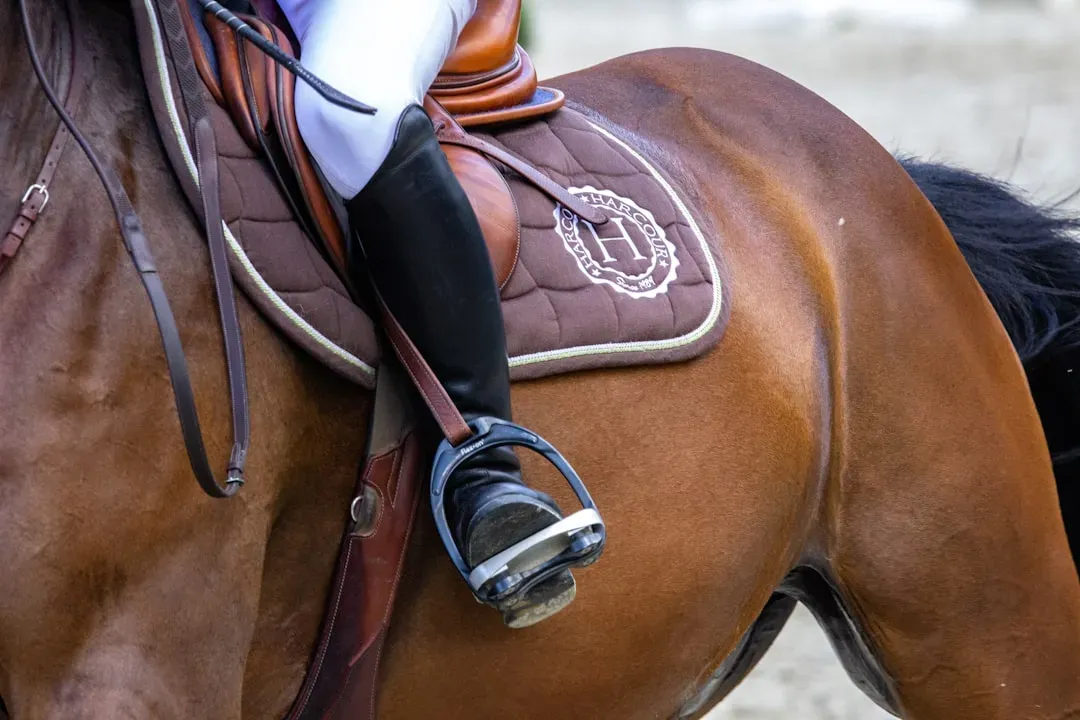
Every instructor interviewed for this topic eventually circles back to the same thing. Not the ear-pinning, not the bucking, not the rearing – those get noticed, at least. What they describe as the single most costly, most persistent, and most foundational misread is this: the horse that is always a little braced, always a little tight through the back, always carrying its neck with a certain stiffness, always just slightly difficult to relax. And the owner who has been told, or has decided on their own, “that’s just how he is.”
Chronic tension in a horse is almost never just personality. It is the body’s long-term answer to unresolved pain, a saddle that loads the spine incorrectly, hands that never fully release, cues that conflict and leave the horse with no right answer, or an anxiety state that has never been properly addressed. What makes this the number one misread isn’t just how common it is – it’s how much it amplifies every other problem on this list. A horse carrying chronic tension is a horse whose communication signals are already turned up to maximum volume. When owners accept the tension as normal, they lose the baseline that would help them catch everything else earlier. Instructors call it the mistake underneath the mistakes, and fixing it – really fixing it – almost always requires looking at the horse’s whole picture rather than correcting one behavior at a time.
Why It Stands Out: The Hidden Cost of “That’s Just How He Is”
- Research suggests at least 35% of ridden horses experience back pain, with poor saddle fit identified as a leading cause — yet many owners never connect the tension to the tack.
- A horse in chronic tension has its stress signals running at maximum volume — making every other behavior on this list harder to read accurately.
- Accepting tension as personality removes the behavioral baseline owners need to catch early warning signs of illness or pain.
- The four most commonly transformative interventions: saddle fit assessment, veterinary exam, dental float, and appropriate social turnout — in that order.
- Chronic tension is not a training problem until pain, equipment, and management have all been ruled out first.
What Riding Instructors Actually Want New Owners to Know
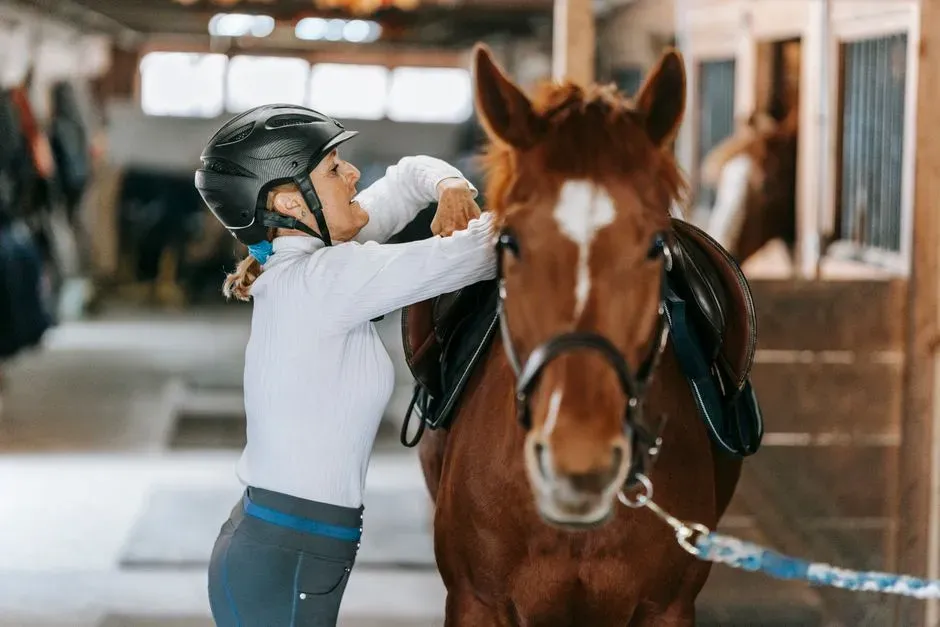
Here’s the honest, slightly uncomfortable opinion that comes through clearly from every riding instructor who addresses these misreads: horses are not trying to make your life difficult. That framing – the difficult horse, the stubborn horse, the horse with an attitude problem – is almost always a story that protects the owner from a harder question. The harder question is: what is this animal trying to tell me, and have I done the physical work to rule out pain before I reached for a correction?
The pattern is consistent enough to be remarkable. Saddle fit check, vet exam, dental float, proper turnout – these four things alone resolve a genuinely shocking percentage of the behavior problems that new owners spend months trying to train out of horses. The behaviors on this list aren’t character flaws. They’re a vocabulary. And the owners who learn to read it, rather than correct it, end up with something far more valuable than a more obedient horse – they end up with a horse that trusts them enough to keep talking.

- 16 Animals Vets Say Form Bonds With One Person That Rival Any Dog – Most Families Never Expect Them - August 5, 2026
- 13 Gentle Signs a Senior Dog Is Saying Something Most Owners Don't Realise Until Later - August 5, 2026
- 17 Animals That Form a Bond So Deep With One Person That Rehoming Them Is Almost Impossible - August 5, 2026