
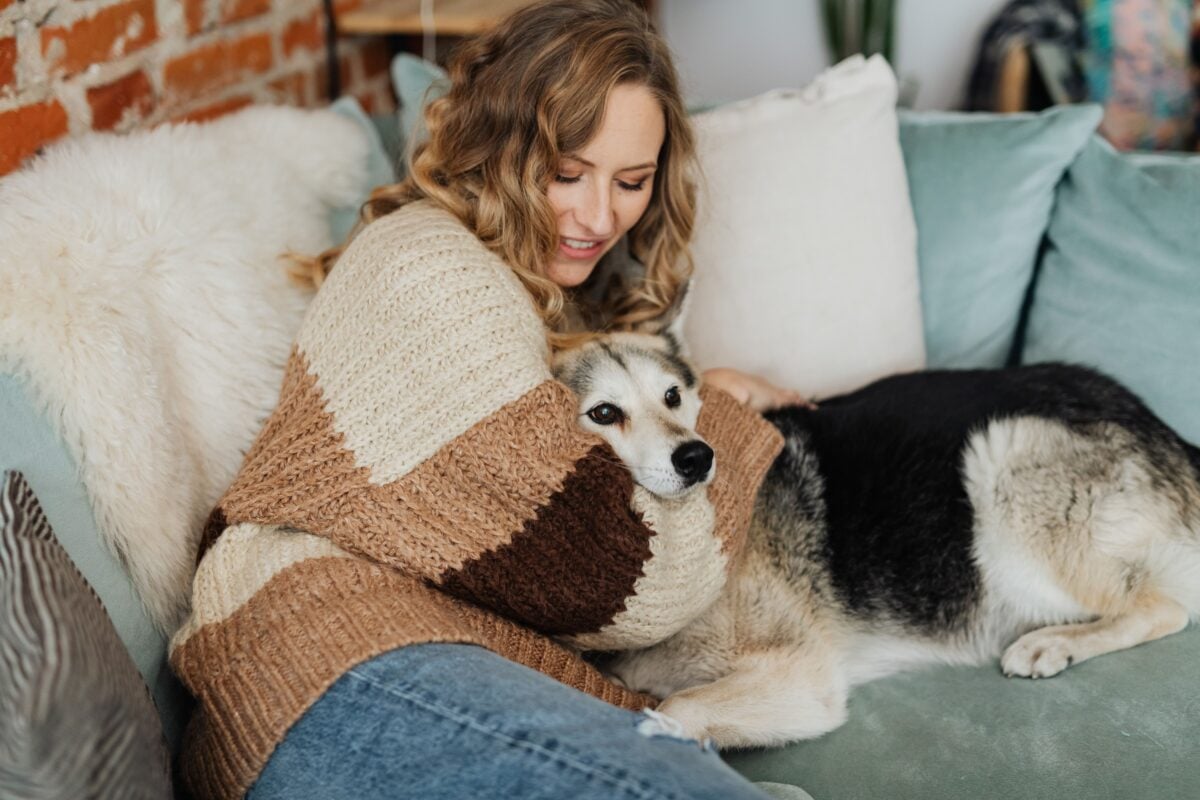
Everyone gives you the same advice when a dog gets old: keep them comfortable. Add a softer bed. Take it easy. It sounds simple, almost obvious.
But the vets who actually sit with families through this exact stage say that advice is oddly incomplete, and sometimes flat-out wrong. The comforts that truly matter to a senior dog aren’t vague gestures. They’re specific, occasionally uncomfortable truths that go against what loving owners instinctively want to do. Here are the 13 comforts vets say mean the most to a dog nearing the end, starting with the one almost everyone quietly gets wrong.
#13 – A Truly Pain-Free Body, Not Just “Managed”

Most owners have no idea how much pain their old dog is silently carrying. Vets say the majority of senior dogs live with real, chronic pain in their joints, spine, or mouth long before it ever shows up as a limp or a whimper. “Getting by” and being comfortable are not the same thing, and dogs are frighteningly good at hiding what hurts.
This is exactly why a real pain management plan matters more than the occasional pill. Prescription pain meds, anti-inflammatories, nerve pain medication, even laser therapy or gentle physical therapy, can change a dog’s entire day. Many owners resist “too many meds,” but hospice-style veterinary care exists specifically for this stage, when the goal quietly shifts from longevity to quality. Once pain is truly under control, dogs often sleep deeper, move easier, and seem to come back to life a little, and that shift alone can be the difference between existing and actually resting.
Fast Facts
- Studies estimate arthritis affects up to 80% of dogs over age eight, often progressing silently for months before anyone notices.
- Owner surveys found the three most reported aging signs are slowing down on walks, stiffness on rising, and dental tartar buildup.
- Hiding pain is an inherited survival instinct, since looking weak once made wild ancestors an easy target for predators.
#12 – A Supportive, Low-Stress Sleep Setup

Most people toss down a blanket and call it done. Vets in hospice and palliative care say a senior dog’s bed can quietly make or break their comfort, because thin, lumpy beds put constant pressure on already sore joints and hips. Hard floors are even worse.
For many older dogs, an orthopedic or memory-foam bed isn’t a luxury, it’s basic pain control. Location matters just as much as the mattress. Constant foot traffic, kids running past, or a blaring TV can quietly spike anxiety, so many vets now recommend a dedicated quiet corner: soft bed, non-slip rug, water within reach, dim light at night. Some even suggest two beds, one near the family and one in a quiet retreat, so the dog can choose where they feel safest. That sense of control over their own space matters more than most people realize.
#11 – Predictable, Slower Routines Instead of “Normal Life”

Humans cling to “normal.” Dogs nearing the end crave something else entirely: predictable and slow. Vet behaviorists point out that routine becomes one of the last big anchors of emotional security once the body starts failing, because when senses fade and everything hurts, knowing what happens next is genuinely calming.
This is where owners accidentally add stress without realizing it, through sudden schedule changes, chaotic visitors, or endless debating over “one last big adventure.” Vets often recommend a gentle, trimmed-down version of the usual day instead:
- Same waking time
- Same short, easy walks or yard sniff sessions
- Same feeding windows
- Same evening wind-down
It feels boring to us. To them, it’s safety. The controversial part is that many vets now openly say to skip the big bucket-list outing entirely if it obviously exhausts or distresses your dog.
#10 – Accepting Smaller Meals and Softer, Tastier Food

Many owners panic the moment an old dog eats less or turns picky. That instinct isn’t wrong at first, appetite changes can signal a real problem worth a vet visit. But once serious disease is diagnosed and you’ve shifted into a hospice mindset, forcing a senior dog to stick to “perfect” nutrition can actually backfire.
At this stage, many vets prioritize calories and enjoyment over strict dietary rules, because softer, more aromatic food is easier on sore mouths, fading smell, and tired digestion. That can mean warming food slightly to boost the aroma, switching to wet or moistened kibble, or adding vet-approved toppers like boiled chicken. What surprises most owners is how hard vets push back on the guilt here. If a dog’s kidneys or heart are in end-stage failure, strict diets matter far less than the simple joy of eating something they love without a fight. Comfort beats perfection now.
#9 – Help Moving Without Feeling Helpless
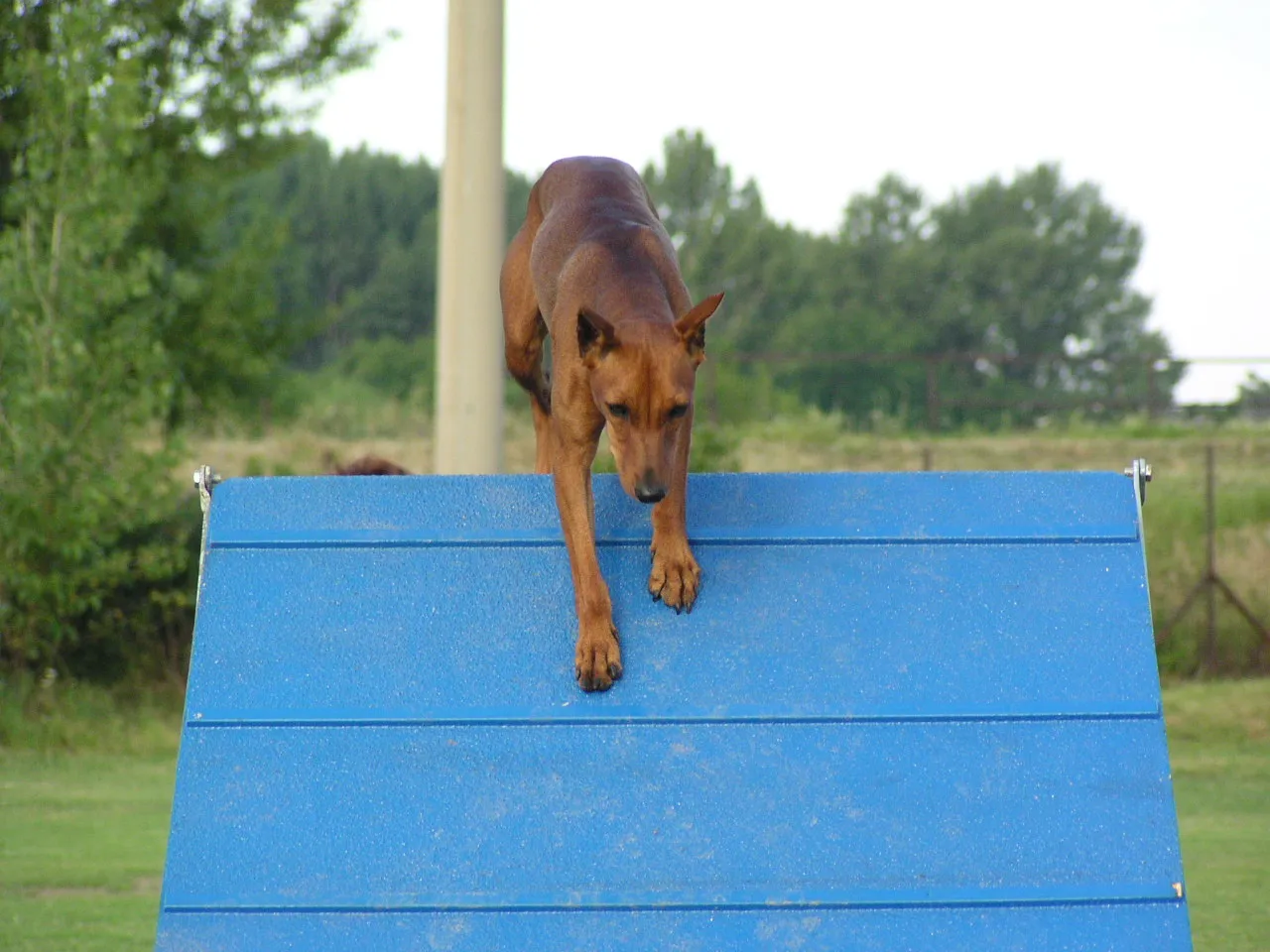
Most owners either overprotect or underhelp. They either carry the dog everywhere or expect them to “walk it off.” Vets say the sweet spot is dignified assistance, making movement safer and less painful without treating a dog like fragile glass.
Mobility isn’t just physical, it’s psychological. Being able to stand, go outside, and shift positions keeps circulation flowing and prevents bedsores and stiffness. Vets often recommend non-slip rugs over tile and hardwood, a well-fitted harness with a handle or rear support sling, and ramps for stairs, couches, and cars instead of forcing painful jumps. Some owners feel guilty using these tools, as if it means admitting decline, but in reality these small aids delay the trapped, helpless feeling that so many senior dogs quietly experience. A dog who can still follow you into another room, even with a little help, almost always looks calmer and more content.
At a Glance
- Non-slip rugs or yoga mats laid over slick tile and hardwood
- A harness with a rear-support handle for stairs, cars, and the yard
- Ramps in place of jumps onto couches, beds, or vehicles
- Frequent gentle position changes to prevent pressure sores
#8 – Gentle, Targeted Touch, Not Constant Fussing

Most people assume more cuddles automatically mean more comfort. Vets and rehab specialists quietly disagree, pointing out that many painful senior dogs are touched too much and too roughly by owners who mean well but don’t realize how tender certain spots have become.
Arthritis, spinal issues, and internal tumors can turn ordinary contact into pain. Big bear hugs, kids flopping onto the dog, or constant petting while they’re trying to sleep can spike irritability fast. What actually helps is mindful touch: slow strokes on spots your dog clearly leans into, light ear rubs or chest scratches in their safe spot, and avoiding obvious pain zones like hips, spine, and abdomen. Some older dogs still crave closeness, just quietly, resting a head on your lap rather than being handled constantly. Vets say letting them choose contact preserves something important: dignity, even at the very end.
#7 – A Calm, Low-Noise Home Environment
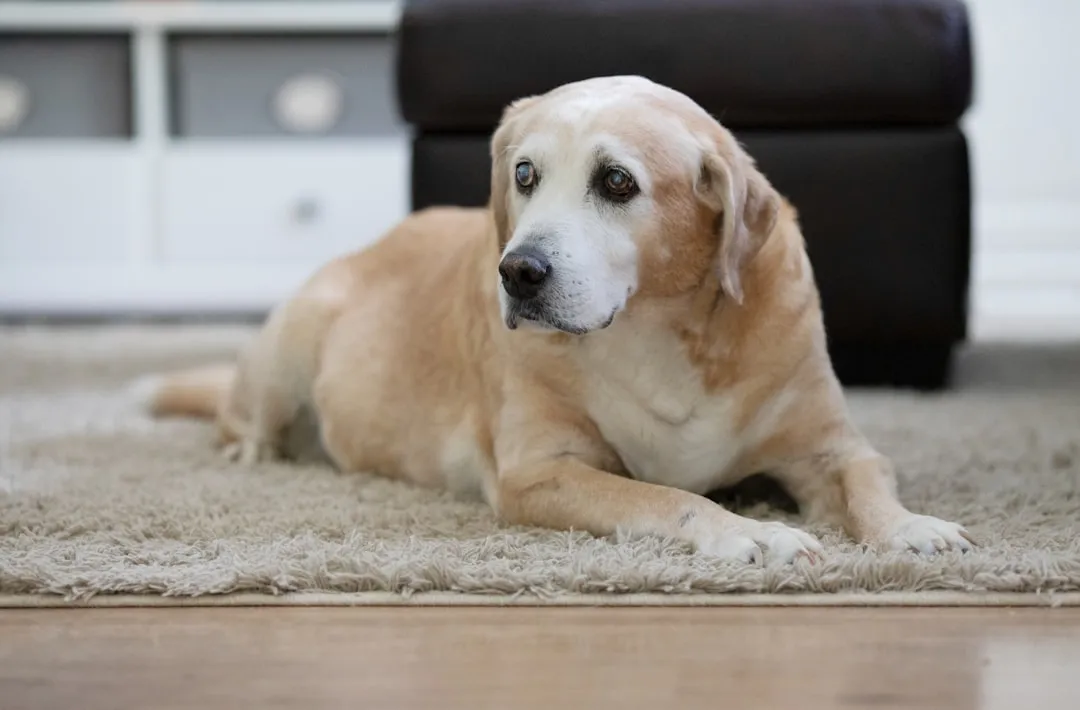
Almost everyone underestimates noise. As dogs age, how they process sound shifts, some go deaf, others become strangely more startle-prone. Vet behavior experts say sudden loud noises can spike cortisol and heart rate in senior dogs, quietly undoing every other comfort you’ve worked to give them.
Slamming doors, shouting, loud parties, fireworks, or renovation noise all count. Your home doesn’t need to become a monastery, but clear boundaries near the end genuinely help: no roughhousing near the rest area, doors closed to buffer sound, soft background noise to mask sudden bangs. Some people will roll their eyes at this until they watch a stressed, panting old dog visibly settle within minutes in a quieter room. Calm air isn’t just “nice.” It’s part of real pain and anxiety control.
Worth Knowing
- Slamming doors, shouting, and fireworks rank among the most disruptive triggers for aging ears and nerves
- Soft background noise or white noise can mask sudden household bangs
- A dedicated quiet zone away from foot traffic helps a stressed dog settle within minutes
- Sudden startle reactions in old age often mean fading hearing, not new aggression
#6 – Letting Them Opt Out of Things They Once Loved
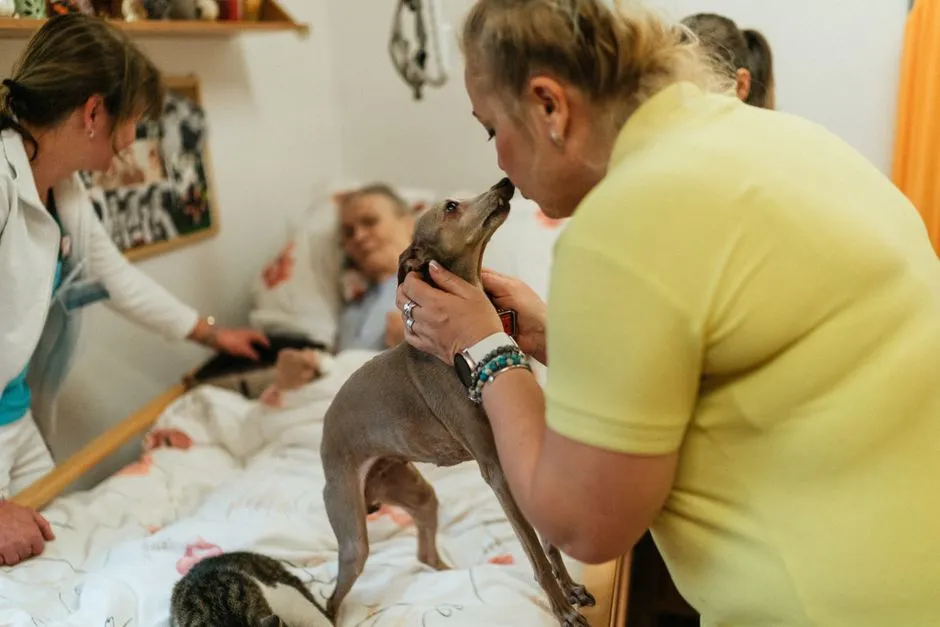
This is where owners struggle the most emotionally. The dog who lived for hikes, car rides, or the dog park may now hesitate at the door, or sleep straight through a visit from someone they used to adore. Vets are blunt about it: forcing “old favorites” is often more about us than about them.
Comfort at this stage means honoring new limits even when it hurts. If car rides now leave them drooling or shaking, skip the last big trip. If a walk turns into three steps and a stop, let it become a sniff session on the lawn instead. If they hide when visitors show up, let them stay hidden. Vets in hospice care say it plainly, over and over: the dog has already told you what they need by changing their behavior. The kindest thing you can do is listen, even when it quietly breaks your heart.
#5 – Keeping Them Clean, Dry, and Odor-Free Without Embarrassment

People talk endlessly about pain, but rarely about dignity. Vets see it constantly: a dog lying in damp fur, urine-soaked bedding, or a matted, smelly coat is almost never truly comfortable, no matter how tough they seem to act.
As mobility and bladder control fade, hygiene stops being cosmetic and becomes a core comfort issue. That means washable bedding with waterproof liners, gentle warm wipe-downs after accidents, regular brushing to prevent painful mats, and trimming fur around the backside so stools don’t stick. Here’s the part that stings: some vets now openly say that if a family genuinely can’t keep a dog clean and dry at home, due to work, energy, or resources, that alone can be a humane reason to consider letting them go. Living in filth isn’t extra time. It’s quiet misery dressed up as more days.
#4 – Temperature Comfort: Not Too Hot, Not Too Cold
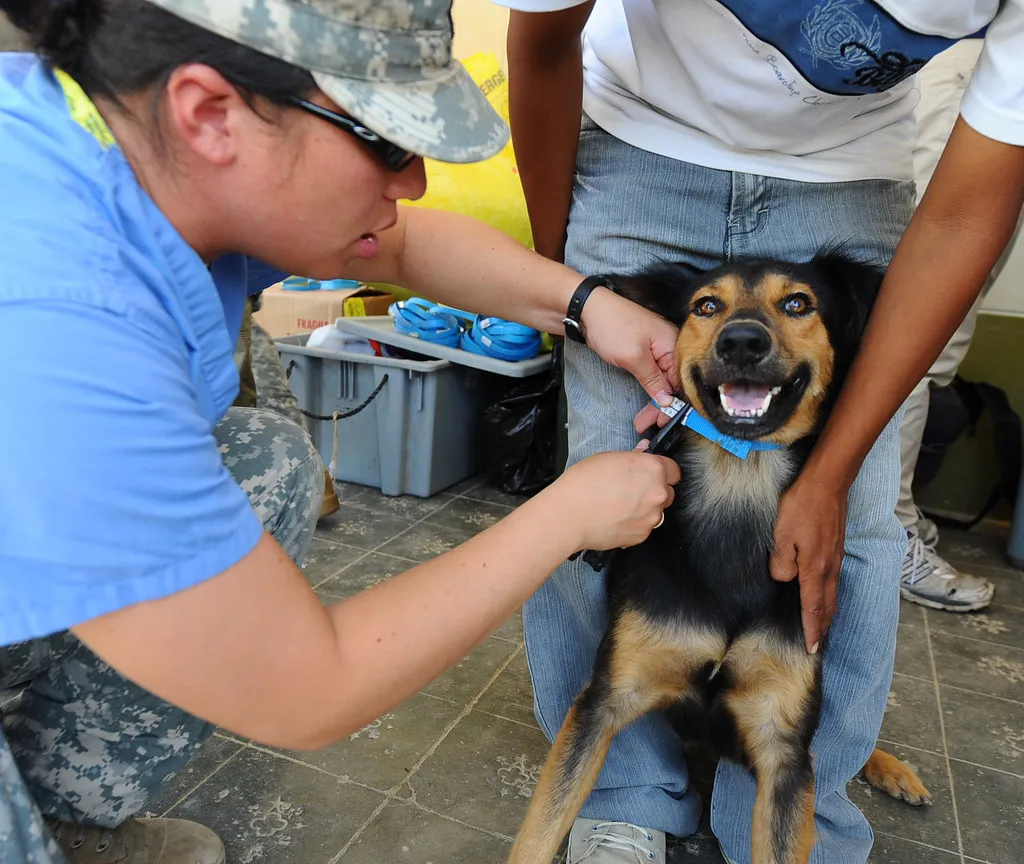
Senior dogs lose the finely tuned internal thermostat they had as puppies. Heart disease, muscle loss, thinning fur, and slower circulation all change how their bodies handle heat and cold. Vets consistently note that old dogs pant and shiver from mild temperature swings that a younger dog wouldn’t even notice.
Ignoring this is one of the most common end-of-life mistakes owners make. Small shifts help enormously: keeping their bed away from drafts, AC vents, and direct sun, adding a light sweater for thin-coated dogs in cool rooms, using cooling mats or fans in summer, and swapping one long outing for several short ones in extreme weather. Owners often think, “He’s always loved lying in the heat,” but bodies change quietly. What a dog used to tolerate easily may now be quietly exhausting them.
#3 – One Main Safe Person, Consistently Present
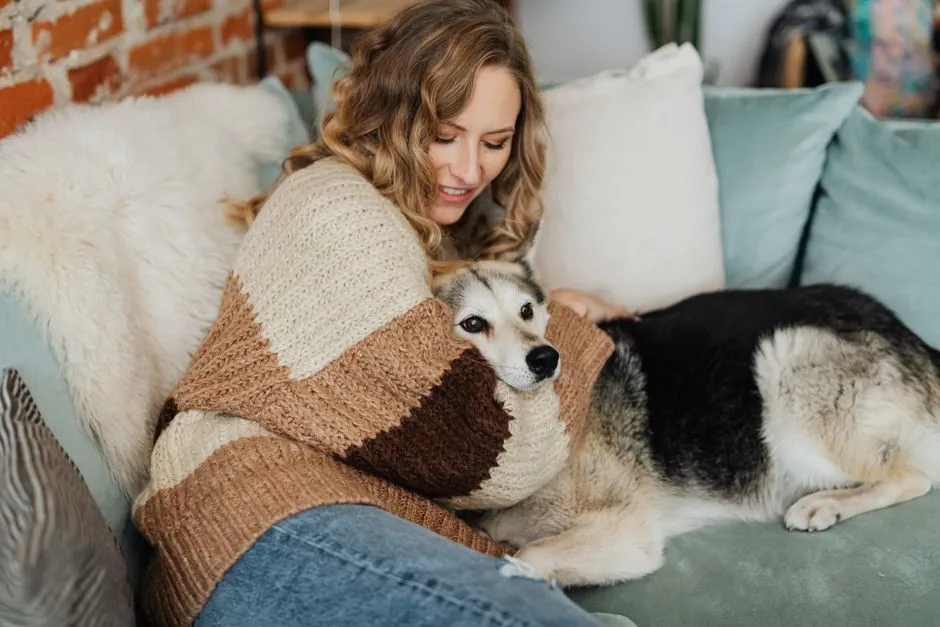
Here’s a point that stings a little: shuffling a dying dog between sitters, daycare, and relatives may be more about human convenience than canine comfort. Vet hospice teams say they see it constantly, old dogs who visibly calm the second “their person” walks in, and who panic the moment that person leaves.
Familiar scent, voice, and routine from one core person can anchor a dog even as their body, vision, and hearing start to fail. That doesn’t mean nobody else can help, but it does mean avoiding a constant rotation of caregivers in the final stretch, letting the main attachment person handle meds and bedtime whenever possible, and keeping that person’s scent nearby, an unwashed T-shirt, a familiar blanket, if they ever have to step away. Some people call this overkill. Anyone who’s actually watched the difference in a dog’s stress level knows better. For many dogs, security isn’t the whole family. It’s one specific person.
#2 – Honest, Early Conversations About Euthanasia

This is the comfort most people don’t want to talk about: a timely, peaceful goodbye. Vets overwhelmingly report that too many dogs suffer quietly because families delay euthanasia, waiting for a “sign” that almost never comes.
Waiting until a dog is in full crisis, gasping, screaming, unable to move, is the opposite of comfort. By the time an emergency clinic is the only option left, the chance for a calm, controlled farewell is usually already gone. Vets suggest regular quality-of-life check-ins using simple scoring charts made exactly for this, asking bluntly whether your dog would choose more days like this one, and planning the logistics early: at-home euthanasia versus a clinic, who will be present, what happens after. The hard truth many vets admit privately is that they’d rather euthanize their own pet a week too early than a day too late. That’s the level of mercy they believe our animals deserve.
Quick Compare
- Waiting for a “sign”: often ends in a rushed decision at an emergency clinic full of strangers
- Planning ahead: allows a calm, chosen setting with loved ones present
- Waiting: quality-of-life decline goes untracked until a crisis forces the issue
- Planning: regular scoring check-ins catch decline early and guide timing
#1 – Being Allowed to Pass Surrounded by Familiar Love, Not Alone and Afraid

When vets talk about what matters most in a dog’s final moments, they almost never mention procedures or equipment. They talk about presence. The single biggest comfort is a peaceful passing in a familiar place, with their person close, instead of a frantic, fluorescent emergency room full of strangers.
Dogs read scent, tone, and body language until the very end. If your presence has meant “you’re safe” their whole life, it matters profoundly in their last hour, whether that’s at home on their own bed or in a quiet clinic room with a favorite toy nearby. What they don’t need is being left in the back, or an owner stepping out because it’s simply too hard emotionally.
Your discomfort lasts years. Their confusion lasts minutes. But those are the most important minutes they have.
If you can stay, stay. Talk. Touch. Breathe with them. That’s the comfort they’ve earned.
The Bottom Line
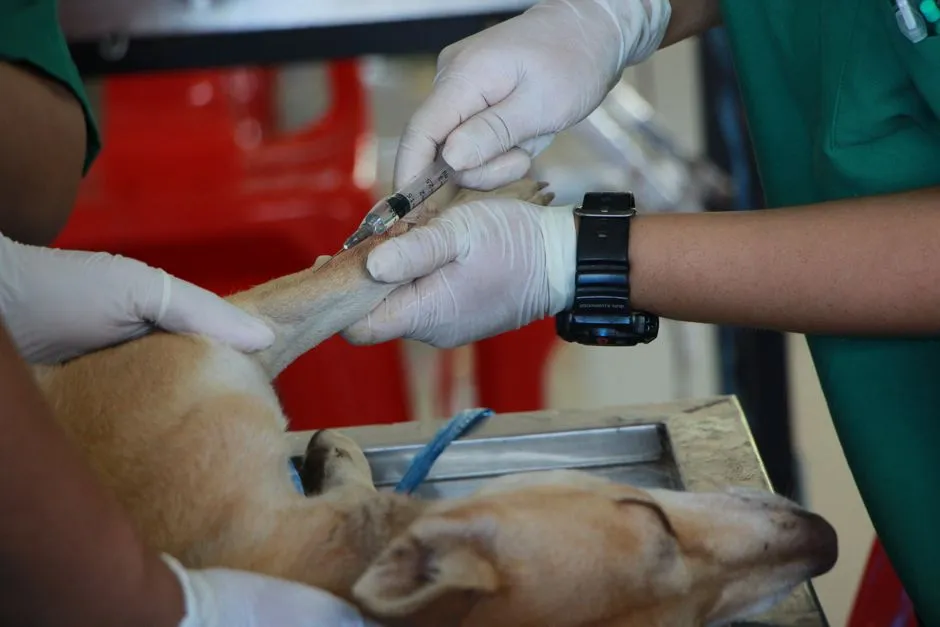
Strip away the guilt, the denial, and the endless “one more day” bargaining, and the comforts that matter most turn out to be shockingly simple, and a little brutal: less pain, more dignity, quieter days, and a goodbye that puts their peace ahead of our fear of losing them.
Vets see the contrast daily. Some dogs spend their last weeks clean, calm, and pain-controlled. Others get dragged through emergency after emergency because the people who love them couldn’t let go. Some owners will choose to fight to the very end, tubes and oxygen and heroic interventions included. Others will choose softer beds, tastier food, cooler rooms, and a planned, gentle farewell while their dog still knows exactly who they are.
That choice is deeply personal, but it isn’t morally neutral for the animal living through it. Which side of that line you land on says everything about whose comfort you actually value.

- 13 Comforts Vets Say Mean the Most to a Senior Dog Nearing the End - August 5, 2026
- 14 Signs a Dog Is Holding On Before Crossing the Rainbow Bridge - August 5, 2026
- 15 Things Dogs Only Do Around the One Person They Trust Completely - August 5, 2026