
Most people think a dog just closes their eyes one night and quietly slips away. The truth is messier, slower, and a lot more confusing to live through. The final weeks are often a strange mix of good moments, bad days, and small, easy-to-miss signals that your dog is still choosing to stay – for you.
Nobody hands you a manual for this part. Vets talk in medical terms, and the internet is full of vague advice about “quality of life” that doesn’t tell you what to actually watch for in your own living room. So you’re left wondering, at 2 a.m., staring at your dog breathing a little too fast: are they suffering, or are they still fighting to be here with you? Here’s what hospice vets, longtime dog owners, and end-of-life experts actually see in dogs who are holding on before crossing the Rainbow Bridge.
#1 – Sudden Clinginess You’ve Never Seen Before
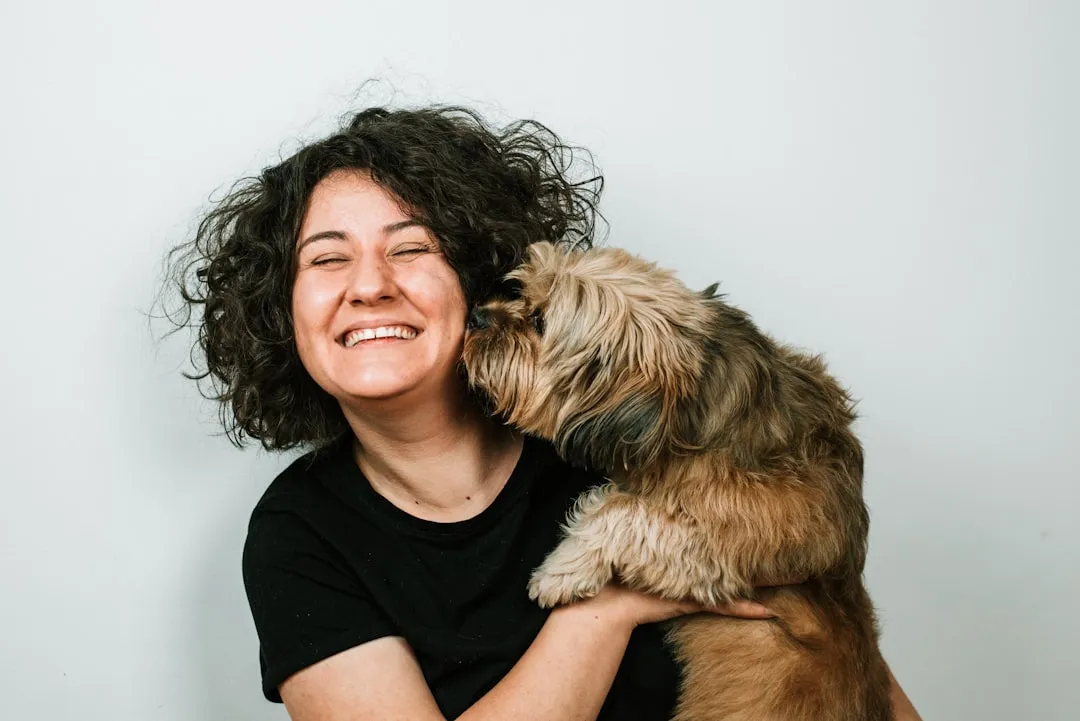
Some dogs become suddenly, intensely attached in their final stretch. The independent pup who always chose the other end of the couch might now insist on pressing their body against you, following you from room to room, or panicking when you step outside for even a minute. Many owners misread this as “attention seeking,” but it’s often a dying dog’s way of saying, I don’t want to do this alone.
You may notice them sleeping only where they can touch you, or whining if you close a door between you. This isn’t manipulation. It’s instinct. Their world is shrinking – hearing, sight, stamina – and you are the safest landmark they have left. Dogs who are holding on will often use your presence as their last anchor, even when they’re clearly exhausted.
#2 – Quiet Hiding and “Disappearing” to Another Room
At the other extreme, many dogs do the opposite: they start slipping away to corners, closets, or under beds they never cared about before. Most owners are shocked by this. “He’s always been a Velcro dog – why is he hiding from us now?” This isn’t rejection. Across species, gravely ill animals often retreat to dark, quiet spaces when they’re close to the end.
If your dog suddenly sleeps behind furniture or chooses the bathroom floor over their favorite bed, they might be telling you their body is overwhelmed. They may be torn between wanting you nearby and needing to shut the world out, which is a powerful sign they’re nearing the edge but still hanging on. Some owners insist this is “just a mood,” but hospice vets say persistent hiding is rarely random in a senior dog.
Worth Knowing
- Withdrawal to quiet, dark spaces is common in seriously ill mammals, not just dogs.
- Hiding often signals sensory overload – lights, noise, and movement can feel like “too much.”
- Some dogs alternate between hiding and clinginess within the same day.
- Persistent hiding paired with appetite loss is a stronger warning sign than hiding alone.
#3 – “Good Days” That Come Out of Nowhere
One of the most emotionally brutal signs is the mysterious last good day. A dog who has been barely moving, refusing food, and sleeping all day might suddenly perk up, wag their tail, eat a full meal, or even ask to play. Many owners take this as proof they’re recovering. Sadly, it’s often a final surge before the body completely crashes.
This rebound can look like wanting a walk after days of refusal, or being unusually bright-eyed and responsive. The hard truth: a short window of sudden improvement right before a steep decline is a classic end-of-life pattern in many dogs. They’re not faking it, and you didn’t imagine the suffering from the week before. Their body may be burning its last reserves, and emotionally, they may be making one last effort to be themselves for you.
#4 – Eating Only for You (and Sometimes Only by Hand)
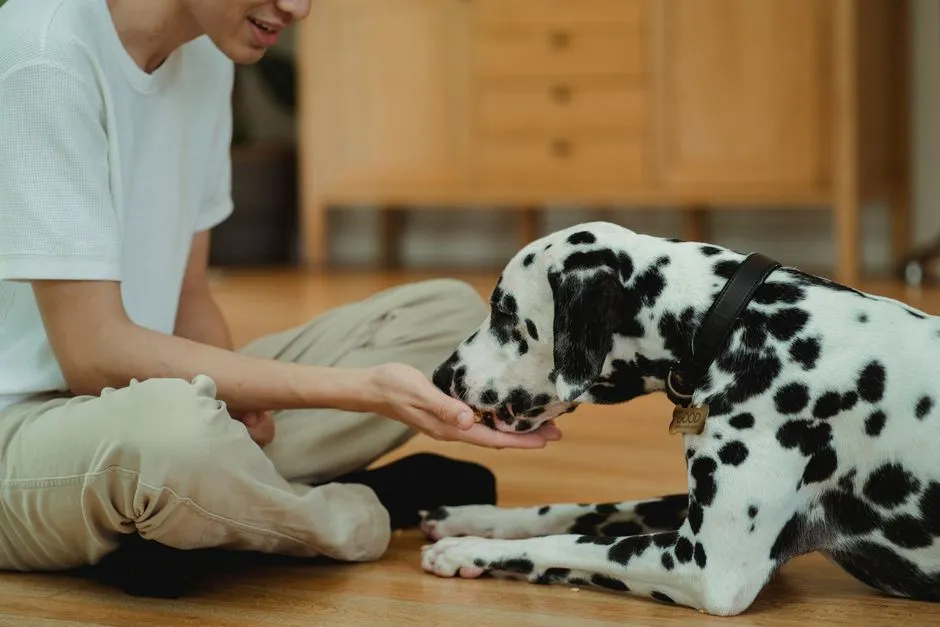
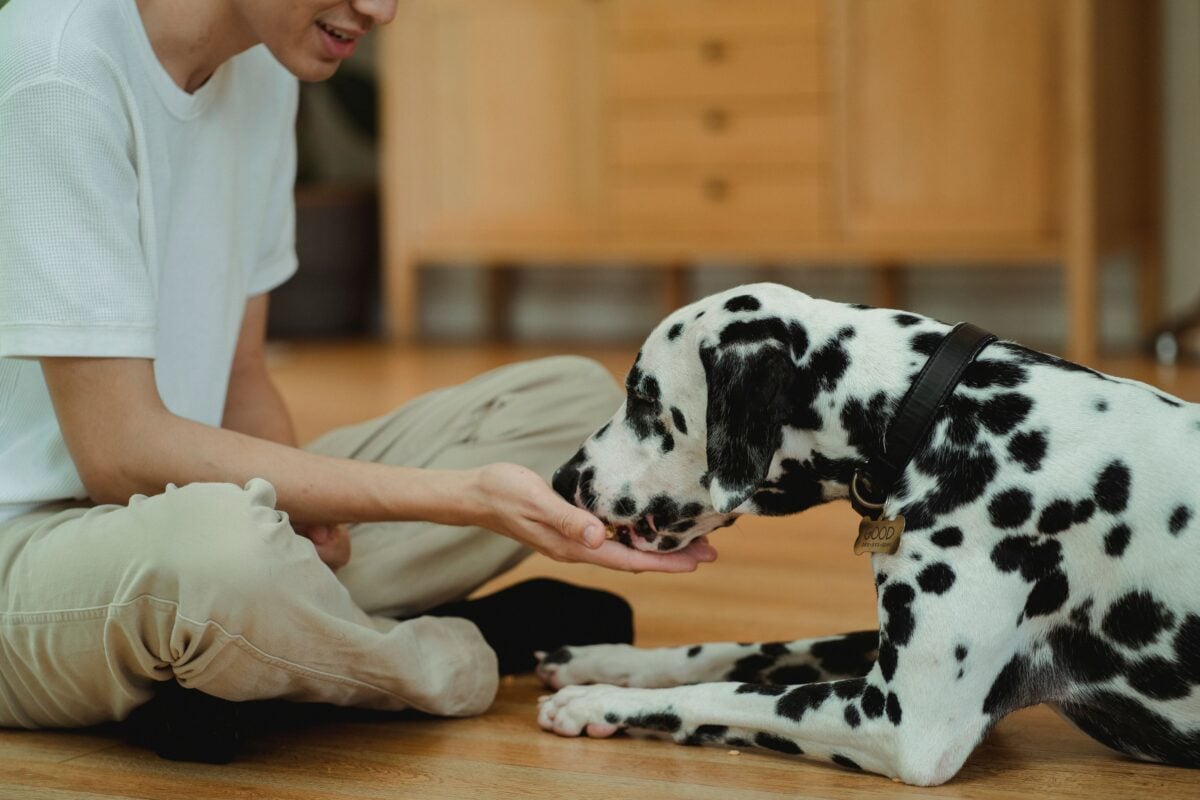
A dog that’s holding on will often eat past the point that makes medical sense – but only if you’re the one offering. They may ignore a full bowl but accept a few bites straight from your hand, or only nibble if you sit on the floor and talk to them. People mislabel this as “spoiled,” but at the end, eating is less about hunger and more about connection.
You may notice them sniff food, turn away, then eat when you gently insist. They might take high-value treats but refuse regular meals entirely. This is not them being picky; it’s them negotiating. When a dying dog eats only to please you, it’s a heartbreaking sign they’re pushing their body for your sake, not theirs. It can feel like a win, but it’s also a signal to ask whether continuing to push food is kindness or just delay.
#5 – Eyes That Look “Far Away” Even When They’re Right Beside You

Owners don’t talk about this enough: the faraway eyes that show up near the end. Your dog may be lying right next to you, but when you look into their eyes, it feels like they’re not fully there – like they’re looking through you or past you. This isn’t mystical; it can be pain, confusion, or their brain simply fading. Emotionally, though, it’s jarring.
You might notice delayed recognition when you speak, or a glassy, distant look during moments that used to excite them. Some people call this “soulful,” but hospice vets often see it as a sign of serious decline. When the dog who used to light up at your voice now stares blankly, they may be halfway between worlds – still here physically but already letting go inside. That doesn’t mean there’s zero quality of life, but it is a loud warning sign.
#6 – Restless Nights and Constant Position Changes
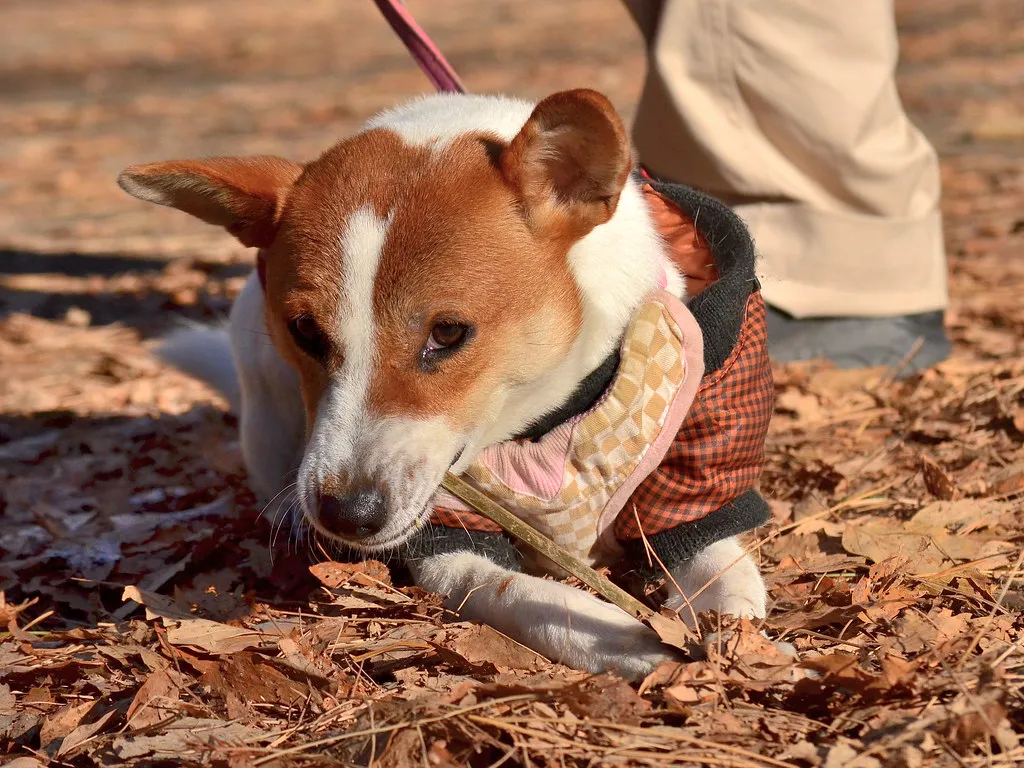
Most people assume old dogs just sleep more, but a dying dog often can’t stay comfortable in any position. They pace at 3 a.m., circle their bed over and over, lie down with a sigh, stand back up within minutes, or wander aimlessly like they’re searching for a spot that doesn’t hurt.
Watch for panting heavily at night despite a cool room, or moving from bed to floor to hallway in a loop. This isn’t them being annoying. Nighttime restlessness, especially combined with heavy panting or whining, is strongly linked to pain, anxiety, or organ failure in senior dogs. Many owners tolerate months of this, assuming it’s just old age, while the dog is quietly miserable and simply too bonded to stop trying. Recognizing this as suffering – not stubbornness – is often what finally pushes people toward a hard, necessary decision.
Fast Facts
- Pacing, circling, and frequent position changes at night often point to pain or discomfort rather than simple restlessness.
- Heavy panting in a cool room, without exercise or heat, can signal stress, pain, or organ strain.
- Nighttime symptoms are frequently worse because pain medication effects wear off overnight.
- Owners often underestimate how disruptive these nights are, since dogs rarely vocalize discomfort directly.
#7 – Loss of Bathroom Control (and the Shame That Comes With It)
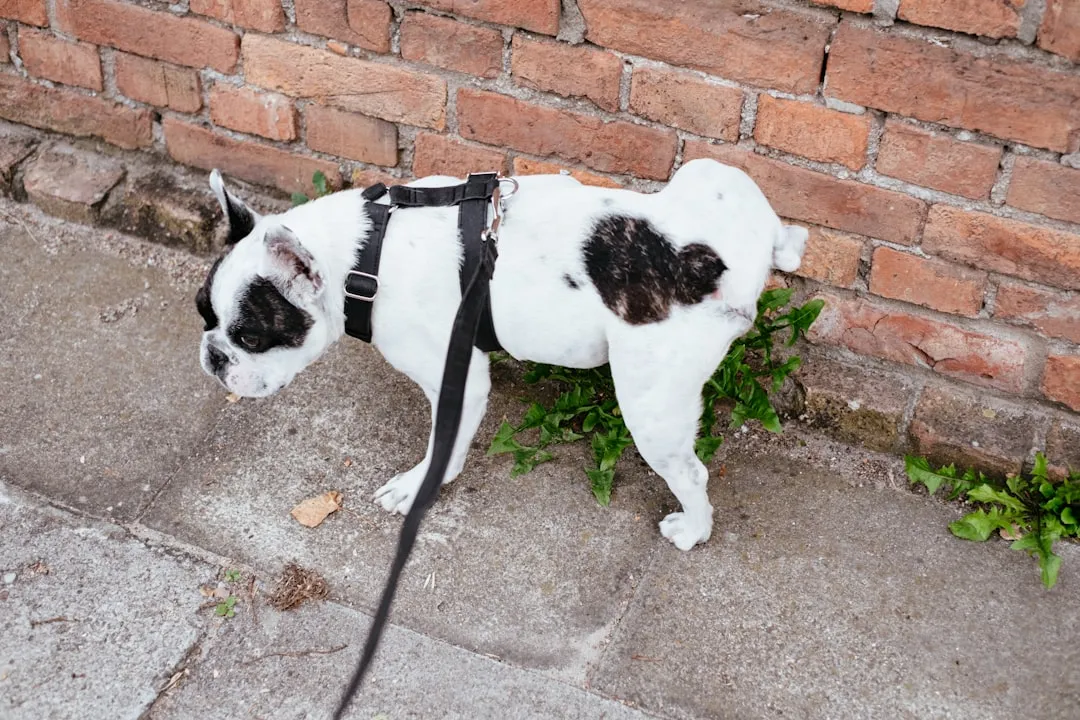
Here’s the part people don’t like to talk about: incontinence. A dog who has never had an accident in ten years may suddenly start urinating in their sleep, pooping indoors, or dribbling constantly. Physically, this can be kidneys, nerves, or muscle loss. Emotionally, many dogs look guilty or distressed when it happens, because they’ve spent a lifetime being praised for “holding it.”
You may see them trying and failing to make it to the door, or waking with a confused, panicked look after finding themselves in a wet bed. Plenty of dogs live comfortably with mild incontinence, so this sign alone isn’t everything. But when bathroom control is gone, mobility is poor, and clean-up is constant, it’s often not just an inconvenience – it’s a major quality-of-life hit. Some owners cling on here for themselves, not the dog, because letting go feels too final.
#8 – No Interest in Former Obsessions (Balls, Walks, Squirrels, You Name It)
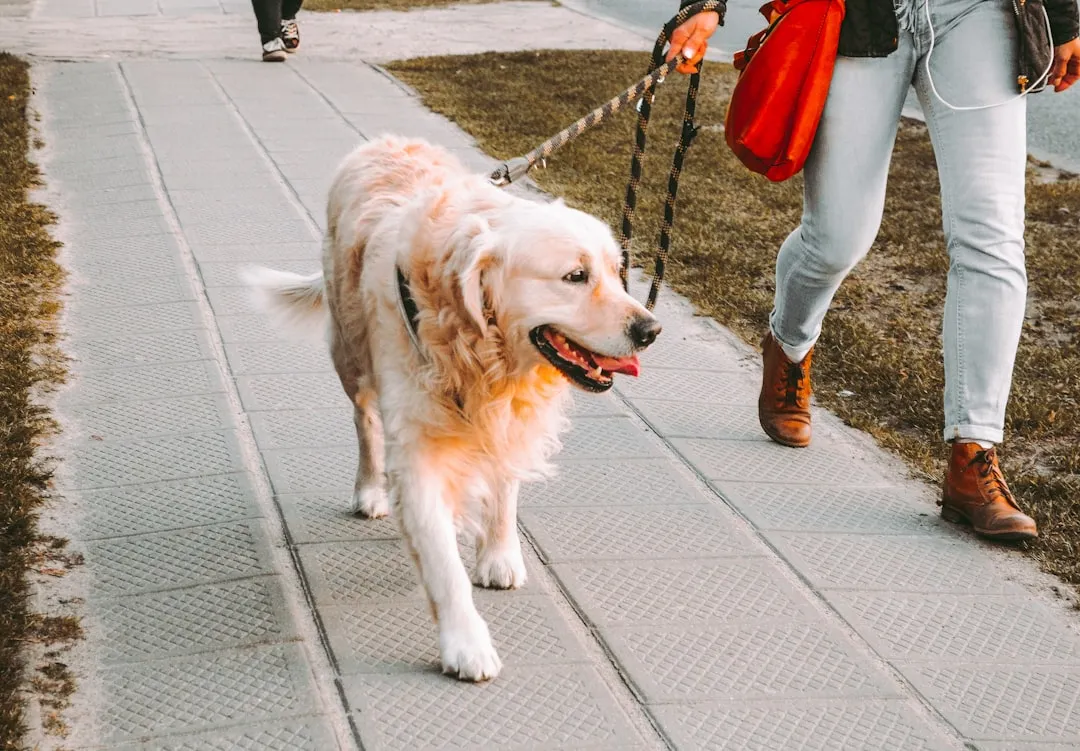
You know that one thing your dog used to lose their mind over? The ball, the mailman, the treat jar, the leash? One rough sign they’re holding on near the end is when they no longer react to their biggest triggers. You jingle the leash and get a blank look. The doorbell rings and they don’t move. The toy squeaks and they just blink.
This flattening is more than getting old. It’s the nervous system and energy reserves giving out. When a dog’s signature joy switch no longer flips, it’s a direct window into how little gas is left in the tank. Some owners cling to rare flickers – one tail thump, one slow walk down the driveway – as proof things aren’t that bad. But if the old obsessions are mostly gone, your dog may be staying for you, not because life still feels rich to them.
#9 – Labored Breathing That Comes in Waves
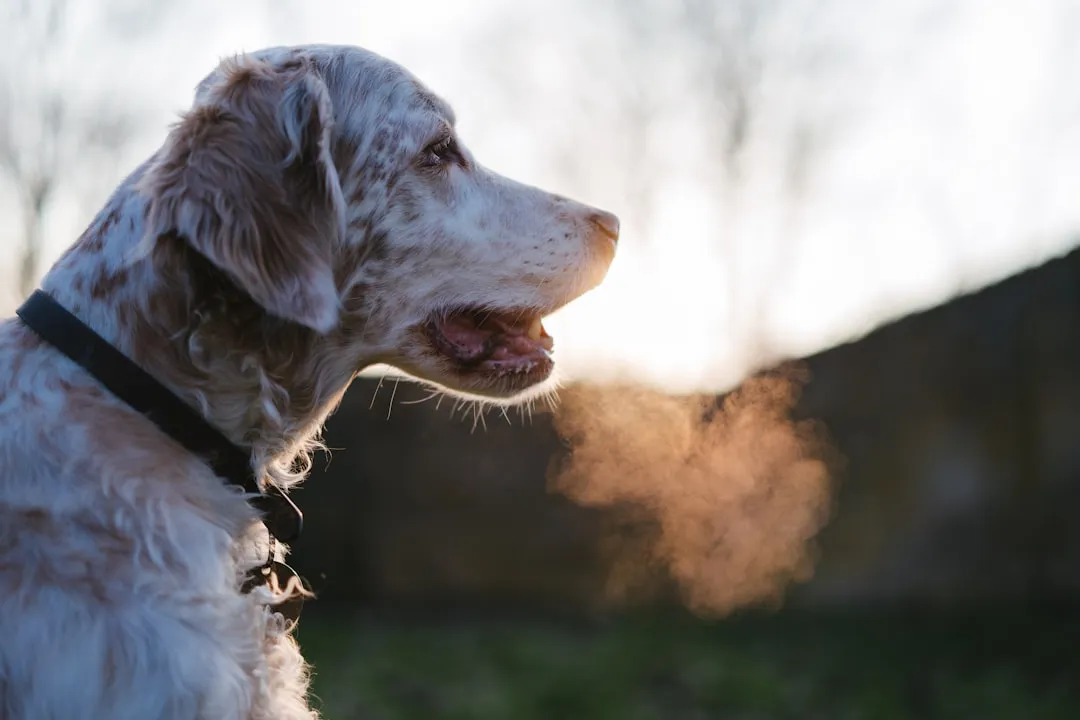
Breathing changes scare people, and honestly, they should. As dogs approach the end, you may notice shallow, rapid breaths, long pauses, or odd patterns where they seem fine one minute and struggling the next. Not every strange breath means it’s time, but persistent changes are rarely harmless in a senior, sick dog.
Watch for their belly moving dramatically with each breath, or fast breathing even at rest with no heat or excitement involved. This isn’t snoring or being out of shape. Chronic labored breathing can signal heart failure, fluid buildup, severe pain, or end-stage disease – and many dogs will endure it silently until collapse. Some owners convince themselves the dog isn’t crying, so they’re okay. That’s not how dogs work. By the time breathing looks wrong to you, your dog has usually been compensating for a long time.
Quick Compare
- Normal breathing: slow, even, and quiet, unaffected by rest or room temperature.
- Concerning breathing: rapid, shallow breaths that persist even when your dog is calm and cool.
- Normal breathing: brief panting after play or heat exposure that settles quickly.
- Concerning breathing: dramatic belly movement with each breath, or breathing that seems to pause and restart.
#10 – Sudden Confusion and “Getting Lost” in Their Own Home
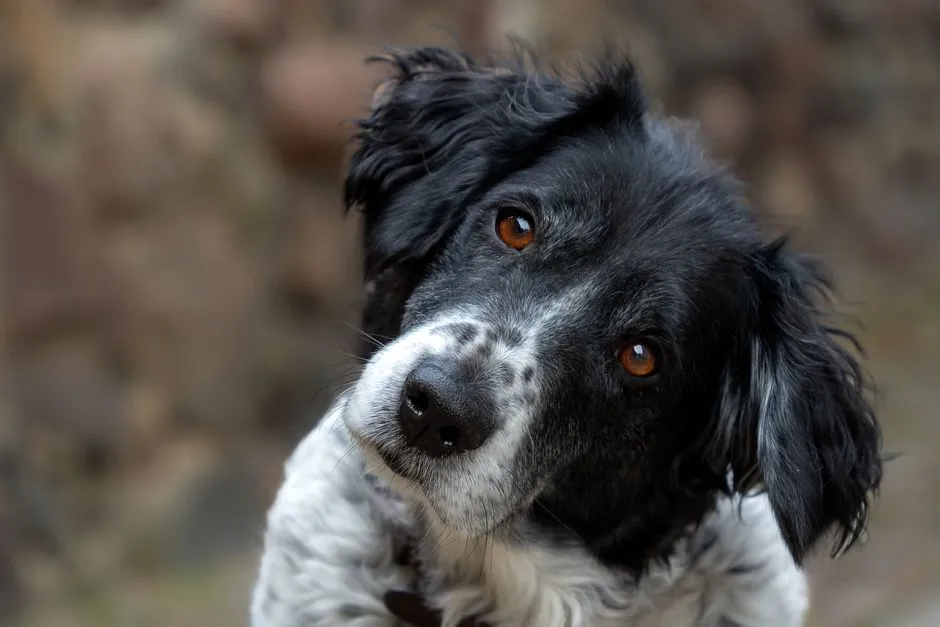
Cognitive decline doesn’t always wait until very old age, and it can go from mild to scary fast. A dog holding on at the end may stand in corners facing the wall, get stuck behind furniture, or fail to recognize familiar routes in their own house. Sometimes they stare at you with a flicker of recognition that comes and goes.
You might see them standing at the hinge side of a door, unsure how to exit, or pacing in small, strange patterns with a blank expression. While medications and routines can help earlier on, severe confusion that leaves a dog anxious, lost, and sleepless is often harder on them than on you. Some owners insist “he still eats, so he’s fine,” ignoring that his entire mental world is now fragmented and frightening. When your dog is both physically frail and mentally adrift, continuing may be more about your fear of loss than their welfare.
#11 – Flinching, Shivering, or Gasping at Normal Touch
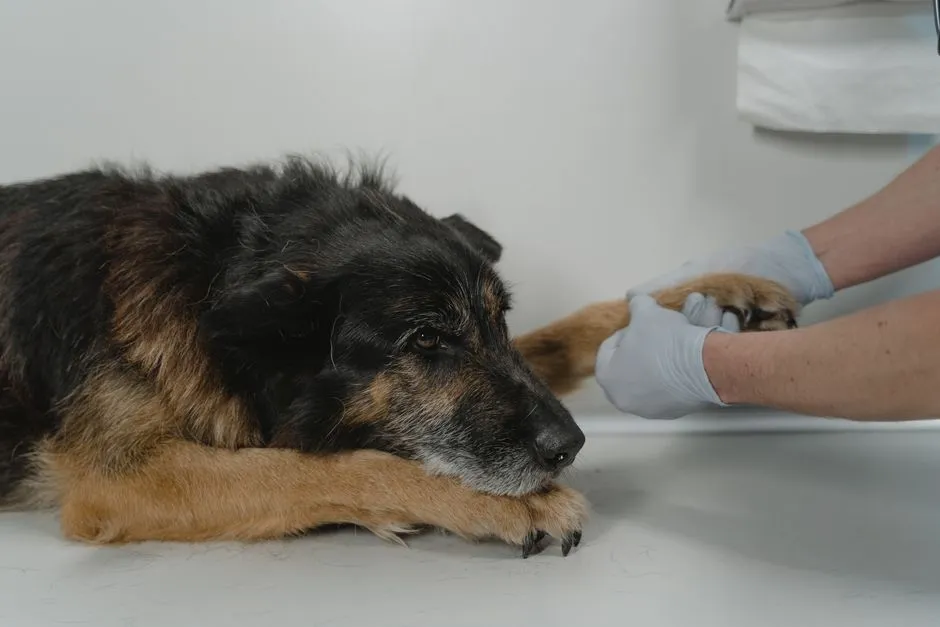
We say dogs hide pain, then ignore them when they finally stop hiding it. A dog that’s been stoic for years may start flinching when you pet certain areas, yelping when they try to stand, or trembling when lifted. Some will even snap – not because they’ve turned mean, but because pain has finally crossed a threshold they can’t tolerate.
You may notice them avoiding stairs, couches, or car rides they used to love, or holding a limb oddly and stiffly lowering themselves to lie down. Yes, meds and joint support can extend comfort for a while. But when maximum pain control still leaves your dog guarded, tense, and wary of your touch, that’s not a dog who’s just slowing down – that’s a dog enduring. Many people stretch this phase out for months, rationalizing every flinch as “just arthritis,” while the dog’s world quietly shrinks to survival mode.
#12 – Their World Shrinks to One or Two Small Routines
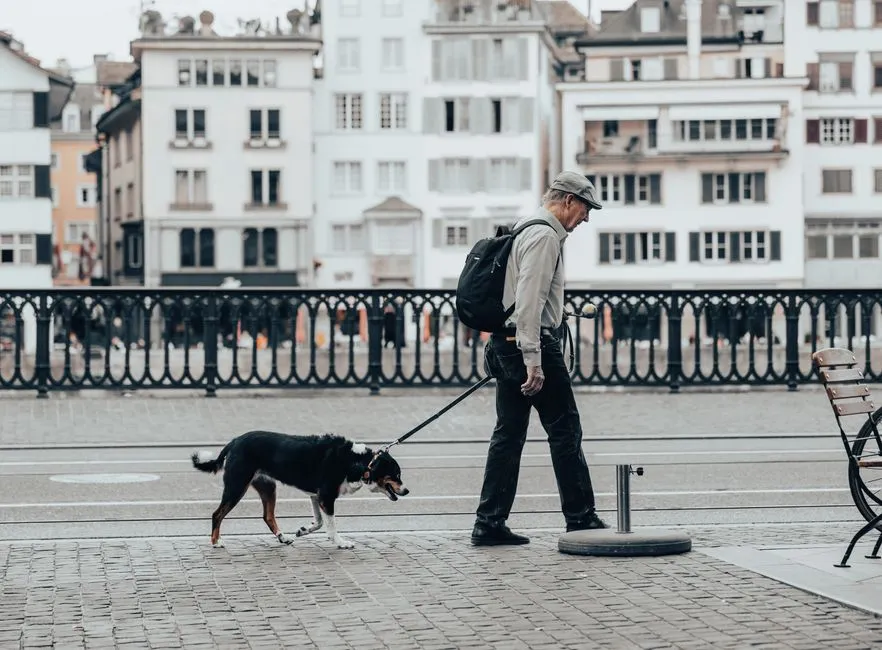
Near the end, a dog that’s holding on often has only one or two remaining rituals that still matter to them. Maybe it’s a short shuffle to the mailbox. Maybe it’s a nightly cuddle on the same blanket. Maybe it’s exactly three bites of chicken at 6 p.m. Everything else – visitors, toys, car rides – falls away.
You might notice they perk up only for that one routine, then crash, or seem stressed and overwhelmed by anything outside that pattern. This concentrated focus isn’t laziness. It’s triage. Your dog is subconsciously spending their last energy on the one or two things that still feel worth it, and tolerating the rest of life as background noise. When those final routines start to fade – when even the favorite blanket, favorite person, or favorite snack can’t stir a spark – that’s often your dog telling you the account is empty.
At a Glance
- Interest narrows to one or two routines – a walk, a snack, a favorite blanket.
- Everything outside that routine may cause stress or simply be ignored.
- This narrowing is a form of energy conservation, not disinterest in you.
- When even the favorite routine stops sparking a reaction, it’s often a significant turning point.
#13 – Brief, Intense Moments of Eye Contact Right Before or After Crashes

Many longtime dog people mention this pattern: out of nowhere, their dog locks eyes with them in a way that feels different – longer, heavier, almost like a goodbye. Then, within hours or days, the dog has a significant crash: seizure, collapse, total refusal to eat, or a sudden downturn. Science can’t measure “goodbye looks,” but the pattern is honestly too common to dismiss.
Those moments often happen late at night, when the house is quiet, or right after a health scare, as the dog stabilizes but seems changed. You can call it projection, but dogs are masters at reading our emotional states; it’s not a stretch to think they also have some awareness of their own. When a dog who’s been fading for weeks suddenly seeks your eyes and holds that gaze like they’re memorizing you, many owners rightly feel it’s a turning point. Ignoring that gut punch often leads to regret.
#14 – They Stop Asking, and Start Merely Allowing

The most brutal sign isn’t dramatic at all: they simply stop asking for anything. No more nudging your hand. No more asking to go out just because. No more bargaining for extra treats. They don’t cry, don’t beg, don’t protest – they just quietly go along with whatever you decide, whether that’s another vet visit, another pill, or another long, restless night.
On paper, this looks easy. But emotionally, it’s devastating, because a dog who has always been expressive going emotionally quiet is often beyond just tired – they’re done. They’re not quitting on you; they’re trusting you with the last, hardest choice. When they’re no longer fighting for more time, but calmly accepting whatever comes, that’s usually not a phase they bounce back from. At that point, keeping them here is almost always about us, not them.
The Bottom Line
The harsh truth is that many dogs suffer longer than they need to because good owners – loving, devoted, heartbroken owners – are terrified of making “the call” too early. But waiting until collapse, seizures, or agony forces your hand is not a kindness; it’s avoidance dressed up as hope. The most shocking pattern across all these signs is simple: by the time you’re asking, “Is it time?” it usually means your dog has been quietly telling you for a while.
Dogs’ lives are too short. Their only fault, really.
Agnes Sligh Turnbull
No vet, article, or stranger online loves your dog like you do – but your love doesn’t erase their pain. It’s okay to choose a peaceful goodbye before rock bottom. In fact, that’s the decision many hospice vets would choose for their own dogs.
Do you think we’re too “early” in calling some of these signs reason enough to let go – or not early enough? Be honest in the comments.

- 13 Comforts Vets Say Mean the Most to a Senior Dog Nearing the End - August 5, 2026
- 14 Signs a Dog Is Holding On Before Crossing the Rainbow Bridge - August 5, 2026
- 15 Things Dogs Only Do Around the One Person They Trust Completely - August 5, 2026