
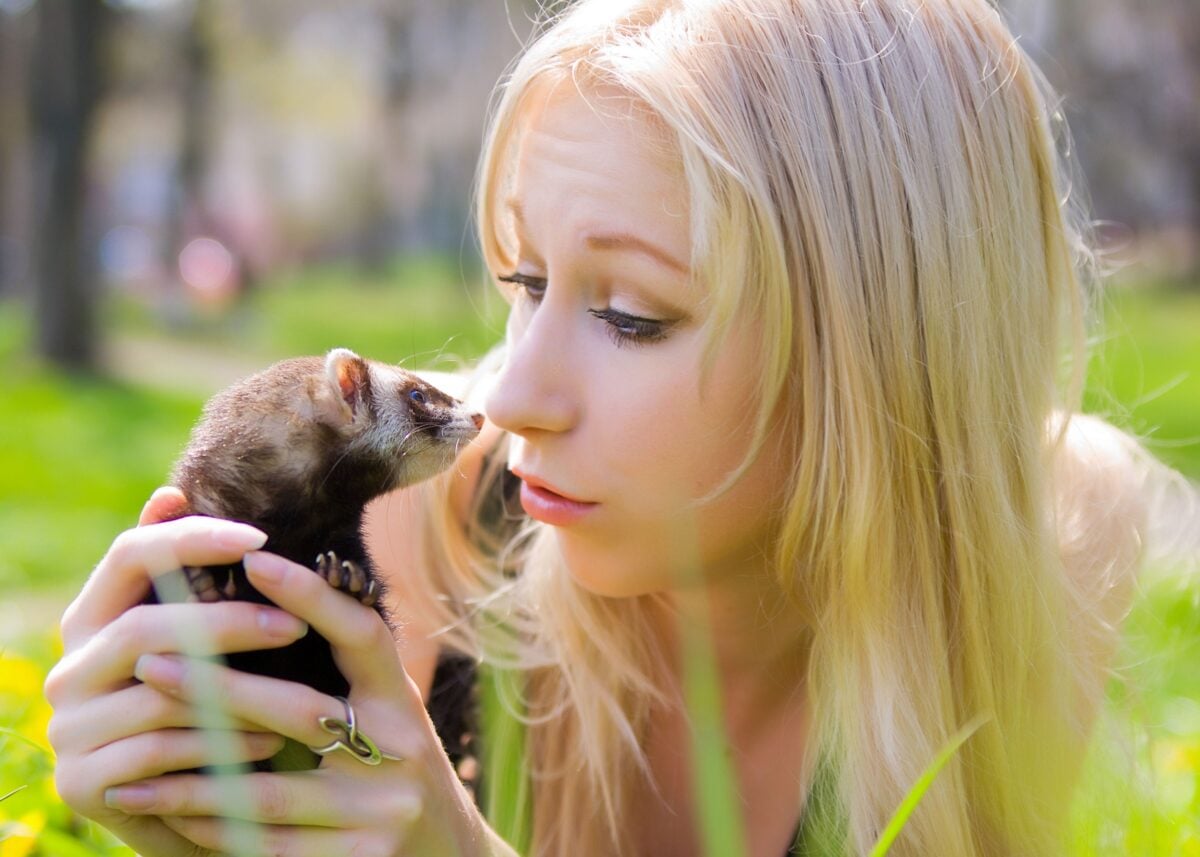
Most people assume a pet is a pet – swap the house, swap the person, and the dog or bird will eventually settle in. Animal behaviorists know a different truth. Some species, and specific individuals within them, don’t just form affection. They imprint on one human so completely that separation can trigger panic, self-harm, or a grief response that looks unsettlingly human.
Rehoming these animals isn’t just sad. Several trainers, vets, and lifelong owners argue it crosses into ethically murky territory. The strangest part? A few of the animals on this list are pets millions of people already own, often without ever being warned how deep that bond can run. Here’s what actually happens when a one-person animal loses their person, according to the people who watch it unfold.
#1 African Grey Parrots
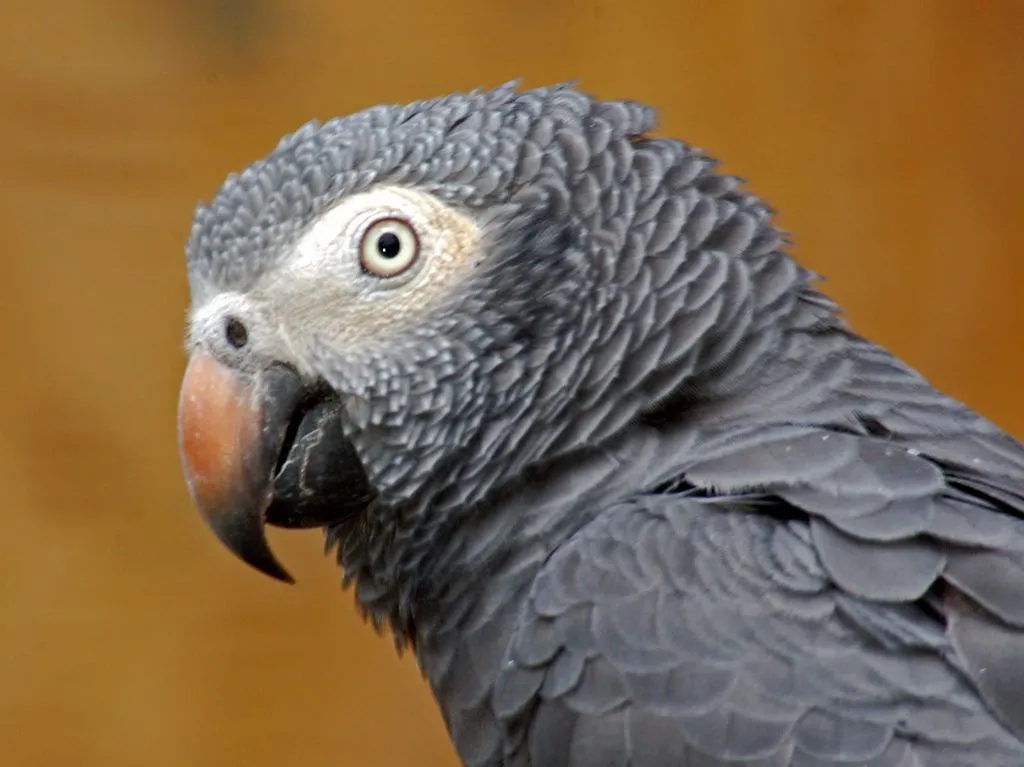
African greys don’t just like their favorite human, they fixate. Many owners notice the bird tolerates other people politely but saves the real affection, talking, and play for one specific person. These birds are as intellectually sharp as a young child, and that intelligence fuels attachments most owners never expect.
Some greys pluck their own feathers or stop eating entirely when their chosen person disappears. They also remember. Former owners report that even after years apart, their old grey recognizes their voice instantly, sometimes calling out to it.
Fast Facts
- Native to the Congo Basin of Central and West Africa
- Can live 40 to 60 years in captivity, often outliving multiple owners
- Cognitive ability frequently compared to a young child’s, with vocabularies of 100+ words
- Tend to bond deeply with one primary caregiver rather than the whole household
Rehoming an adult grey that’s bonded tightly can mean months of grief-like behavior in a new home. A grey that loses its person may never fully relax again, even somewhere safe.
That’s why experienced parrot rescues will often only place older, deeply bonded greys with adopters who understand exactly what they’re signing up for.
#2 Border Collies
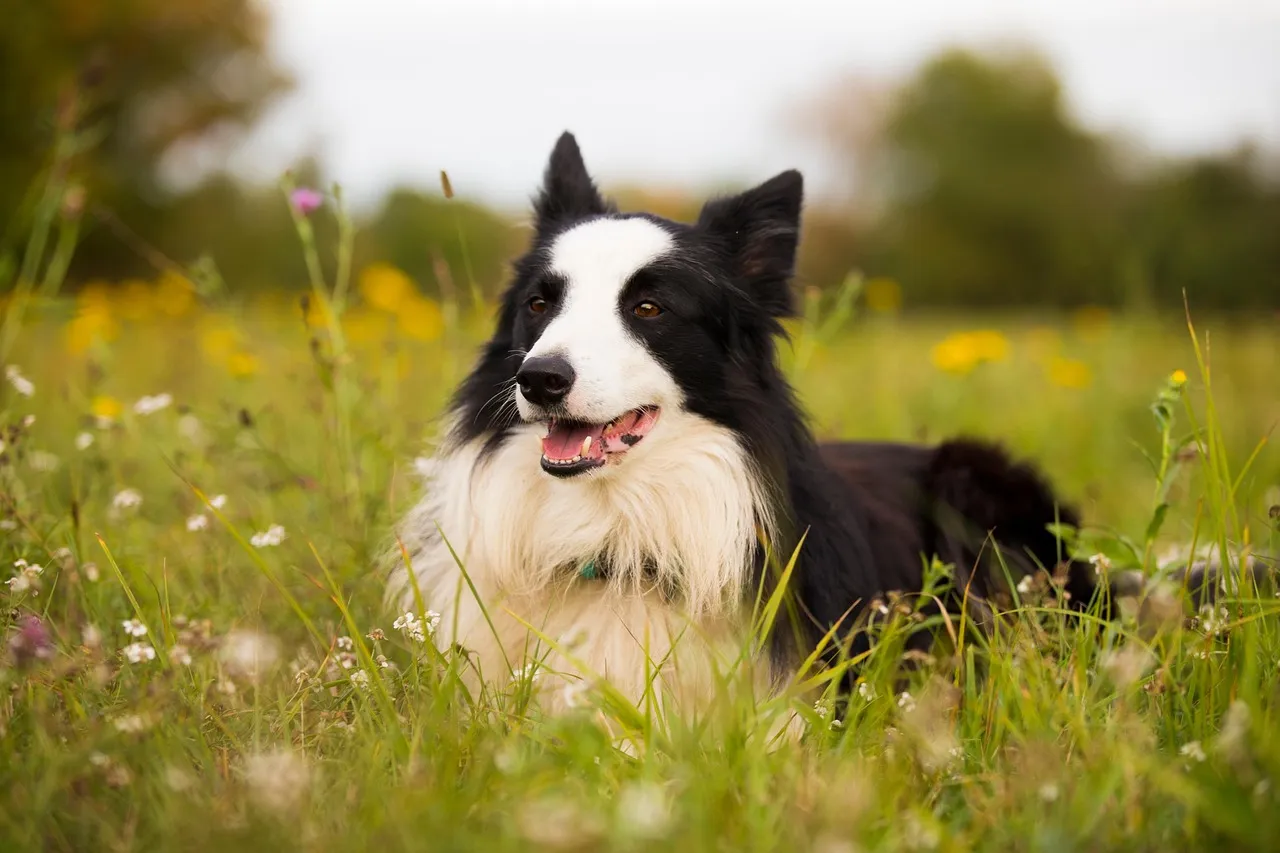
Border collies are worshiped for their intelligence, but that’s exactly what makes rehoming them risky. These dogs are bred to work in tight partnership with a handler, constantly reading tiny cues most people don’t even realize they’re giving off.
Over time, many collies form a hyper-focused, almost obsessive bond with the one person who trains and lives with them. When that person vanishes, the dog’s entire framework for the world goes with them.
In rescues, you’ll sometimes see a rehomed collie that’s technically safe but emotionally checked out, pacing, staring at doors, or ignoring new people for months at a stretch.
Some herding-dog trainers argue that well-bonded adult collies should only be rehomed in genuine emergencies, never for convenience. The anxiety and confusion they show when that one person disappears can be heartbreaking to watch.
#3 Siamese Cats
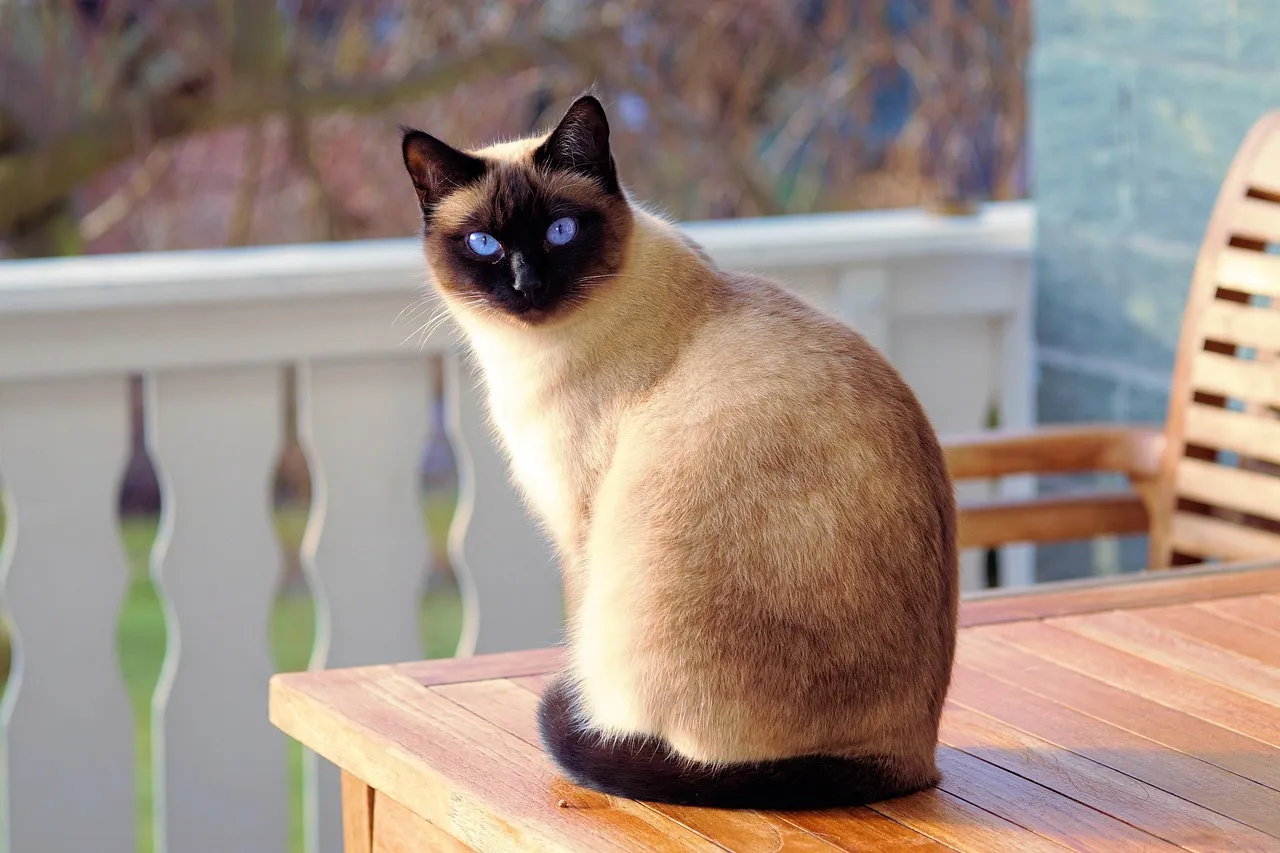
Siamese cats blow up the old myth that cats don’t care who owns them. These are loud, opinionated, clingy animals that pick one human and shadow them like a dog would, room to room, all day.
Owners report their Siamese sleeping on their pillow, following them everywhere, and howling the moment they leave. It’s not unusual for a Siamese to slide into depression, overgroom, or stop eating after being separated from their chosen person.
Rehoming can technically happen, but older Siamese who’ve lived years with one human often struggle hard. They may spray, yowl through the night, or hide for weeks in a new place.
Rescues still love to call them “social and adaptable.” Long-time fanciers quietly disagree. A deeply bonded Siamese is more partner than pet, and breaking that bond can feel like a bad divorce for both sides.
#4 Horses (Especially Imprinted or Bottle-Raised)
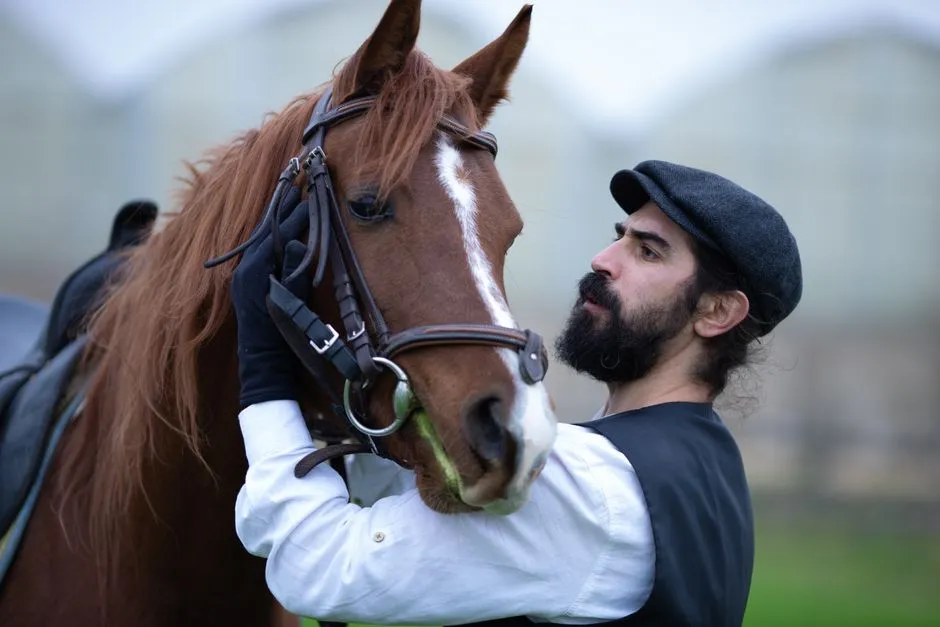
Non-horse people tend to think of horses as livestock, not emotional creatures. Riders and trainers know better. Horses are herd animals wired to form strong, stable bonds, and sometimes that entire herd is just one human.
When a horse is imprinted early or bottle-raised, the line between “human” and “herdmate” disappears. Some of these horses will only load into a trailer, tolerate medical care, or ride calmly when their specific person is present.
Sell that horse or lose that connection, and the animal can become anxious, hard to handle, even dangerous. Many so-called “problem horses” in rescues are actually former one-person horses who never got over being sold.
Ethical trainers are increasingly vocal about this: repeatedly buying and selling highly bonded horses like used cars is a real welfare issue, not just a business transaction.
#5 Cockatoos
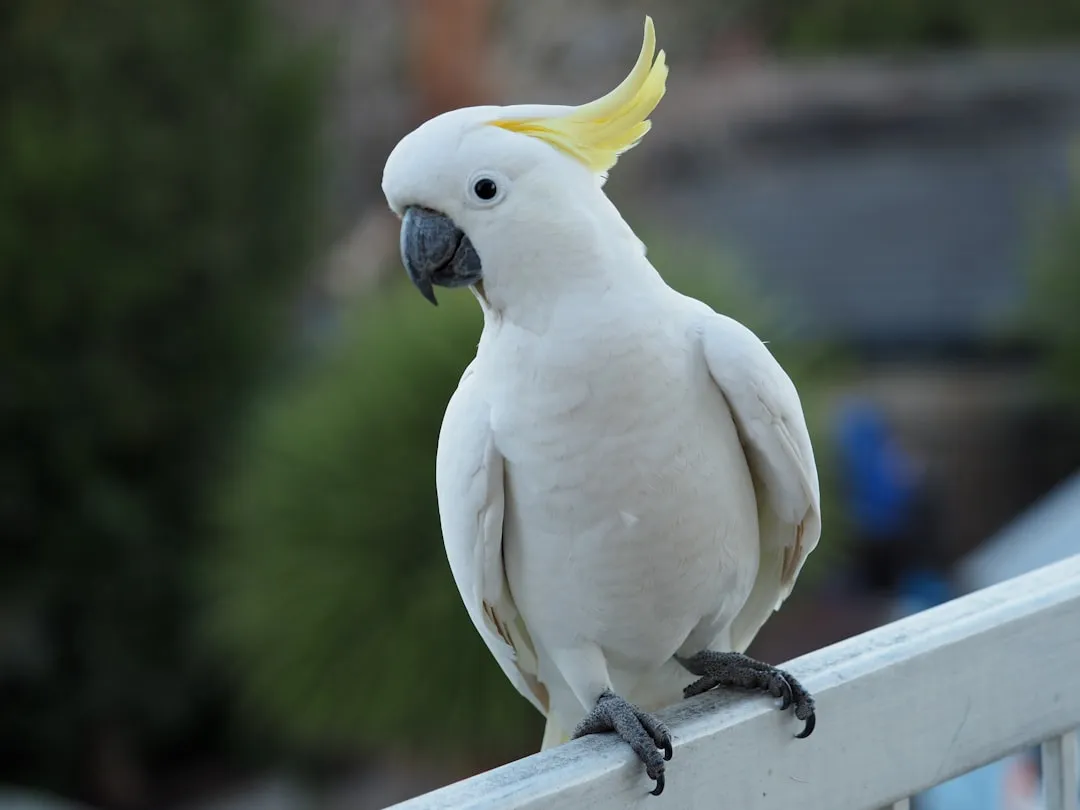
Cockatoos are infamous in the parrot world for emotional intensity bordering on chaos. They’re dramatic, needy, and can develop a fixation on one person that owners describe as “perpetually three years old and in love with you.”
A cockatoo that loses its chosen human can scream for hours a day, mutilate itself, or shut down entirely. Many end up in sanctuaries precisely because their bonds were mishandled somewhere along the way.
They can technically bond again, but it’s rarely easy. New owners are often blindsided by how clingy and loud a grieving cockatoo actually is, sometimes for years after the move.
Experienced avian rescues consider cockatoos among the hardest birds to place once they’ve deeply attached. A starter bird they are not, and people who treat them like decor almost always regret it.
#6 Belgian Malinois (and Similar Protection Breeds)
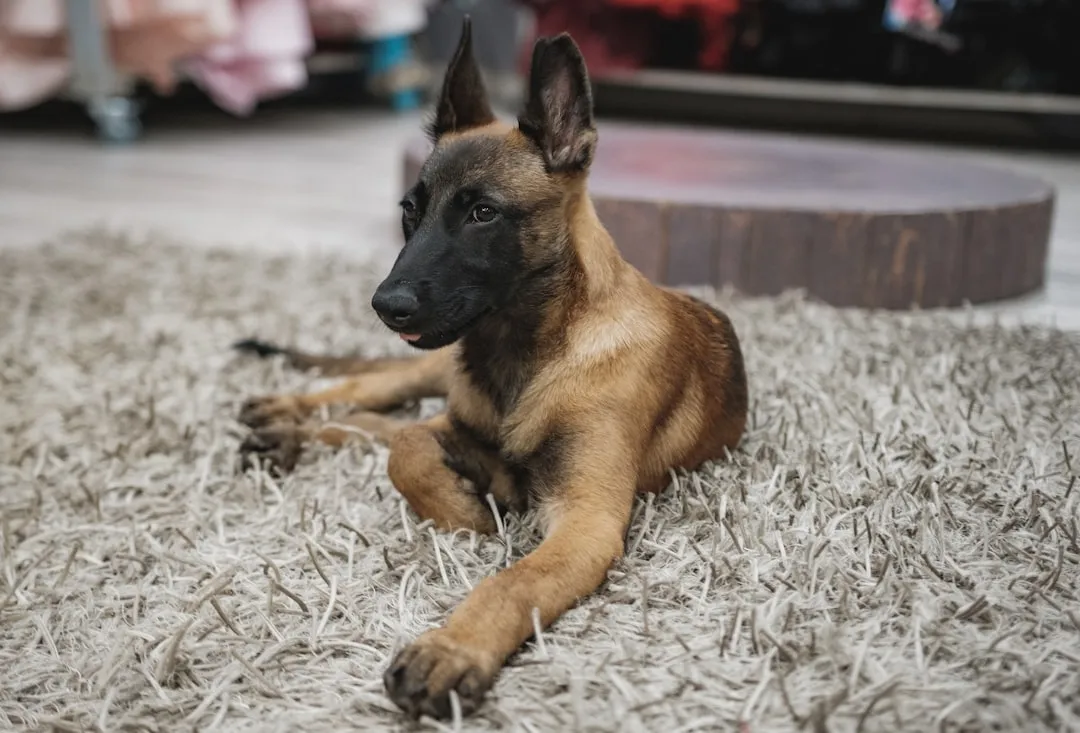
Belgian Malinois are trending online as “super dogs,” but there’s a side most viral videos skip. These are high-drive working dogs bred for police and military tasks, not couch life, and they often form a laser-tight bond with one handler.
A bonded Malinois will work through pain, fear, and chaos as long as their person is there. Remove that person, and the dog can unravel fast.
Worth Knowing
- Originally developed in Belgium as a herding breed before becoming the top pick for military and police K-9 units
- Often need 1-2 hours of intense mental and physical work daily to stay balanced
- Military and police programs treat handler transitions as slow, formal processes, not a quick swap
- Their drive and focus, prized in working roles, are the same traits that make the human bond so exclusive
Rehoming a fully trained adult Malinois into a pet home can go sideways: neurotic energy, obsessive guarding, or outright aggression. Even experienced adopters underestimate how much that original bond shaped the dog’s brain.
Many of the “failed Malinois” you see in rescues aren’t bad dogs. They’re dogs whose entire world was one human who is now gone, and some never fully relax again in a second or third home.
#7 Pot-Bellied Pigs
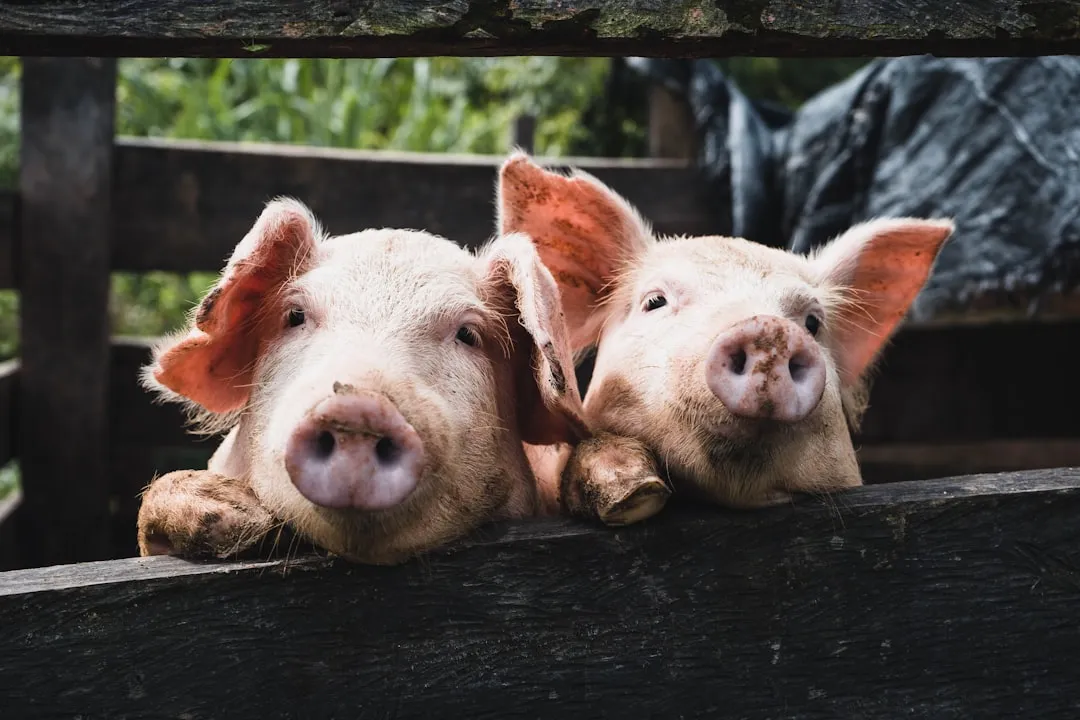
Pot-bellied pigs were marketed as cute, low-maintenance “alternative pets,” and plenty ended up abandoned once people realized what they’re actually like. These animals are smart, emotional, and routine-driven, and they attach deeply to whoever takes care of them.
A bonded pig may cry, refuse food, or become destructive if that person leaves or a new environment gets forced on them. Sanctuary workers see this constantly: screaming, charging, or hiding under blankets for weeks.
Younger pigs can adjust reasonably well. Older ones who’ve lived years in one home often never truly settle somewhere new, even when the new caretakers are kind and patient.
Critics argue that casually rehoming pet pigs when life gets inconvenient is one of the most under-discussed welfare problems in modern pet culture.
#8 German Shepherd Dogs
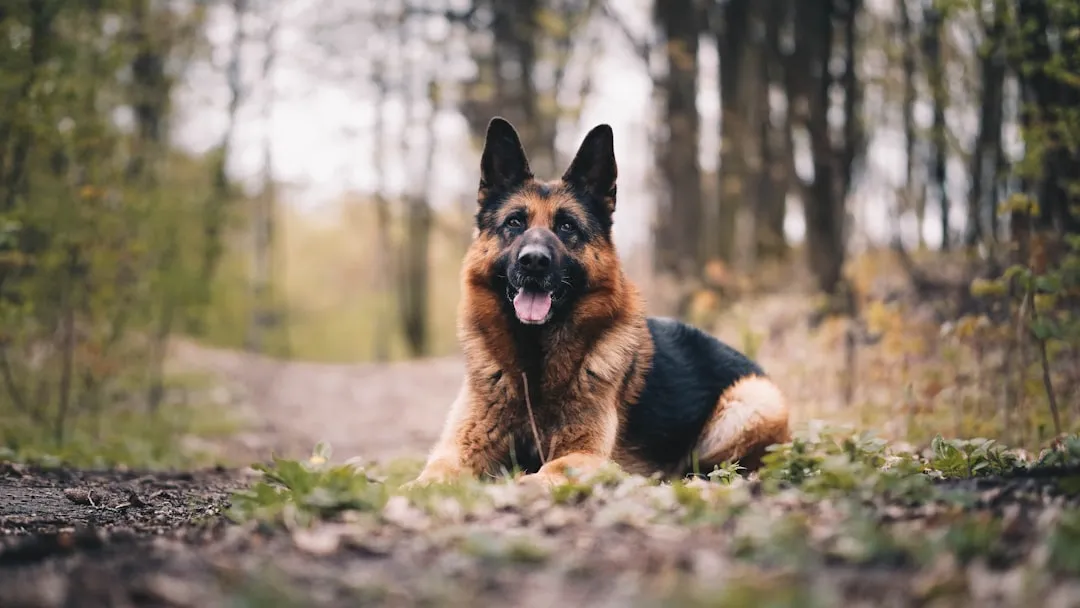
German Shepherds were literally developed to work with a single handler. Even as family pets, many quietly default to one main person, the one who trains, walks, and advocates for them day after day.
That’s often the only person they fully trust, especially under stress. When that anchor human disappears, it can trigger real anxiety and defensive behavior.
In rescues, adult shepherds are notorious for shutting down after surrender, ignoring new people, refusing to eat, staring at the door as if waiting for someone specific.
Trainers are split on how rehomeable they are. Either way, pretending a highly bonded shepherd will “just adapt” like a golden retriever is wishful thinking that sets both dog and adopter up to struggle.
#9 Rabbits (Indoor, Human-Bonded)
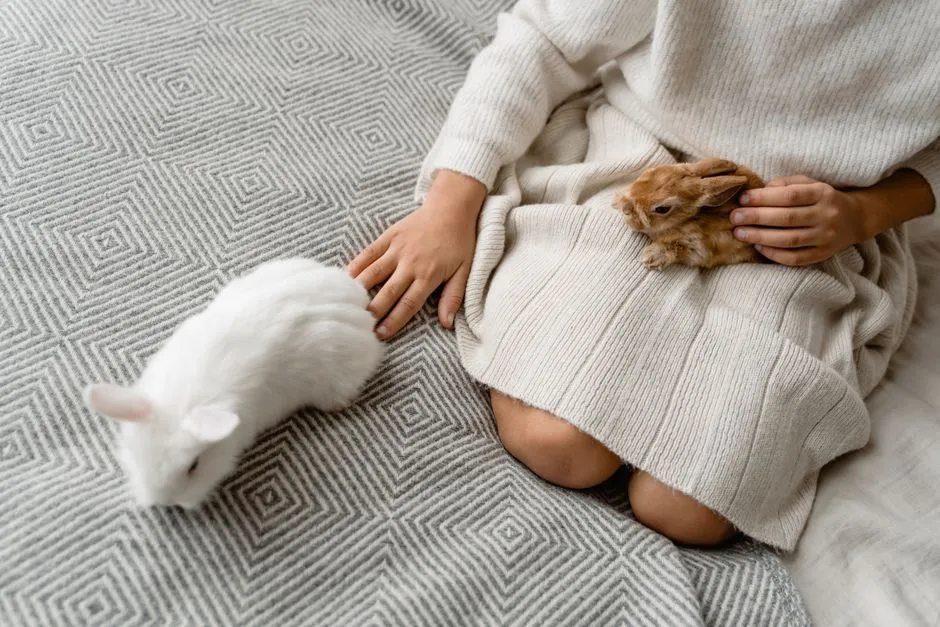
Rabbits are still treated like disposable “starter pets,” but anyone who’s lived with a free-roam house rabbit knows they’re closer to cats in personality and sometimes closer to dogs in attachment. Many bond hard with the one person who feeds, grooms, and sits quietly with them.
A bonded rabbit will follow that person, flop at their feet, and even groom them back. Take that person away, and stress can quickly become a health emergency.
Rabbits are prone to gut stasis, a potentially fatal digestive slowdown often triggered by stress. New smells, new sounds, no familiar human, it’s a massive hit all at once.
Contrary to the “easy kid pet” myth, a deeply bonded rabbit is fragile emotionally, and rehoming one casually is genuinely playing with their life.
#10 Macaws
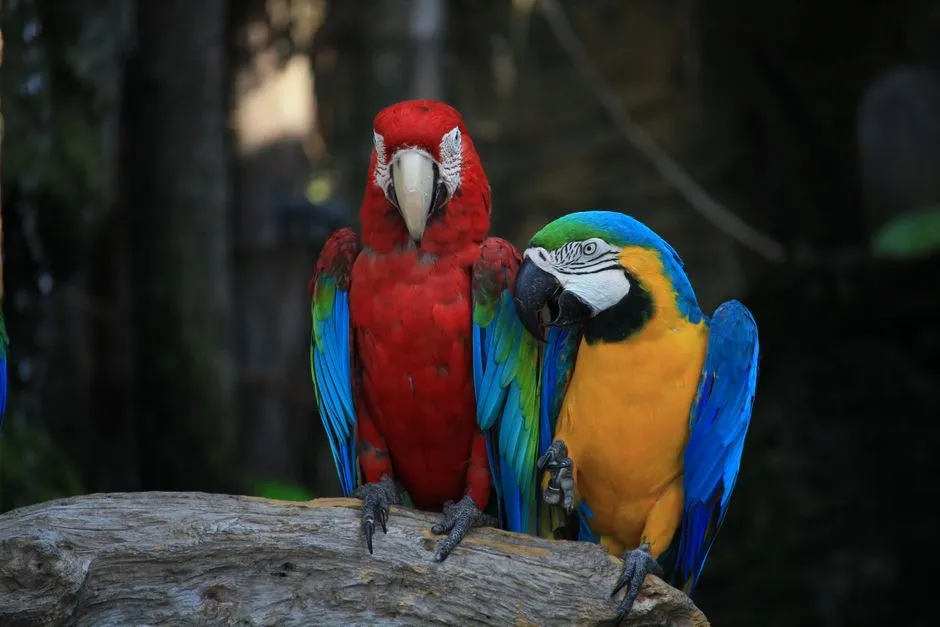
Macaws are big, loud, and live far longer than most marriages. Over decades, they often form a deep, exclusive attachment to one person and can turn jealous toward anyone else who gets close.
Some macaws will bite anyone except their chosen human, including a new owner, for months or years. That makes safe rehoming complicated, and frankly, a little dangerous.
At a Glance
- Large macaw species can live 30 to 50-plus years, easily outlasting a single household
- Some, like the blue-and-gold or scarlet macaw, approach three feet in length
- Their social and emotional needs are often compared to those of a young toddler
- Because they outlive so many owners, macaws are common residents of long-term sanctuaries
Because macaws can live 50-plus years, many outlive their people and land in sanctuaries. Staff report severe grief there: birds screaming for hours, calling their person’s name, refusing new interactions entirely.
Long-time parrot people argue that buying a baby macaw without a multi-decade plan, including what happens if you die, is irresponsible given how deep and exclusive these bonds run.
#11 Akitas
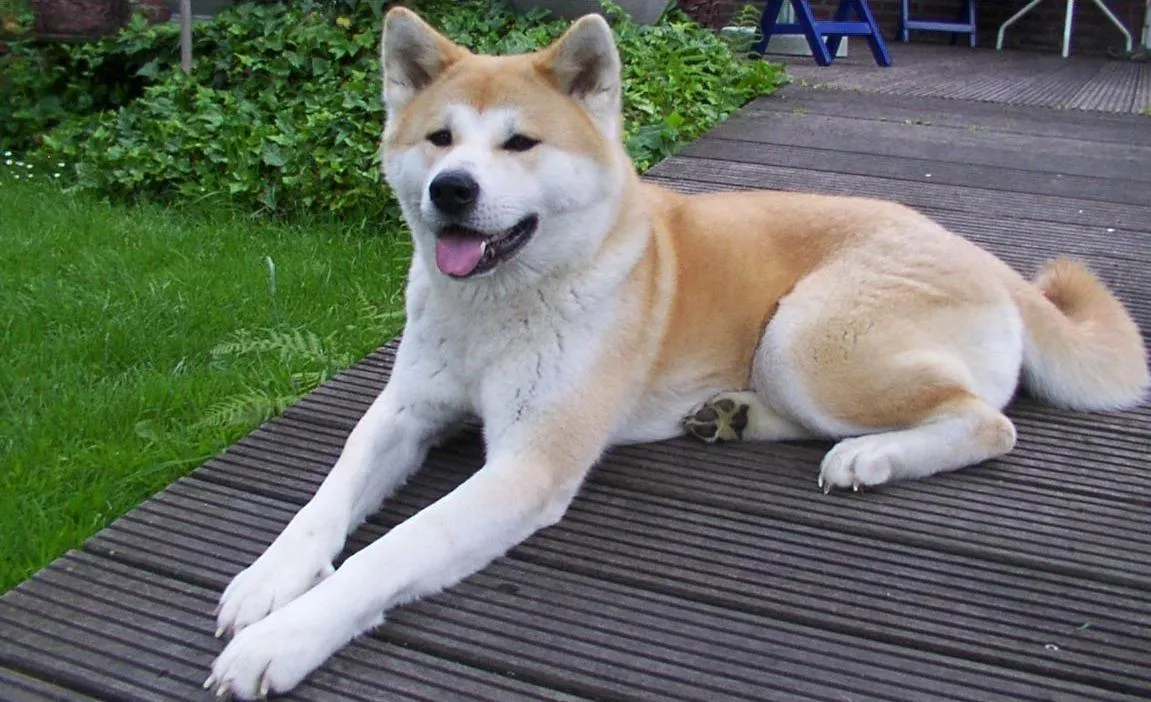
Akitas are famously aloof with strangers but shockingly tender with “their” person. Historically bred to protect a tight circle rather than charm the neighborhood, they carry that instinct into modern homes.
They’ll tolerate others, but their loyalty runs in one direction. When that bond breaks, you don’t just get a sad dog, you can get a deeply insecure, potentially reactive one.
Rescues routinely warn that rehoming an adult Akita is nothing like placing a friendly lab. Some pine and refuse walks; others redirect their confusion into suspicion or aggression toward everyone new.
Responsible Akita groups are blunt about it: these dogs are not community property and shouldn’t shuffle through multiple homes. Once attached, that one person is their permanent reference point for safety.
#12 Ferrets
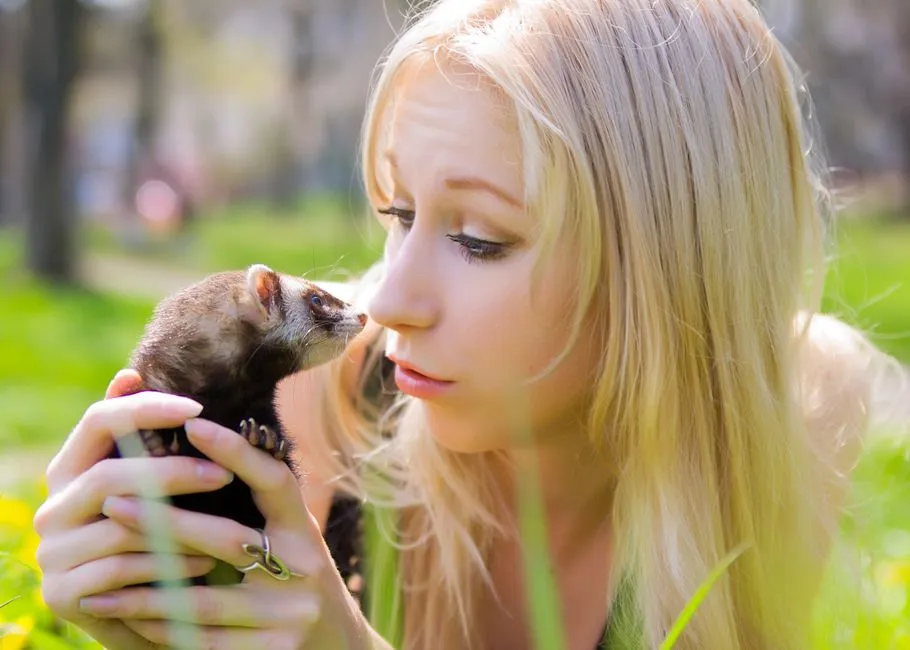
Ferrets look like chaotic little clowns, but underneath the play they form surprisingly strong social bonds. They imprint heavily on their environment and core group, which often includes one favorite human.
A deeply bonded ferret will curl up in your clothes, follow you around, and seek you out for comfort when stressed. Move them suddenly to a new space with new people, and they can crash hard.
Rehomed ferrets may sleep excessively, refuse food, or nip more out of anxiety. Older ferrets used to one person and one routine often stay skittish long after the move.
For a creature with such a short lifespan, losing their person can effectively steal a huge chunk of their secure years, years they don’t have to spare.
#13 Eclectus Parrots
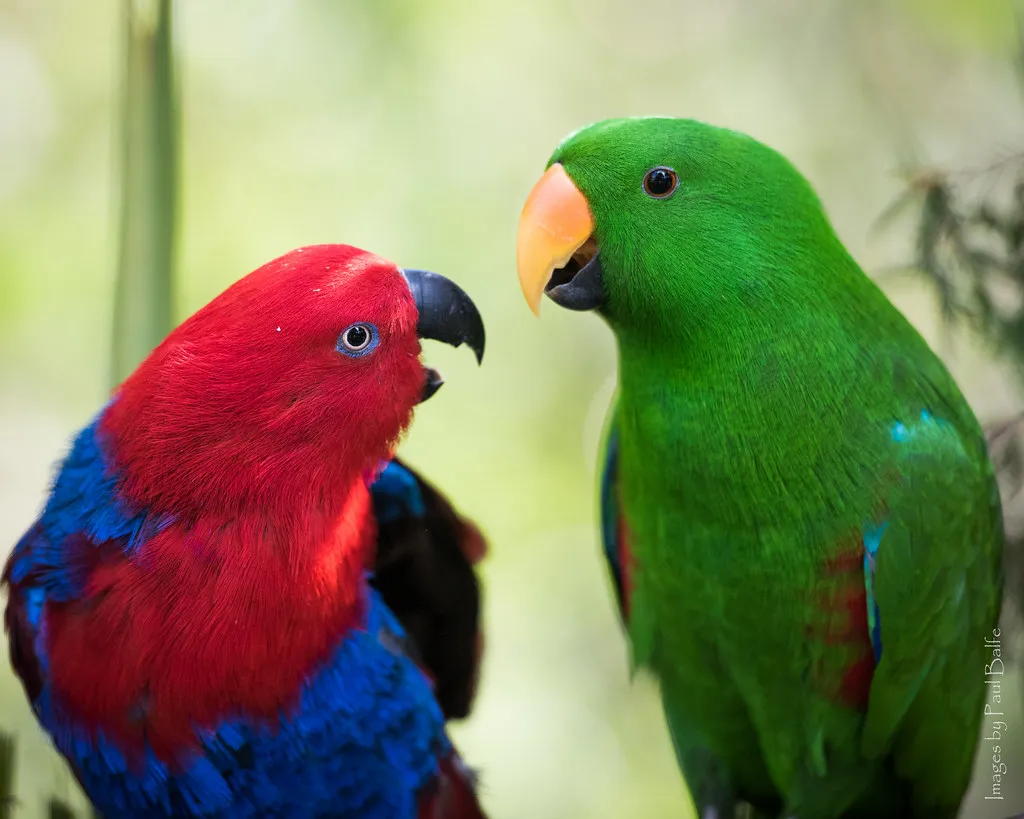
Eclectus parrots are often sold as “quieter, sweeter” big parrots, which is dangerously misleading. They’re sensitive, observant birds that can form razor-sharp preferences for exactly one human.
Once they decide someone is “theirs,” they may scream, bite, or refuse to step up for anyone else. It isn’t stubbornness, it’s how intensely they anchor to specific people and routines.
Rehoming an adult eclectus can be brutal emotionally. Some go nearly silent or sit motionless in a new home; others lash out at new caretakers as if they’re intruders.
Experienced owners say eclectus parrots bond even more specifically than some other species, which makes the “decor-friendly bird” marketing especially misleading, and especially costly for the birds themselves.
#14 Chinchillas
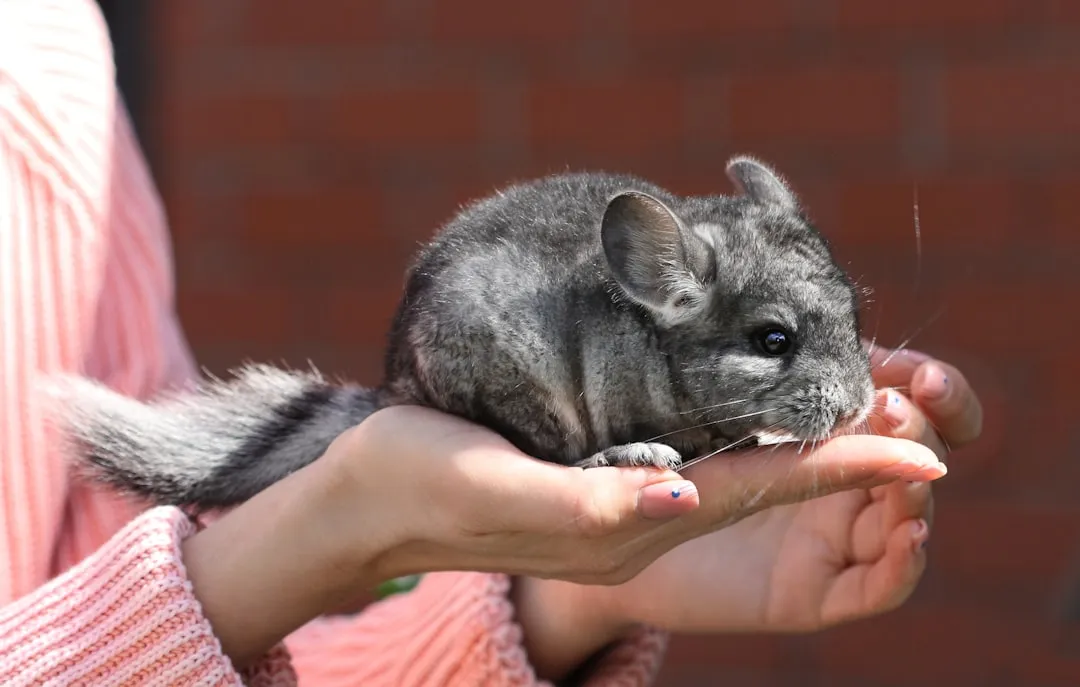
Chinchillas are often sold in pet shops as low-maintenance fluff balls, but that’s not the full story. They’re prey animals with long lifespans and strong memories, and one gentle, consistent handler can earn real trust over time.
That’s the person they’ll allow to scoop them up, cuddle, and even relax on. Rip that person away, and you’re back to square one with a very stressed prey species.
Rehomed chinchillas often act feral again: bolting, hiding, dust-bathing obsessively, refusing to be handled at all. Older, deeply bonded animals may never fully regain that easy trust a second time.
Longtime small-animal rescuers push back on the idea that they’ll “just get used to it.” The light goes out a bit in some of them, and that’s a heavy price for an impulse purchase gone wrong.
#15 Marmosets and Other Small Primates
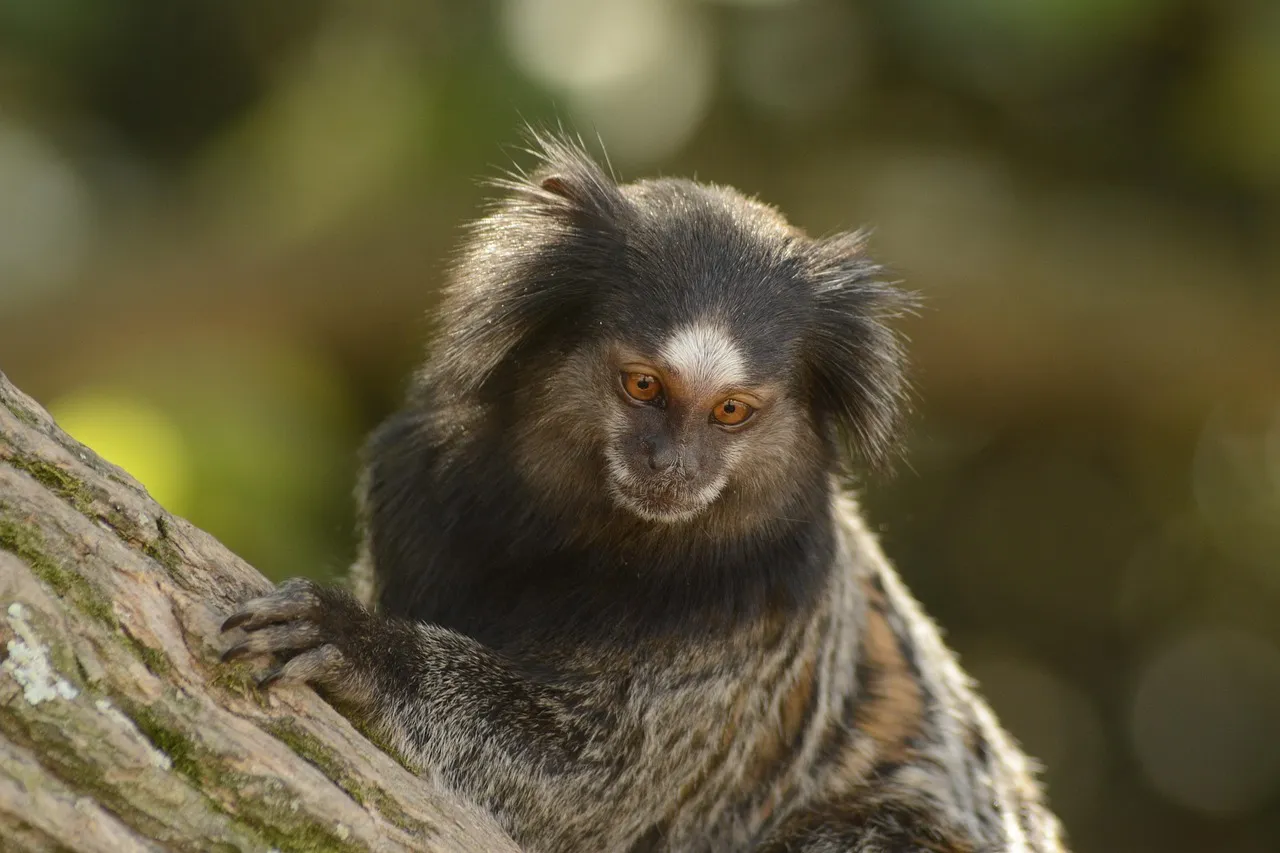
Exotic pet fans don’t like hearing this, but it needs saying plainly: small primates like marmosets should not be casual pets. These are highly social, complex animals designed to live in multi-generational family groups.
When kept as pets, they typically cling to a single caregiver, who becomes their troop, their security, their entire universe. Remove that human, and the psychological fallout can be severe.
Why It Stands Out
- Wild marmosets naturally live in tight family troops, not solitary or one-on-one setups
- Ownership is restricted or banned in many U.S. states due to welfare and safety concerns
- Despite weighing only a few ounces, their social and emotional needs rival much larger animals
- Sanctuaries often rank small primates among the hardest species to rehome successfully
Rehomed primates often display self-harm, severe anxiety, or unpredictable aggression toward new people. They scream, cling obsessively, or withdraw, not unlike traumatized human children.
Many end up in specialized sanctuaries where staff openly admit some never truly recover from being passed around. Of everything on this list, primates may be the clearest proof that a bond can be too deep to ethically break.
#16 Budgerigars (Budgies) When Intensely Socialized
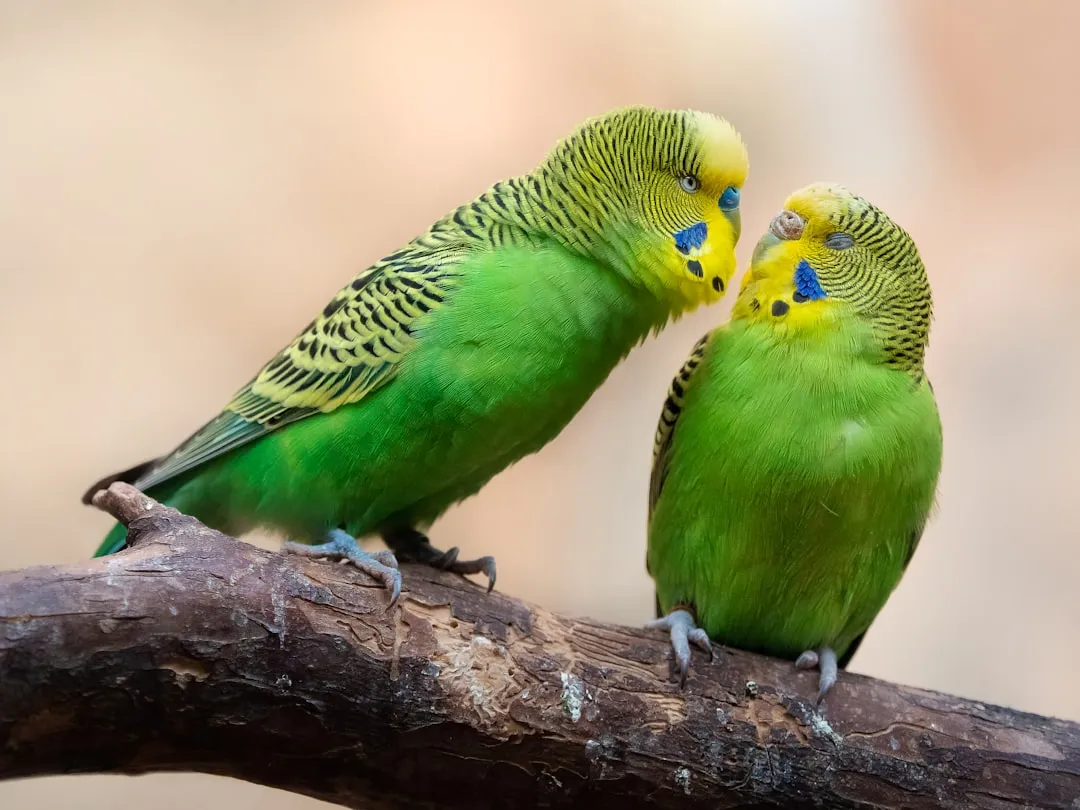
This one surprises people. Budgies are treated like disposable decor birds, cheap, replaceable, “for kids.” Yet when properly socialized, many budgies fixate intensely on one person.
They follow that human with their eyes, scream when they leave the room, and only relax when that voice is nearby. Tiny bodies, same emotional hardware as their bigger cousins.
Because budgies are inexpensive, they get rehomed casually all the time, upgraded cages, new kids, new houses. Serious bird people say strongly bonded budgies grieve too: some stop singing, some ignore new people for weeks.
The hardest part is their small size and low price tag make their attachments easy to overlook, and even easier to break, over and over, without anyone noticing.
#17 Mixed-Breed Shelter Dogs With Trauma Histories
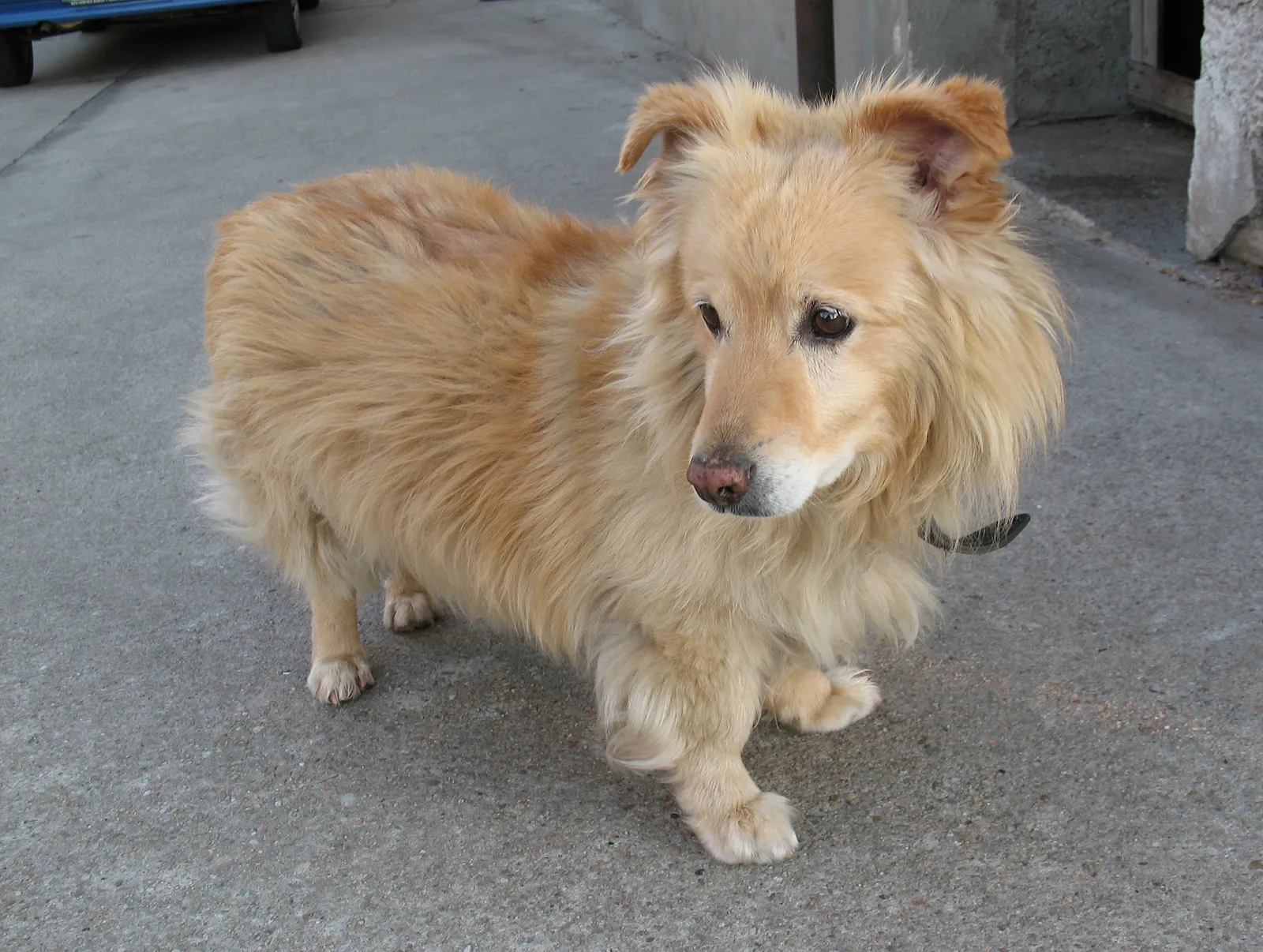
The most controversial entry is also the most common: your average mixed-breed shelter dog who finally learns to trust one person. Behaviorists see this constantly. A dog bounced through homes, maybe abused or neglected, lands with someone patient.
Over months, that thread of trust becomes a rope. That person becomes the first safe thing in the dog’s entire life. Tear that away, and you’re not just rehoming a pet, you’re ripping up their only blueprint for safety.
These dogs remain technically adoptable, but their behavior often nosedives after surrender: regression in training, renewed fear aggression, or complete withdrawal. Some never bond at the same depth again, hovering, always waiting for the other shoe to drop.
Many rescues quietly dread calls from people wanting to “return” a dog that has clearly imprinted on them. In those cases, rehoming isn’t a neutral reset, it’s a second abandonment layered on the first.
The Bottom Line
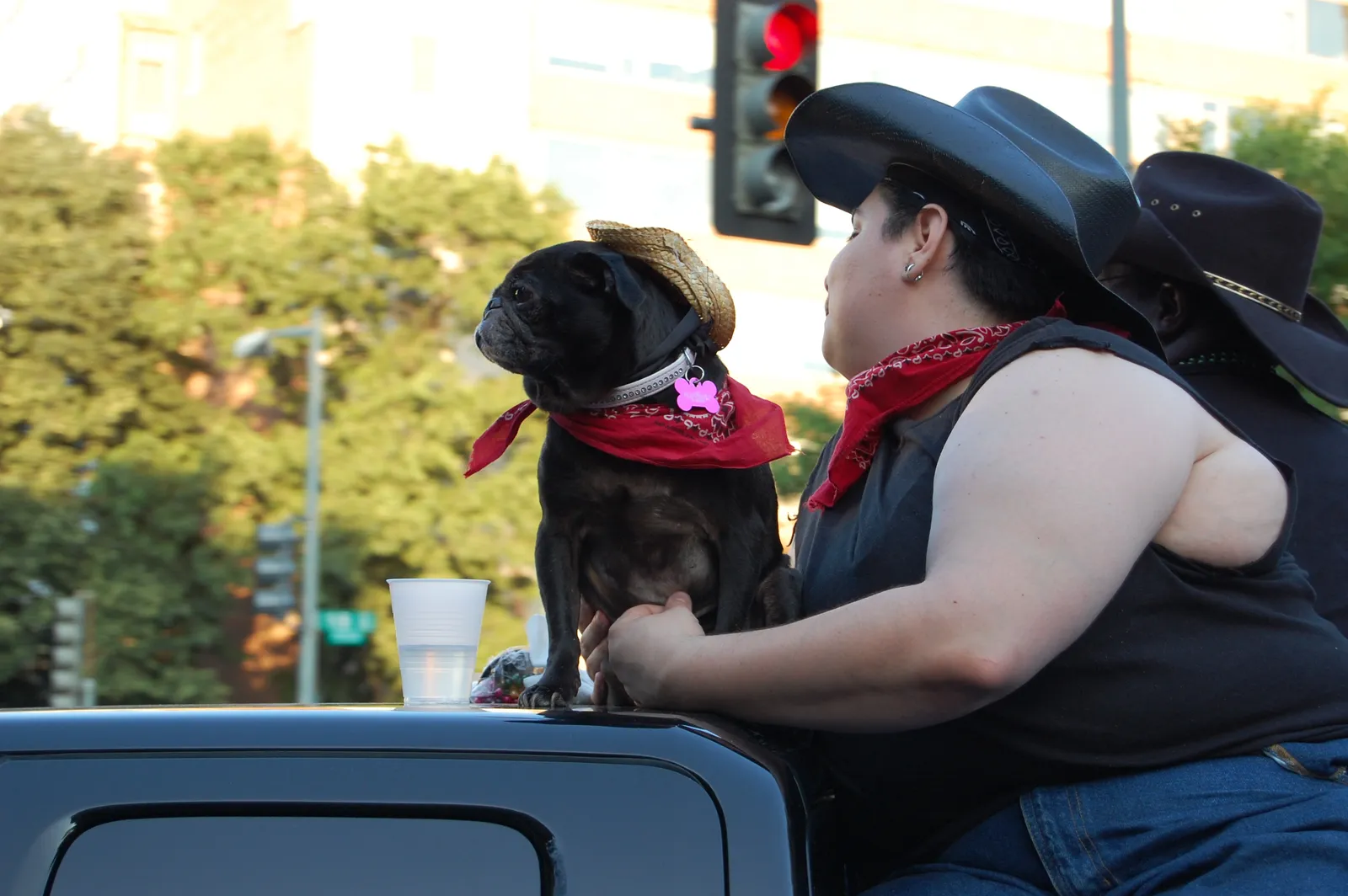
We talk about animals as if they’re interchangeable units of love, when in reality many are more like life partners: specific, irreplaceable, and sometimes incapable of starting over. From African greys and cockatoos to shepherds, rabbits, pigs, and mixed-breed shelter dogs, the pattern repeats: once a deep, singular bond forms, rehoming stops being simple logistics and becomes an ethical decision.
Yes, emergencies happen. Yes, some animals adapt. But pretending every pet can happily “go to a new home” is more about human convenience than animal welfare, and the animals on this list are the ones who pay for that convenience.
If your animal is one of these one-person souls, the real question isn’t whether you can rehome them. It’s whether you were ever prepared to be their forever in the first place.
