
Picture a frozen landscape where everything around a body of water has turned to ice, yet the lake itself stays liquid and open. That contrast often sparks curiosity about what keeps the water from solidifying when temperatures drop well below freezing.
The explanation usually ties back to a few natural factors working together in ways that feel unexpected at first glance. These conditions turn ordinary looking lakes into exceptions that challenge what most people assume about winter weather and water.
Salty Waters That Resist Freezing
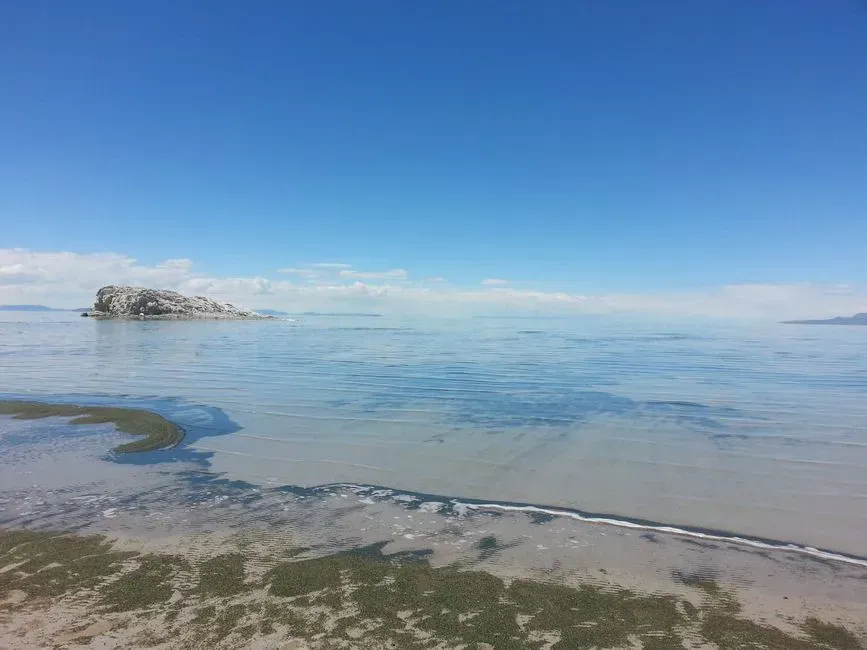
High concentrations of dissolved salts lower the temperature at which water turns to ice. This effect means the surface stays liquid even when air temperatures fall several degrees below the usual freezing mark for fresh water.
Lakes with significant mineral input from surrounding soils or underground sources accumulate these salts over time. The result is a natural antifreeze that protects the water column without any human intervention.
Hidden Heat Sources from Below
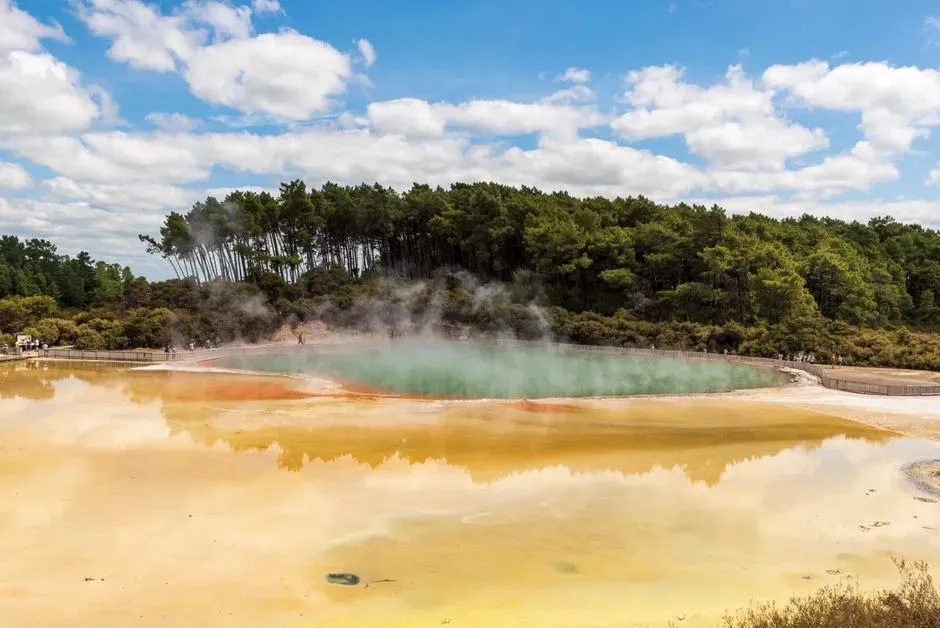
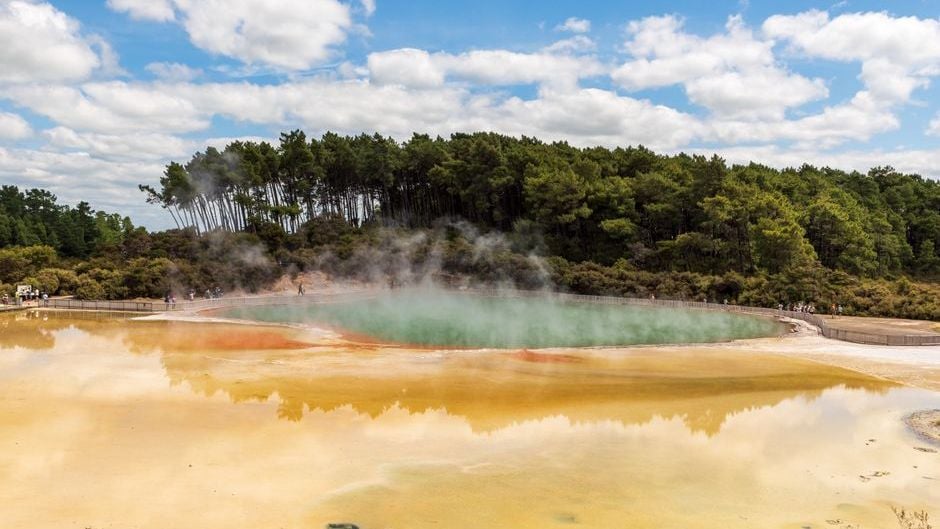
Some lakes sit above geothermal activity that sends steady warmth upward through the lake bed. This constant input prevents the entire body of water from reaching the point where ice can form across the surface.
The heat often mixes through deeper layers first before reaching the top. Over years this process creates stable temperature gradients that keep conditions mild enough to avoid full freezing.
How Lake Depth Plays a Part

Deeper lakes hold larger volumes of water that take longer to cool down completely. The bottom layers stay relatively warm while surface water loses heat to the cold air above.
Wind driven circulation sometimes brings warmer water from below to the surface during winter storms. This movement disrupts the calm conditions needed for a solid ice sheet to develop and hold.
Chemical Oddities in the Water
Beyond basic salt, certain minerals and gases dissolved in the water can alter freezing behavior in subtle ways. These compounds change how water molecules bond when temperatures drop.
The overall chemistry creates a buffer against rapid cooling at the surface. Lakes with unusual mineral profiles often show this resistance year after year without any obvious external cause.
Real World Cases That Defy Expectations
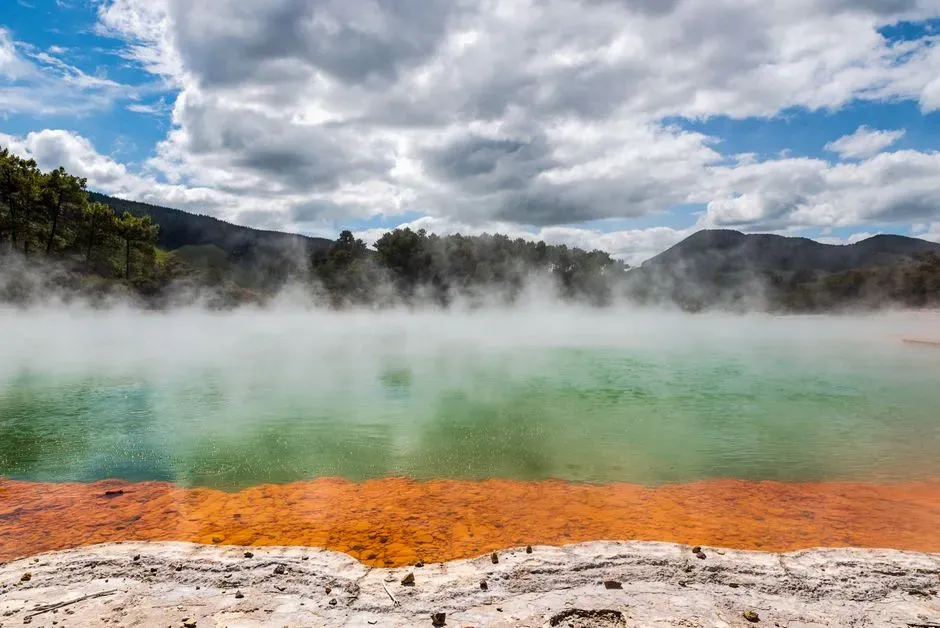
Locations like parts of the Great Salt Lake demonstrate how salinity alone can keep large areas ice free through harsh winters. Similar patterns appear in other inland seas and terminal lakes around the globe.
Geothermal examples in volcanic regions show how underground heat maintains open water even in subzero conditions. These sites attract attention because they stand out sharply against surrounding frozen terrain.
What This Means for Winter Activities
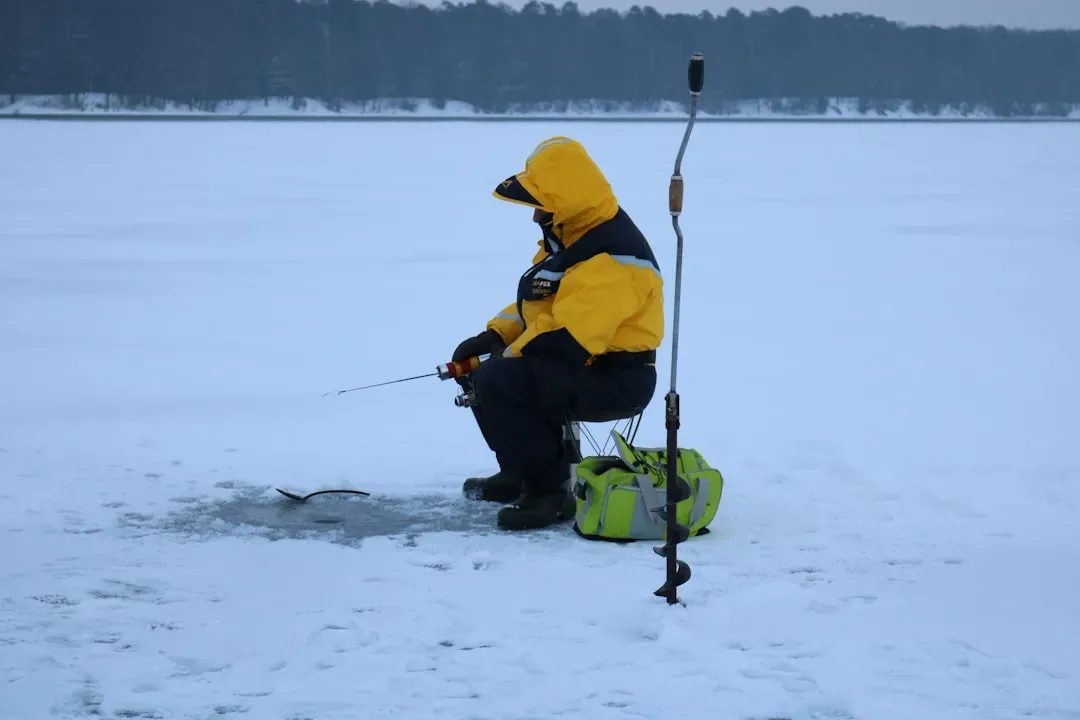
People who rely on frozen lakes for skating or ice fishing sometimes find these exceptions frustrating. The lack of ice changes plans and highlights how local water chemistry shapes seasonal recreation.
At the same time these lakes support different ecosystems that remain active when others shut down under ice. The contrast adds variety to winter landscapes in unexpected places.
A Final Thought on Nature’s Quirks
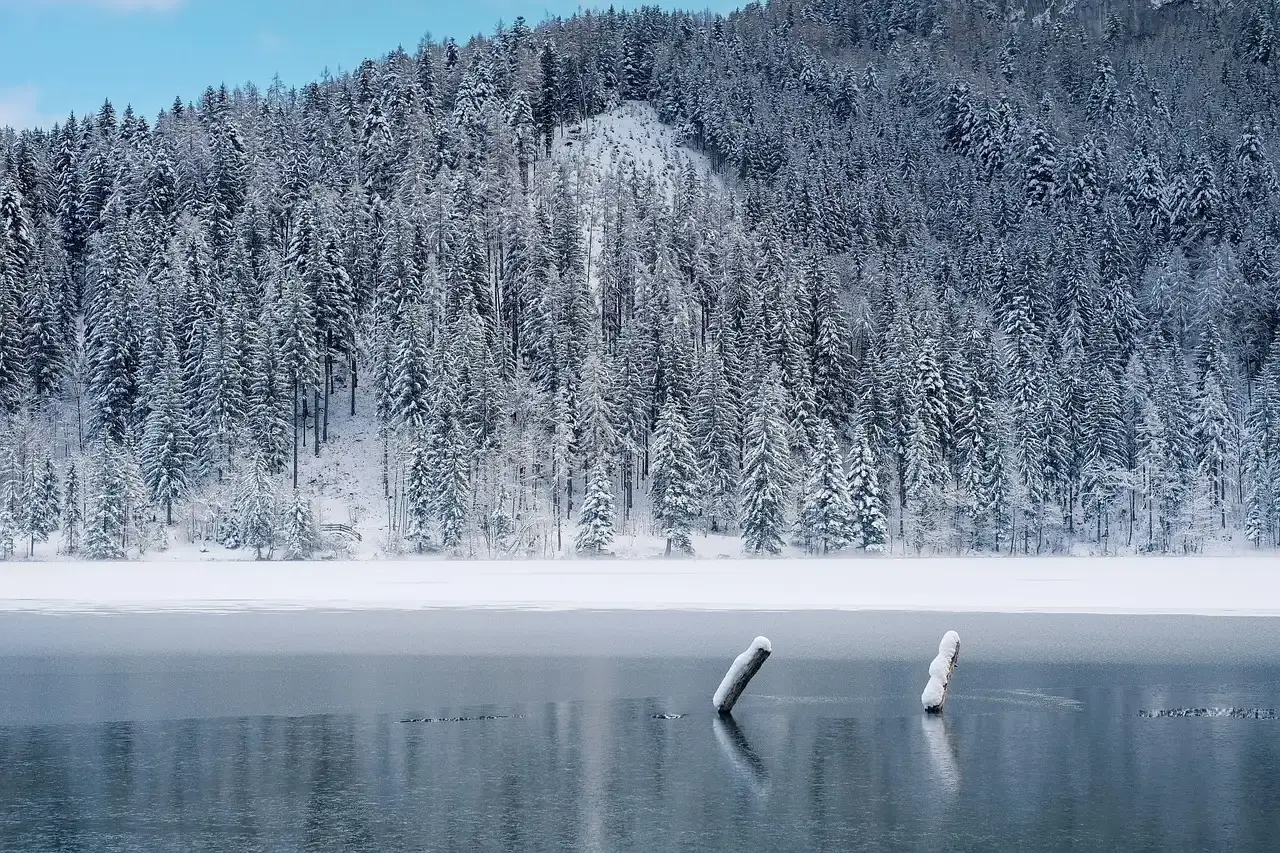
These lakes remind us that simple rules about freezing do not always apply when multiple natural forces interact. The result feels almost deliberate yet stems from ordinary geological and chemical processes.
Paying attention to such details encourages a deeper appreciation for how varied water bodies can be. In the end the strange exceptions make winter itself more interesting to observe and understand.
