
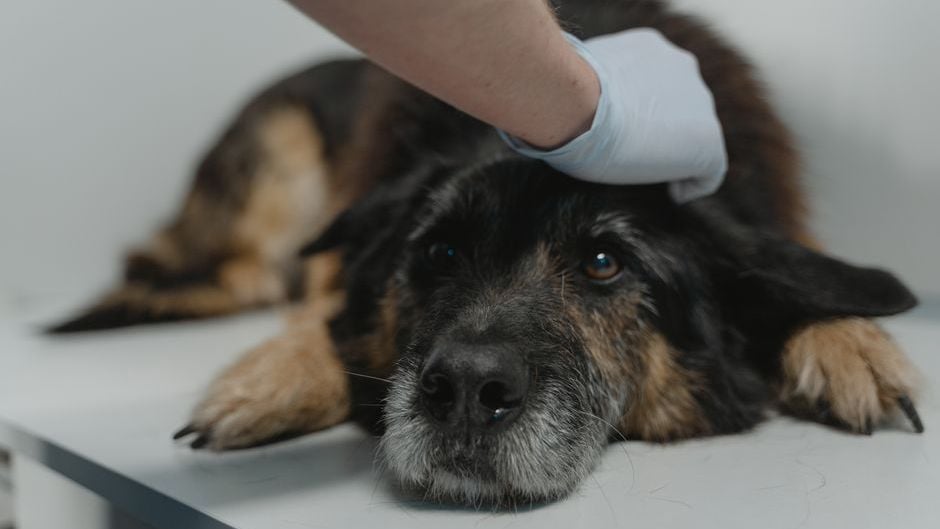
An Ancient Survival Mechanism at Work
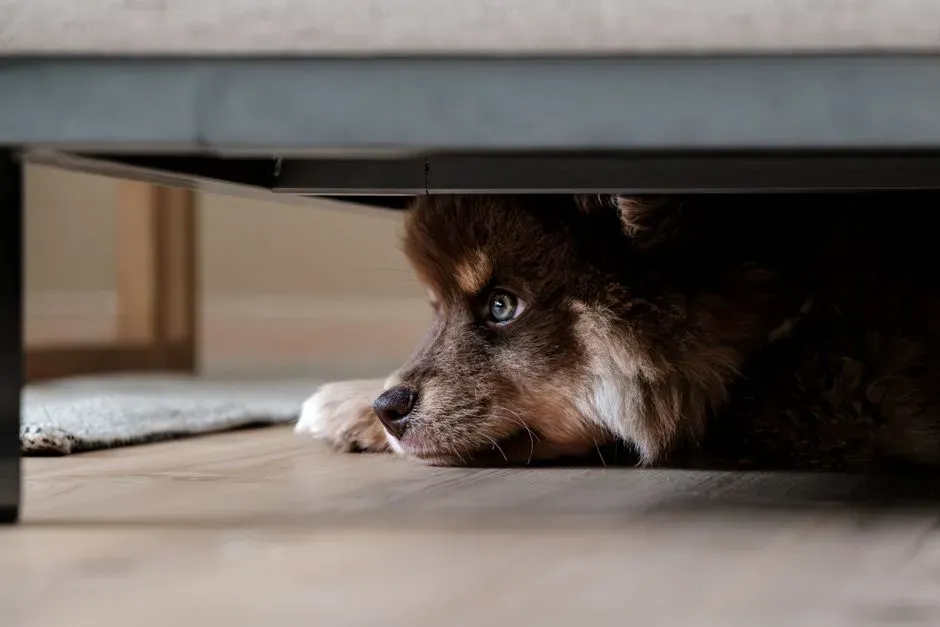
Dogs descend from wolves and other wild canids that faced constant threats from predators. When an animal feels weak or unwell, the drive to conceal itself becomes strong because vulnerability draws unwanted attention in the wild. This response persists even in domesticated pets that have never encountered real danger.
Owners often notice their dog retreating under furniture or to a quiet room as health fades. The behavior serves as a protective measure rather than a conscious decision about death itself. Vets recognize this pattern across many species, where illness triggers withdrawal to reduce risk.
Changes in Behavior as Health Declines
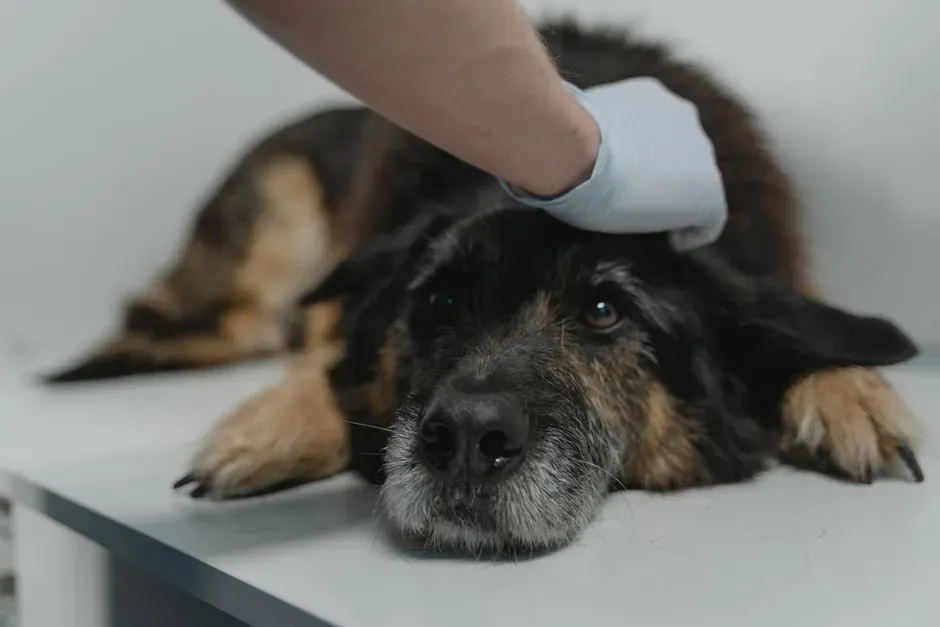
Senior dogs or those battling serious conditions frequently show shifts in routine before the end. They may eat less, move more slowly, or seek out spots that feel secure and familiar. These adjustments stem from physical discomfort and reduced energy rather than emotional planning.
Some dogs grow restless and pace before settling in an unusual location. Others simply stop interacting as much with family members. Such changes reflect how the body conserves resources during decline, and they vary widely depending on the individual animal and its specific health issues.
Why Not Every Dog Follows This Pattern

Plenty of dogs remain close to their people right through their final moments. Personality plays a significant role, with some animals becoming more affectionate or clingy when they feel poorly. Breed tendencies and past experiences also influence whether a dog hides or seeks company.
Modern veterinary care means many pets receive pain management and supportive treatment that alters their comfort level. A dog that feels less distressed may not feel the same urge to isolate. The choice of location often depends on what feels safest in the moment rather than any universal rule.
The Role of Pain and Discomfort
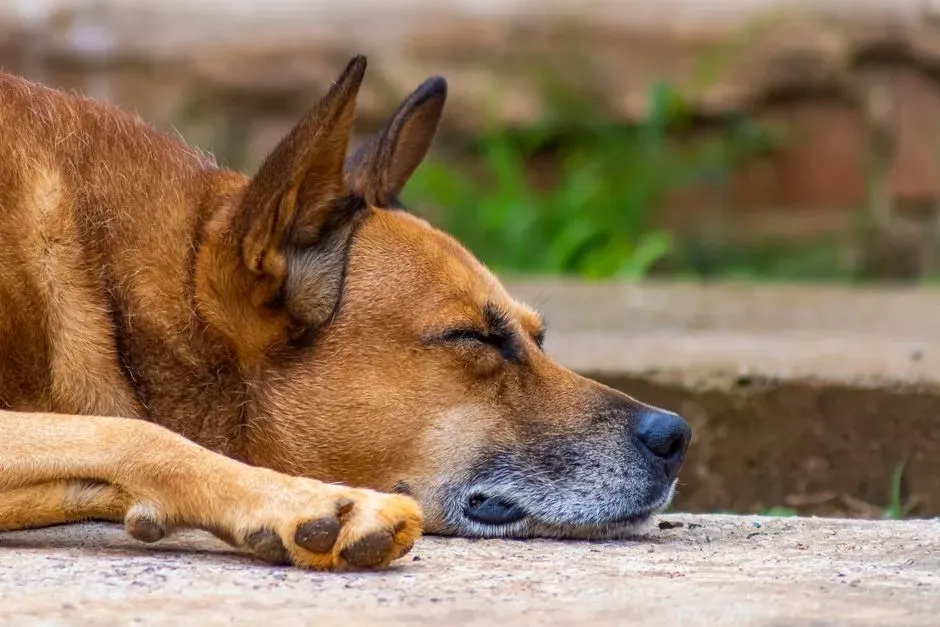
When a dog experiences ongoing pain or nausea, its priority shifts toward finding relief and safety. Hiding can represent an attempt to manage these sensations without external stimulation. This instinct operates independently of any awareness about mortality.
Owners sometimes interpret the withdrawal as a sign their pet wants privacy, yet the motivation appears more basic. Reduced mobility from arthritis or other conditions can also limit where a dog ends up resting. Professional assessment helps distinguish between normal end of life changes and treatable problems that might ease the process.
Reflections on Connection and Letting Go
Stories of dogs disappearing fuel strong emotions because they touch on our desire to be present for every stage of a companion’s life. Yet the evidence points to practical instincts rather than any hidden message or preference for solitude over love. Accepting this distinction can ease some of the guilt owners carry after such events.
Each dog brings its own blend of habits and needs to those final days. Paying attention to subtle cues and providing steady comfort where welcomed remains the most meaningful response. In the end, the bond formed over years matters more than the precise circumstances of a last breath.

- Animal Cognition Says Parrots Practice Words Alone Before Using Them in Social Situations - August 8, 2026
- 8 Things Guinea Pigs Remember About Daily Routines - August 8, 2026
- 7 Things That Quietly Scare Hummingbirds Away - August 8, 2026