
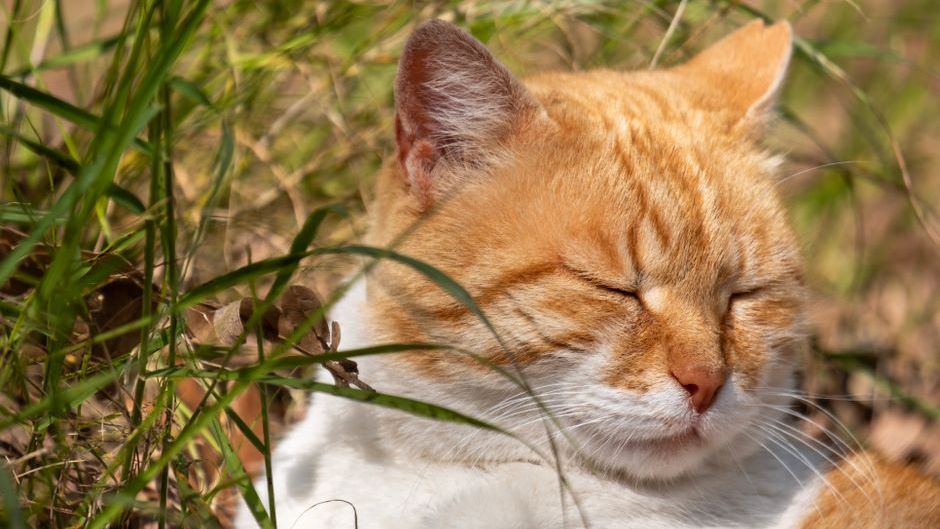
Watch a cat settle across the room and offer that deliberate, drawn out blink. Most people smile and call it a sign of love, a quiet hello from their furry companion. The reality runs deeper and older than any household bond.
Feline psychology traces this gesture back to instincts that once kept cats alive in uncertain environments. It is not something they choose to perform for our benefit. Instead it operates as an automatic response shaped by generations of survival pressures.
The Everyday Misreading of Cat Signals
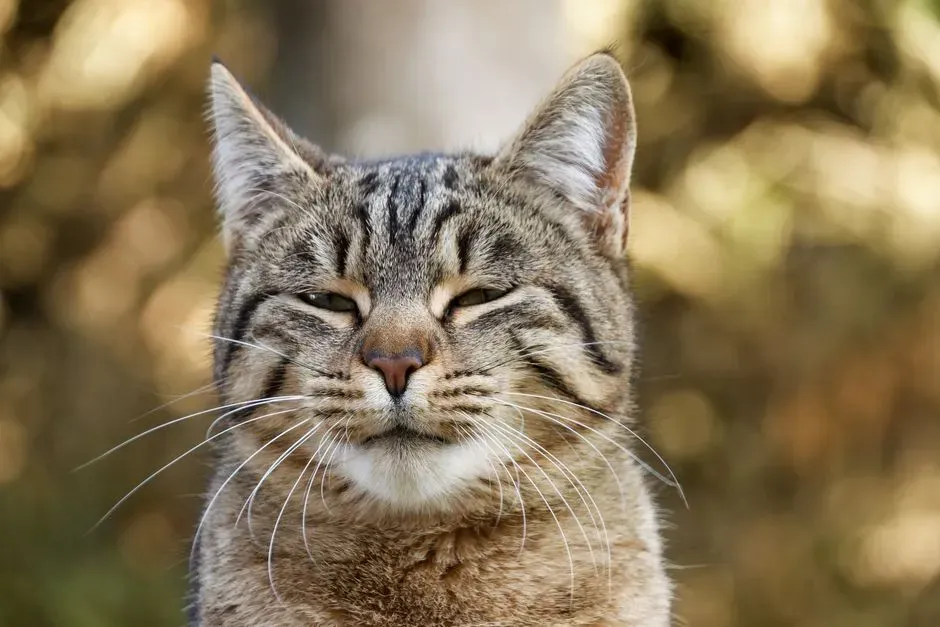
Owners often interpret a slow blink as warmth or trust because it feels gentle and personal. That reading makes sense on the surface since the motion looks relaxed and inviting. Yet the same action appears in stray cats toward other animals where affection plays no role at all.
Researchers note that cats use the blink to signal they pose no immediate threat. In group settings this reduces tension without requiring closeness or emotional attachment. The gesture therefore serves a practical purpose first and any affectionate reading comes second.
Roots in Wild Survival Strategies
Wild felines face constant decisions about when to relax their guard. A slow blink allows brief eye closure while still conveying calm to nearby cats or even larger predators. This small action can prevent unnecessary conflict in shared territories.
Over time the behavior became fixed because individuals who used it survived longer and passed it along. Domestic cats inherited the same wiring even though house life removes most dangers. The instinct persists because evolution does not switch off features that once worked reliably.
How the Blink Functions as Nonverbal Communication
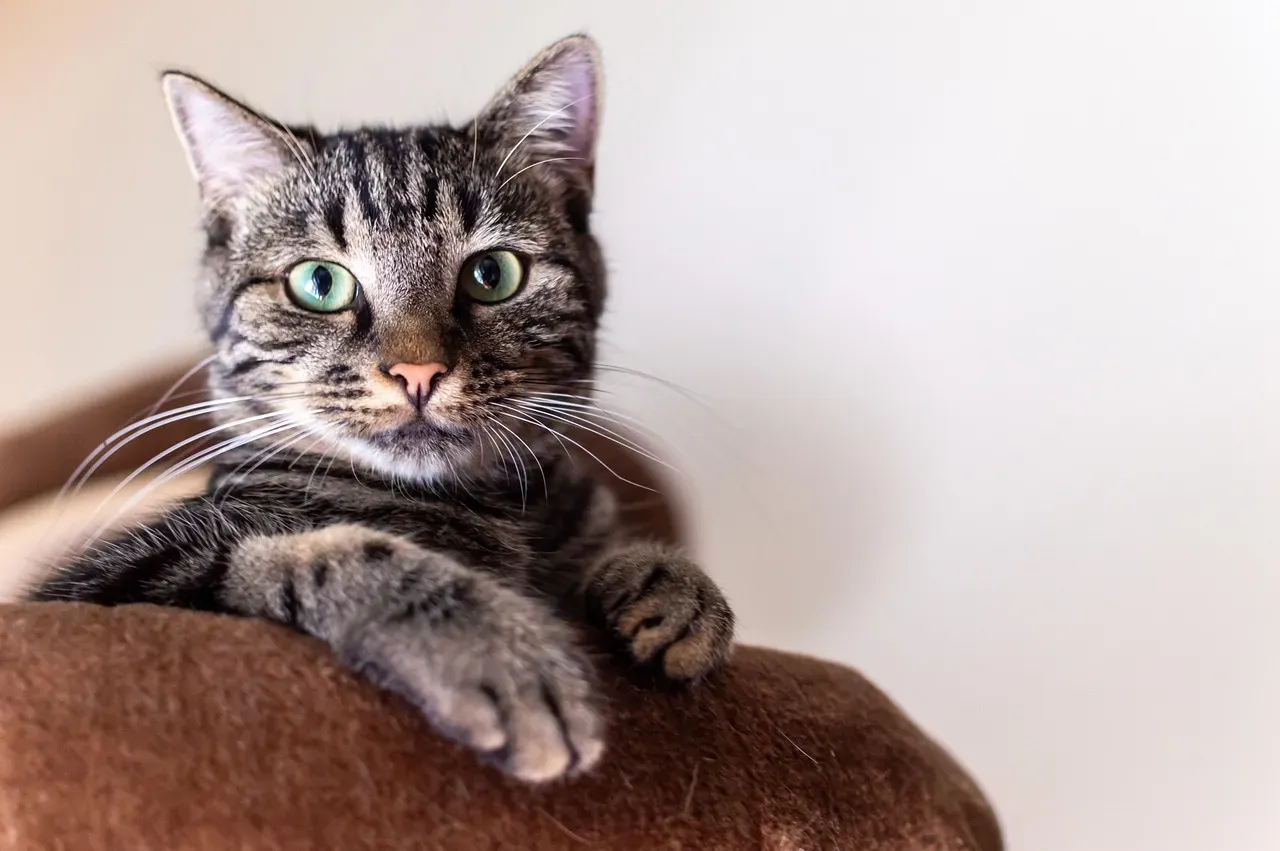
Cats rely heavily on body language since vocal signals can attract unwanted attention. The slow blink fits into a larger set of subtle cues that include ear position and tail movement. Together these signals create a clear message of lowered intent without words.
In multi cat households the blink often appears during moments of potential friction such as shared feeding areas. It diffuses tension quickly and allows both animals to continue their routines. This efficiency explains why the pattern repeats across unrelated situations.
Why the Behavior Persists in Safe Homes
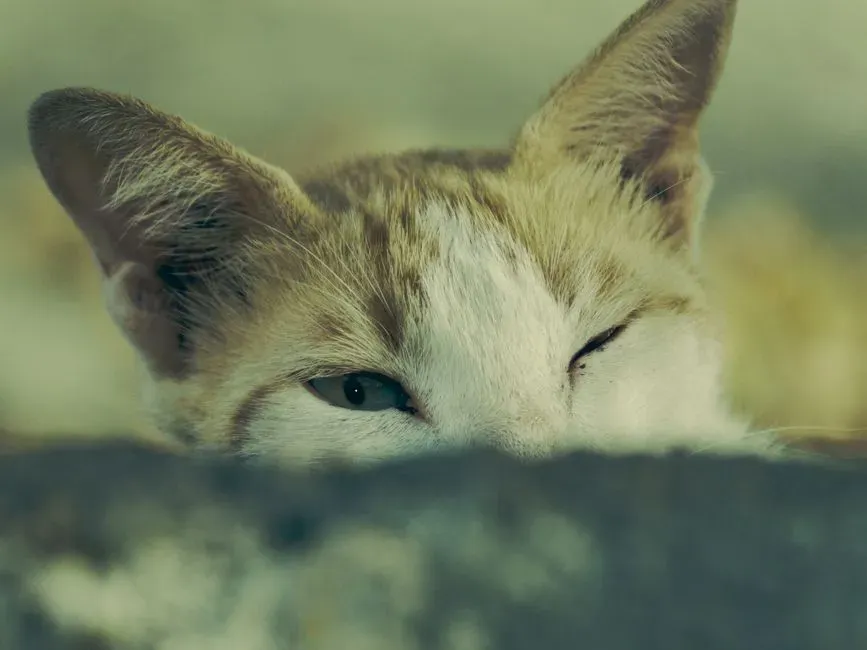
Even pampered indoor cats retain the full range of ancestral responses. Safety does not erase the neural pathways that trigger the blink when eyes meet another gaze. The action remains automatic rather than learned or optional.
Owners sometimes reinforce the habit by returning the blink themselves. The cat continues the pattern because it already exists as a default response. Over generations the instinct stays intact because it costs little energy and carries no downside in modern settings.
Distinguishing Instinct from Genuine Attachment
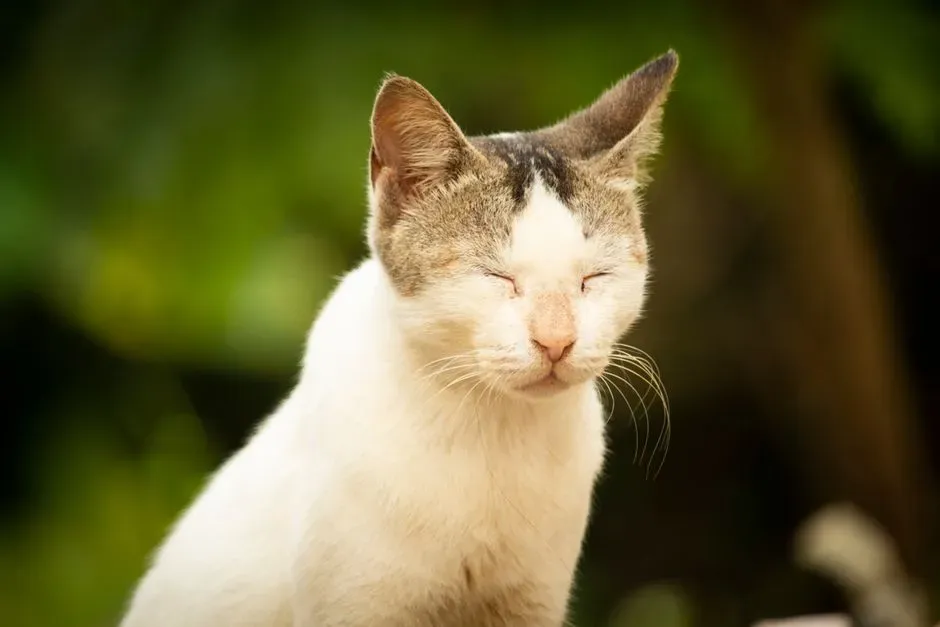
Real affection in cats shows through consistent proximity seeking and relaxed body postures over time. A single slow blink offers far less information about the relationship. It can occur between strangers or even toward objects that hold no emotional value.
Psychology studies separate these layers by observing cats in controlled encounters. The blink appears reliably in neutral or mildly tense moments while deeper bonding requires repeated positive interactions. Keeping the two distinct helps owners read their pets more accurately.
Practical Ways to Respond Without Overinterpreting
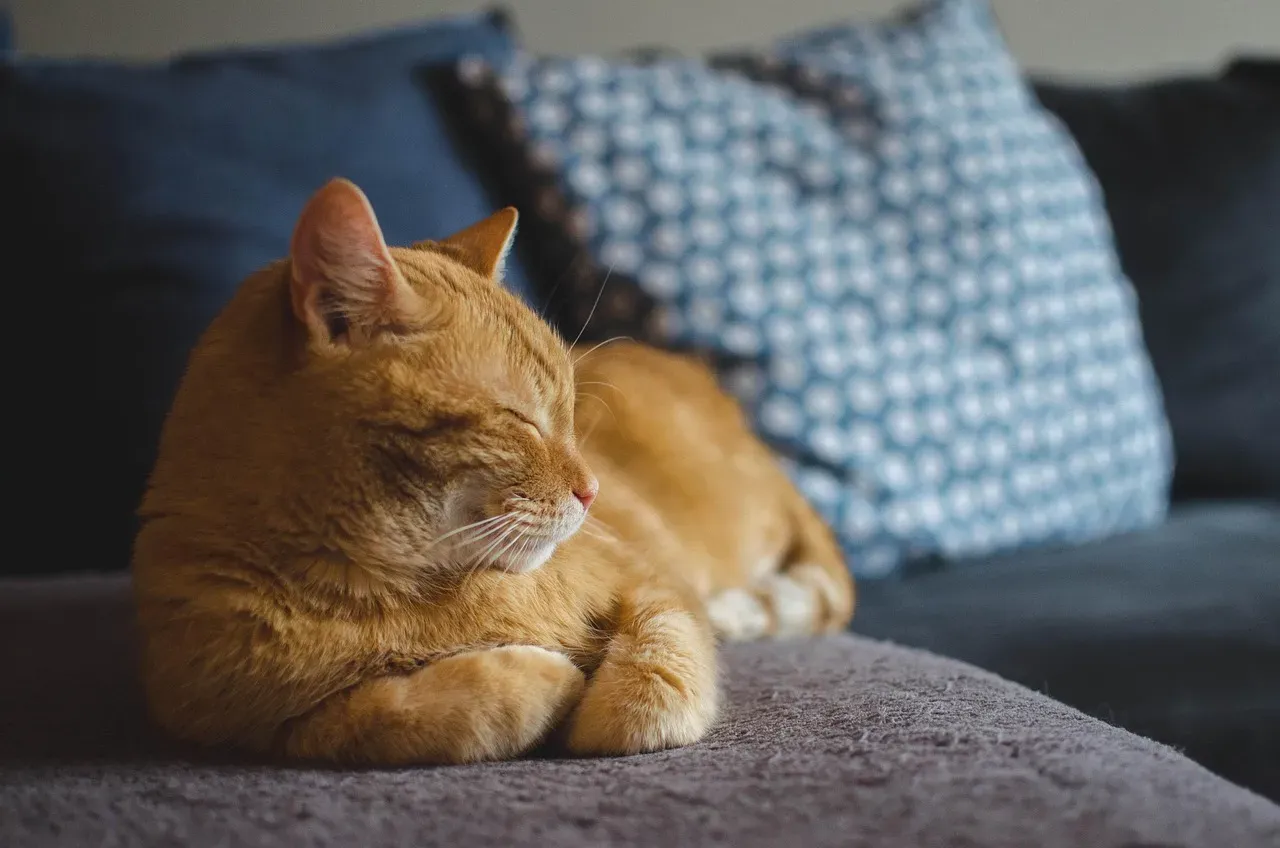
Returning a slow blink can still feel pleasant and may encourage further calm exchanges. The key lies in pairing it with other reliable signs such as voluntary approach or relaxed sleeping nearby. Relying on the blink alone risks missing the fuller picture of how the cat feels.
Paying attention to context improves daily interactions. A blink during a quiet evening carries different weight than one offered while a new visitor enters the room. Noticing these differences builds a clearer sense of the cat’s actual comfort level.
Shifting How We View the Human Cat Connection
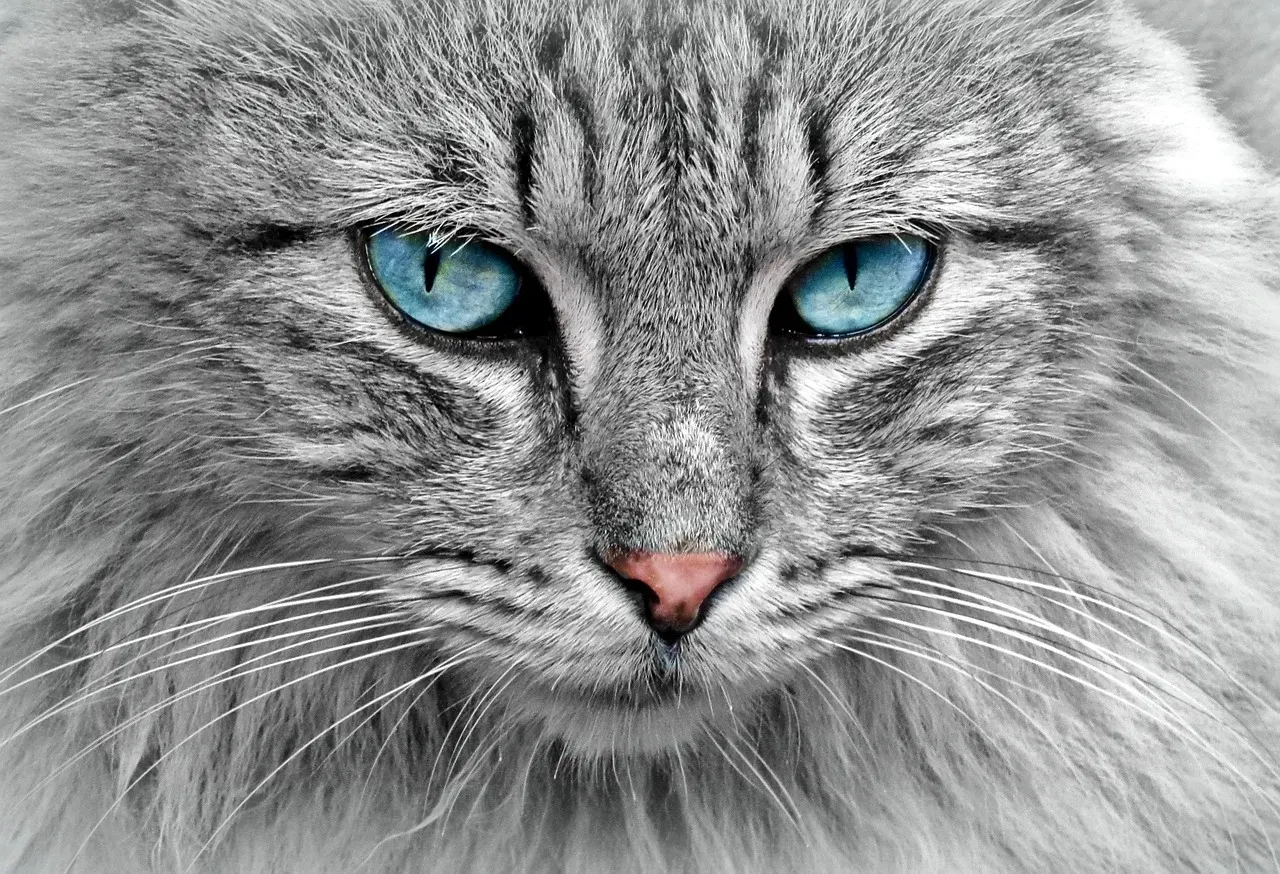
Recognizing the survival roots of the slow blink does not diminish the bond between people and cats. It simply places that bond on more realistic ground where instinct and learned trust coexist. Cats remain capable of genuine attachment even while their automatic signals continue unchanged.
Owners who accept this layered view often report steadier relationships with fewer misunderstandings. The blink becomes one small reliable note in a larger conversation rather than the whole story. In the end the instinct reminds us that cats navigate the world through ancient rules that still shape every shared moment.

- What Large Dog Breed Are You According to Your Zodiac Sign - August 8, 2026
- 8 Plants That Help Keep Mosquitoes Away From Texas Patios - August 8, 2026
- 10 Facts About the Grand Canyon Hidden in Its Rock Layers - August 8, 2026