
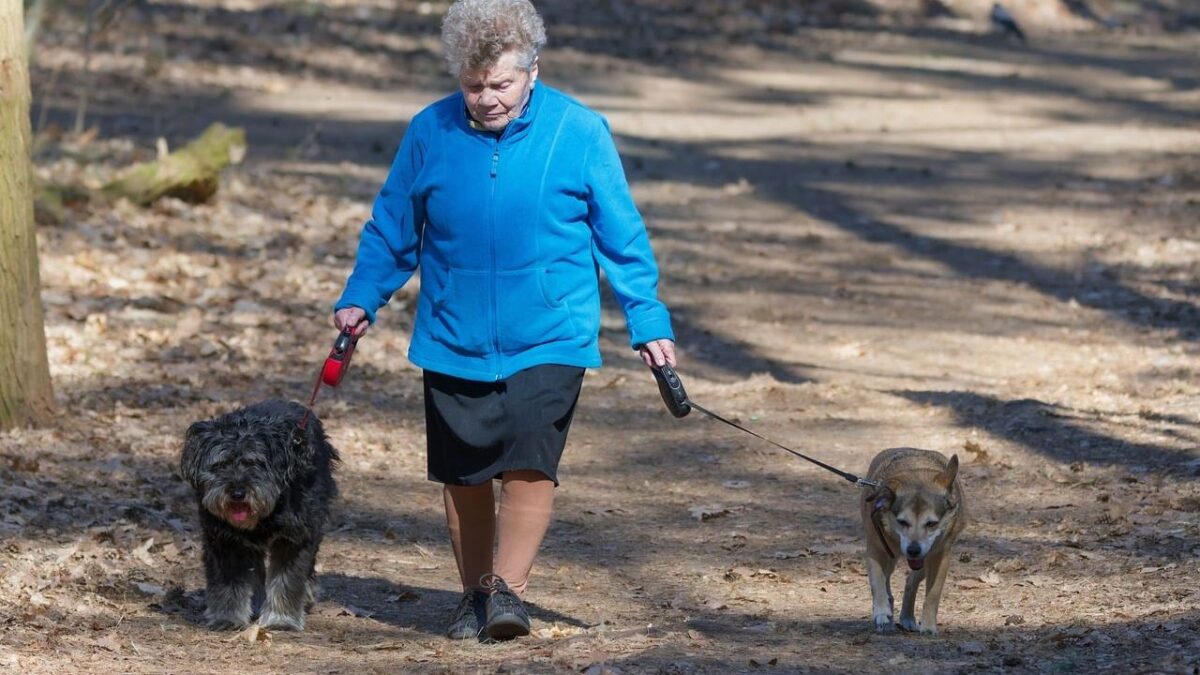
There’s a look a senior dog gives you that younger dogs simply can’t. It’s slower, softer, and somehow more grateful – like they know exactly how much time matters now. If you’ve ever locked eyes with a gray-muzzled dog and felt your whole chest tighten, you already understand why these years deserve something more than just “good enough.”
The hard truth is that most dogs don’t get the care upgrade they need when they cross into their senior years. Their owners love them fiercely but don’t always know what’s changed – or what’s possible. These 12 cozy, practical ways to enrich your senior dog’s life aren’t just feel-good suggestions. A few of them might genuinely change how many good days your dog has left. Number one especially.
12 – Schedule Regular Veterinary Checkups
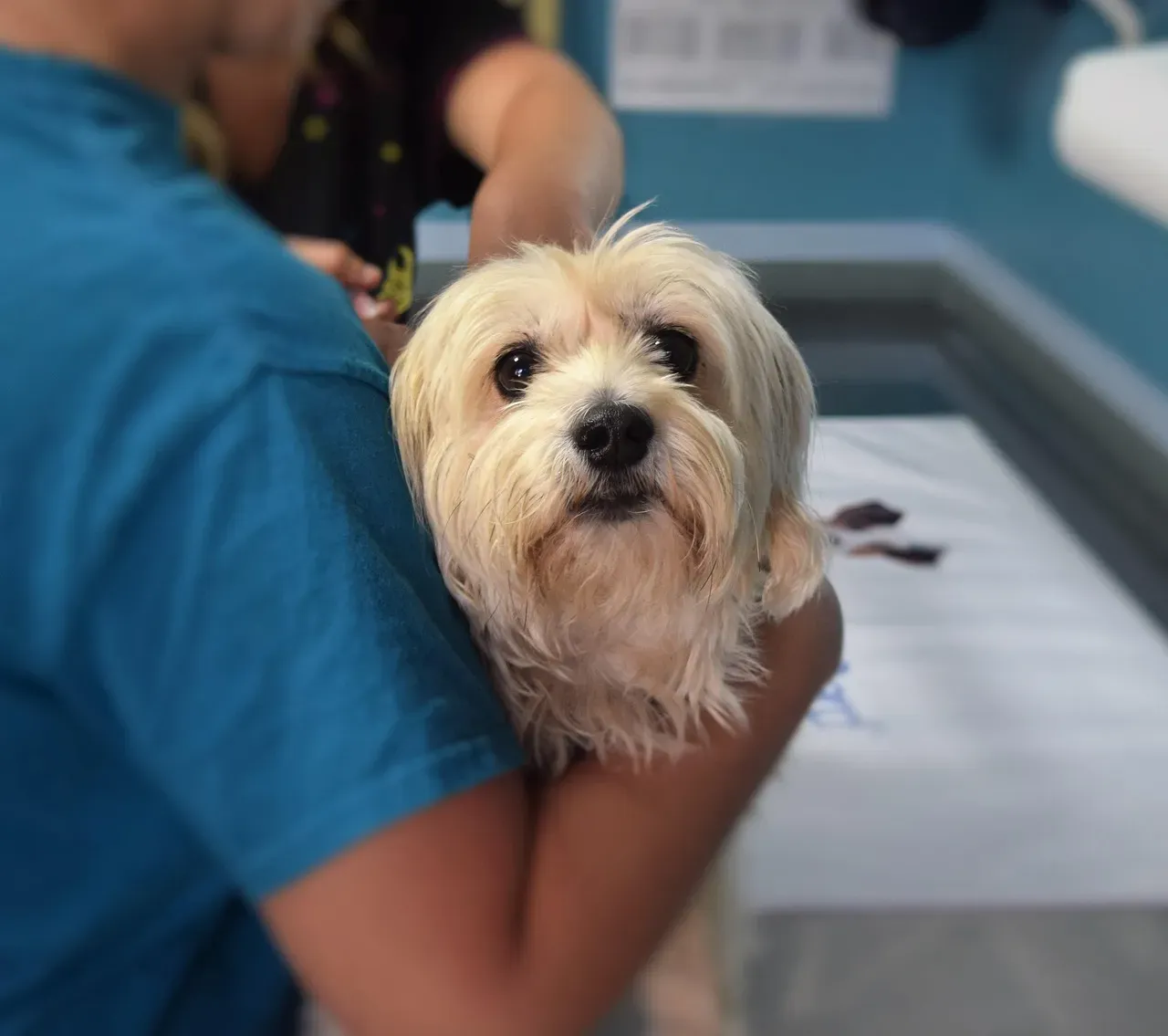
Here’s something most pet owners don’t realize until it’s too late: the gap between a dog acting “a little off” and a serious diagnosis can be as short as a few months. Senior dogs age faster than we do, and annual vet visits – the standard most people follow – simply aren’t frequent enough to catch what’s quietly developing. Veterinarians consistently recommend bi-annual checkups for dogs over seven, because conditions like arthritis, kidney disease, and early-stage tumors are far more manageable when caught early.
Think of it less as a medical appointment and more as a twice-yearly gift to your dog. These visits give you a baseline, a plan, and the peace of mind that you’re not missing something. The cost of an extra checkup is almost always less than the emotional and financial cost of treating something that was allowed to progress unchecked.
Fast Facts
- Dogs are generally considered senior from age 7, though large breeds may enter the senior stage as early as 6.
- When apparently healthy dogs over age 9 were screened, vets found at least one previously unrecognized problem in 80% of them.
- Senior and geriatric dogs make up 30–40% of a typical veterinary practice’s patient base.
- Bi-annual checkups allow your vet to track gradual changes in bloodwork, weight, and mobility that a single annual visit can miss.
11 – Adjust Their Diet to Senior Needs
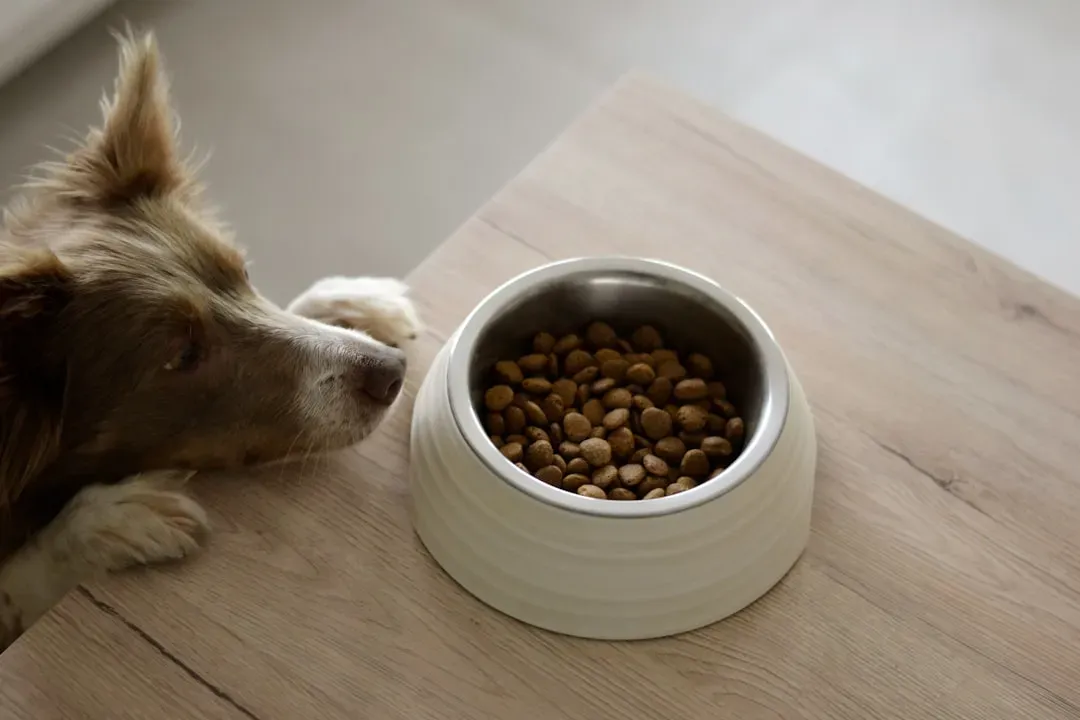
The food that kept your dog thriving at age three probably isn’t doing the same job at age ten. Senior dogs burn fewer calories, process protein differently, and are far more vulnerable to the downstream effects of obesity – which accelerates joint damage, strains the heart, and shortens life. A diet designed for their current life stage, rather than their younger one, isn’t optional. It’s one of the highest-leverage changes you can make.
Your vet can help you navigate the options, which now include senior-specific formulas with added glucosamine, omega-3 fatty acids, and adjusted phosphorus levels for kidney support. Some dogs do better on wet food for hydration. Others need a prescription diet. The point is that the conversation with your vet about food is worth having – and worth having soon, not at the next emergency visit.
10 – Provide Comfortable Resting Areas
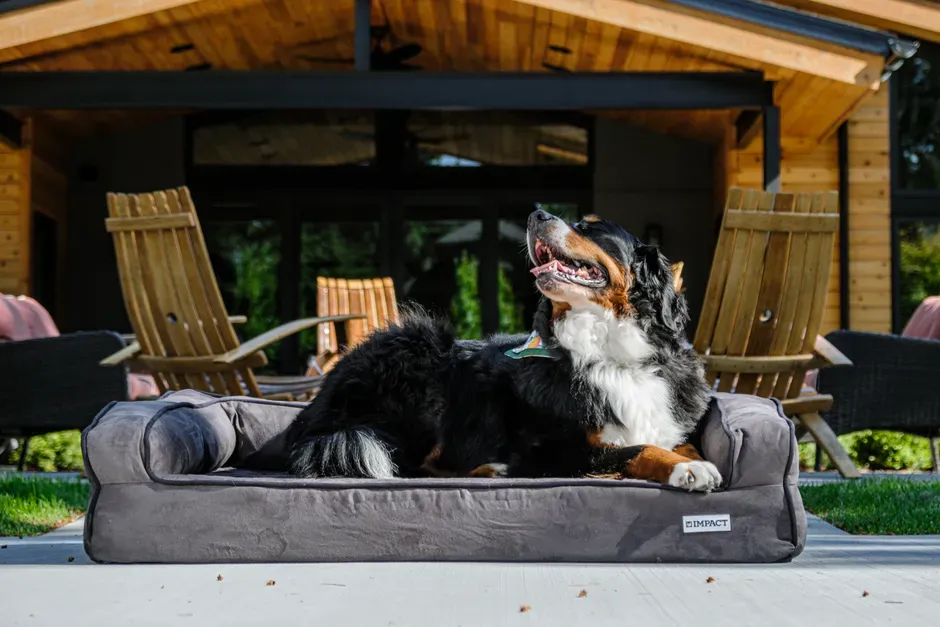
Imagine spending every night on a hardwood floor with arthritic hips. That’s what a senior dog with joint pain experiences if their bed hasn’t kept pace with their needs. Orthopedic dog beds – the ones with memory foam or high-density foam bases – aren’t a luxury item at this stage. They’re closer to a medical necessity. The difference they make in a dog’s ability to sleep deeply and wake up moving freely is real and visible within days.
Placement matters just as much as the bed itself. Put it somewhere low-traffic, warm, and easy to reach without navigating stairs or slippery floors. Some dogs love having their resting spot near the center of family activity; others want a quieter corner. Watch where your dog naturally gravitates and meet them there. That small act of paying attention communicates more than you might expect.
Why It Stands Out
- Dogs spend roughly 50% of their day sleeping and 30% simply lounging – that’s up to 80% of life spent lying down.
- A University of Pennsylvania clinical trial found that orthopedic beds improved mobility, joint pain, and energy levels in large dogs with arthritis.
- Orthopedic foam distributes body weight evenly, reducing pressure on elbows, hips, and shoulders – the joints most prone to calluses and soreness.
- Quality orthopedic beds typically last 5–10 years, outlasting standard fiber-filled beds by years.
- Look for a lower-profile design – senior dogs with stiff joints find it significantly easier to step in and out without extra effort.
9 – Maintain Regular, Gentle Exercise
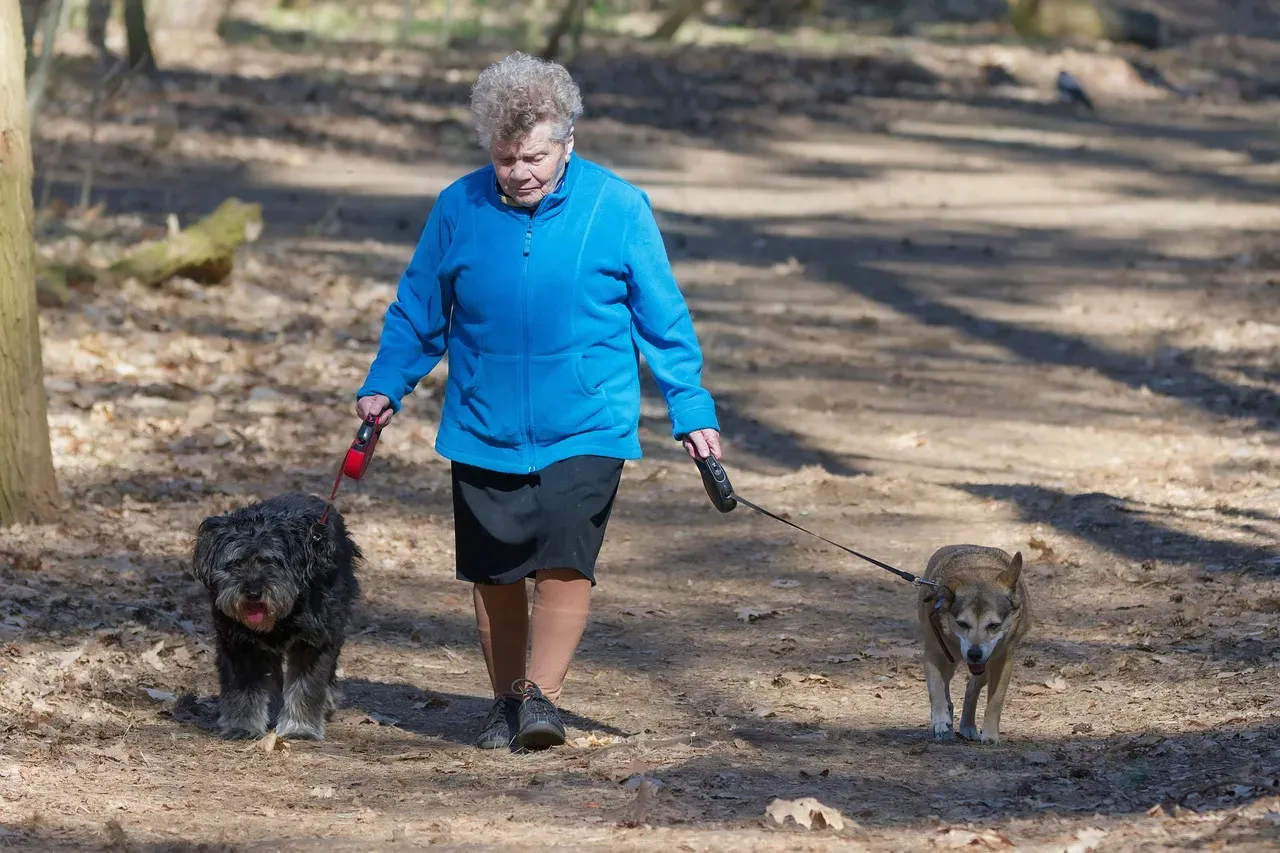
It feels kind to let an older dog rest whenever they want. But too much stillness is one of the fastest routes to muscle loss, weight gain, and a stiffness that becomes harder to reverse the longer it settles in. The goal isn’t to push them – it’s to keep them moving in ways that feel good. Short, consistent walks are almost always better than one long exhausting one. Swimming is extraordinarily gentle on joints and often brings out a joy in senior dogs that surprises their owners.
Read your dog. A good exercise session should leave them pleasantly tired, not limping or reluctant to get up the next morning. If they’re hesitating at the leash or struggling on stairs the day after a walk, you’ve gone too far. Scale back, shorten the distance, and let the consistency do the work over time. Movement done right is medicine.
8 – Keep Their Minds Active
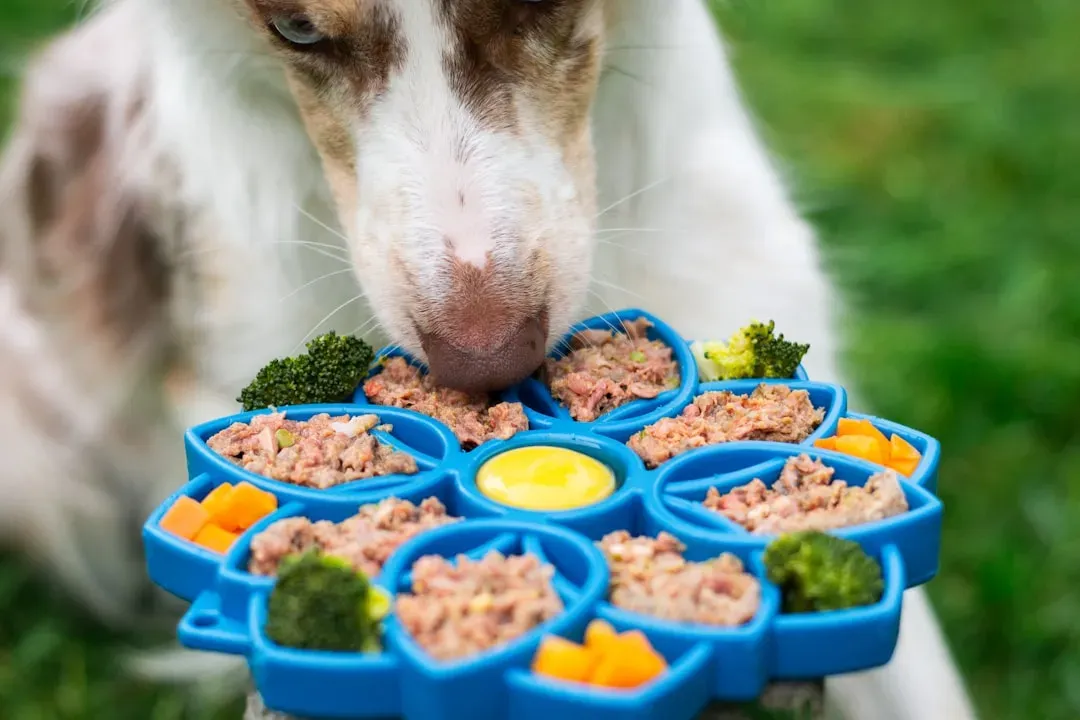
Canine cognitive dysfunction – essentially a form of dementia – affects a significant portion of dogs in their later years, and it’s heartbreaking to watch a dog become confused, anxious, or disconnected in a home they’ve known their whole lives. Mental stimulation doesn’t prevent aging, but research strongly suggests it can slow cognitive decline and improve mood and behavioral stability in senior dogs. Puzzle feeders, scent games, and even learning a simple new trick all count.
The beautiful thing about mental enrichment is how little it costs and how much dogs seem to love it. Hide a few pieces of kibble around the living room and watch a senior dog’s whole demeanor shift – nose down, tail up, completely absorbed. That focused engagement is doing real neurological work. Even ten minutes of mental challenge a day adds up to something meaningful over months and years.
Worth Knowing
- The odds of canine cognitive dysfunction increase by 52% with each additional year of age past 10.
- 28% of dogs aged 11–12 are affected by cognitive dysfunction syndrome; that figure rises to 68% in dogs aged 15–16.
- Sedentary dogs have 6.47 times higher odds of developing cognitive dysfunction compared to very active dogs of the same age.
- Common signs to watch for: night pacing, getting “lost” in familiar spaces, house soiling, increased anxiety, and altered sleep cycles.
- Even 10 minutes of daily scent work, puzzle feeding, or gentle training provides meaningful neurological engagement.
7 – Monitor and Manage Weight
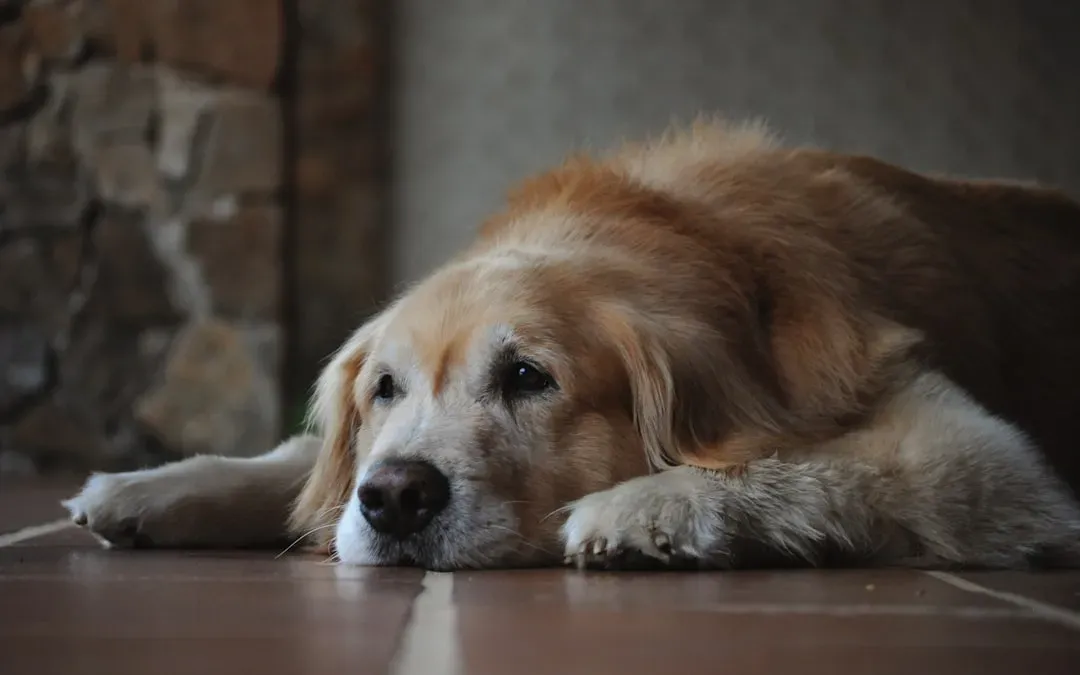
Obesity in senior dogs isn’t just a cosmetic concern – it’s a pain multiplier. Every extra pound on a dog with arthritis means more pressure on inflamed joints with every step they take. It strains the heart, increases the risk of diabetes, and shortens the window of time your dog feels genuinely good. And yet weight creep in older dogs is so common it often goes unnoticed until the numbers on the scale or at the vet visit become alarming.
A simple at-home check: run your hands along your dog’s sides. You should be able to feel their ribs without pressing hard, but not see them prominently. If you’re pushing through a thick layer of fat to find them, it’s time to recalibrate – portion sizes, treat frequency, and activity level all play a role. Your vet can give you a target weight and a realistic path to reach it without making your dog feel deprived.
6 – Adapt Your Home Environment
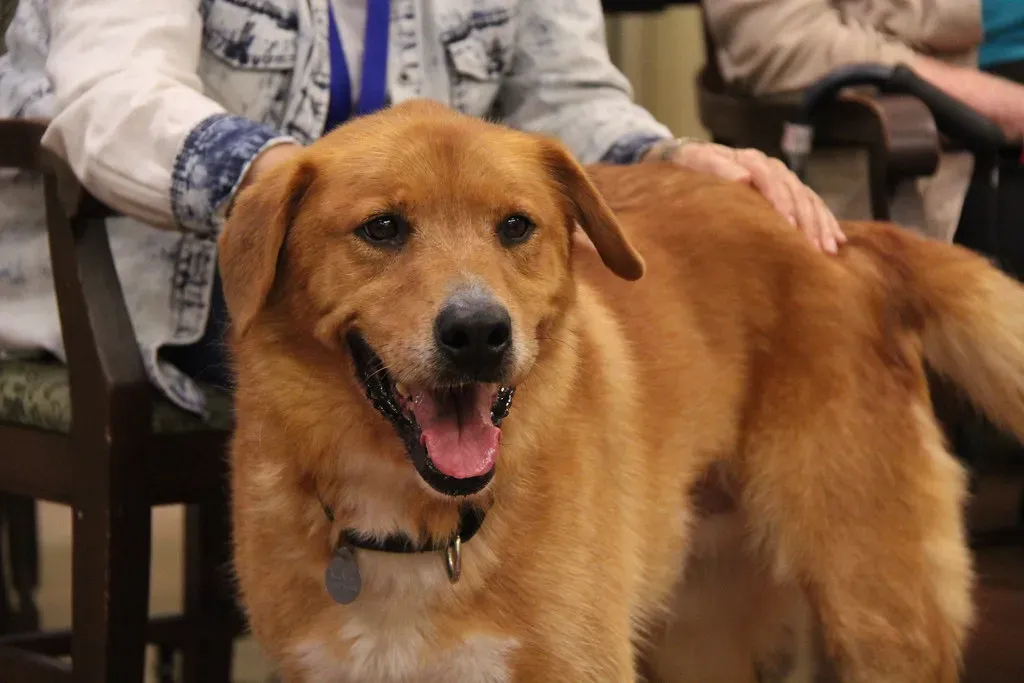
A home that worked perfectly for a young, agile dog can quietly become an obstacle course for a senior one. Slippery hardwood floors cause falls that bruise, strain muscles, and shake a dog’s confidence. Stairs become a daily negotiation with pain. Food and water bowls placed on the floor can force a dog with neck arthritis into an uncomfortable stretch several times a day. These aren’t dramatic problems, but they accumulate into a lower quality of life.
Simple fixes go a long way: rubber-backed rugs on hard floors, a raised food bowl, a ramp over the front steps, a stool or small set of pet stairs next to the couch. None of these require a renovation. They just require noticing where your dog hesitates or struggles, and removing that friction. When a senior dog can move through their own home with ease and confidence, something in their whole manner lifts.
At a Glance
- Slippery floors → rubber-backed area rugs or yoga mat runners in high-traffic areas
- Painful bowl posture → raised food and water bowls to reduce neck and shoulder strain
- Stair struggles → a low-incline ramp at the front door or beside furniture
- Couch access → pet stairs or a sturdy step stool so they don’t have to jump
- Disorientation at night → a small nightlight near their bed if vision is declining
5 – Prioritize Dental Health
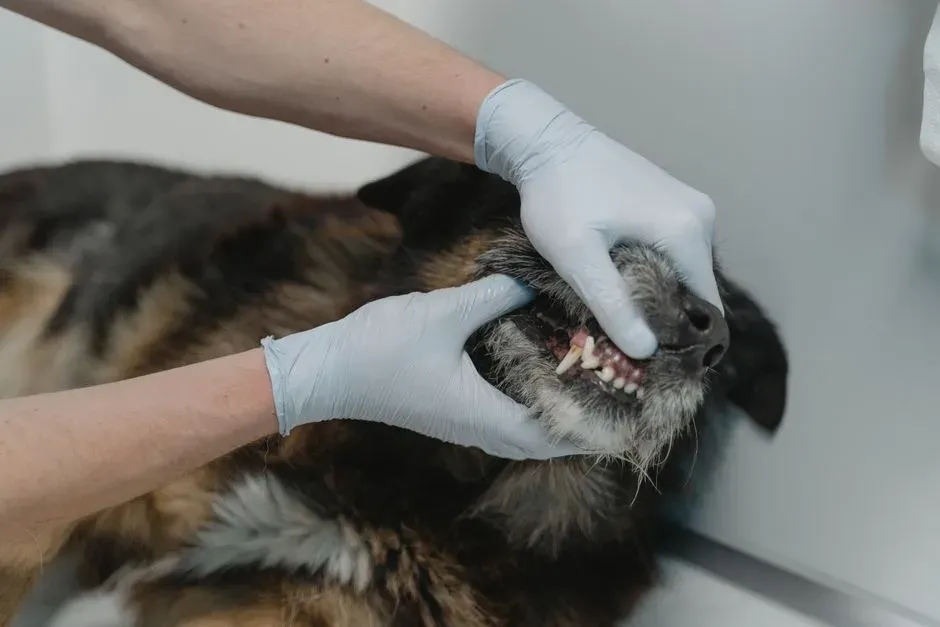
Dental disease is one of the most common and most overlooked health problems in older dogs – and the consequences reach far beyond bad breath. Bacteria from infected gums can enter the bloodstream and affect the heart, kidneys, and liver. A dog in chronic dental pain often eats less, plays less, and is generally more withdrawn, and their owners frequently attribute these changes to “just getting older” rather than recognizing them as symptoms of something treatable.
Daily brushing is the gold standard, but if your dog won’t tolerate it, dental chews, water additives, and enzymatic dental sprays can all help. More importantly, don’t skip the professional cleanings your vet recommends. Yes, they require anesthesia and carry some risk in older dogs – but that risk is usually manageable, and the relief a dog feels after having painful dental disease treated can be dramatic and immediate. Many owners describe their dog acting years younger afterward.
Quick Compare
- Daily brushing – Gold standard; slows plaque and reduces bacterial load most effectively
- Dental chews (VOHC-approved) – Good supplemental option; check for calorie impact in overweight dogs
- Water additives – Easy daily habit; modest benefit, best used alongside other methods
- Professional cleaning – Only method that addresses below-the-gumline disease; requires anesthesia
4 – Monitor Vision and Hearing Changes
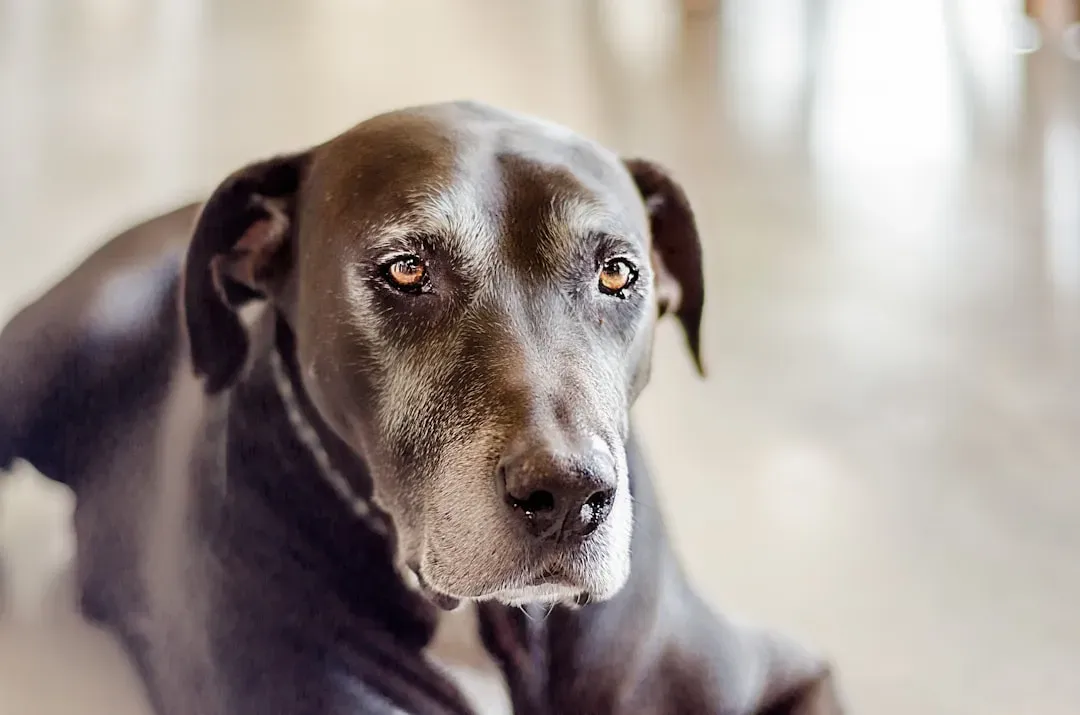
A dog who stops responding to their name isn’t being stubborn – they may simply not be able to hear you anymore. Gradual hearing and vision loss in senior dogs often goes unrecognized because dogs are remarkable at compensating. They use scent, vibration, and routine to navigate a world they can no longer fully see or hear. But beneath that coping, they are often more anxious and more easily startled than their owners realize.
The most helpful thing you can do is keep their environment consistent. Rearranging furniture frequently or changing their routines can feel disorienting and stressful to a dog with sensory decline. Approach them from the front when possible, let them scent you before touching them, and switch gradually to hand signals if hearing is going. These small adaptations tell your dog: I see what’s happening, and I’ve got you.
3 – Provide Joint Support
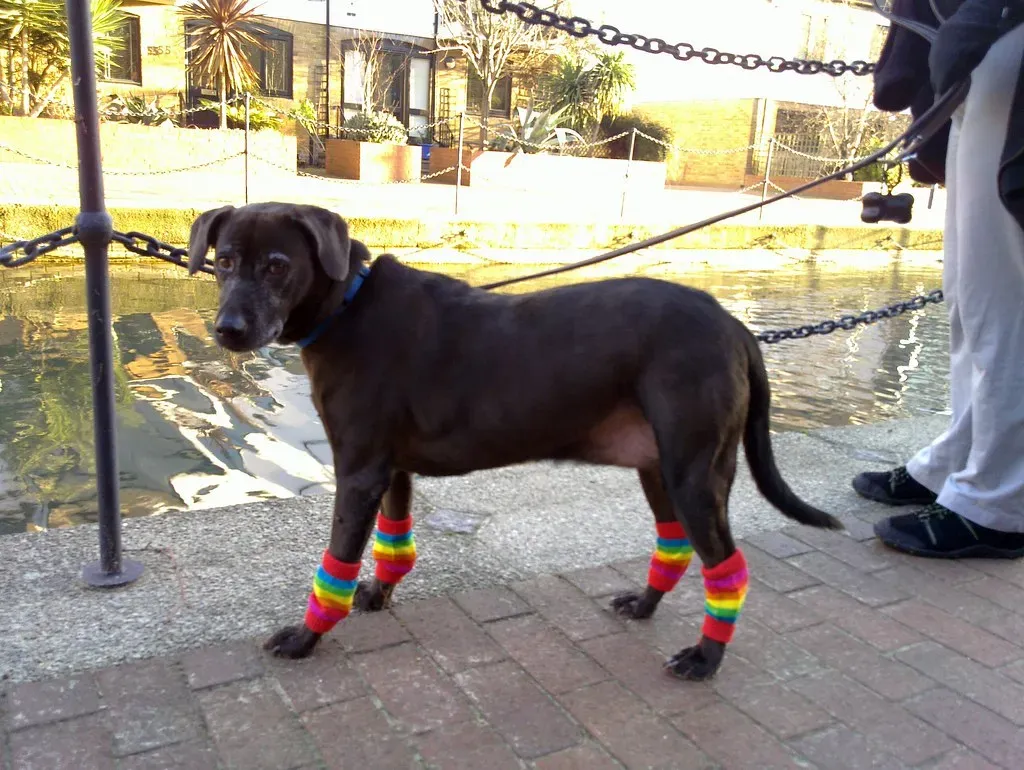
Arthritis doesn’t always announce itself loudly. Sometimes it looks like a dog who takes longer to get up in the morning, or hesitates before jumping onto the couch, or just seems a little less enthusiastic about the walk they used to love. By the time the limping starts, significant inflammation has often been building for months. Getting ahead of joint pain – rather than waiting for obvious symptoms – is one of the most compassionate things you can do for an aging dog.
Glucosamine and chondroitin supplements have solid support for maintaining cartilage and reducing discomfort. Omega-3 fatty acids, particularly from fish oil, are well-regarded for their anti-inflammatory effects. Your vet may also recommend NSAIDs for flare-ups, laser therapy, acupuncture, or hydrotherapy depending on the severity. The combination of the right supplements, appropriate exercise, and a warm, soft place to rest can give a dog with joint issues months or even years of genuinely comfortable living.
Fast Facts
- Up to 80% of large breed dogs experience joint pain as they age – and smaller dogs aren’t far behind.
- Early warning signs often look like slowness, hesitation on stairs, or reluctance to jump – not obvious limping.
- Hydrotherapy (water-based exercise) is one of the most joint-friendly therapies available for arthritic dogs.
- Fish oil (omega-3s), glucosamine, and chondroitin are the most widely recommended supplements for joint health in senior dogs.
2 – Ensure Proper Hydration

Older dogs are more prone to dehydration than younger ones, and their thirst response becomes less reliable with age – meaning they may not drink enough even when their bodies need it. The kidneys, which are already under more strain in senior dogs, depend on adequate hydration to function well. Chronic low-grade dehydration is subtle and slow-moving, but it quietly chips away at organ health over time.
Make water as accessible and appealing as possible. Multiple water stations around the house remove the barrier of distance for a dog who hurts when they move. Some dogs drink significantly more from a pet fountain than a still bowl – the movement and freshness seem to encourage them. Incorporating wet food into their diet is another effortless way to increase daily fluid intake. It’s a small thing, but doing it consistently makes a real difference to how well their kidneys hold up year after year.
1 – Shower Them with Love and Attention
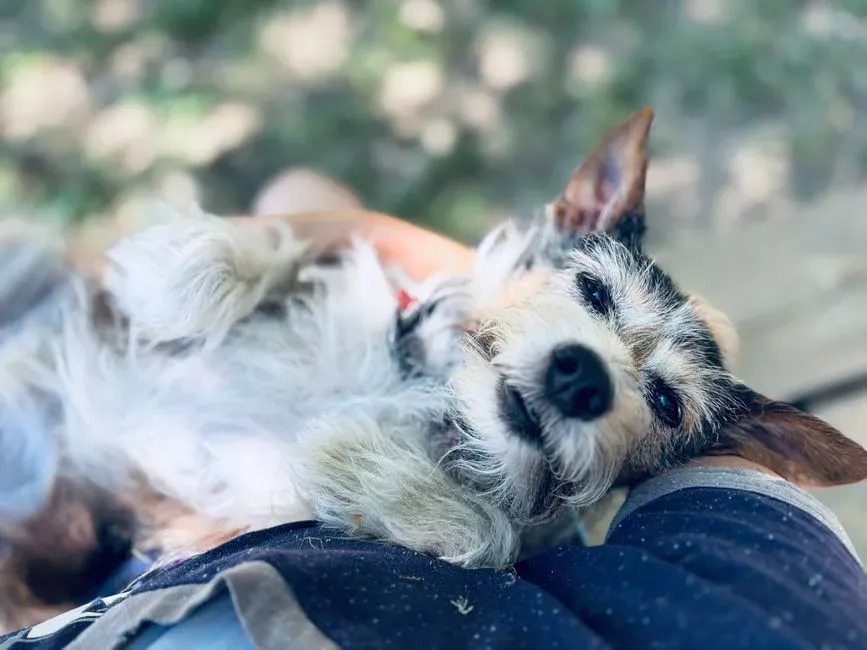
Everything else on this list matters – the vet visits, the orthopedic bed, the joint supplements, the dental cleanings. But none of it lands without this. Senior dogs feel the passage of time in ways we don’t fully understand, and what the research on animal behavior keeps circling back to is that emotional security – knowing their person is present, attentive, and affectionate – is foundational to a dog’s well-being at every age, but especially the last ones.
Sit on the floor with them. Let them lean against you. Put the phone down for twenty minutes and just be in the room together. These years have a different texture than the early ones – slower, quieter, sometimes shadowed with the awareness that time is finite. But they are also astonishingly rich. A senior dog who feels completely loved doesn’t just survive their golden years. They glow through them.
Dogs’ lives are too short. Their only fault, really.
Agnes Sligh Turnbull
Here’s the opinion no one asks for but every senior dog deserves: we don’t get to coast through these years. The dogs who gave us their speed, their silliness, their whole-body joy when we walked through the door – they’re asking for something different now. They’re asking for attentiveness, adaptation, and the willingness to notice what’s changed. That’s not a burden. It’s the last great privilege of the relationship. Give them warmth, give them comfort, give them your full presence – and their golden years won’t just be their last years. They’ll be among their very best.
