
You’ve probably heard someone insist that ostriches bury their heads in the sand, or that goldfish forget everything after three seconds. Both are total myths. But here’s the twist nobody warns you about: some of the wildest animal claims you’ve ever rolled your eyes at are not myths at all. They’re just facts too strange for the average biology class to cover properly.
We’re talking about lizards that weaponize their own blood, reptiles that can reproduce without a single male around, and a jellyfish that appears to have cheated death entirely. Every single one of these has been documented, filmed, or measured by researchers who were just as skeptical as you’re about to be. Stick around for #15 – it involves an animal you probably assumed you already understood.
#1 – Komodo Dragons Can Have Babies Without Ever Meeting a Male
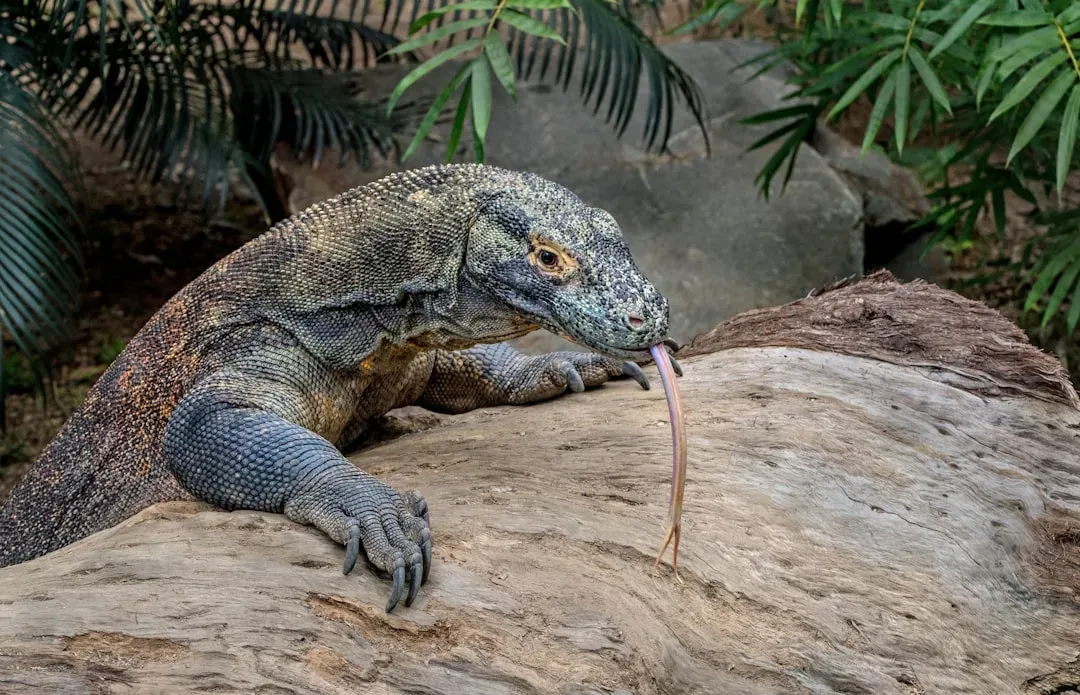
Somewhere in a zoo enclosure with zero male dragons present, a female Komodo dragon laid a clutch of eggs. They hatched. That single sentence sounds like a headline from a tabloid, but it’s a documented reproductive strategy called parthenogenesis, and it’s been confirmed in multiple captive populations.
Here’s the part that makes it even stranger: every offspring produced this way is male. Scientists believe this is nature’s backup plan, letting a single stranded female colonize a brand-new island by producing sons, who can then mate with her to start a full population from scratch. It’s an isolated female’s way of refusing to let her bloodline die out.
Fast Facts
- The reproductive strategy is called facultative parthenogenesis – reproduction without fertilization.
- A Komodo dragon named Flora at England’s Chester Zoo made headlines in 2006 after producing viable eggs with no male present.
- All parthenogenetic offspring hatch male because of the reptile’s ZW sex chromosome system.
- The same self-fertilizing ability has since been documented in other reptiles and even in some shark species.
#2 – Butterflies Taste Everything Through Their Feet
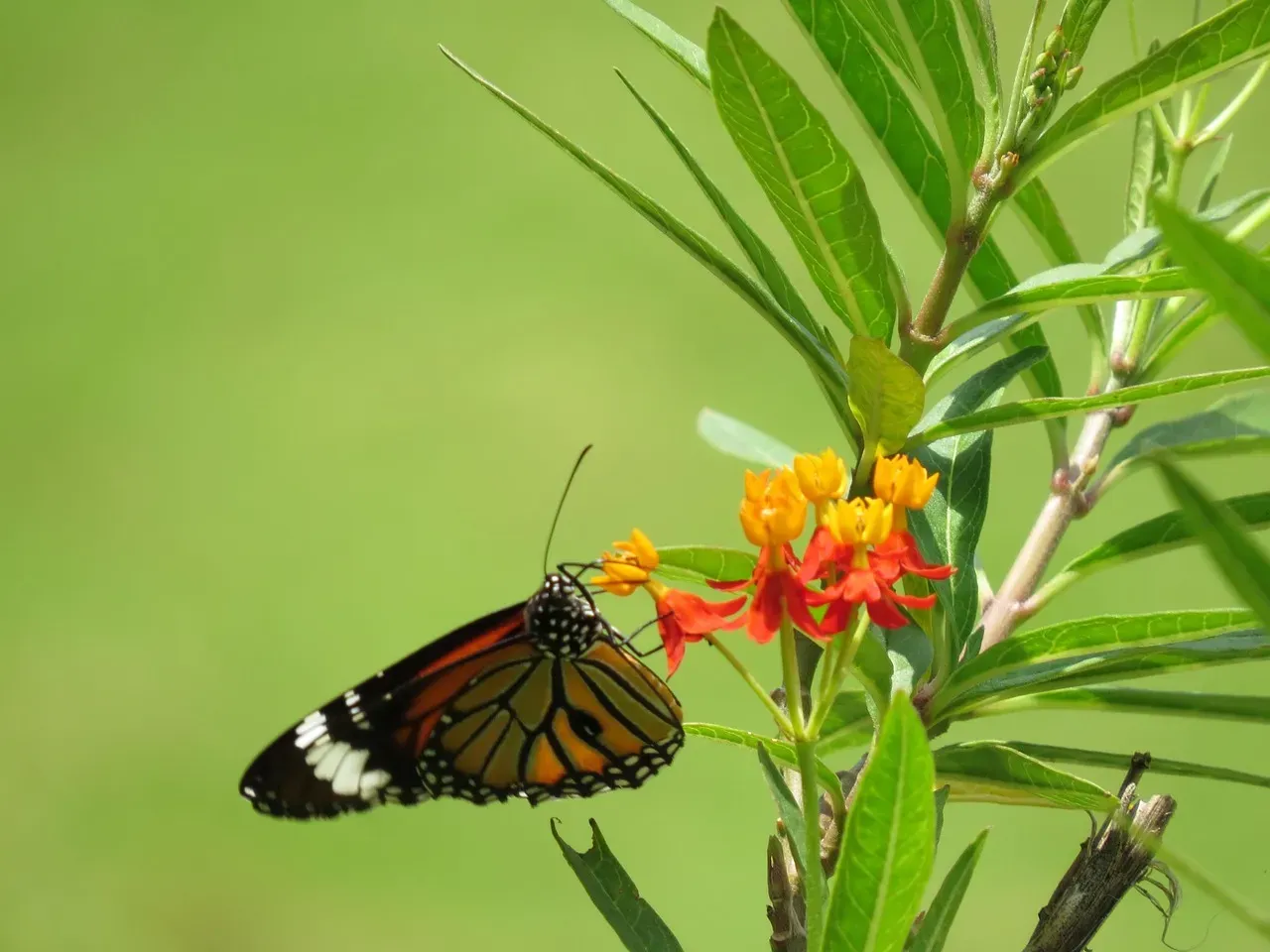
Imagine tasting your dinner the second your foot touches the floor. That’s essentially daily life for a butterfly. When a female lands on a leaf, she drums her feet against it, bruising the surface just enough to release the plant’s juices, then tastes those juices instantly through sensors on her legs.
This isn’t a cute quirk – it’s a life-or-death decision for her future caterpillars. She has to find the exact plant species her offspring can survive on before she ever lays an egg, and her feet actually carry more taste receptors than her mouthparts do. She never even has to touch the leaf with her tongue to know if it’s the right one.
#3 – Owls Have No Eyeballs, Only Tubes
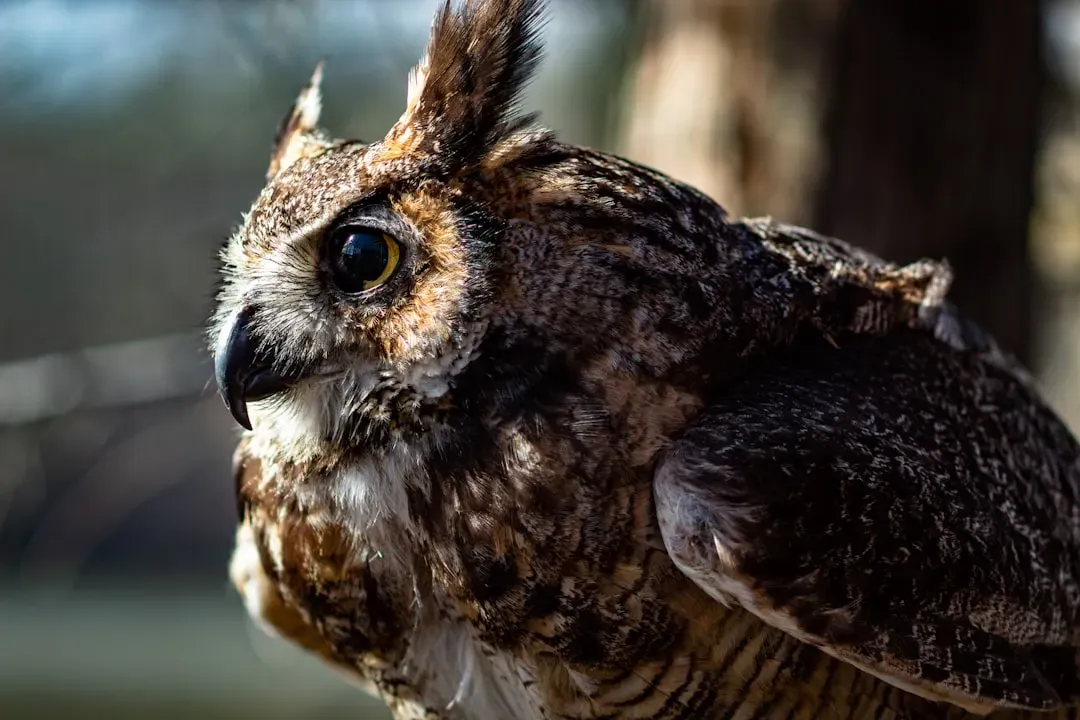
Look closely at an owl and you’ll notice something is off – their eyes never seem to dart around like ours do. That’s because they physically can’t. An owl’s eyes aren’t spheres sitting in sockets; they’re elongated tubes locked rigidly in place by bone, with zero room to roll left or right.
To compensate for eyes that are frozen solid, owls evolved a party trick instead: a neck that rotates up to 270 degrees. It looks unsettling in person, almost like something out of a horror movie, but it’s the only way an owl can scan its surroundings while those tube-shaped eyes stay locked forward, soaking in every bit of light for its silent nighttime hunts.
#4 – Platypus Fur Secretly Glows Blue Under UV Light
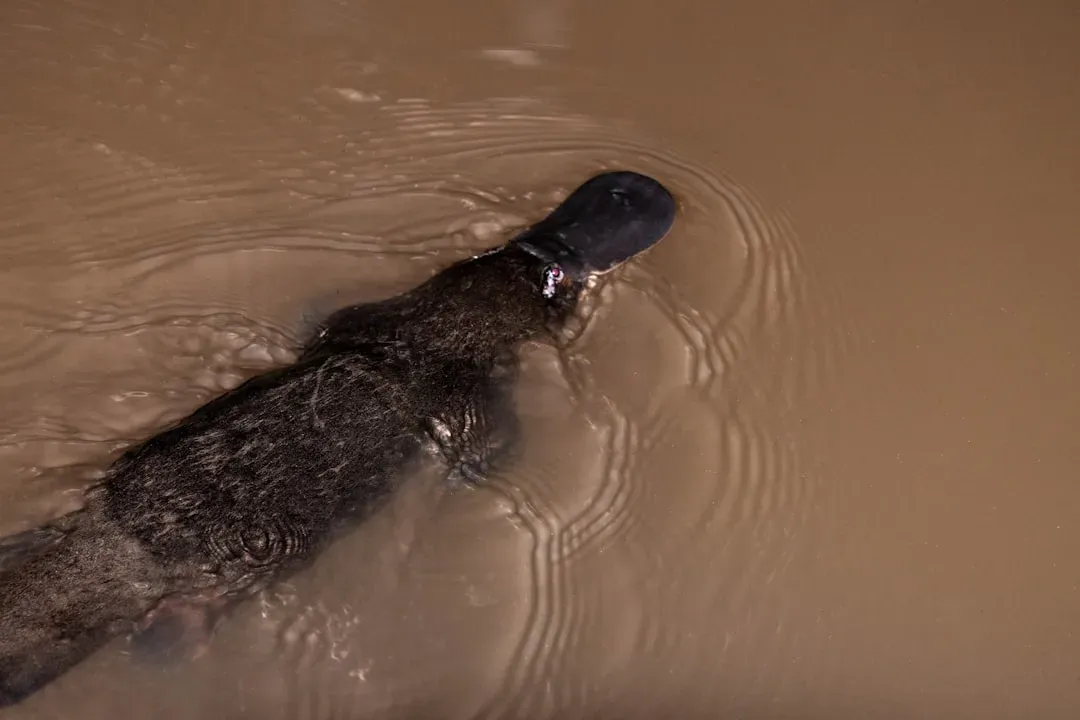
For decades, museum specimens of platypuses sat in drawers looking perfectly ordinary under regular light. Then someone finally pointed an ultraviolet lamp at one, and the fur lit up in an eerie blue-green glow across the entire body.
Researchers were genuinely stunned – this is one of the only mammals on Earth known to biofluoresce this dramatically. Live platypuses in the wild confirmed the trait wasn’t just a fluke of old museum chemicals. Scientists still aren’t completely sure why it happens, but the leading theories involve camouflage or some form of communication in dim water, which means one of Australia’s weirdest animals has been hiding a secret glow-up this entire time.
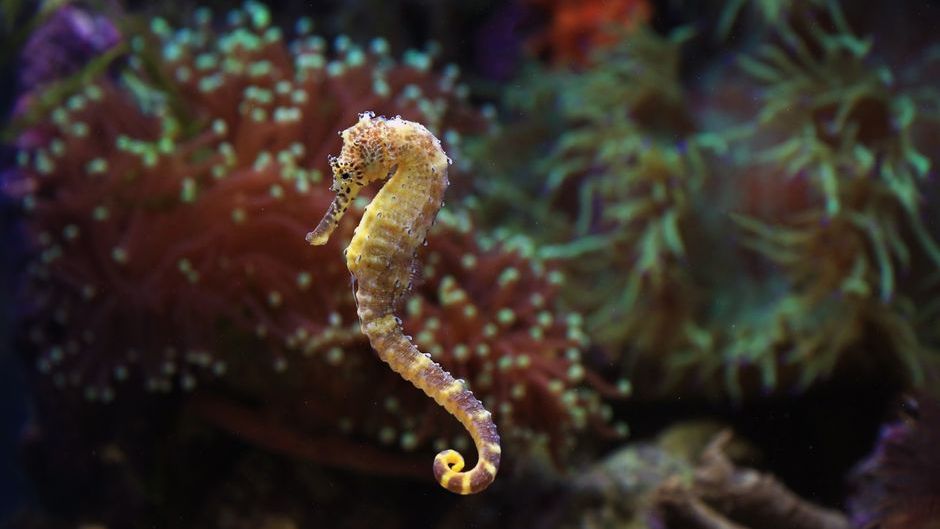
#5 – Male Seahorses Get Pregnant and Give Birth
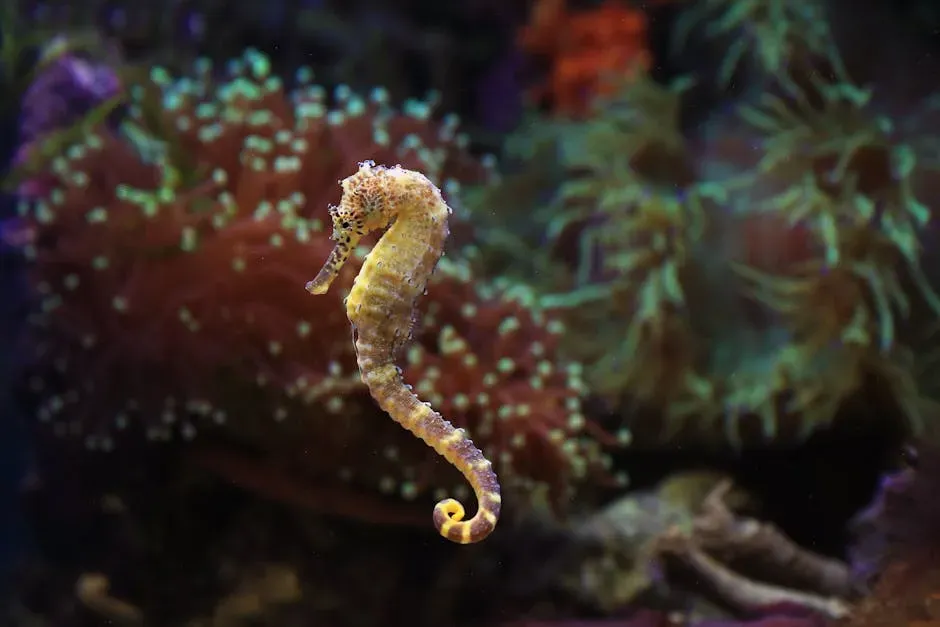
Flip the script on every pregnancy joke you’ve ever heard, because in the seahorse world, it’s the males who carry the babies. The female deposits her eggs into a pouch on the male’s body, and from that point on, he’s the one supplying oxygen and nutrients until the babies are ready.
When it’s time, he goes through something that looks remarkably like labor contractions, pushing out fully formed baby seahorses in a process marine biologists have watched happen in both aquariums and open reefs. It’s the most extreme case of paternal investment found anywhere in the animal kingdom, and it happens across dozens of seahorse species, not just one oddball outlier.
#6 – Horned Lizards Shoot Blood From Their Eyes
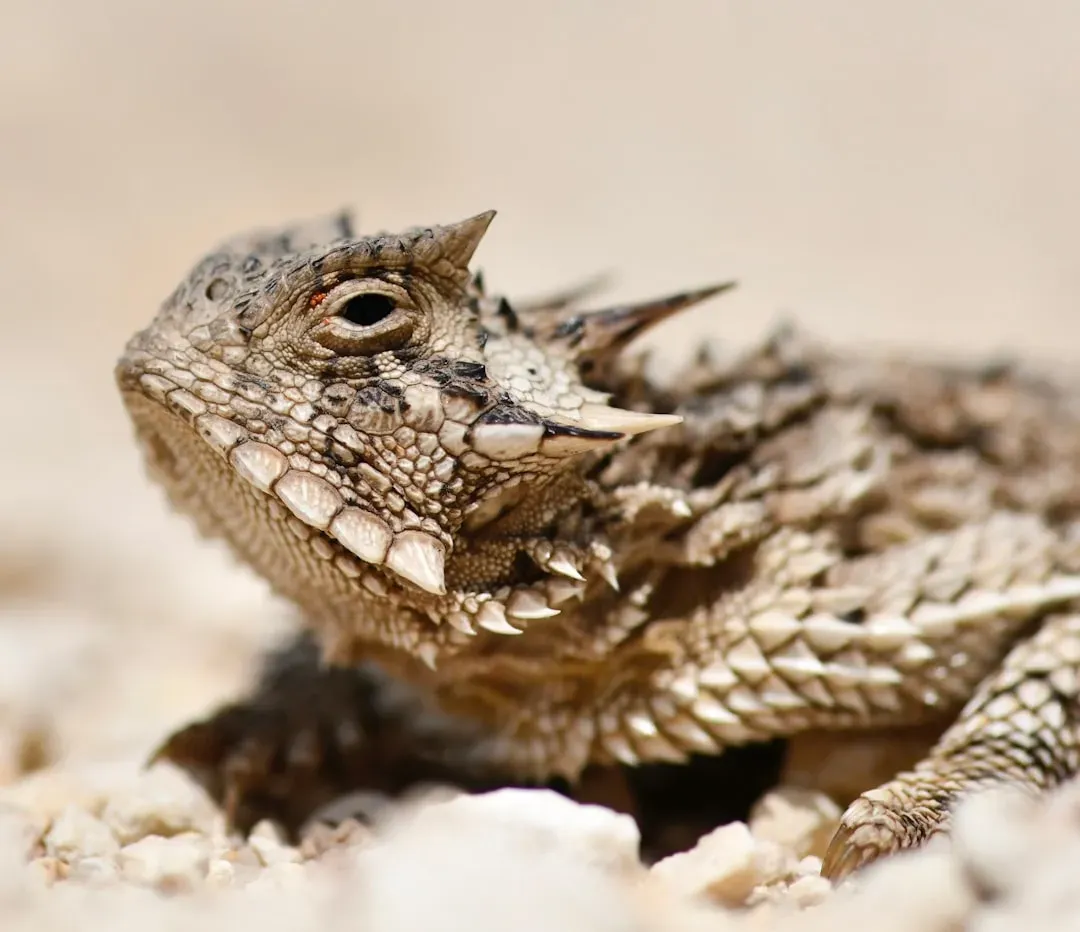
When a coyote or a fox corners a horned lizard, the lizard doesn’t run. It ruptures tiny blood vessels around its own eyes and fires a jet of blood directly at the predator, sometimes accurately hitting a target several feet away.
The blood itself is loaded with chemicals that taste horrific to canines and cats specifically, which is exactly the audience this defense evolved for. Herpetologists working across the American Southwest and Mexico have filmed the moment repeatedly, and while the lizard is left weakened afterward, it’s usually alive to fight another day. It’s a defense mechanism that sounds too gruesome for reality, yet there it is.
#7 – The Immortal Jellyfish Can Undo Its Own Aging
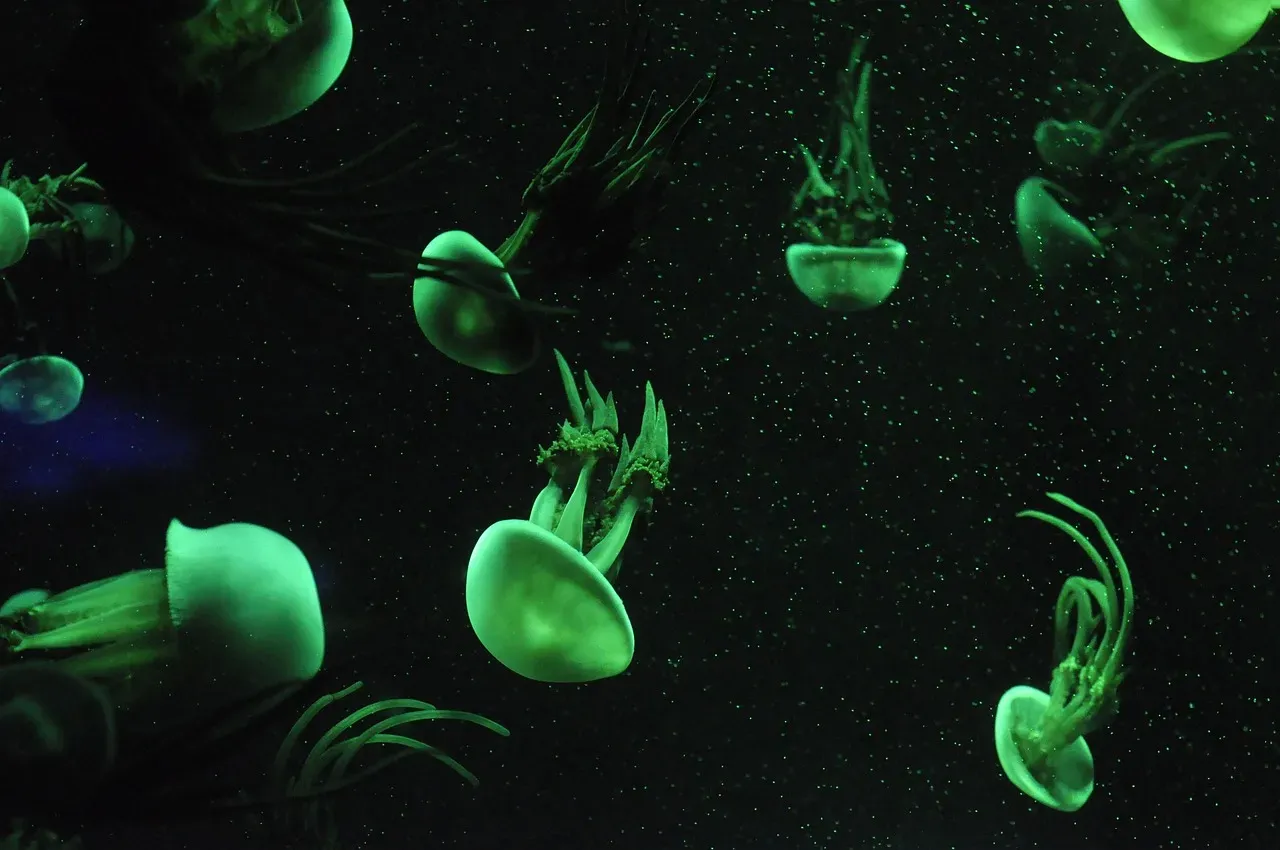
Most living things move in one direction: birth, growth, aging, death. Turritopsis dohrnii, nicknamed the immortal jellyfish, apparently never got that memo. When it’s injured or stressed, it can revert its own cells backward, transforming from a mature adult back into a juvenile polyp.
Scientists first documented this reversal in the 1990s and have since watched the same individual cycle through its life stages multiple times without ever dying of old age. No other known animal can pull this off. It’s not full-on immortality in the sci-fi sense – predators and disease can still kill it – but the genetic mechanism behind the reset is exactly the kind of thing aging researchers would love to understand in humans someday.
Worth Knowing
- The cell-reversal process is called transdifferentiation, where mature cells revert to an earlier developmental state.
- The species is originally native to the Mediterranean Sea but has since spread globally, likely by hitching rides in ship ballast water.
- Each jellyfish is roughly the size of a pinky fingernail, making the discovery even more surprising.
- Researchers still can’t trigger the reversal on demand outside of stress or injury conditions.
#8 – Dolphins Call Each Other by Name
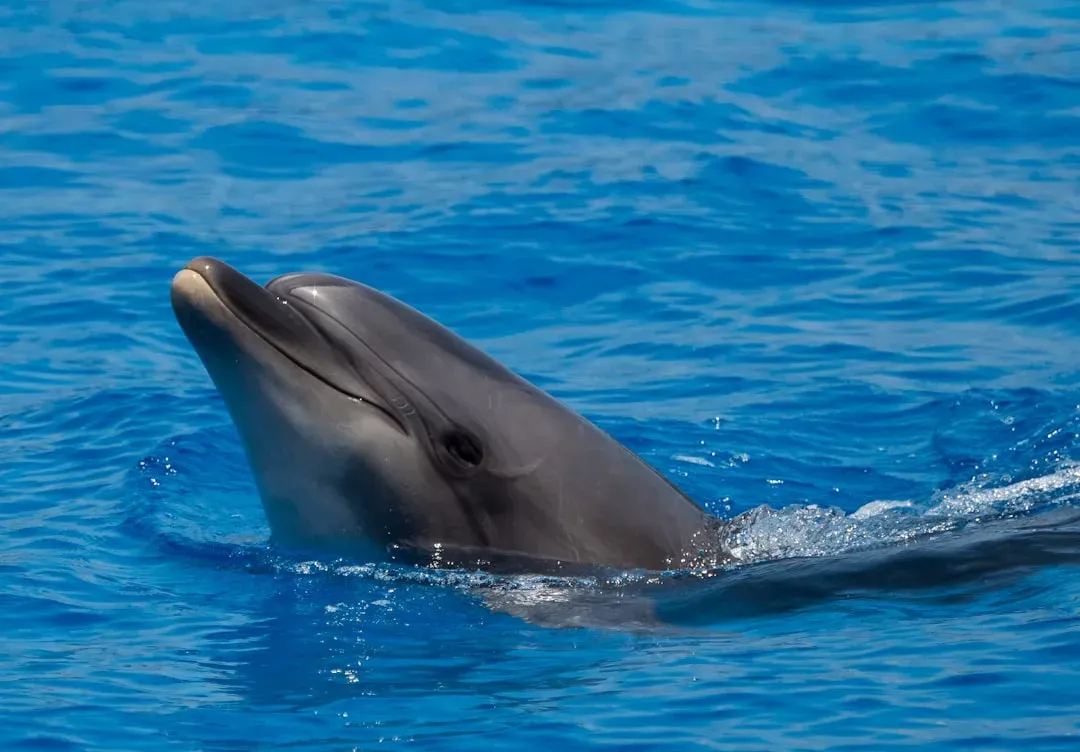
Every dolphin develops its own signature whistle early in life, and it functions almost exactly like a name. Other dolphins in the pod learn that whistle and use it to call that specific individual, ignoring it when it’s meant for someone else.
Marine biologists have tracked these signature whistles across generations in wild pods, watching mothers and calves call to each other across open water to stay connected. It completely upends the old assumption that personal names were a uniquely human invention, and it hints at a level of individual identity in dolphin society that most people never gave them credit for.
#9 – Sloths Can Out-Hold Their Breath Against Dolphins
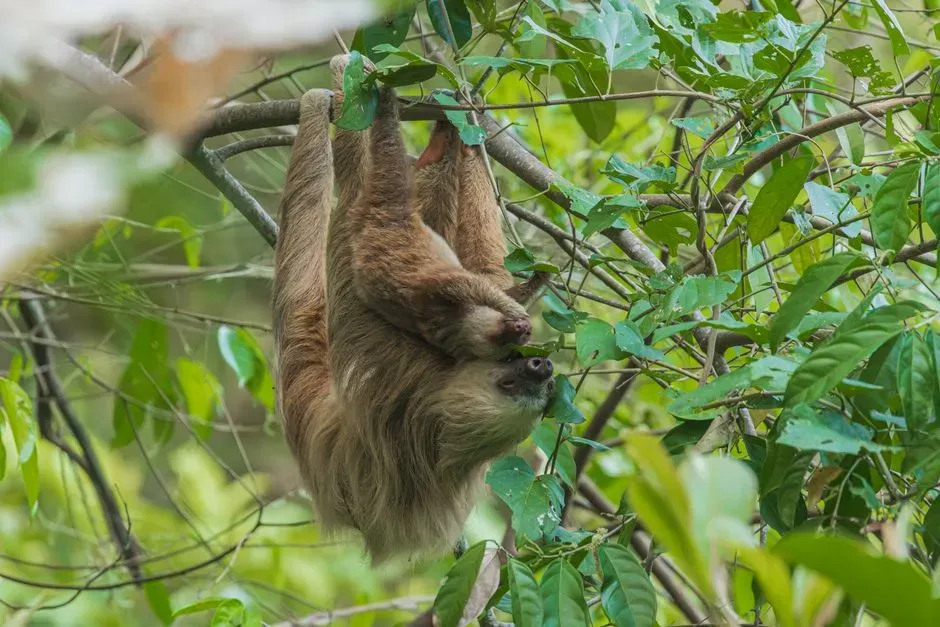
Sloths have a reputation for being slow, lazy, and generally unimpressive. Underwater, though, they’re absurdly good at one very specific thing: holding their breath for up to 40 minutes at a time, which is longer than most dolphins can manage.
The secret is their painfully slow metabolism, which sips oxygen instead of burning through it. Researchers working in Central and South American rainforests have timed sloths crossing rivers this way, using the ability to escape predators or simply get where they need to go without ever having to surface for air. It’s the one category where the slowest mammal in the forest quietly beats one of the ocean’s most athletic swimmers.
#10 – Koalas Have Fingerprints Almost Identical to Humans
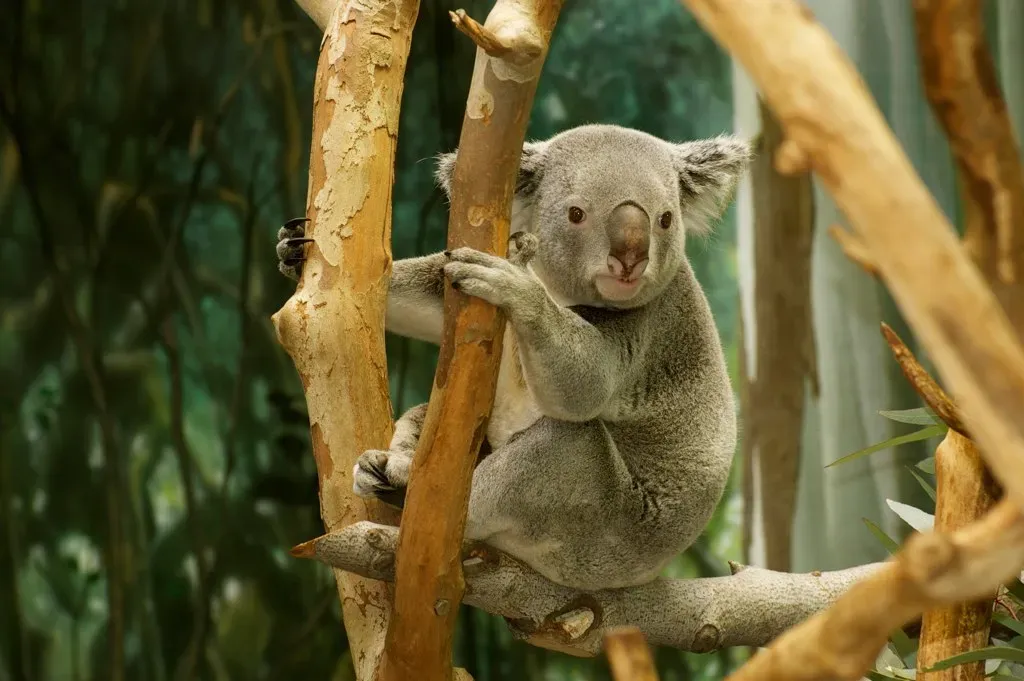
Forensic investigators have reportedly mixed up koala fingerprints with human ones under a microscope, and it’s not an urban legend. The loops and whorls on a koala’s fingertips are close enough to human prints that trained experts have to look twice.
Australian researchers stumbled onto this while comparing skin samples across primates and marsupials, and the resemblance is a textbook case of convergent evolution – two completely unrelated animals developing the same solution because they both need to grip things precisely. For koalas, that means gripping smooth eucalyptus branches without losing hold, a trait that evolved in complete isolation from anything happening in the human family tree.
Quick Compare
- Humans: fingerprint loops and whorls evolved for grip on tools and surfaces.
- Koalas: nearly identical patterns evolved independently for gripping smooth eucalyptus branches.
- Other primates like chimps and gorillas: fingerprints exist but are less similar to human prints than a koala’s.
- Shared cause: convergent evolution, not shared ancestry, since koalas and humans split from a common lineage long before fingerprints existed.
#11 – Hippos Can’t Actually Swim – They Walk Underwater
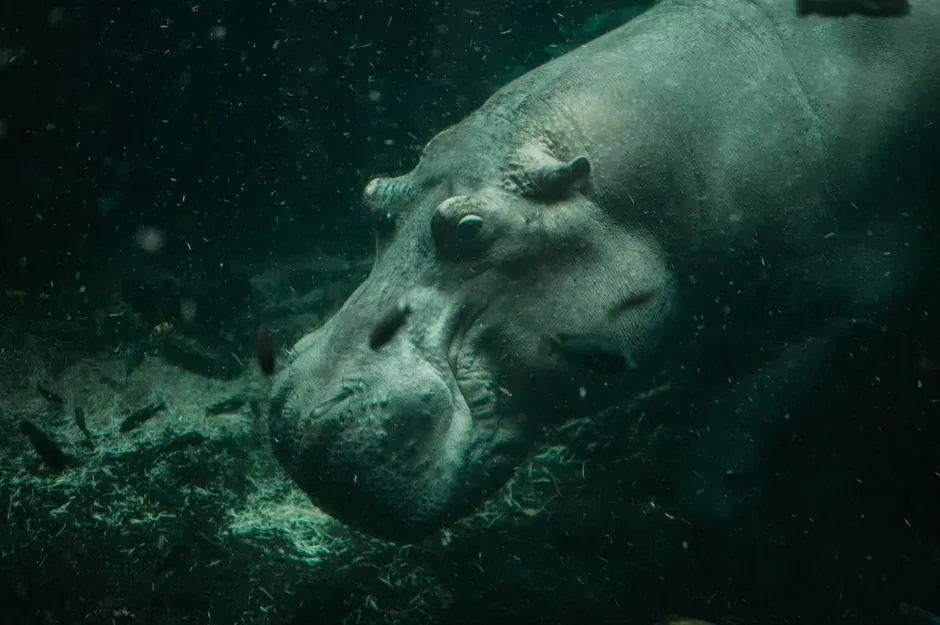
Despite spending most of their lives in rivers and lakes, hippos never actually swim in the way you’d picture it. They walk or run along the riverbed, holding their breath for several minutes at a stretch, using their dense bones and precisely controlled buoyancy to stay grounded instead of floating to the surface.
Underwater cameras across African wildlife reserves have caught this repeatedly, showing hippos essentially jogging along the bottom of a lake with total control. It’s a far more energy-efficient method than paddling, and it explains why hippos can vanish beneath the surface for long stretches during the hottest parts of the day without anyone seeing them come up for air.
#12 – Flamingos Are Born Gray, Not Pink
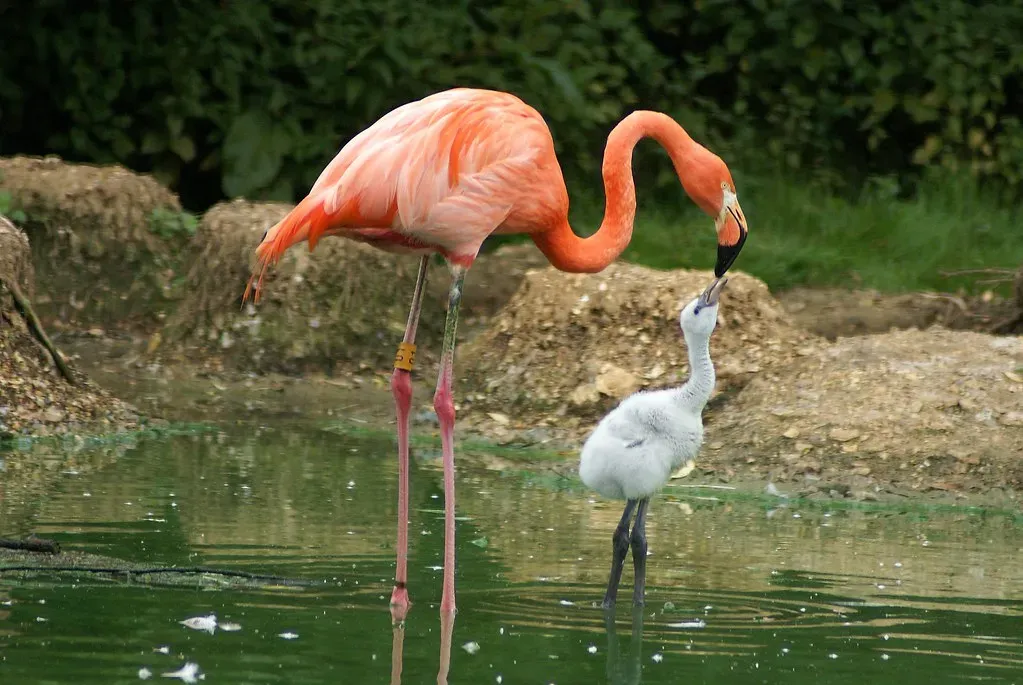
Here’s something that catches almost every zoo visitor off guard: flamingo chicks hatch looking dull gray, not pink at all. That famous flamingo pink isn’t written into their genes – it comes entirely from their diet, specifically the carotenoid pigments found in the algae and shrimp they eat.
Without that specific food, an adult flamingo will actually fade back toward gray or white over time, which is why zoos have to supplement captive birds’ diets just to keep their signature color intact. The transformation takes years to fully develop, and it doubles as a signal of maturity to potential mates – the pinker the bird, the better fed and more capable it’s proven itself to be.
#13 – Wombats Poop in Perfect Cubes
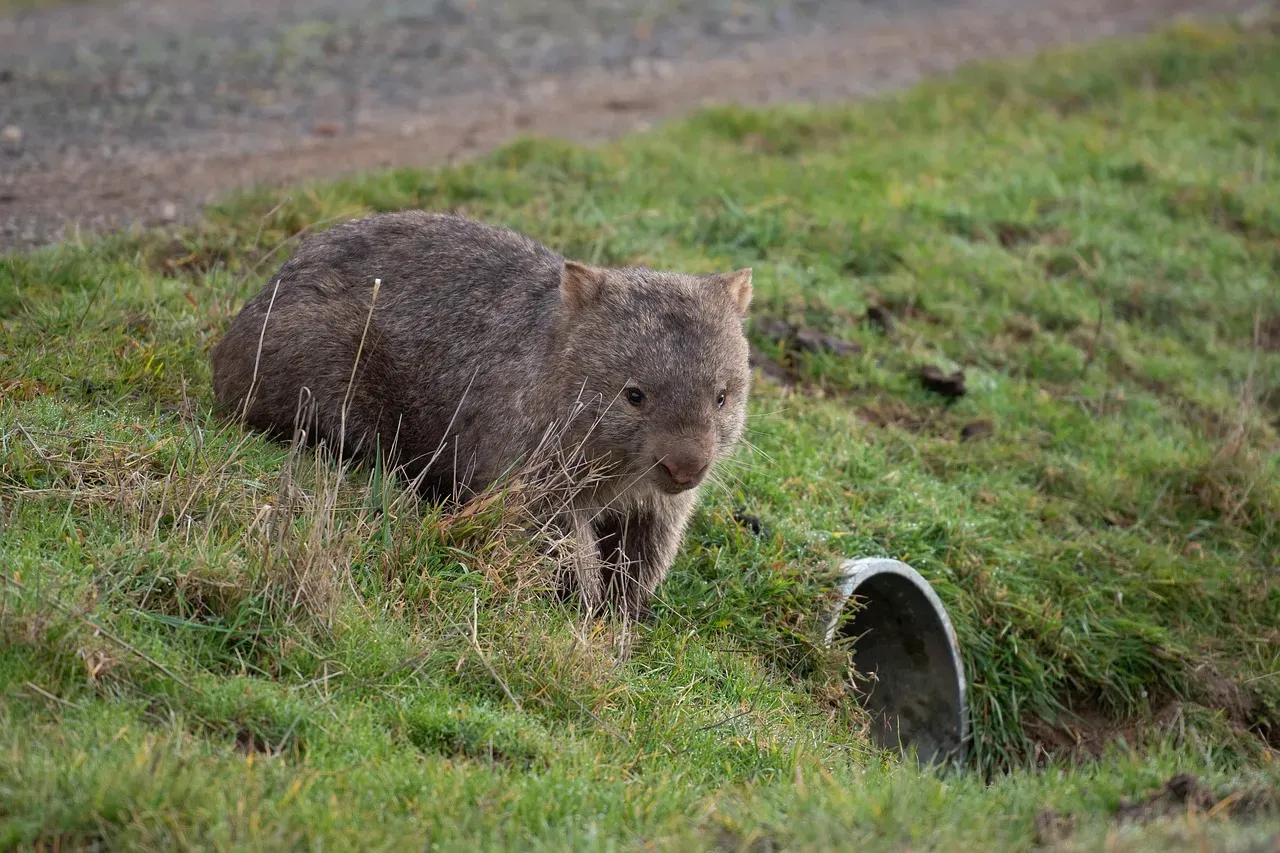
Somewhere in the Australian bush, a wombat is producing droppings shaped like tiny dice, and it’s not a photoshopped internet joke. Their intestines have sections of varying elasticity that mold waste into sharp, cube-like edges during the final stage of digestion.
Field biologists have collected and measured thousands of these cubes, which typically come out around two centimeters per side and stay put on uneven or sloped terrain instead of rolling away. That stability matters because wombats use the cubes to mark territory, and a pellet that rolls off a rock loses its entire purpose. No other mammal on the planet is known to pull off this exact trick.
#14 – Polar Bears Have Black Skin Hiding Under White Fur
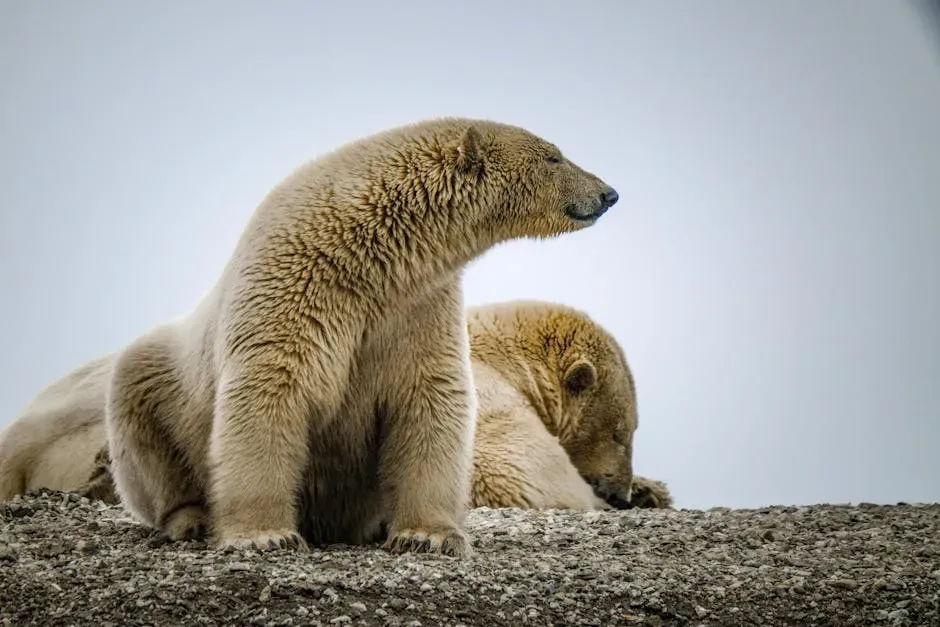
A polar bear’s coat isn’t actually white – it’s transparent, and it only appears white because it scatters light the way snow does. Underneath all that fur is skin as black as coal, built specifically to absorb every scrap of sunlight the Arctic offers.
That black skin does double duty, soaking in heat while also shielding the bear from UV radiation that would otherwise damage it during long days on the ice. Researchers confirmed the adaptation through direct measurements on both live bears and preserved pelts, and it completely reframes what most people assume is a simple camouflage story into something far more clever underneath the surface.
#15 – Octopuses Pump Blood With Three Separate Hearts
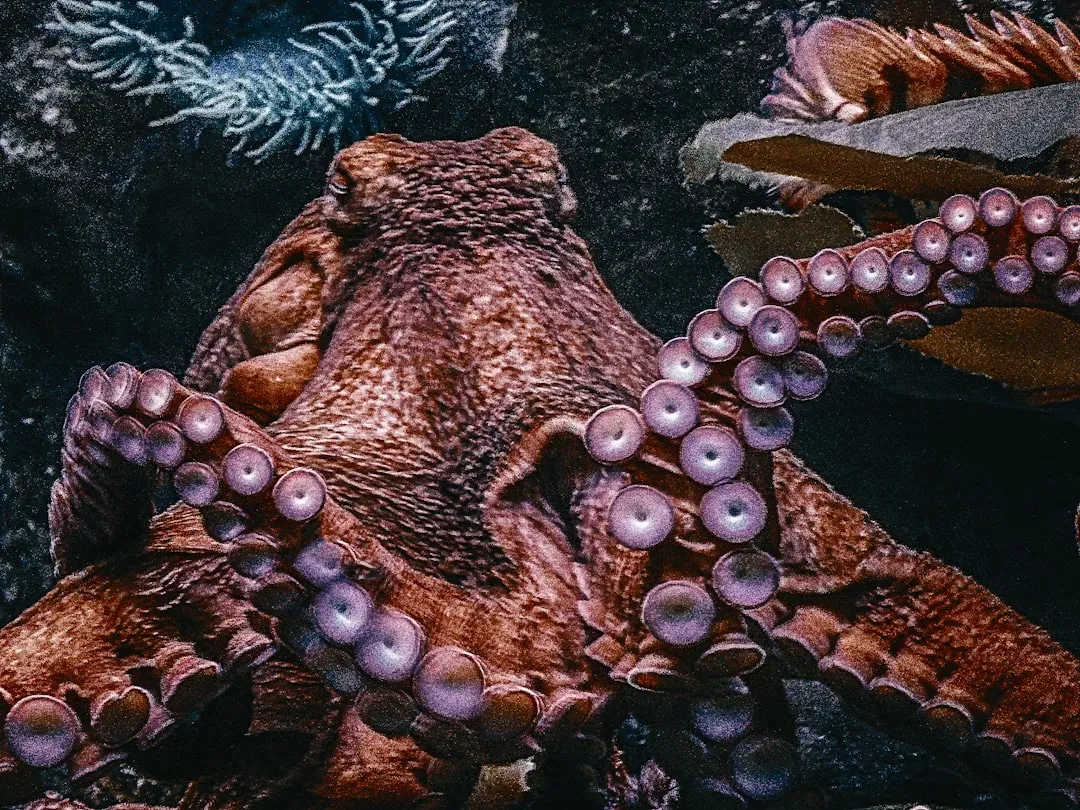
Two of an octopus’s three hearts exist purely to push blood through the gills, while the third handles circulation to the rest of the body. And here’s the detail that throws people every time: that third heart actually stops beating whenever the octopus swims, which is part of why octopuses seem to prefer crawling over swimming whenever they can.
Their blood isn’t even red – it runs blue, thanks to a copper-based protein instead of the iron humans rely on. Scientists have documented this triple-heart system in both lab settings and open-water footage, and the whole arrangement is what allows octopuses to survive in the cold, low-oxygen depths where most other creatures would simply suffocate. It’s a fitting animal to end on, because if evolution can build a creature with three hearts and blue blood, nothing on this list should really surprise you anymore.
Why It Stands Out
- Two gill hearts plus one systemic heart make octopuses the only common creature most people encounter with a triple-pump circulatory system.
- Blue blood comes from hemocyanin, a copper-based protein that works better than iron-based hemoglobin in cold, low-oxygen water.
- The systemic heart pausing during swimming is a big reason octopuses tire quickly and favor crawling along the seafloor instead.
- This unusual circulatory setup is part of why octopuses can thrive in deep, oxygen-poor ocean zones that would exhaust most other animals.
The Bottom Line
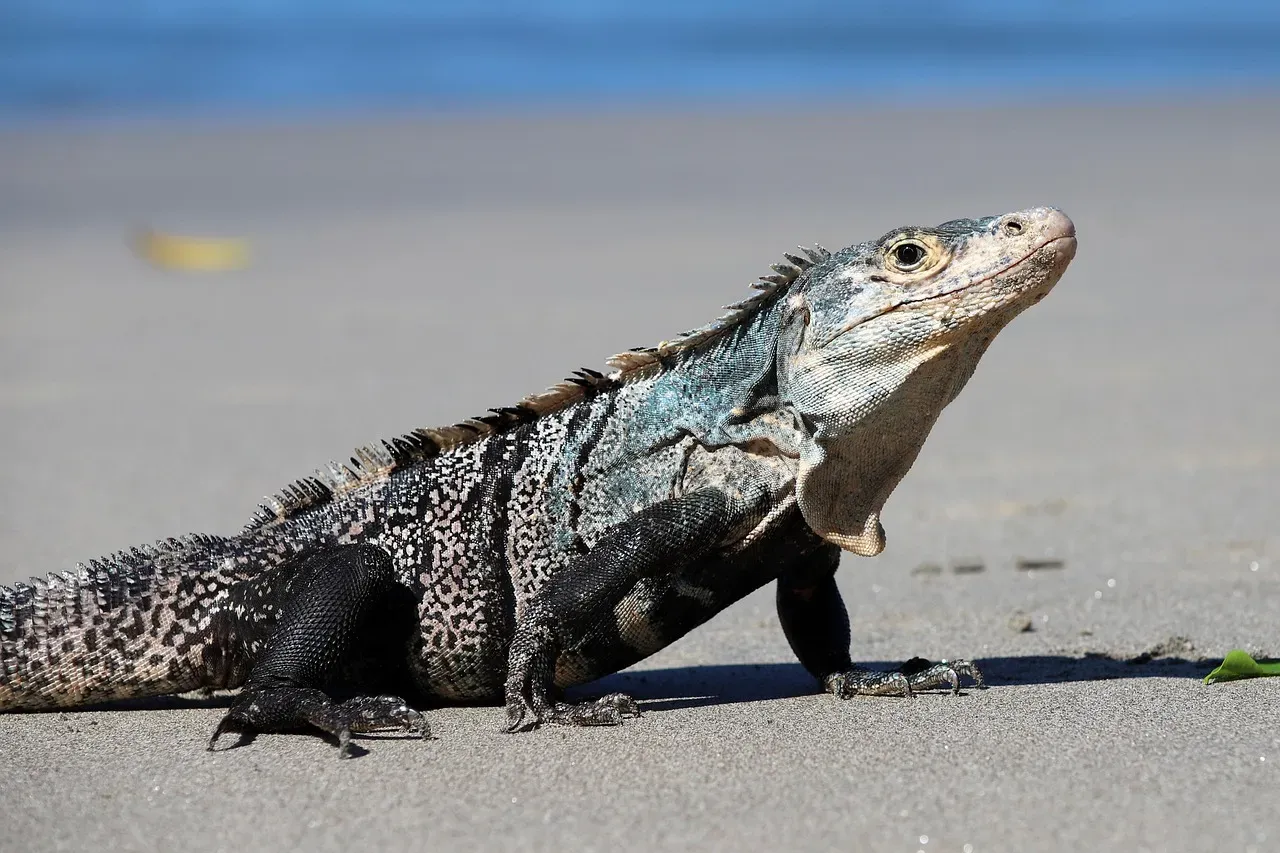
Here’s the honest takeaway: nature was never obligated to make sense to us. These 15 facts aren’t fringe trivia dug up to shock you for a few seconds of scroll time – they’re peer-reviewed, filmed, measured, and repeatedly confirmed realities that happen to sound like fiction because our imaginations are, frankly, less creative than evolution.
If there’s one thing worth sitting with, it’s this: the animals we think we already understand – hippos, owls, flamingos, octopuses – are still hiding entire biological secrets in plain sight. So which one actually stopped you mid-scroll? Was it the blood-squirting lizard, the pregnant seahorse, or the jellyfish that refuses to die? Say it in the comments, because odds are good the animal kingdom still has a few more of these tucked away that haven’t gone viral yet.

- The Pet Your Zodiac Sign Would Rescue Without Hesitation - August 16, 2026
- 7 US States Where Mountain Lions Are Closer Than You Think - August 16, 2026
- 10 US States With the Highest Black Bear Populations - August 16, 2026